Backpacking Gear
Backpacking Comfort Gear Guide: Chairs, Pads, Pillows, and Footwear That Earn Their Weight
A practical guide to the gear that makes backpacking genuinely comfortable, from ultralight camp chairs and sit pads to sleeping pads, camp pillows, and trail footwear.
Introduction
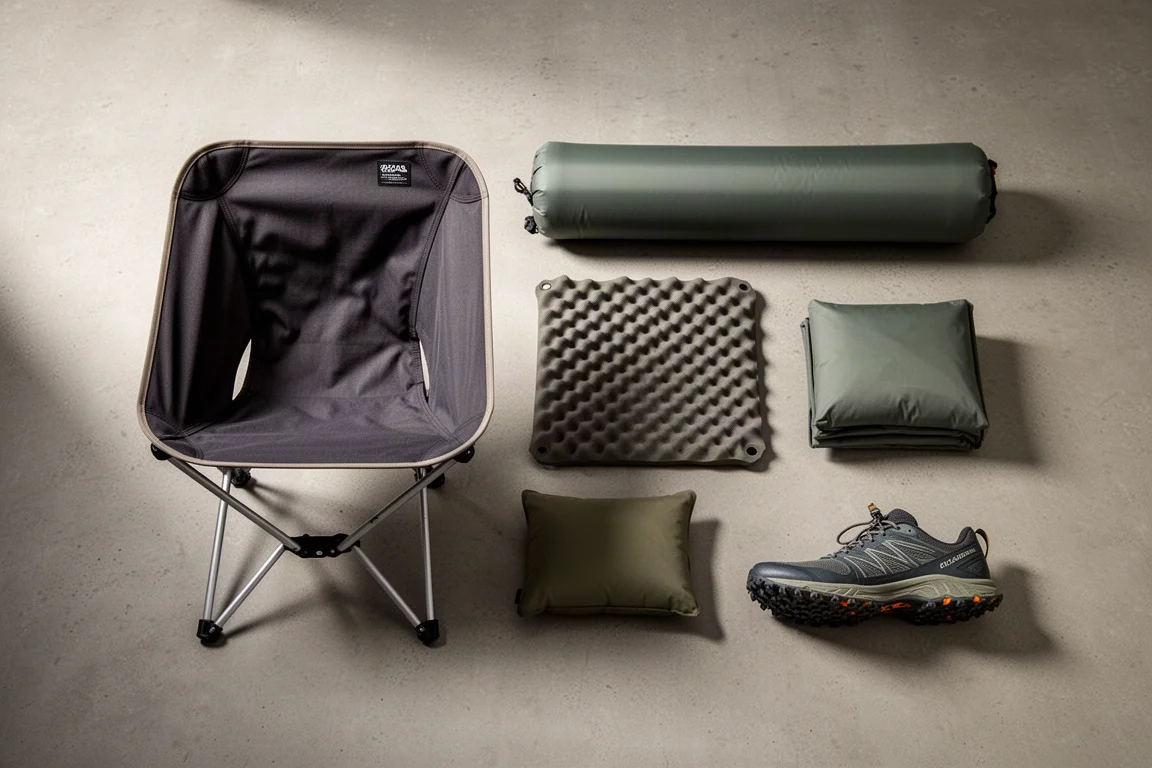
Staying comfortable in the backcountry rarely comes down to one big purchase. It comes down to a handful of small decisions: whether you carry a chair, how wide your sleeping pad is, whether your pillow stays under your head, and whether your shoes fit the way your feet actually work.
Weight is usually the reason people skip comfort gear, but the trade-offs are smaller than they look. A chair that weighs about a pound, a foam sit pad that costs almost nothing in weight, and a pillow that straps to your pad can change how a trip feels without changing how far you can walk.
This guide covers the areas that make the biggest difference, what to look for in each, and the specific models that stand out.
What Actually Makes Backpacking Gear Comfortable
Comfort gear works best when it is judged on four things: how much it weighs, how warm it keeps you, how it matches the way you sleep, and how well the pieces work together.
Warmth ratings are a starting point rather than an answer. Two sleeping pads with very similar R-values can sleep noticeably differently once you are actually lying on them, so it pays to look at baffle design and width instead of a single number on a spec sheet.
Sleep position matters just as much. Side sleepers need more height under the head and more width under the body, while back sleepers can get away with thinner, flatter gear. Camp temperature decides a lot too: gear that feels perfect on a warm summer trip can feel thin on a cold night high in the Rockies.
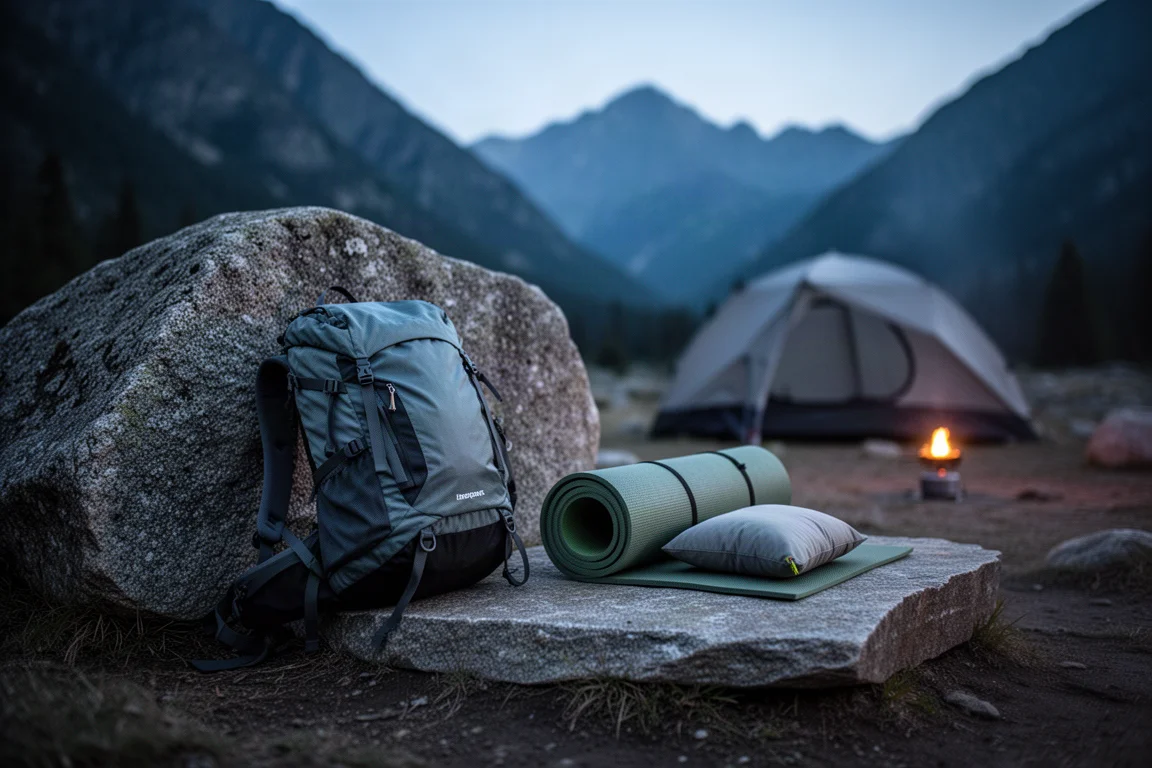
The last piece is how the items interact. A wide sleeping pad makes a wide pillow useful, a sit pad makes an ultralight chair warmer, and the same sit pad can raise a pillow if you need more height. Building a kit around those overlaps usually costs less weight than buying heavier versions of everything.
Camp Chairs: The Case for Carrying One
Chairs are the piece of comfort gear people most often leave at home, and it is usually the one they miss first. Without one, evenings at camp turn into balancing on a log or a rock, or borrowing a seat from someone else.
There is a chair for almost every budget. Inexpensive options that weigh around two pounds are widely available and perfectly usable. The lighter end of the market, where chairs come in at about a pound, costs more but is far easier to justify carrying on longer trips.
Two details are worth knowing before you buy. First, ultralight chairs can feel cold, because wind and cool air move freely underneath and along your back. Second, some newer designs address the two classic annoyances: side adjusters that switch between a reclined and an upright position, and a carry case that doubles as a ground mat so the legs do not sink into sand or soft ground. On other chairs, that ground mat is usually sold separately.
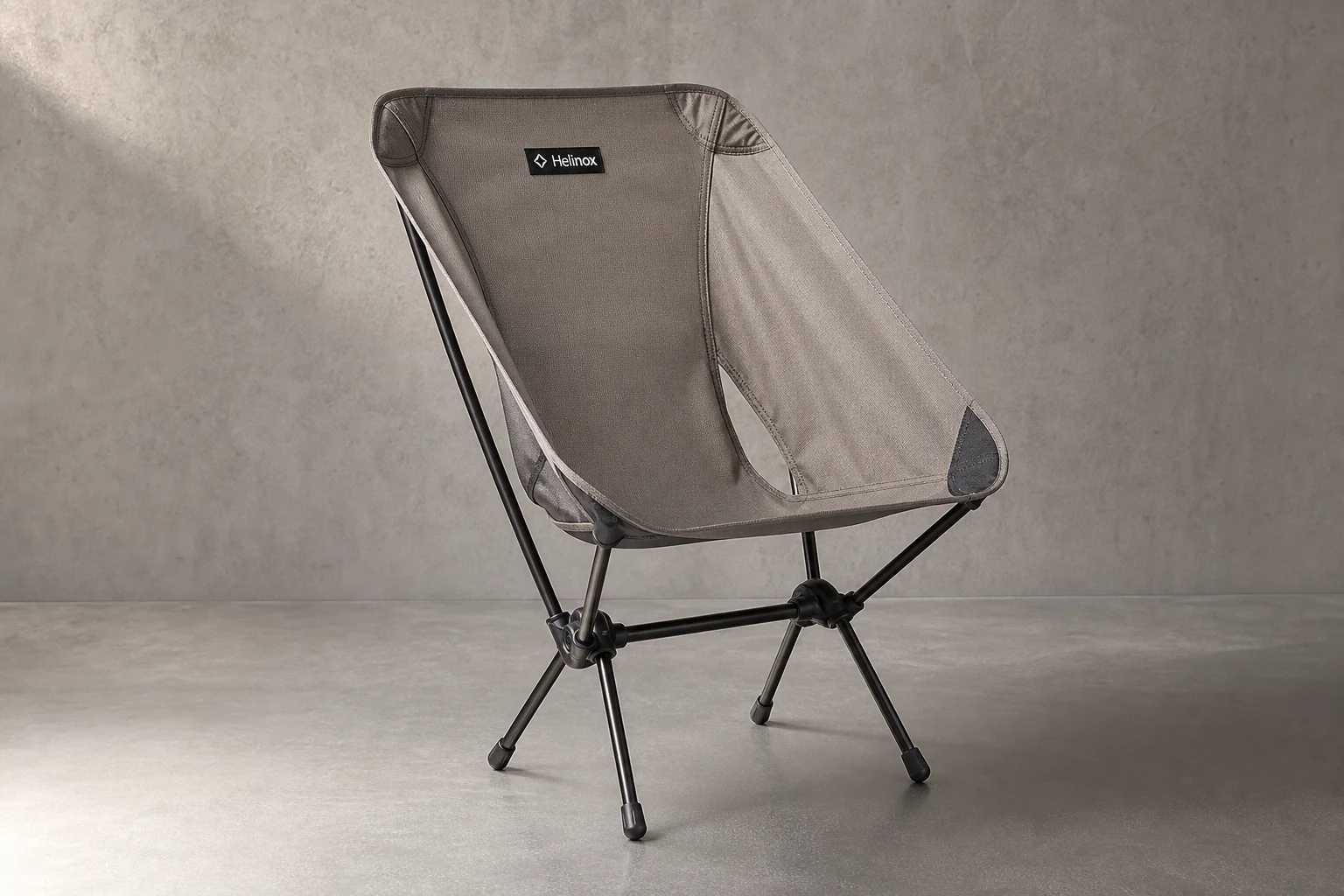
Helinox Chair Zero
The Chair Zero is one of the reference points for ultralight seating. It weighs about a pound and stays comfortable enough to sit in for a full evening, which is the balance most backpackers are looking for. Its weakness is cold air: with nothing underneath, wind moving along the seat makes it feel chilly on cool evenings, and a thin sit pad fixes that. The matching ground mat, which keeps the legs from sinking into soft ground, is sold separately and adds meaningful cost.
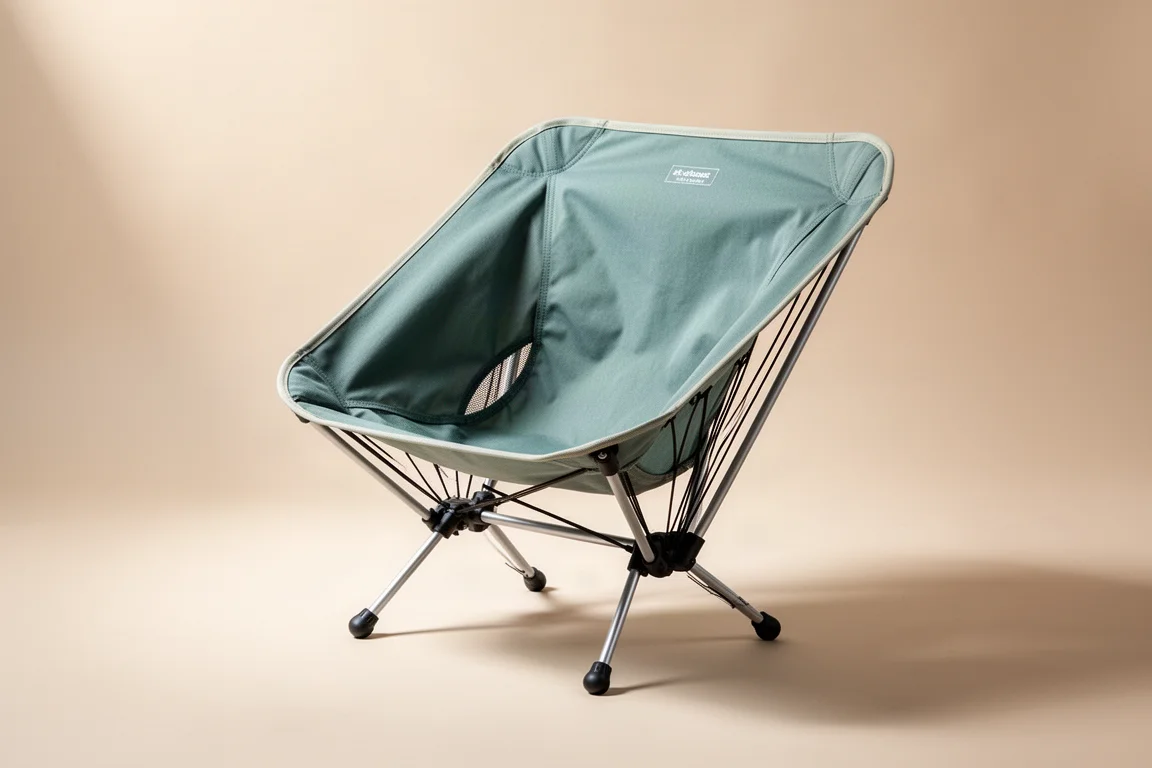
REI Flexlite Air Chair
The Flexlite Air Chair sits in the same weight class at about a pound and offers a similar level of comfort. It shares the same cold-air caveat, so pairing it with a closed-cell sit pad is the standard fix. For backpackers who want a chair without a real weight penalty, it is a straightforward choice.
Sit Pads: Small Add-Ons With Real Payoff
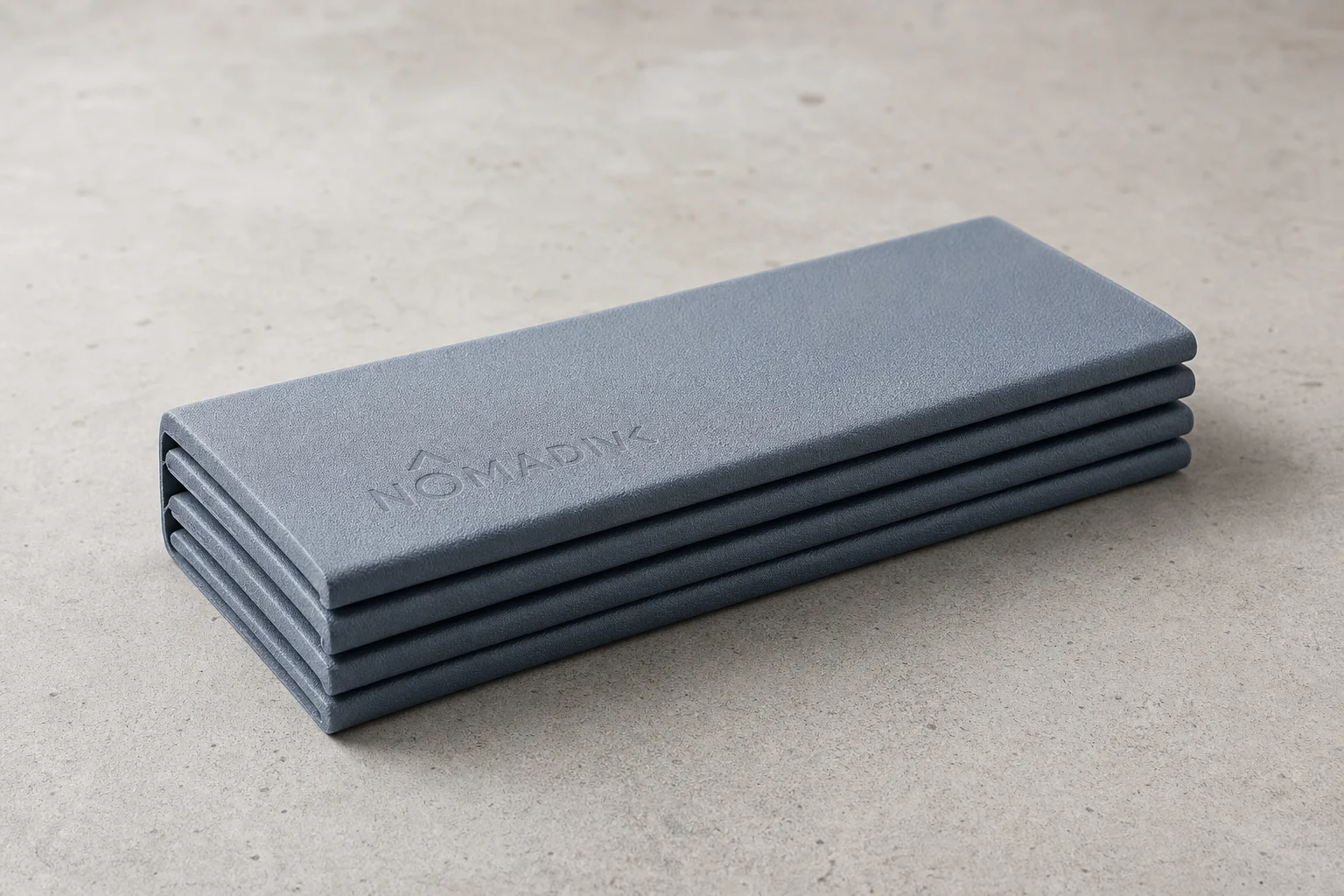
A thin closed-cell sit pad is one of the cheapest comfort upgrades in a backpacking kit, in both weight and cost. Its main job is insulation: placed on an ultralight chair, it stops cold air and wind from pulling warmth out of your backside.

It has a second use that is easy to overlook. Folded and tucked under a camp pillow, a sit pad raises the pillow by an inch or two, which is a simple fix for side sleepers who need more height under the neck. It also gives you a dry, clean surface to sit on during a break, which matters more on wet ground than most people expect.
Therm-a-Rest Z Seat
The Z Seat is a closed-cell foam sit pad that does two jobs well. It insulates a chair on cool evenings, and when folded it adds height under a pillow for side sleepers who need more support. It packs flat against the back of a pack and adds very little weight, which is why it pairs so naturally with an ultralight chair.
Sleeping Pads: Width, Warmth, and Baffle Design
Sleeping pads are where comfort questions get the most attention, and where popular recommendations can lead people astray. Three features matter more than brand loyalty.
Width is the first. A standard pad is 20 inches wide, while a 25-inch pad gives you noticeably more room to move and settle. Unless the goal is the absolute minimum weight, there is little reason to choose 20 inches over 25.
Warmth is the second, and R-value is only a starting point. Pads with very similar R-values can sleep differently in real conditions, so treat the number as a guide and think about where and when you actually camp.
Baffle design is the third and the most overlooked. Horizontal baffles suit back sleepers but tend to feel firm and less forgiving for everyone else. Dimpled baffling works like a set of small springs: the surface presses down under your weight and relieves pressure, which is what keeps arms from going numb overnight. Vertical baffles fall somewhere in between and work well for some sleepers.
REI Helix
The Helix is the most balanced pick in this group. It is warm and comfortable at the same time, which makes it a sensible default for three-season backpacking when you do not want to trade one quality for the other.
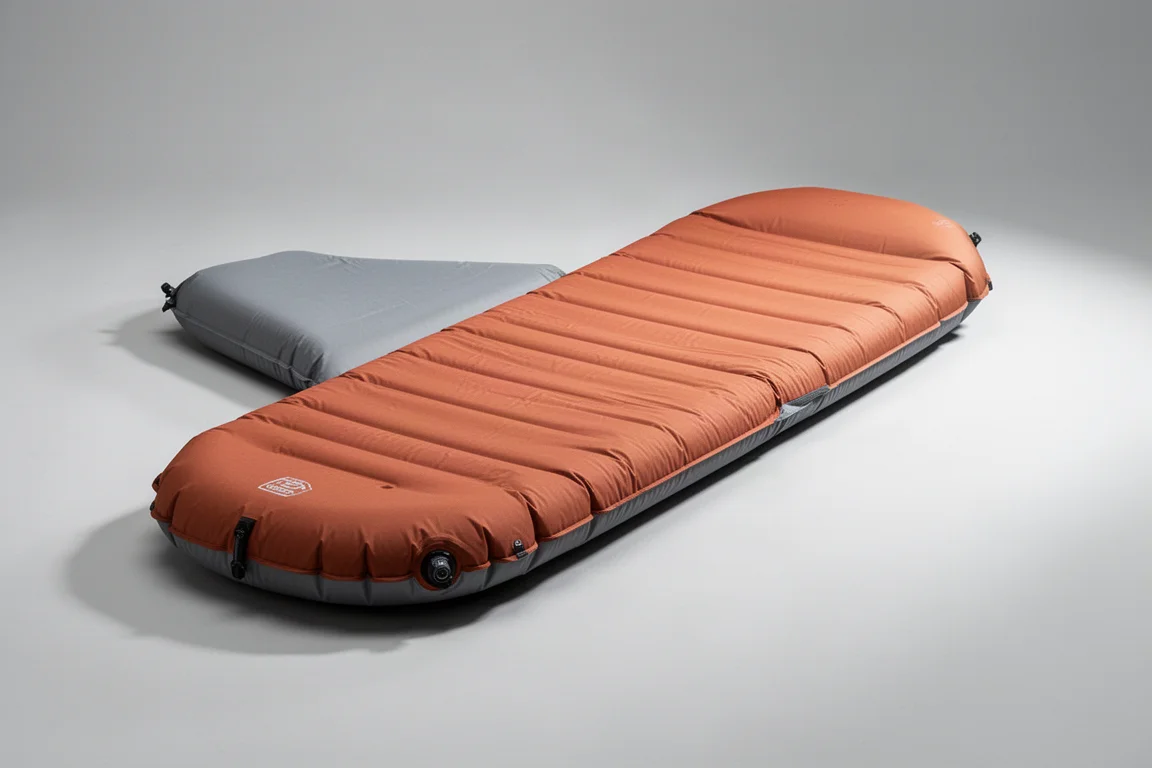
Sea to Summit Ether Light XT
The Ether Light XT is the comfort specialist. Its dimpled baffle pattern relieves pressure more effectively than a flat or horizontally baffled pad, and it is the type of surface that helps side sleepers stay asleep. The trade-off is warmth: this is not a cold-weather pad, so it makes the most sense for warmer climates and summer trips.
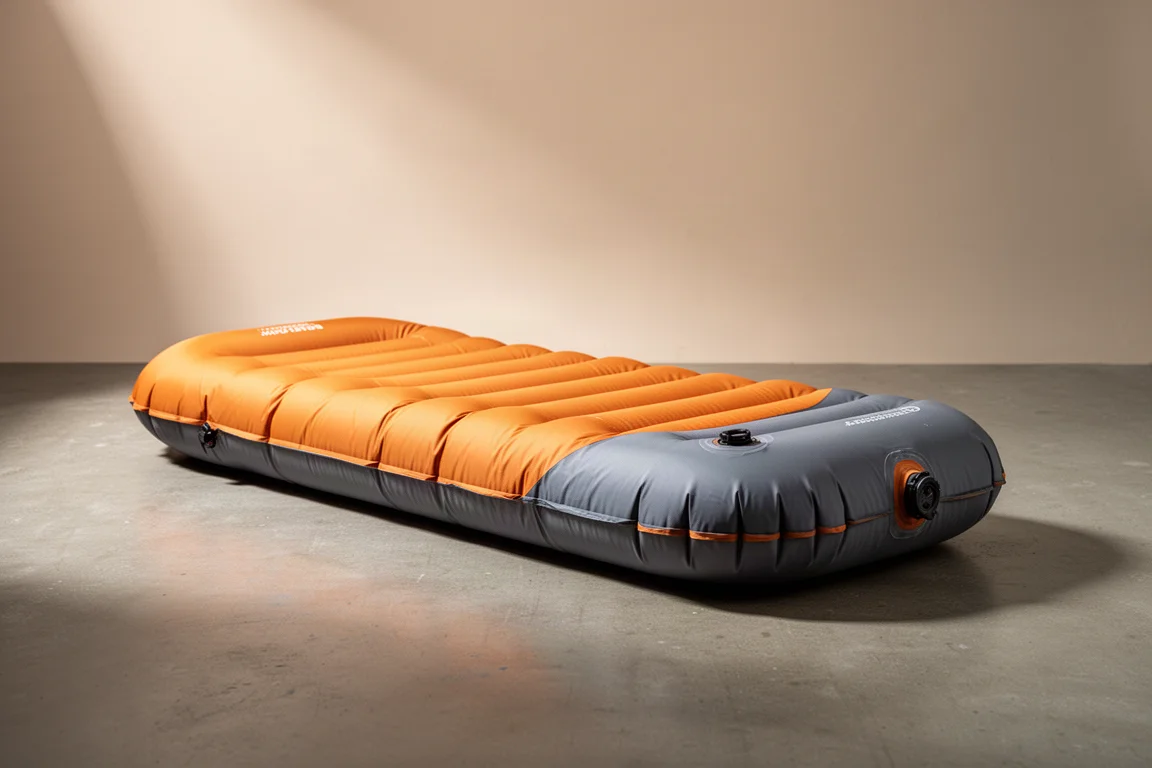
Nemo Tensor
The Tensor goes the other way. It is very warm and very light, which makes it a strong choice for cold trips and long days, but it is a little less comfortable than the two pads above because its baffles lean toward a horizontal pattern with only slight dimpling.
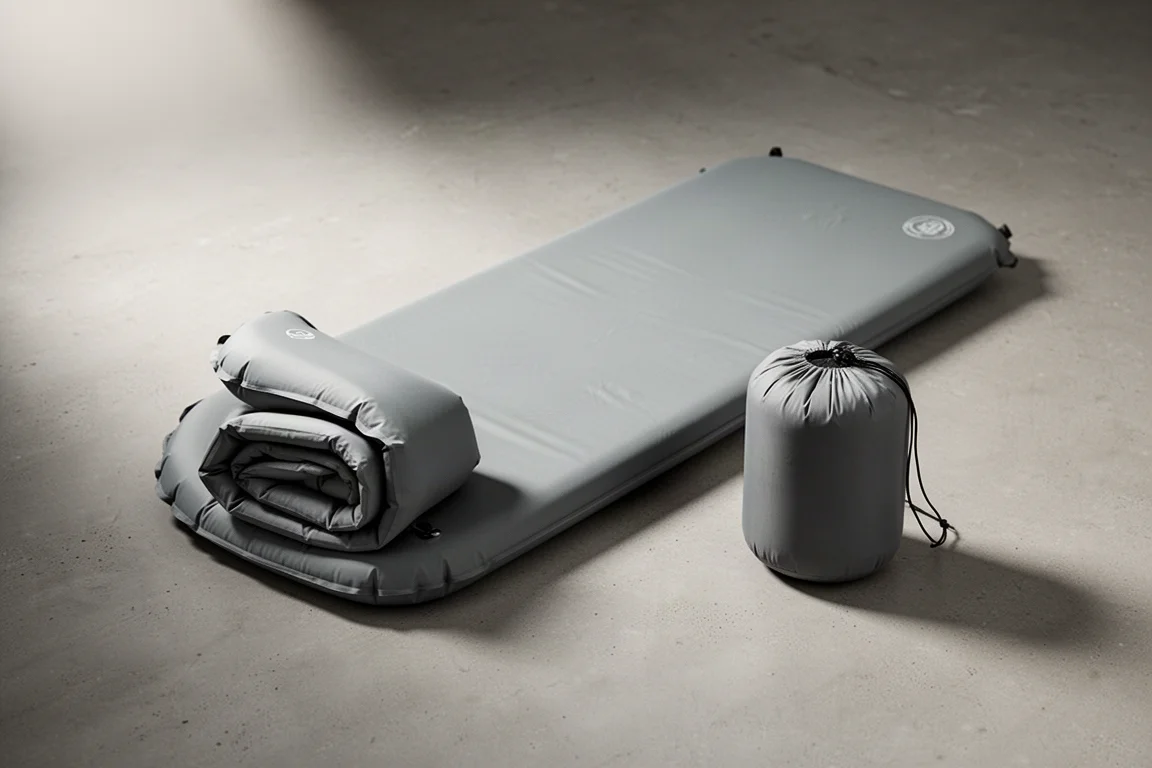
Big Agnes Zoom UL
The Zoom UL is built for ultralight trips where weight matters most. It is very light while still being reasonably warm and comfortable, and it suits backpackers who count grams but do not want to sleep badly. One caveat: despite an R-value similar to the Tensor’s, it sleeps colder in practice, so plan accordingly for shoulder-season trips.
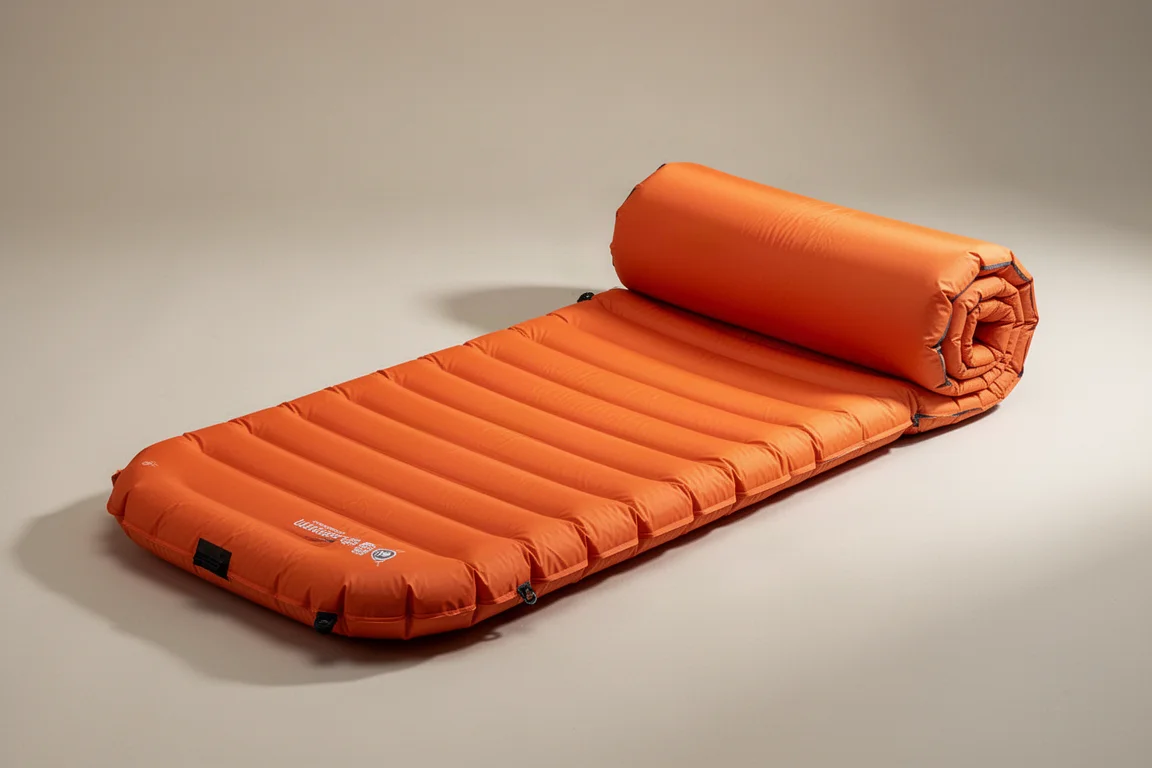
Therm-a-Rest XLite
The XLite is the pad most often recommended for warmth-to-weight, and that reputation is deserved, because few pads deliver as much insulation for as little weight. Comfort is the compromise. Its horizontal baffles make it one of the least comfortable pads in this group, especially if you move around at night or sleep on your side.
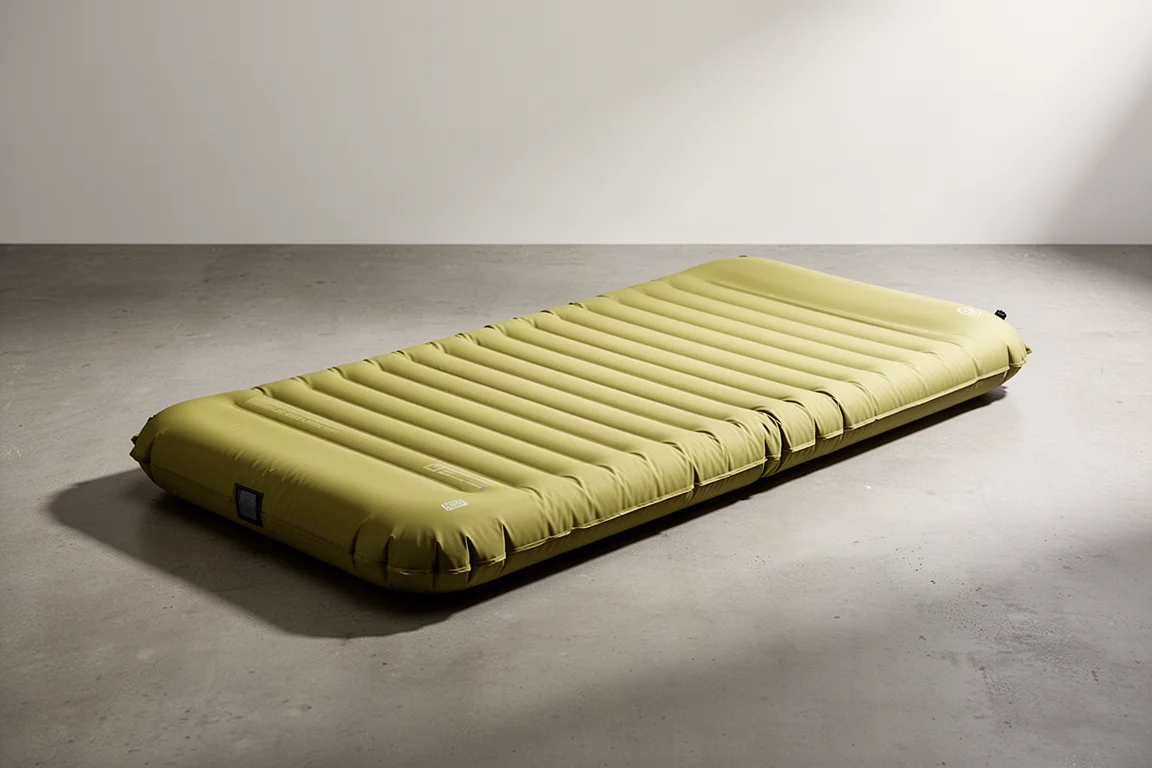
Camp Pillows: Attachment, Support, Height, and Width
The advice to stuff extra clothing into a sack and call it a pillow is common, and it undersells what a real camp pillow does. A dedicated pillow is lighter than most people assume and makes a measurable difference to how well you sleep.
Four features decide whether a pillow works.
Attachment comes first. Without a strap, loop, or cord that locks the pillow to the sleeping pad, it will slide around the tent all night. Look for a built-in pad strap, side loops that accept a shock cord, or a hook-and-loop system that holds the pillow in place.
Support is second. Some pillows feel like lying on a balloon, while others use baffling that keeps your head supported even when the pillow is not fully inflated.
Height is third, and it is the most personal. Side sleepers need a taller pillow so the neck stays straight, and a height of roughly four to four and a half inches is a common sweet spot, though shoulder size changes that. If you need more height, folding a sit pad under the pillow is a simple fix.
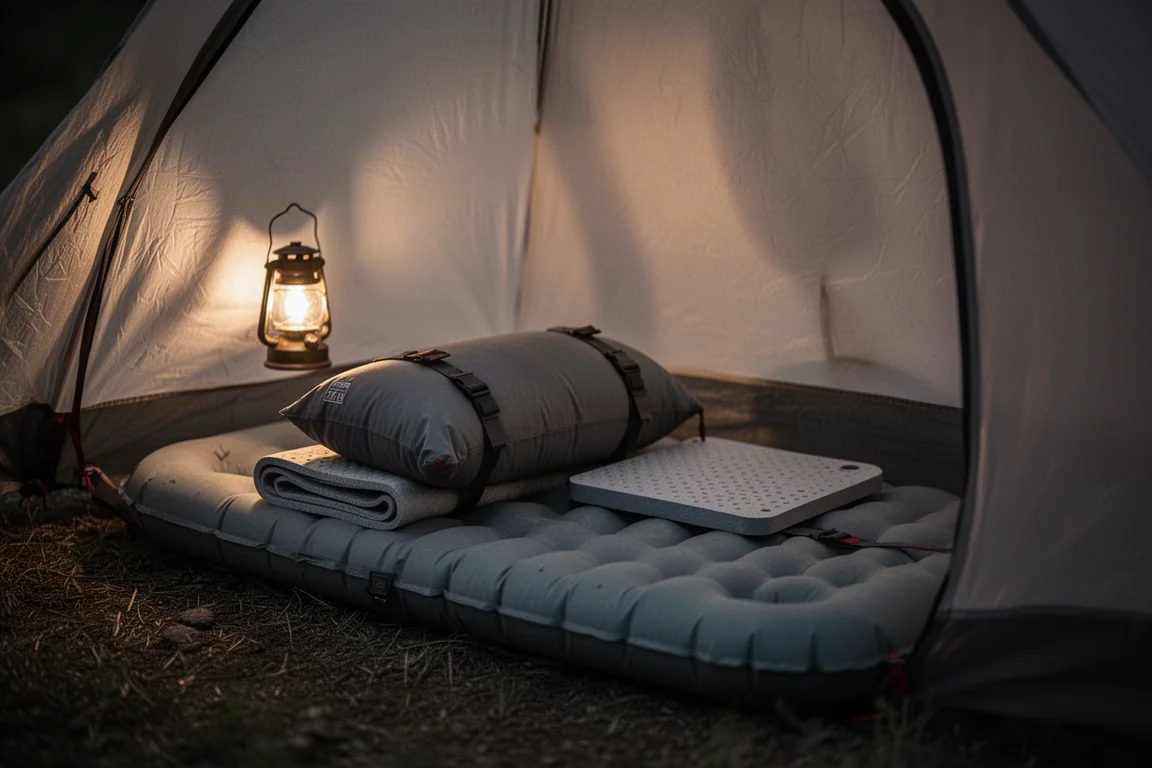
Width is the last one, and it is underrated. A pillow that spans the full width of a wide sleeping pad keeps your head on the pillow as you turn, rather than rolling off the edge in the middle of the night.
Exped Mega Pillow
The Mega Pillow is 25 inches wide, which means it covers a wide sleeping pad end to end and stays under your head through the night. Its baffling is supportive rather than balloon-like, and side loops let you run a shock cord to lock it onto the pad.
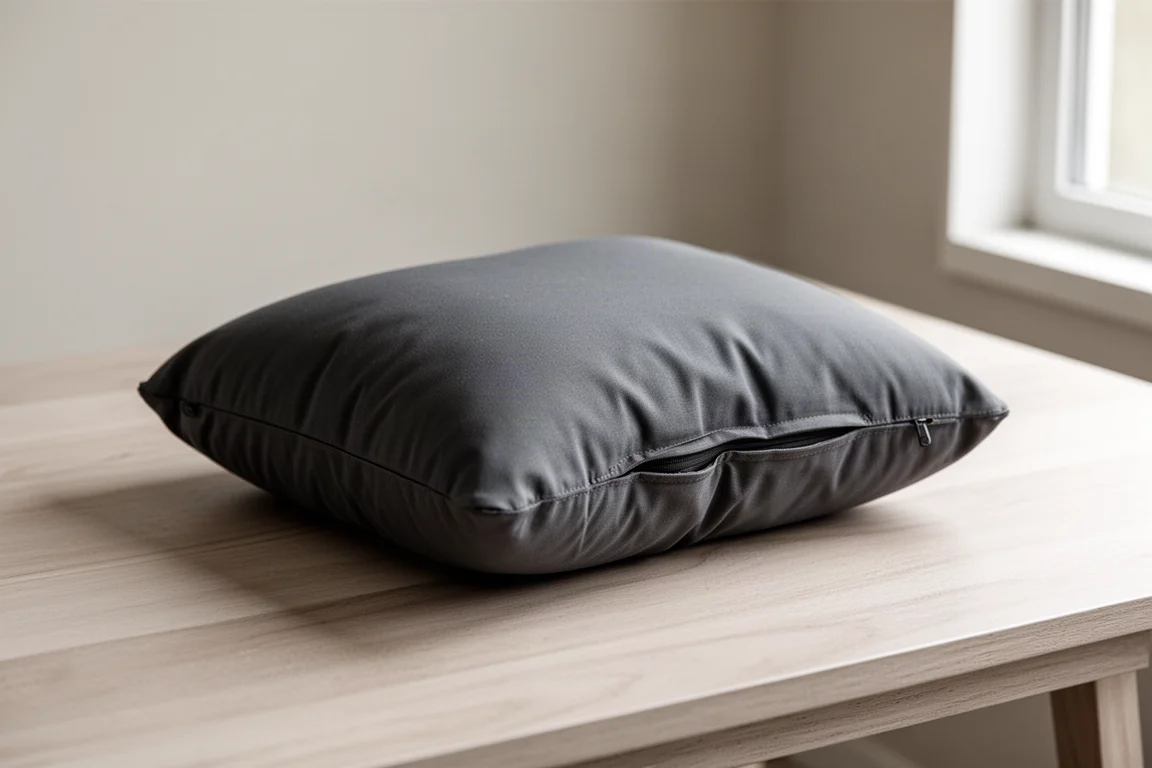
Trekology 2.0
The Trekology 2.0 takes a different approach and builds the pad strap in. It uses the same supportive baffle structure, which keeps your head in place even when it is not inflated fully, and it is a lighter, more compact option for backpackers who do not need a full-width pillow.
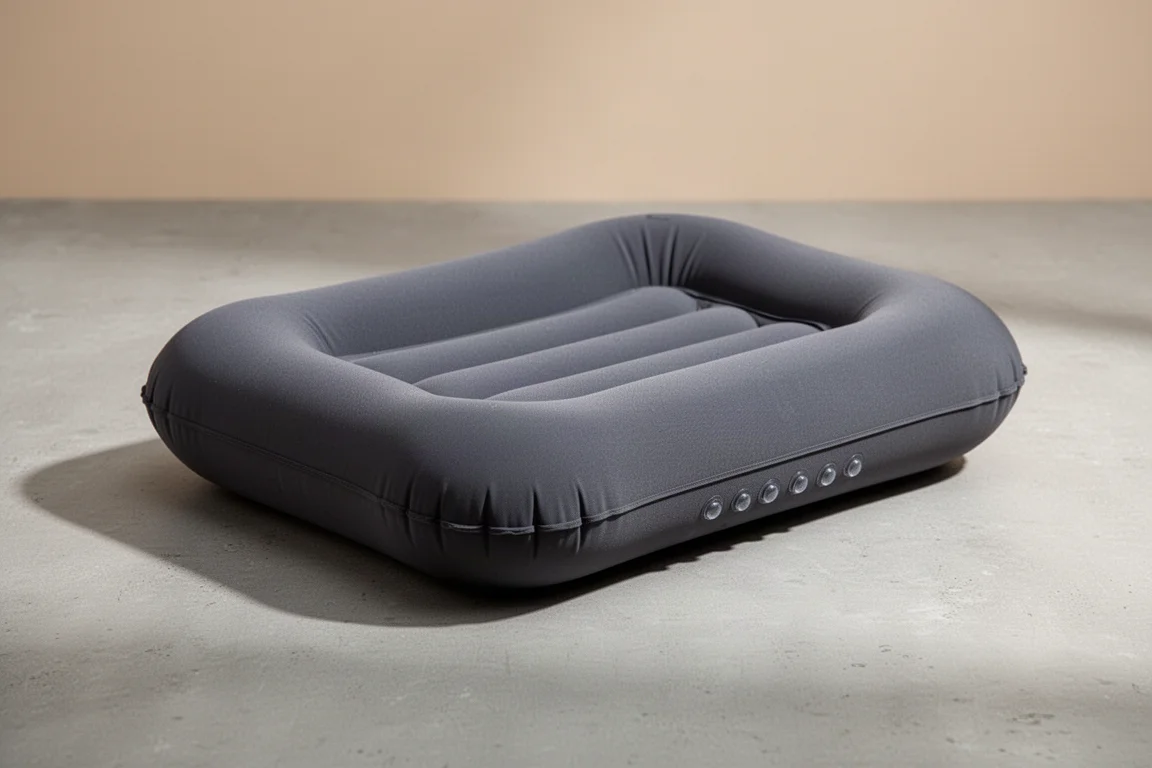
Camp Slippers vs Camp Sandals
Camp sandals are common, but slippers deserve more attention, particularly in cold conditions. Two differences matter: warmth and protection.
An insulated slipper keeps your feet much warmer on cool evenings, which is a real benefit in places where temperatures drop sharply after sunset. Many also have a water-resistant bottom that keeps feet drier when you walk across wet grass, and an enclosed upper keeps bugs and twigs away from your feet. With sandals, insects often bite through socks; a slipper closes that gap.
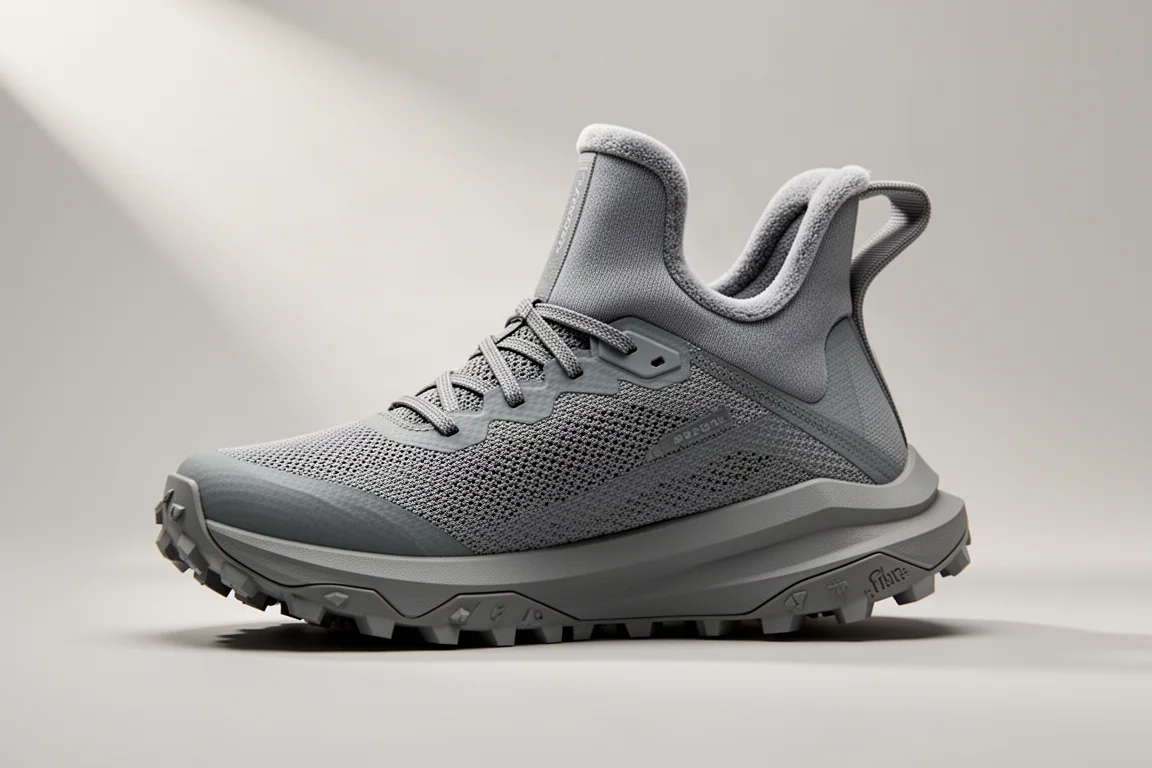
Footwear: Fit, Cushion, and Grip
Comfort on trail decides how comfortable you are at camp, and footwear does most of that work. Because feet differ so much, the right approach is to try shoes on in person and treat blanket recommendations as suggestions rather than answers.
Three things are worth checking. Forefoot fit should be wide enough that your toes do not press together, while the heel should lock in place; any heel slippage leads to blisters, and a cramped forefoot does the same. Cushioning matters more than most people admit: strong feet can handle minimal shoes, but if you spend your week at a desk, more cushion underfoot usually pays off on long days. Grip is the third, and a Vibram Megagrip outsole is the standard for combining stickiness with durability.
Hoka Speedgoat 5
The Speedgoat 5 is a strong all-round choice for hikers who want cushioning and reliable traction, with a cushioned ride and a Vibram Megagrip outsole that holds on wet rock and loose ground. It is available in a wide version, which matters for hikers with broader feet. Because fit is so individual, treat it as a starting point and confirm it on your own feet before committing.
Buying Advice: Matching Gear to Your Trip
Build the kit around the trips you actually take.
If you camp in cold conditions, prioritize warmth and protection: a wider sleeping pad with a higher R-value, a pillow that attaches to it, insulated camp slippers, and a sit pad to keep a chair warm. If you mostly hike in summer, you can lean the other way and take the pressure-relieving pad with dimpled baffles and a lighter pillow.
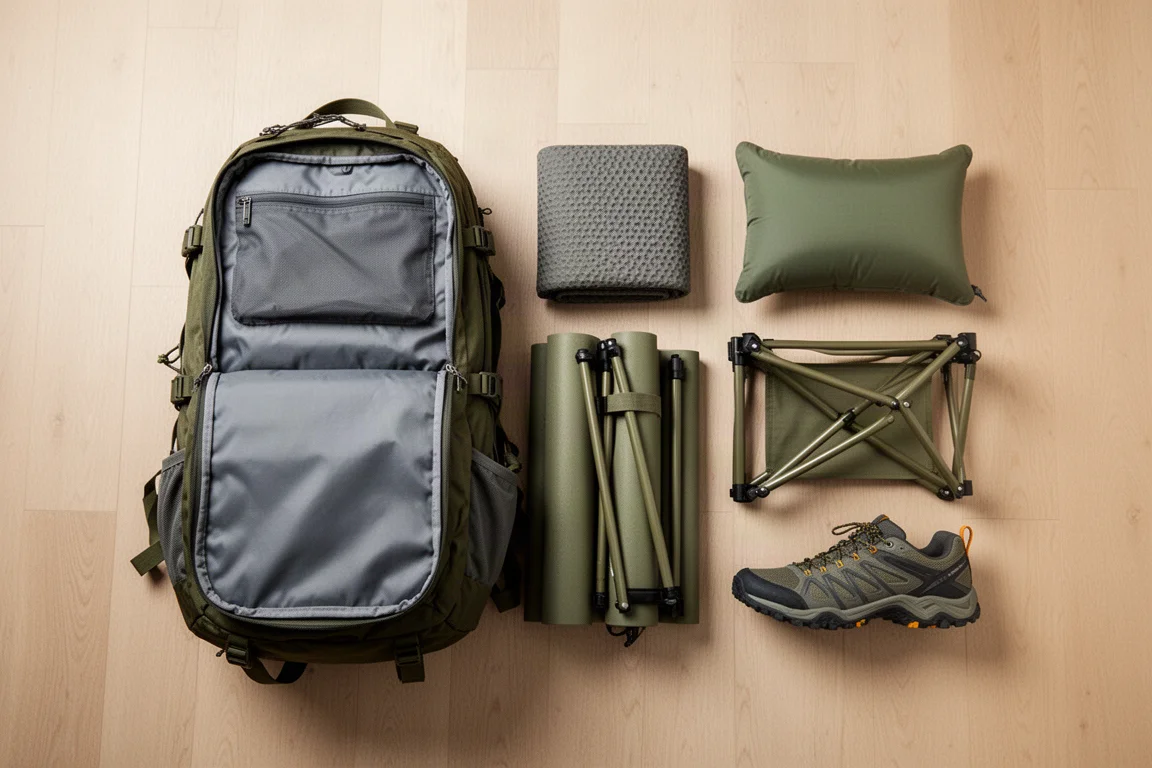
Weight decisions should follow the same logic. Chairs and pillows are the items people cut first, but they are also the items that change an evening at camp the most, and both can be had at around a pound or less. Sleeping pads are the place to spend more, since width, warmth, and baffle design all affect how well you sleep.
Whatever you choose, test it at home before a trip, and make sure the pieces work together: pad width with pillow width, chair with sit pad, and shoe fit with the socks you actually hike in.
Conclusion
Comfort in the backcountry is a set of small decisions rather than one big purchase. A chair that weighs about a pound, a foam sit pad that insulates and doubles as a pillow booster, a sleeping pad chosen for width and baffle design rather than popularity, a pillow that stays attached, and footwear that fits your feet and the terrain. Get those areas right and the miles feel shorter and the nights feel longer in the best way.
Further reading
Related Reviews

Backpacking Gear
Building a 10 lb Base Weight: An Ultralight Backpacking Gear List
A practical walkthrough of the ultralight pieces behind a 10 lb base weight, from a 765 g pack and a roomy one-person tent to a full camp chair and a dependable water filter.
Backpacking Gear
A 15-Pound Lightweight Backpacking Gear List for Solo Trips
A beginner-friendly 15-pound backpacking setup built from easy-to-find gear, with notes on what each piece does, how it packs, and where to spend your attention.
Backpacking Gear
8 Ultralight Backpacking Gear Upgrades Worth Carrying
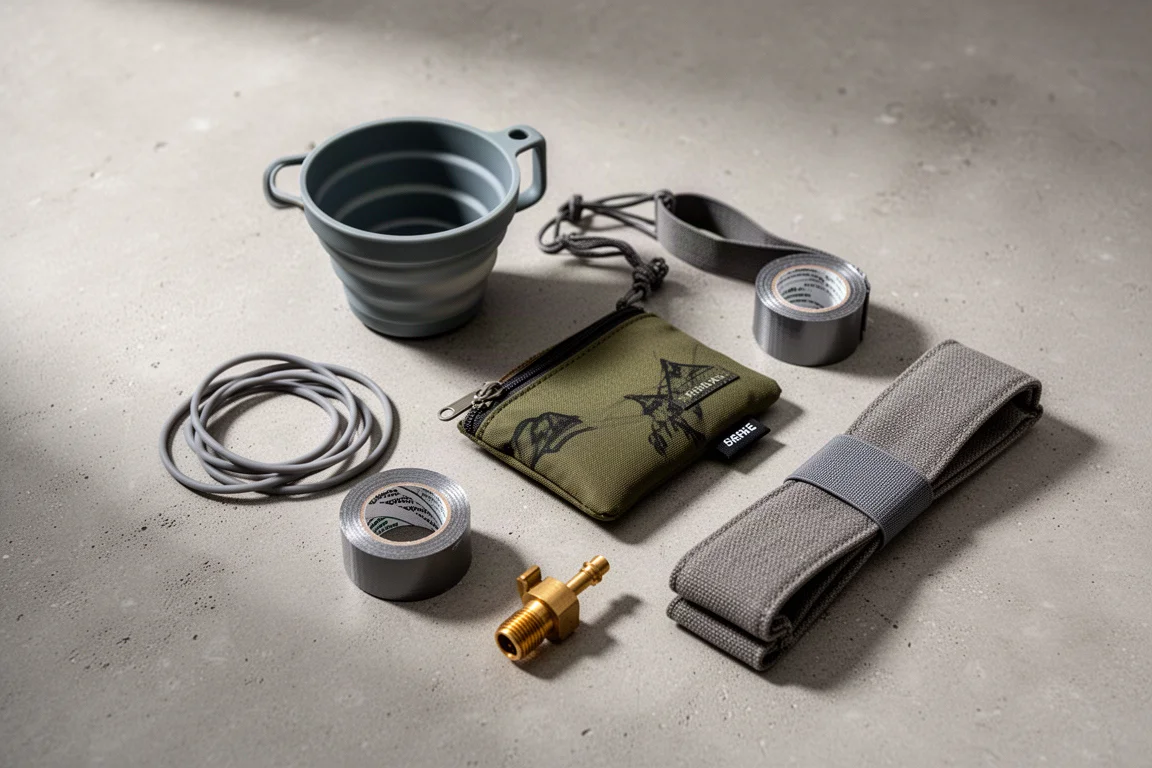
Eight small, affordable backpacking upgrades that solve real trail annoyances, from a pillow that stays put to a fuel valve that rescues leftover canister gas.