Backpacking Gear
Backpacking Clothing on a Budget: 5 Affordable Essentials Worth Buying
A practical look at five low-cost backpacking clothing items, what each one solves, and which everyday alternatives already work just as well.
Introduction
A full backpacking clothing kit adds up quickly. The pieces that get recommended most often, a puffy jacket, a fleece, a technical rain shell, rain pants, and dedicated hiking trousers, can total somewhere around 800 dollars when everything is bought new. That figure is real, but it is also optional.
Most of what you need for a first multi-day trip is probably already in your closet. The useful skill is knowing which everyday items translate to the trail and which few pieces are genuinely worth buying. The five items below are the ones that tend to earn their place. They are inexpensive, each one solves a specific problem, and none of them require rebuilding your wardrobe before your first night out.
How These Picks Were Chosen
Three things shaped this list.
The first is fabric. Cotton is the one material to avoid. When cotton gets wet it loses its ability to insulate, which is how a cold, damp afternoon turns into something more serious. Wool and synthetics behave differently: they dry faster and keep insulating even when damp. That single rule covers most clothing decisions on a backpacking trip.
The second is packed weight and bulk. Clothing competes for space with your shelter and sleep system, so a piece that packs down small earns extra credit.
The third is cost measured against how often the item gets used. A rain suit that costs about as much as a takeaway meal and weighs seven ounces is easy to justify. A 160 dollar rain jacket is harder to justify if you hike a handful of weekends a year.
It also helps to remember that your sleeping bag is the real safety net. A 20 degree bag will keep you warm when the clothes you brought cannot, so the clothing list does not need to be perfect to be safe.
WrightSock Double Layer Socks: Blister Protection Worth Paying For
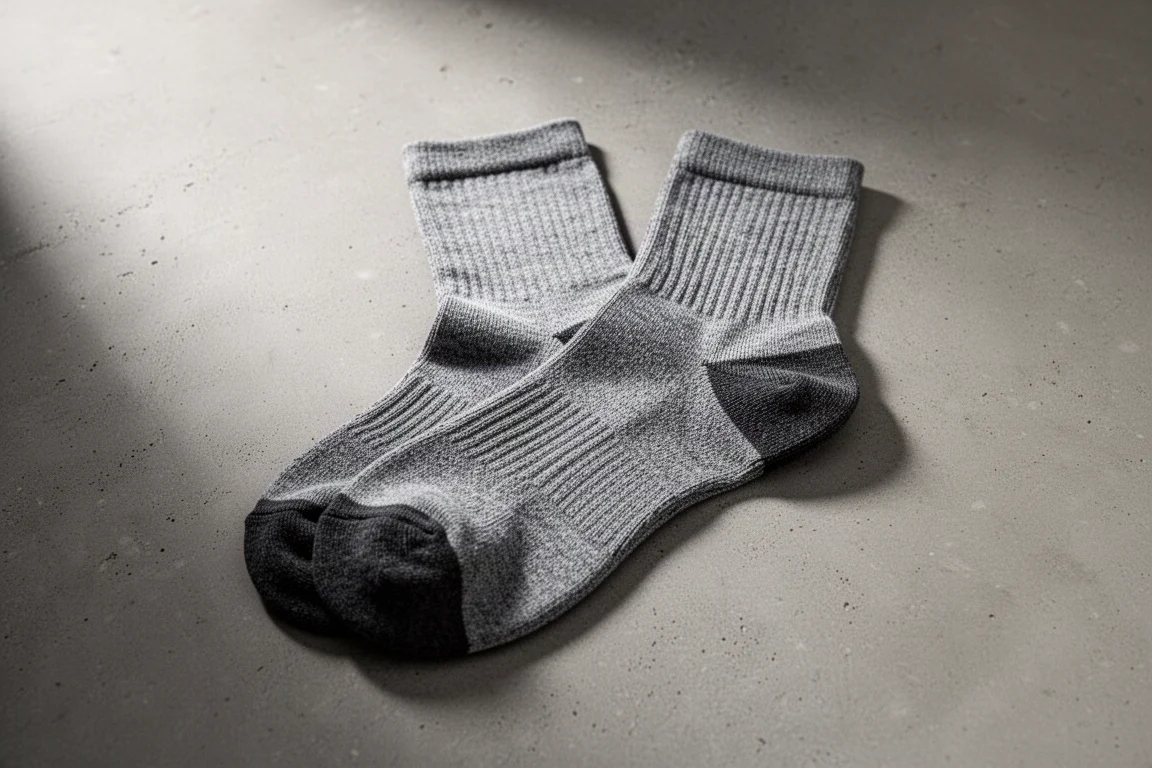
Socks are the one category where skimping tends to backfire. Blisters end trips, and thin cotton socks that hold moisture against the skin make them far more likely.
Double layer socks address that directly. The two layers move against each other rather than against your foot, which is the mechanism behind the blister protection. A pair costs about 12 dollars, and the blister-free claim comes with a money-back guarantee, so if they do not work out for you they can go back.
That combination of low cost and a guarantee makes them an easy first purchase for anyone starting a kit from nothing. If you already own well-fitting wool or synthetic socks, there is no urgency here.
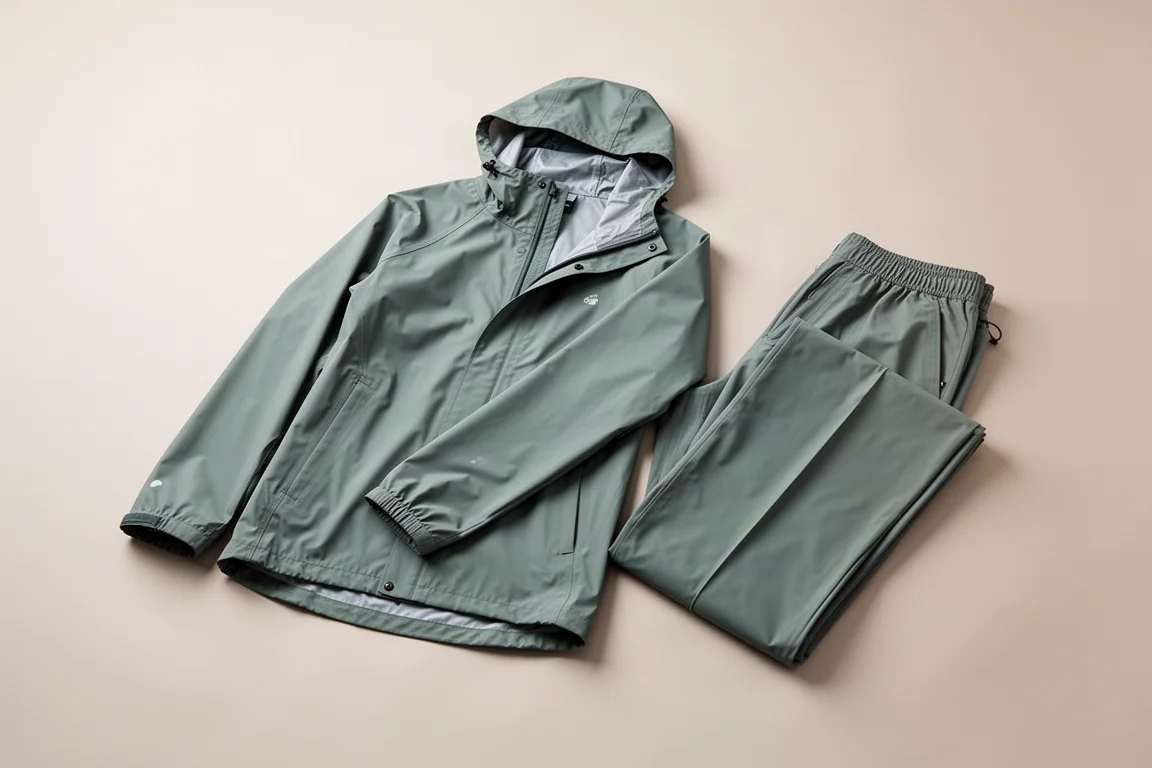
Frogg Toggs Rain Suit: Full Coverage for a Fraction of the Cost
Rain gear is where budgets stretch hardest. A technical rain jacket can run past 160 dollars, with matching rain pants around 100 more. That is a lot of money for something you hope to wear a few times a season.
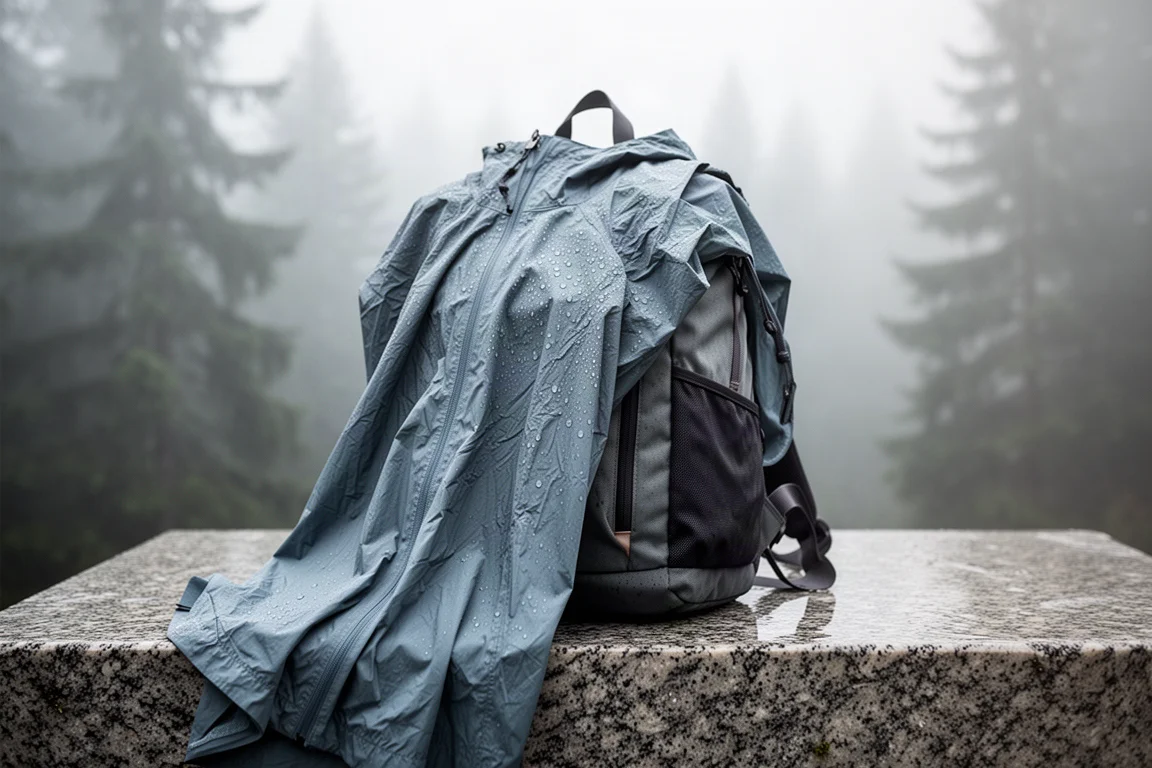
A Frogg Toggs rain suit covers the same job for about 15 dollars for the jacket and pants together. The jacket weighs roughly seven ounces, light enough to disappear into a pack. Ultralight and thru-hikers have used this suit as their go-to rain gear precisely because price, weight, and protection line up so well.
The trade-off is durability. The fabric is thin and can tear, and the cut is not tailored. At this price, though, a torn piece is a replacement rather than a loss, which is a sensible way to think about rain gear you carry mostly as insurance.
A poncho is another low-cost route and works fine in mild conditions, but a jacket and pants combination keeps arms and legs covered when the weather turns properly wet.
Melanzana Beanie: Simple Warmth for Cold Mornings
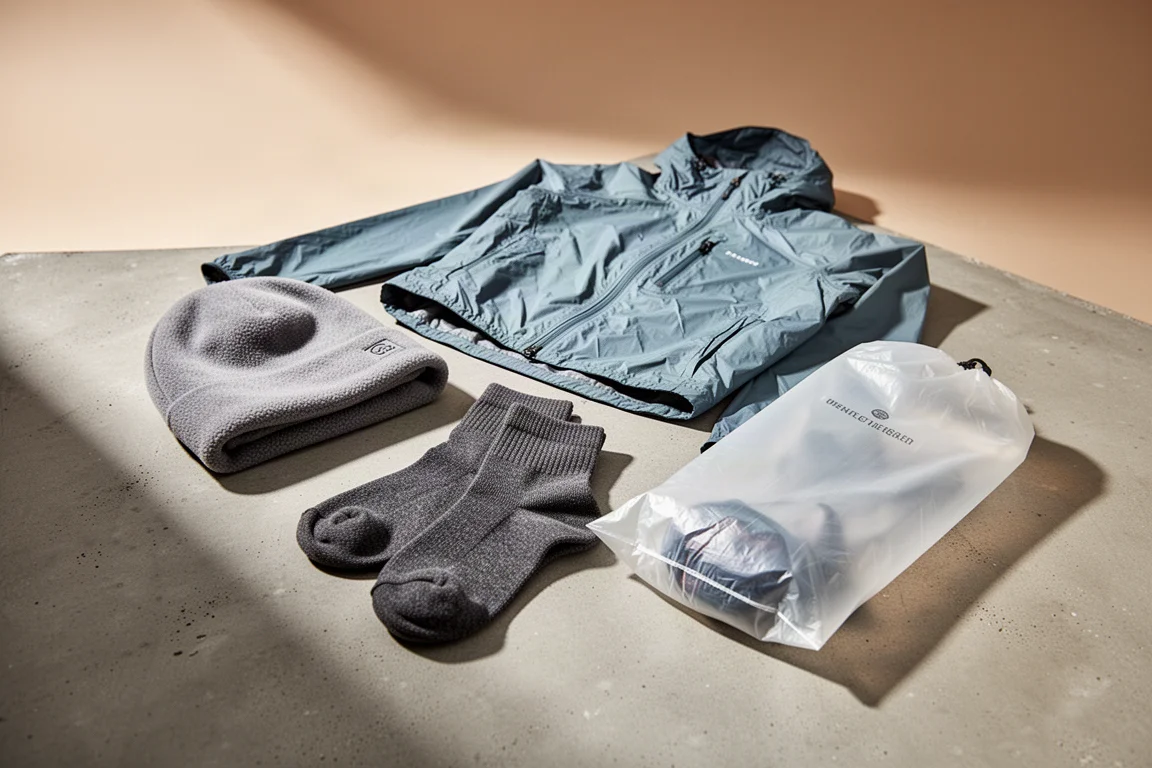
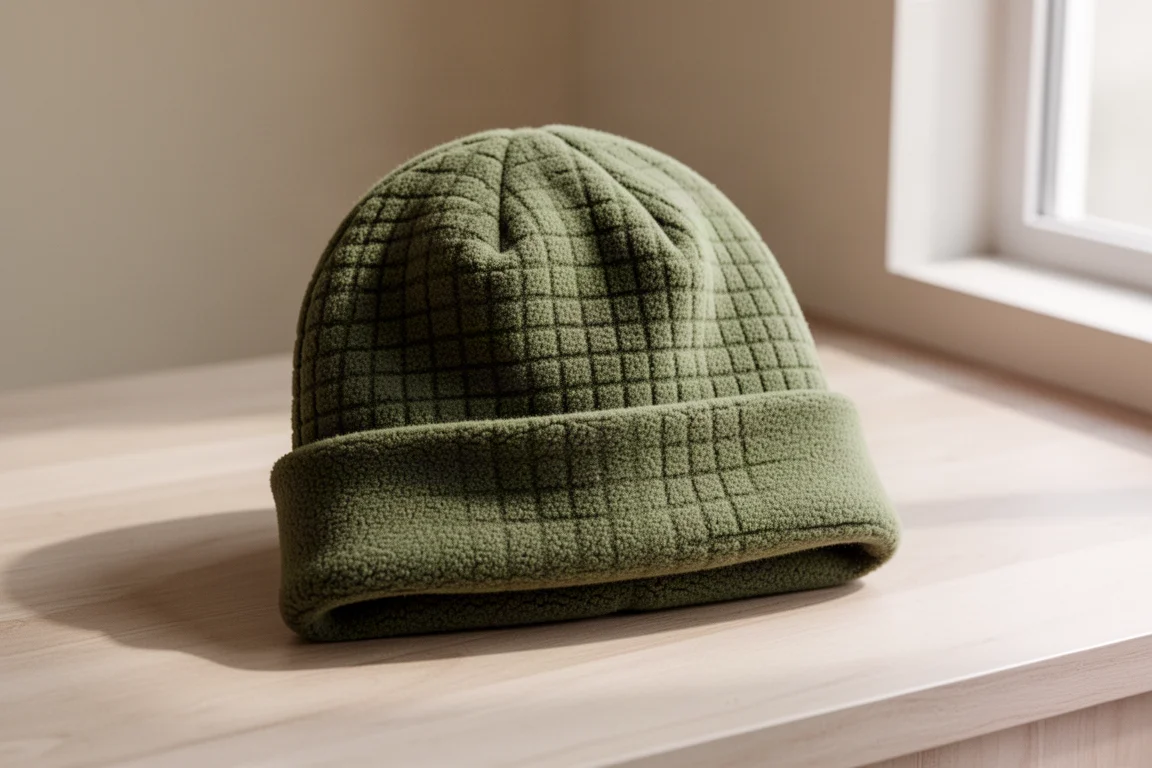
A warm hat is one of the smallest and lightest things in a pack, and one of the most useful once the sun drops. The Melanzana beanie costs about 25 dollars and does the job without fuss.
You may already own something that works just as well. Any winter hat you wear regularly will serve the same purpose on the trail, and the same goes for gloves: a cheap pair from a sporting goods store is enough for most three-season trips. If you ski, the jacket and layers you already own translate directly.
The reason to consider a dedicated beanie is fit and packability rather than performance. A hat that stays on your head and stuffs into a jacket pocket is worth more than one that does not.
Nylofume Pack Liner: Cheap Insurance for Everything in Your Pack
Rain protection for your gear is the item first-timers most often forget. A pack cover only goes so far, and a soaked sleeping bag can end a trip faster than a soaked jacket.
The simplest fix is a liner inside the pack. A Nylofume liner is a lightweight option built for exactly that, and a standard contractor bag does the same job if that is what you have on hand. Either way the cost is minimal.
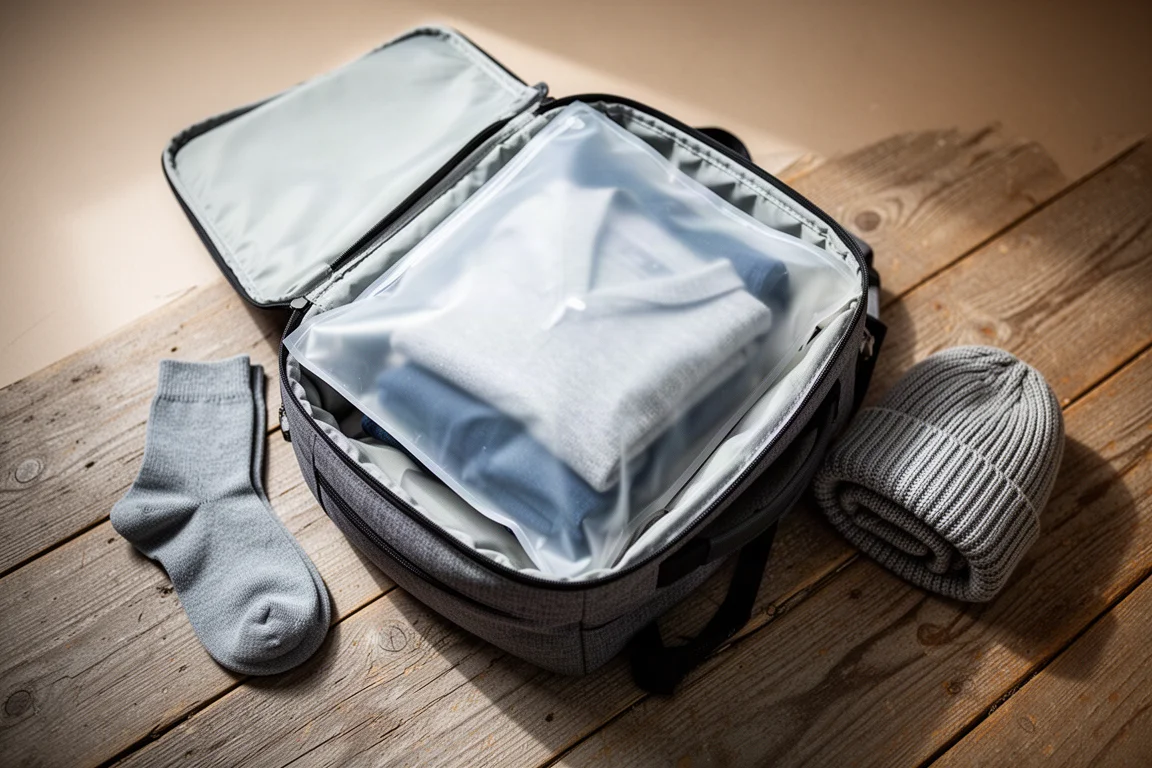
The point is not the brand. It is that everything soft and warm in your pack, the sleeping bag, the spare layers, the dry socks, sits inside a waterproof layer before it goes in.
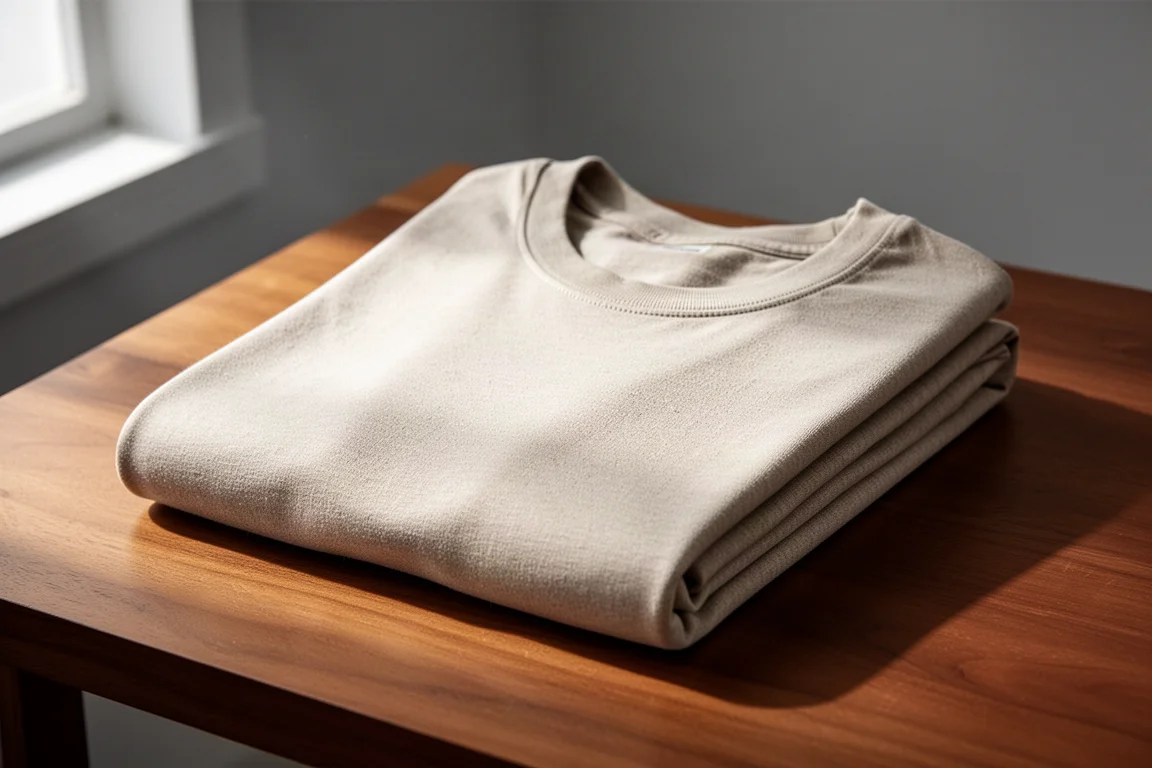
Take a Seat Shirt: A Casual Tee With One Caveat
For hiking, the shirt you want is fully synthetic. Check the tag for polyester, nylon, or a comparable synthetic, and let that one handle the trail days.
A 50/50 cotton-blend tee like the Take a Seat shirt sits in a different category. It is a comfortable casual shirt and a reasonable spare layer for camp, and the design is the reason to buy it. It is not the shirt to hike in, because the cotton content holds moisture the way cotton always does.
If you already own a polyester tee, wear that one on the move and keep the blend shirt for the drive home and the evenings at camp.
Buying Advice: Spend Where It Matters
The honest summary is that almost none of this has to be bought at once.
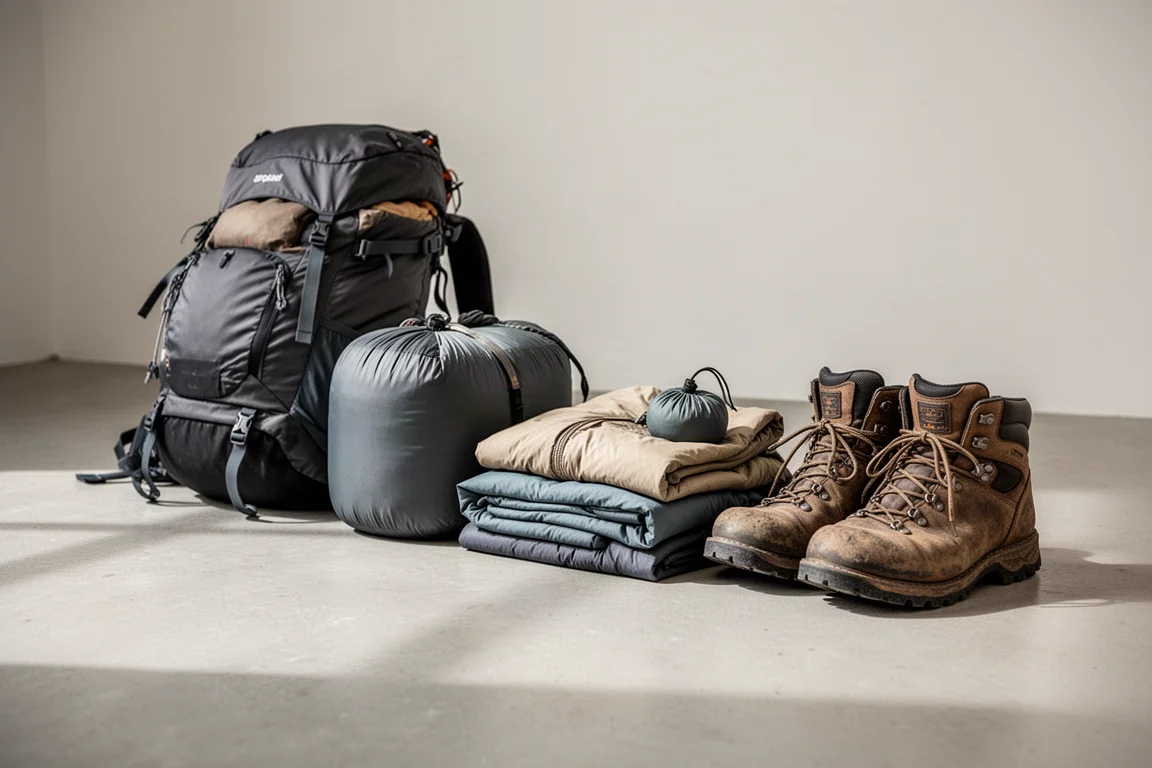
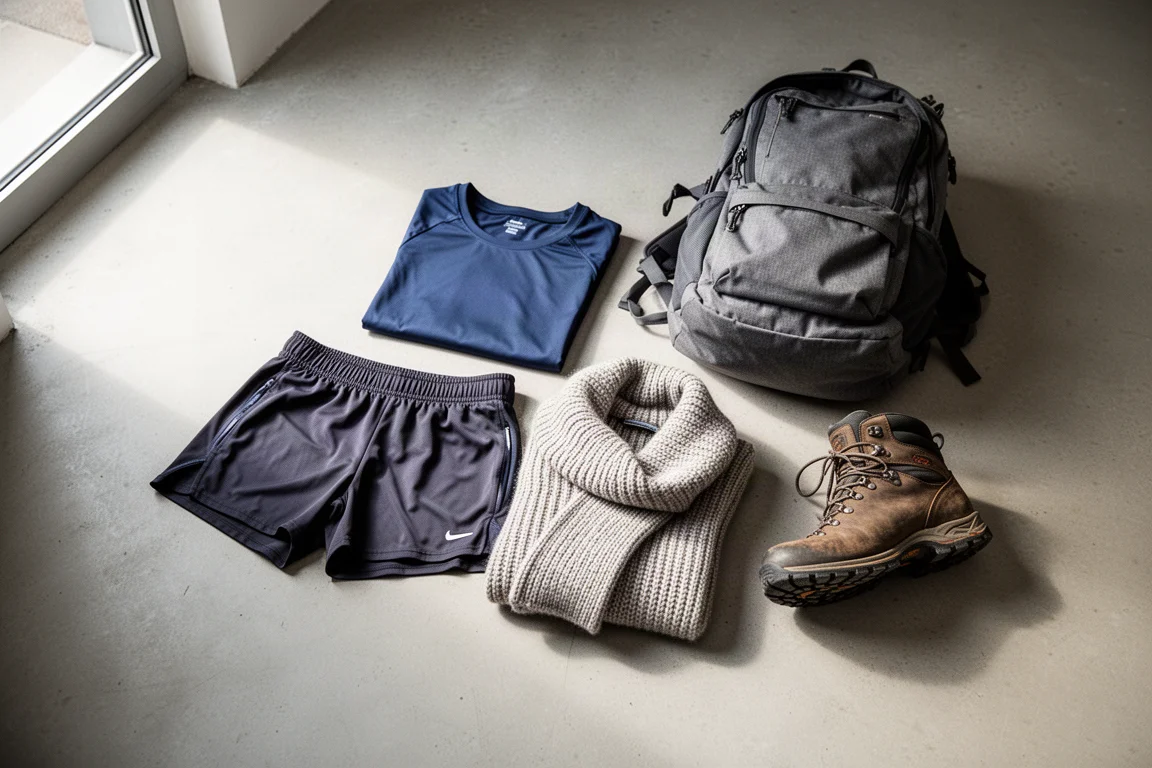
Start with what you own. Gym shorts or basketball shorts work in place of hiking trousers, athletic or wind pants cover the colder days, and sweatpants are the one to leave behind because they are usually cotton. A synthetic tee and synthetic underwear handle the rest. Whatever warm jacket you already wear in winter, including a ski jacket, works as insulation, and a wool sweater works as a mid layer.
Then add the cheap, high-value pieces as you go: socks, a rain suit, a pack liner. Together they cost a fraction of a single technical rain jacket, and they solve the problems that actually ruin trips.
Conclusion
Backpacking clothing does not have to be a large line item. The expensive versions of these pieces are excellent, but they are refinements rather than requirements for a first season.
Use what you already have to get into the backcountry. Replace the weak points one at a time, starting with socks and rain protection, and let the sleeping bag cover the nights when your layers fall short. That approach keeps the cost low and still keeps you warm, dry, and comfortable enough to enjoy the trip.
Further reading
Related Reviews

Backpacking Gear
Building a 10 lb Base Weight: An Ultralight Backpacking Gear List
A practical walkthrough of the ultralight pieces behind a 10 lb base weight, from a 765 g pack and a roomy one-person tent to a full camp chair and a dependable water filter.
Backpacking Gear
A 15-Pound Lightweight Backpacking Gear List for Solo Trips
A beginner-friendly 15-pound backpacking setup built from easy-to-find gear, with notes on what each piece does, how it packs, and where to spend your attention.
Backpacking Gear
8 Ultralight Backpacking Gear Upgrades Worth Carrying
Eight small, affordable backpacking upgrades that solve real trail annoyances, from a pillow that stays put to a fuel valve that rescues leftover canister gas.