Backpacking Apparel
Backpacking Clothing Essentials: Five Pieces That Make Trail Days More Comfortable
Five pieces of hiking clothing that improve on-trail comfort, with the trade-offs worth checking before you buy.
Introduction
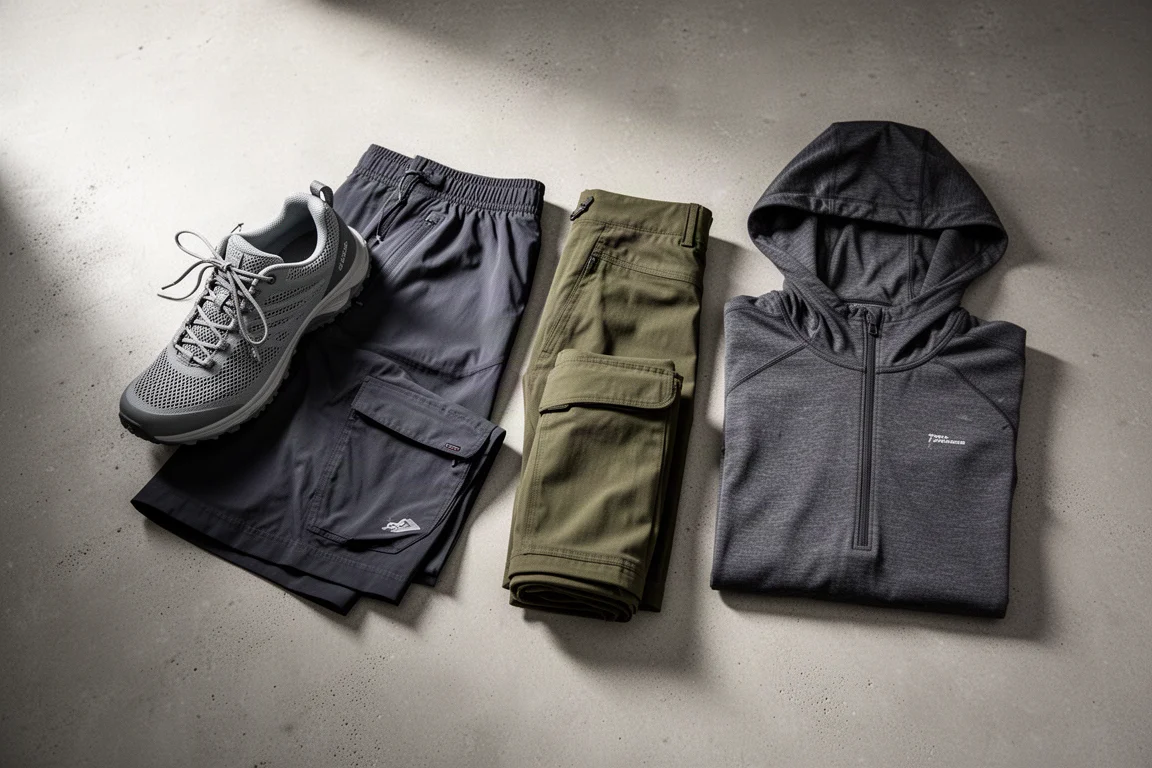
Backpacking comfort usually gets framed around three things: the shelter overhead, the sleep system, and the layers kept for camp. Those matter, but they are only part of the picture. The clothing worn on the body while hiking, and around camp, does just as much to shape how a trip feels. Footwear, shorts, pants, and base layers decide whether a long day ends with sore feet and soaked fabric, or with a steady, comfortable pace that makes the miles pass easily.
This guide covers five pieces of hiking clothing that consistently earn their place in a pack, along with the trade-offs worth weighing before buying.
What Actually Drives Comfort on Trail
The clothing that matters most is the clothing that manages moisture. Cotton holds onto water, dries slowly, and turns cold in cool conditions, which is why synthetic and wool blends are the standard recommendation for anything worn against the skin. Polyester and merino wool move moisture away from the body, dry faster, and do not stretch out as much when wet.
Fit is the second variable. An item that twists, bunches, or rubs will create chafing no matter how good the fabric is, and footwear that does not match the shape of the foot is the fastest route to blisters. Body type, foot shape, and the terrain on the itinerary all influence which option works best, so personal preference carries real weight here.
Environment is the third. Heat, humidity, bugs, ticks, sun exposure, and dense brush all change what makes sense on a given day. A short-sleeve synthetic shirt can be the right call in open desert terrain and the wrong one in a tick-heavy forest.
Footwear First: The Danner N45 Lightweight Hiking Shoe
Footwear deserves the most attention of any clothing item, because backpacking is walking. Rough terrain, boulders, sand, and long mileage take a toll on feet, and a poorly fitting shoe turns a good trip into a painful one.
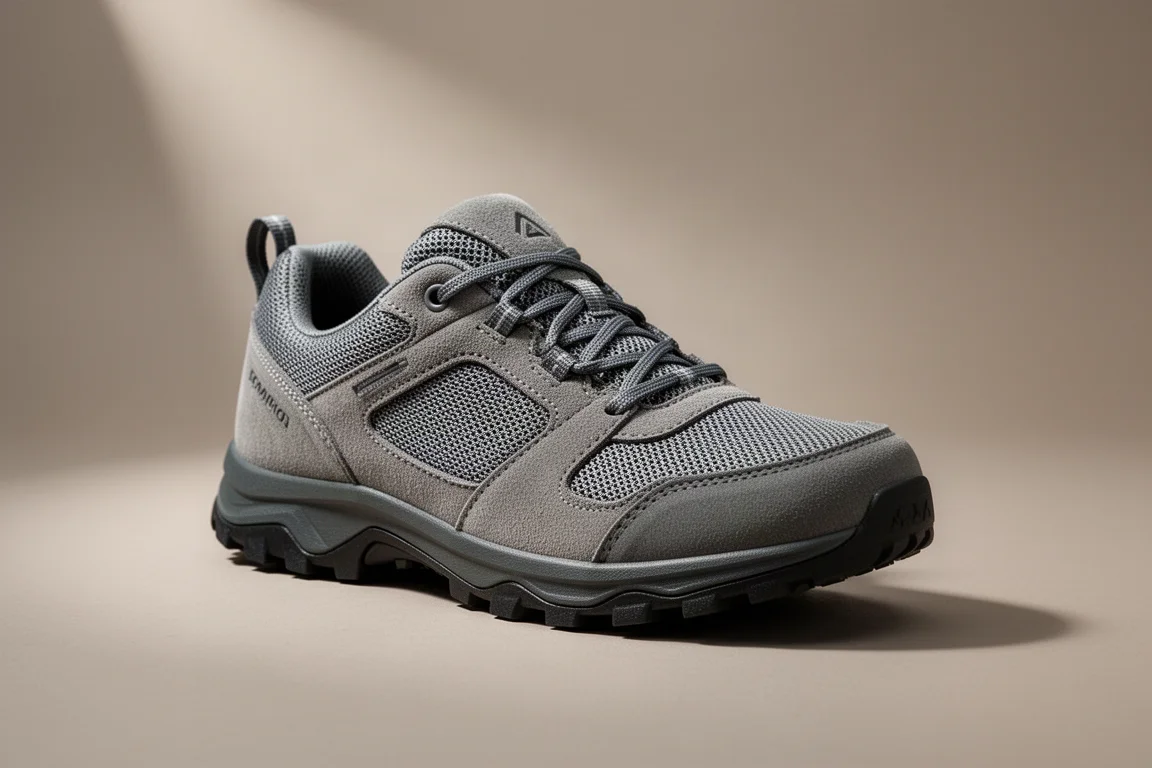
The Danner N45 is a lightweight hiking shoe that fits well and provides reliable traction on trail. It is a strong option for hikers whose feet match its shape, though feet vary a great deal. Narrow feet, wide feet, and low arches all change what a good fit feels like, so trying a shoe on before committing matters more here than anywhere else in a pack.
Socks are the other half of the equation. Cotton socks are a direct route to blisters; synthetic, wool blend, or bamboo options stay cooler, pull moisture away, and dry faster. Hikers with overlapping toes or specific friction points may get real relief from a liner or a toe sock design. A practical habit on long days is carrying a second pair of socks and swapping them at a lunch stop, which adds noticeable comfort for very little weight.
Shorts for Hot Days: Proof Shorts
Shorts are surprisingly hard to get right. Too long and they catch on the knee during steep steps, too slow-drying and they stay damp for hours, and a poor cut can lead to twisting and chafing on the move.
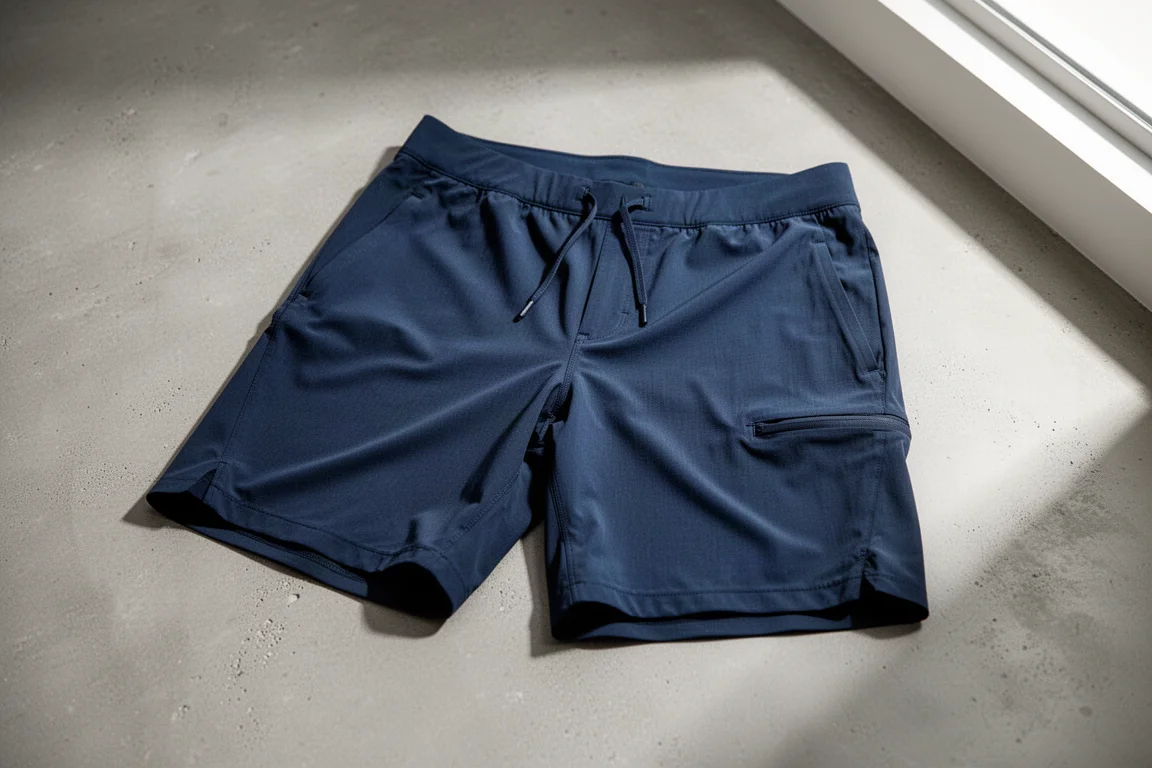
The Proof shorts use a 100 percent polyester fabric that is lightweight and dries quickly. They come in a 9 inch inseam with a 7 inch option, and the shorter version keeps the hem clear of the knee, which reduces the sticking and rubbing that shows up on hot, sweaty climbs over rocks and logs. They are sold through Huckberry, an online retailer focused on men’s apparel and everyday carry gear.
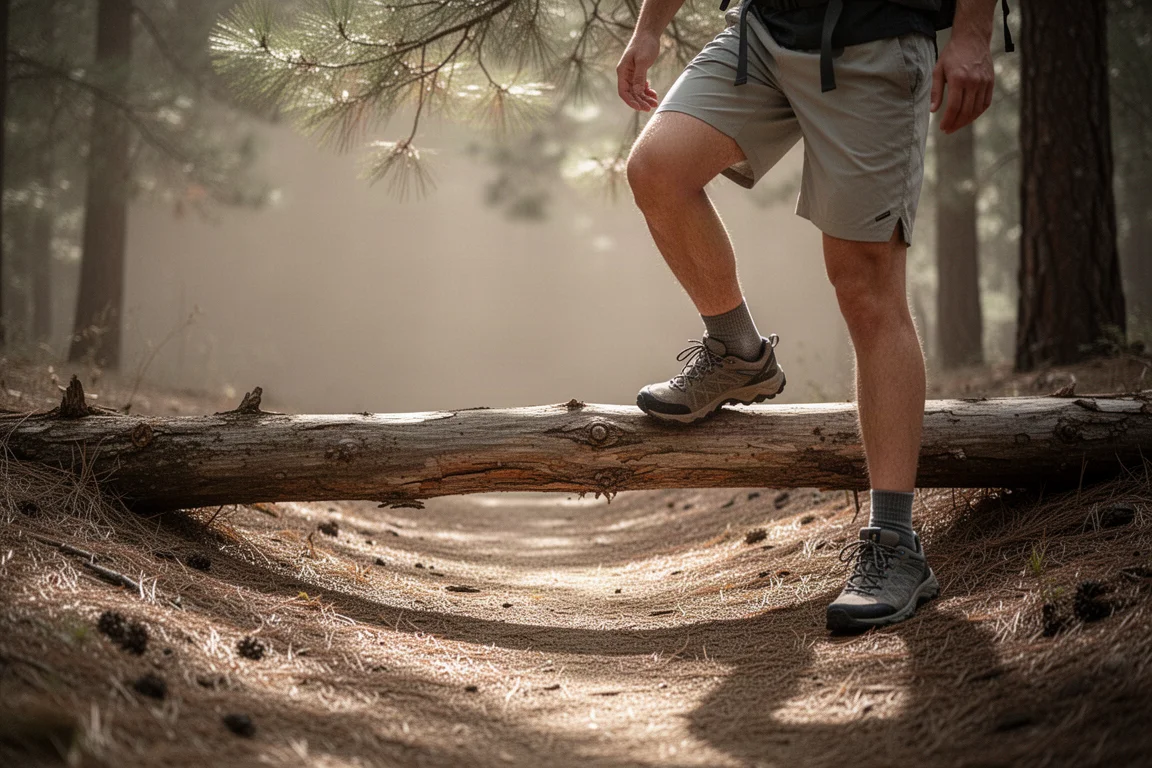
For hikers who normally default to pants and end up overheating, a lighter, faster-drying short is one of the simplest comfort upgrades available. The main trade-off is coverage: shorter inseams and open legs mean more sun exposure and less protection from brush.
Ultralight Alternative: Outdoor Vitals Skyline Shorts
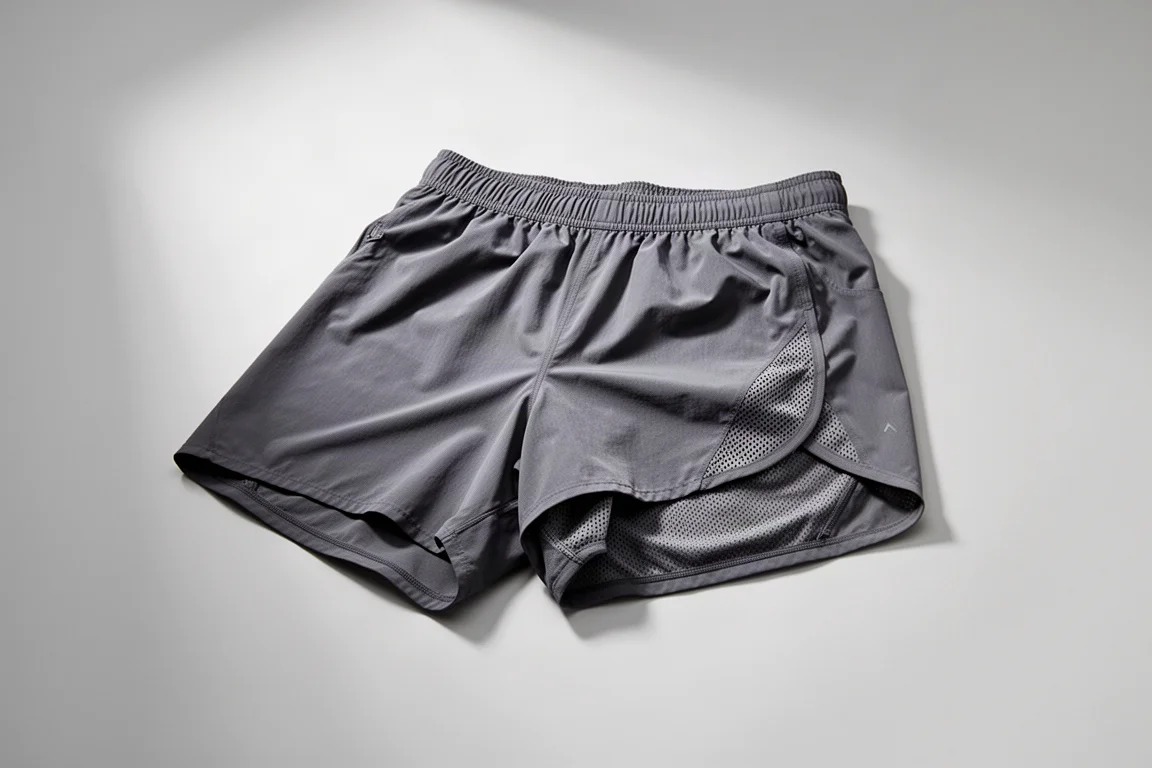
The Outdoor Vitals Skyline shorts take a different approach. They are built more like a running short: very lightweight, highly breathable, and cut without a belt. A mesh panel around the crotch area adds ventilation, which helps on the hottest days of the season.
They also dry extremely quickly, to the point that they can be worn into water and be ready again shortly after, which makes them a reasonable choice for trips that mix hiking with swimming or river crossings. The running-style cut will not suit everyone, and hikers who want pockets, a belt, or a more traditional trail short may prefer a different design.
When Pants Make More Sense: Livson Ecotre Trail Pants
Shorts are not always the right answer. Season and environment decide the question: heavy bug pressure, ticks, and long stretches of bushwhacking all favor full leg coverage, even on warm days. Thorns and branches tear up exposed legs, and the discomfort of a scratched-up shin lasts longer than the discomfort of a warm pair of pants.
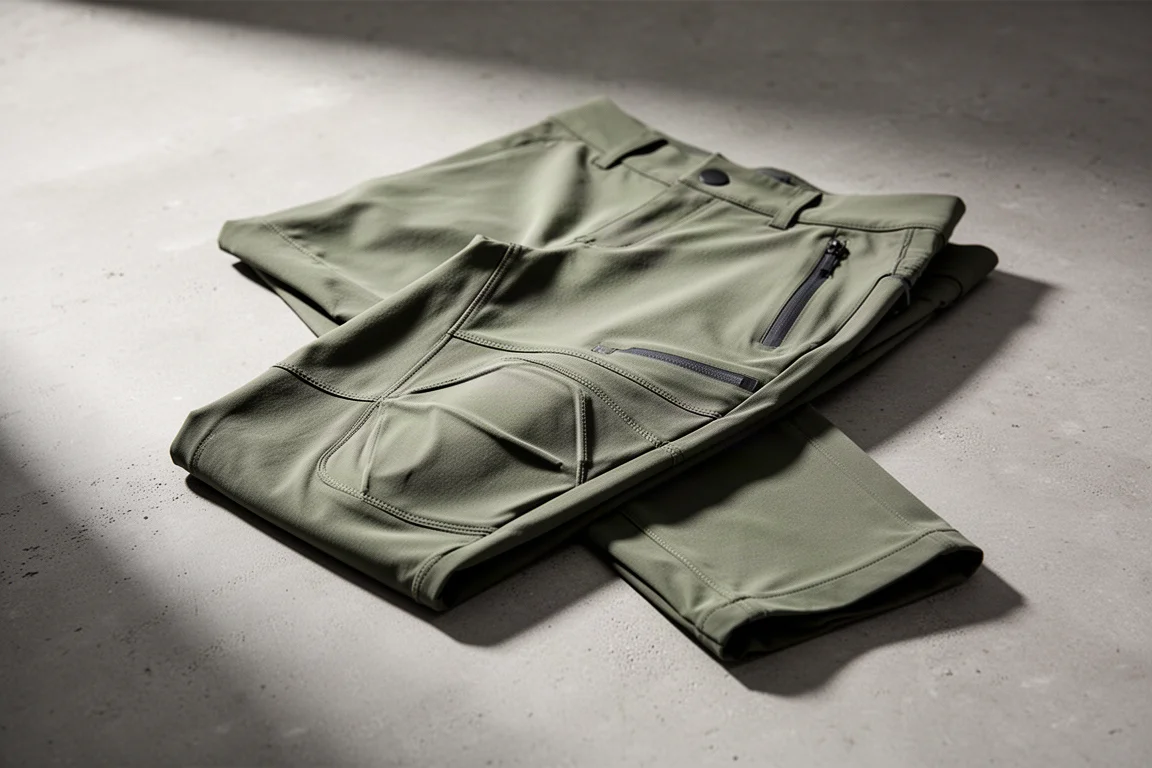
The Livson Ecotre trail pants have held up to repeated hard use, with a fit that stays comfortable over long distances. Articulated knees are the standout detail: they let the fabric move with the leg instead of twisting or rubbing against the knee on steep steps.

What to avoid in trail pants is the opposite of this formula. Baggy cuts, heavier fabrics, and a shape that does not match the body all create chafing and twisting. Pants are personal, so it is worth spending time finding a pair that fits properly rather than accepting the first option that roughly works.
Base Layers and Sun Protection: The Altitude Hoodie
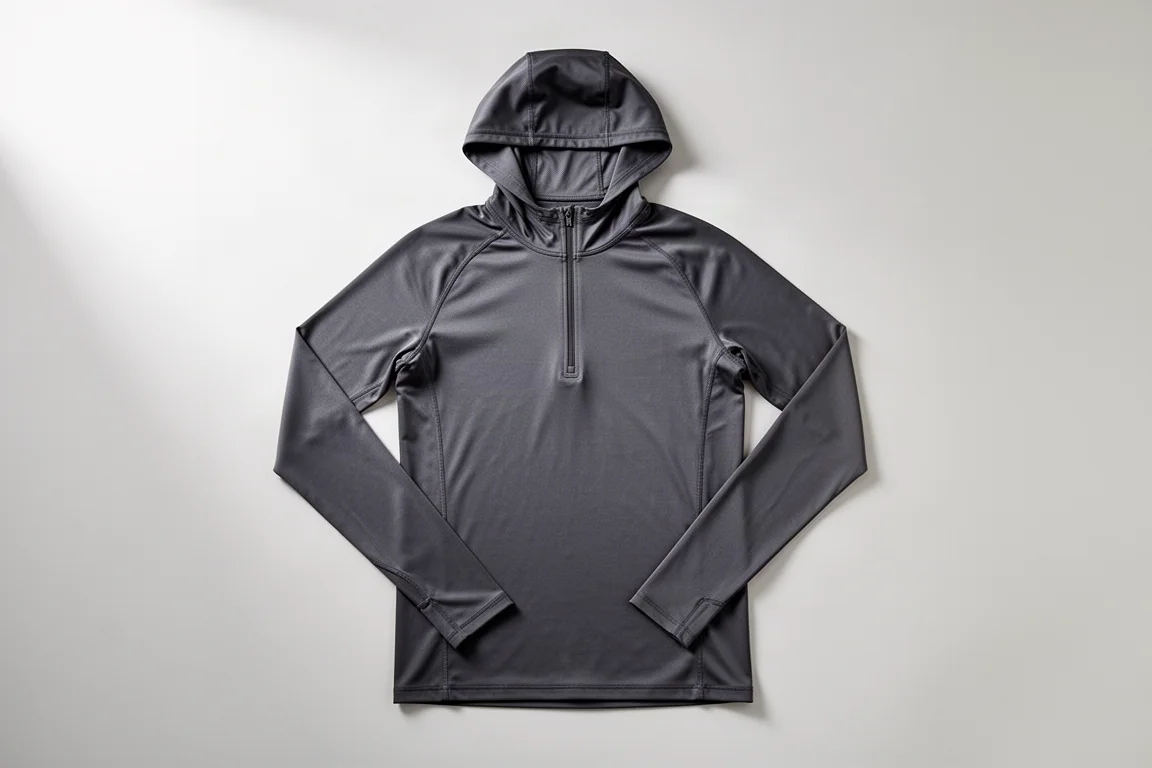
Once cotton t-shirts are out of the picture, the next question is what replaces them. A sun hoodie is a strong answer for anyone spending long days in exposed, sunny terrain. Long sleeves and a hood cover the arms, shoulders, and neck without layers of sunscreen that collect dirt and turn sticky over the course of a day.
Wool and polyester blends are the other common route, and they work well as next-to-skin base layers that move moisture away from the body and keep the wearer dry. In genuinely hot conditions, these layers can also be soaked in a stream or lake and worn wet for an evaporative cooling effect.
The Altitude hoodie is a 100 percent polyester option that handles that trick particularly well. Because polyester does not stretch as much as some other fibers, a soaked hoodie does not hang heavy and baggy off the body while hiking. That combination of quick drying, low stretch, and lightweight construction is what makes it a useful warm-weather layer.
Overall Buying Advice
Build the hiking wardrobe around moisture management first, then fit, then environment. Anything worn against the skin should be synthetic, wool, or bamboo rather than cotton. Anything that rubs, twists, or bunches will cause problems regardless of how good the fabric is.
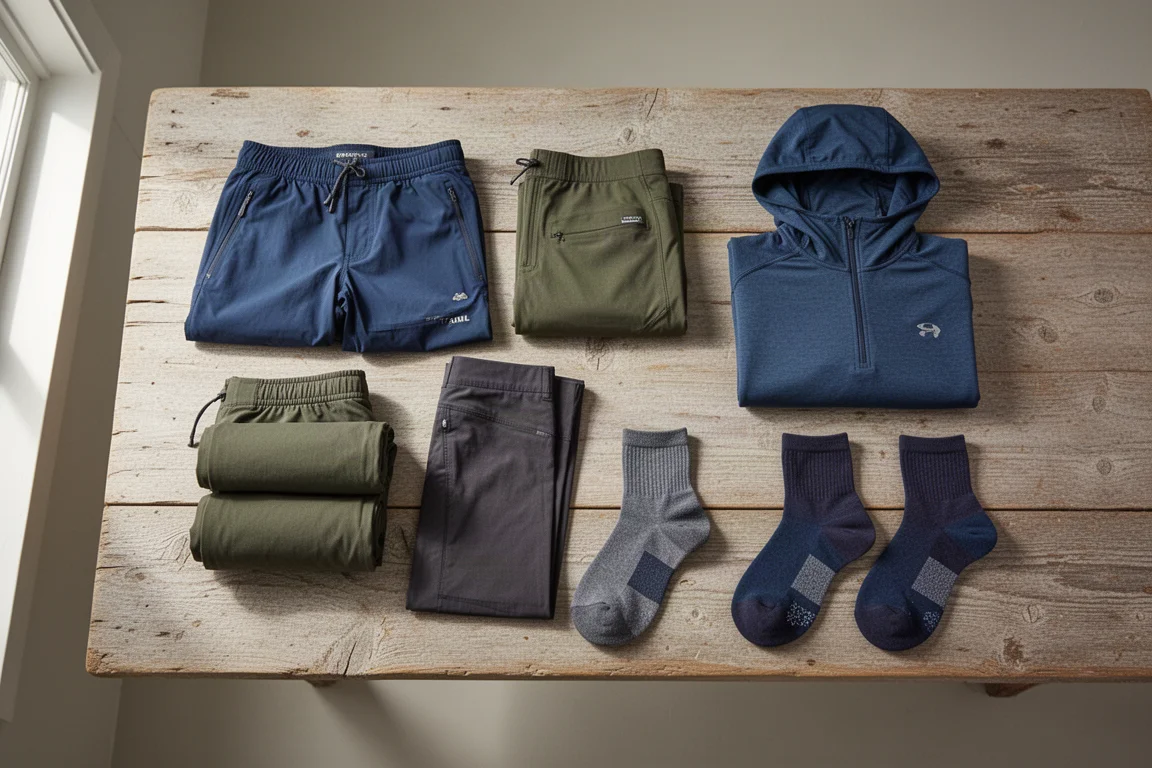
Footwear and socks deserve the most budget and the most patience, since they determine blister risk over long mileage. Shorts and pants come down to conditions: lightweight quick-dry shorts for hot, open, bug-free days, and articulated trail pants for brush, ticks, and shoulder-season trips. Base layers should be chosen by sun exposure and expected temperature, with a hooded long-sleeve layer covering the widest range of warm-weather conditions.
Hikers who already own solid footwear and a sleep system but still finish days uncomfortable will usually get the most benefit from upgrading the clothing they wear while moving.
Conclusion
Comfort on trail is not only about shelter and sleep. The clothing worn on the body, from footwear and socks to shorts, pants, and base layers, decides how a long day actually feels. Focus on moisture management and fit, match the choice to the environment, and each of these five pieces becomes a straightforward way to make backpacking more enjoyable.
Further reading
Related Reviews
Backpacking Apparel
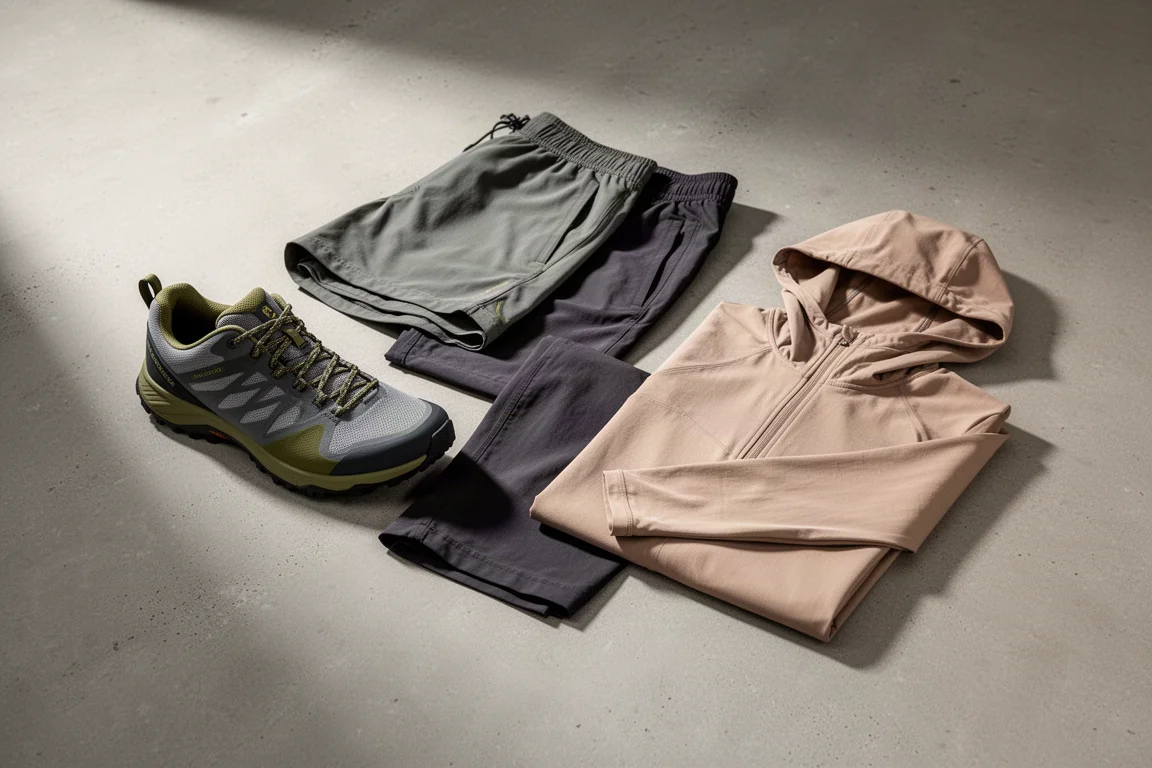
Backpacking Clothing for On-Trail Comfort: Five Pieces Worth Packing
Footwear, socks, shorts, pants, and base layers shape on-trail comfort more than most backpackers expect. Here are five pieces and the reasoning behind each.
Backpacking Apparel
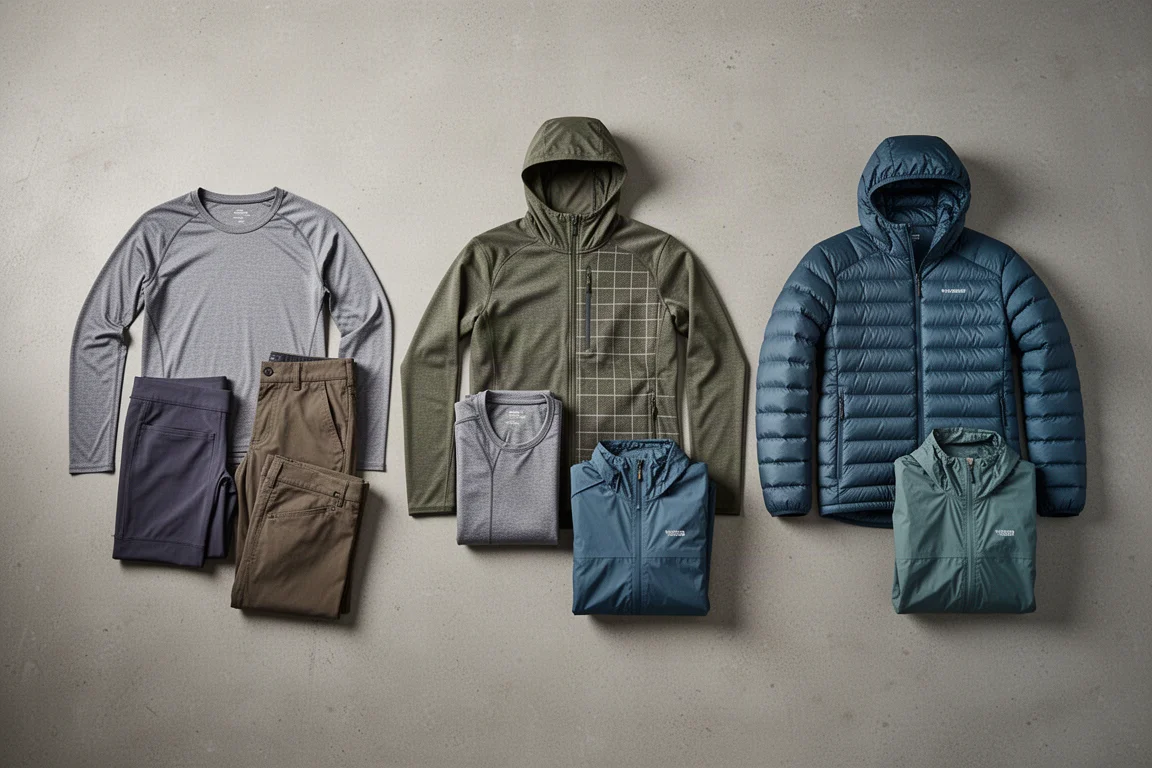
Backpacking Layering Systems Compared: Three Complete Kits at Three Price Points
Three complete backpacking layering systems at $326, $640 and $1,167, compared piece by piece across base layers, hiking pants, sun hoodies, fleeces, insulated jackets and rain shells.
Sun Hoodies
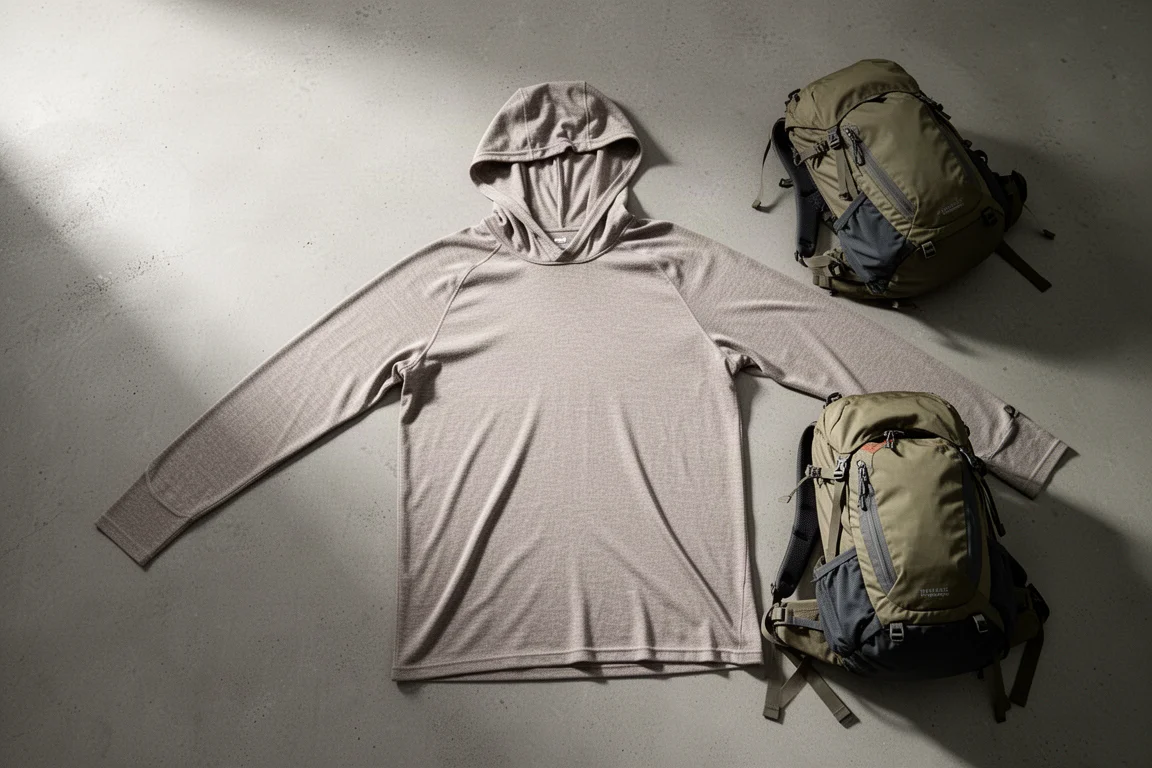
Appalachian Gear Company 80/20 Alpaca Wool Sun Hoodie Review: Five Days in the Desert
An alpaca wool sun hoodie worn for five days of desert hiking and camping, assessed for sun protection, drying speed, durability, comfort, and odor.