Backpacking Gear
Backpacking Clothes on a Budget: Two Affordable Gear Picks Worth Buying
A practical look at backpacking clothing costs, the two low-cost items worth buying new, and the everyday clothes that can fill in for the rest.
Introduction
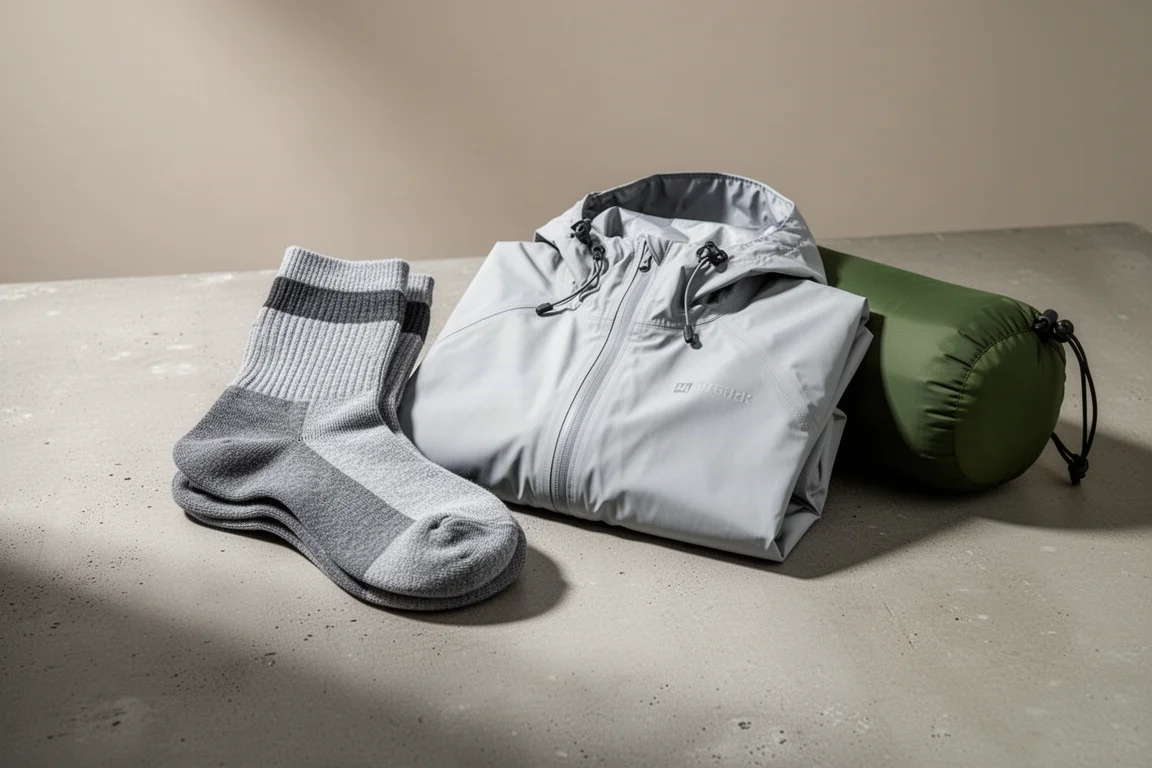
A full set of dedicated backpacking clothing can run into the hundreds of dollars once jackets, pants, and insulating layers are added up. That figure is intimidating for anyone planning a first multi-day trip. The reality is that most of the clothing you need is already sitting in your wardrobe, and only a small number of items are genuinely worth buying new.
This guide covers the two pieces that are hardest to substitute with everyday clothing, along with practical guidance on which items from your closet will work on the trail and which ones are better left at home.
What to Look For in Backpacking Clothing
The most important rule is to avoid cotton. Cotton loses its insulating ability once it gets wet, and in cold, wet conditions that can contribute to hypothermia. Wool and synthetic fabrics behave differently. They dry faster, and they continue to hold warmth even when damp, which makes them far more forgiving over several days outdoors.
Beyond fabric, the practical test is simple: check the tag before you pack something. Polyester, nylon, and other synthetic blends are what you want. Items that are comfortable, quick to dry, and easy to move in will generally serve you well on the trail.
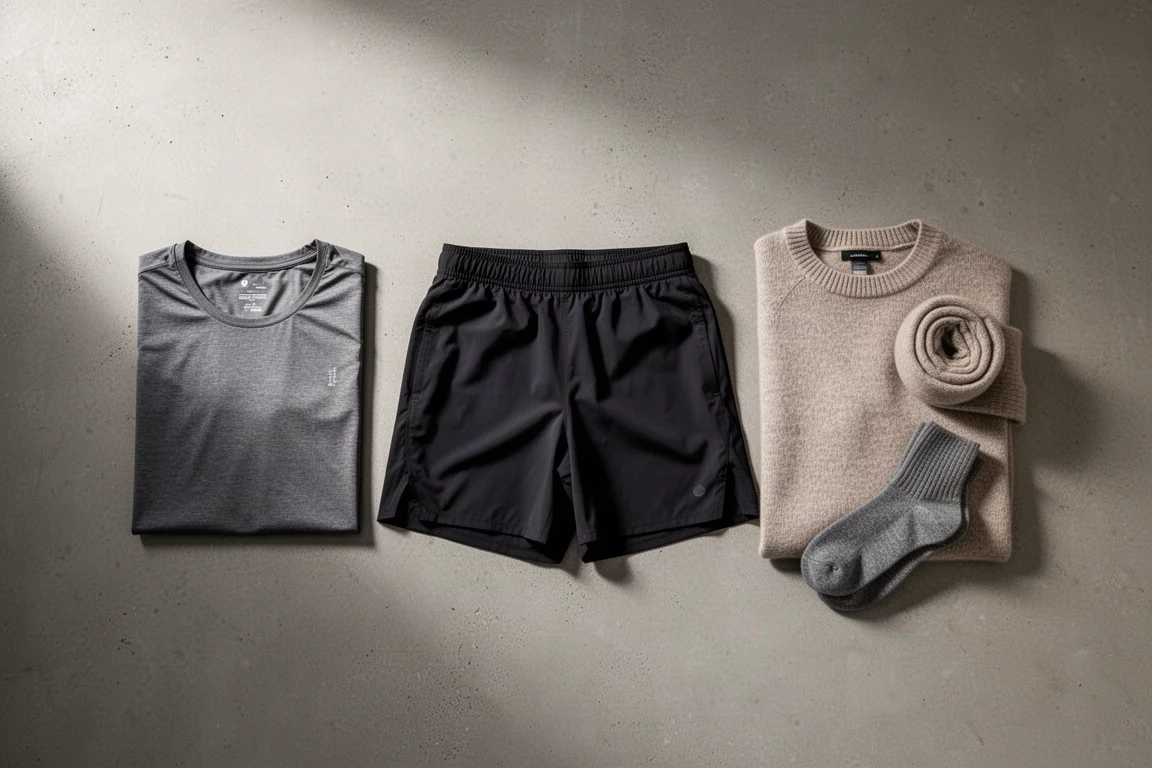
Fit and layering matter as much as material. Clothing that is too tight restricts movement and traps moisture, while pieces that layer easily let you adapt as conditions shift from a warm afternoon to a cold night. Start with the fabrics you already own and build from there.
WrightSock Double Layer Socks
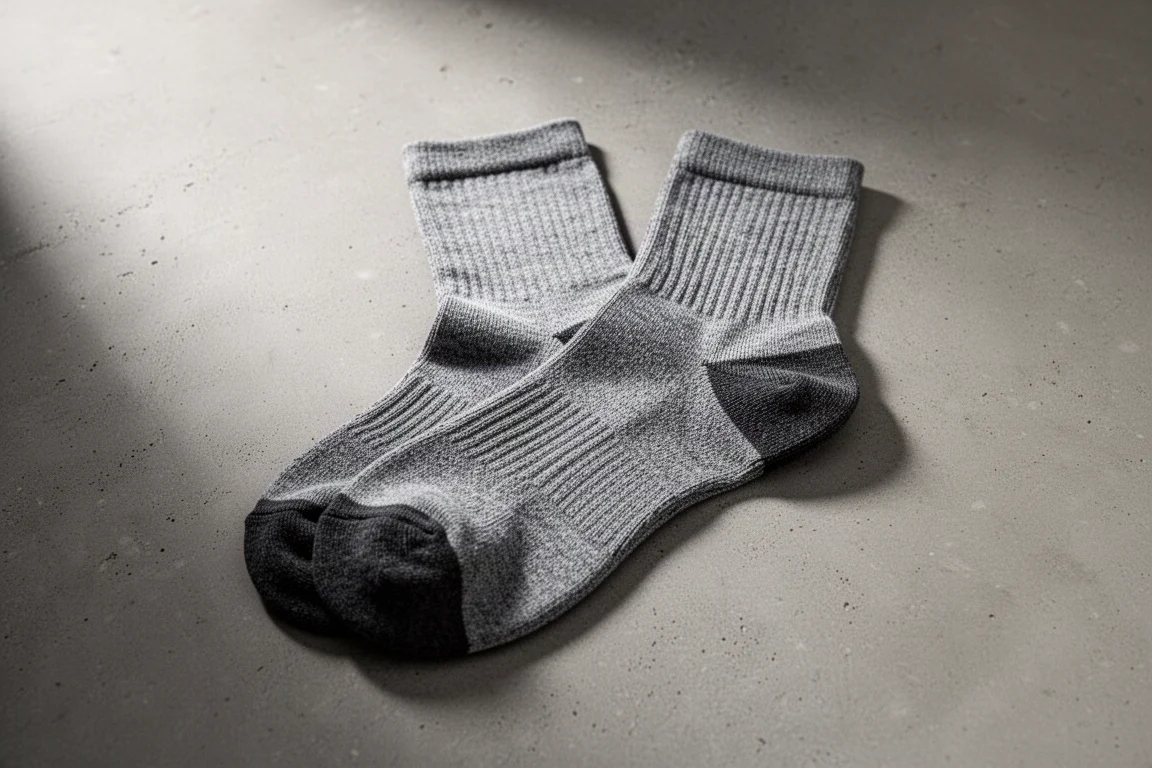
Socks are the one item most people do not already own in a suitable form, and they are not a good place to cut corners. WrightSock Double Layer socks use a two-layer construction and are sold with a blister-free guarantee. A pair costs around twelve dollars, and if they do not work out for you, they can be returned for a refund.
For backpackers, that guarantee matters more than it might first appear. Foot problems are one of the most common reasons a trip turns uncomfortable, and a low-cost sock with a clear return policy removes most of the risk from trying something new.
Frogg Toggs Rain Suit
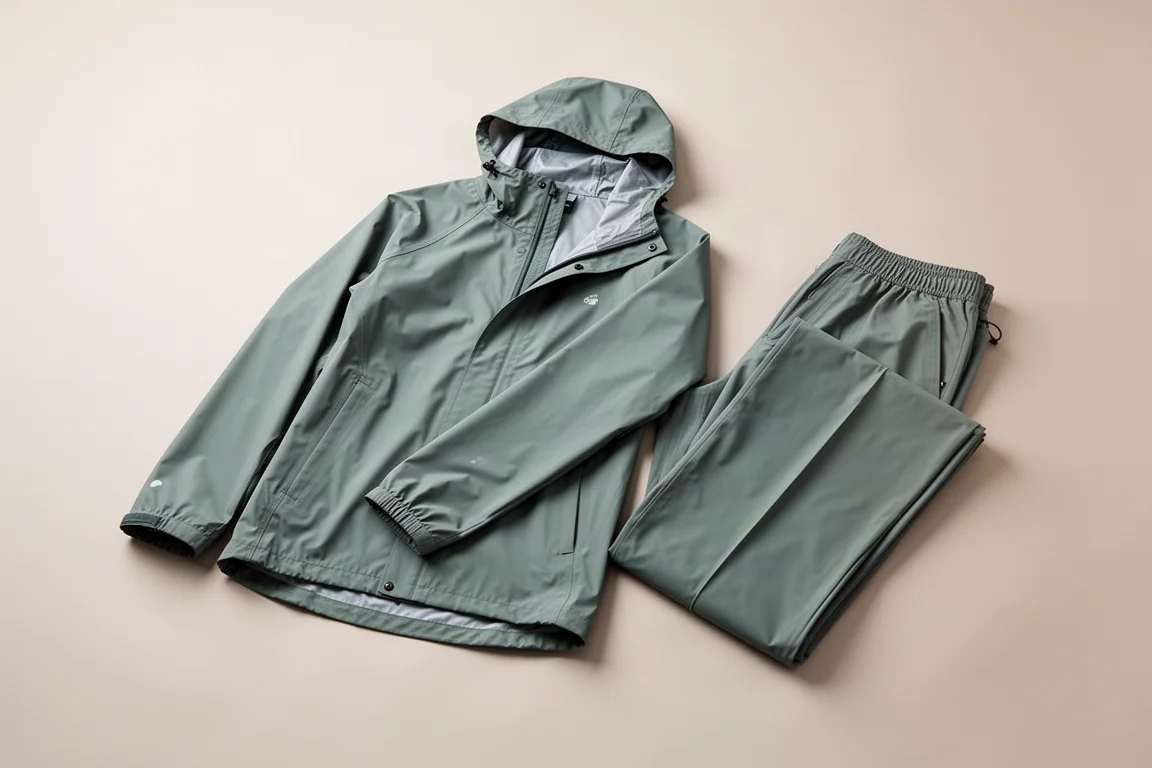
Rain gear is the piece most first-time backpackers will not have at home, and dedicated options are expensive. A specialised rain jacket can cost over $160, with matching rain pants adding around $100 on top. The Frogg Toggs rain suit takes a completely different approach to the same problem.
The full suit costs about fifteen dollars, and the jacket alone weighs roughly seven ounces. That combination of low weight and dependable protection is why the suit is a common choice among ultralight and long-distance hikers who cover serious mileage in unpredictable weather.
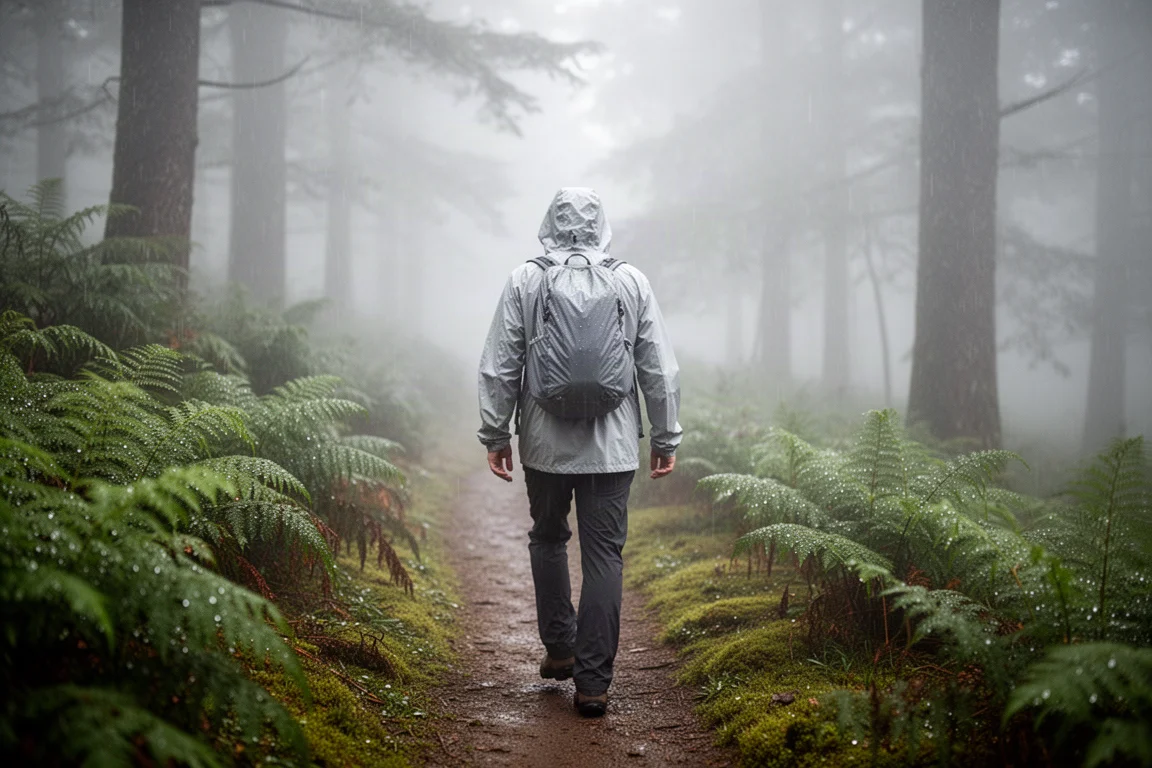
The trade-off is durability. The material can feel flimsy and can rip relatively easily, but at this price point replacing the suit is a practical option rather than a repair project. For a first backpacking setup, or as a backup layer kept near the bottom of a pack, that trade-off is easy to accept.
Everyday Clothing That Works on the Trail
Bottoms are straightforward. Gym shorts or basketball shorts handle warm trips well, and wind pants or lightweight athletic pants are a reasonable stand-in for dedicated hiking pants. Sweatpants are the exception to avoid, since they are usually made from cotton. Whatever you choose should let you step high and squat low without restriction.
For shirts, a plain polyester t-shirt is the ideal starting point, and inexpensive synthetic shirts from general retailers work just as well as branded ones. Underwear follows the same logic. Synthetic boxer briefs are a solid choice, and many hikers prefer them in wet conditions because they help reduce chafing.
Footwear depends on what you already own. Hiking boots offer ankle support and protection on rough ground, and hiking shoes or trail runners are lighter alternatives for people who prefer less weight on their feet. If you own neither, a pair of athletic shoes with good tread can work on gentler terrain, though the soles are worth checking before committing to a long trip.
Rain Protection for Your Pack
Keeping your gear dry matters as much as keeping yourself dry, and it does not require an expensive cover. Lining the inside of your pack with a trash bag or a contractor bag is a simple, low-cost way to protect your sleeping bag and spare clothing from rain.
That single step prevents the most common cold-weather problem on the trail: a soaked sleeping bag that no longer keeps you warm at night. It costs almost nothing, weighs almost nothing, and it works.
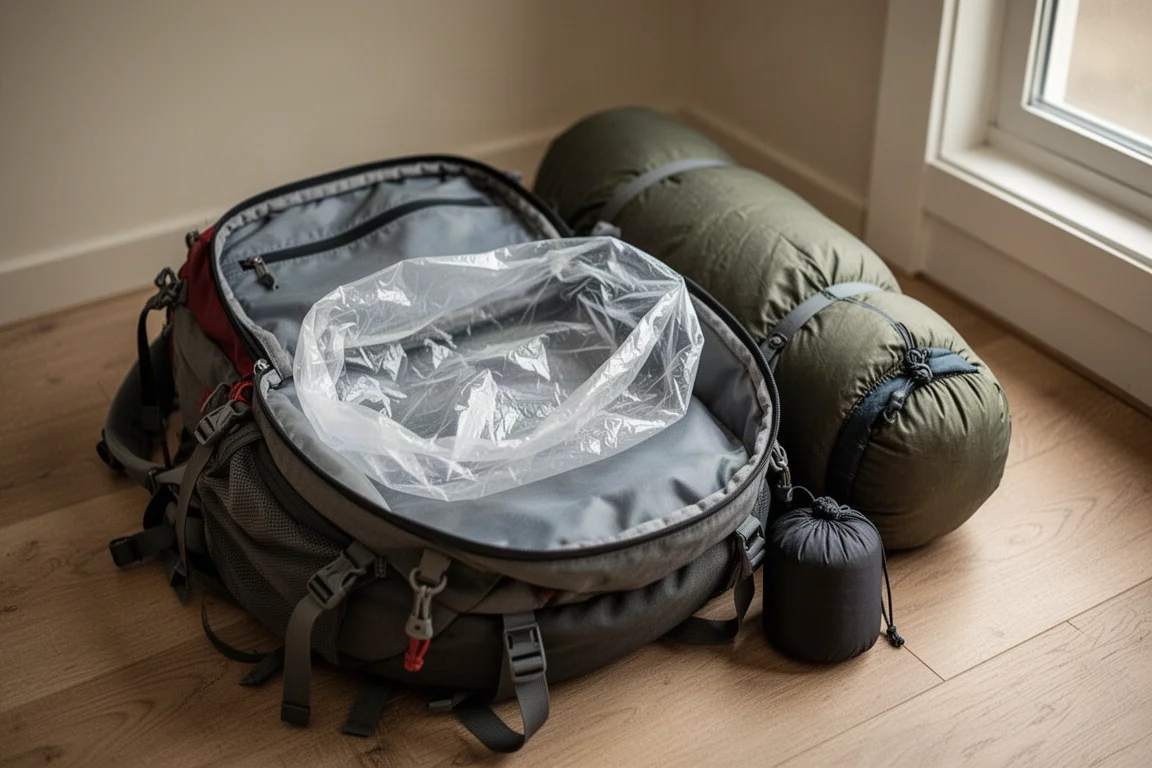
If you prefer a more durable solution, a dedicated pack liner serves the same purpose, but a heavy-duty bag from a hardware store is a fine starting point.
Insulation, Hats, and Gloves
Warmth is where most people assume they need to spend money, but the alternatives are close at hand. A fleece, a wool sweater, or any comparable mid layer will keep you warm under a shell. Cotton hoodies and sweatshirts are the ones to leave behind, for the same reason cotton is avoided everywhere else.
Instead of a dedicated puffy jacket, bring whatever warm jacket you already wear in winter. A ski jacket works well if you have one. It does not need to be technical or expensive, it just needs to keep you warm when the temperature drops.
A warm hat and a pair of gloves round out the kit, and whatever you wear in winter will serve you here. The final safety net is your sleeping bag. If the clothing you brought cannot keep up with the cold, getting into a bag rated for around 20 degrees is the warmest option you have with you.
Overall Buying Advice
The most sensible approach for a first backpacking setup is to buy the items that are genuinely hard to substitute and use what you already own for everything else. In practice, that means the socks and the rain suit. Both solve specific problems, both are inexpensive, and both are difficult to replicate with everyday clothing.
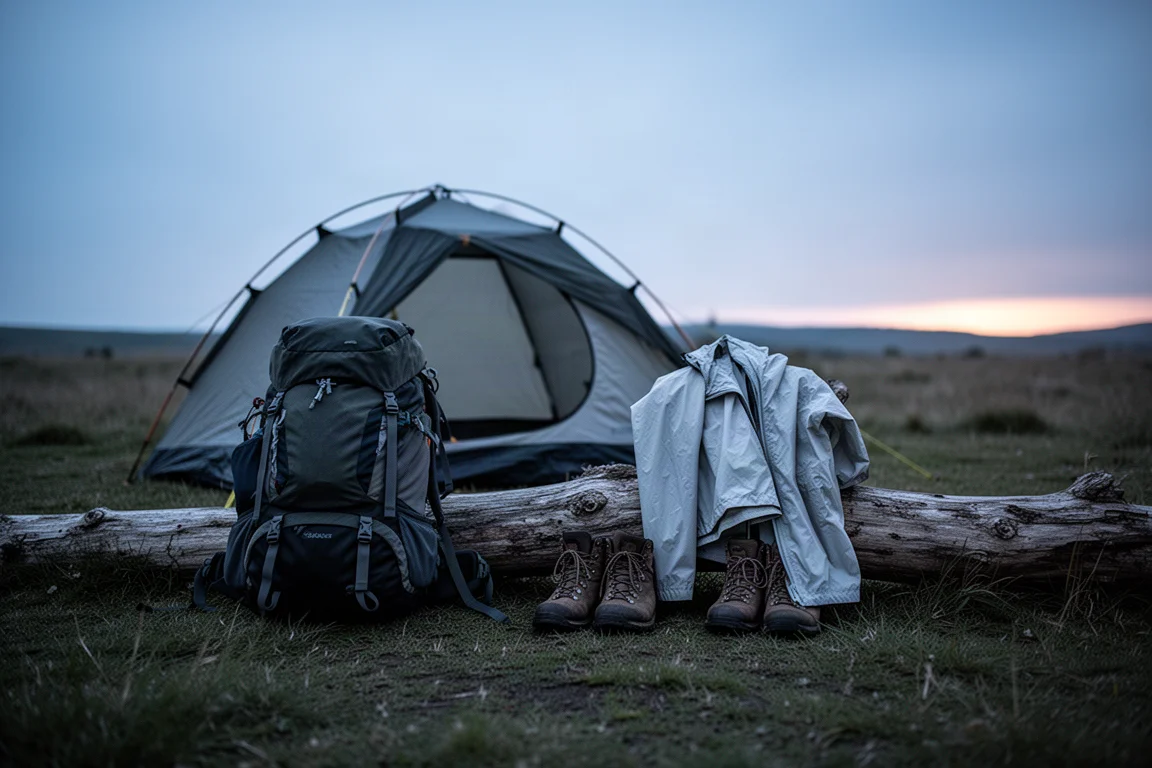
Everything else can come from your existing wardrobe: athletic shorts, synthetic shirts, a fleece or wool sweater, a winter jacket, a hat, and gloves. As you take more trips and learn what you actually want, you can upgrade individual pieces gradually rather than buying a full kit up front.
Conclusion
Backpacking clothing does not have to be a major expense. A small investment in socks with a blister guarantee and a lightweight rain suit covers the two gaps that everyday clothing cannot fill, and the rest of your kit can come straight from your closet. Start with what you have, get out on the trail, and let real experience guide what you add next.
Further reading
Related Reviews

Backpacking Gear
Building a 10 lb Base Weight: An Ultralight Backpacking Gear List
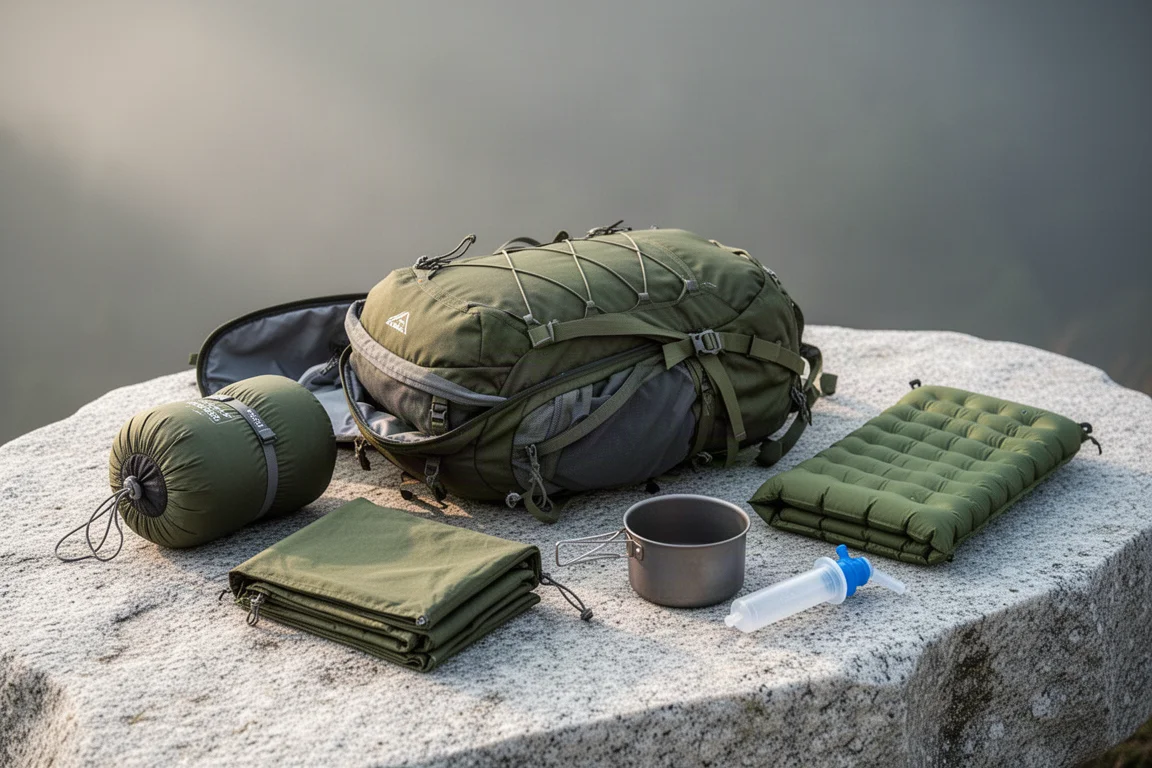
A practical walkthrough of the ultralight pieces behind a 10 lb base weight, from a 765 g pack and a roomy one-person tent to a full camp chair and a dependable water filter.
Backpacking Gear
A 15-Pound Lightweight Backpacking Gear List for Solo Trips
A beginner-friendly 15-pound backpacking setup built from easy-to-find gear, with notes on what each piece does, how it packs, and where to spend your attention.
Backpacking Gear
8 Ultralight Backpacking Gear Upgrades Worth Carrying
Eight small, affordable backpacking upgrades that solve real trail annoyances, from a pillow that stays put to a fuel valve that rescues leftover canister gas.