Backpacking Gear
Backpacking Chairs: Two Lightweight Options and How to Choose
A practical look at the chair versus ground debate, plus two lightweight seat options and the trade-offs worth checking before you buy.
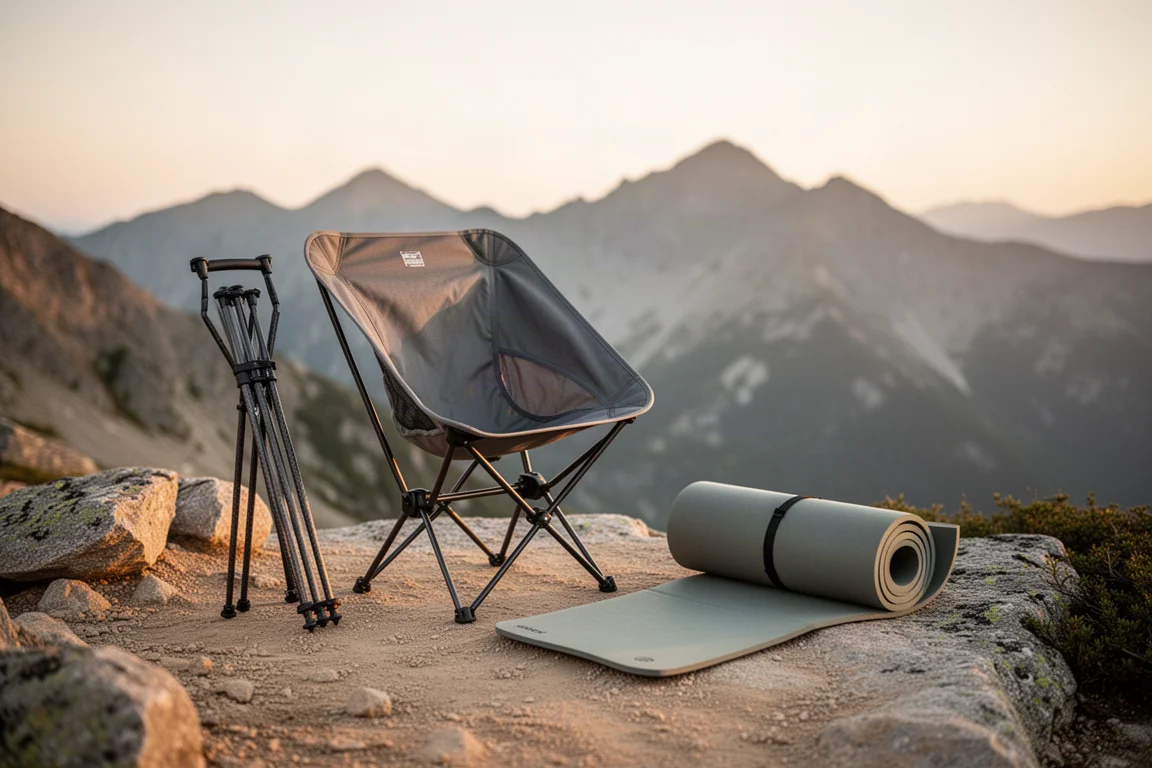
Introduction
Few gear questions split a group of backpackers faster than whether to carry a chair. Some hikers will not leave home without one. Others would rather sit on the ground and save the weight. Both positions have real logic behind them, and the better answer usually depends on how you hike rather than on which side of the argument you happen to be on.
This guide looks at what a chair genuinely adds to a trip, what it costs you in weight and money, and two lightweight options that take very different approaches to the same problem.
What a Chair Actually Adds to a Backpacking Trip
A typical backpacking chair weighs around a pound. On a 15-pound base weight, that is close to 7 percent of everything in your pack, which is exactly why hikers who lean ultralight tend to leave it behind. A chair also does not pull double duty the way a puffy jacket or a sleeping pad does, and in a pinch you can always sit on the ground.
The argument for carrying one comes down to what happens at the end of the day. After hours of walking, the comfort of finally sitting down with real back support is hard to describe and easy to underestimate. A pound carried all day is a modest penalty for that feeling.
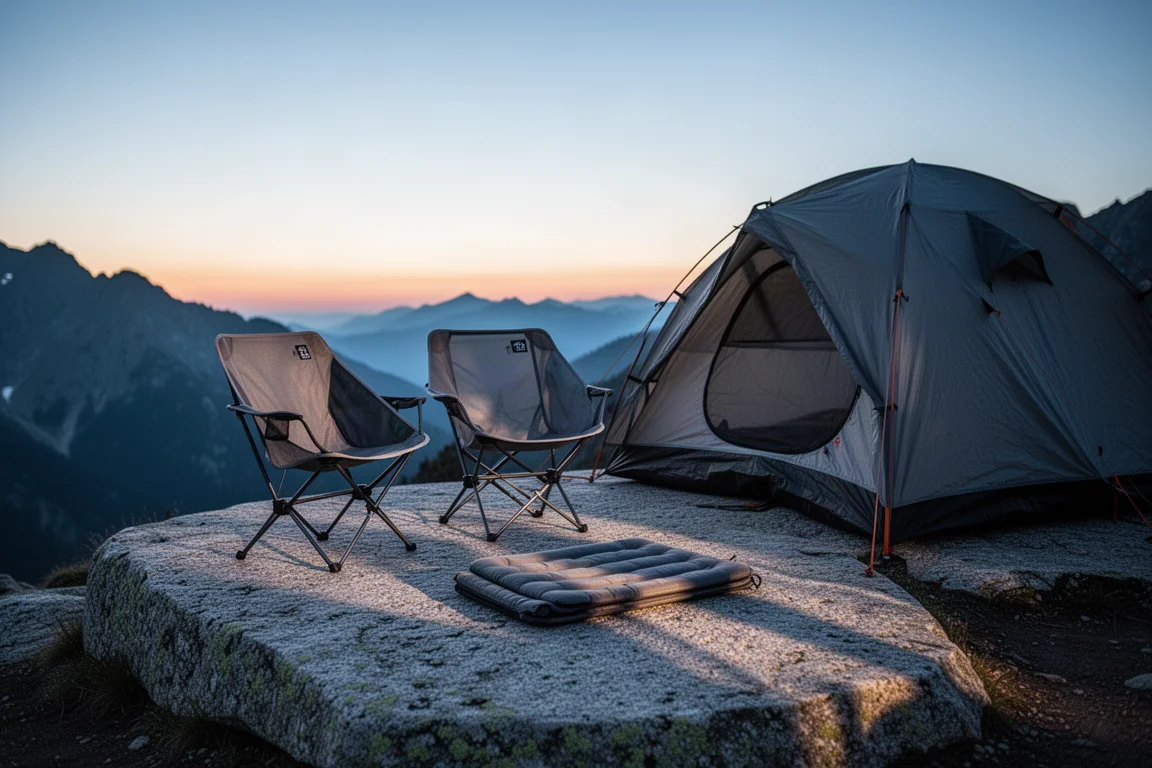
There is a middle option as well. A simple sit pad weighs a few ounces and can cost as little as $10. It keeps you off wet, cold, uncomfortable ground, but it does not get you up off the ground, and getting up off the ground is a large part of what makes a chair appealing in the first place.
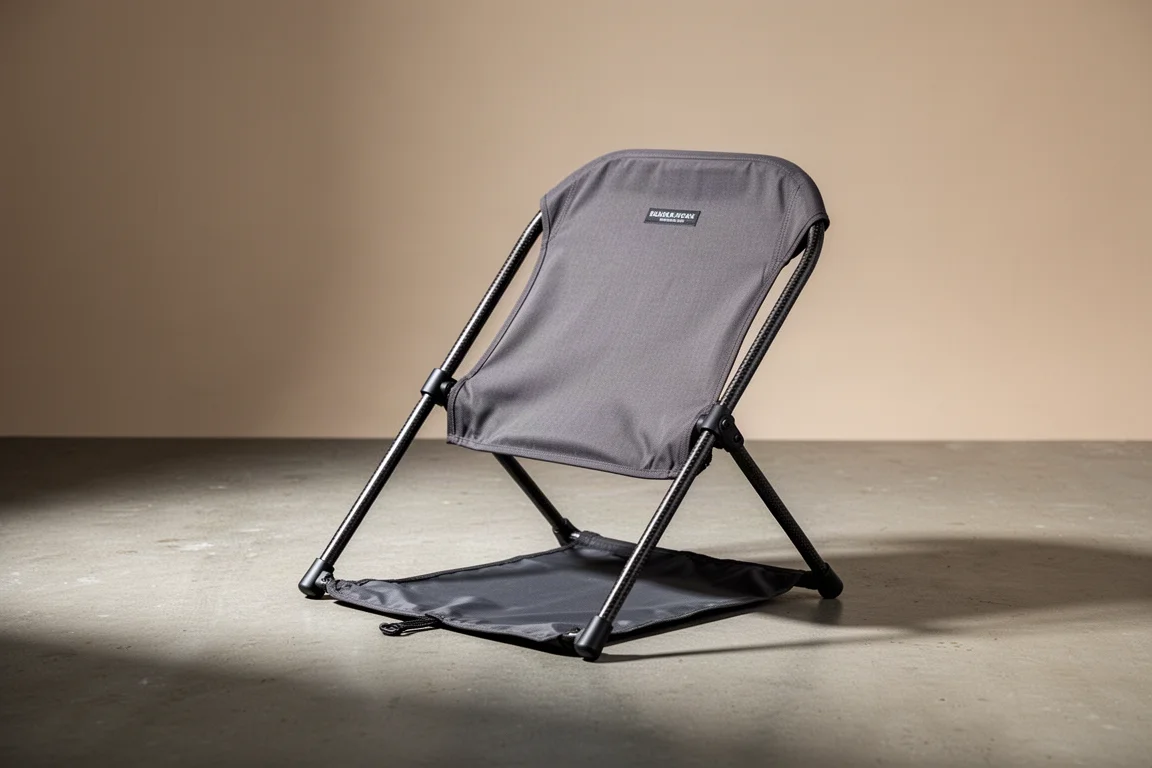
No Matter Products Antimatter Chair: A Backrest Without Trekking Poles
The Antimatter Chair from No Matter Products is best understood as a portable backrest rather than a full chair. It lets you lean back and relax almost anywhere, and it uses its own carbon fiber poles to support your back instead of borrowing your trekking poles.
That last detail matters more than it first sounds. A growing number of lightweight items rely on trekking poles for structure, and on any given hike there are only so many poles to go around. The Antimatter Chair sidesteps that problem entirely, which makes it easy to pair with other pole-supported gear.
The trade-offs are straightforward. You are still sitting on the ground, and the base is a small piece of nylon that keeps dirt and a little water off your pants rather than offering cushioning or insulation. You could pair it with an inexpensive sit pad, but doing so starts to erode the point of a minimal setup. At 6.7 ounces, or 8 ounces with the stuff sack, it is roughly half the weight of a typical backpacking chair. It also costs $100 on its own, which is a lot for a backrest without a seat, especially when one-pound chairs are often discounted below $70.
Therm-a-Rest Trekker Chair: Folding Your Sleeping Pad Into a Seat
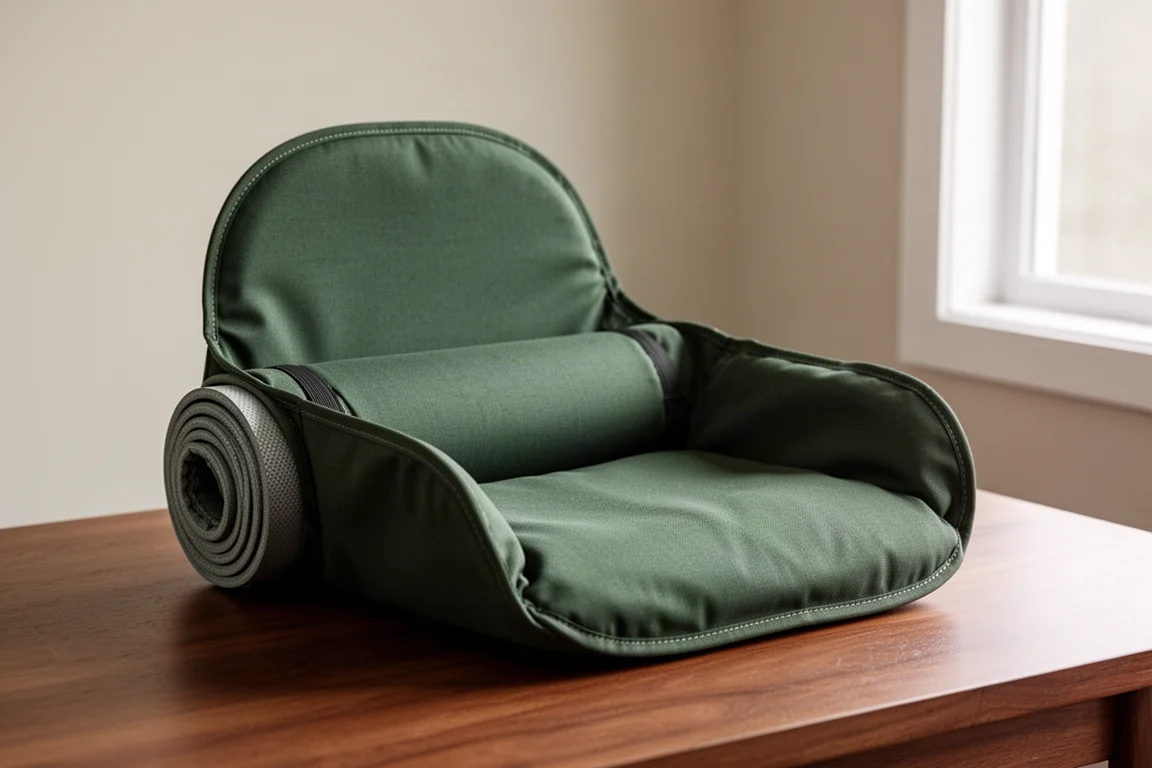
The Therm-a-Rest Trekker Chair takes the opposite approach. It is essentially a sleeve that folds your sleeping pad into a chair, so the seat you carry is the pad you were already bringing with you.
For anyone who has spent an evening slumped against a pack, the appeal is obvious. It is genuinely comfortable, and it delivers real back support without a separate frame or seat fabric to pack.
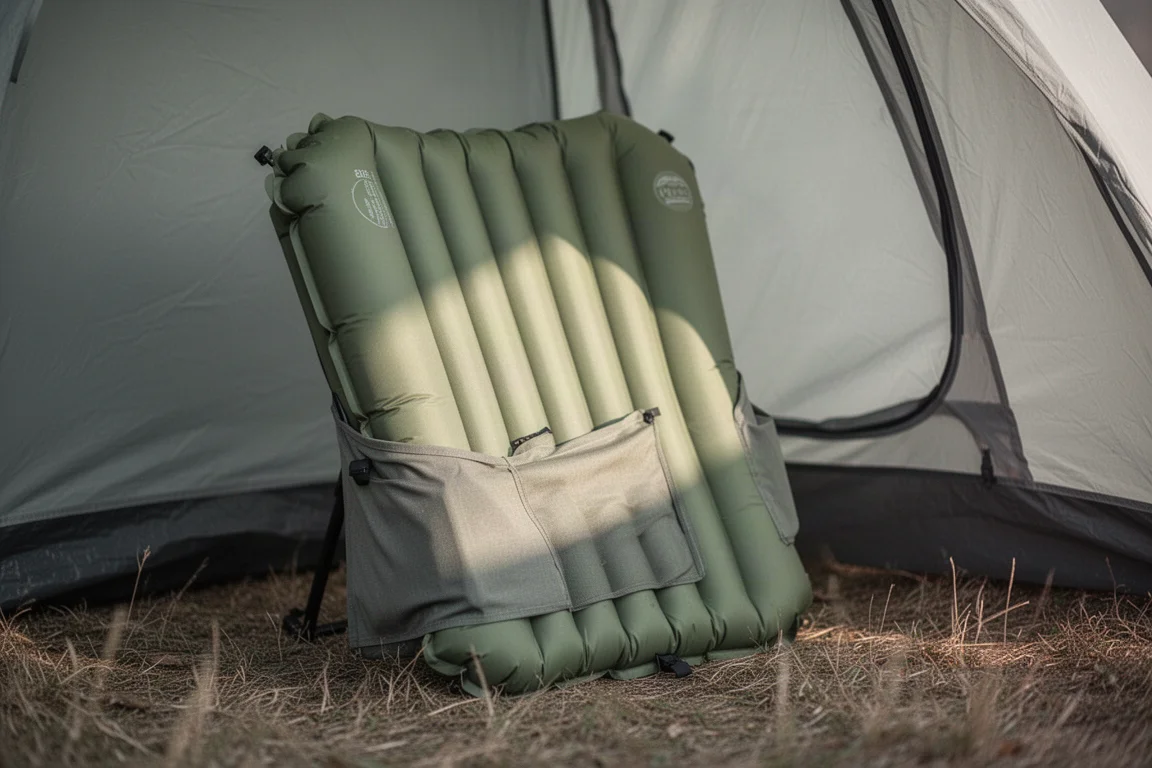
The numbers are less flattering. At 10 ounces it saves only about 6 ounces compared with a typical backpacking chair, and there is a real risk of puncturing the sleeping pad you depend on for the night. If comfort at camp matters more to you than the last few ounces, that trade can still make sense.
Sit Pads and Folding Stools: The Cheaper Middle Ground
Not every solution needs a backrest. Folding stools get you up off the ground for a fraction of the complexity, and they come in a wide range of weights and prices from many manufacturers. If a backrest is not essential to you, a stool is worth a look.
Sit pads remain the cheapest and lightest option of all. A few ounces and as little as $10 buys insulation and a dry seat, even if it does nothing for your posture. For short trips or long-mile days, that is often enough.
The Case for Leaving the Chair at Home
There are trips where a chair simply does not earn its place. When the plan is to go light and fast and cover big miles, camp time shrinks to almost nothing before it is time to sleep. In that situation the weight of a chair feels wasted, and a lighter pack means moving faster with less fatigue.

If you are not going to spend much time sitting, the calculation is easy. A sit pad covers the essentials, and you save the pound for something that works harder during the day.
How to Decide What Is Worth the Weight
Start with how you actually use camp. If evenings are long and social, a chair is one of the highest-value items in your pack. If camp is a brief stop between long days, a sit pad or nothing at all makes more sense.
Then look at weight and cost together. A one-pound chair is a meaningful share of a light pack, and chairs are not cheap, but the comfort gap between sitting on the ground and sitting in a chair is larger than the weight gap suggests. Weight and price are the easy numbers to compare. Comfort is the one you notice every night.
Buying Advice: Matching Weight, Comfort, and Cost
Before buying, decide which of the three you are optimizing for. If it is weight, the Antimatter Chair at 6.7 ounces is the lighter option here, provided you accept sitting on the ground and a $100 price. If it is comfort per ounce, the Trekker Chair reuses gear you already carry and provides a proper backrest, at the cost of a modest weight saving and some risk to your sleeping pad.
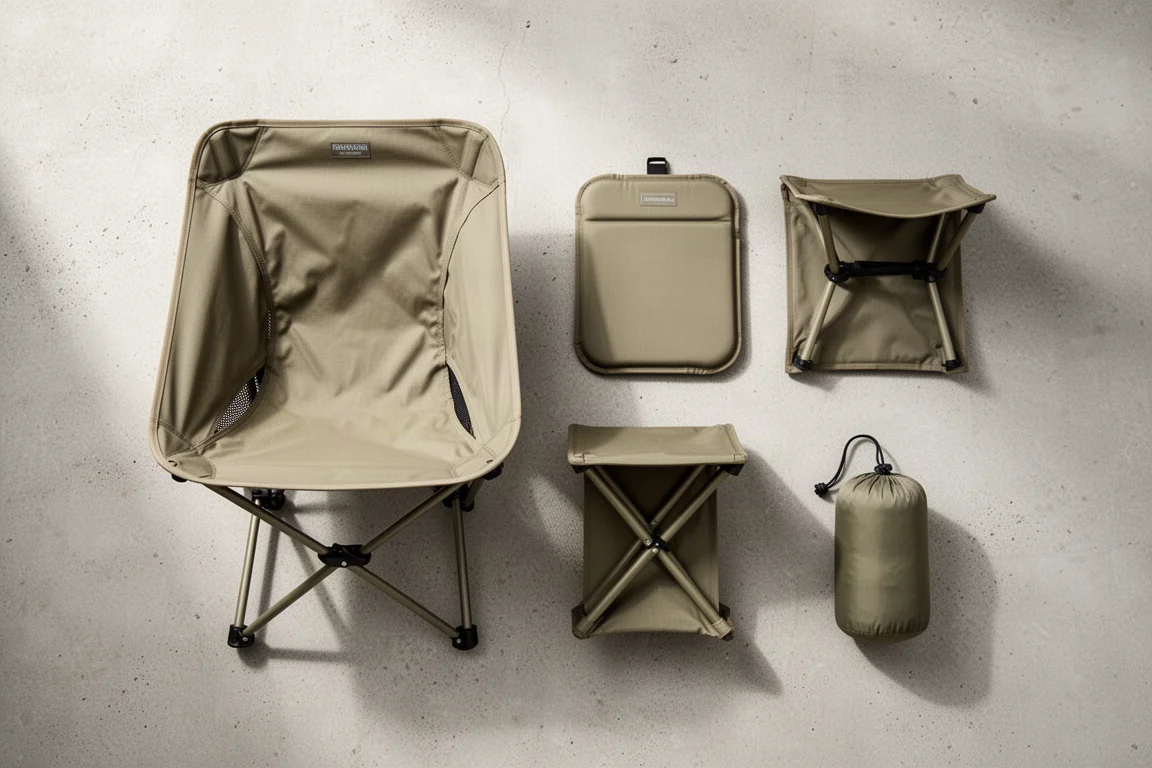
If neither feels right, a folding stool or a basic sit pad still solves the main problem of getting off cold, wet ground for very little money. There is no single correct answer here, only the setup that matches the trips you actually take.
Conclusion
Whether a chair is worth carrying is a personal calculation about weight, cost, and how much time you spend at camp. The Antimatter Chair offers a light backrest for anyone who does not want to carry a full chair, while the Trekker Chair turns a sleeping pad you already own into a comfortable seat. If you would rather keep your pack as light as possible, a sit pad remains a cheap and effective compromise.
Further reading
Related Reviews

Backpacking Gear
Building a 10 lb Base Weight: An Ultralight Backpacking Gear List
A practical walkthrough of the ultralight pieces behind a 10 lb base weight, from a 765 g pack and a roomy one-person tent to a full camp chair and a dependable water filter.

Backpacking Gear
A 15-Pound Lightweight Backpacking Gear List for Solo Trips
A beginner-friendly 15-pound backpacking setup built from easy-to-find gear, with notes on what each piece does, how it packs, and where to spend your attention.

Backpacking Gear
8 Ultralight Backpacking Gear Upgrades Worth Carrying
Eight small, affordable backpacking upgrades that solve real trail annoyances, from a pillow that stays put to a fuel valve that rescues leftover canister gas.