Backpacking Gear
Backpacking Chair Alternatives: Antimatter Chair and Trekker Chair Compared
Two lightweight ways to sit back at camp, a carbon-pole backrest and a sleeping pad sleeve, plus the weight, cost, and comfort trade-offs behind each.
Introduction
Few backpacking decisions split a group faster than whether to pack a chair. One camp argues that a pound of aluminum and fabric is dead weight, and the other argues that a pound on your back all day is a small price for a real seat at the end of it. Both positions have merit, and the right answer usually depends on how a trip is actually structured: how many miles you cover, how much time you spend at camp, and how much comfort you are willing to pay for in weight.
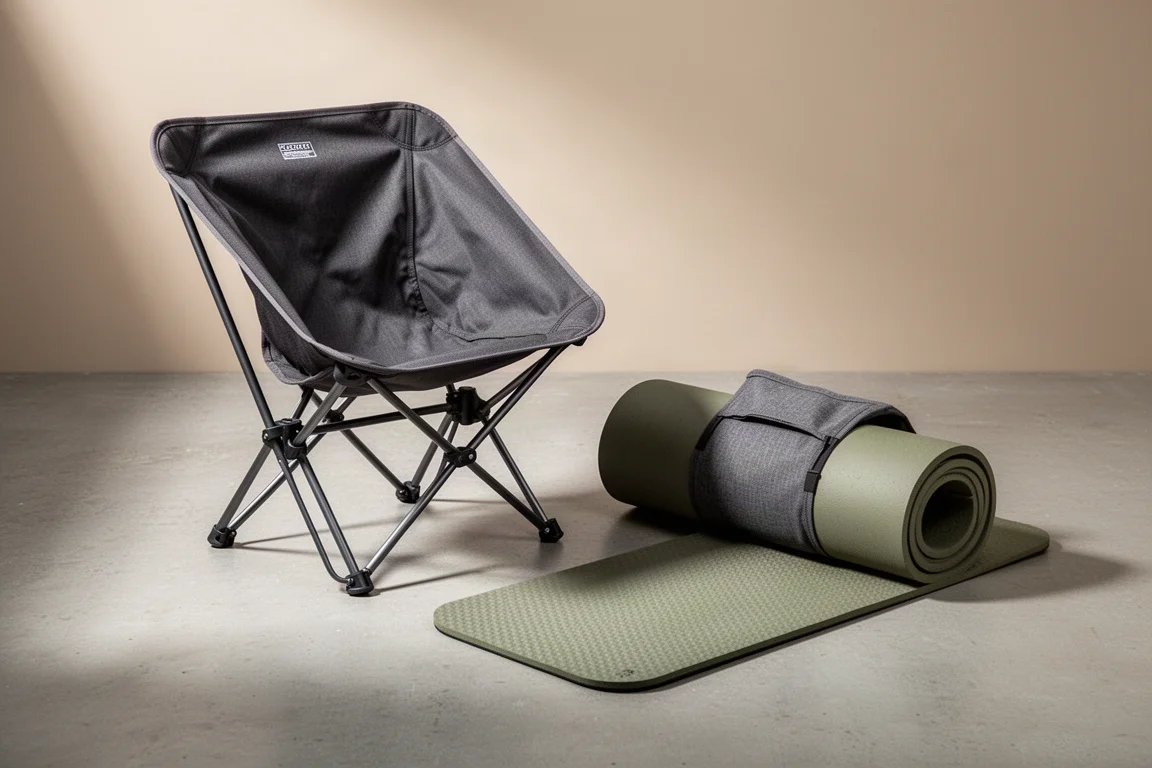
This guide walks through the trade-offs honestly, then looks at two lighter alternatives that sit between a full backpacking chair and a bare patch of dirt. The Antimatter Chair from No Matter Products is a carbon-pole backrest, and the Therm-a-Rest Trekker Chair is a sleeve that turns a sleeping pad into a seat.
What Matters Most When You Carry a Seat
Four factors decide whether a seat earns its place in a pack: weight, comfort, cost, and whether the item does more than one job.
Weight is the most obvious. A typical backpacking chair weighs about a pound, and for a pack with a 15 lb base weight that chair is close to 7 percent of everything you carry. It is also a single-purpose item. It does not keep you warm, it does not keep you dry, and you can get by without it by sitting on the ground. On long-mileage days that math is hard to ignore, and a lighter pack genuinely means moving faster and finishing the day less fatigued.
Sit pads offer a middle path. They weigh only a few ounces, can cost as little as $10, and provide insulation plus a barrier from cold, wet ground. What they cannot do is lift you off the ground or give you a backrest.
Comfort is the counterargument, and it is a strong one. After a full day of hiking, lowering yourself into an actual chair is a different experience from lowering yourself onto the dirt, and that gap is what convinces many hikers to carry the extra weight.
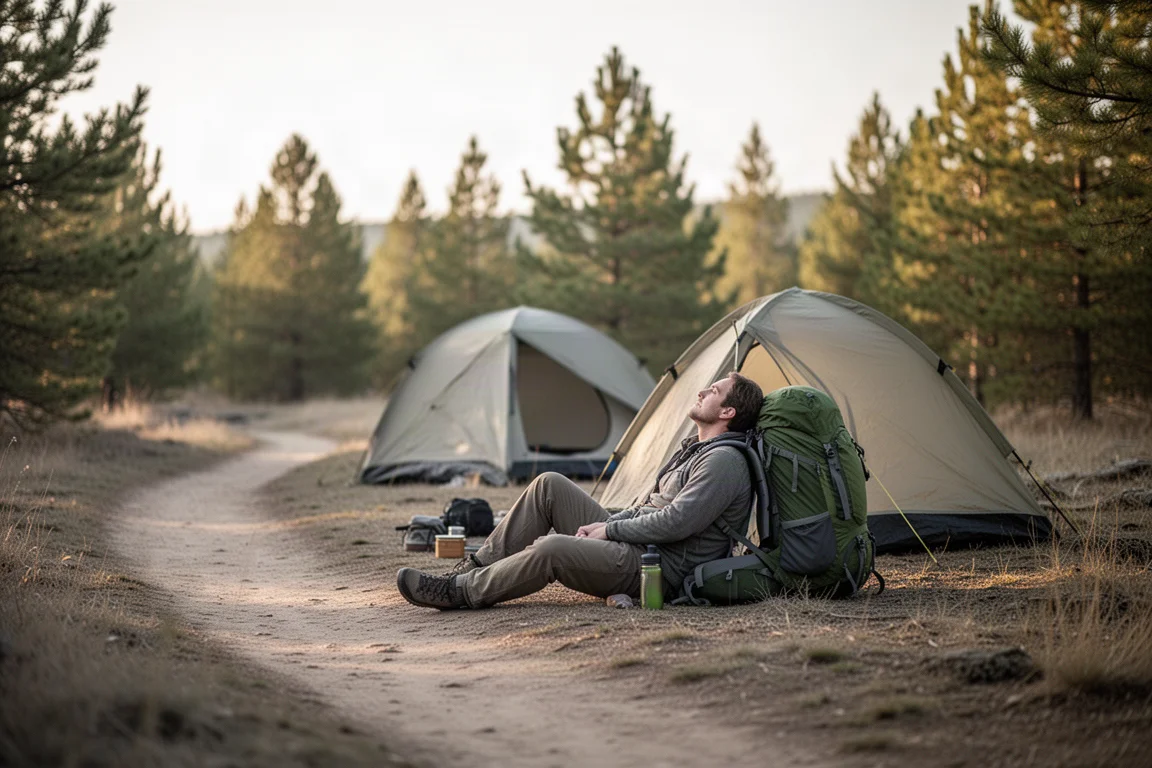
For most backpackers the calculation comes down to camp time. A trip with long evenings rewards a comfortable seat, while a trip that ends with dinner and sleep rewards a lighter pack.
No Matter Products Antimatter Chair: A Lightweight Backrest
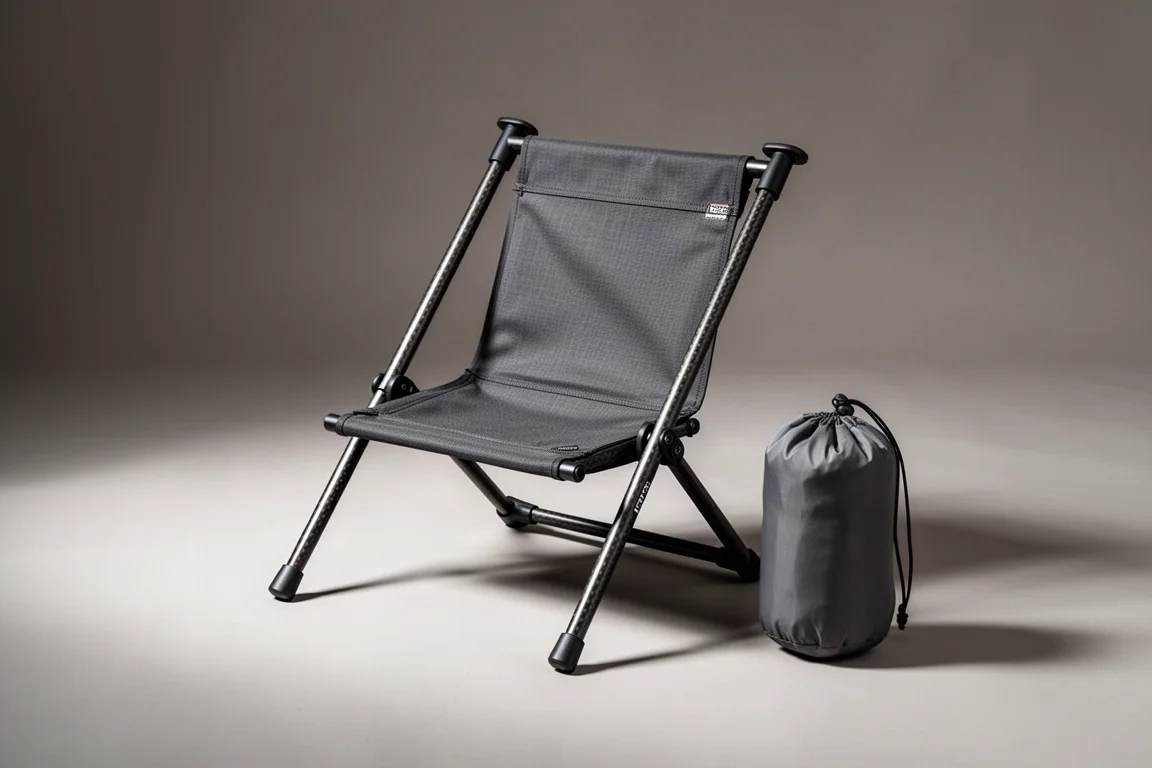
The Antimatter Chair from No Matter Products is a portable backrest designed to let you lean back and relax almost anywhere. Its most distinctive feature is what it does not need. Instead of relying on trekking poles for support, it uses its own carbon fiber poles to hold up the backrest, which matters on trips where trekking-pole-supported gear is already competing for the same two poles.
At 6.7 oz, or 8 oz with the stuff sack, it weighs roughly half of a typical backpacking chair. The trade-off is that you are still on the ground. The only barrier between you and the dirt is a small piece of nylon, which can keep soil and a little water off your pants but does not add meaningful comfort or insulation. You could pair it with a cheap sit pad, though doing so eats into the weight advantage that makes the design interesting in the first place.
Cost is the other consideration. At around $100 for the chair alone, it sits above what many hikers expect to pay, especially when a one-pound REI chair can often be found for less than $70 on sale with a comfort difference that is more than significant.
Therm-a-Rest Trekker Chair: A Seat From Your Sleeping Pad
The Therm-a-Rest Trekker Chair takes a completely different approach. It is essentially a sleeve that folds your sleeping pad into a chair, so the seat comes from gear you are already carrying. In practice it is genuinely comfortable, and it delivers something the Antimatter Chair does not: a full chair position rather than a backrest on the ground.
The numbers are less flattering. The Trekker Chair weighs 10 oz, only about 6 oz less than a typical backpacking chair, and it adds a real risk of puncturing the sleeping pad it depends on. When that pad is the foundation of your sleep system, the risk deserves some thought before the sleeve goes into your pack.
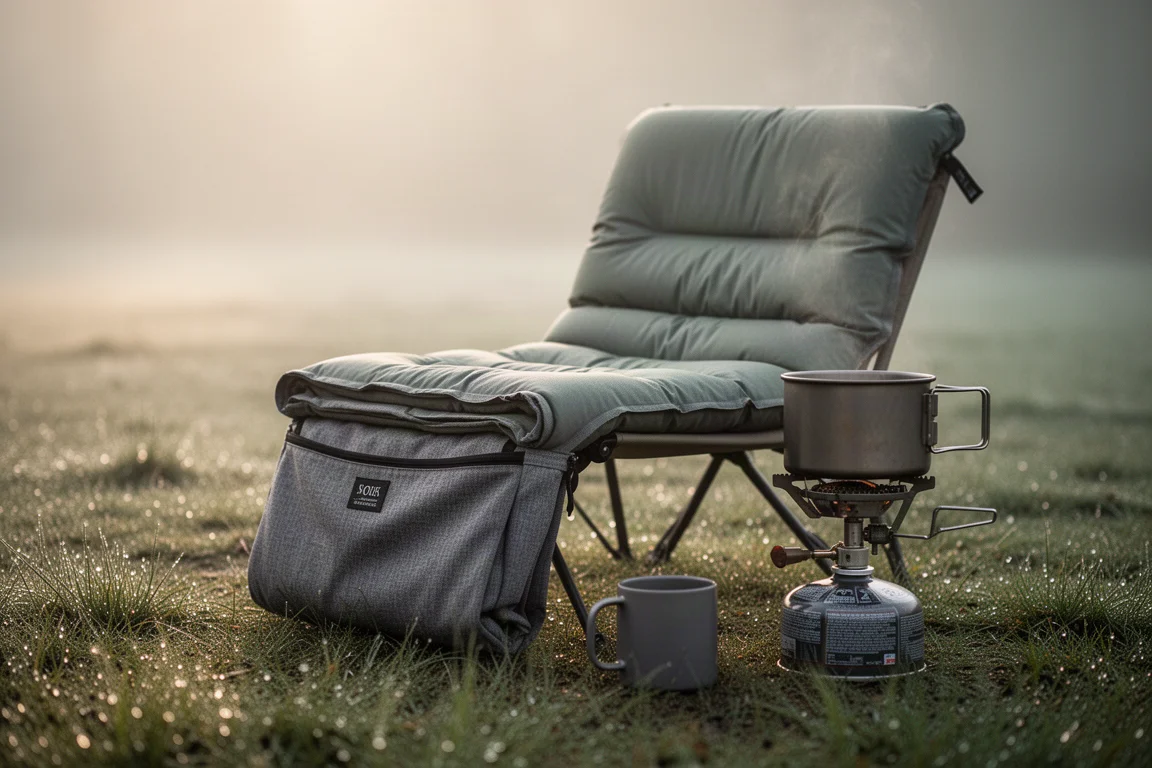
For hikers who already carry a sleeping pad and value comfort at camp more than the smallest possible base weight, the Trekker Chair is a reasonable compromise. It is not the lightest option, but it turns an item already in your pack into a seat.
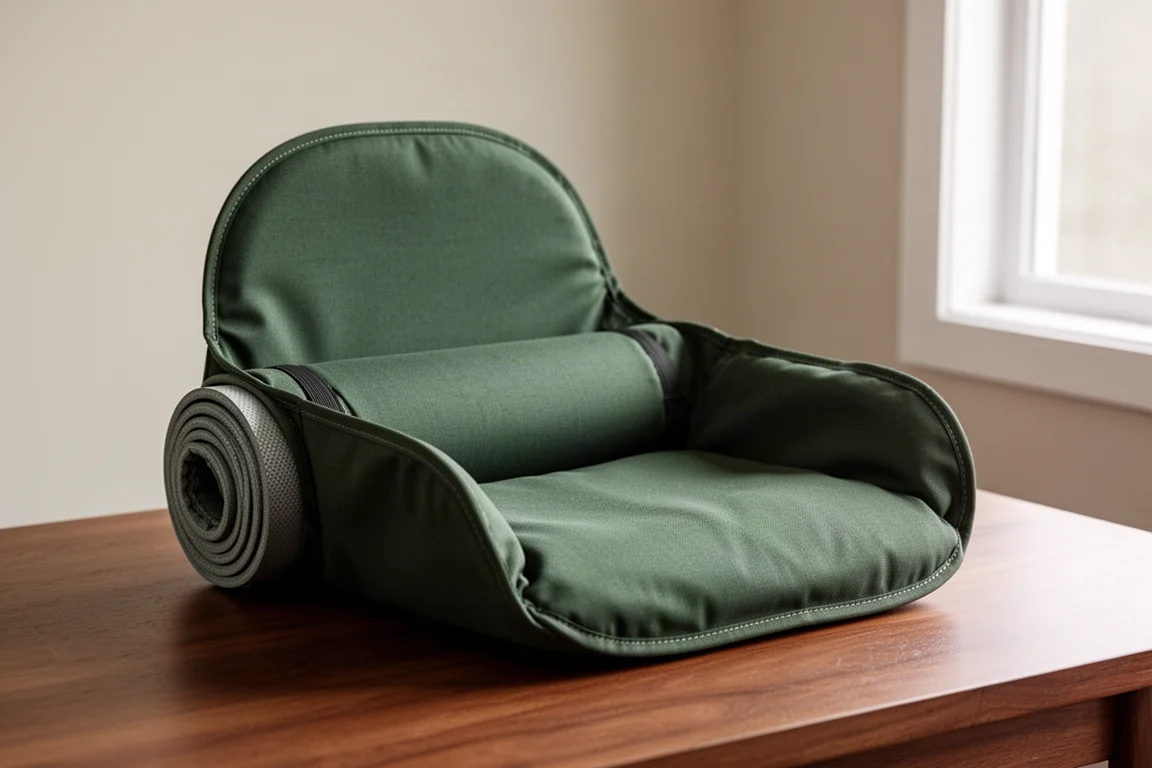
Sit Pads and Other Middle Grounds
Not every solution needs a backrest. A sit pad costs as little as $10, weighs a few ounces, and provides insulation and a dry barrier between you and the ground. Folding stools are another option for hikers who mainly want to get up off the ground. They come in a wide range of weights and prices from many manufacturers, though they offer no backrest at all.
For some hikers a backrest is non-negotiable, and for others it is a luxury that can stay home. Both positions are defensible, and the choice usually comes down to how you spend your evenings.
Weight and Cost: What Changes on the Trail
The case against carrying a chair is strongest on light and fast trips. When the plan is to cover big miles and there is little time at camp before sleep, the weight of a chair feels like a waste, and a lighter pack helps you move faster and arrive less fatigued. The case for a chair is strongest when camp is the point: long evenings, a slower pace, and time to actually enjoy sitting down.
Cost follows a similar pattern. A sit pad is the cheapest way to add comfort, and a traditional one-pound chair is generally the most comfortable option for the money. Between them sit designs like the Antimatter Chair and the Trekker Chair, which trade some comfort or add some risk in exchange for weight savings, and in the Antimatter Chair’s case, a higher price.
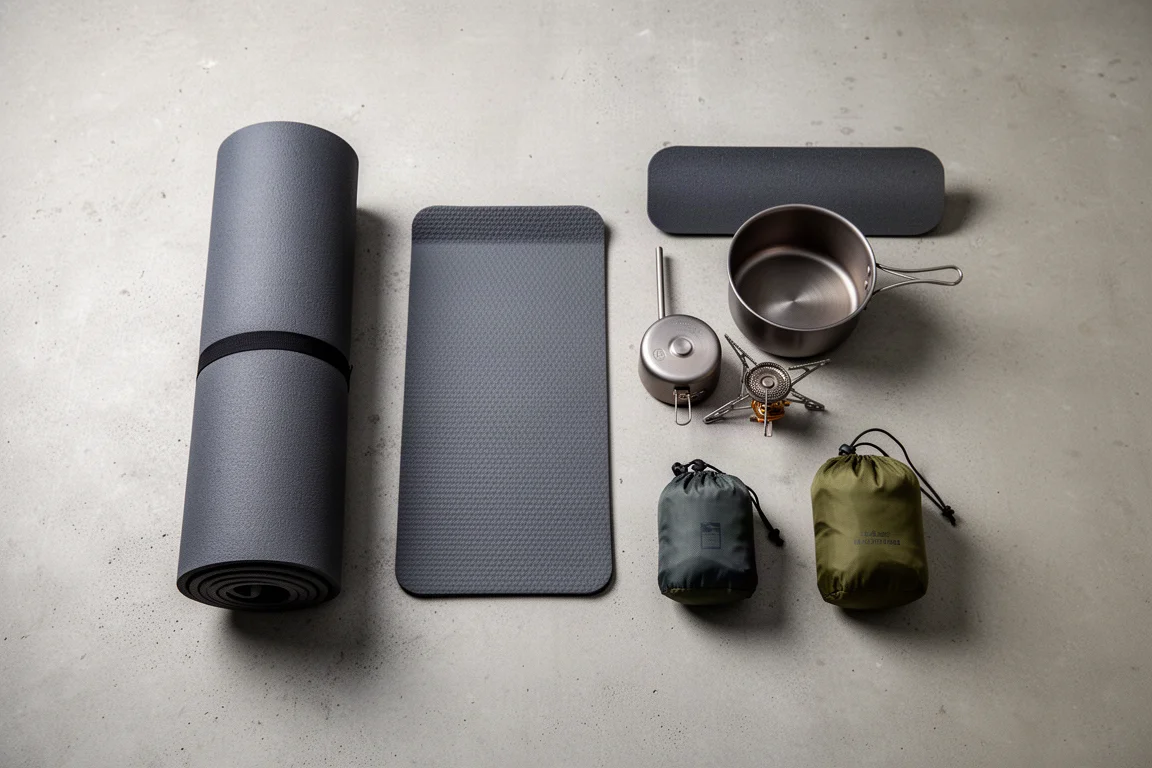
None of these differences look enormous on their own, but they compound over a long trip. Every ounce you carry is an ounce you lift with each step, and every evening spent on the ground is an evening you remember.
How to Choose the Right Seat for Your Trip
Ask three questions before you commit.
First, how much time will you actually spend at camp? If the answer is an hour or two at most, a sit pad may be enough. If it is a full evening, a backrest becomes much easier to justify.
Second, do you need a backrest, or do you simply want to get up off the ground? A folding stool or a sit pad solves the second problem for far less weight and money.
Third, can the seat do double duty? The Trekker Chair borrows its structure from a sleeping pad you already carry, while the Antimatter Chair brings its own carbon fiber poles and does not compete for trekking poles. Each approach suits a different pack.
A Practical Checklist Before You Buy
Weigh the seat as you would actually carry it, including the stuff sack, since small accessories add up quickly. Check whether the design depends on gear you already have, such as trekking poles or a sleeping pad, and whether that dependency creates a risk you are comfortable accepting. Confirm that the packed weight still leaves room in your base weight for the comfort you are buying. Then compare the total cost against a traditional chair, because a lighter alternative that costs more than a full chair is a harder sell.

Finally, be honest about your own habits. If you consistently finish the day with energy to spare and a long evening ahead, a seat will earn its place in your pack. If you hike until dark and go straight to sleep, the ground may be good enough.
Conclusion
Only you can decide what is worth the weight and the cost. A sit pad remains the lightest and cheapest way to add comfort at camp. A traditional backpacking chair is still the most comfortable option for the weight. In between, the Antimatter Chair offers a backrest at 6.7 oz without borrowing your trekking poles, and the Therm-a-Rest Trekker Chair turns a sleeping pad into a genuinely comfortable seat at 10 oz. Match the choice to the trip in front of you, and the chair debate becomes much easier to settle.
Further reading
Related Reviews

Backpacking Gear
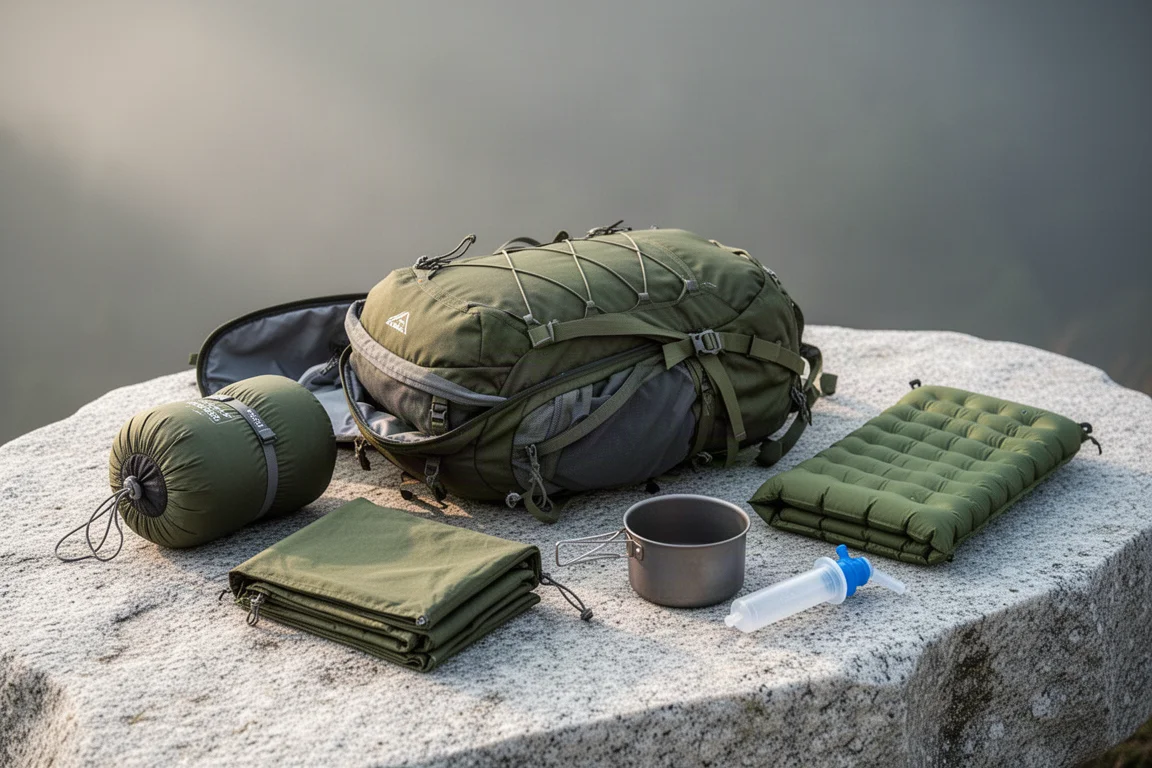
Building a 10 lb Base Weight: An Ultralight Backpacking Gear List
A practical walkthrough of the ultralight pieces behind a 10 lb base weight, from a 765 g pack and a roomy one-person tent to a full camp chair and a dependable water filter.
Backpacking Gear
A 15-Pound Lightweight Backpacking Gear List for Solo Trips
A beginner-friendly 15-pound backpacking setup built from easy-to-find gear, with notes on what each piece does, how it packs, and where to spend your attention.
Backpacking Gear
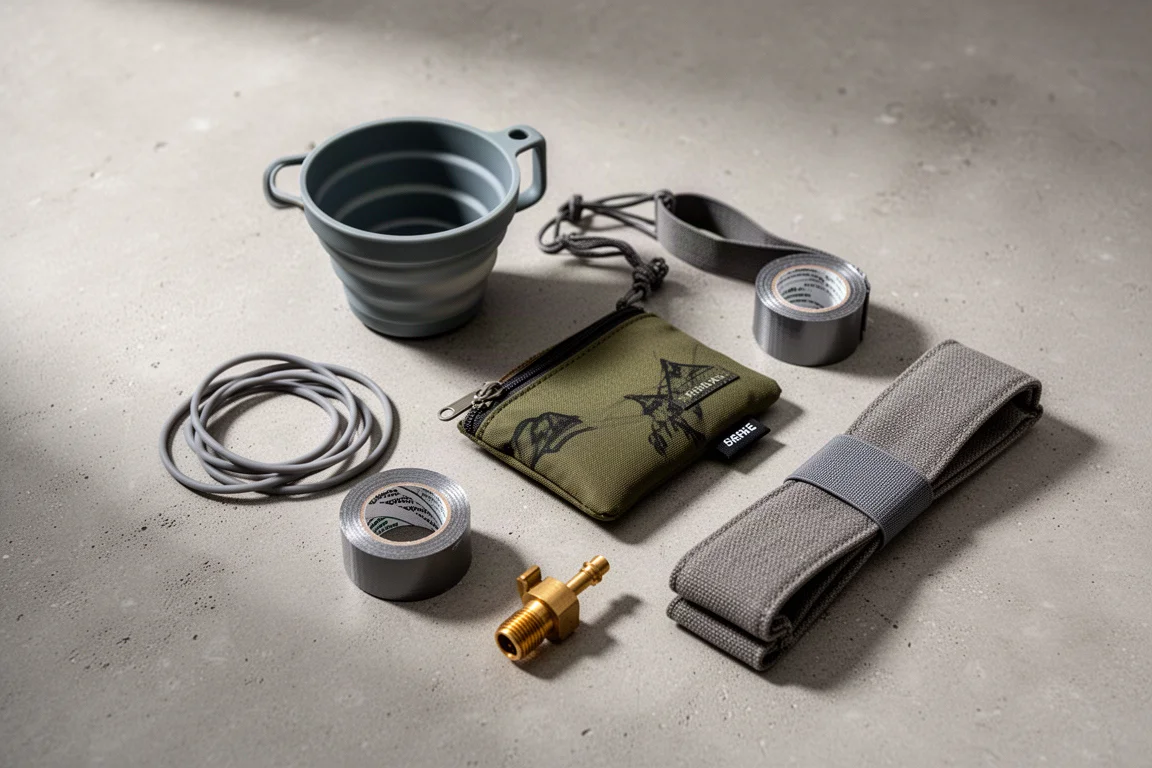
8 Ultralight Backpacking Gear Upgrades Worth Carrying
Eight small, affordable backpacking upgrades that solve real trail annoyances, from a pillow that stays put to a fuel valve that rescues leftover canister gas.