Backpacking Gear
Backpacking Bathroom Kit: Three Essentials for Going in the Woods
A lightweight three-piece system for backcountry bathroom breaks: a durable trowel, a bottle-mounted wash nozzle, and a powdered soap that will not freeze.
Introduction
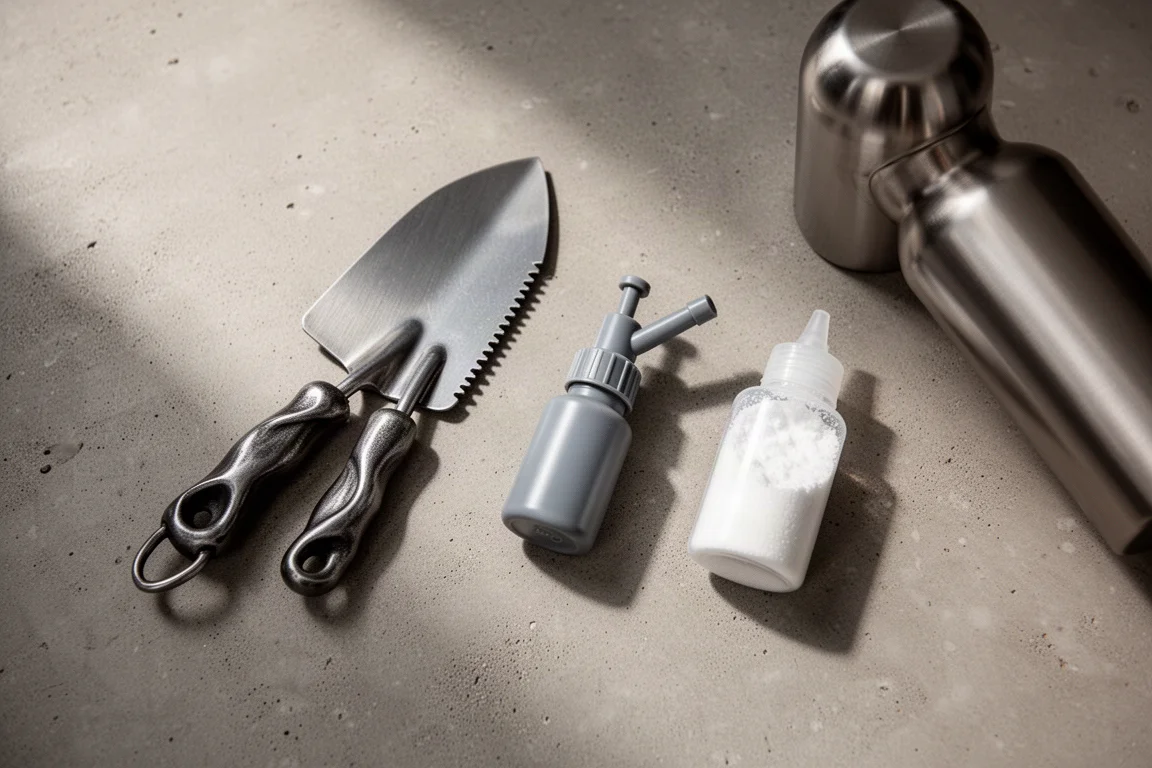
Backcountry bathroom breaks are the part of a packing list most people would rather not think about, yet they shape how comfortable a trip actually feels. A simple three-piece kit solves the problem: a trowel for digging, a small wash nozzle that turns a water bottle into a portable bidet, and a powdered soap that covers both cleanup and hand washing.
The appeal is not only hygiene. The whole set weighs very little, uses far less water than most people expect, and removes the need to carry and pack out toilet paper. Here is how each piece works, where it earns its place in a pack, and what is worth knowing before you buy.
What Matters in a Backcountry Bathroom Kit
Weight and pack volume come first, because these are items you carry on every trip and hope to use only a handful of times. Just as important is whether the kit fits leave-no-trace practice: waste is buried in a cathole roughly six to eight inches deep, dug at least 200 feet from the closest water source.
Water efficiency is the next consideration. A wash system that cleans thoroughly with a few hundred millilitres of water is far easier to justify on a long, dry stretch than one that demands a full bottle. Simplicity matters too, since fewer parts means fewer things to lose, clean or repack at the end of the day.
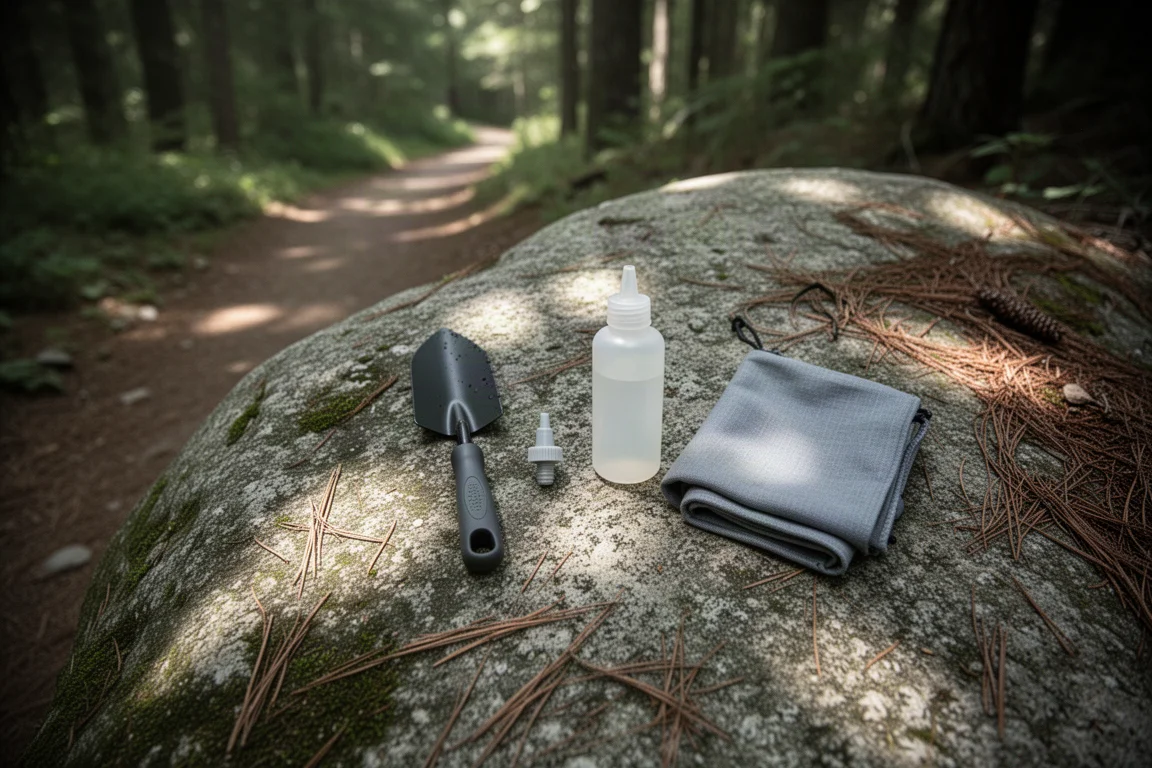
Conditions deserve a thought as well. Powdered soap does not freeze, which makes a real difference on cold trips, and a nozzle that fits the bottles you already carry saves space and removes one more item from the shopping list.
The Trowel: Bogler Trowel
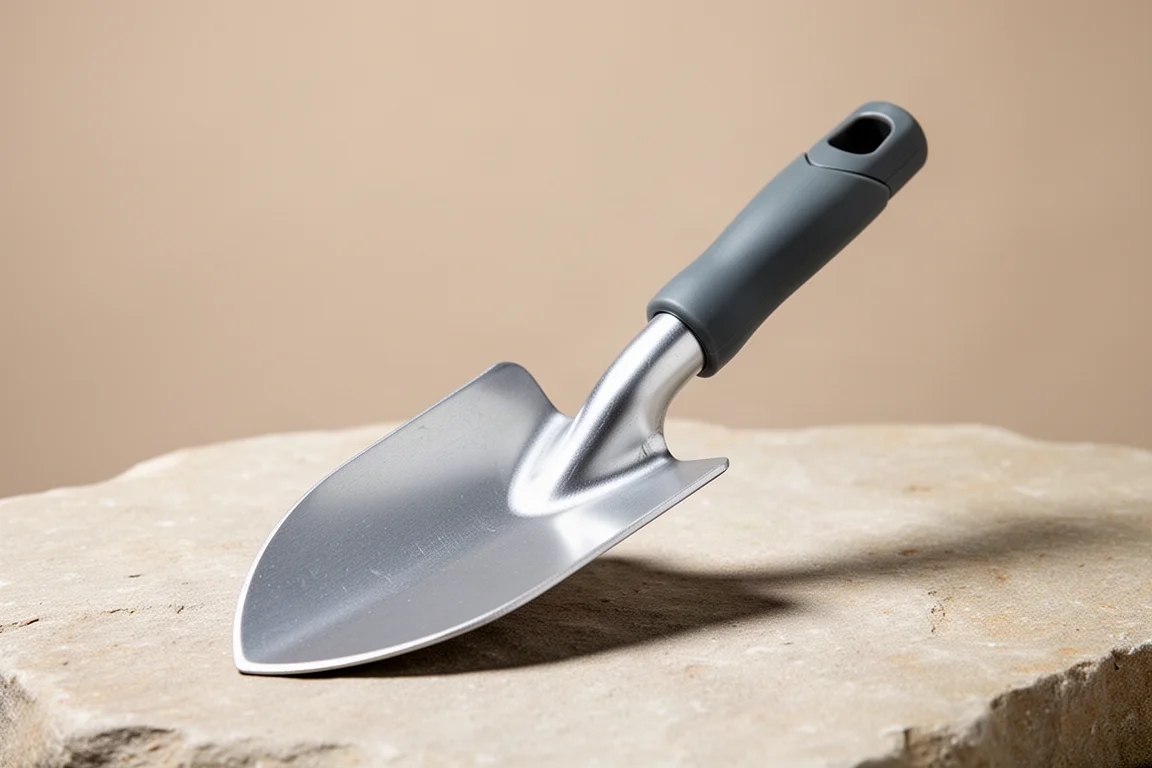
The Bogler Trowel is the digging tool in this system, and its appeal is straightforward: it is lightweight, durable and shaped to sit comfortably in the hand. Small teeth along the side of the blade make cutting through roots noticeably easier, which is the part of cathole digging that usually slows people down.
Using it follows the same process most campers already know. Choose a spot at least 200 feet from water, dig a hole six to eight inches deep, and keep the removed soil nearby so the site can be restored afterwards. A tool that cuts roots cleanly turns that job into a two-minute task rather than a chore.
The Wash System: CuloClean
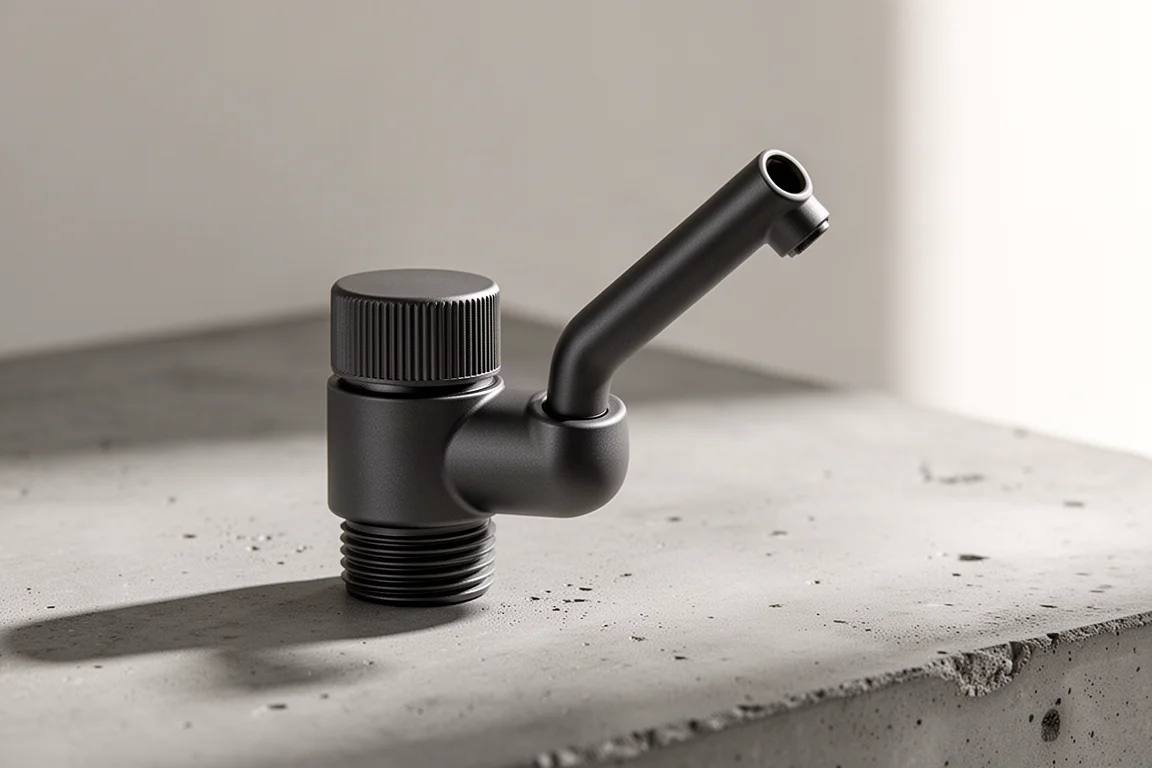
CuloClean is the piece that surprises people. It is a small plastic nozzle that screws onto a bottle with a standard top, the kind used by most disposable water and soda bottles. Fill the bottle, stay in the squat position, reach around and spray just above the crack so the water runs down and cleans as it goes.
The water budget is modest. Around 400 to 500 millilitres is plenty at first, and once the technique clicks, roughly 300 millilitres does the job. If a little more cleaning is needed, put a small amount of soap in the other hand, scrub from underneath, then rinse.
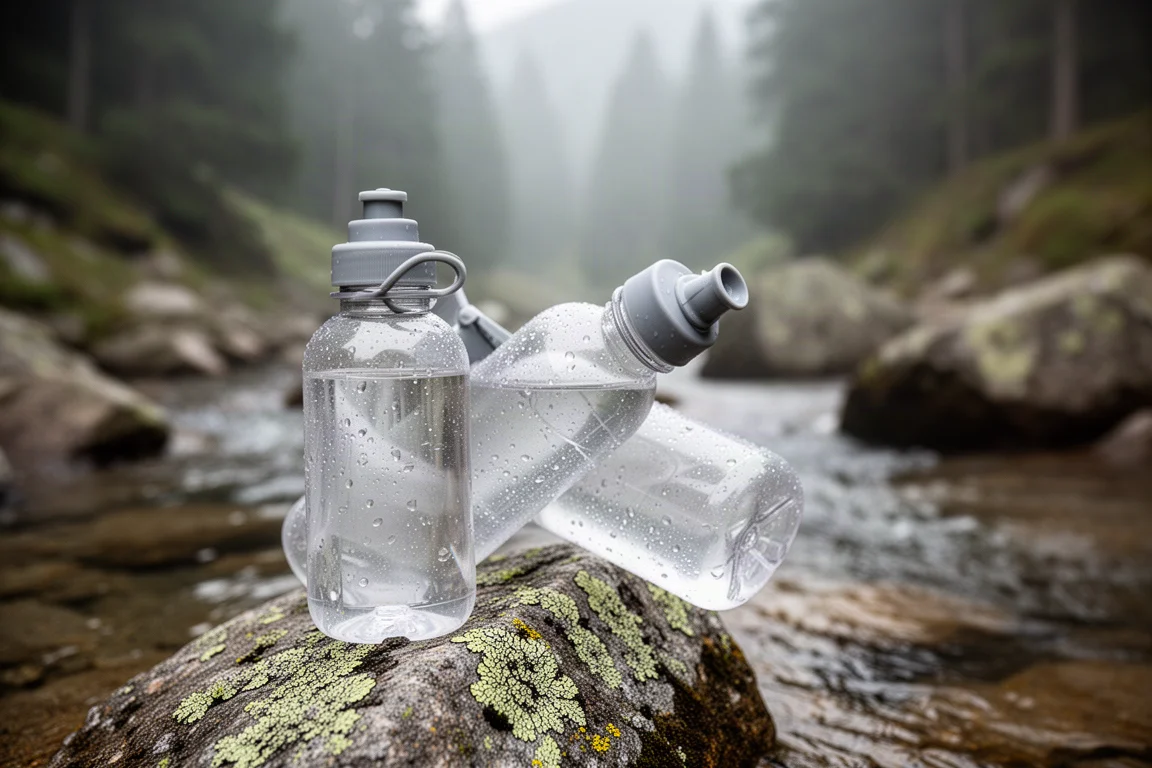
Two details make a first attempt much easier. Take your pants off or pull one leg out so they stay dry, and squeeze the bottle gently. A hard squeeze sends a sharp jet rather than a controlled stream, which is the fastest way to create a mess. Drying is simpler than it sounds: because only a small area gets wet, a quick shake is usually enough, though a square or two of toilet paper is a reasonable backup if you want to be completely dry.
The Soap: Pika Outdoors Powdered Soap
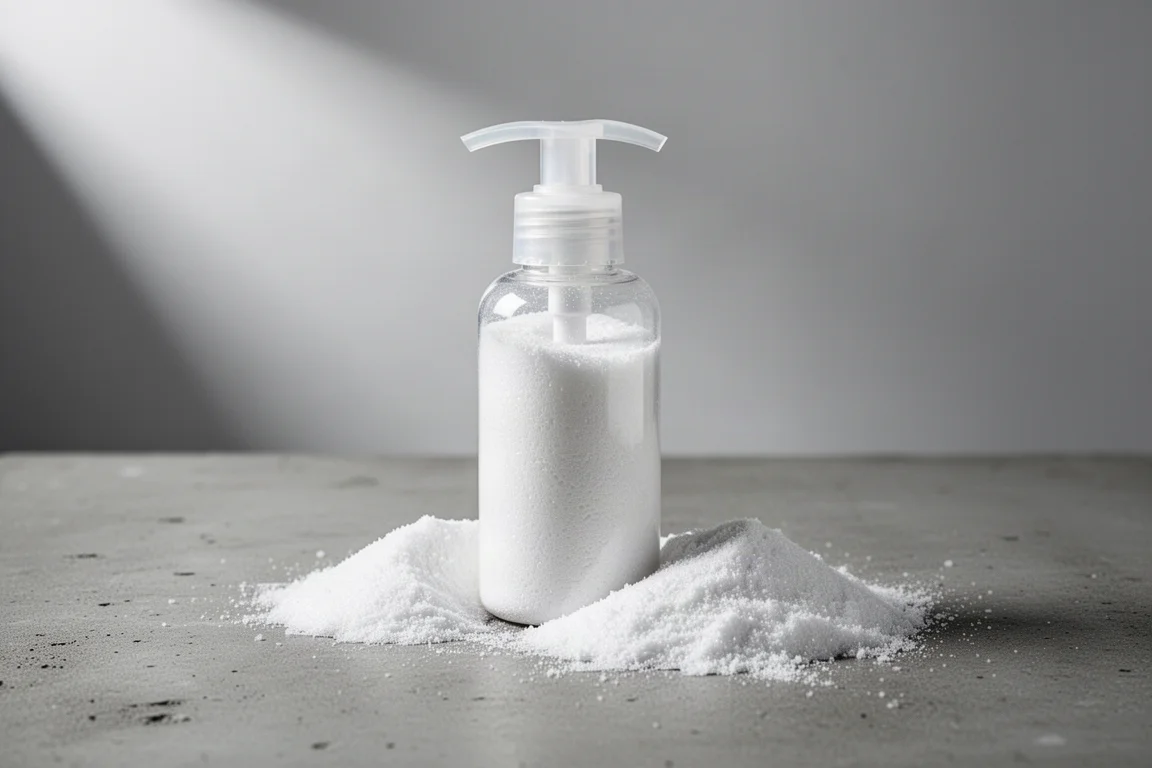
Pika Outdoors makes its soap in powdered form, and that choice matters more than it sounds. Powder is lighter than liquid, less messy if a lid comes loose, does not freeze in cold weather, and is easy to ration so you carry only what you need.
A small plastic squeeze bottle is the practical way to dispense it. Decant a portion before the trip, then use it for the post-cleanup scrub and for washing hands afterwards. A little hand sanitiser is still worth carrying as a final step when you want extra reassurance.
How to Use the System in the Field
The sequence becomes quick once it is routine. Dig the cathole with the trowel, at least 200 feet from water. Do your business, then stay in the squat position, fit the nozzle to your bottle and spray gently from above. Add a little soap and a light scrub if needed, rinse, and shake dry.
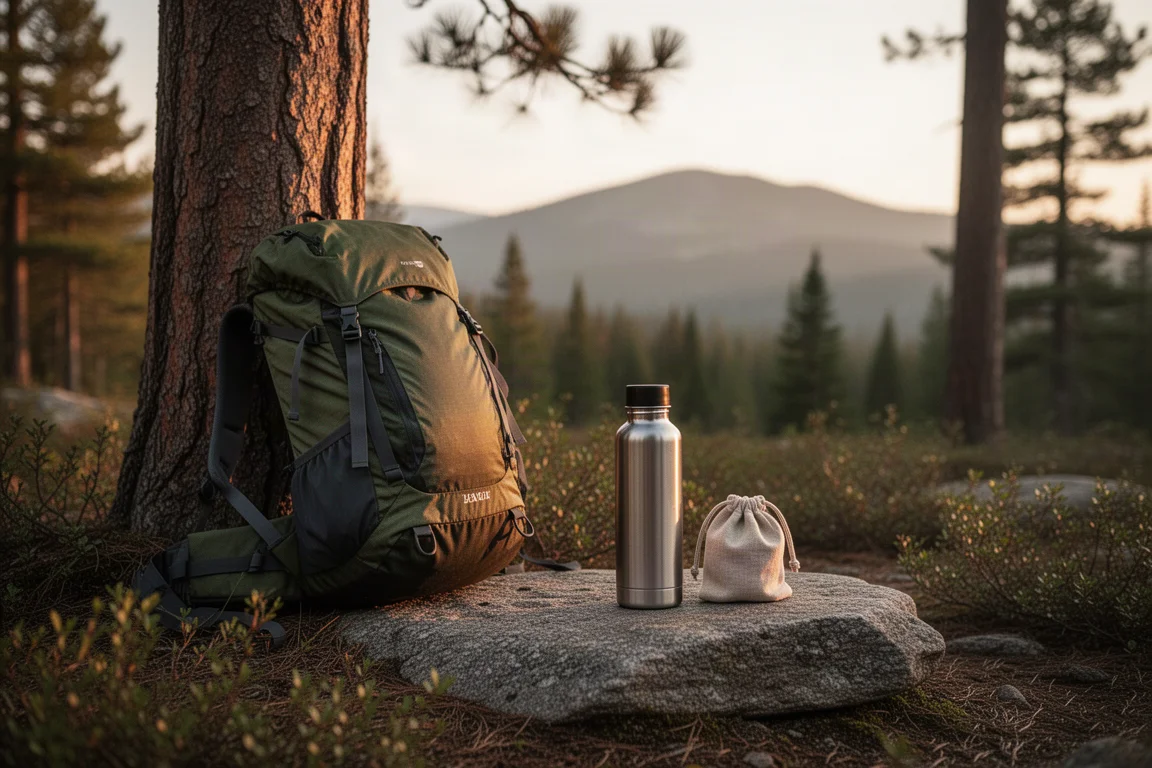
From there, wash your hands with soap and finish with hand sanitiser. Refill the hole with the soil you set aside and leave the site as you found it. The whole process uses a fraction of a bottle of water and leaves nothing to pack out.
Practical Tips and Common Mistakes
The most common mistake is over-squeezing the bottle. A hard squeeze creates a forceful jet instead of a gentle stream, and the result is exactly the mess the system is designed to avoid. Light, steady pressure is all that is required.
Keeping clothing dry is the second habit worth building. Removing your pants entirely, or freeing one leg, takes seconds and prevents a wet patch for the rest of the day. Rationing water helps too: start with 400 to 500 millilitres, then reduce it as your technique improves.
Carry the soap in a container that will not open inside your pack, and keep a small bottle of hand sanitiser with it. If you prefer to be completely dry afterwards, a square or two of toilet paper weighs almost nothing and covers that preference.
Buying Advice: Building a Kit That Works for You
All three pieces are small and light enough to justify carrying as a set, but you do not have to start there. If digging is the part you dislike most, the trowel is the obvious first purchase. If packing out used toilet paper is the annoyance you want to eliminate, the wash nozzle delivers the biggest change in how a trip feels.
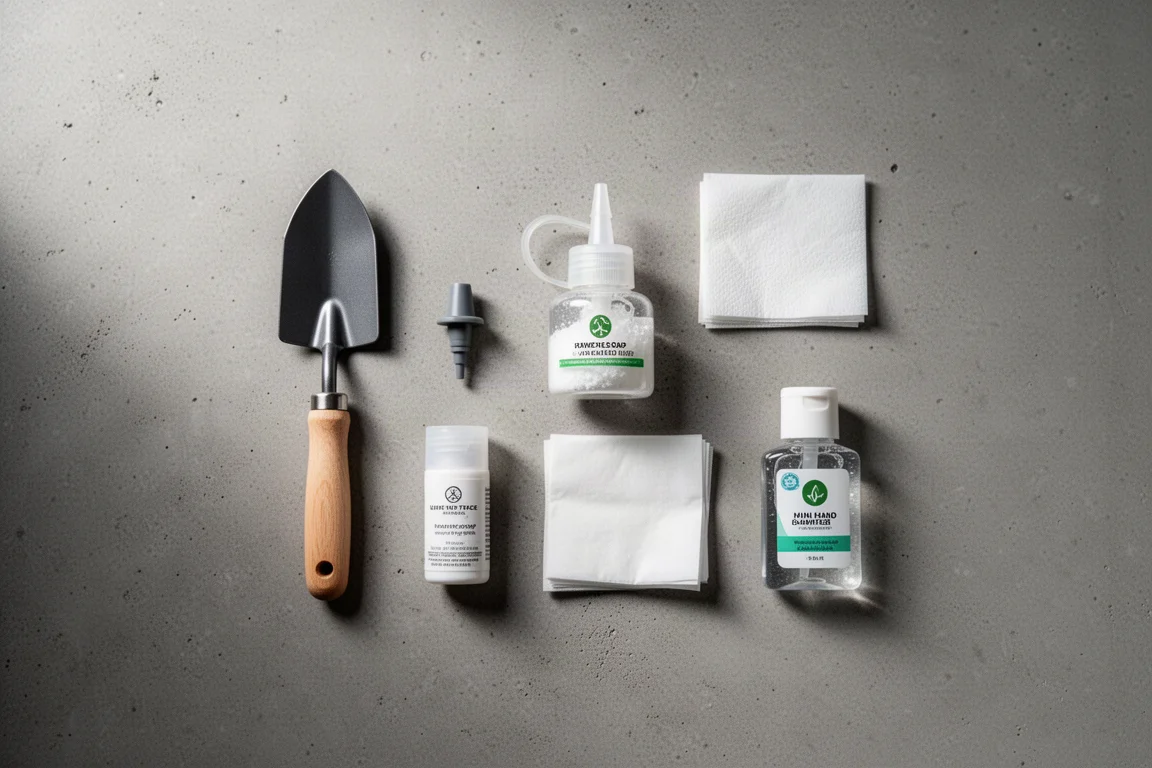
The powdered soap is the easiest piece to add last, and it is the one that does double duty: it covers the post-cleanup scrub and the hand wash that finishes the job. Bought together, the three items replace toilet paper entirely, use very little water and fit into a corner of a pack. Check local guidance for the area you are visiting, and follow the same practice everywhere: bury waste in a cathole six to eight inches deep, well away from any water source.
Conclusion
Going to the bathroom in the woods stops being a problem once the kit is sorted. A durable trowel handles the digging, a bottle-mounted nozzle handles the cleaning with a few hundred millilitres of water, and powdered soap handles the scrub and the hand wash. Together they weigh almost nothing, cost little, and make multi-day trips noticeably more comfortable.
Further reading
Related Reviews

Backpacking Gear
Building a 10 lb Base Weight: An Ultralight Backpacking Gear List
A practical walkthrough of the ultralight pieces behind a 10 lb base weight, from a 765 g pack and a roomy one-person tent to a full camp chair and a dependable water filter.
Backpacking Gear
A 15-Pound Lightweight Backpacking Gear List for Solo Trips
A beginner-friendly 15-pound backpacking setup built from easy-to-find gear, with notes on what each piece does, how it packs, and where to spend your attention.
Backpacking Gear
8 Ultralight Backpacking Gear Upgrades Worth Carrying
Eight small, affordable backpacking upgrades that solve real trail annoyances, from a pillow that stays put to a fuel valve that rescues leftover canister gas.