Backpacking Gear
Backpack Ventilation: One $50 Add-On Frame Versus Three Packs With Built-In Airflow
A practical comparison of the Vaucluse Backpack Ventilation System and three packs that handle back airflow differently, with prices, setup demands, and trade-offs.
Introduction
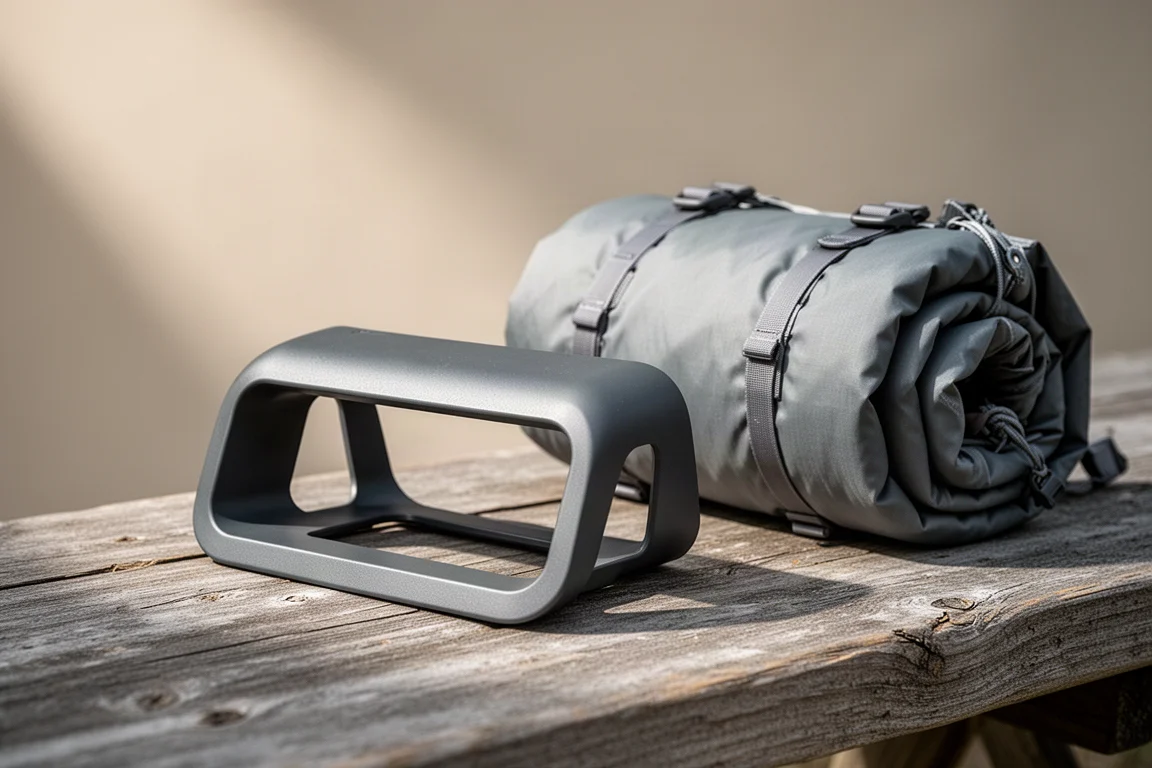
Few things take the shine off a long hike faster than a soaked back. The Vaucluse Backpack Ventilation System is a plastic frame designed to sit between your back and your pack, holding the load slightly away from your body so air can move and moisture can escape. It costs around $50, which puts it in an interesting position: cheap enough to try on a whim, but also a meaningful fraction of the price of a pack that builds ventilation into the suspension from the start.
This guide covers that add-on alongside three packs that approach back ventilation differently, from a light ultralight model that pairs naturally with an add-on frame to two packs that include airflow as part of their suspension design. Prices, installation demands, and the situations where each option makes sense are set out below.
How Back Ventilation Works and What to Weigh
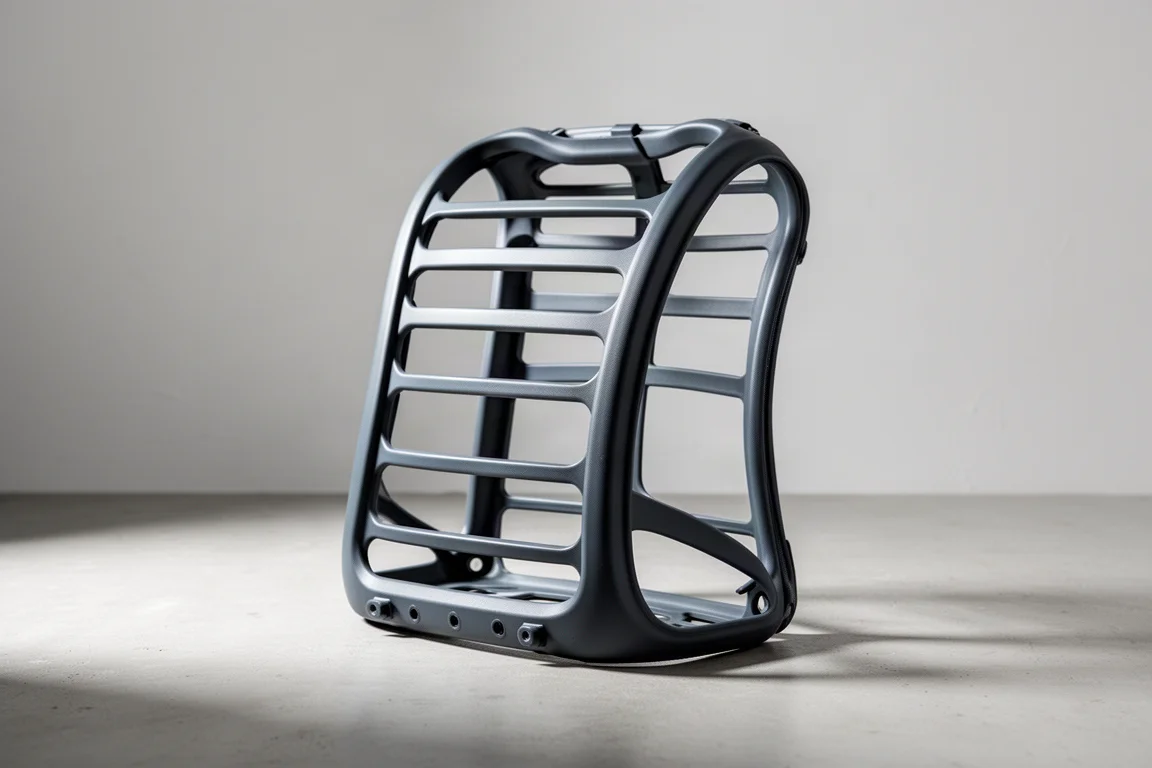
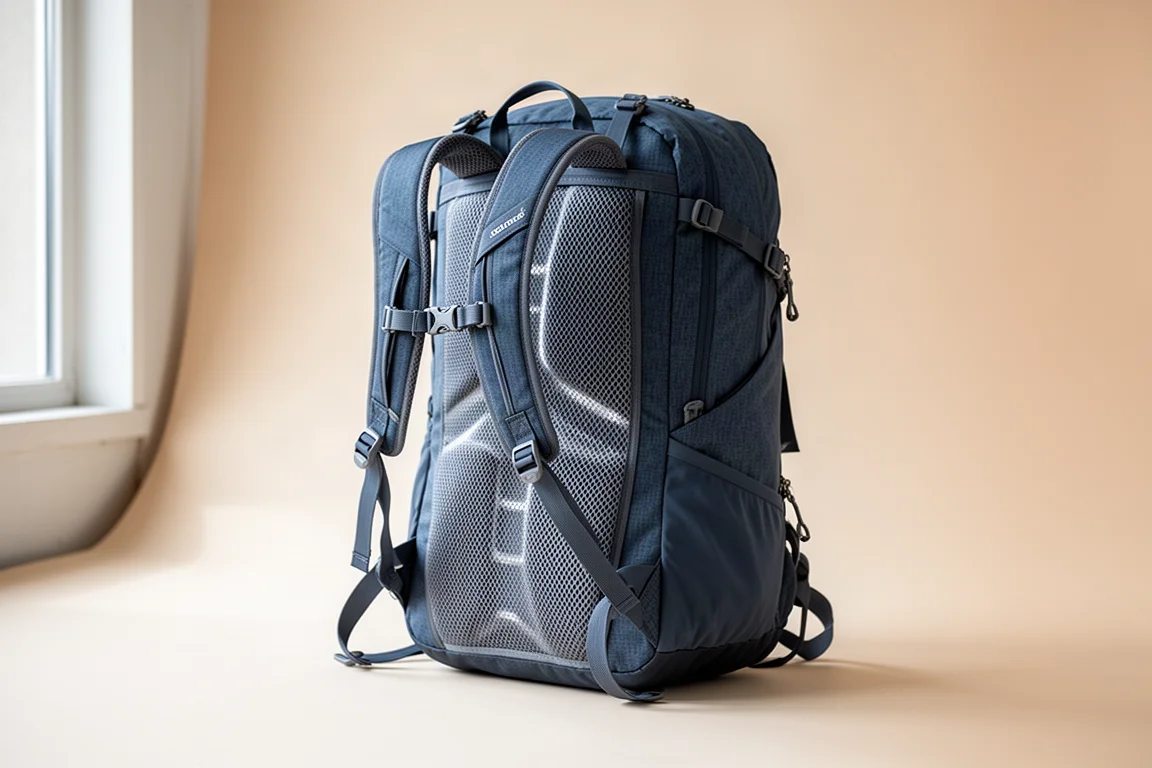
The principle is simple. A ventilation frame creates a gap between the pack body and your spine, so warm, damp air can escape instead of pooling against your shirt. On a plastic frame like the Vaucluse, that gap comes from a semi-rigid structure that presses against your back while the pack sits on the outside of it.
The catch is installation. A frame that is not anchored will ride up or slide sideways as you walk, which turns a comfort accessory into a constant irritation. The Vaucluse design addresses this with a Velcro strip at the bottom of the frame that secures to the hip belt; when that piece is missing or fitted loosely, the frame tends to drift.

Three questions decide whether an add-on frame earns its place in your pack. First, how much does back sweat actually bother you over a long day? Second, does your current pack already have ventilation built into its suspension? Third, what is the total cost of the setup you are considering, since a $50 frame on top of a $260 pack can land close to the price of a pack that includes ventilation as standard.
Vaucluse Backpack Ventilation System: The Add-On Option
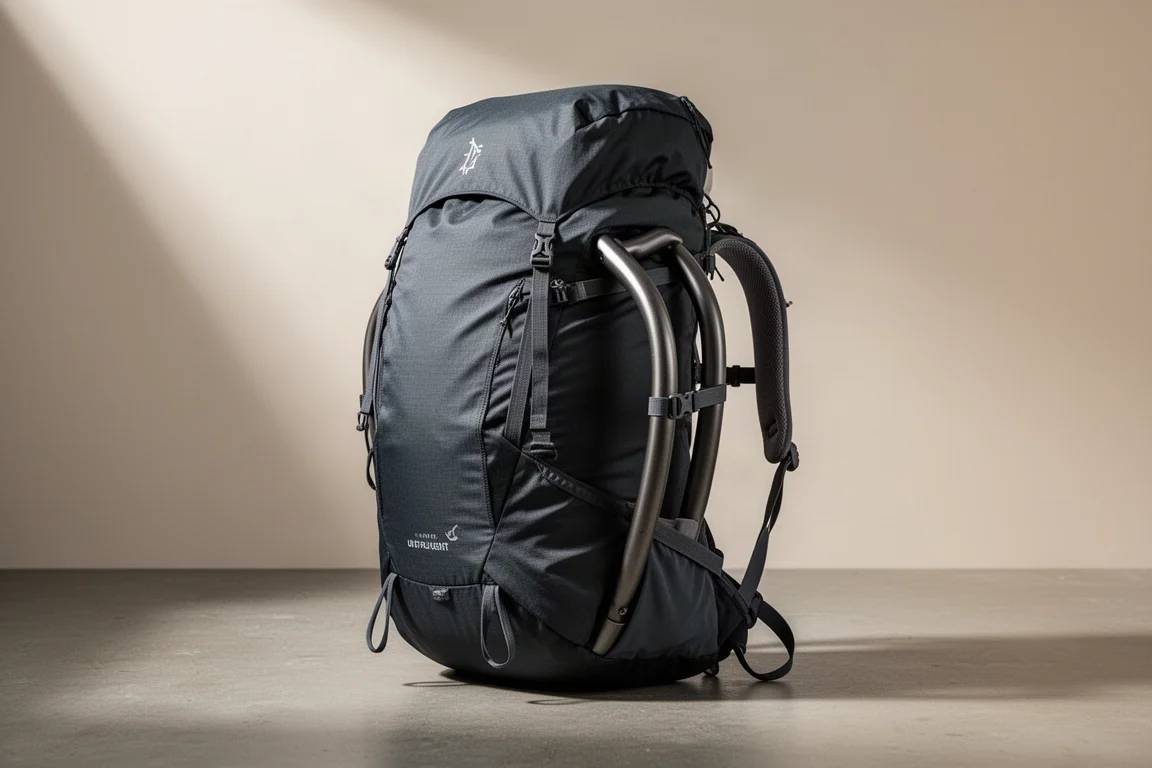
The Vaucluse is a plastic apparatus rather than a padded panel, and that shapes how it feels against your back. It is designed to sit between you and the pack, with the load riding on the outside of the frame. It sells for around $50.
Comfort depends almost entirely on setup. Fitted without the Velcro anchoring at the bottom, the frame rode up and shifted sideways, needing attention every few minutes, and on a three-day coastal hike it was eventually pulled off and carried by hand out of sheer frustration. The fix was a strip of Velcro locking the bottom of the frame to the hip belt. With that in place, the frame settled down and, for the better part of a day, went unnoticed, including through an unplanned bushwhack over boulders and steep, fern-covered ground.
There is a secondary benefit worth knowing about. With a bear canister inside an ultralight pack, the canister’s round shape can press into the lower back. The frame helped flatten and spread that pressure, making the pack feel more comfortable than it did on its own. That benefit is situational: with soft, compressible gear such as a tent or a sleeping pad, the same effect is unlikely.
Two trade-offs are worth flagging. There is no padding, and extra cushioning would work against the airflow the frame exists to provide. And the frame’s value tracks how much back sweat bothers you. It kept a back reasonably dry across several days of hiking, but for someone who finds sweat unpleasant rather than genuinely disruptive, it may not earn a permanent place in the pack.
Durston Kakwa 55: Light, Simple, Add-On Ready
The Durston Kakwa 55 is a solid ultralight pack at around $260, fairly typical of the category. It uses a rigid crossbar to prevent barreling, but only at the top, which means there is no built-in ventilation panel lower down where a pack tends to sit against the lower back.
That makes it a natural partner for an add-on frame. The arithmetic is worth doing before you commit: a Kakwa 55 plus a $50 ventilation frame comes to roughly $310, which is more than at least one pack with ventilation built in.
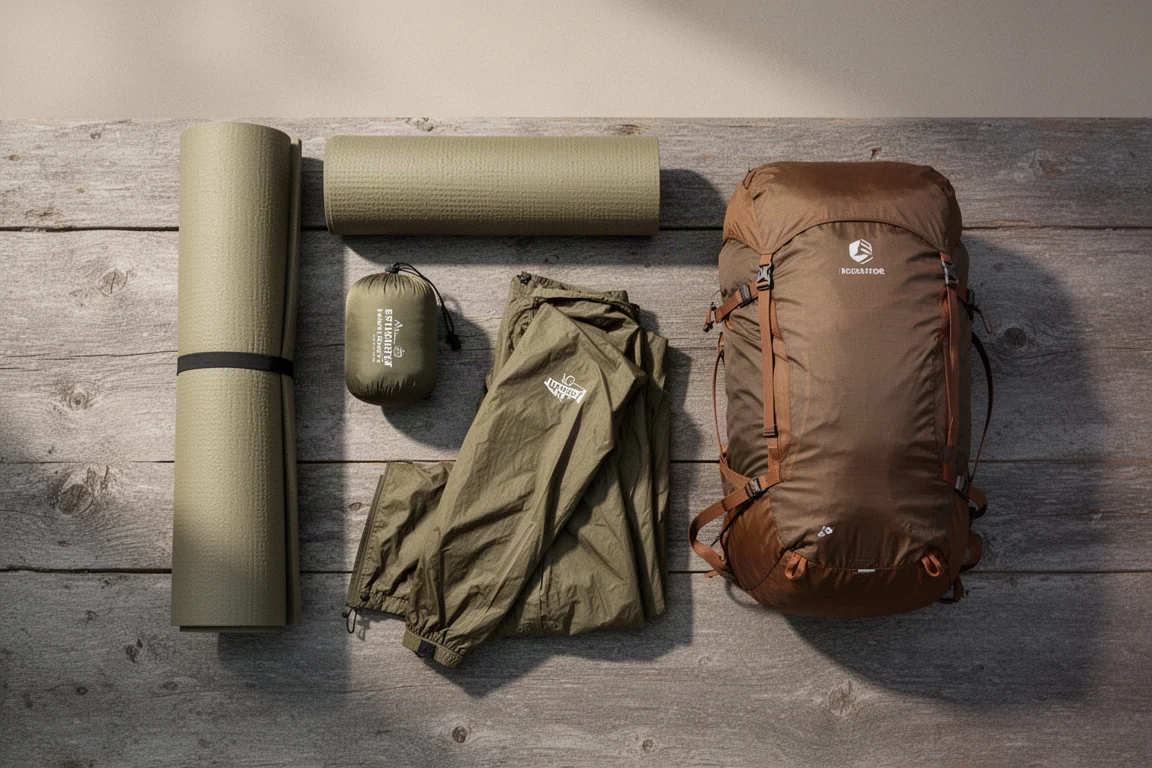
For hikers who already own a Kakwa, a frame is a straightforward upgrade path rather than a replacement decision. For anyone buying from scratch, it is worth comparing the combined total against packs that include ventilation in the suspension.
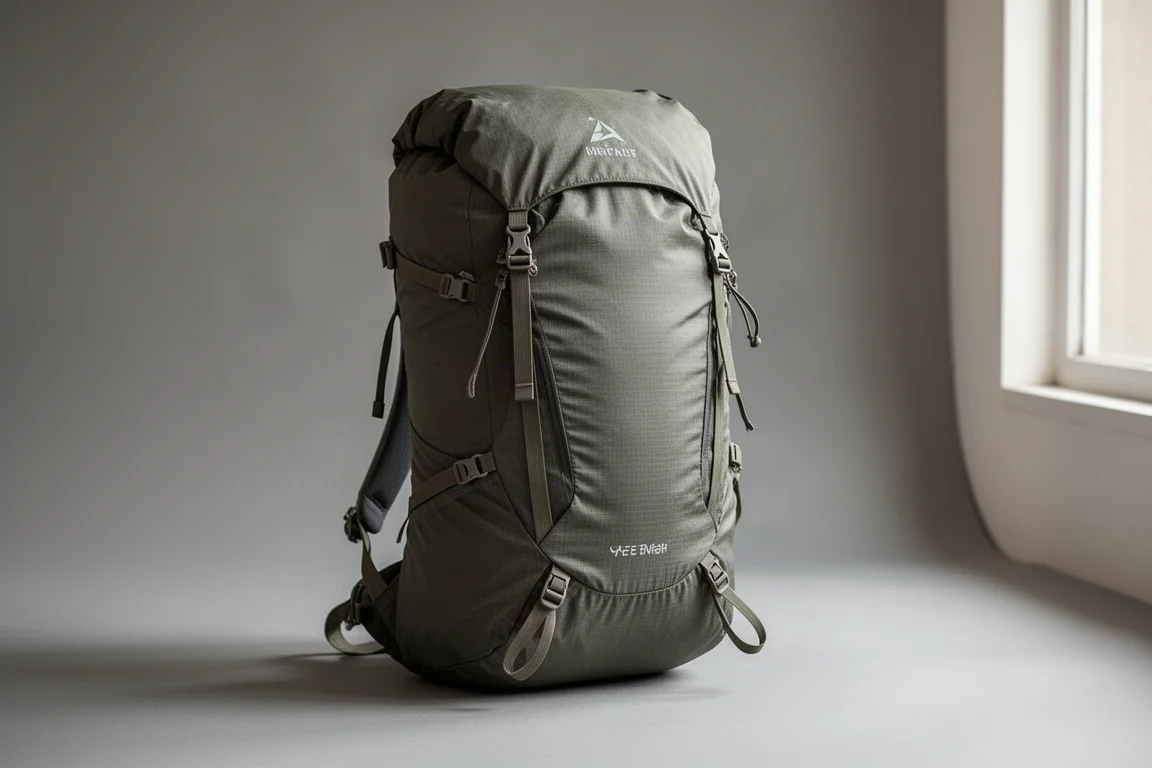
Zpacks Arc Haul 60: Built-In Ventilation at the Top of the Range
The Zpacks Arc Haul 60 sits at the other end of the cost curve. At around $400 it is expensive, and ventilation is part of what you are paying for: airflow is designed into the pack rather than added to it.
For hikers who want a dry back without a separate component to install, tension, and keep track of, that integration is the appeal. The trade-off is price, which is a substantial step up from the cost of a standalone ventilation frame.
Osprey Exos Pro 55: Built-In Ventilation for Less
The Osprey Exos Pro 55 is the value counterargument to the add-on approach. At around $290 it includes a ventilation frame built into the pack, and it comes in below the Kakwa-plus-frame combination on total cost.
For hikers shopping new and prioritizing airflow, this is the comparison that settles the question. You get ventilation without a separate part to install or mis-install, and without the risk of a frame shifting mid-trail.
Where a standalone frame still makes sense is for hikers who already own a pack they like and do not want to replace it. In that case, the $50 experiment costs far less than a new pack, and the ventilation result is comparable in practice.
Add-On Versus Built-In: Matching the Choice to Your Hike
The decision comes down to where you are starting from.
If you already own a pack without back ventilation, an add-on frame is the lowest-cost way to test whether airflow changes your experience on the trail. Installation is the whole game: anchor the bottom of the frame to the hip belt, take the time to fit it properly before your trip, and give it a full day to settle in before you judge it.
If you are buying a pack anyway, the maths shifts. A frame at around $50 added to a $260 pack lands near $310, while a pack with ventilation built in starts around $290. Built-in ventilation also removes the setup variable entirely: there is nothing to attach, nothing to lose, and nothing to re-tension partway up a climb.
Finally, be honest about the problem you are solving. Back sweat is unpleasant for most hikers, but it is not a deal breaker for everyone. A ventilation frame makes the most sense for people who find a soaked back genuinely disruptive over a long day, and less sense for those who barely notice it.
Buying Advice
If back sweat is a real pain point and you already own a pack you are happy with, the Vaucluse Backpack Ventilation System is a low-cost, low-risk experiment at around $50. Budget time to install it properly, and make sure you have the Velcro anchoring piece with you.
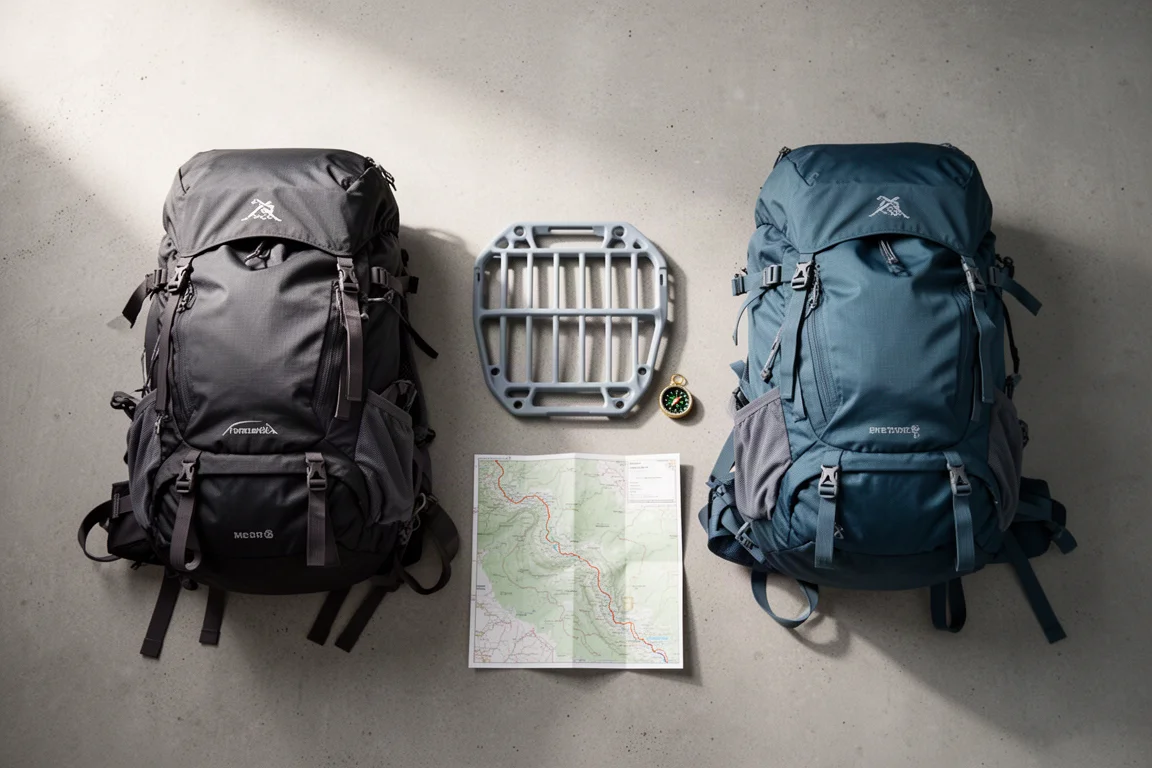
If you are in the market for a new pack and ventilation matters, compare total costs rather than sticker prices. The Osprey Exos Pro 55 at around $290 includes ventilation built in and comes in below the Kakwa-plus-frame combination. The Zpacks Arc Haul 60 at around $400 is the premium route, with airflow designed into the pack and a price to match. The Durston Kakwa 55 at around $260 remains a sensible ultralight pack in its own right, with a ventilation frame as an optional addition.
One honest caveat: none of these options will make a heavy load disappear. Ventilation frames manage airflow and, in some cases, pressure distribution. They do not replace getting your base weight and your pack fit right.
Conclusion
Back ventilation is a small problem with an outsized effect on how a long day feels. The Vaucluse Backpack Ventilation System shows that a $50 plastic frame can meaningfully improve airflow and, with a hard item such as a bear canister in the pack, smooth out pressure points, provided it is installed correctly. For hikers who already own their pack, that is an easy thing to try. For those buying new, the Osprey Exos Pro 55 and the Zpacks Arc Haul 60 build the same idea into the suspension, while the Durston Kakwa 55 gives you a lighter starting point if you would rather add airflow yourself.
Further reading
Related Reviews

Backpacking Gear
Building a 10 lb Base Weight: An Ultralight Backpacking Gear List
A practical walkthrough of the ultralight pieces behind a 10 lb base weight, from a 765 g pack and a roomy one-person tent to a full camp chair and a dependable water filter.

Backpacking Gear
A 15-Pound Lightweight Backpacking Gear List for Solo Trips
A beginner-friendly 15-pound backpacking setup built from easy-to-find gear, with notes on what each piece does, how it packs, and where to spend your attention.

Backpacking Gear
8 Ultralight Backpacking Gear Upgrades Worth Carrying
Eight small, affordable backpacking upgrades that solve real trail annoyances, from a pillow that stays put to a fuel valve that rescues leftover canister gas.