Backcountry Snowboarding
Backcountry Splitboard Gear Picks for the Season: Safety, Layers and Hardgoods
A season-ready backcountry snowboard kit rundown: avalanche safety essentials, a feature-packed 25L pack, merino layers, and proven splitboard hardgoods.
Introduction
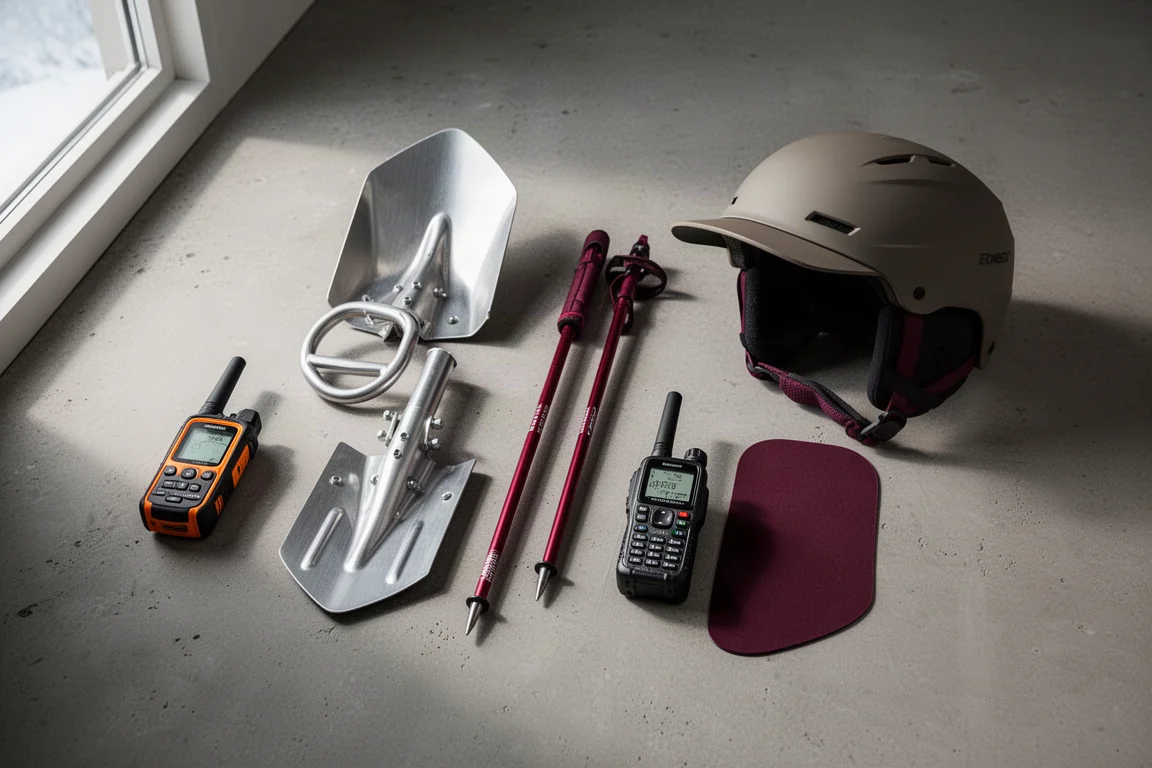
Spending full seasons in the backcountry teaches you quickly which pieces of gear earn their place in the pack and which just add weight. This rundown covers the kit that gets carried, worn, and relied on all season long: the avalanche safety essentials, a well-thought-out pack, communication tools, a trusted helmet, merino layers, a genuinely versatile mid layer, a fresh pair of goggles, and the splitboard hardgoods that tie it all together.
One point before anything else: before heading into the backcountry, get proper avalanche education, ideally find a local mentor, and never go out without the full safety setup. Early seasons are best spent conservative, on low-angle terrain, with the number one priority always being a safe return to the trailhead.
Safety Gear First: Beacon, Shovel and Probe
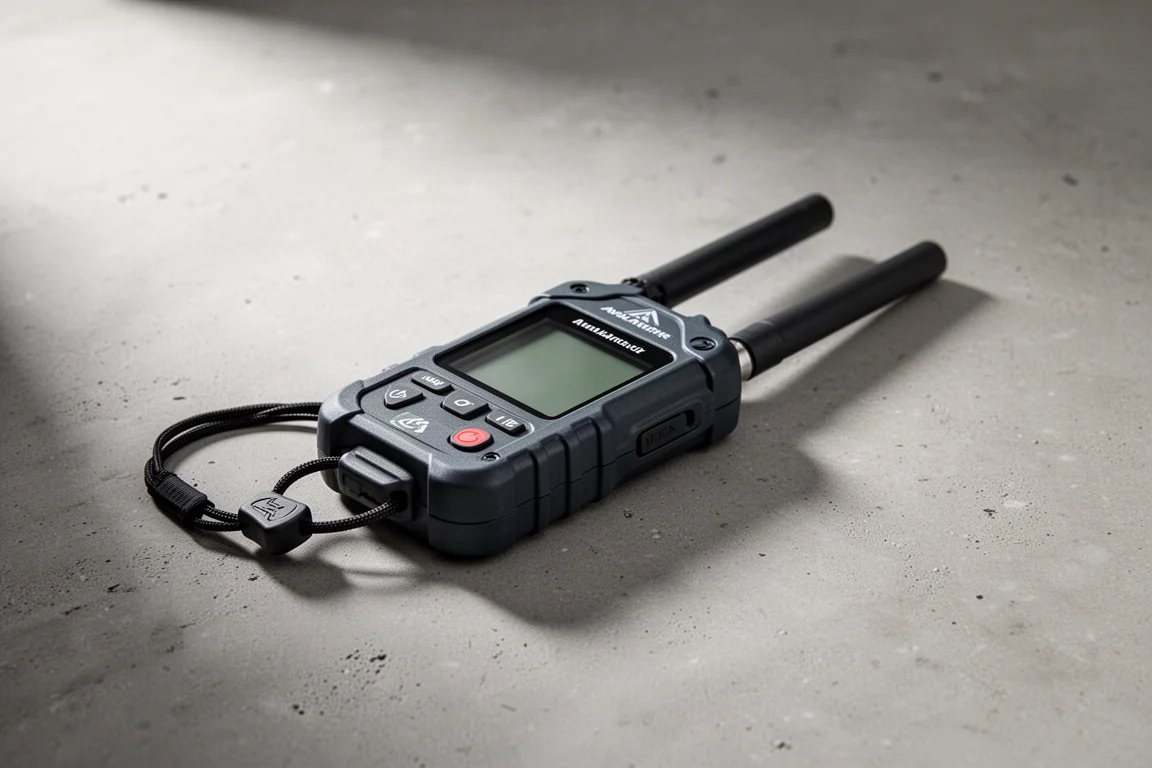
Beacon, shovel and probe form the non-negotiable core of any backcountry kit, and Backcountry Access has been the go-to brand here from the very start, now seven seasons deep in Colorado. The BCA Tracker 4 is the current transceiver of choice, following years with the Tracker 3 and Tracker S. All of them share the same core strengths: reliability, straightforward operation, and an interface that stays easy to use when it matters most.
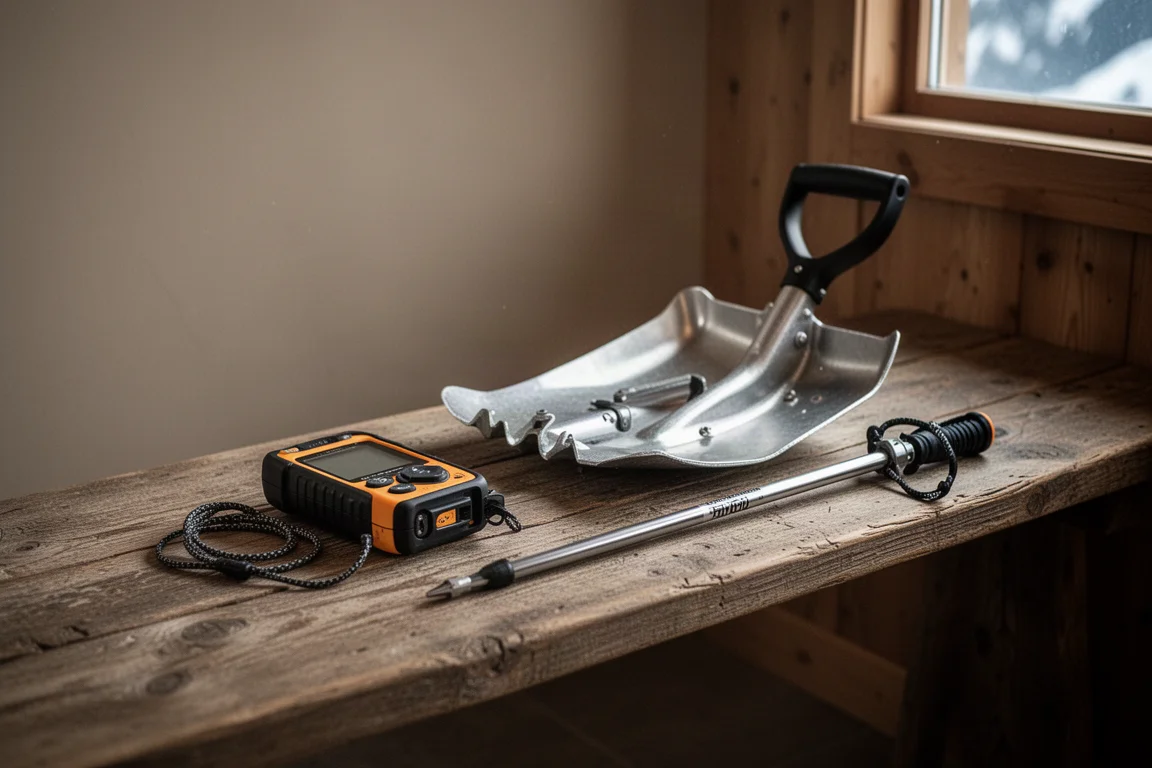
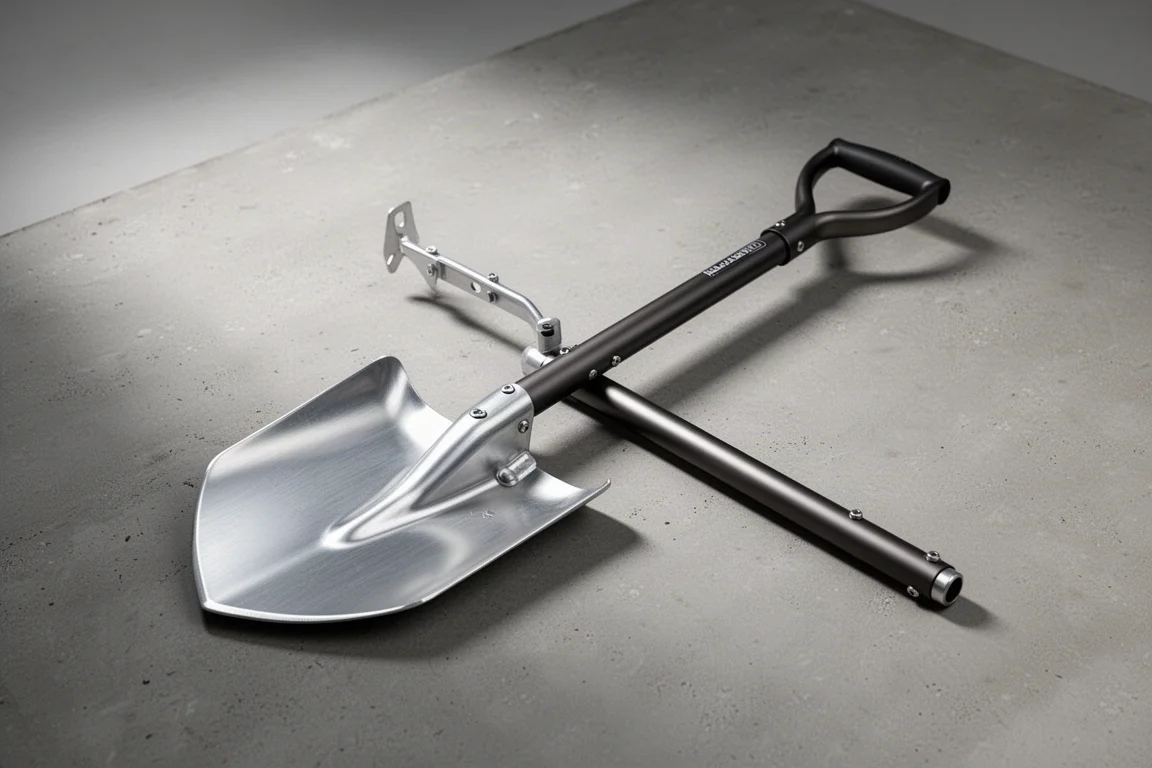
The package pairs naturally with the BCA Dozer shovel, a big, lightweight aluminum blade that assembles very quickly in an emergency. Rounds out the kit with the BCA Stealth 300 probe, a long, fast-deploying probe that completes the standard three-piece rescue setup. Buying the three together as a package makes sense for anyone building a kit from scratch.
DB Snow Pro 25L Backpack
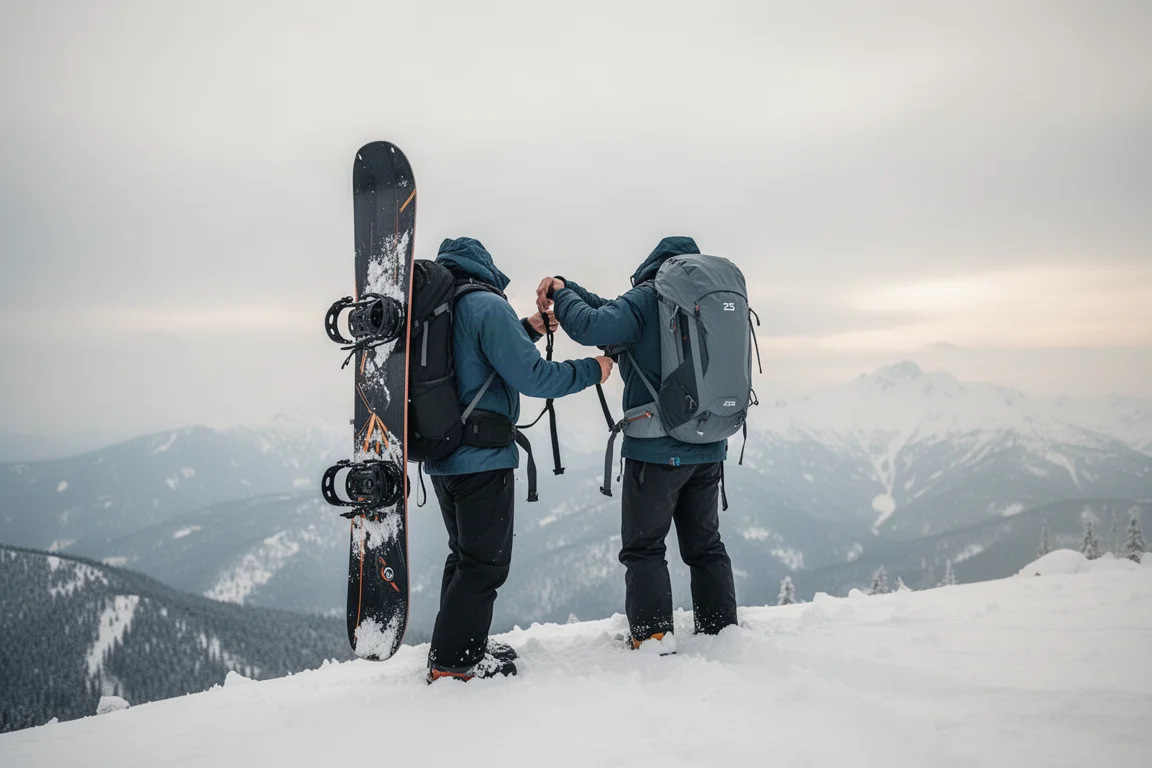
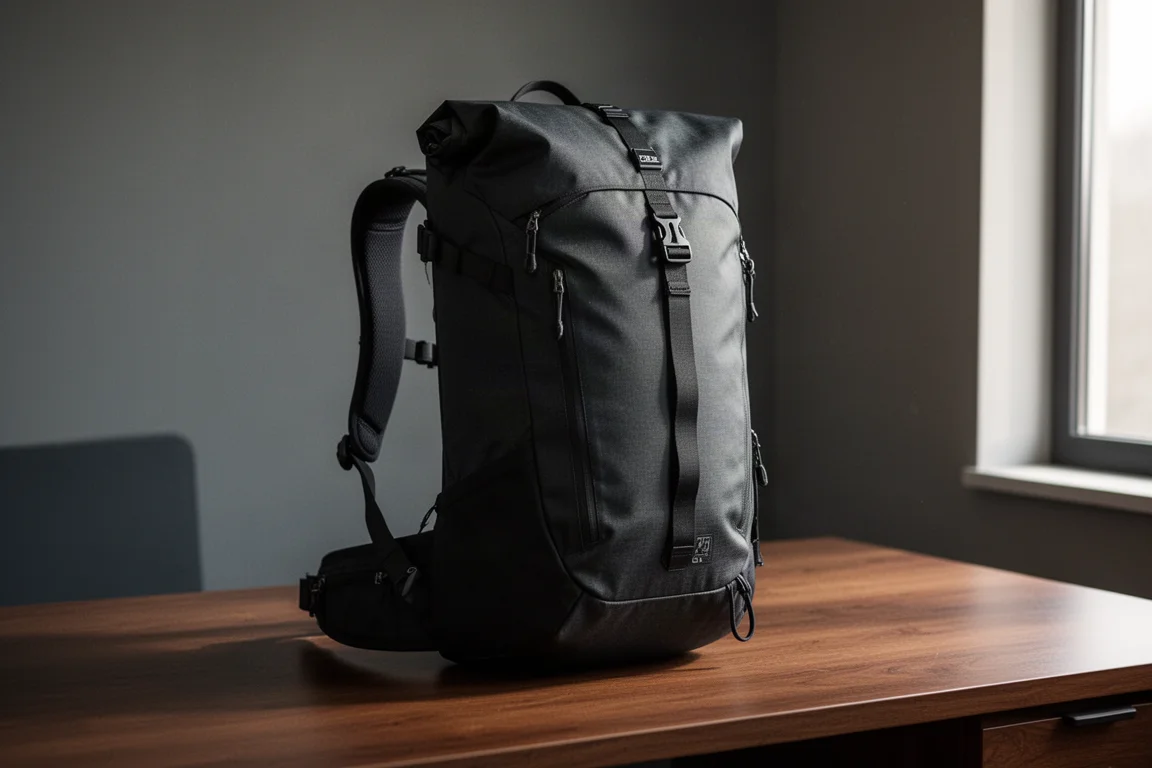
A good pack is what makes the safety gear practical, and this year that role belongs to the DB Snow Pro 25L. Twenty-five liters hits a sweet spot for a daily driver, though larger sizes exist if more room is needed. It looks genuinely promising for a full-season test.
The feature list reads like a checklist of what backcountry riders actually want: durable fabric, a dedicated safety-equipment pocket for quick access, a radio clip on the shoulder strap, vertical snowboard carry for hiking sections, and critically, rear access to the main compartment, which is far more convenient than expected in the field. The roll-top design adds useful extra literage, perfect for stowing a helmet securely so it does not bounce around in transit. It doubles nicely as a travel pack, too.
BCA Link 2.0 Radio
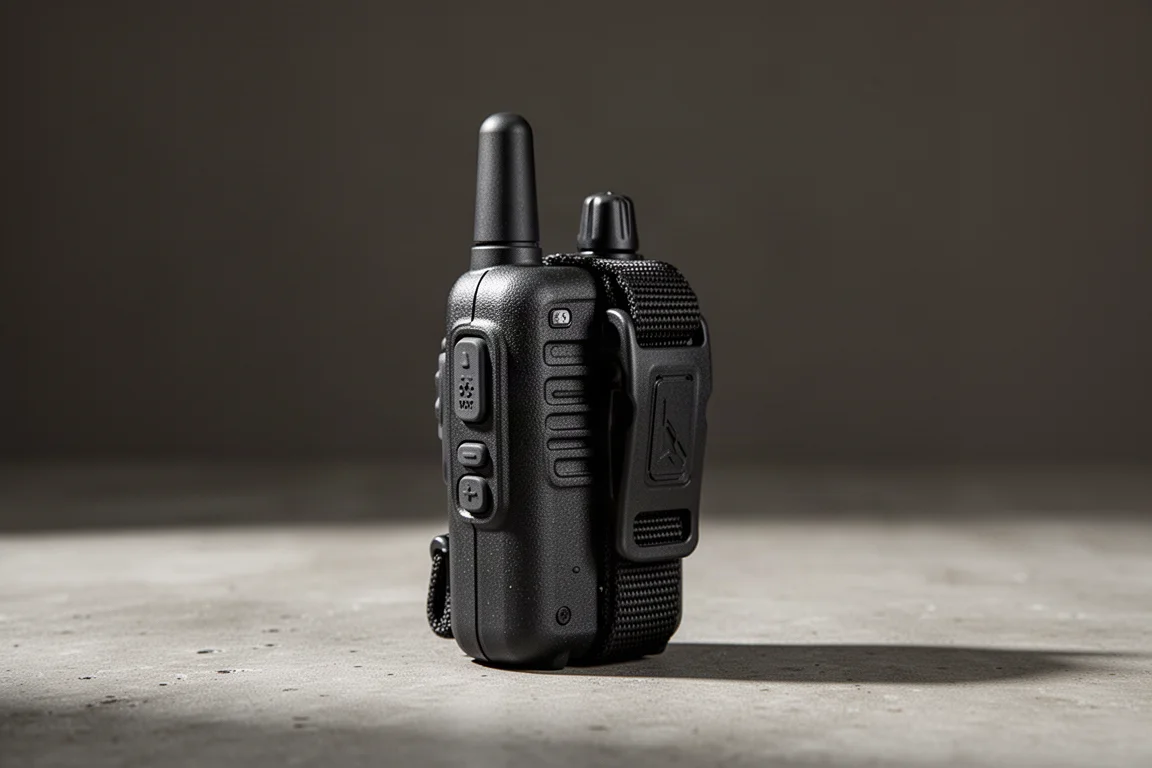
Riding with a crew is the backbone of good backcountry practice, and clear communication is part of that. The BCA Link 2.0 straps to a backpack strap and sits right on the chest, which makes it effortless to call a drop or check in on the climb. Compared to the original Link, it offers better battery life and better range.
The honest trade-off: if upgrading purely on versatility, a handheld radio such as walkie-talkies or the BCA Mini may be the smarter buy, since handhelds are more flexible overall. Still, for chest-strap convenience on every run, the Link 2.0 is hard to beat.
Sandbox Classic 2.0 Helmet
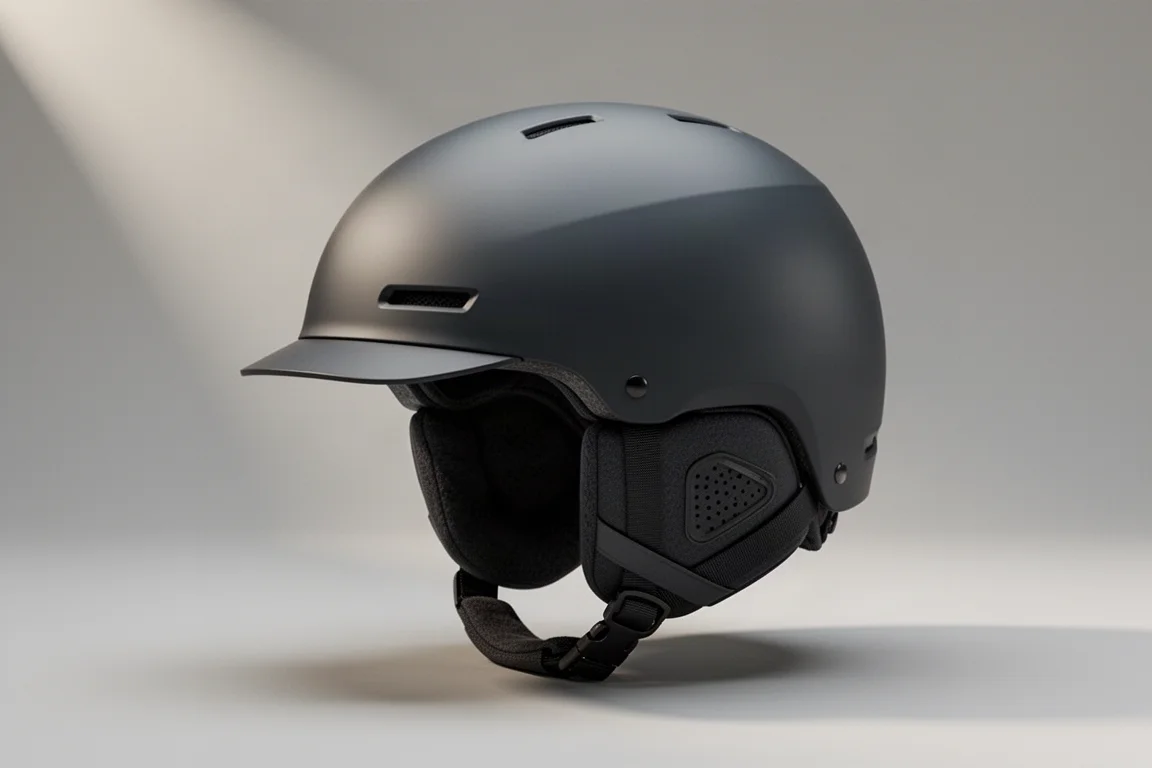
The Sandbox Classic 2.0 has been the helmet of choice for over eleven years, replaced with a fresh one every single season. This year carries extra significance: a signature edition featuring The Great Wave off Kanagawa by Hokusai, designed in collaboration with Sandbox, and it is the final year this graphic will be produced.
Beyond the artwork, the Classic 2.0 earns its spot on merit. It is low-profile and lightweight, comes with a brim (a non-brim version called the Icon also exists), carries proper safety certification, and includes ventilation for airflow on the climb. A Boa dial at the back lets you dial in a snug fit without relying solely on the chin strap. The real buying advice here is simple: pick a helmet you genuinely like wearing, because that is the one you will actually keep on your head.
Mons Royale Cascade Merino Base Layer
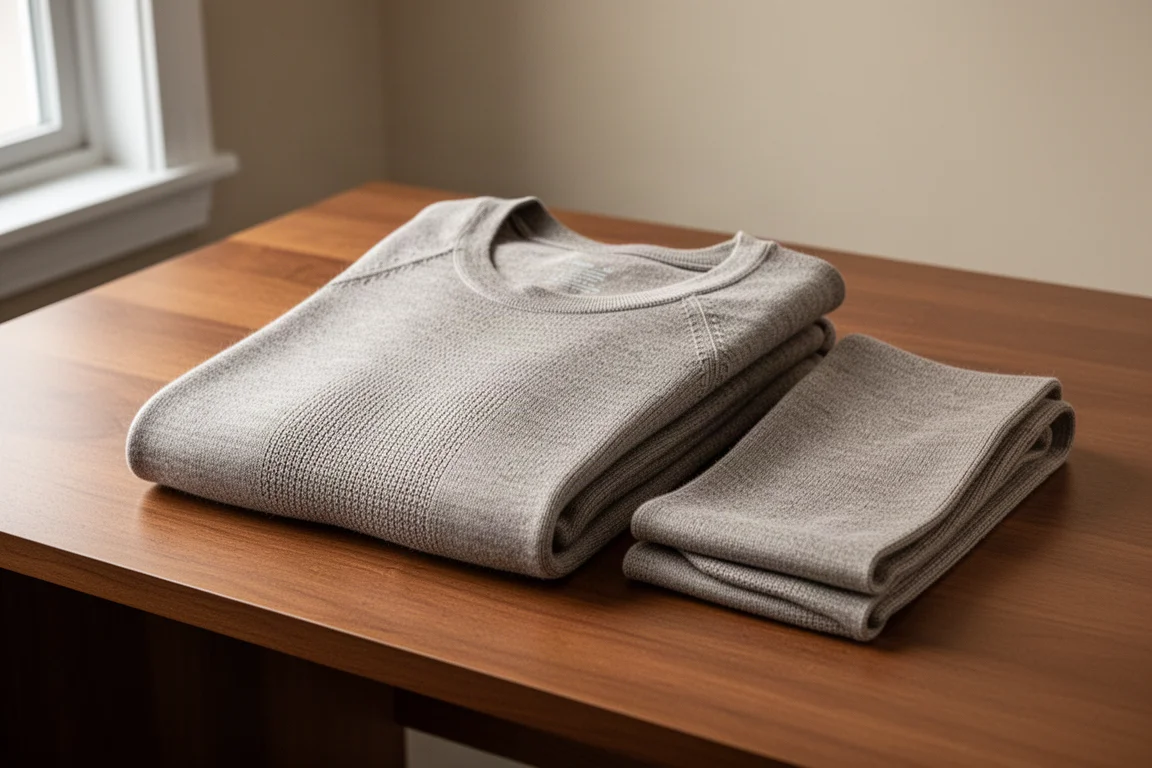
One of the highest-impact gear swaps for anyone active in the snow is moving everything that touches skin to merino wool, and this season’s test piece is the Mons Royale Cascade merino base layer, made with over 80% merino wool.
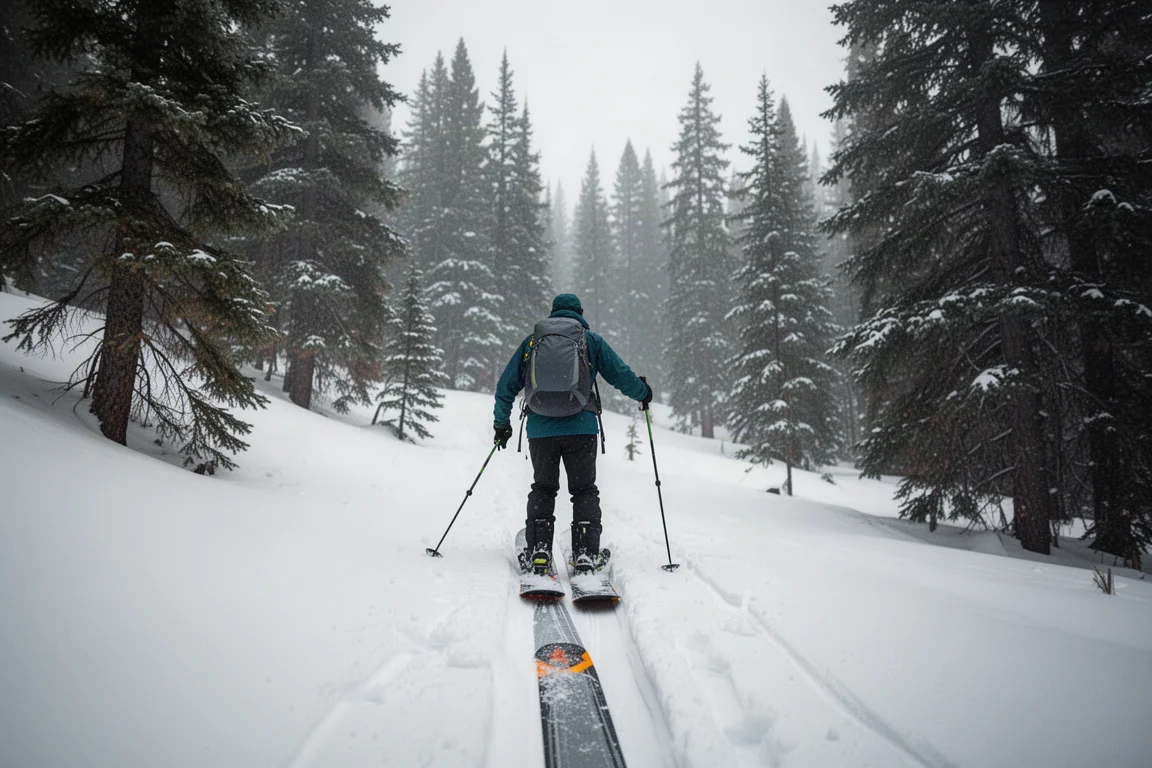
The benefits show up exactly where splitboarding demands them. Merino retains its thermal properties even when wet, so a sweat-saturated base layer still keeps you warm on the skin track. It wicks moisture away from the skin for better comfort, and it is naturally antimicrobial, which matters enormously on multi-day hut trips when the same base layer has to last a few days. Mons Royale sources its merino from New Zealand, with a supply chain built on ethical sourcing.
Melt Kishi Mid Layer
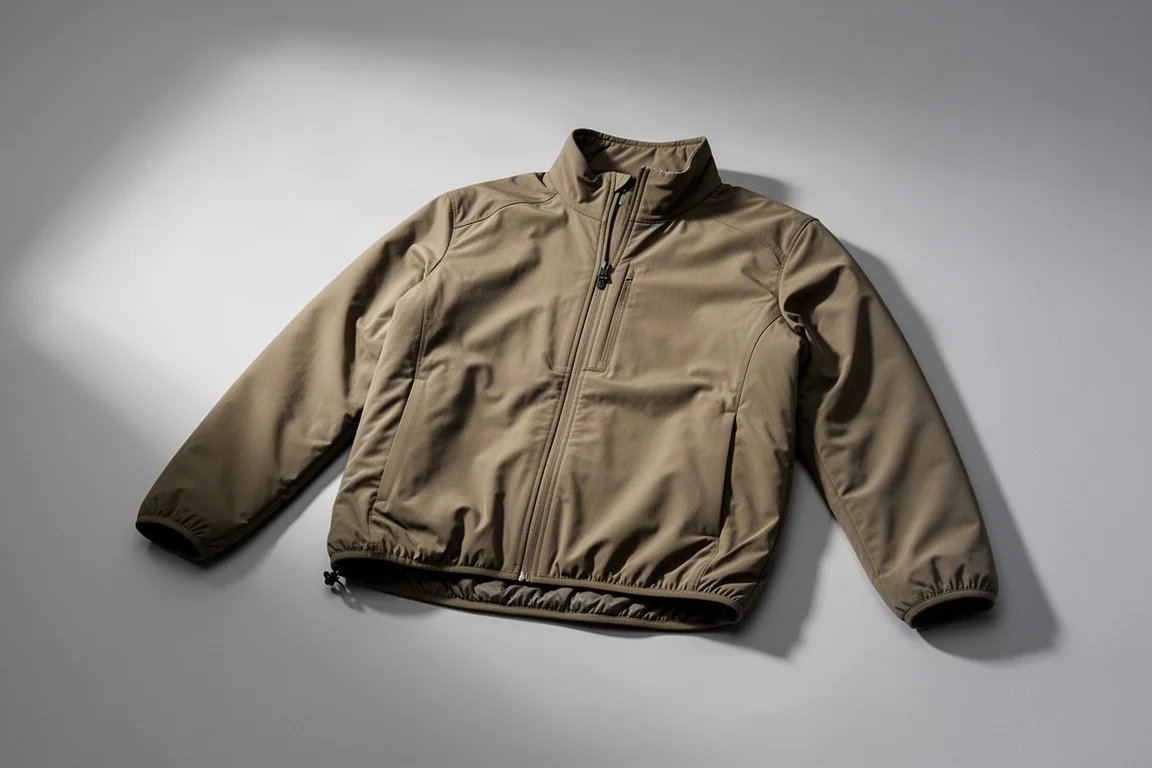
The mid layer might be the most versatile piece in a backcountry kit, and the Melt Kishi hits a very usable 60g weight: warm enough when needed, without bulk or overheating on the approach.
It packs into its own pocket for compact storage, doubling as an emergency travel pillow. The durable face fabric resists snags when the shell comes off on the hike, and a solid DWR treatment makes water roll right off, so it performs capably as an outer layer too. A cinch at the hem lets you adjust the fit and look, and the intentionally hoodless design keeps hoods from stacking when layering shells. Best of all, while many quality mid layers land in the 250 to 300 dollar range, this one is priced at $135, with discount codes often available. For anyone who spends serious time in the backcountry, it is an easy recommendation.
Oakley Line Miner Pro Goggles
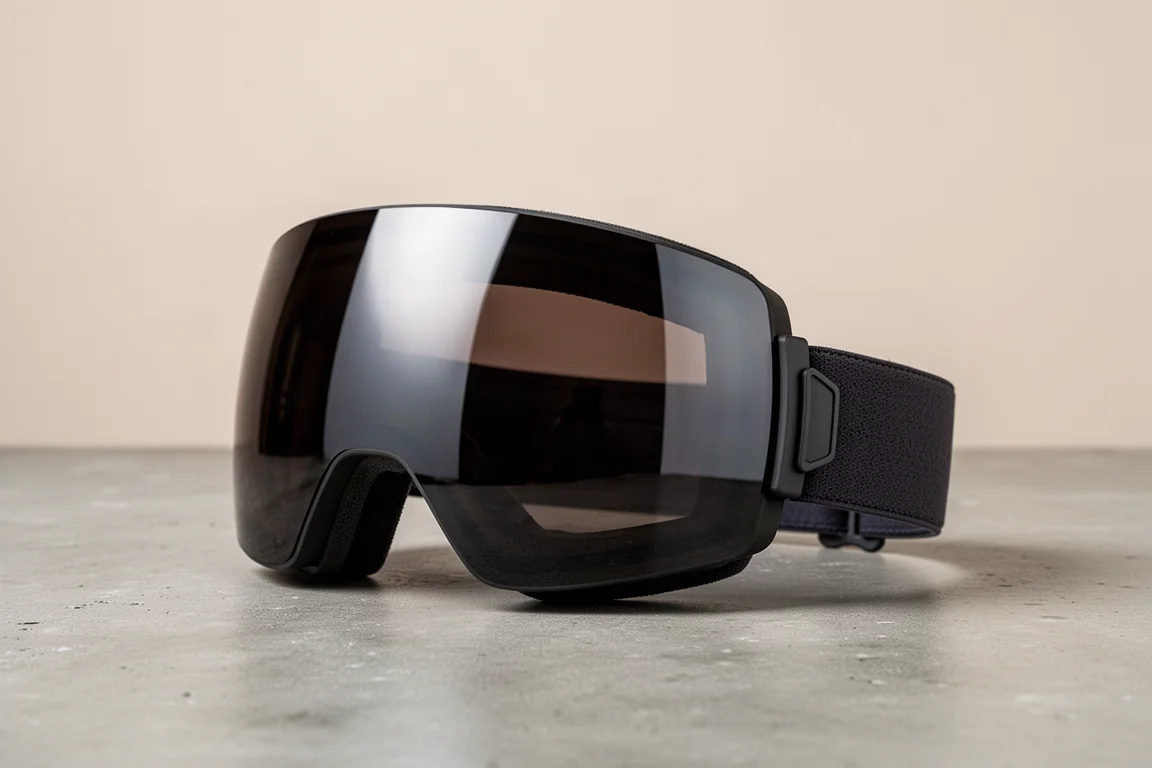
After several years away from the brand, this season calls for a return to Oakley with the Line Miner Pro. Three reasons drove the choice. First, Oakley now includes a free bonus lens with the goggles, something long absent at this price point. Second, the lens system is magnetic with easy-to-use lens locks, and magnetic lenses are a firm favorite for quick swaps.
Third is the new single-layer lens technology, a fresh approach worth testing firsthand. On top of that comes Oakley’s Prizm lens treatment, their color-optimization tech designed to bring out texture in the snow. After four years on other brands, the Line Miner Pro has a lot to live up to, and the season-long test will tell.
Union Charger Splitboard Bindings
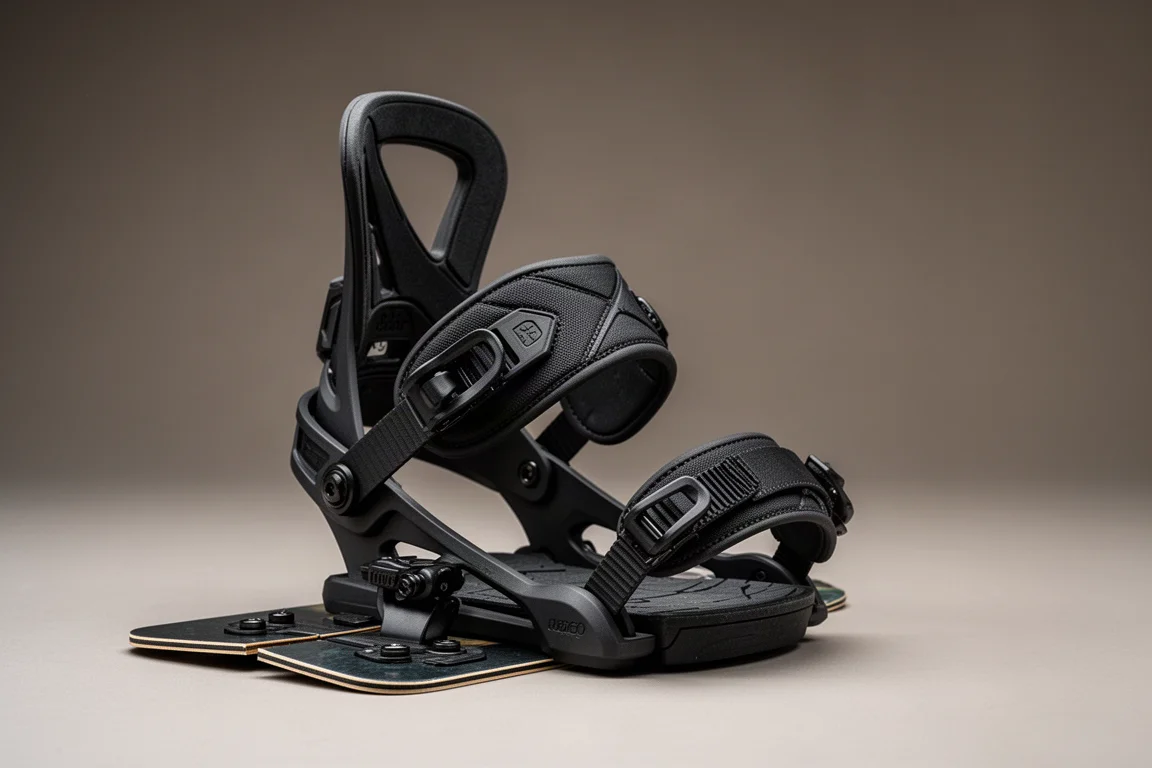
For splitboard bindings, the Union Charger has been in use for the last few seasons, and the feeling is that Union has dialed these in. The pinless system uses a simple lever at the heel, making transitions fast and fuss-free, while the nylon blend construction keeps the traditional comfortable on-resort binding feel rather than the harsher ride of metal splitboard bindings.
The Charger also gets the details right: an adjustable heel cup with locking washers shared across Union’s binding range, quick touring and walking modes, and a built-in heel lift with a rubber pad that removes the need for a separate piece and saves a little weight. The one compromise is that the heel lift offers only a single adjustment level, but on the ascent, speed and simplicity still win out.
Season Pass Splitboard
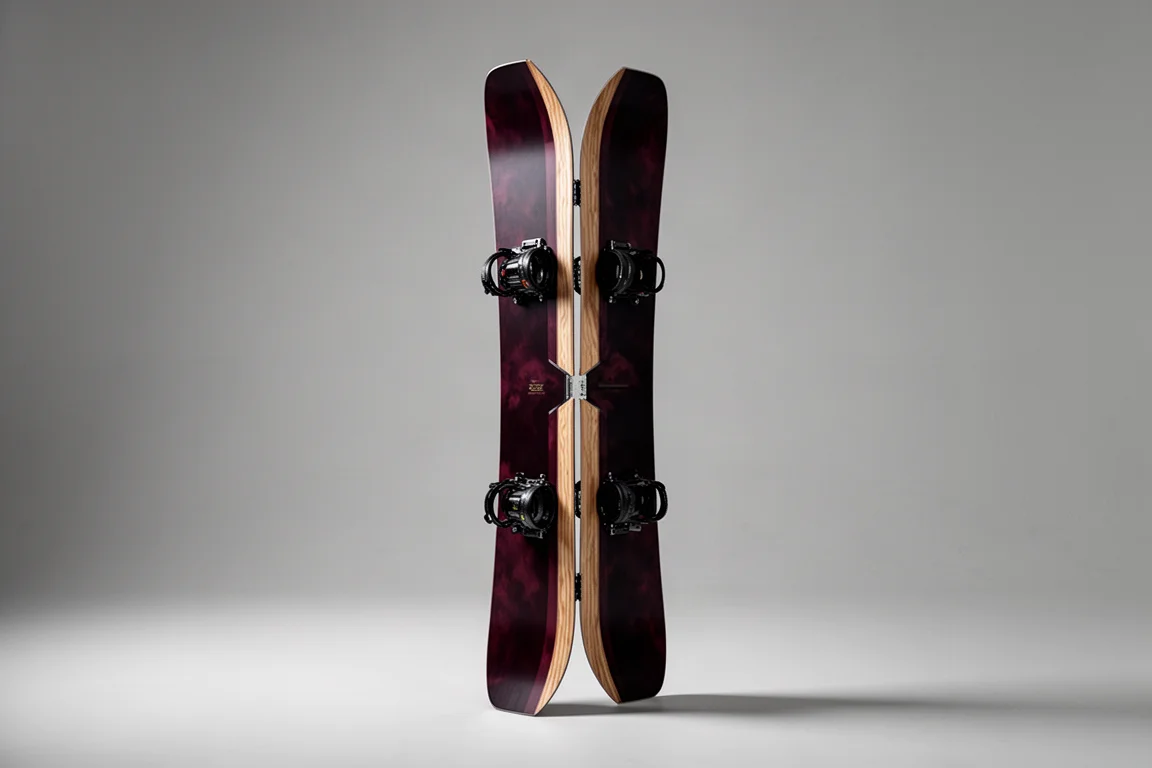
Rounding out the kit is the Season Pass splitboard, in use for three years now and consistently solid. It ships with pre-cut Pomoca skins, a high-quality skin with excellent uphill grip that arrives ready to fit, so there is no time spent trimming to width. The split hardware is the higher-end tier rather than the basic option, and the board is based on the tapered directional shape of the Nexus, one of the favorite all-around directional designs tested in recent years.
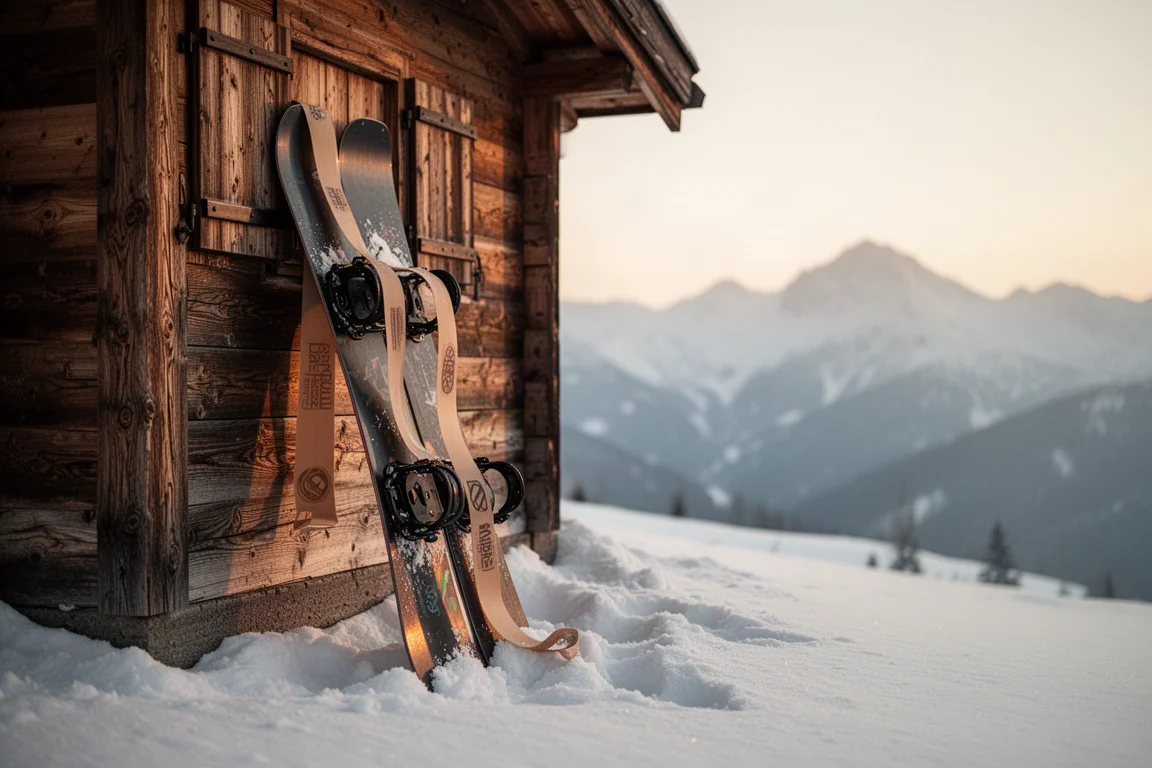
Two more traits matter just as much. The board is genuinely lightweight, and weight is always worth prioritizing in a splitboard: the less carried uphill, the more energy left for the ride down and the rest of the day. The camber-dominant profile adds grip on the climb, which pays off on firm snow and traverses.
Buying Advice
If building a kit from scratch, start with safety: a beacon, shovel and probe, avalanche education, and a conservative approach to terrain. Then add a pack that keeps the safety gear accessible, and a radio if you ride with a crew. The comfort pieces, merino base layers, a packable mid layer, and goggles with an easy lens swap, transform long days on the skin track. Finally, choose hardgoods that prioritize weight and reliable transitions, because uphill efficiency shapes the whole day.
Buying as packages, like transceiver-shovel-probe bundles, often stretches a budget further, and small cheap additions like ski straps are the kind of insurance that pays off when least expected.
Conclusion
A backcountry kit is really a system: safety gear you trust, a pack that organizes it, layers that handle sweat and storms, and a split setup that makes the uphill pleasant and the ride down fun. Every piece here has earned repeat seasons of use, and this season’s newcomers, the DB Snow Pro 25L, Mons Royale Cascade, and Oakley Line Miner Pro, are the ones to watch as the tests play out. Stay conservative, ride with a crew, and make it back to the trailhead every time.
Further reading
Related Reviews
Backpacking Gear
Building a 10 lb Base Weight: An Ultralight Backpacking Gear List
A practical walkthrough of the ultralight pieces behind a 10 lb base weight, from a 765 g pack and a roomy one-person tent to a full camp chair and a dependable water filter.
Road Bikes
10 New Road Bikes Worth Watching: Aero, Titanium, Steel and Endurance Standouts
A practical roundup of 10 new road bikes, from aero flagships chasing single-watt gains to titanium, steel and endurance platforms built for real roads.
Bikepacking Gear
11 Bikepacking Essentials for Long-Distance Cycling
Eleven bikepacking essentials for long-distance cycling, from a steel gravel frame and a two-person tent to helmet lights, packable gloves, and a frame bag that puts weight in the right place.