Backpacking Gear
Backcountry Gear Failures: What Held Up and What to Carry Instead
Field notes from a 17-day, 300-plus-mile traverse of the Brooks Range: the gear that failed, the dead weight, and the dependable swaps worth packing instead.
Introduction
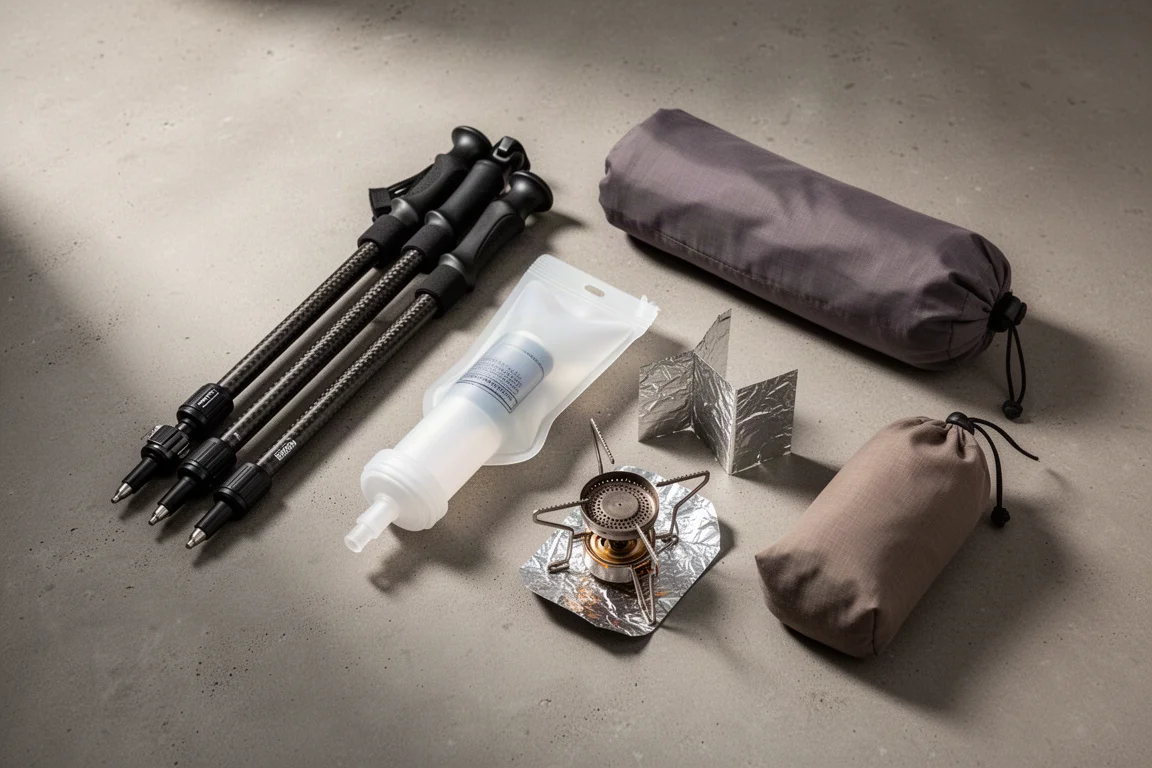
A 17-day, 300-plus-mile traverse of the Alaskan Brooks Range puts a backpacking kit through rain, wind, thick brush, silty glacial rivers, and endless tussock tundra. It is also an efficient filter: gear that only works on paper tends to announce itself quickly.
Over those 17 days, several items failed outright, a few turned out to be dead weight, and a handful performed far better than expected. The notes below cover what failed, what to swap in, and what earned a permanent place in the pack.
What a Hard 17-Day Traverse Reveals About Gear
Three questions decide whether a piece of gear belongs on a long, committing trip. First, does it survive repeated assembly and disassembly in grit, sand, and water? Second, does it stay comfortable hour after hour, day after day, on uneven ground? Third, does the weight it adds buy a job that actually needs doing?
Environment matters as much as design. Tussock fields force the foot and ankle into constant small corrections. Silty river water punishes filters. Open ridges expose shelters and stoves to wind that a sheltered campsite never tests. Gear that looks impressive on a weekend outing can behave very differently after a week of that.
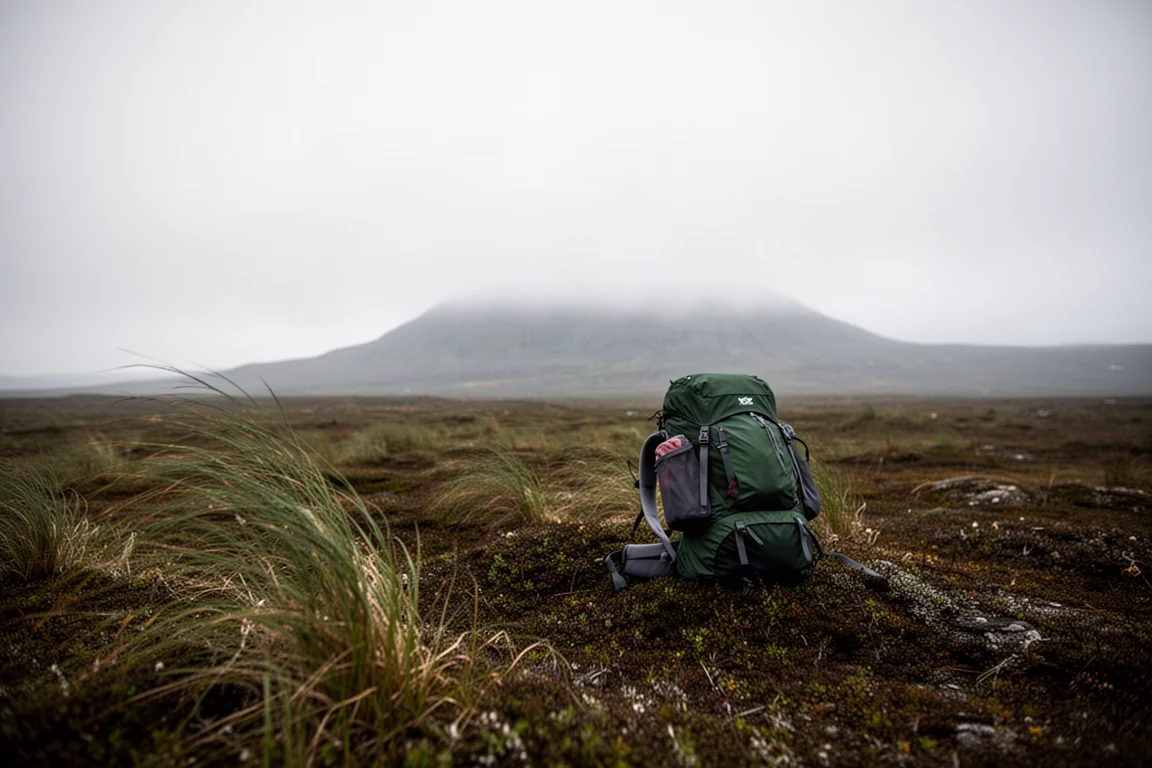
The most useful habit is to judge an item by its weakest part rather than its headline specification. On this trip, the failures clustered around small components: locking buttons, heel cups, and thin inserts. Those parts rarely appear on a spec sheet, yet they decide whether a piece of gear comes home.
Durston Iceline Carbon Trekking Poles: Light, Packable, and Fragile in Practice
The Iceline poles were chosen for three reasons: they are light, they are carbon, and they break down small enough to stow inside a pack. While intact, they feel stiff and sturdy, and the compact packed length is genuinely useful on a trip where pack space is at a premium.
The problems started on day two. The push-button mechanism that locks the sections together stopped springing back after exposure to grit and water. Rinsing it and clearing it in the field did not restore it, and from then on the poles would separate mid-stride, with the lower section dropping into mud whenever the pole was lifted.
Roughly five days in, the carbon shaft sheared through the middle of a section, not at the tip, while crossing rocky ground and a river. Later in the trip, a fall on a rocky descent bent the small aluminum insert that engages the locking button. That insert is the weak point in the design, and it is a familiar failure: the same part has snapped on other hikers, and it broke on a companion during a ski tour.
Black Diamond Carbon Cork Trekking Poles: The Pole That Never Failed
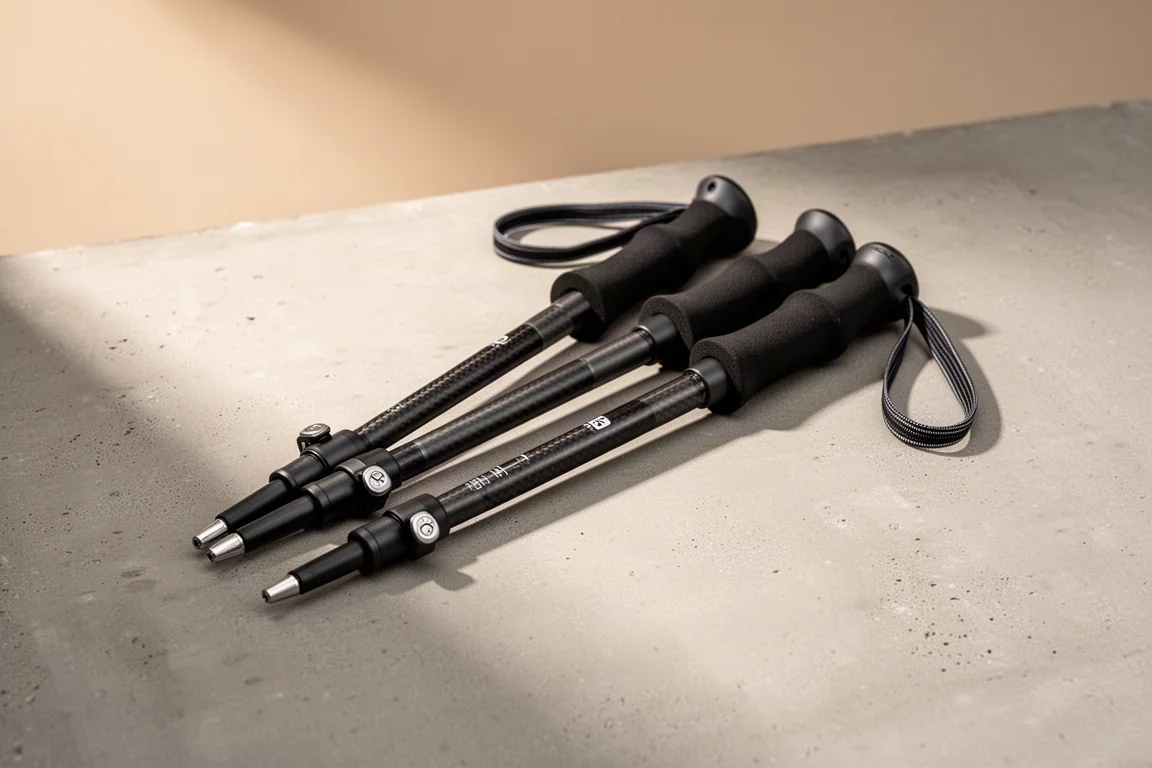
If the Iceline poles show how quickly a lightweight design can come apart, these show the opposite. They have been in service since 2016 and have covered a very large mileage across the Pacific Crest Trail, the Arizona Trail, and trips overseas without a single failure.
For a long, committing route, that track record matters more than a few grams. A pole that holds its length, locks reliably, and does not introduce a new failure point is worth carrying, and these have done exactly that through years of hard hiking.
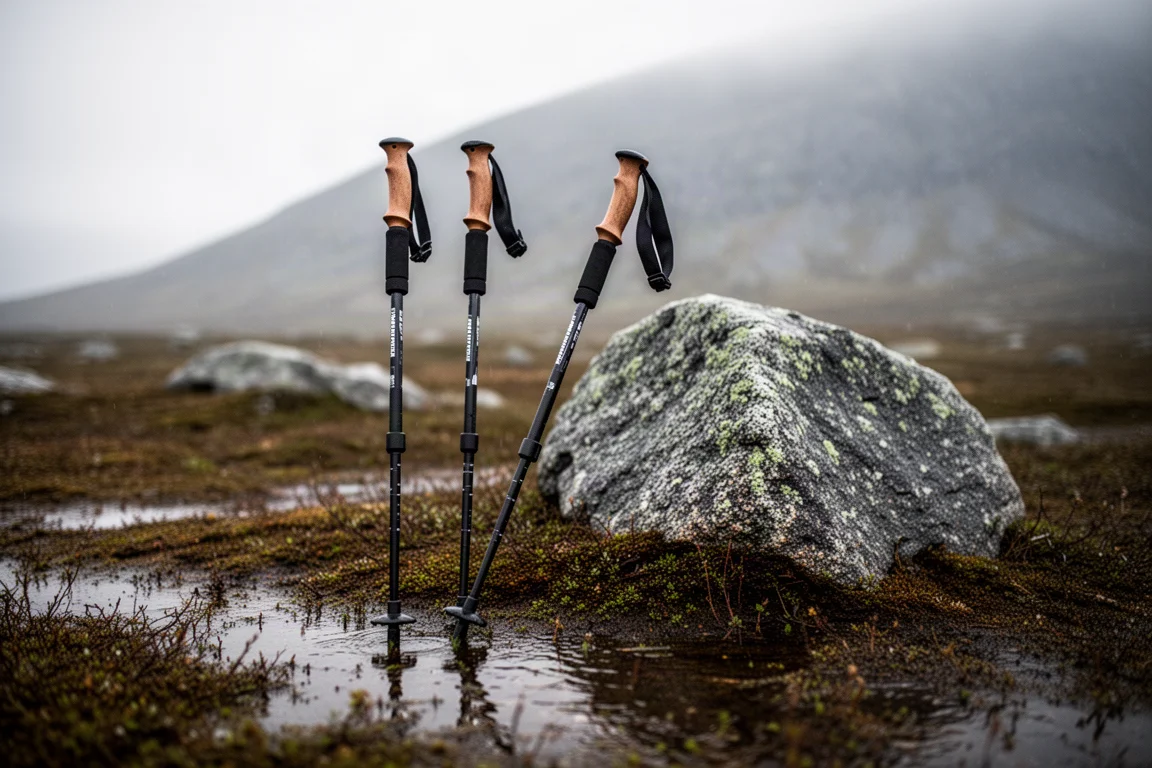
For a trip where a snapped pole means miles of unbalanced walking, dependability is the specification that counts most.
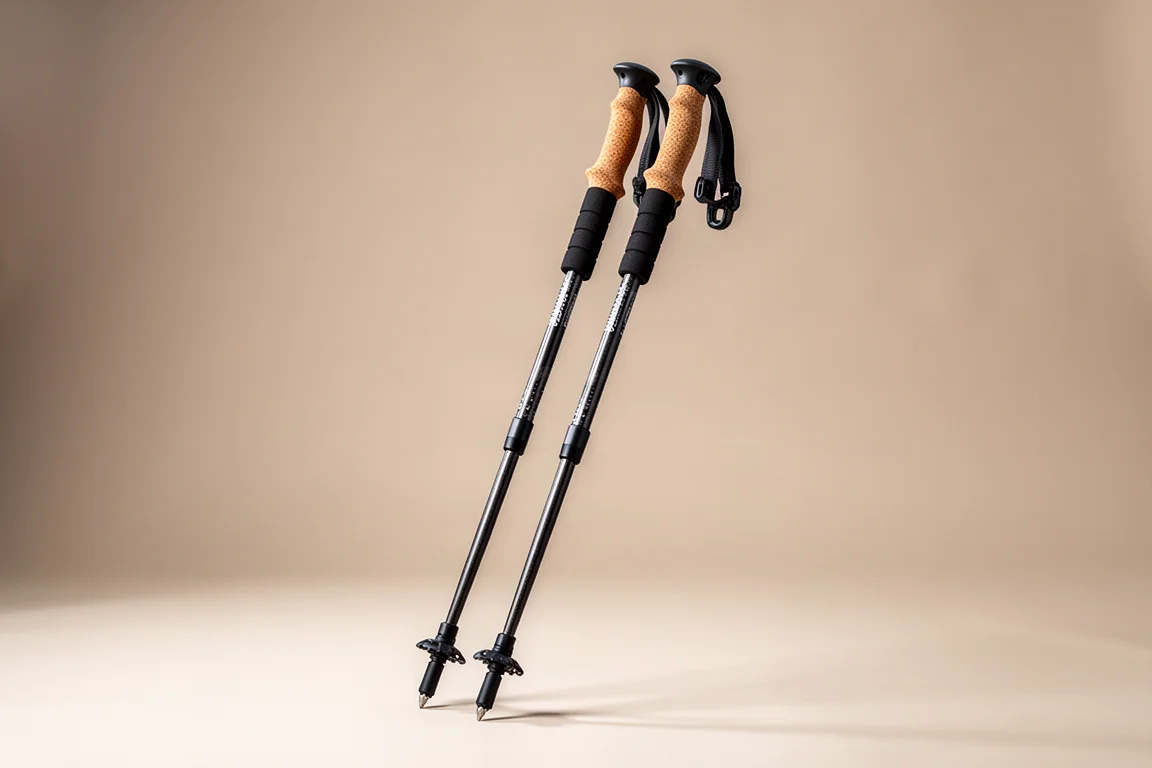
Diorite Carbon Trekking Poles: A Second Dependable Option
The Diorite carbon poles, previously sold as the Kak carbon trekking pole, offer a second dependable route. Over years of hard hiking they have produced exactly one failure, and that came after nearly 3,000 miles of use.
That is the kind of record worth weighing against a pole that failed after five days. Carbon can be durable when the joints and inserts are engineered properly, and these poles demonstrate the difference.
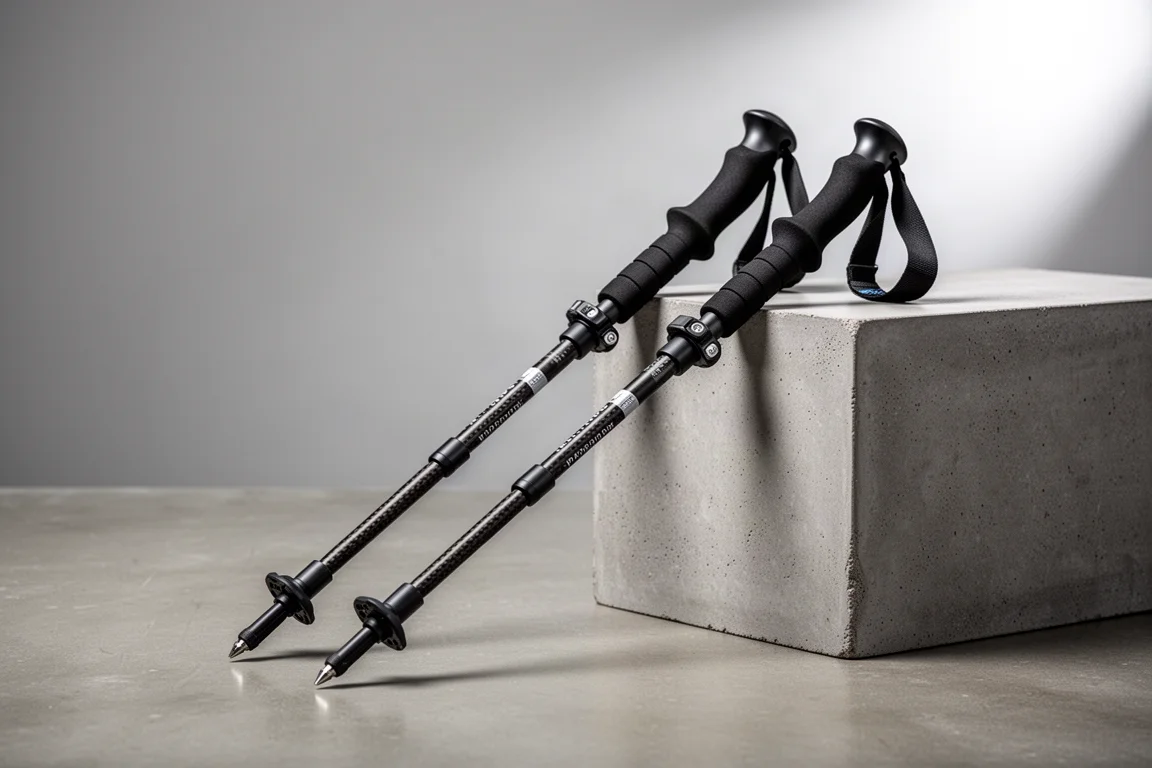
Sawyer Picaridin Spray: The Bug Protection That Made Sense
Mosquito pressure in the Brooks Range is serious, and repellent is not optional. The spray version of a picaridin repellent proved to be the practical choice, because it is quick to apply to whatever skin is exposed and easy to top up during the day.
It was used consistently against mosquitoes and performed well. Clothing was treated separately with permethrin, which covered the rest of the body. That combination, treated fabric plus a spray for exposed skin, is the pattern worth copying.
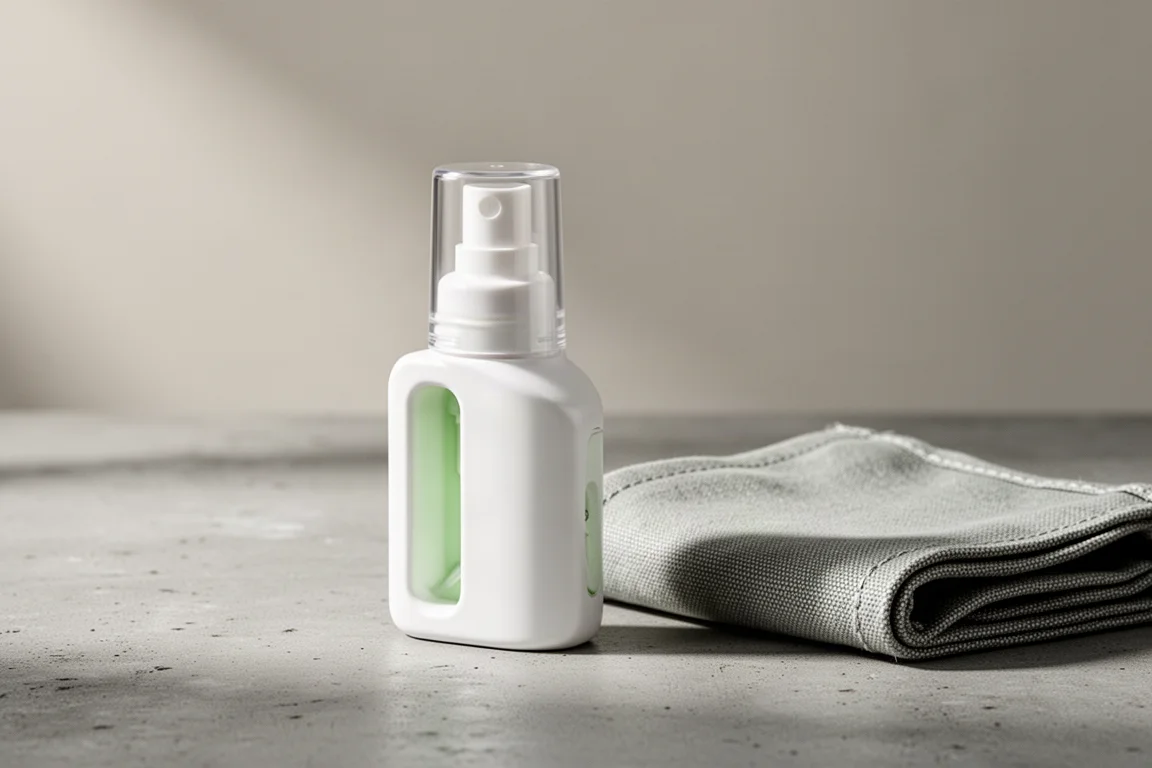
Sawyer Picaridin Lotion: The Right Product for the Wrong Conditions
There is nothing wrong with the lotion version. It has been a reliable mosquito repellent for years, and in the right conditions it works well. The problem was the trip, not the formula.
With long pants, long sleeves, and a hood worn for almost the entire traverse, plus a bug net over the face much of the time, the only skin available for lotion was the backs of the hands and a small area of face. Across 17 days, roughly one packet was used, which made the lotion effectively dead weight.
For a trip where most skin is covered, the spray is the better format. The lotion makes more sense for warm-weather hiking in shorts and short sleeves, where there is skin to cover.

Topo Athletic Pursuit 2: A Shoe That Caused a Real Injury
For years, the original Pursuit was the shoe of choice after moving away from Altra Lone Peaks. It logged a large number of miles without blisters, ankle trouble, Achilles trouble, or knee pain.
The redesigned Pursuit 2 did not hold up as well, and a fresh pair for Alaska turned into the most painful failure of the trip. Both shoes rubbed at the heel cup against the Achilles tendon, and by around day seven the right side hurt with every single step.
Cutting away the heel fabric, the foam, and a small hard plastic piece relieved the pressure slightly, but Achilles tendonitis had already developed in both tendons, and it stayed painful for the remaining days and after the trip. The terrain played a part, since miles of tussock tundra force constant small corrections through the foot and ankle. The shoes were the trigger, though: walking barefoot around camp or in other footwear produced no pain at all.
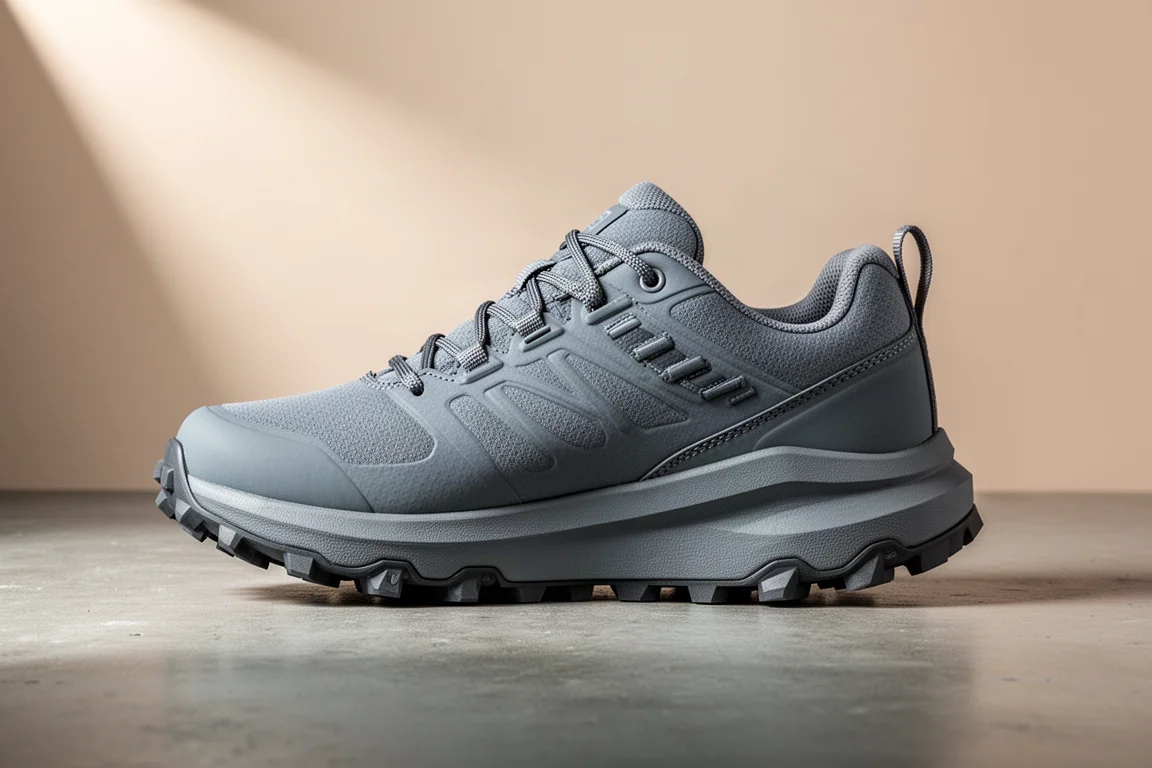
Sawyer Mini: A Water Filter That Surprised
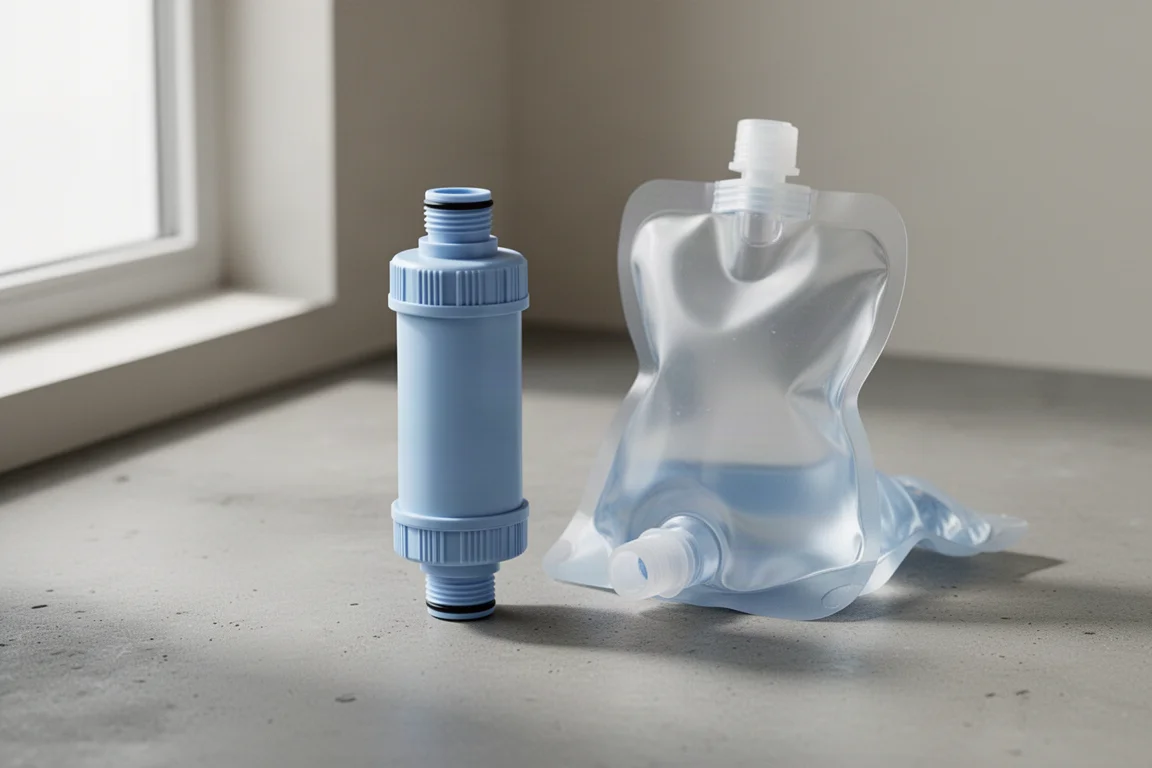
The Mini had been written off years earlier. Older versions clogged easily, especially with salty water, and the flow rate was poor. The newer version changed that. The flow rate is noticeably better, and the filter is now dual threaded, with a thread on both ends.
That dual threading makes a real difference in the field. The filter threads directly onto a water bottle, and a small nipple on the other end lets a bottle be used to backflush it. Backflushing a few times during the trip was enough to keep it running clean, even in heavily silty river water.
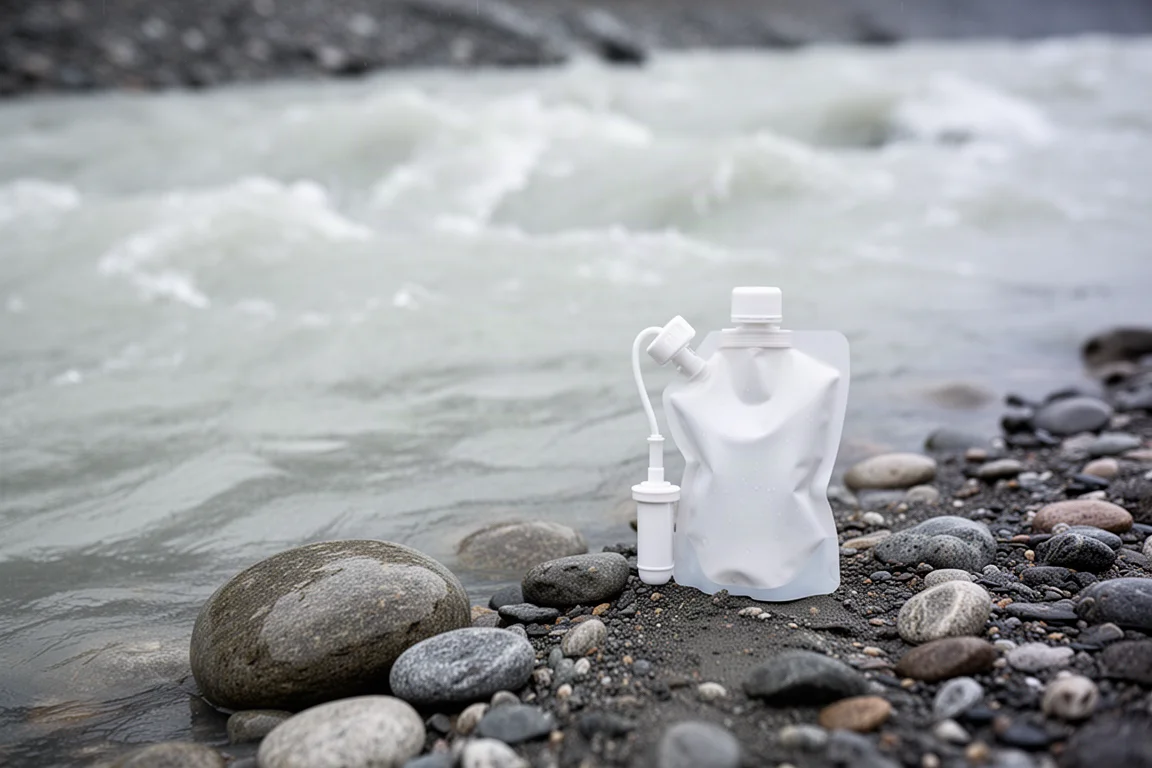
The companion bags have also been updated with thicker material than the older thin plastic versions. One practical note from the trip: match the bag to your bottle. A 750 ml pouch means extra trips when filling a one-liter bottle, and a bottle with a firmer top and base doubles as a scoop for shallow puddles on high ridges.
Zpacks Altaplex: The Shelter That Held Up
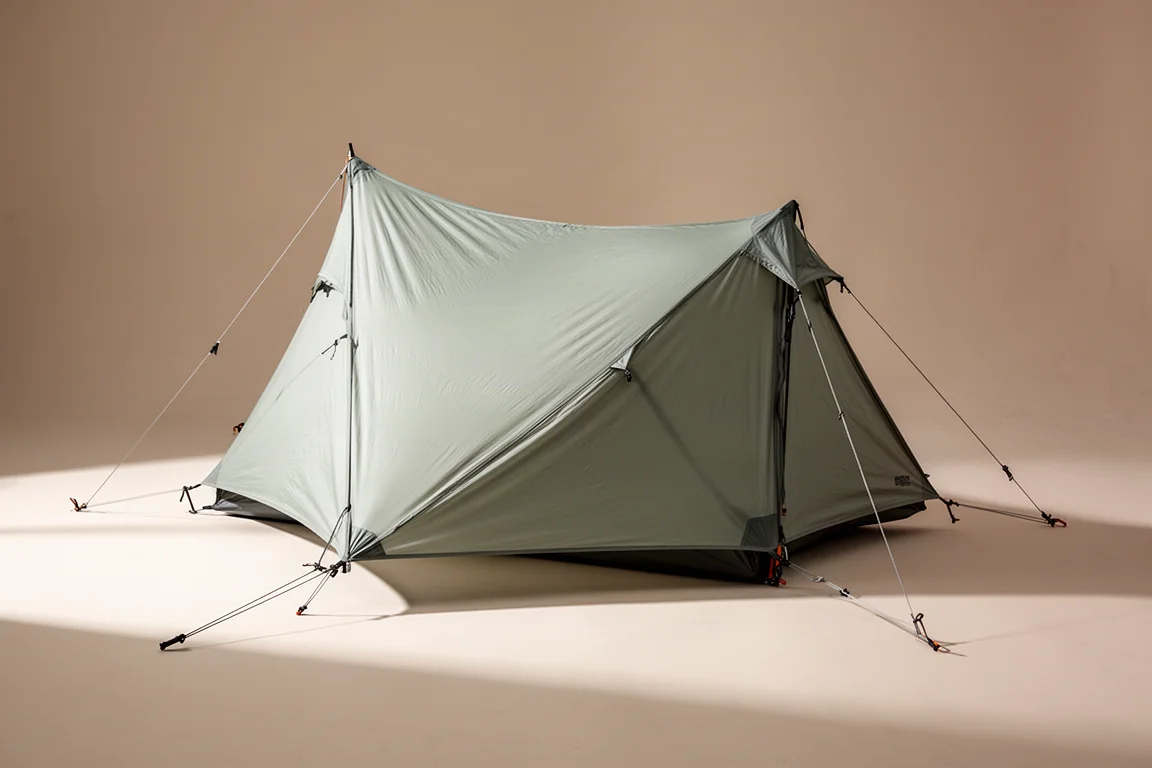
A trekking pole shelter in Alaska raised eyebrows before departure. The assumption was that wind and rain in the Brooks Range would demand a freestanding tent. In practice, this one handled both without drama, and there was never a night when it could not be pitched.
Years of use in strange conditions had already proven the design. On this traverse it stayed stable in rain and wind, and it packed down small in a pack that was already heavy.
Toaks Siphon Alcohol Stove: Efficient Cooking in Wind
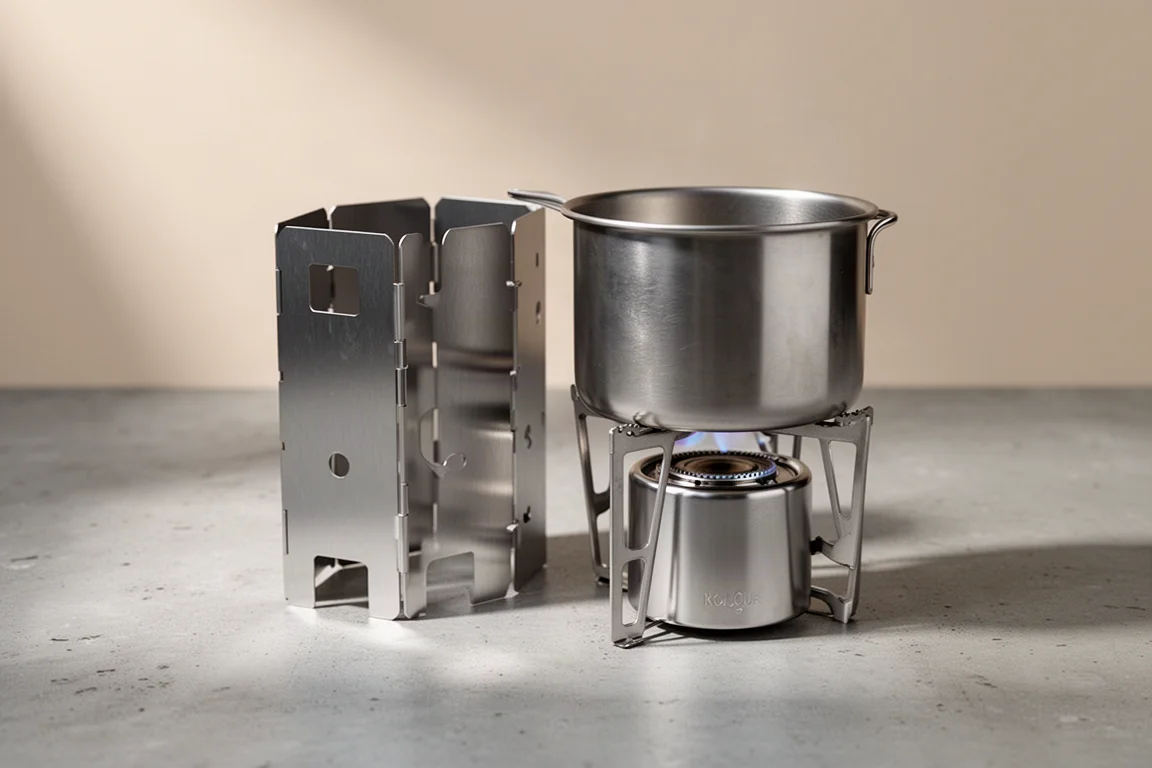
The cooking setup was deliberately simple: a small alcohol stove, a windscreen and stand, and an eight-ounce bottle of fuel. It worked exactly as intended.
Efficiency was the surprise. A boil took about half an ounce of alcohol, and a quarter of an ounce was enough for a morning coffee. Roughly one ounce per day covered everything, which meant an eight-ounce bottle comfortably handled the eight-day stretches between food caches. The windscreen earned its place on exposed ridges.
Adotec Grizzly Bag: Food Storage That Worked
Bear country food storage usually invites debate, and this bag drew plenty of skepticism before the trip. It held all of the food for the traverse, and every night it could be tied off to a tree, a bush, or a root system.
The worry that Alaska would not offer hang points turned out to be unfounded. Trees were plentiful along the route. No grizzly was seen in 17 days, so the bag was never tested by a bear, but every member of the group used one and all came away impressed with how straightforward it was.
Buying Advice: How to Choose Gear for a Hard Trip
The trip points to a few habits that make a difference on any long route.
Favor a track record over a spec sheet. A pole that has covered thousands of miles tells you more about its locking mechanism than a weight figure does. Low weight matters, but the lightest option is only a bargain if it survives the trip.
Test critical gear properly before you leave. The Iceline poles had only a couple of days of use before the traverse, which was not enough to expose the locking button problem. Shoes and shelters deserve at least a few long days with a loaded pack.
Match the format to the conditions. A lotion repellent is fine when you are hiking in shorts, but a spray is the better tool when almost all of your skin is covered. A 750 ml water pouch is fine for short trips, while a one-liter bottle is easier to fill on a long one.
Look at the small parts. Buttons, inserts, heel cups, and threads are where gear tends to fail, and they are rarely described in marketing copy. Check them before a big trip, and treat any early sign of sticking, rubbing, or bending as a warning.
Finally, leave room in the pack for gear that has a job on this specific trip. Anything carried for a hypothetical scenario tends to be weight that never gets used.
Conclusion
A hard traverse separates durable gear from gear that merely looks capable. The poles that had already covered thousands of miles held up, while the newest and lightest pair failed within days. The water filter and the shelter, both questioned before departure, performed better than expected. The shoes caused the only real injury, and the repellent lotion was simply the wrong format for the conditions.
The lesson is not that light gear is bad, or that long-serving designs are automatically better. It is that the details which decide a trip, locking buttons, heel cups, thread patterns, and bag volumes, deserve attention before the first mile rather than on day seven.
Further reading
Related Reviews

Backpacking Gear
Building a 10 lb Base Weight: An Ultralight Backpacking Gear List
A practical walkthrough of the ultralight pieces behind a 10 lb base weight, from a 765 g pack and a roomy one-person tent to a full camp chair and a dependable water filter.
Backpacking Gear
A 15-Pound Lightweight Backpacking Gear List for Solo Trips
A beginner-friendly 15-pound backpacking setup built from easy-to-find gear, with notes on what each piece does, how it packs, and where to spend your attention.
Backpacking Gear
8 Ultralight Backpacking Gear Upgrades Worth Carrying
Eight small, affordable backpacking upgrades that solve real trail annoyances, from a pillow that stays put to a fuel valve that rescues leftover canister gas.