Backpacking Gear
Backcountry Bathroom Kit: Three Lightweight Essentials for Pooping in the Woods
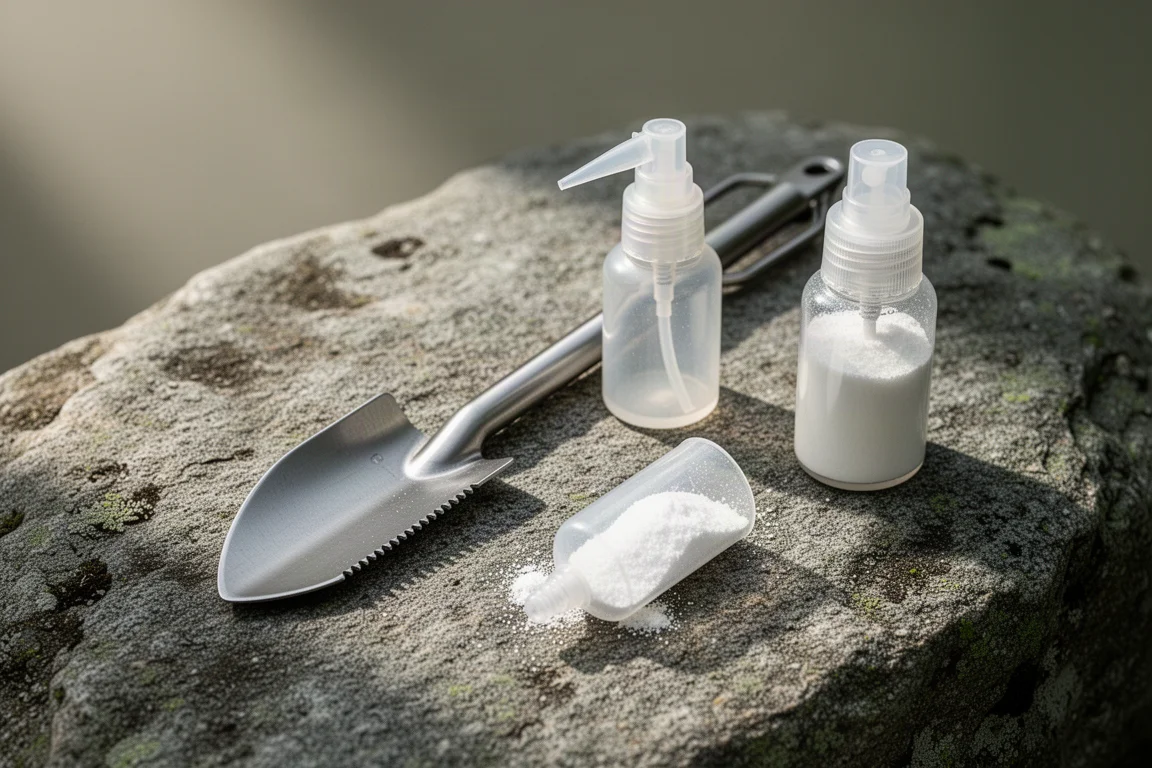
A lightweight three-piece system for backcountry bathroom stops: a durable trowel, a bottle-mounted bidet nozzle, and powdered soap that will not freeze.
Introduction
Toilet paper is bulky, it has to be packed out, and it is one of the least pleasant things to carry on a long trip. A compact three-piece kit removes the problem almost entirely: a trowel for digging, a small plastic nozzle that turns a water bottle into a bidet, and a lightweight soap for cleaning up afterwards. Together they cover the whole routine, add very little weight, and leave no trace in the environment.
The approach takes a little getting used to, and a first attempt rarely feels elegant. The trade-off is worth it. There is no paper to carry, no used paper to pack out, and the cleaning step runs on a few hundred millilitres of water.
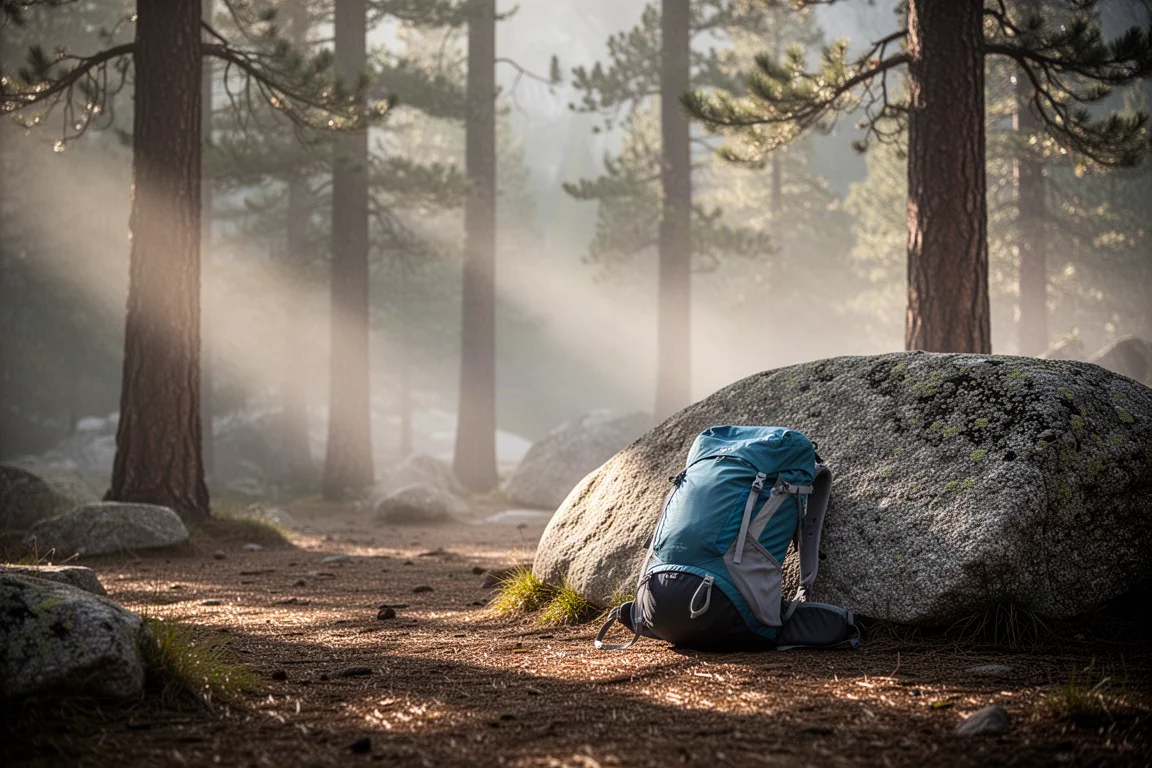
All three items are small enough to live in a hip-belt pocket or a stuff sack near the top of a pack, which means the kit is there when you actually need it rather than buried at the bottom.
What to Look For in a Backcountry Bathroom Kit
Three qualities matter when choosing gear for this job.
Weight and packed size come first. Everything has to disappear into a pack, and a trowel, a bottle nozzle, and a small soap container add almost nothing to a base weight.
Simplicity comes second. There are no batteries, no pumps, and no parts that can clog. Powdered soap is a good example: it stays usable in cold conditions and is easy to ration, so you carry only what you need.
Water economy comes third. The whole system runs on a few hundred millilitres, so a nozzle that produces a light, controlled stream is far more useful than one that blasts water in every direction.
Best Trowel: Bogler Trowel
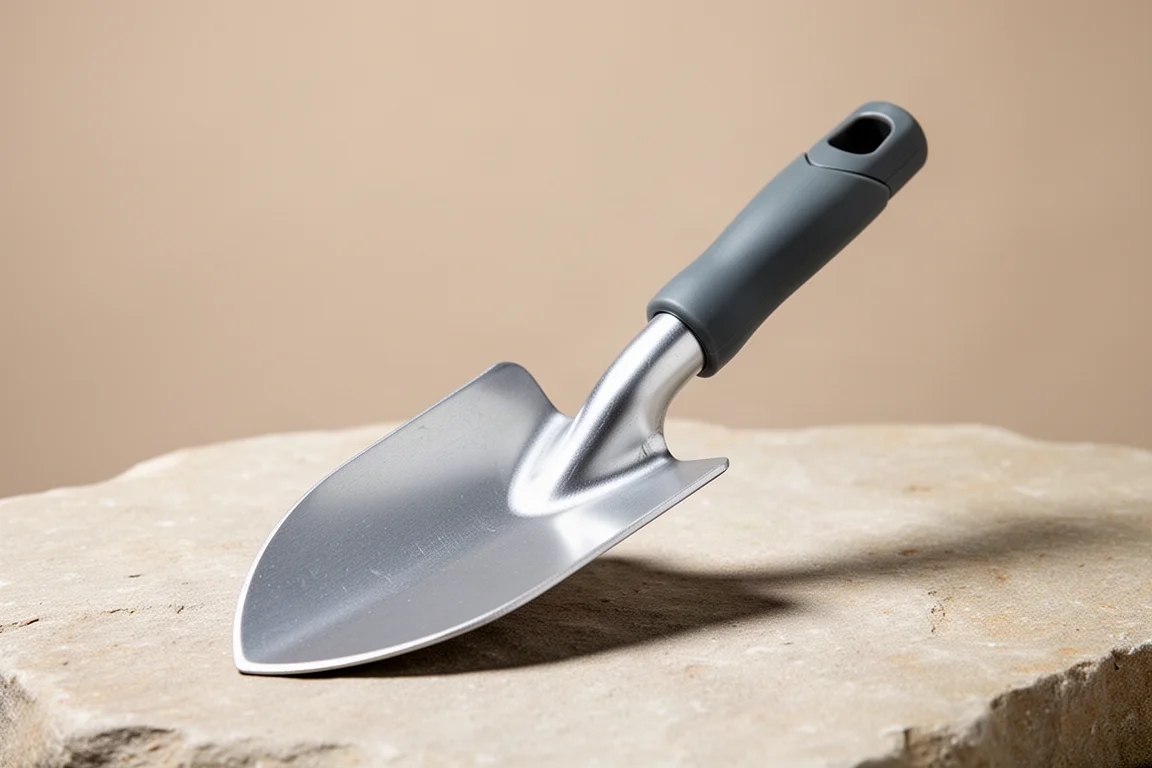
The Bogler trowel handles the first step. It is lightweight, durable, and shaped with an ergonomic handle that stays comfortable when you are crouched over a hole. The detail that sets it apart is a row of small teeth along one side of the blade, which makes cutting through roots far easier than a smooth edge does.
The job itself is straightforward. Dig a cat hole six to eight inches deep, at least 200 feet from the nearest water source. Depth and distance are the two numbers that matter most here, and a trowel that cuts quickly turns the digging into a short task rather than an ordeal.
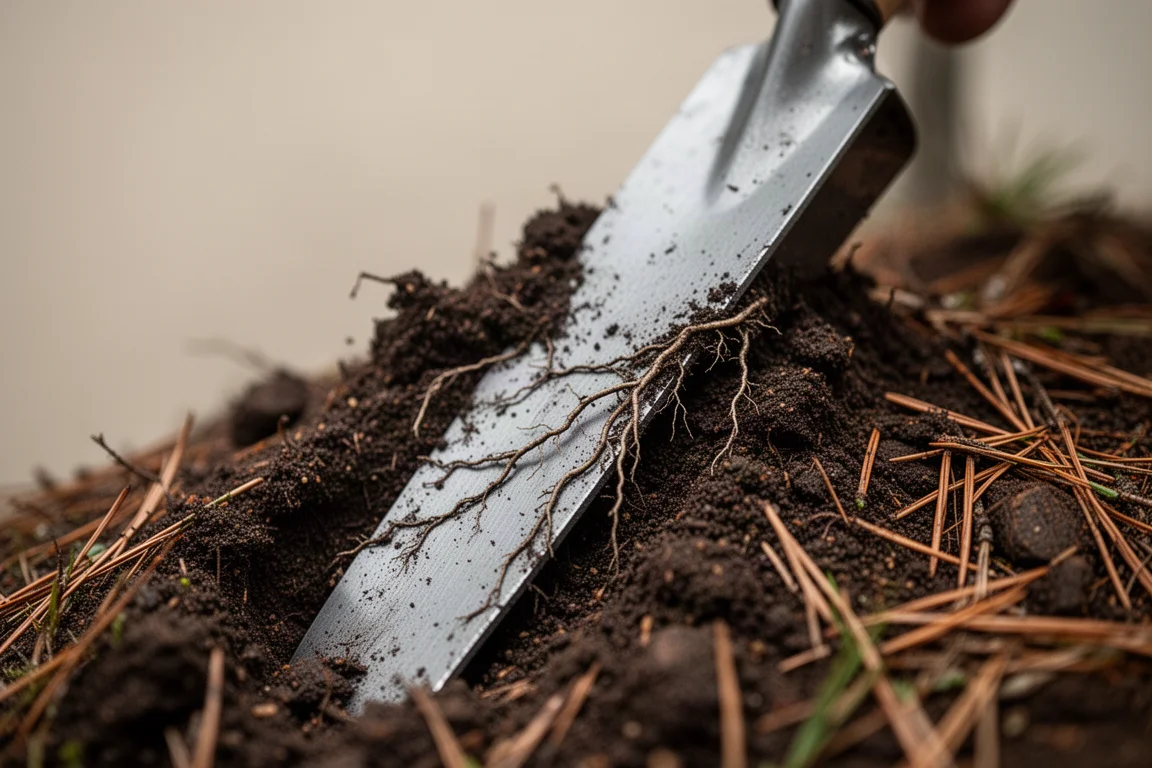
Roots are the usual obstacle in forest soil, and the toothed edge is what keeps the process from turning into a wrestling match. Once the hole is dug, the trowel has done its job and the rest of the kit takes over.
Best Backcountry Bidet: CuloClean
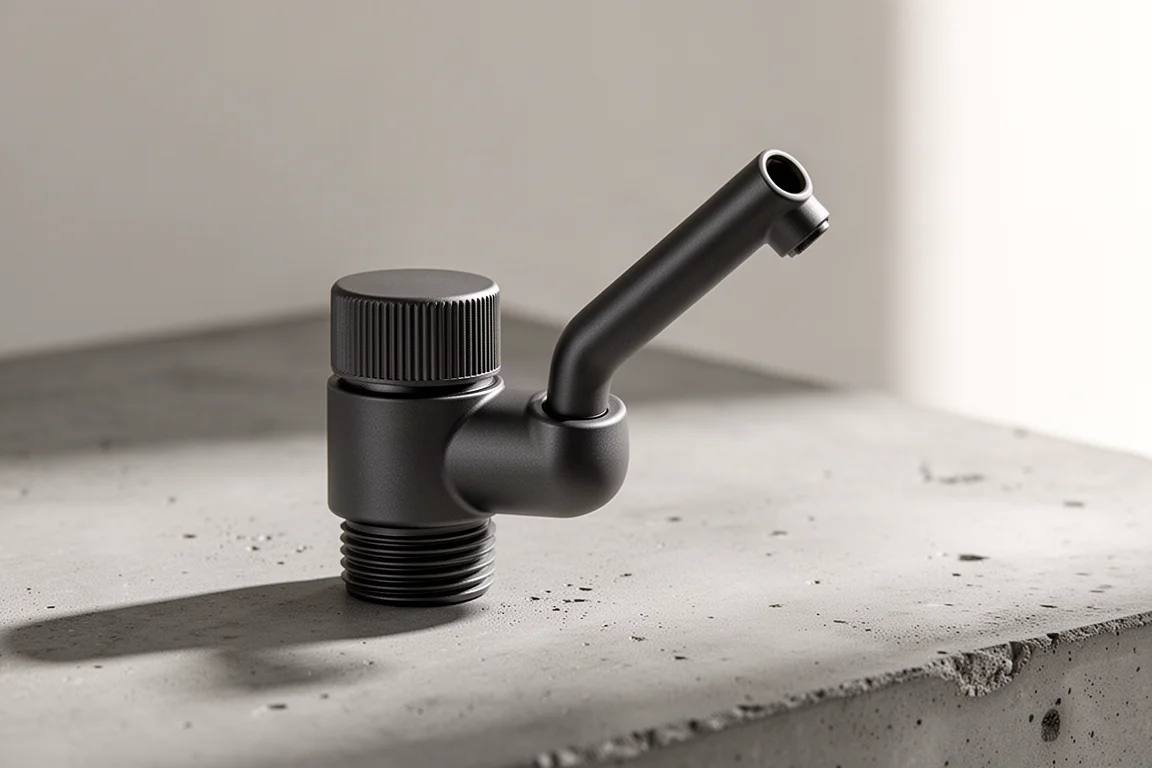
The CuloClean is the piece that replaces toilet paper. It is a small plastic nozzle that pairs with almost any water bottle that has a standard top, including the common Smartwater, Coke, and Dasani bottles. Fill the bottle, screw the nozzle on, and you have a portable bidet.
Plan on 400 to 500 millilitres of water at first. Once you are used to the technique, around 300 millilitres is plenty.
Before you start, take your pants off completely or slide one leg out of them. It sounds fussy, but it is the simplest way to keep your clothing dry.
Then stay in the squat position, reach around with the bottle, and point the nozzle just above the top of the crack. Spray gently and let the water run down and carry everything away. If there is a little more to deal with, put a small amount of soap on your other hand and give the area a light scrub.
The one mistake worth avoiding is squeezing the bottle hard. A hard squeeze sends a sudden, uncontrolled burst of water in every direction, which is exactly the mess you were trying to avoid in the first place. A gentle squeeze and a light stream are all that is needed, and a small amount of water goes a long way.
Drying is less of an issue than it sounds. The area that gets wet is small, and a quick shake is usually enough before you pull your underwear back on. Some people carry a square or two of toilet paper to dry off, but it is not necessary.
Finish by washing your hands with soap, then use a little hand sanitizer if you want to be certain nothing is left behind.
Best Soap: Pika Outdoors Powdered Soap
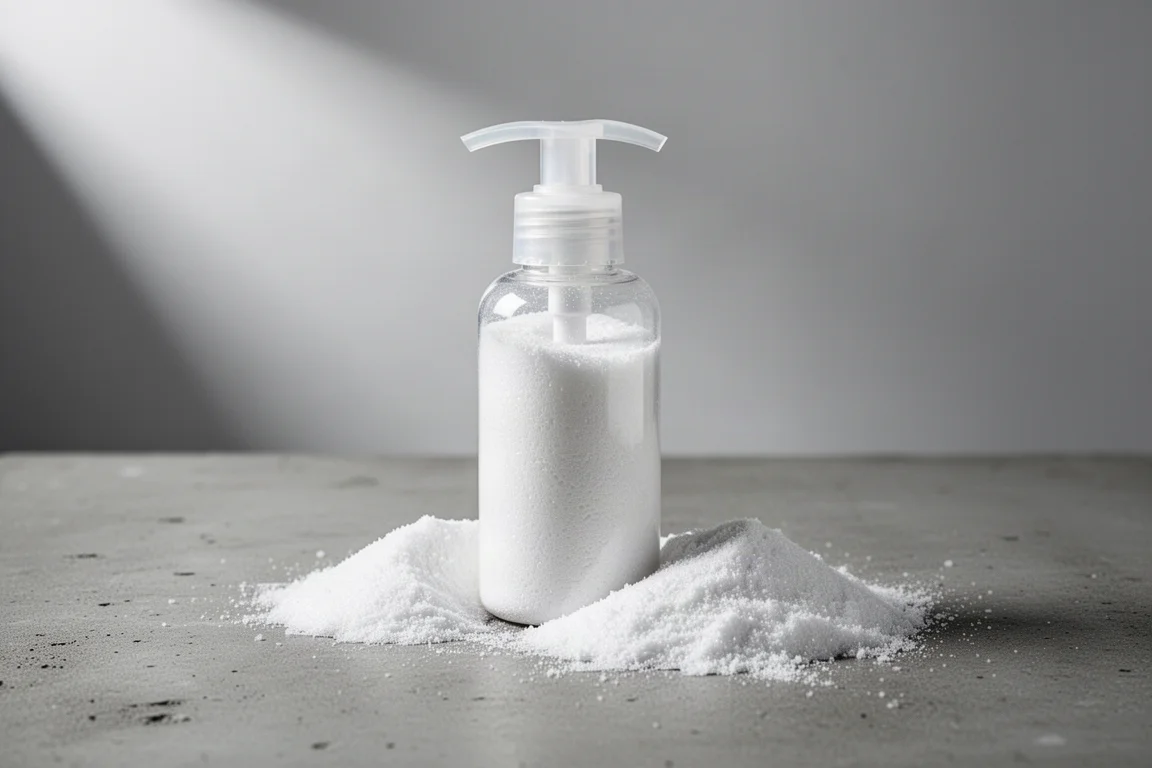
Pika Outdoors makes the soap in this kit as a powder rather than a liquid. That choice pays off in three ways: it is lightweight, it is less messy if a container tips or leaks, and it does not freeze, which matters on cold trips. It is also easy to ration, so you use only what you need.
The practical setup is a small plastic squeeze bottle. Decant the powder into it before the trip and you can dispense a controlled amount onto your hand, whether you are washing after the bathroom routine or cleaning up before a meal.
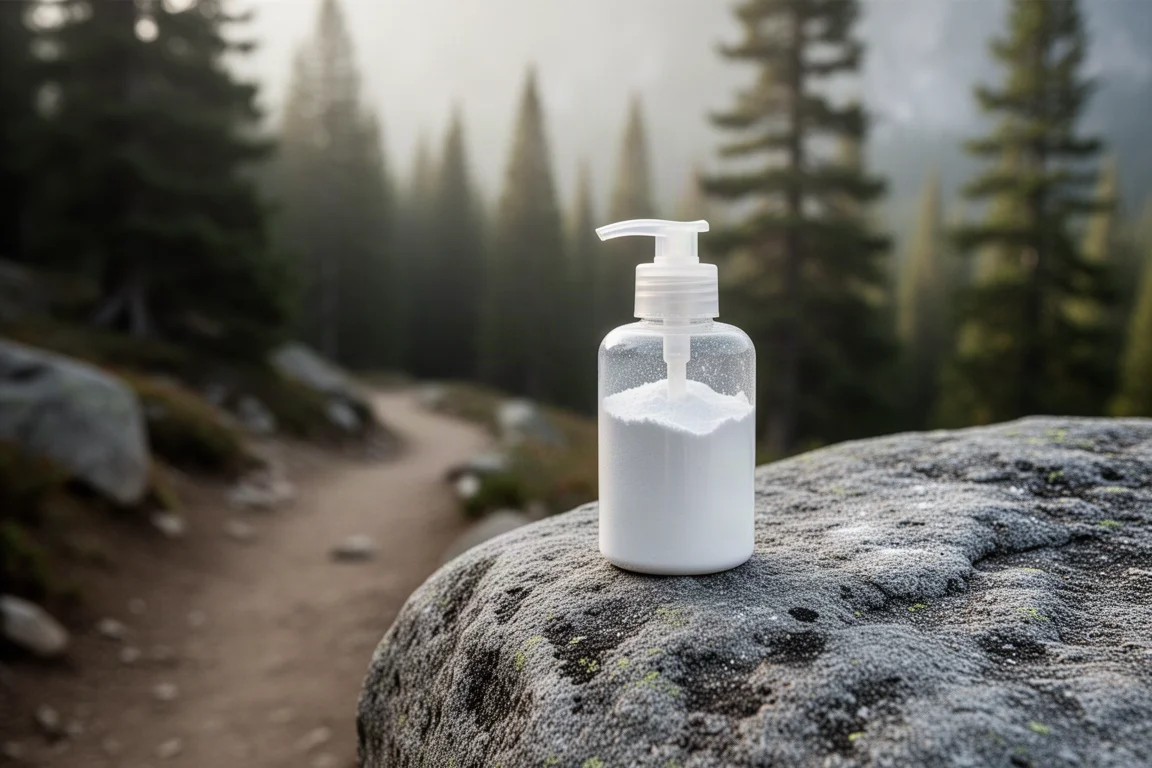
A squeeze bottle also keeps the powder dry and contained inside a pack, and it weighs almost nothing when empty.
Field Technique: Getting the Process Right
The order of operations matters as much as the gear itself.
Start by choosing your spot. It needs to be at least 200 feet from water, and the soil should be soft enough to dig without a fight. Then dig the cat hole six to eight inches deep with the trowel.
Do your business, then clean up with the CuloClean and your water bottle, using soap only if you need it. Wash your hands with soap afterwards, and add hand sanitizer if you want extra reassurance.
The routine takes only a few minutes once you have practised it, and there is no used paper to pack out at the end. It is worth running through the whole sequence at home before you rely on it on a trip, especially the part where you squeeze the bottle: gentle pressure is the difference between a clean result and an unpleasant surprise.
Buying Advice: Putting the Kit Together
All three items are inexpensive, compact, and easy to store together. A small stuff sack keeps the trowel, the nozzle, and the soap bottle in one place, so the kit is ready the moment you need it instead of scattered across your pack.
The nozzle is the piece that changes your routine the most, so it is worth getting comfortable with it before a long trip. The trowel is the piece you will use at every stop. The soap covers both your body and your hands, which quietly makes it the workhorse of the three.
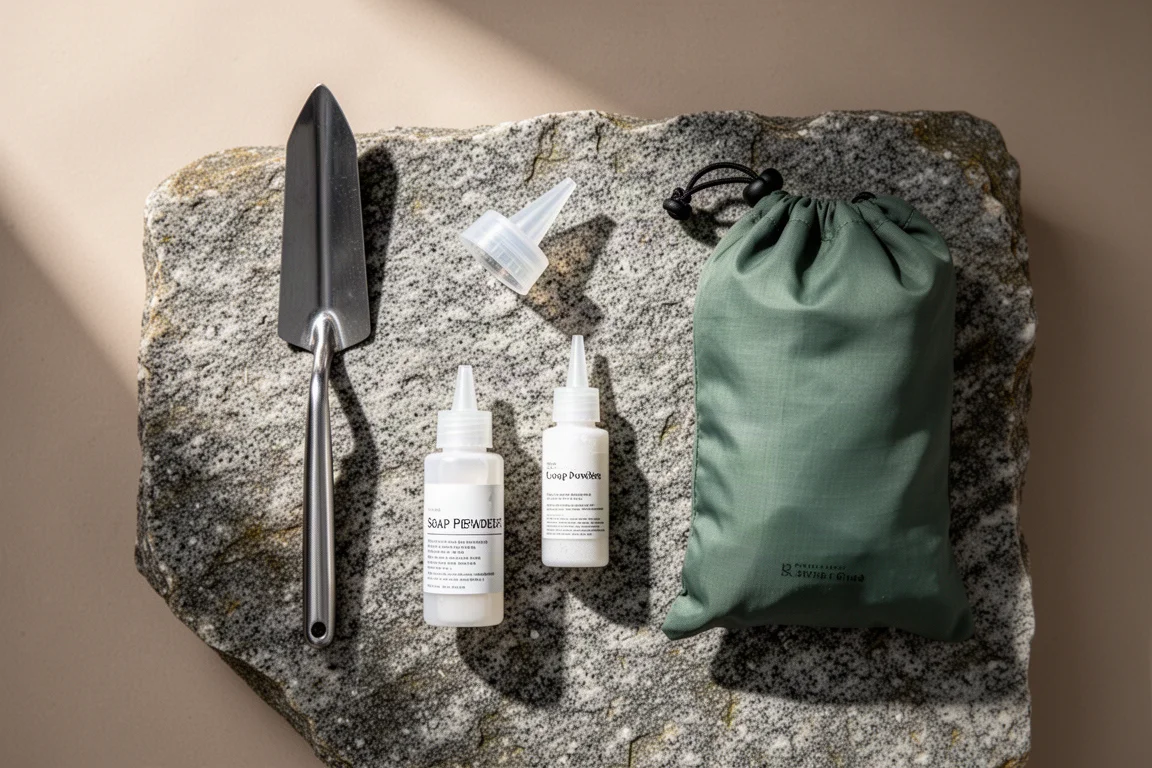
If you already carry a water bottle with a standard top, you are most of the way there. Add the trowel and the soap, and the kit is complete.
Conclusion
Three small items replace a roll of toilet paper and a lot of awkward packing decisions. The Bogler trowel digs a proper cat hole, the CuloClean turns an ordinary water bottle into a bidet, and the powdered soap keeps everything clean without freezing or leaking. For backpackers who want to cut weight and leave no trace, this is a system that works once you get the hang of it.
Further reading
Related Reviews

Backpacking Gear
Building a 10 lb Base Weight: An Ultralight Backpacking Gear List
A practical walkthrough of the ultralight pieces behind a 10 lb base weight, from a 765 g pack and a roomy one-person tent to a full camp chair and a dependable water filter.

Backpacking Gear
A 15-Pound Lightweight Backpacking Gear List for Solo Trips
A beginner-friendly 15-pound backpacking setup built from easy-to-find gear, with notes on what each piece does, how it packs, and where to spend your attention.

Backpacking Gear
8 Ultralight Backpacking Gear Upgrades Worth Carrying
Eight small, affordable backpacking upgrades that solve real trail annoyances, from a pillow that stays put to a fuel valve that rescues leftover canister gas.