Backpacking Gear
Back Ventilation for Backpacking: The Vaucluse Frame and Three Packs Compared
A field-tested plastic frame that adds airflow between your back and your pack, plus three backpacking packs with different answers to back ventilation.
Introduction
Back sweat is one of the smaller problems in backpacking, right up until it is not. A soaked shirt pressed against a loaded pack can make a long climb feel harder than it needs to, and that is exactly the problem a plastic frame sitting between your back and your pack is meant to solve.
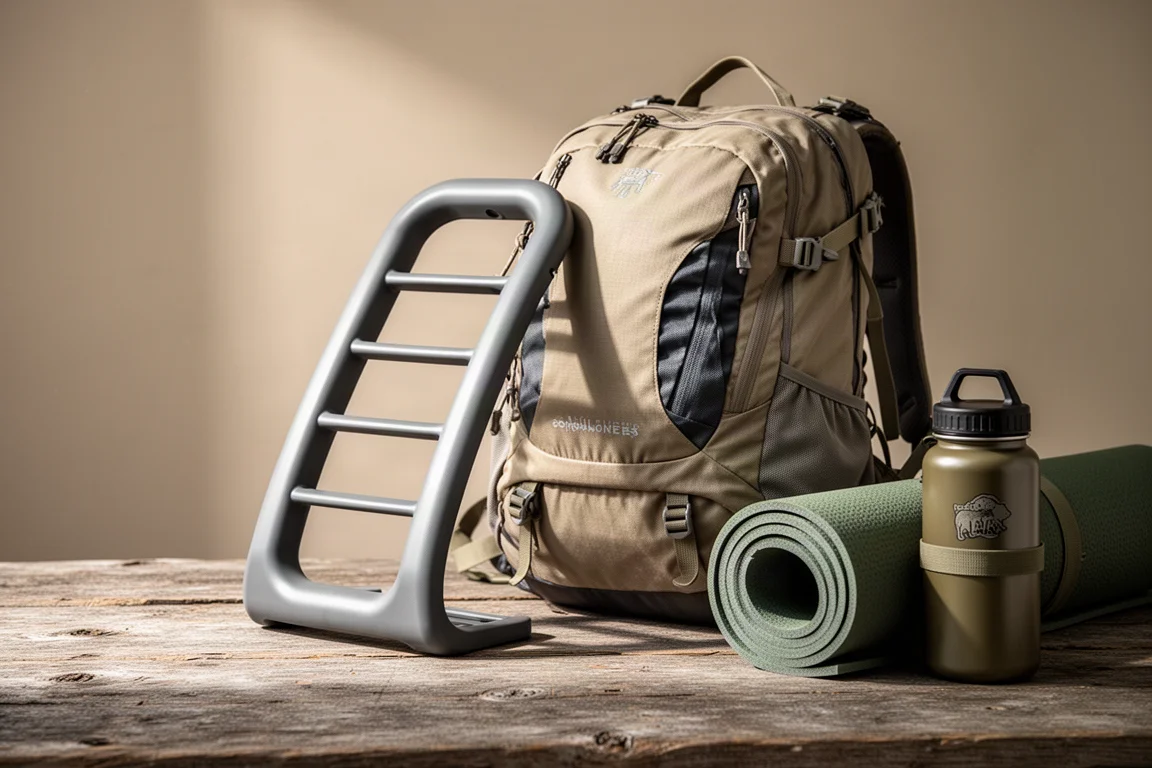
The Vaucluse Backpack Ventilation System is that kind of product: a plastic apparatus designed to sit between your back and your pack to add an air gap and reduce sweat. It costs about $50, and the obvious question is whether a piece of plastic can genuinely change a day on the trail.
To find out, it was tested across a three-day coastal backpacking trip that included a long stretch of off-trail bushwhacking through thick brush, over boulders, and along steep ground. Three packs came into the picture along the way: the Durston Kakwa 55 that carried the load, plus two packs with ventilation built in, the Zpacks Arc Haul 60 and the Osprey Exos Pro 55.
What Actually Matters for Back Ventilation
Not every ventilation solution solves the same problem, so it helps to separate the questions that decide whether something earns a permanent place in your pack.
Installation and stability come first. A frame that shifts while you walk is worse than no frame at all, and this style of add-on depends heavily on being attached correctly.
Comfort is the second question. An air gap can redistribute pressure, but it can also introduce a hard surface where your back previously met soft fabric.
Ventilation is the third. The entire point is to keep your back drier, and that benefit has to be weighed against everything else the frame does.
Finally, cost. A $50 add-on looks cheap on its own, but it reads differently next to a pack that already includes ventilation.
Each of these factors plays out differently depending on whether you are adding airflow to a pack you already own or choosing a pack that was designed around it from the start.
Vaucluse Backpack Ventilation System: A Frame Between You and Your Pack
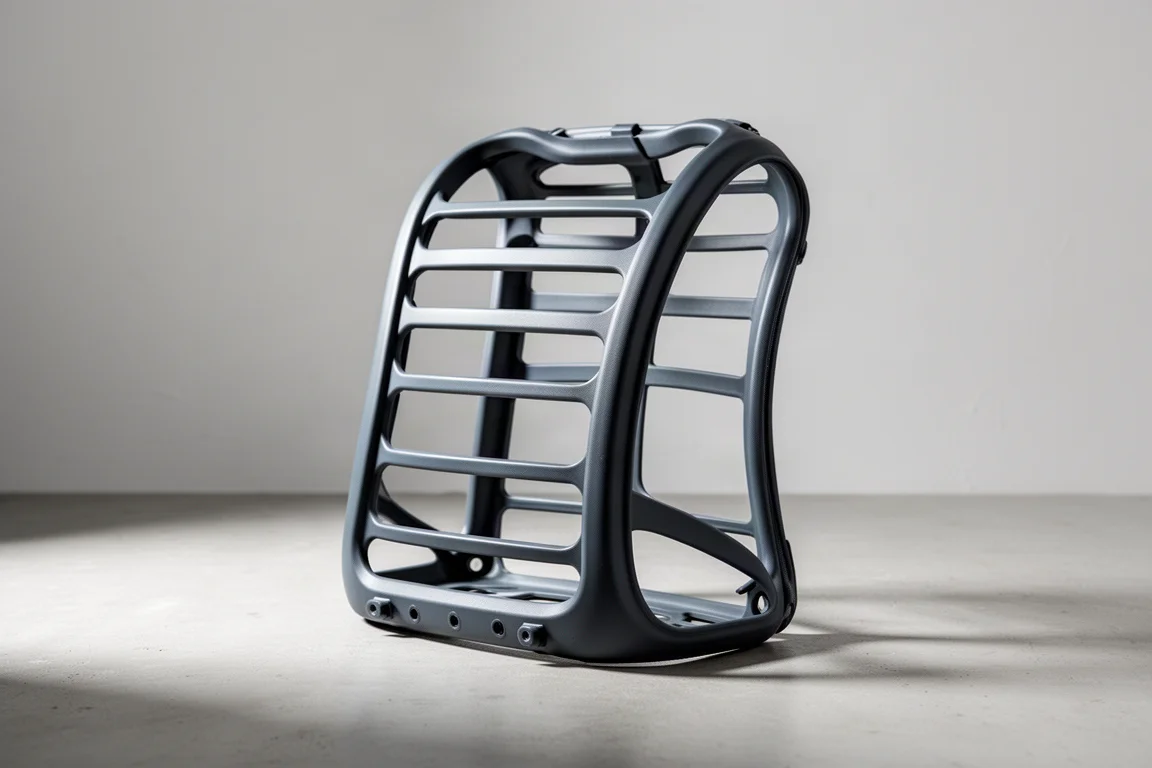
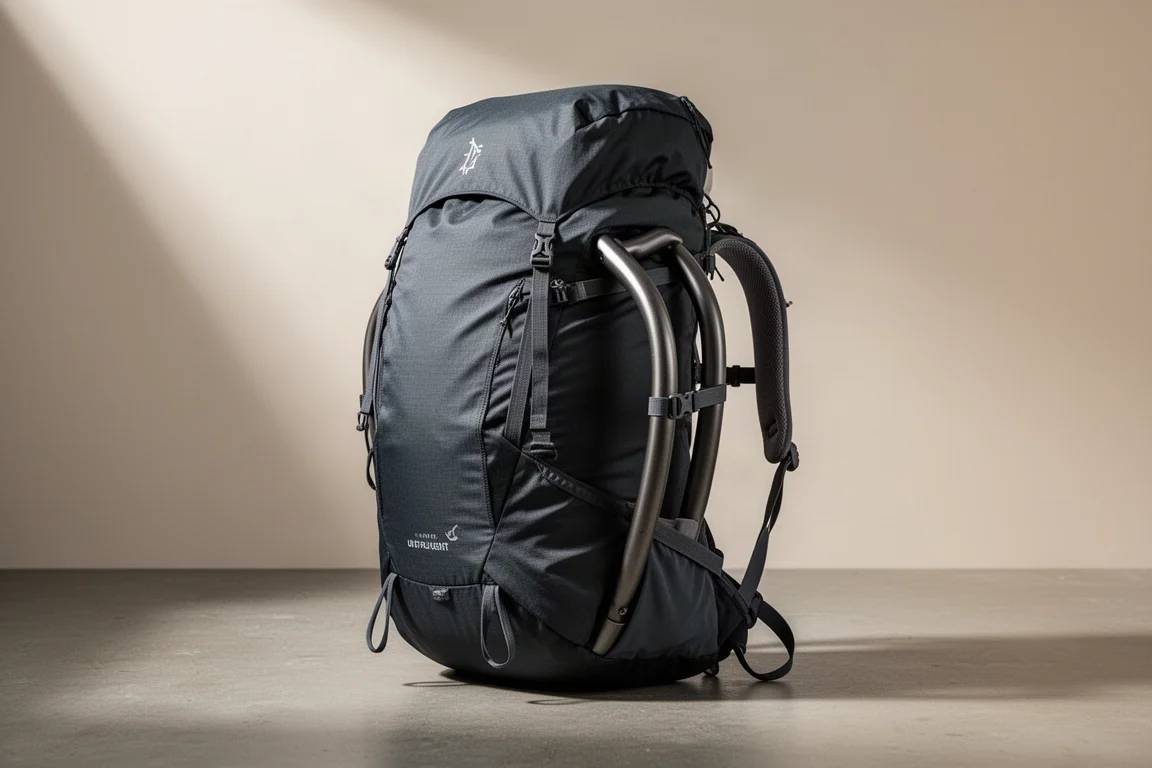
The Vaucluse system is a plastic frame that sits in the gap between your back and the pack’s back panel. It is not a permanent modification; it is a separate piece you install before a trip.
Setup turned out to be the deciding factor. On the first day, held in place only by the pressure of the pack against the back, the frame kept riding up and sliding sideways, and it needed constant fiddling. The bottom of the frame has to be anchored to the hip belt with hook-and-loop straps, and that single step changes the experience.
Once the frame was strapped down, it stopped moving. Through a demanding off-trail section that involved pushing through thick brush, climbing over boulders, and scrambling along cliffs, the frame stayed put, and for most of a day it was easy to forget it was there.
There was a second, less expected benefit. With a rigid bear canister in the pack, the frame helped flatten and spread the pressure points that would otherwise press into the lower back. That benefit is specific to what you carry: with soft gear such as a tent or a sleeping pad, the same effect is unlikely.
The main compromise is padding. The frame is hard plastic, and a thin layer of padding would make it more comfortable, though it could also reduce the airflow that is the whole point.
Durston Kakwa 55: The Pack That Carried the Load
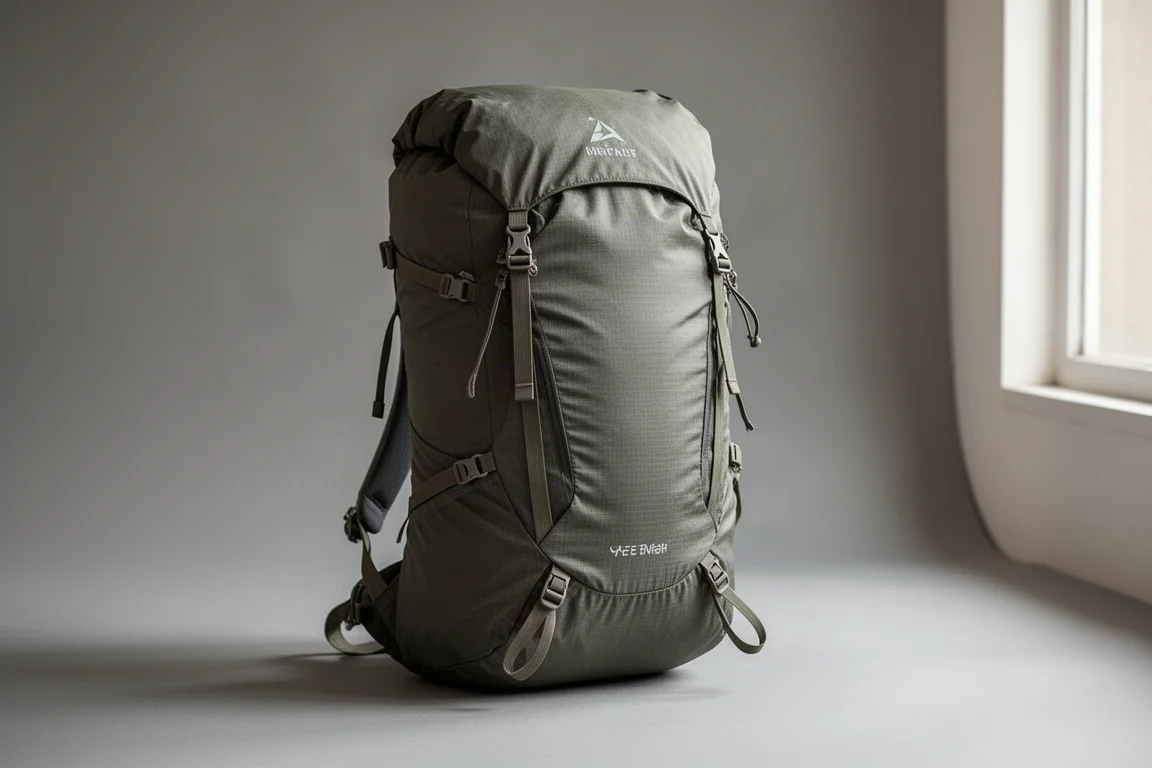
The Durston Kakwa 55 is the pack the frame was paired with. At $260 it is a solid ultralight pack, fairly typical of the category: light, simple, and built around soft, compressible loads.
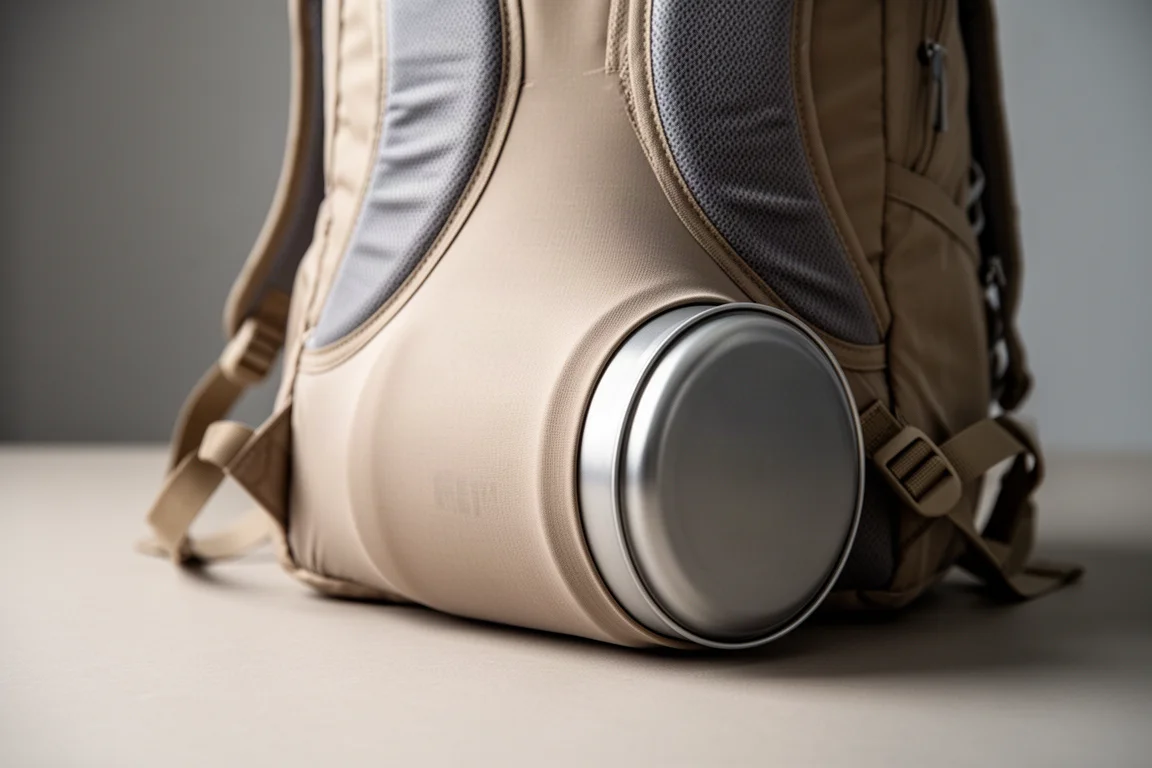
It uses a rigid crossbar to prevent barreling, but only at the top. Lower down, near the lower back, there is nothing rigid in the back panel, which is why a round bear canister could be felt pressing through the fabric. Adding the ventilation frame removed that pressure, which is a useful illustration of what the frame actually does.
On its own, the Kakwa 55 has no built-in ventilation. That makes it a natural candidate for an add-on frame rather than a pack you would choose specifically for airflow.
If your kit is mostly soft and you rarely carry a rigid canister, the frame is less likely to change how the pack feels against your back.
Zpacks Arc Haul 60: Built-In Ventilation at a Premium
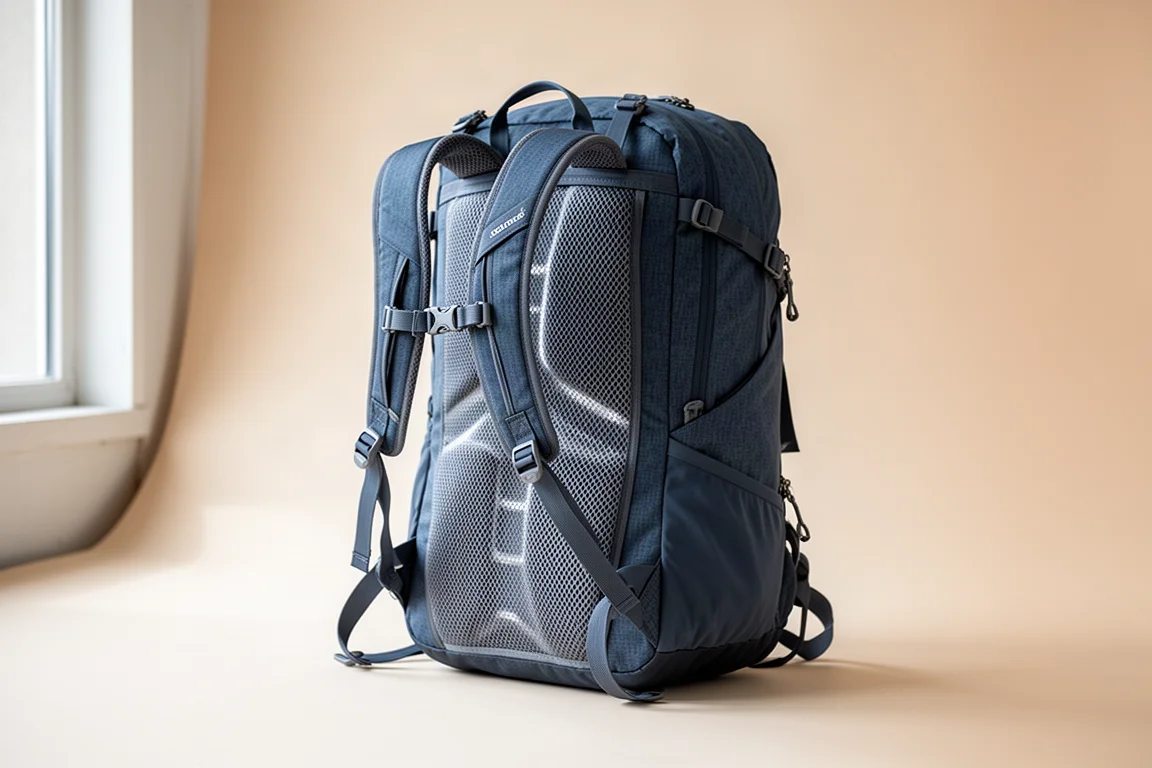
The Zpacks Arc Haul 60 takes the opposite approach. Ventilation is part of the pack’s design rather than something you add later.
That integration is the appeal: there is no separate frame to install, adjust, or accidentally leave at home. The trade-off is price. At $400, the Arc Haul 60 costs more than the Kakwa 55 plus a $50 ventilation frame, and it is the most expensive option covered here.
Osprey Exos Pro 55: Built-In Ventilation for Less
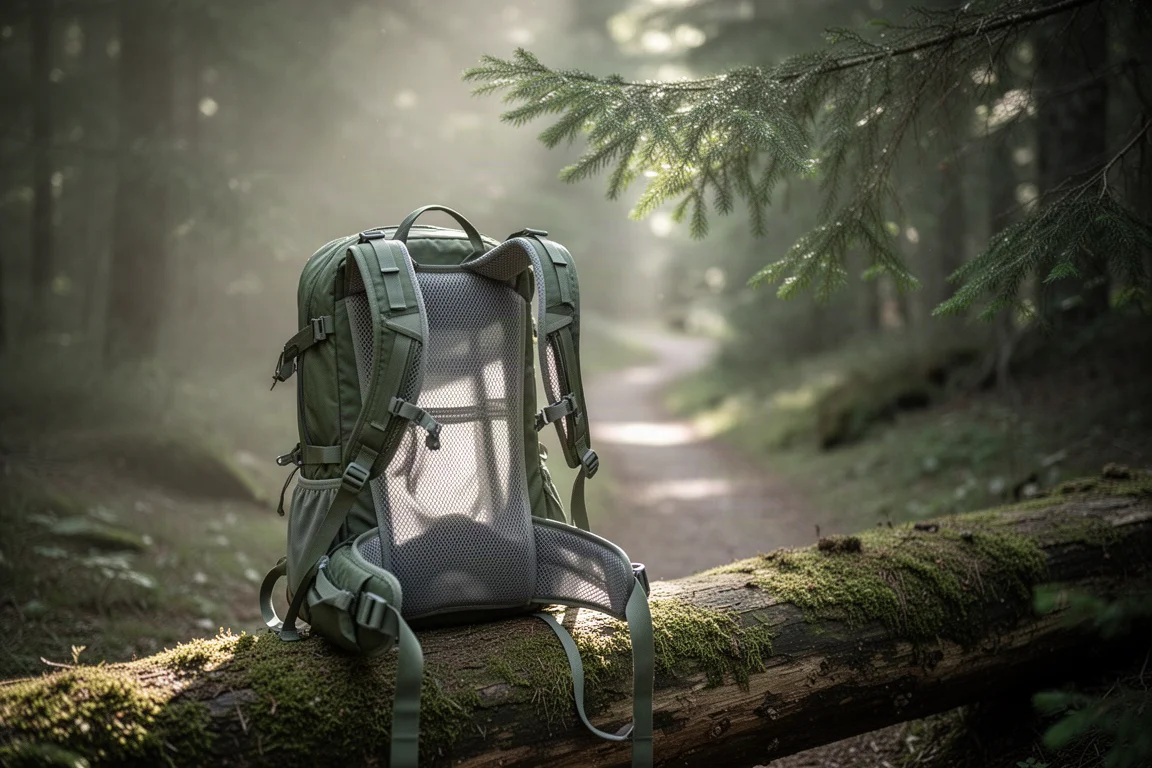
The Osprey Exos Pro 55 is the value argument for built-in ventilation. At $290 it includes a ventilation frame that works well, and it costs considerably less than the Arc Haul 60.
For anyone starting fresh and treating airflow as a priority, this is the comparison that matters most. A pack with ventilation designed in can cost less than a mid-priced ultralight pack plus a separate frame, which makes the add-on route harder to justify for a new purchase.
The calculus changes completely if you already own a pack you like. Then the $50 frame is the only cost, and there is no reason to replace a pack that otherwise works.
How the Prices Compare
The numbers make the decision clearer. The Durston Kakwa 55 is $260, and the Vaucluse frame adds about $50, for roughly $310 combined. The Osprey Exos Pro 55 is $290 with ventilation already built in. The Zpacks Arc Haul 60 is $400.
Read together, those figures say something simple: if you are buying a new pack and back ventilation matters to you, a pack with it built in is the more efficient path, and the Exos Pro 55 is the cheaper of the two built-in options. The add-on frame makes sense mainly when the pack is already yours.
Buying Advice: Is the Vaucluse Frame Worth It?
The honest answer depends on how much back sweat actually bothers you.
If a soaked back is a genuine deal breaker on long climbs, the frame is worth a try. It kept the back reasonably dry, it handled rough terrain without shifting once it was properly secured, and it can even improve comfort when you are carrying something rigid.
If back sweat is unpleasant but manageable, the frame is harder to recommend as a regular part of your kit. It is one more thing to pack, one more thing to install correctly, and one more thing to lose.
Whatever you decide, follow the installation instructions and use the hip belt straps. Most of the frustration with this kind of frame traces back to skipping that step.
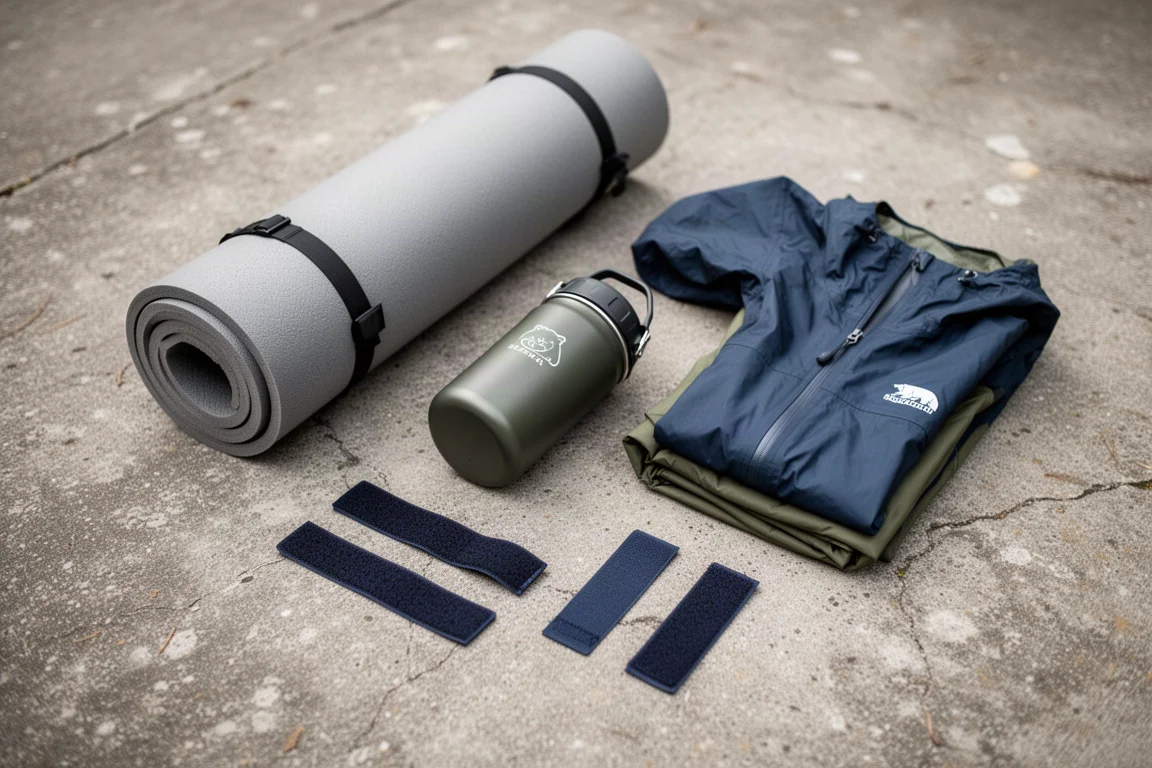
A reasonable way to think about it: the frame is a $50 experiment for a pack you already own, not a substitute for choosing a pack with ventilation designed in.
Conclusion
Back ventilation is a solvable problem, and there is more than one way to solve it. The Vaucluse Backpack Ventilation System works when it is installed properly, and it earns its place for hikers who genuinely struggle with back sweat. The Durston Kakwa 55 shows why an add-on can help a pack without ventilation, while the Zpacks Arc Haul 60 and Osprey Exos Pro 55 show what built-in airflow costs. Match the solution to the pack you already carry, and the choice gets much simpler.
Further reading
Related Reviews

Backpacking Gear
Building a 10 lb Base Weight: An Ultralight Backpacking Gear List
A practical walkthrough of the ultralight pieces behind a 10 lb base weight, from a 765 g pack and a roomy one-person tent to a full camp chair and a dependable water filter.
Backpacking Gear
A 15-Pound Lightweight Backpacking Gear List for Solo Trips
A beginner-friendly 15-pound backpacking setup built from easy-to-find gear, with notes on what each piece does, how it packs, and where to spend your attention.
Backpacking Gear
8 Ultralight Backpacking Gear Upgrades Worth Carrying
Eight small, affordable backpacking upgrades that solve real trail annoyances, from a pillow that stays put to a fuel valve that rescues leftover canister gas.