Avionics
Avidyne IFD 550 vs IFD 440: Two GPS Navigators Worth Comparing for Your Panel Upgrade
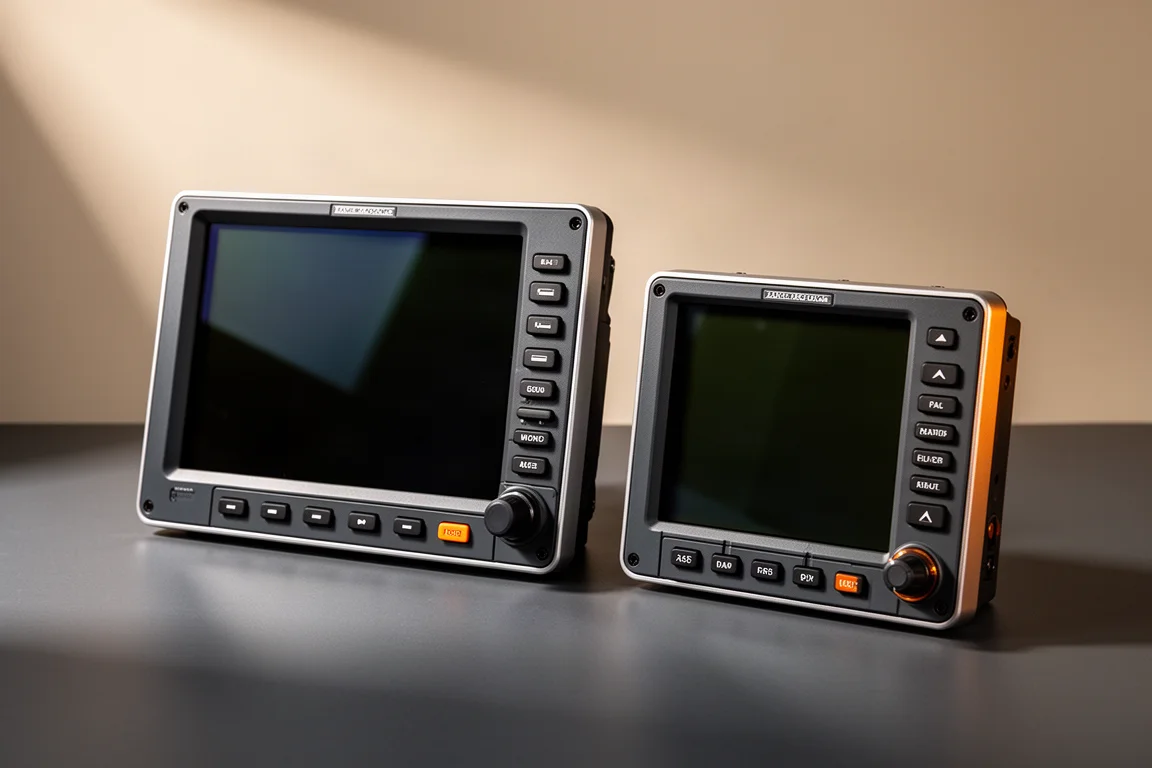
A close look at the Avidyne IFD 550 and IFD 440, two GPS navigators that pair cleanly in a dual-unit glass panel and cover everything from LPV approaches to wireless iPad connectivity.
Introduction
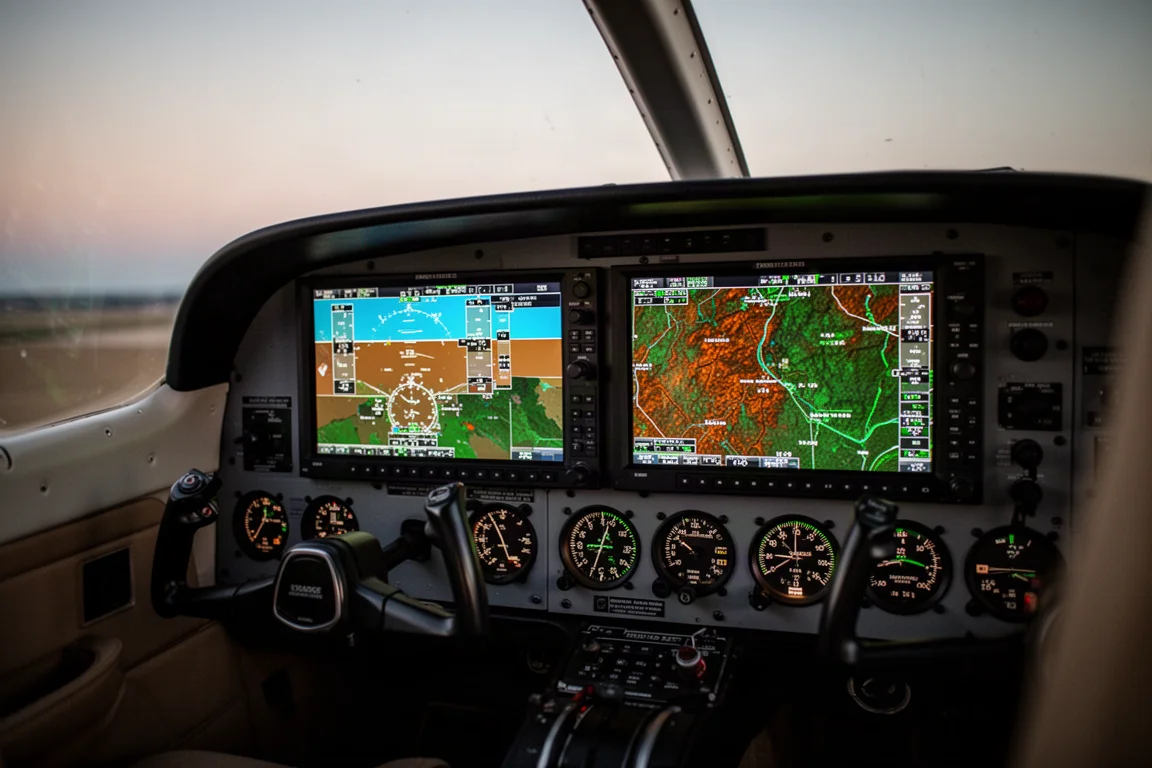
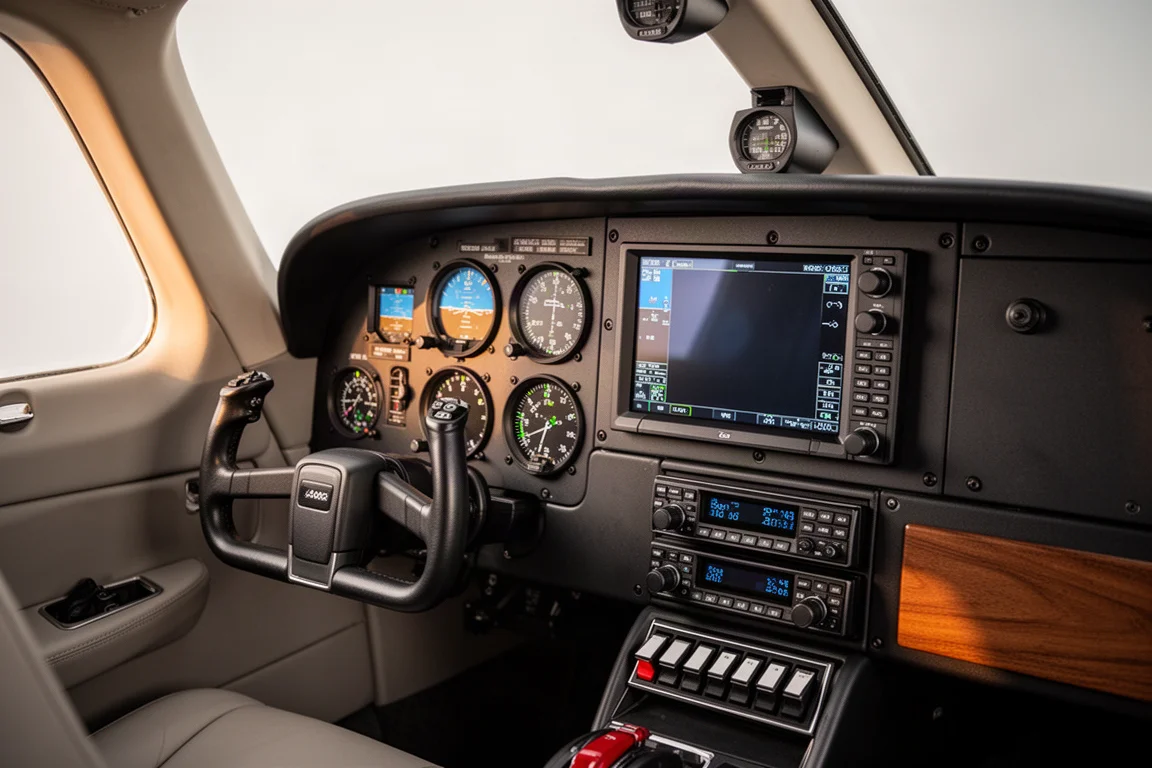
When a panel upgrade is done properly, the whole airplane feels reborn. That is exactly the impression this combination leaves: a 1988 Beechcraft Bonanza with new paint, a new interior, and a fully modernized glass panel centered on two Avidyne navigators working alongside a glass primary flight display and a modern engine monitor. After several flights of shakedown flying, the verdict was simple: the airplane performs as if it just rolled off the showroom floor, only decades newer than its paperwork suggests.
This article focuses on the two star players of that panel, the Avidyne IFD 550 and the IFD 440, and what each one brings to a real-world flying setup.
Why These Two Navigators Make Sense Together
The core philosophy of this panel is redundancy and convenience. With two independent Avidyne units, each with its own GPS antenna, you can confirm full GPS integrity on both screens before ever leaving the ramp. Checking the system pages shows software versions, database currency, and signal status on each unit independently, which is exactly the kind of preflight diligence modern GPS navigation deserves.
Traffic awareness is likewise layered. ADS-B In traffic appears on the primary flight display in both synthetic vision and 2D forms, and it also displays on both the IFD 550 and the IFD 440. That adds up to four independent traffic displays in the cockpit, a level of situational overlap that is genuinely reassuring on busy frequencies around an international airport.
IFD 550: The Flagship of the Pair
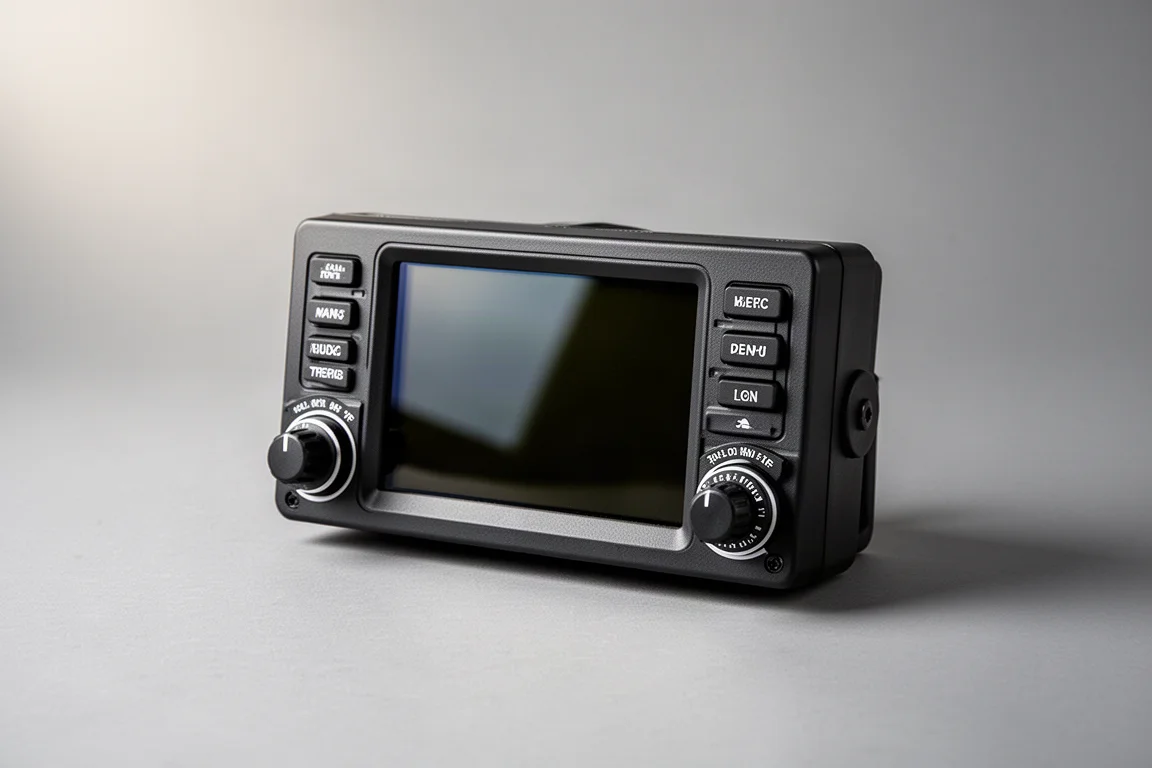
The IFD 550 is the larger unit of the pair, and it earns its flagship role with features that go beyond straightforward GPS navigation. It offers a 3D synthetic vision mode that paints terrain in yellow and red as you descend toward it, alongside lateral and vertical guidance on approach. It also serves as the primary feed for the autopilot in GPSS mode, flying loaded legs and procedure turns from the FMS with minimal pilot input.
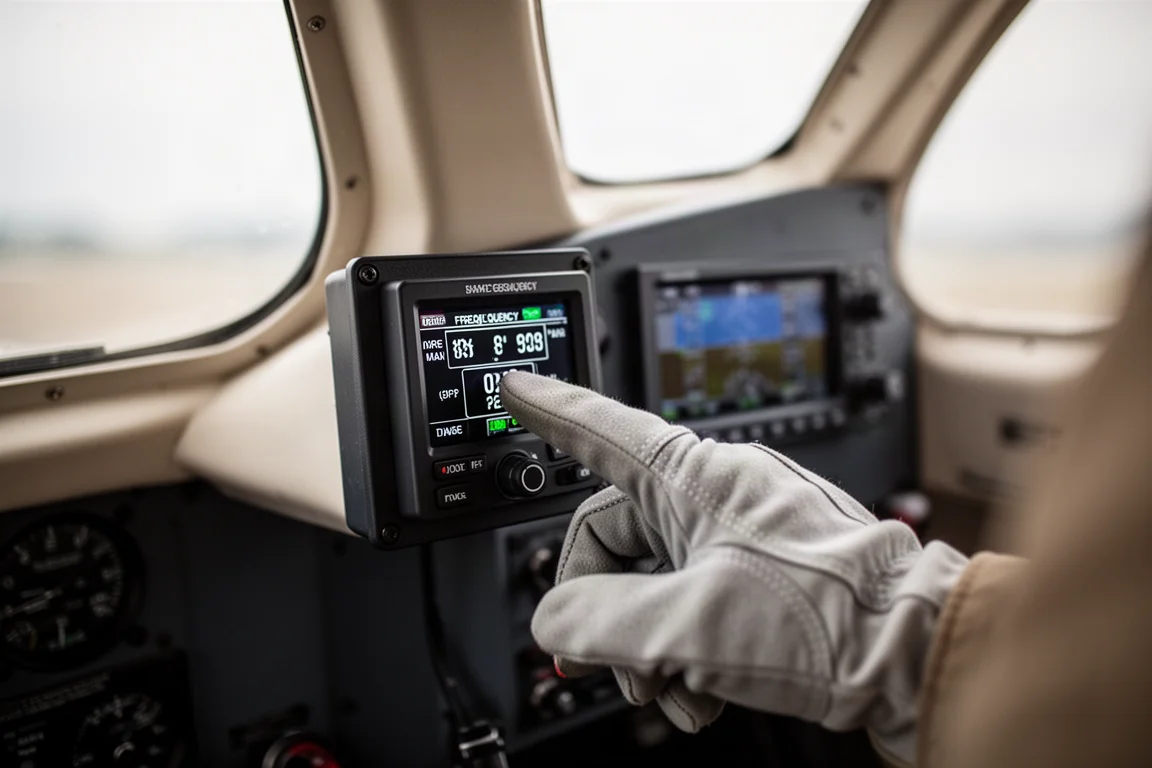
One of the most praised details is the dedicated frequency button. It recognizes your location, pulls up the relevant list of frequencies for the airport you are at, and lets you load the ATIS or clearance into standby with a single tap. Paired with the Avidyne audio panel, a monitor function lets you listen to active and standby frequencies on both radios at once, so four channels can be monitored simultaneously if needed.
The unit also handles approach loading intelligently. Selecting a destination, typing a waypoint identifier with only partial letters, and pressing enter is enough: the system guesses the intended fix accurately most of the time, then preloads the full approach procedure including missed approach segments in one step.
IFD 440: The Capable Second Unit
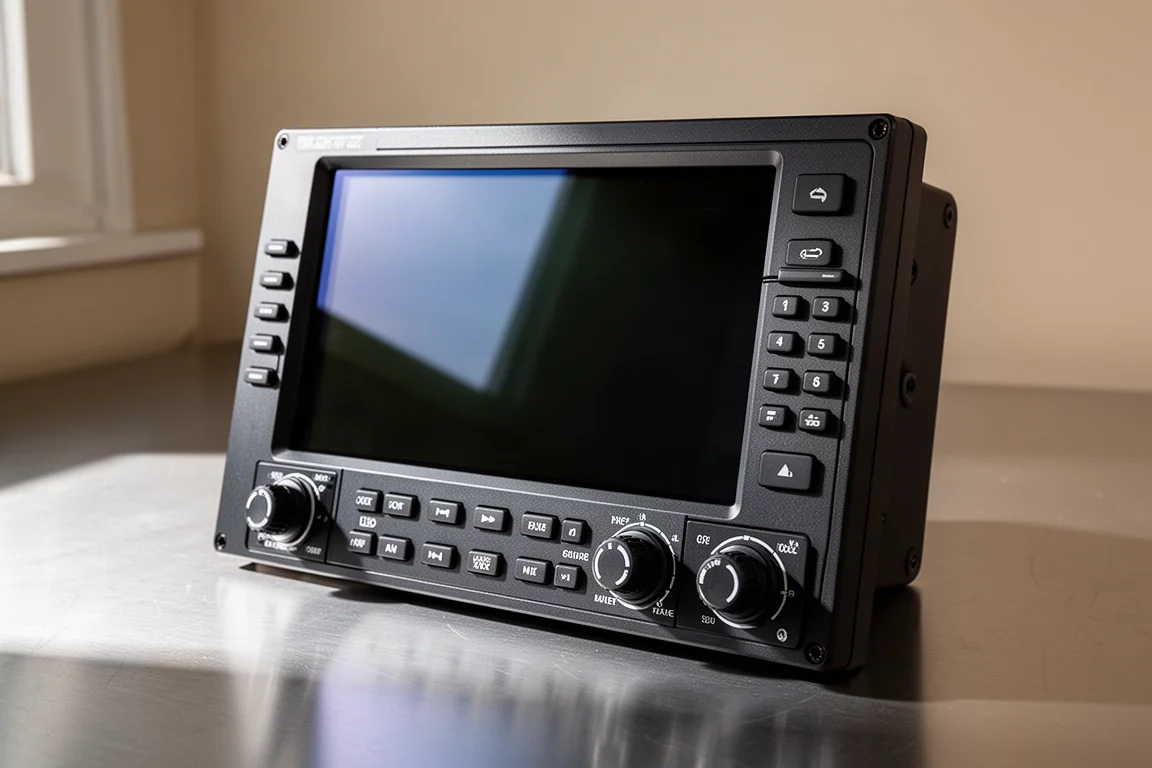
The IFD 440 takes the smaller slot in this dual-installation, but it is far from a token display. It carries its own GPS antenna and satellite reception, independently displays ADS-B traffic, and provides full frequency management. Tuning a nearby airport’s AWOS, checking airport information under the com tab, or dialing frequencies manually via the keyboard are all handled through the same interface family as the 550, so there is no relearning between the two screens.
In this configuration the 440 also benefits from data fed across the panel. Altitude information coming from the air-data system lets both units stay primed for procedures, and the 440 participates fully in the four-times-redundancy approach to traffic and navigation data that defines this installation.
For pilots who want a genuine second navigator with its own integrity source rather than a mere repeater screen, the 440 fills that role neatly.
Flying an LPV Approach End to End
The real test of any navigator pair is a full instrument approach, and this setup handles it gracefully. After loading the RNAV approach via the initial approach fix, the system sequences legs automatically, with the autopilot turning onto each new course as legs are activated. Distance and ETA to the fix appear continuously, and vertical guidance arrives as LPV guidance centers the aircraft on the final approach course to the runway.
What impresses most is the missed approach handling. Because error-corrected altitude feeds the system, the IFDs are primed for a missed approach and automatically sequence past the missed approach point without pilot action, which removes one of the busiest moments of workload in a go-around.

Winds aloft are another quiet favorite: the system shows current crosswind and tailwind components, letting pilots pick altitudes on cross-countries to maximize speed. True airspeed readouts round out the picture, with reports of around 165 knots true from the host aircraft on these flights.
Practical Considerations Before You Buy
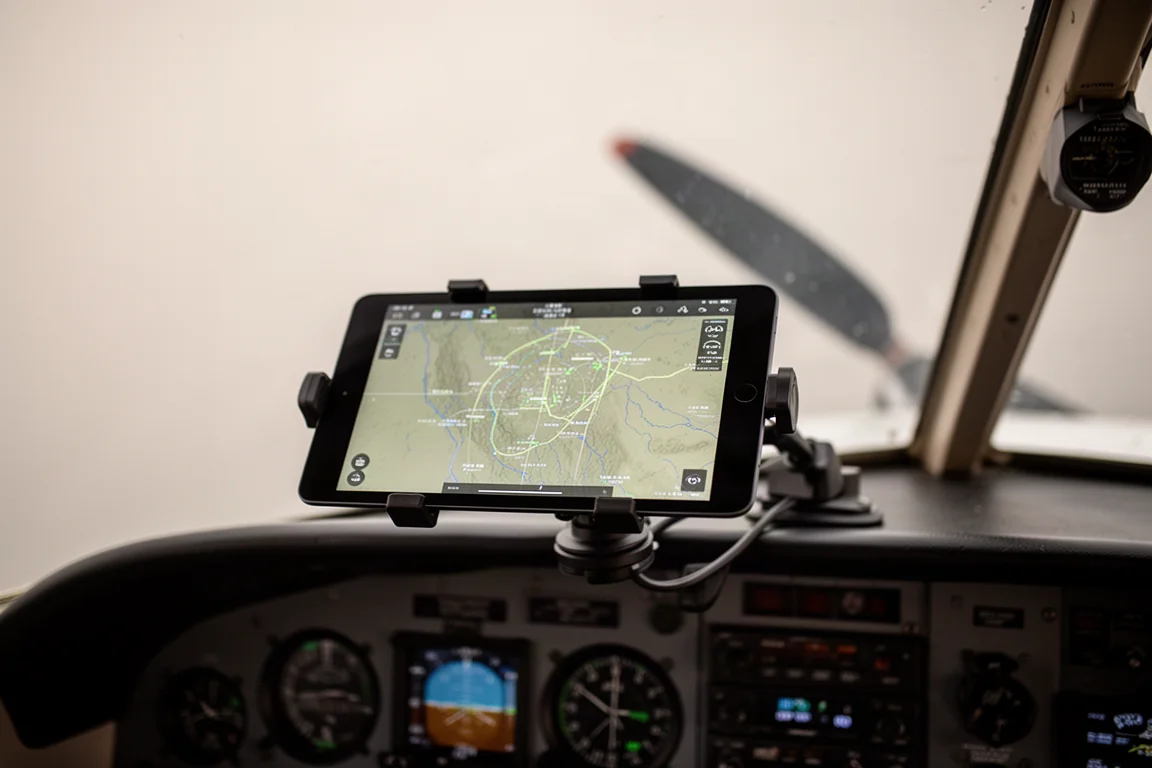
A few practical notes emerged from flying with this setup. The panel boots thoughtfully: the air-data display can run off its own backup battery, so holding one button brings the screen up before the battery master is even switched on, meaning the panel is loaded and ready the moment you power the aircraft. The Avidyne IFD app connects over wireless to the IFD 550, mirroring the flight plan, frequencies, and waypoint information on an iPad, and even offering synthetic engine or 3D synthetic vision views, including a split-screen layout for passengers in the back.
Engine monitoring integration is another highlight. Temperatures are far easier to read than on older engine monitors, values go bold and yellow as they leave the green arc, and exceeding the red line triggers a flashing caution message plus an audio warning naming the offending parameter, something legacy monitors simply did not do.
On the cost side, expect the total project to reflect the scope of a full modernization: new glass, air-data sources, audio panel, and installation labor. Owners who commit to this kind of panel generally find the combination of capability, redundancy, and daily usability justifies the investment, and installation shops experienced with both Avidyne units are worth seeking out.
Conclusion
The Avidyne IFD 550 and IFD 440 work best as a team. The 550 brings synthetic vision, FMS-driven autopilot coupling, automatic approach sequencing, and wireless app connectivity, while the 440 provides an independent second GPS source with its own traffic display and full frequency management. Together they deliver layered redundancy, remarkably low workload on approaches, and a cockpit that feels genuinely modern. For owners of aging airframes weighing a glass panel refresh, this pairing deserves a spot at the top of the shortlist.
Further reading
Related Reviews
Avionics
Dynon SkyView 10-inch Display: A Practical Avionics Choice for Experimental Builders
Why this dual-screen glass panel setup appeals to homebuilders, from plug-and-play wiring kits to battery backup and clever panel ergonomics.
Avionics
Garmin Axiom Review: A Generational Leap in Glass Cockpit Avionics
Garmin's Axiom flight display brings synthetic vision, configurable HSI views, widgets, and integrated EIS into a single panel upgrade for certified piston aircraft.
Avionics
Garmin Bonanza Panel Upgrades: The Avionics Worth Knowing About
Two Beechcraft Bonanzas, two very different Garmin panels. A closer look at the avionics that make a vintage panel feel modern without losing its character.