Hi-Fi Audio
AURALiC Vega S1 Review: Purist Streaming DAC Performance in a Leaner Chassis
A stripped-back take on AURALiC's flagship streaming DAC, carrying G2.2 technology, a deliberately minimal input set, and an optional linear power supply that lifts performance further.
Introduction
AURALiC has built its reputation on separates that do one job properly, and the Vega S1 is the clearest expression of that philosophy yet. It is a streaming DAC that joins a new S1 series alongside the Aries S1 streaming transport, and it borrows core technology from the company’s G2.2 range while landing at a far lower price. The Vega S1 retails for $1,999, with a UK target under £2,000.
That is a deliberate piece of positioning. The high-end streaming market is crowded with feature-rich all-in-one players, and AURALiC has taken the opposite route: strip the Vega G2.2 down to its essentials, place what remains in a simpler chassis, and let the sound quality carry the argument.
Who This Product Is For
The Vega S1 is for listeners who treat a DAC as the heart of a two-channel system and who would rather have fewer inputs than more of them. If your priority is the quality of the conversion and the analog output stage, and you already control playback from an iOS device, the S1’s priorities line up with yours.
It is not aimed at people who want one box that handles television audio, wireless streaming from any device, and a touchscreen interface. AURALiC has made that trade knowingly, and understanding it early will save a lot of second-guessing later.
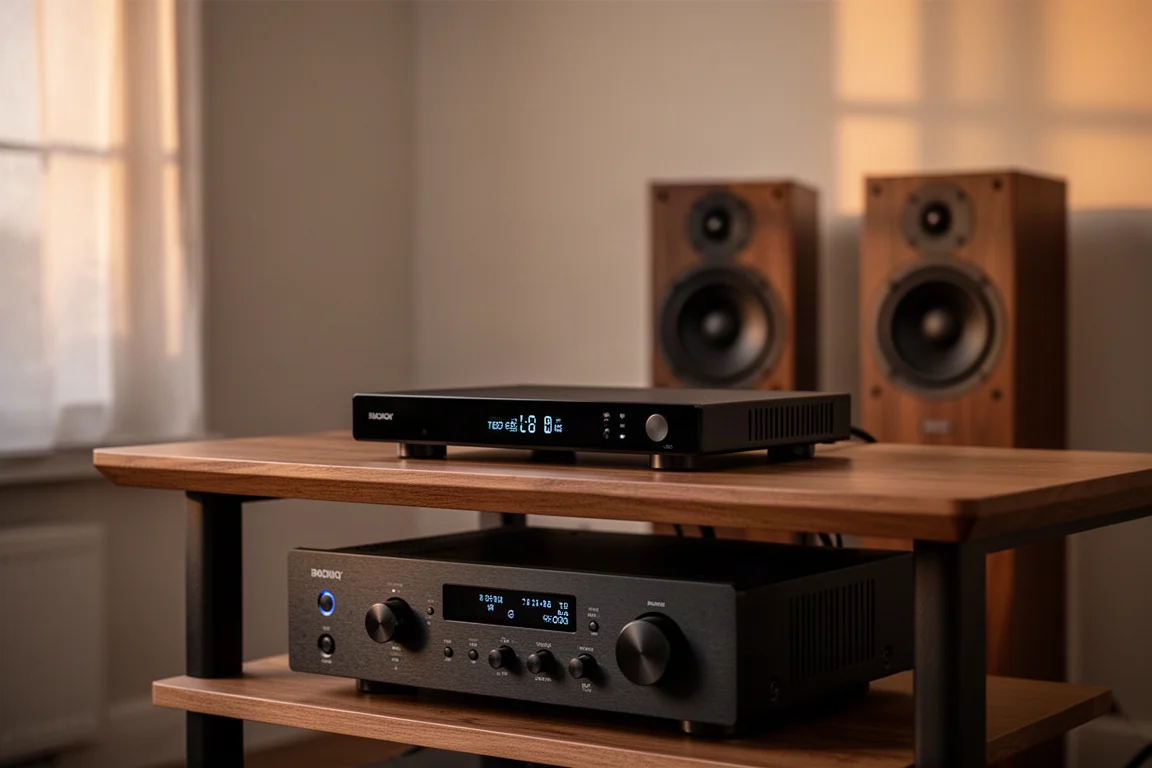
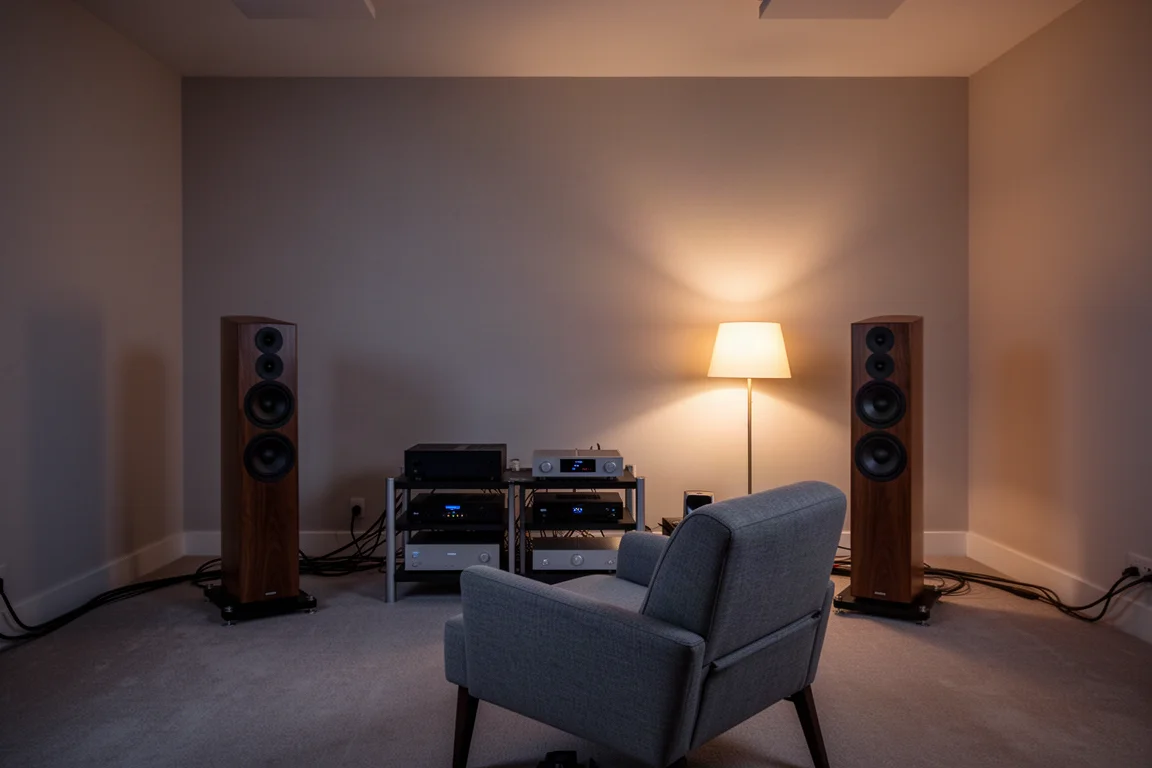
For a system built around a dedicated streamer, an integrated amplifier, and a pair of speakers, the S1 slots in as the digital front end without adding clutter or drawing attention to itself.
Main Strengths: The Purist Approach to Streaming
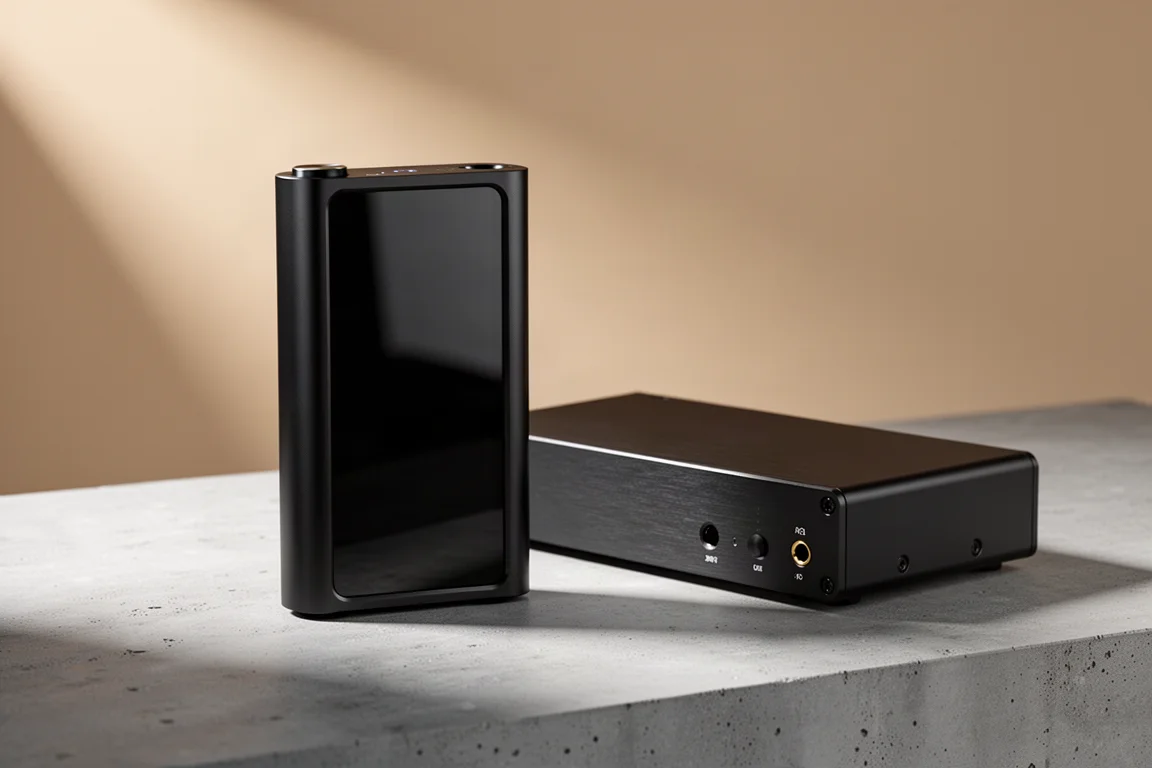
The chassis uses thinner aluminium plate work than the G1.1 series, a cost-saving measure that shows in the panels but not in the finish. Crisp edges and a matte black surface give the Vega S1 a monolithic look, and the glass panel that runs the full width of the front, with the brand name engraved into the top plate, keeps things understated.
Inside, the Vega S1 shares three essentials with the Vega G2.2: the Tesla G3 streaming platform, the Fusion DAC, and the analog stage.
Tesla G3 is eight times faster than the previous G2 platform, built around an Arm Cortex A9 quad-core processor with 64-bit architecture. Clock precision improves from 72fs to 60fs, which helps reduce jitter.
Two technologies do most of the heavy lifting. Direct Data Recording buffers an entire track and plays it back from that file, so the DAC has no dependency on incoming timing information and no need to reclock. Direct Memory Access avoids relying on the standard USB or I2S output from the CPU, using a proprietary data port between the processor and the other modules instead. Together, these technologies are reported to reduce internal latency and jitter by 90 percent compared with G2, and galvanic isolation between the processor and the other modules keeps electrical noise down.
The Fusion DAC takes a different route from most Sabre-based designs. It disables the ESS chip’s phase lock loop, digital filtering, and oversampling, then feeds the chip’s resistor-switching output stage directly into AURALiC’s own filtering and oversampling inside Tesla G3. The analog section carries over from the G2.2 as well, with ORION Class A output modules that provide a balanced output and can drive low impedance loads.
Sound Quality and the Purer-Power Upgrade
As a straight streaming DAC, the Vega S1 resolves more than the reference decks that usually define this price bracket. Notes arrive with crisp attack, the midrange carries plenty of texture, and voices and lead instruments have real presence in the mix.
The optional Purer-Power external linear power supply is the more interesting story. It houses two dedicated transformers and provides total galvanic isolation between the Tesla G3 processing circuit and the audio circuits. It arrives in a chassis identical to the Vega S1, and the two sit side by side as a full rack-width pair.
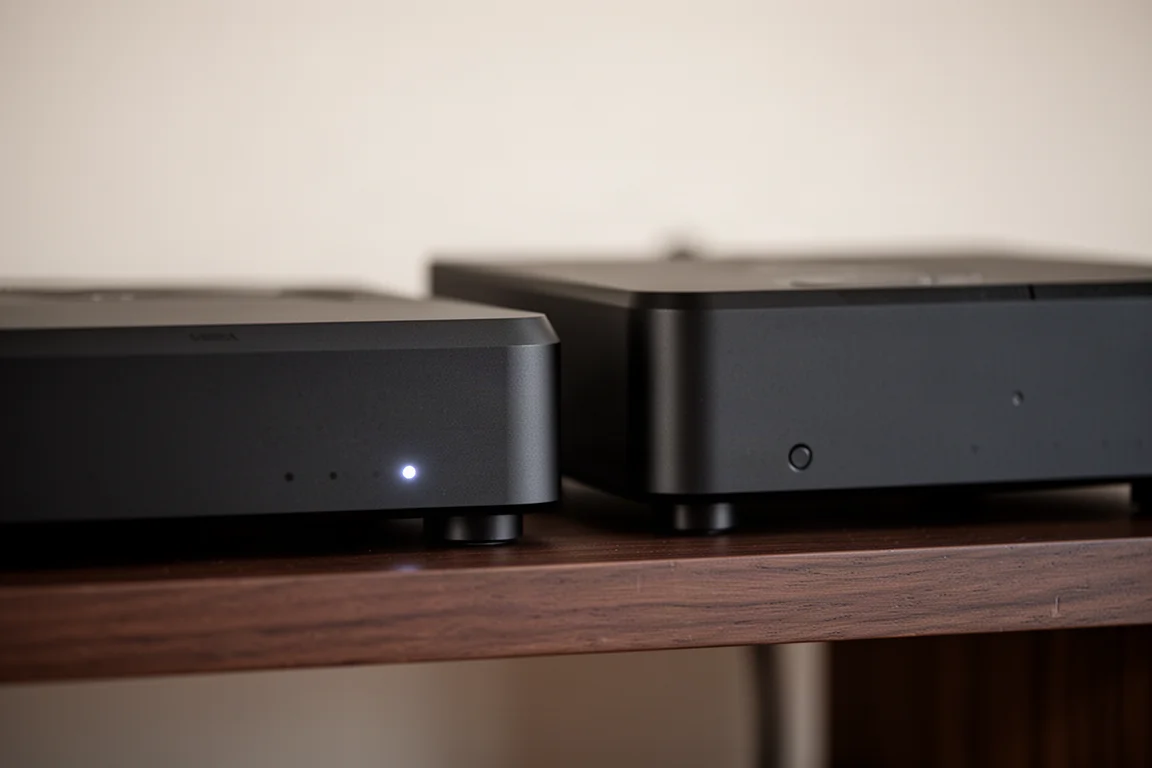
Connected to the Vega S1, the supply opens the presentation up considerably. Individual performers become easier to pick out, micro detail retrieval improves, and bass definition and refinement through the midrange and highs both take a step forward. Note attack stays crisp without turning sharp. The combination runs remarkably close to a far more expensive digital front end, and in one respect its note attack is a touch more decisive than that reference pairing.
The analog volume control deserves a mention too. A resistor ladder design offers better dynamic range at low listening levels than a potentiometer, and the coil latch relays hold their status without a control signal, which reduces the electromagnetic interference that conventional relays generate. Attenuation comes without an obvious loss of fidelity. The one quirk is audible: the relays click as they switch resistors in the ladder.
Streaming Features, App, and Daily Use
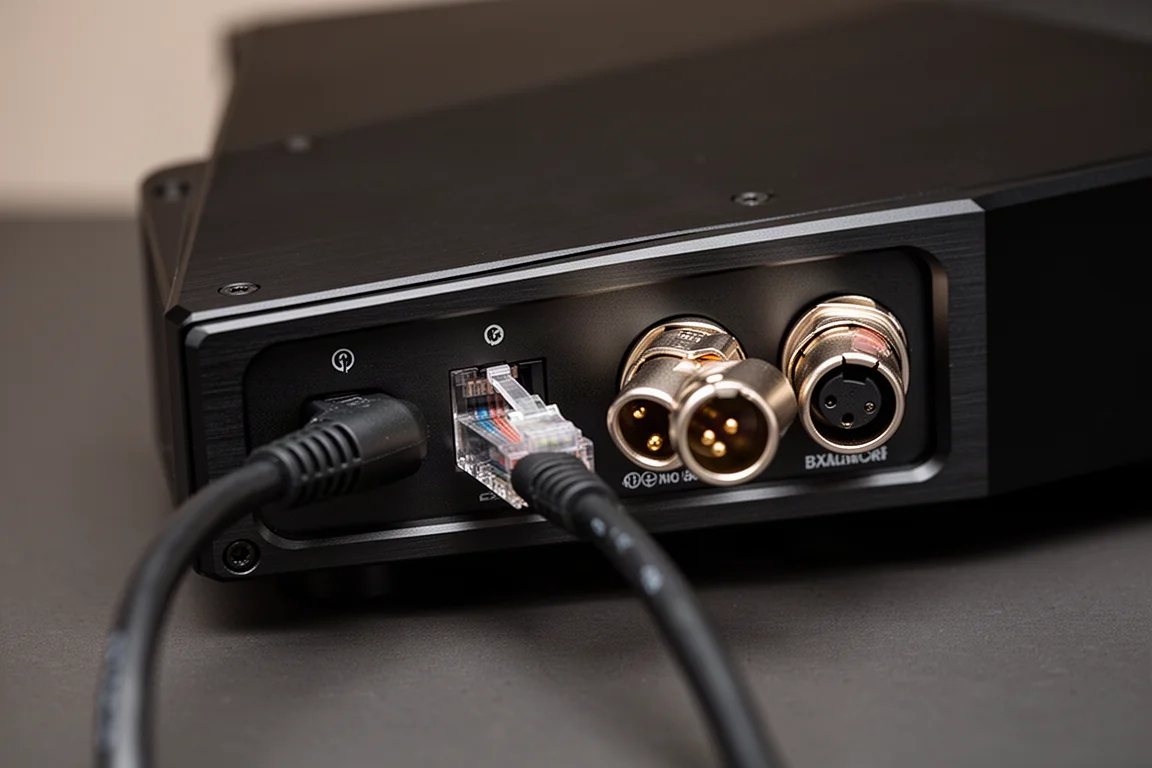
Connectivity covers balanced XLR and single-ended RCA analog outputs, two optical Toslink inputs, a coaxial input, a USB digital input, and a USB port for external hard drives. There is an RJ45 ethernet port for the network connection.
Control is handled by the Lightning DS app, which is iOS only. It is functional, stable, and comprehensive, and the S1 was certified by Roon to work as an endpoint from launch. It is not as graphically polished as some rival platforms, and the absence of a touchscreen means more menu navigation than some users will want.
Firmware version 10.0, released across the current AURALiC range, adds Dirac Live room correction. A calibrated microphone such as a UMIK-1 connected to a PC communicates with the device to carry out the measurement. Room correction is best used to resolve genuine room problems rather than as a substitute for speaker positioning, listening position, and acoustic treatment, because parametric equalisation introduces digital filters into the signal path and can trade frequency-domain accuracy for timing errors that are most audible in the mid and high frequencies.
The Vega S1 can also run in pure DAC mode, shutting down the hardware and software tied to network functions when they are not in use, which helps keep the noise floor as low as possible.
Things to Consider Before Buying
Wi-Fi has been left out. The only network connection is ethernet, which is a meaningful restriction for anyone whose router is not near the listening room. There is also no option for an internally stored solid state drive, unlike the Altair G1.1.
The buttons for power, play and pause, menu access, and track skipping sit on the top panel. That placement is awkward in a rack with limited headroom above the unit.
The biggest practical limitation is latency. Because an entire track is buffered before playback, the digital inputs carry a delay that causes lip sync problems with video sources. Connecting a television to the optical input and a Blu-ray player to the coaxial input is not a workable arrangement, which rules the Vega S1 out of a two-channel AV setup. HDMI ARC would sidestep the buffering path, but it is not included here, and a properly executed implementation would add both cost and noise that sit awkwardly with a purist design.
Android users should also note that control is iOS only, and there is no indication that this will change in the near future.
Choosing Between Purist Sound and Extra Features
The comparison that matters most is with feature-led streamers at a similar price. Those players tend to offer Wi-Fi, HDMI ARC, touchscreens, and slicker interfaces, and they are genuinely good at what they do. What they tend not to match is the level of musical insight the Vega S1 delivers, particularly with acoustic instruments, where the difference between hearing a recording and hearing the performance becomes clearer. Some of those rivals measure a shade cleaner but also leaner, and they give up ground on the sense of a real instrument in a real space.
The decision comes down to what you value. If your system needs to handle television audio and you want to control playback from any device in the house, a feature-rich alternative will serve you better. If the Vega S1’s inputs cover your sources and you control playback from an iPhone or iPad, the trade works in your favour.
Against a strong reference deck at the same price, the Vega S1 sits a level above in resolution. Against a much more expensive streamer and DAC pairing, the gap only closes once the Purer-Power supply is added.
Buying Advice
Buy the Vega S1 if you are assembling a two-channel system around a wired network connection and you want the conversion and analog stage to be the priority. Plan for ethernet, plan for an iOS device, and plan to keep video sources out of the chain.
The Purer-Power supply is the upgrade worth budgeting for. It unlocks a noticeable amount of additional performance, and the pair still costs a fraction of the G2.2 series products whose core technology they share. Buying the Vega S1 on its own is entirely reasonable, but if the budget stretches, the supply is the more consequential addition.
If Wi-Fi, HDMI ARC, or a touchscreen are must-haves, this is the wrong product, and no amount of appreciation for its sound will fix that. Buy it for what it is rather than for what it omits.
Conclusion
The Vega S1 is a stripped-back version of AURALiC’s flagship streaming DAC, and the parts that were kept are the ones that matter. The Tesla G3 platform, the Fusion DAC, and the ORION analog stage carry over from a device costing several times as much, and the result is a digital front end that prioritises resolution and musical insight over connectivity.
Its limitations are real and specific: no Wi-Fi, no internal storage, no HDMI ARC, iOS-only control, and a latency profile that makes video playback impractical. None of them matter if your system does not need those things.
Taken as a DAC for around $2,000, it is the strongest performer in its class, and adding the Purer-Power supply brings it closer to far more expensive references than the price suggests.
Product link
View more details for Auralic Vega S1
This product is mentioned in the review. Check the specifications, options, and compatibility before buying.
View more details for Auralic Vega S1Further reading
Related Reviews
Hi-Fi Audio
Accuphase C-57 vs Allnic H-7000V: Two High-End Phono Stages Compared
A fully balanced solid-state phono stage with a pitch-black noise floor meets a tube design built for well-loved records. Here is how to choose between them.
Hi-Fi Audio
Active vs Passive Hi-Fi: Five Components for a Modern System
Five components that define modern active and passive hi-fi systems, with the strengths, trade-offs and setup details worth weighing before you buy.
Hi-Fi Audio
Advance Paris A10 Apex Review: A Hybrid Integrated Amplifier That Covers a Lot of Ground
A French hybrid integrated amplifier with a class A tube preamp stage, analogue power meters, and an internal DAC and phono stage good enough to make extra boxes unnecessary.