Integrated Amplifiers
Audiolab 9000A Review: A Neutral Flagship Integrated Amplifier
The Audiolab 9000A pairs a neutral, controlled Class A/B sound with a strong phono stage and DAC, but its feature set lags behind its near-three-thousand-dollar price.
Introduction
The Audiolab 9000A is the flagship integrated amplifier in the Audiolab range, and it is not an update to the 6000A Play. It is its own design, built around a Class A/B power stage rated at 100 watts per channel into 8 ohms and 160 watts into 4 ohms.
That power is matched with six analog inputs, a single balanced input, a full set of digital inputs, and an internal ESS 9038 Pro DAC. What it does not include is built-in streaming. Where the 6000A Play adds network playback, the 9000A expects you to bring your own source.
At nearly three thousand dollars, the 9000A sits well above the rest of the Audiolab lineup. The question is whether the sound and the build justify the step up.
Who This Amplifier Is For
The 9000A suits listeners who want an amplifier that stays neutral and lets their speakers define the character of the system. It does not add warmth or colour, and it does not change the tone of whatever is connected to it. Instead, it tends to unlock detail and separation that less capable amplifiers blur together.
It is also a strong fit for people running several sources at once: a turntable, a television, a disc player, and a separate streamer. The phono stage is built in, the digital inputs cover a wide range of resolutions, and there is a preamp output for adding subwoofers or a more powerful power amplifier later.
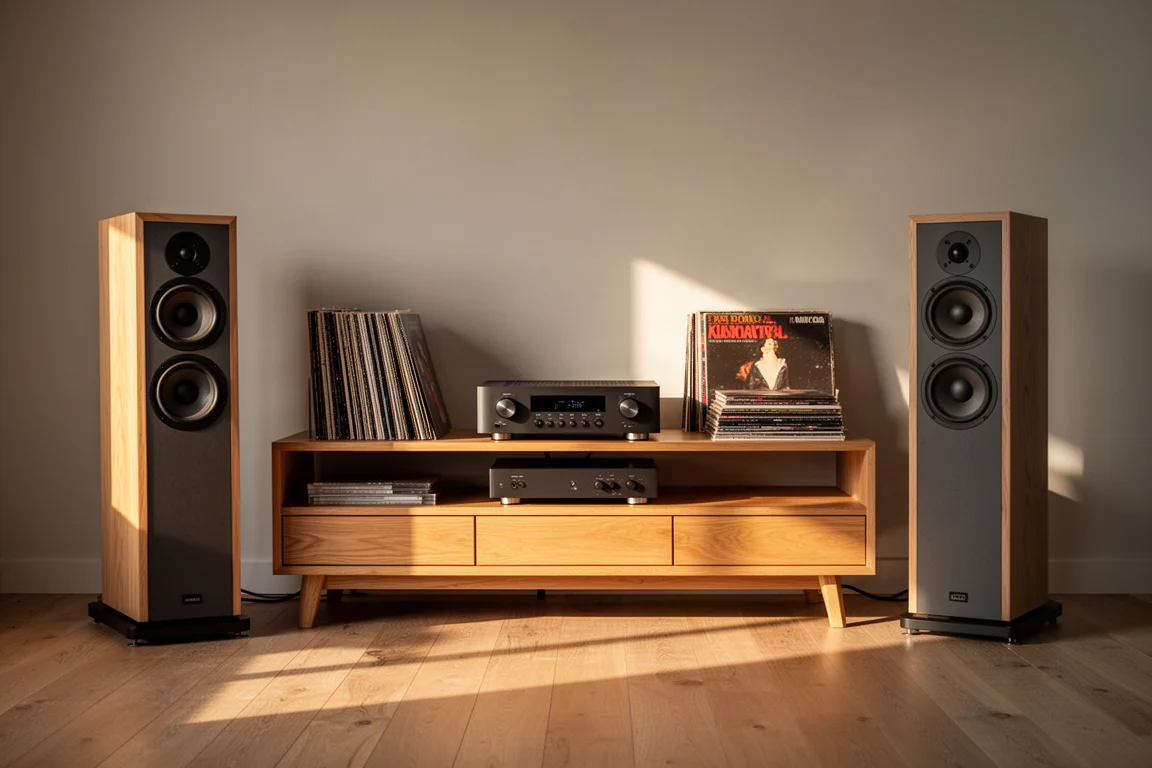
Owners of home theater systems can also use the 9000A as a power amplifier through a dedicated input, which lets the same pair of speakers serve both stereo and surround listening. That kind of flexibility is a large part of the appeal for anyone building one system around a single set of speakers.
Build, Design, and Controls
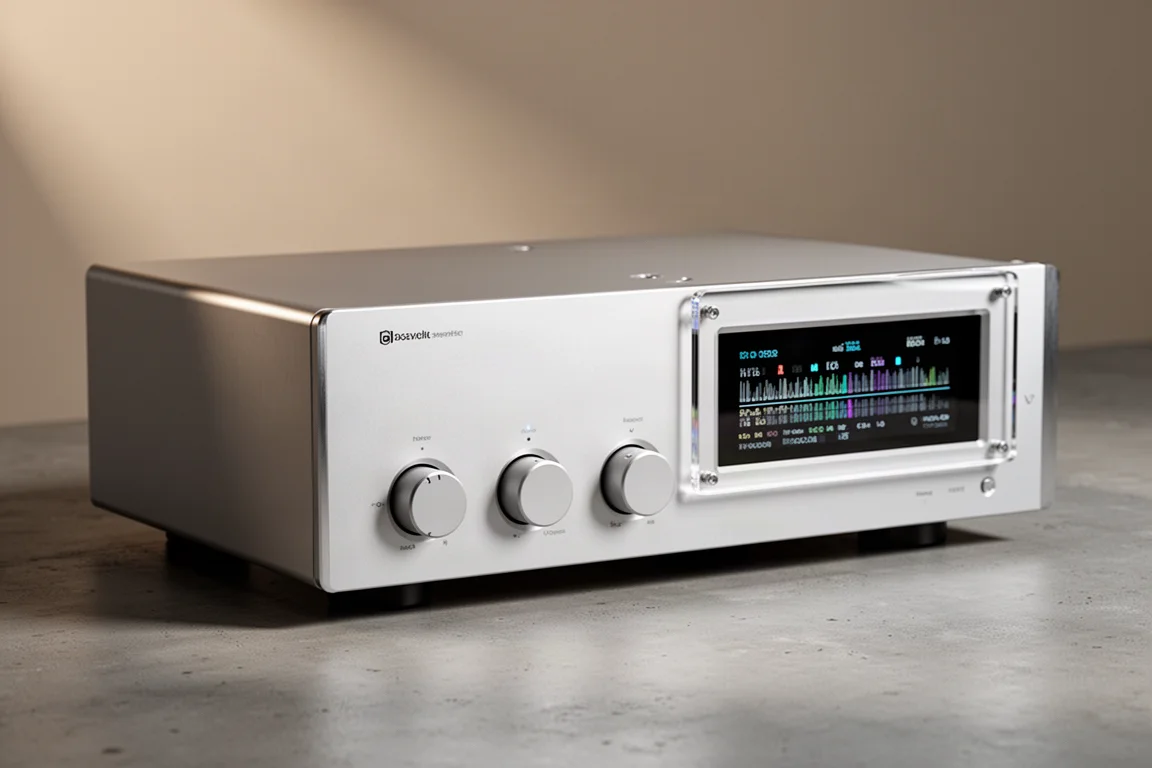
The 9000A is available in white or black, and the build quality is exceptional in either finish. The speaker binding posts and the three chunky control knobs all feel substantial in the hand, and the chassis gives the impression of a component assembled to last.
The front panel is dominated by a large colour display carried over from the Audiolab Omnia. It is legible from across a room, it sits off centre rather than in the middle, and it is covered by a thick piece of acrylic that adds a gloss finish to the screen surface. The display can also be switched off completely, which is a welcome detail for listeners who prefer a dark room and no glow coming from the equipment rack.
Sound Quality
The 9000A is defined by neutrality. Its response is linear, its power delivery is confident, its bass is well damped, its mid-range is mildly fuller, and its treble is open and airy. It does not flavour the signal, and it does not change the tone of the speakers connected to it.
Separation and control are where it makes its strongest case. Drum work comes across with more definition, greater separation, and more dimension than amplifiers at a similar asking price typically manage. In the mid-range, the amplifier does not alter the natural timbre of instruments or voices, but it does make individual parts easier to follow. Vocal layers become more apparent, with more space between performers, and small performance cues, such as a singer swaying behind a microphone, become easier to detect.
At the top end, the 9000A stays airy without becoming bright. Piano passages keep their sparkle, and there is no trace of the hardness or clipping that can creep in when an amplifier runs out of composure. Whether that composure comes from the amplifier stage or from the DAC matters less than the result.
Soundstage depth is excellent, and the amplifier preserves a sense of vertical scale when the speakers are capable of producing one. Dynamically, it is grounded rather than explosive. It builds instead of snapping, and it stays balanced as the volume rises, with no single part of the range taking over.
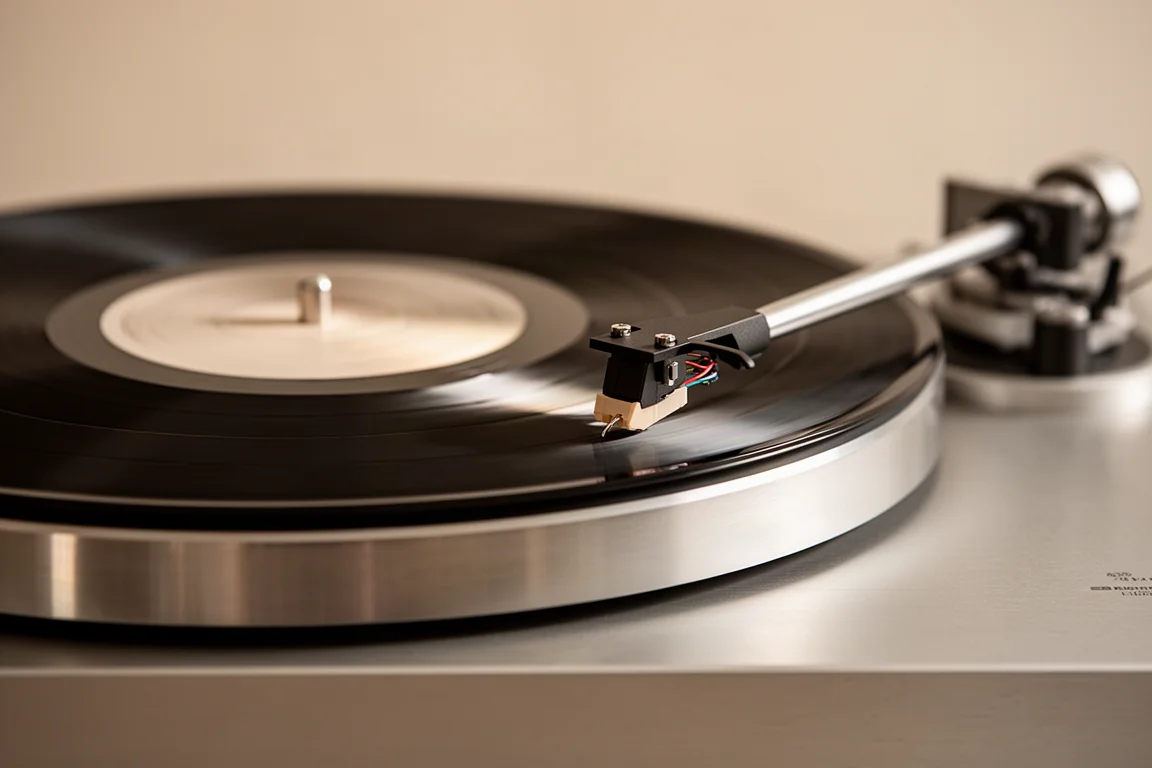
The built-in phono stage is genuinely capable rather than a token addition, and it handled a reference turntable and cartridge without drawing attention to itself.
Connectivity and Inputs
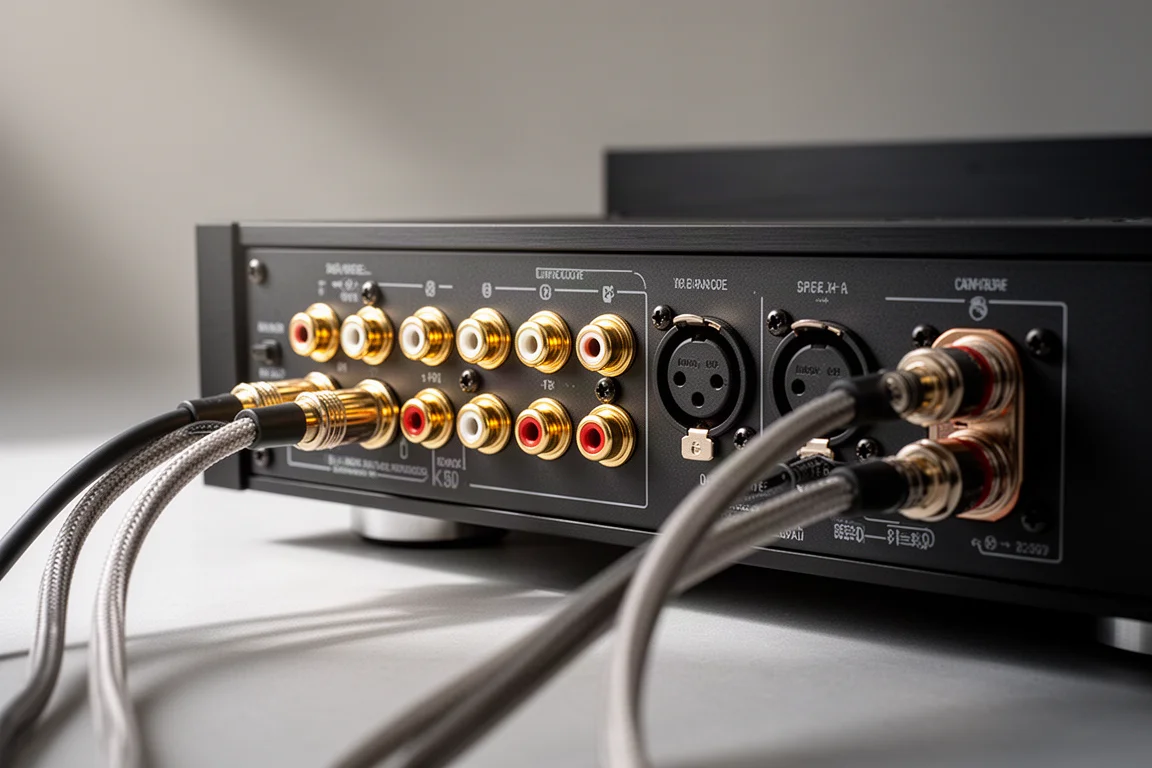
Analog connectivity covers six inputs, one of which is a balanced connection, plus a dedicated input that lets the 9000A act as a power amplifier in a home theater system. A single preamp output can feed a more powerful third-party amplifier or two subwoofers, though there is no internal bass management, so subwoofer integration depends on the subwoofer’s own controls. A strict preamp mode is also available for use with a separate power amplifier.
The digital inputs all run through an ESS 9038 Pro DAC, which handles signals up to 32-bit/768kHz depending on the connection used. Full MQA decoding is supported from Tidal, and Bluetooth with aptX HD is on board for casual listening.
What is missing is network streaming. There is no Play-Fi or BluOS here, so the 9000A needs an external streamer if you want to play from a network library or a streaming service directly. There is also no HDMI input, which means connecting a television requires an adapter to convert HDMI to optical.
Things to Consider Before Buying
The most significant omissions are practical rather than sonic. No HDMI input means an extra adapter in most television setups, and no internal streaming means an extra box if you rely on network playback. Neither is a dealbreaker on its own, but both add cost and clutter to a system that already sits at a premium price.
The screen is another point to weigh. It is large, legible, and can be switched off, but the interface and graphics are carried over from the less expensive Omnia rather than developed for this model.
User adjustment is limited as well. There are no tone controls, and the range of user-configurable options is narrower than some listeners will expect at this price. Anyone who likes to fine-tune the sound of a room will need to do that through speaker placement or through an external source.
It is also worth being honest about the value question. The 9000A costs close to twice what the 6000A Play does, and it does not deliver twice the sound quality, twice the features, or twice the user experience. It is a clear step up, but the gap is smaller than the price gap suggests.
How It Compares With Alternatives
Within its price bracket, the 9000A faces strong competition from the Roksan Attessa streaming amplifier, the Technics SU-G700 Mark II, the Marantz Model 40n, and the Rotel S14, along with Audiolab’s own 6000A and 6000A Play. The Roksan and the Marantz are the more feature-rich options, and the Marantz adds HDMI and a level of day-to-day convenience that is hard to argue with, though it sounds fuller and less detailed than the Audiolab. The Roksan takes a slightly more lively and dynamic approach, but both it and the 9000A share a confident, sure-footed character with a startling amount of control over speakers. The Technics is very close in performance, coming across as a little more nimble and a little smoother around the edges, and its availability can be inconsistent, which may make the decision for you. The Rotel S14 costs a little less than the 9000A and includes internal streaming, but it lacks the resolution, control, and separation that the Audiolab offers, and it lands closer to the 6000A Play in performance terms. Against Audiolab’s own 6000A and 6000A Play, the 9000A is unquestionably the better amplifier, but the cheaper models are not left in the dust, and the 9000A elevates what the 6000A already did well rather than fixing something that was broken.
Buying Advice
The 9000A makes the most sense for listeners who already own speakers that reward control and separation, and who have sources ready to connect. If your system is built around a turntable, a disc player, or a separate streamer, the missing network features cost you nothing.
If you rely on streaming apps, HDMI switching, or tone controls, the calculation changes. You will be adding adapters and external boxes to a nearly three thousand dollar amplifier, and some cheaper alternatives include more of those conveniences out of the box.
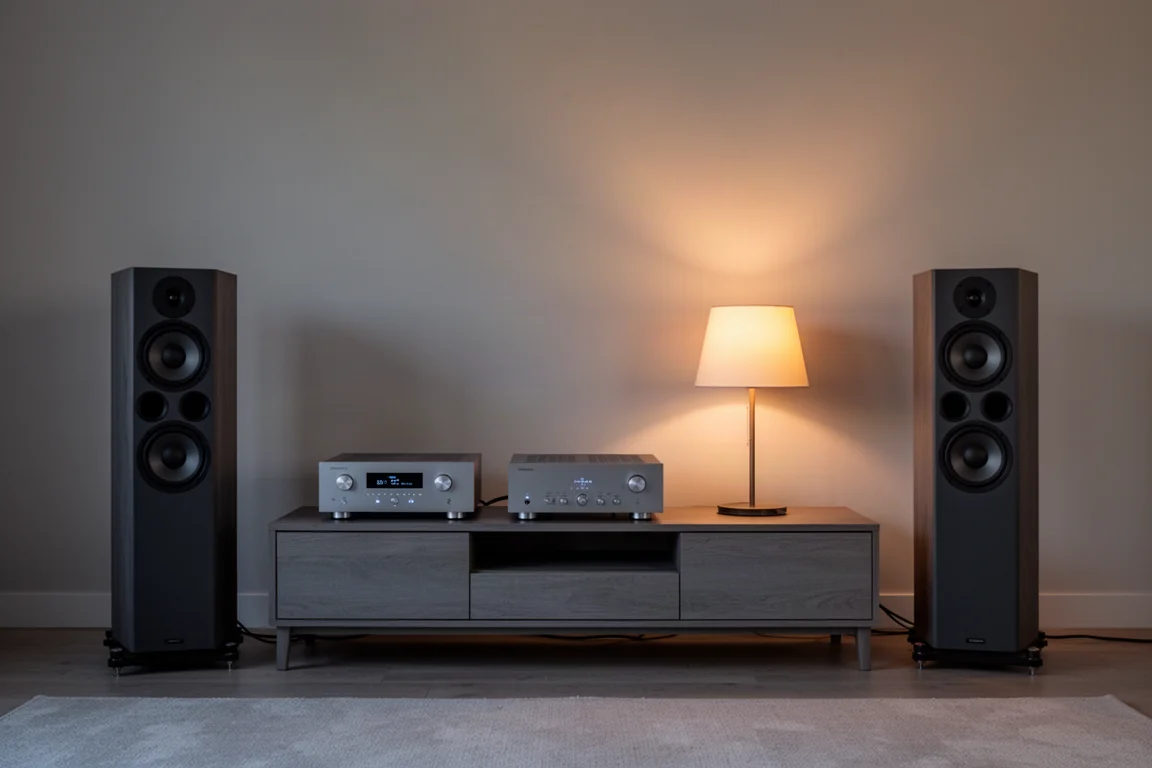
For anyone who primarily wants Audiolab sound at a lower price, the 6000A and 6000A Play remain excellent choices, and the 9000A is a considered upgrade rather than an automatic one. Buy it for the sound and the build, not for the feature list.
Conclusion
The Audiolab 9000A is a beautifully built integrated amplifier with a neutral, controlled, and quietly revealing sound. Its power delivery, soundstage depth, and sense of separation place it among the more capable amplifiers in its class, and its phono stage and DAC mean most systems can be built around it without extra boxes for analog or digital sources.
The reservations are about features rather than sound. No HDMI, no internal streaming, and a familiar on-screen interface hold it back from feeling like a complete generational step forward at its price. If those omissions do not affect how you listen, the 9000A is an easy amplifier to recommend.
Product link
View more details for Audiolab 9000A
This product is mentioned in the review. Check the specifications, options, and compatibility before buying.
View more details for Audiolab 9000AFurther reading
Related Reviews
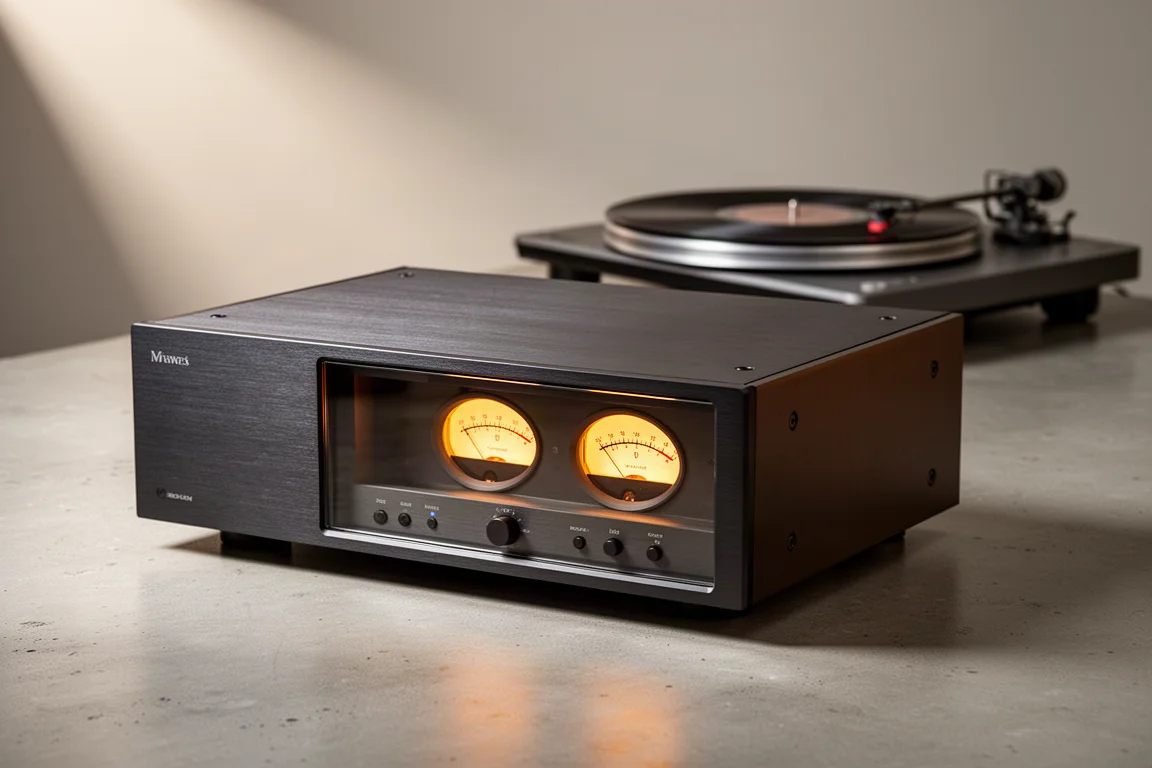
Integrated Amplifiers
Advance Paris A10 Classic Review: Vintage Looks and a Lively, Punchy Sound
The Advance Paris A10 Classic pairs glowing blue VU meters and a tube stage with one of the widest input sets on any integrated amplifier. Here is what it does well and what to weigh before spending $2,500.
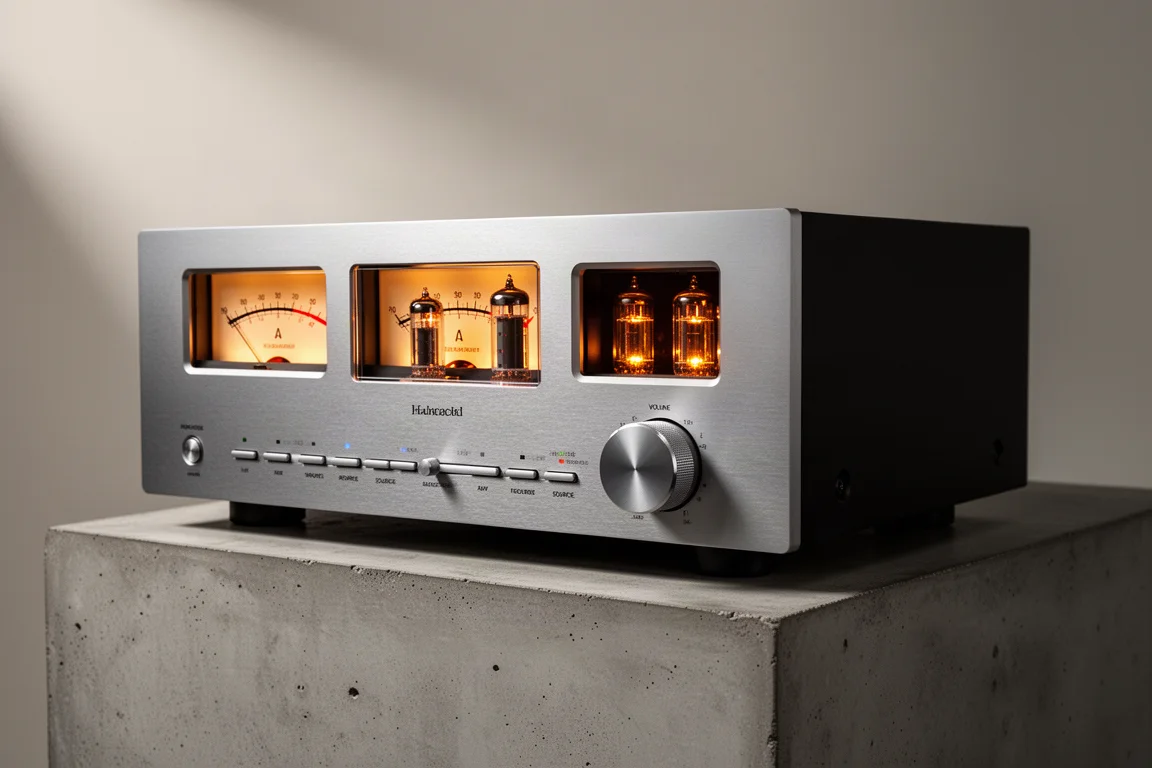
Integrated Amplifiers
Advance Paris A12 Apex Review: A Modern Integrated Amplifier With Vintage Character
A dual mono integrated amplifier with 180 watts per channel, a tube front end, VU meters, and a connectivity list that covers turntables, televisions, computers, and headphones.
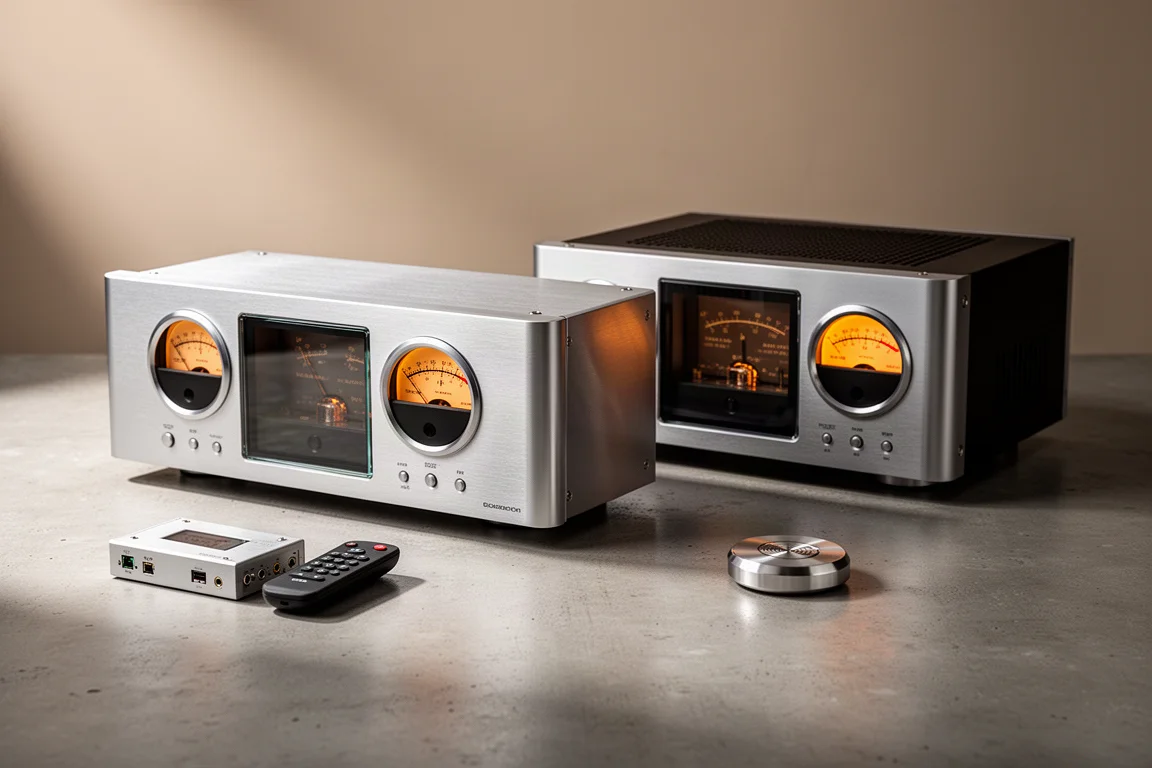
Integrated Amplifiers
Advance Paris Nova Range Review: AI130, AI190 and Modular Upgrades
A practical look at the Advance Paris Nova range, including the AI130 and AI190 integrated amplifiers and the modular streaming, Bluetooth and remote accessories that expand them.