Hi-Fi Amplifiers
Audiolab 9000 Series Review: 9000A Integrated, 9000Q Preamp and 9000P Power Amp
A practical guide to the Audiolab 9000A integrated amplifier and the 9000Q and 9000P separates, covering prices, features and the differences that matter.
Introduction
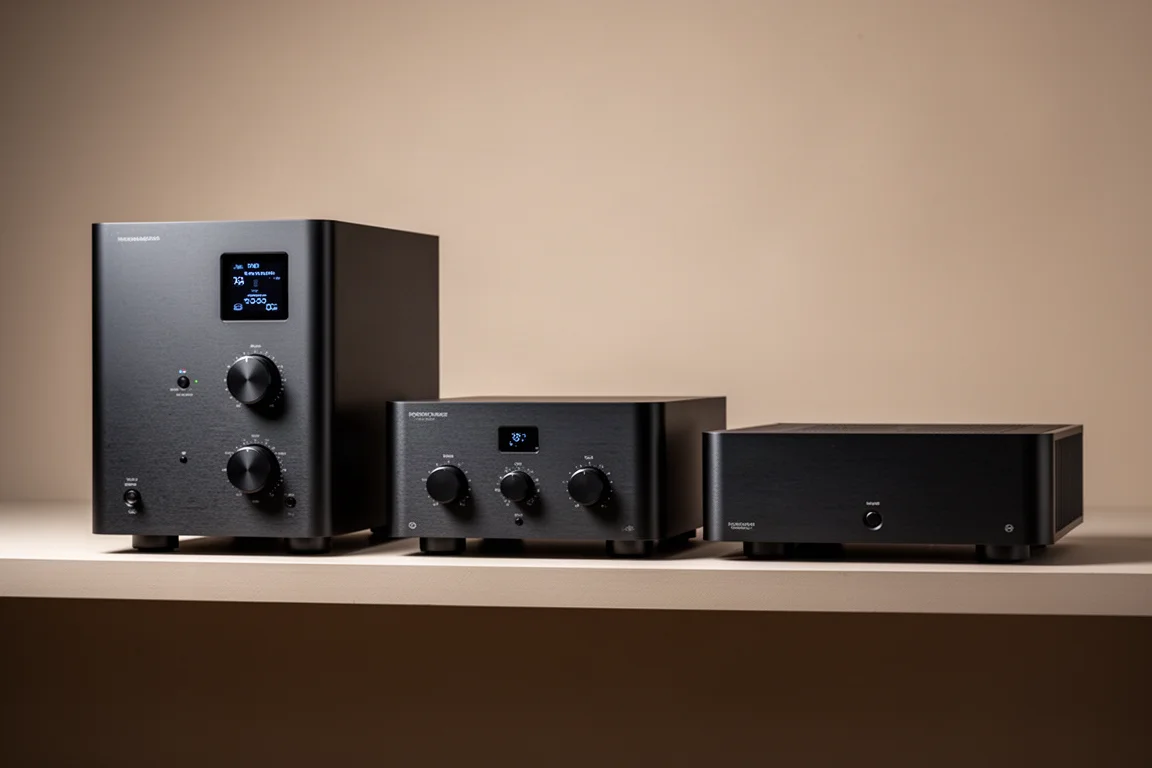
Audiolab has built a reputation for consistent, well-engineered amplifiers, and the 9000 series sits at the top of the current range. It now covers three components: the 9000A integrated amplifier at £1,999, the 9000Q preamplifier at £1,499 and the 9000P power amplifier at £1,099. The preamp and power amp can also be bought together as a pair for £2,499.
That pricing raises an obvious question. Should you buy the single-box integrated, or spend £500 more on separates that split the same job across two chassis? The answer depends on how you listen, how much upgrade flexibility you want and which speakers you own.
For context, Audiolab’s smaller models remain useful reference points. The 6000A sits at around £650, and the 7000A at £1,099 adds slightly more power, an improved DAC with more connections and HDMI ARC for easy TV integration. The 9000 series moves up in build, power and price from both.
What the 9000 Series Components Share
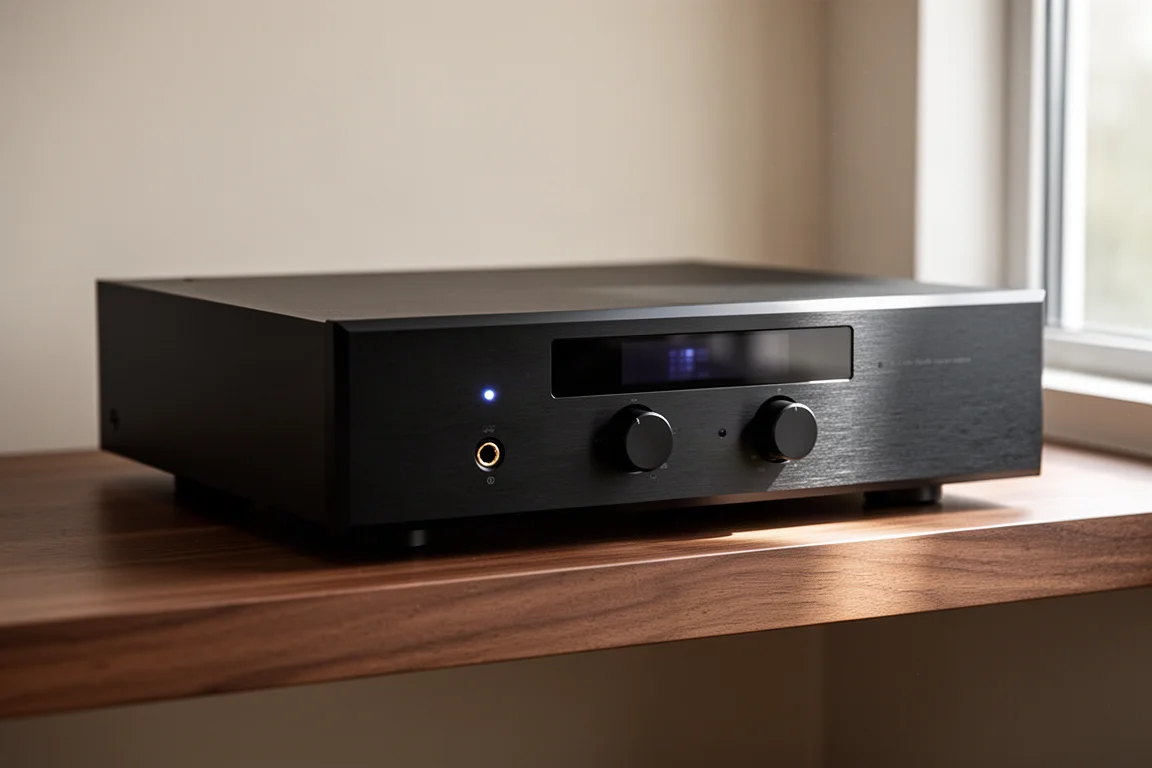
All three units use the same full-rack-width chassis, built from sturdy aluminium plates with crisp lines and a matte black finish. The 9000A and 9000Q share an almost identical fascia layout, while the 9000P keeps the same proportions with a much simpler front panel.
The integrated amplifier and the preamplifier also share a similar input suite. On the 9000A you get Bluetooth, USB, two optical and two coaxial digital inputs, an XLR balanced analogue input, three line-level analogue inputs, a fixed input that bypasses the preamp, a set of pre-outs and a moving magnet phono stage. The 9000Q offers the same analogue and digital connections, with one USB, two optical, two coaxial, one XLR analogue input, three line-level inputs, a fixed line out and a moving magnet phono input.
Two details are worth flagging before you buy. HDMI ARC, which is included on the 7000A, is omitted across the 9000 series, so TV audio integration needs another route. And the DAC in the 9000A is built around an ESS 9038 Pro chip, a premium converter that sits well with Audiolab’s long history of ESS-based designs.
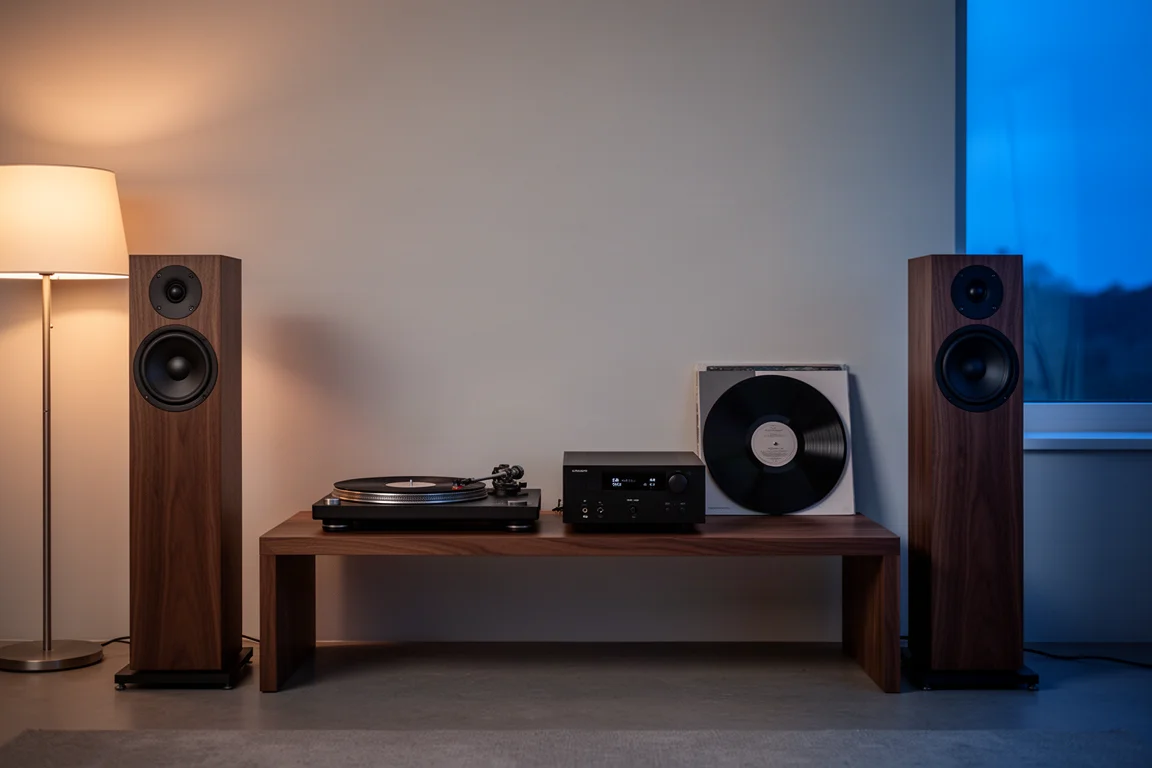
The 9000A display can be switched between a default readout, a 1980s style graphic equaliser, a 1970s style VU meter, or turned off entirely, and a menu button gives access to the digital filter options. It is a small touch, but it makes the amplifier easy to live with day to day.
Audiolab 9000A Integrated Amplifier
The 9000A is the most flexible single-box option in the range. Its fascia carries three dials: one for input selection, a mode dial that lets you run the amplifier in integrated mode, split the pre and power sections, or use it as a preamplifier only, and a large volume dial. A 6.35 mm headphone socket sits between them, and the supplied multi-purpose remote adds access to secondary functions.
Inside, the 9000A uses mono power amplifier modules for the left and right channels, with two pairs of bipolar transistors per side that can handle peaks of up to 15 amps. A 320 VA toroidal transformer and four 15,000 microfarad capacitors handle filtering. Audiolab rates the amplifier at 100 watts per channel into 8 ohms and 160 watts per channel into 4 ohms.
The presentation is even and faithful rather than flamboyant. Basslines stay tightly controlled, detail and refinement hold up to the highest frequencies, and the sound stage is wide with very good instrument separation. The familiar Audiolab character is present, which means a slightly lean midrange and some dryness to vocals. Listeners who prioritise thumping basslines and juicy midranges will find the 9000A too tightly controlled for their tastes.
The built-in DAC covers most of what the amplifier can do. An external converter can add texture and depth, but the gains are modest relative to the cost, and that money is usually better put towards a more capable amplifier. Synergy also matters: converter designs with a high output impedance and no traditional output stage can sound dull and flat through an amplifier like this.
Speaker matching is the other variable. Clean, crisp standmounts such as the Amphion Argon 1 pair superbly, and Arcam speakers bring those traits to the fore. Harder loads, including the ProAc Response 1SC and Quadral models, diminished clarity, scale and dynamics, though those speakers respond well to amplifiers with considerably more robust power supplies.
Audiolab 9000Q Preamplifier
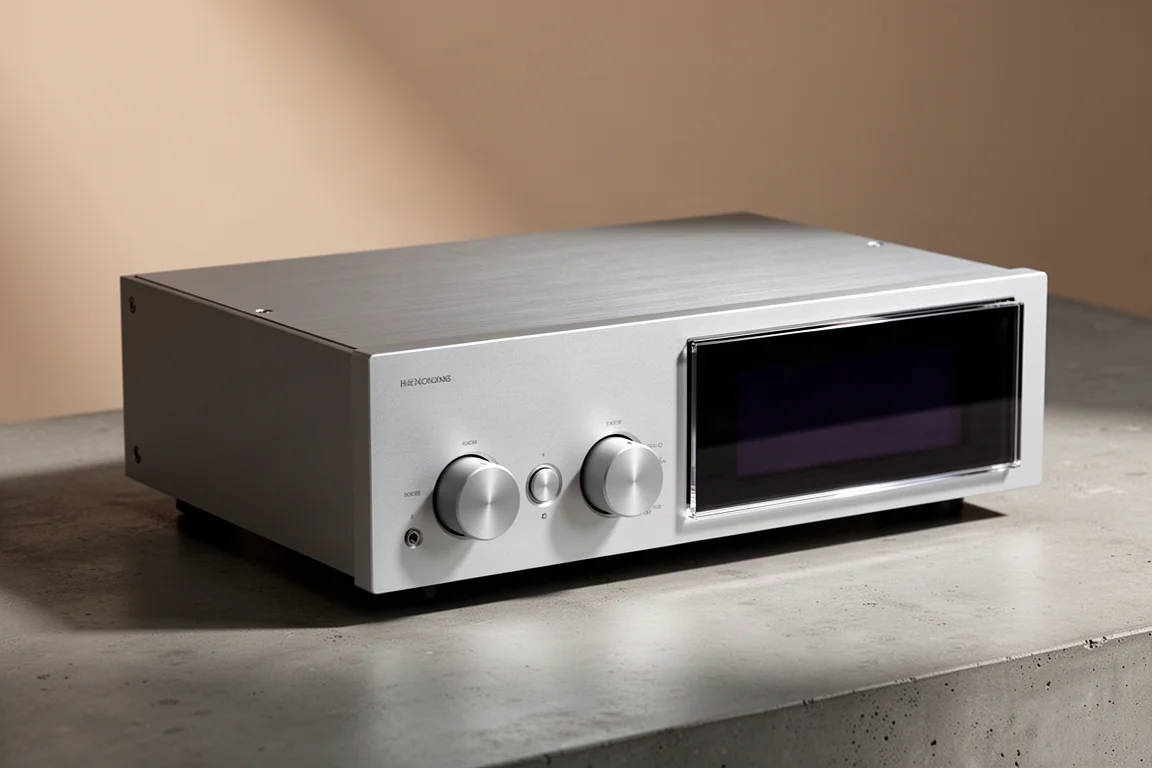
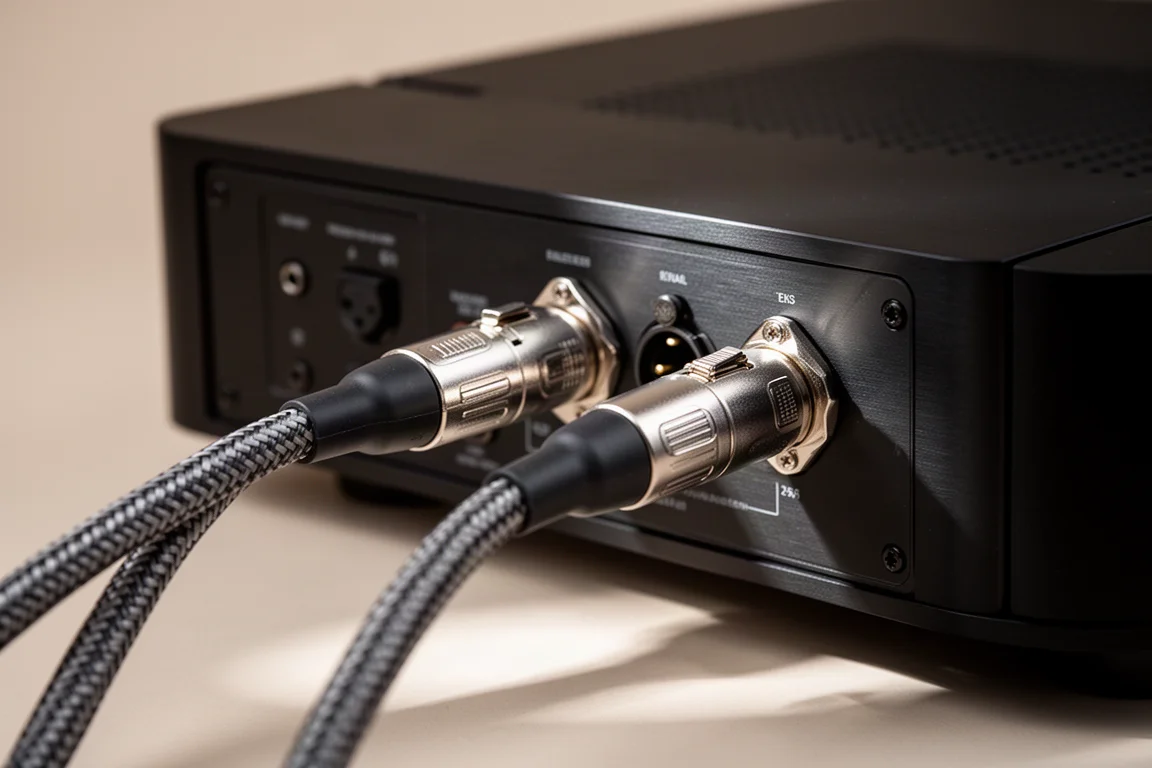
The 9000Q looks almost identical to the integrated, with one omission: the mode dial is gone, because there is nothing to switch. Outputs run to one set of XLR balanced connectors and two sets of single-ended RCA connectors, which makes bi-amping or running multiple power amplifiers straightforward.
Internally, the preamplifier is a substantial step up from the 9000A. It uses differentially balanced audio circuitry, and the power supplies feeding the analogue, digital and moving magnet phono stages are more sophisticated than those in the integrated.
That work shows up in spatial performance. The sound stage is slightly wider than the integrated’s and considerably deeper, performers are located more securely within it, and detail emerges from a darker, quieter background.
The trade-off is tonal. The 9000Q and its partner power amplifier deliver more macro detail and better instrument separation, but vocals and instruments can still feel a little short on body and texture. Richness of tone is where some rival designs retain an advantage.
Audiolab 9000P Power Amplifier
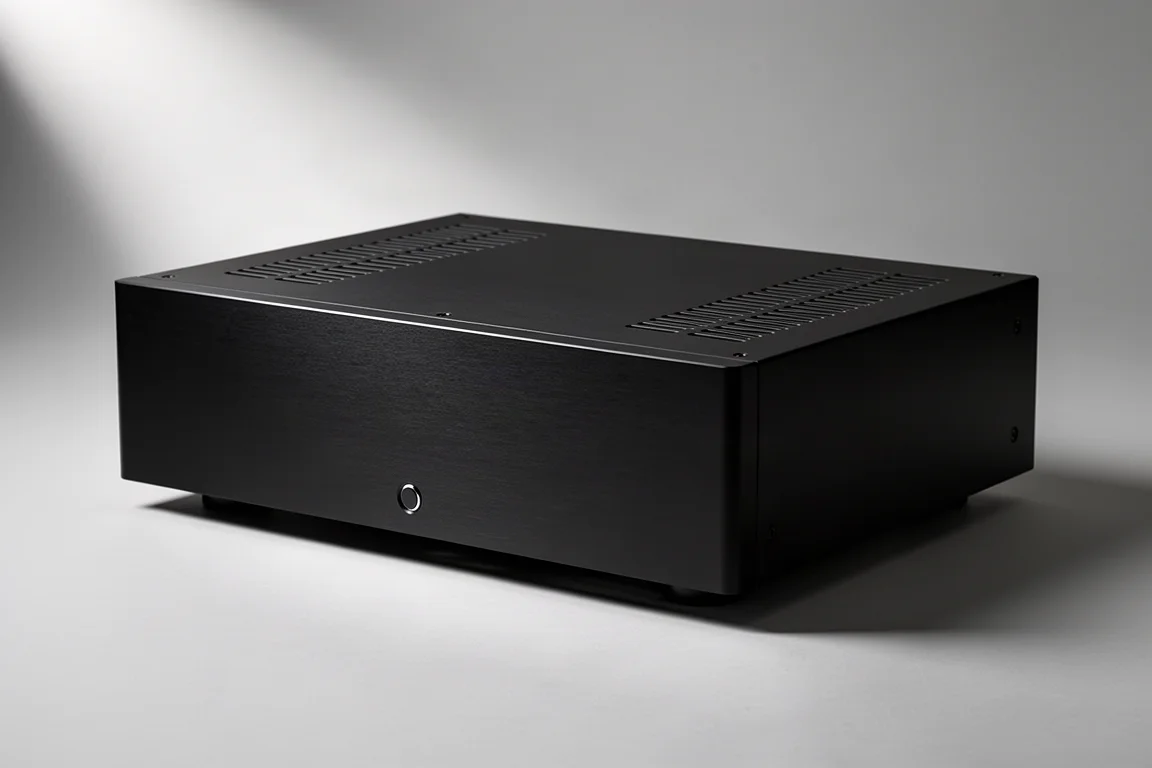
The 9000P strips the fascia back to a single standby button. It accepts balanced XLR and single-ended RCA signals, and its analogue circuitry is carried over from the 9000A, with dual mono power amplifier modules keeping the left and right channels separated. The power supply has been enhanced to further reduce RFI and EMI.
Bridge mono mode is the headline feature. A single 9000P gives you the same 100 watts per channel into 8 ohms as the integrated, but adding a second unit in bridge mono raises output substantially, to 300 watts per channel into an 8 ohm load. That makes the power amplifier the most upgrade-friendly part of the range.
Integrated Versus Separates: Where the Differences Show Up
Switching between the 9000A and the 9000Q and 9000P combination reveals a noticeable difference in clarity and focus. The separates produce a slightly wider sound stage, a considerably deeper one, and more secure placement of performers within it.
That is where the extra £500 over the integrated is earned. Spatial presentation, instrument separation and the ease with which details are pulled from recordings all improve, and the differences are straightforward to hear once both setups are in the same room.
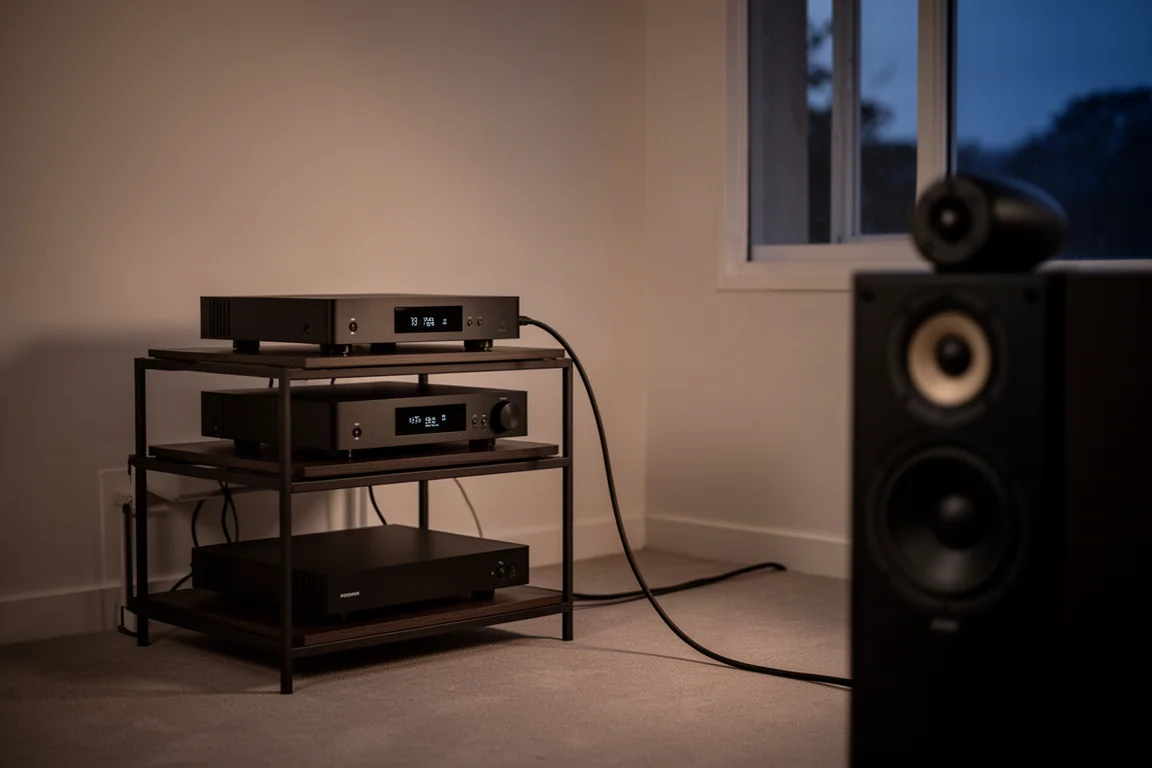
Both approaches share a family character: clean, balanced and a little matter-of-fact. The preamplifier also seems to be held back slightly by the power amplifier. A second 9000P in bridge mono adds power, but a pair of dedicated monoblocks with fully balanced architecture and larger power supplies would be a logical next step for the range.
For listeners who need to drive difficult speakers, it is worth knowing where the separates sit. They do not have the authority of a Hegel H190, which drives demanding loads more effortlessly and adds body to the midrange and weight to bass notes. The Hegel costs around £750 more, and that gap is the crux of the decision.
Speaker Pairings and Alternatives to Consider
Speaker matching matters as much as the amplifier choice. Clean, crisp designs such as the Amphion Argon 1 are an ideal partner for the 9000 series. Wharfedale Heritage models, specifically the Lintons and the Dentons, have shown a nice synergy with the 9000A in demonstrations, which makes them a sensible starting point for an audition.
If you are comparing at this price, several alternatives are worth hearing. The Exposure 2510 costs a similar amount and adds three-dimensionality, a richer midrange, more temporal insight and more weight to bass notes, though its bass is not as tight. The Atoll IN200 Signature takes a warmer approach, and its optional DAC and phono stage push the price to around £2,300; it has been updated with revised circuit boards that lower distortion. The Yamaha AS1200, at £2,499, brings even more impressive build quality and a tightly controlled presentation. The Heed Elixir Billy is another option for buyers who value bass control and instrument separation; it is now in Mark 3 form and is sold direct rather than through dealer networks.
At a lower price, the Quad 33 preamplifier and 303 power amplifier sell for £1,199 each, or £2,395 as a pair. The 33 has a more basic architecture than the fully balanced 9000Q and is around £300 cheaper, and the combination is tuned for a warm, nostalgic character. The Audiolab pre-power pair is the better sounding combination of the two, with less coloration, better resolution, broader genre suitability and a well-built built-in DAC.
Buying Advice
Choose the 9000A integrated if you want one box that handles digital and vinyl, a headphone output, and the flexibility to run the pre and power sections separately or use the unit purely as a preamplifier. At £1,999 it covers a lot of ground, and its internal DAC extracts the large majority of the performance available from the amplifier.
Choose the 9000Q and 9000P if spatial performance and future upgrade flexibility matter more than saving £500. The pair costs £2,499 and delivers a deeper sound stage, more secure imaging and easier detail retrieval. It also opens the door to a second power amplifier in bridge mono.
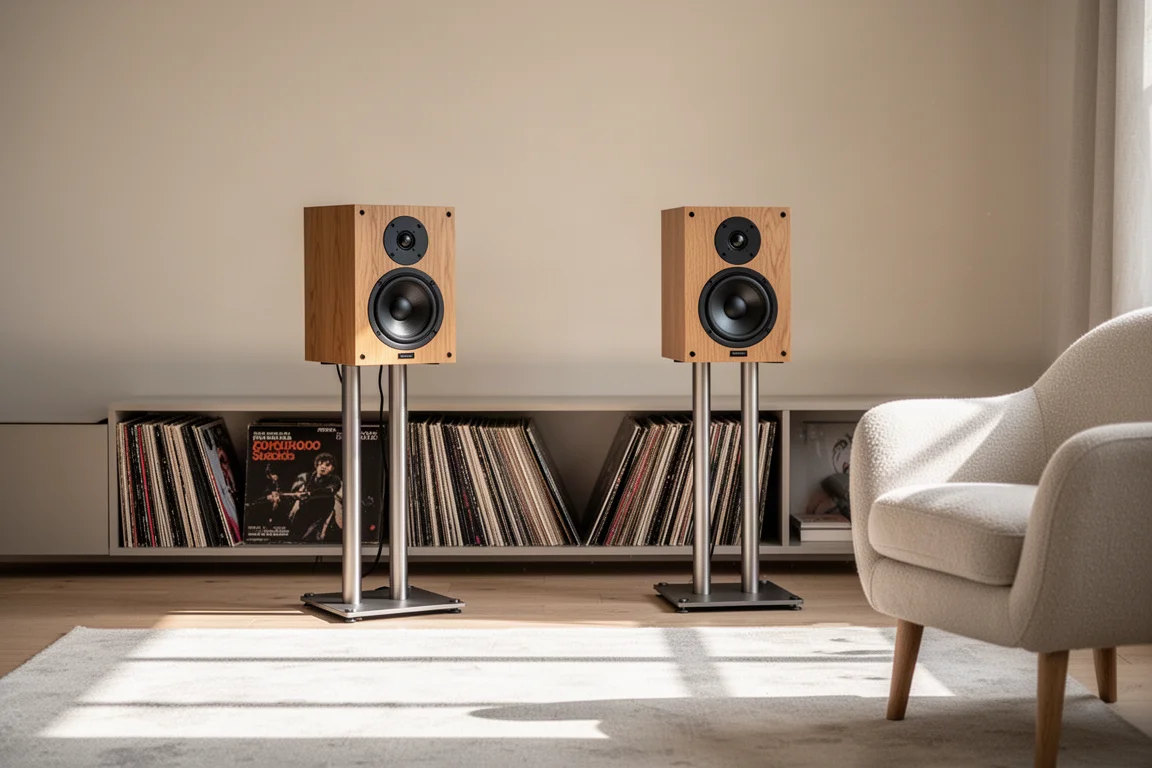
Whichever route you take, budget for careful speaker matching rather than chasing exotic add-ons. Both setups work best with price-appropriate speakers that do not demand more power supply headroom than the amplifiers can provide, and both reward an audition in your own room if you can arrange one. Plan for TV audio separately too, since HDMI ARC is not part of the 9000 series feature set.
Conclusion
The Audiolab 9000 series delivers the consistency the brand is known for. The 9000A is a flexible, tightly controlled integrated amplifier with a capable built-in DAC, a moving magnet phono stage and enough connectivity for most systems, and it holds its own against other integrated amplifiers at its price. The 9000Q and 9000P build on that foundation with balanced circuitry, a deeper and more secure sound stage and clearer separation between instruments, which justifies the £500 premium for listeners who value those qualities.
Neither option is the right choice for listeners chasing warmth and rich midrange body, and both benefit from sensible speaker matching. Make those two decisions well and the 9000 series is easy to live with over the long term.
Further reading
Related Reviews
Hi-Fi Amplifiers
Accuphase E-280 Review: Entry-Level Accuphase With Flagship Attention to Detail
A close look at the Accuphase E-280 integrated amplifier, covering its champagne build, AAVA volume control, sound quality, and the speakers and sources that suit it best.
Hi-Fi Amplifiers
Advance Paris A10 Classic vs Yamaha A-S301: Two Integrated Amplifiers Compared
A practical comparison of a $350 integrated amplifier and a $2,500 reference model, covering the differences that matter and the ones that do not.
Hi-Fi Amplifiers
Affordable Chinese Amplifiers Worth Buying: Five Budget Hi-Fi Amps Compared
A practical look at five affordable amplifiers, what each one does well, and the trade-offs to weigh before you buy.