Integrated Amplifiers
Audiolab 6000A MkII Review: A Complete Integrated Amplifier Below £1,000
The Audiolab 6000A MkII keeps the original's drive and control, adds HDMI ARC and a newer ESS DAC, and fills out the bass and midrange that once felt lean.
Introduction
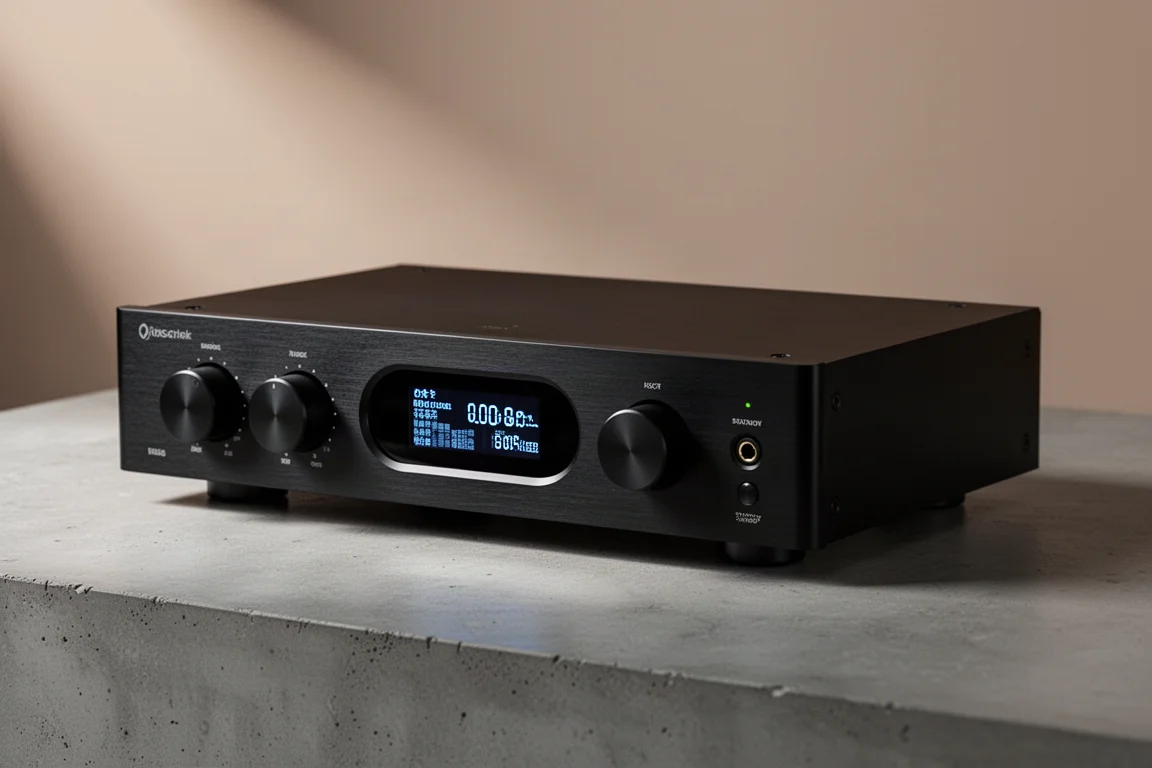
The Audiolab 6000A MkII is an update rather than a redesign, and that is deliberate. The original 6000A earned its reputation on a generous power supply, a clean and neutral presentation, and the ability to drive speakers well beyond what its price suggested. The MkII keeps that architecture and refines it: a revised power supply, a newer digital-to-analogue converter, and the addition of HDMI ARC for television use.
The price is £699, which is £50 more than the outgoing model. In a category where rivals have become sharper, that small increase is the first thing to weigh against the upgrades.
Who This Amplifier Is For
This is an amplifier for listeners building a two-channel system that has to do more than one job. It can run as a conventional integrated amplifier, as a separate pre and power amplifier for integration with home cinema and external processors, or as a pre-amplifier with a DAC. That flexibility makes it a natural centrepiece for a room where music and television share the same speakers.
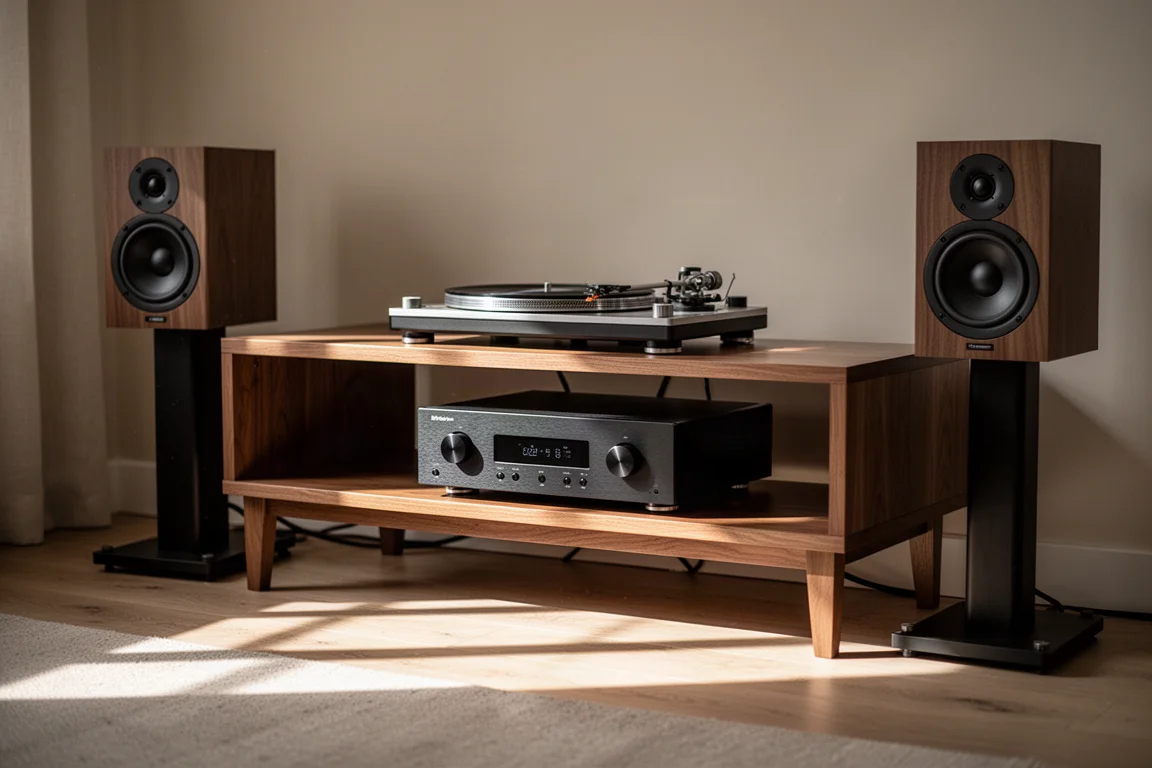
It also suits vinyl users who want to get started without buying a separate phono stage, thanks to a built-in moving magnet input. And because the power supply has been strengthened, it is a sensible match for speakers that would leave weaker amplifiers sounding muddled.
Main Strengths
Power Supply and Drive Capability
The headline change is the 200VA toroidal transformer, which has been upgraded with improved secondary core windings to handle increased voltage and reduce impedance, giving better control over the supply voltage. Filter capacitance remains generous, with four 15,000 microfarad capacitors from Elna, a premium manufacturer. That short-term current reserve smooths the supply voltage and helps control bass transients.
Power ratings are unchanged at 50W per channel into 8 ohms and 75W into 4 ohms, but peak current capability has risen from 9 amps to 11 amps. In practice, that is the figure that matters when a speaker presents a difficult load. A pair of Sanken transistors handles the output stage in this class AB push-pull design.
Connections and Features
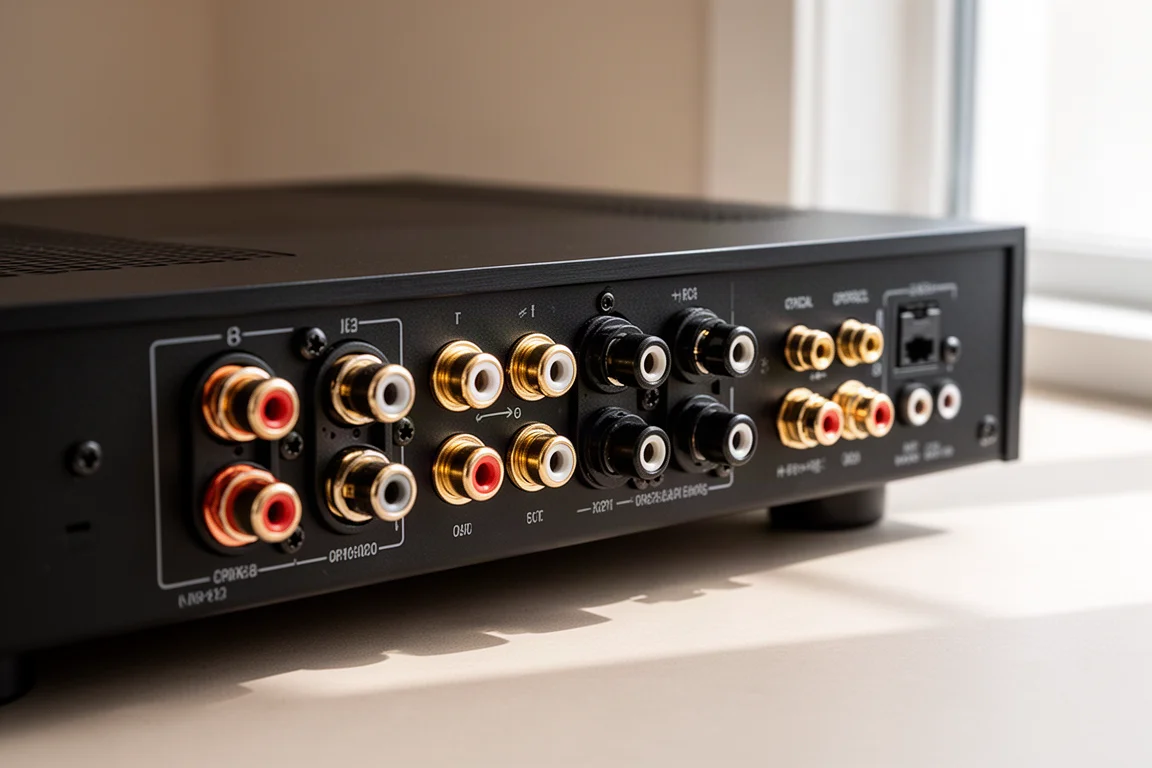
The rear panel covers six pairs of single-ended RCA connections: a pre-amplifier output, a power amplifier input, three regular line level inputs, and the moving magnet phono input. Digital duties are handled by two optical and two coaxial inputs. To the right of the speaker terminals are 12V trigger connections for system integration and a Bluetooth antenna.
HDMI ARC is new for the MkII. It lets the television’s remote control power the amplifier on and off and adjust the volume, which removes a second remote from the equation. The USB port is for firmware updates only; an asynchronous USB input would have pushed the design past its target price.
Around the front, the utilitarian aesthetic is unchanged so the amplifier sits comfortably alongside other Audiolab 6000, 7000 and 9000 series components. There is a 6.35mm headphone socket, an oval OLED display, and dials with a satisfying weighty feel. Volume moves in 2dB steps below minus 50dB and then in 1dB steps higher up the range. The chunky remote control also works with matching Audiolab network players and CD transports.
Sound Quality and Tonality
The original 6000A was clean and detailed with fine bass definition, but its tonal balance leaned dry, and the bass lacked a little weight. The MkII addresses both points. Bass now carries noticeably more impact while keeping the low-end control that made the earlier model so capable, and the midrange has gained body without losing precision.
A new ESS Saber 9038 Q2M converter replaces the long-serving 9018 K2M, nudging dynamic range from 127dB to 129dB. Many converters built on ESS chips can sound thin through the midrange, but this implementation is well fleshed out. Imaging is strong when the recording allows it: on a well-layered acoustic track, lead vocals sit just right of centre, guitars are placed at the extremes, and backing vocals sit deeper and higher in the stage.
Against the Rega Brio Mk7 at £799, the Audiolab is a whisker behind on midrange clarity for vocals and guitars, but it has better bass control, dynamics, soundstaging and imaging. The Brio has no HDMI ARC and only optical and coaxial digital connections. With leaner, more demanding speakers, the Audiolab’s superior current delivery makes it the more comfortable partner of the two.
Things to Consider Before Buying
There is no asynchronous USB input, so computer audio will need an outboard converter or a streamer. The USB socket is purely for firmware updates.
Tonally, the amplifier still sounds like an Audiolab in its precision and control, and it is not a lush, heavily coloured design. In a system built around bright-sounding components, it can tip slightly that way, and a warmer external DAC or speaker choice may suit better.
The internal DAC is excellent, but it is not the amplifier’s absolute ceiling. A substantially more expensive outboard converter brings a marginal gain in resolution and a more noticeable gain in soundstage width, and particularly depth. The built-in converter already delivers the large majority of what the amplifier is capable of, so the sensible money stays inside the box.
Finally, this remains a fiercely contested price sector. If midrange texture is the single most important quality to you, a rival at £799 makes a specific case for itself; the Audiolab answers with bass control, dynamics and imaging, and it is the more versatile of the two for a shared music and television system.
Buying Advice
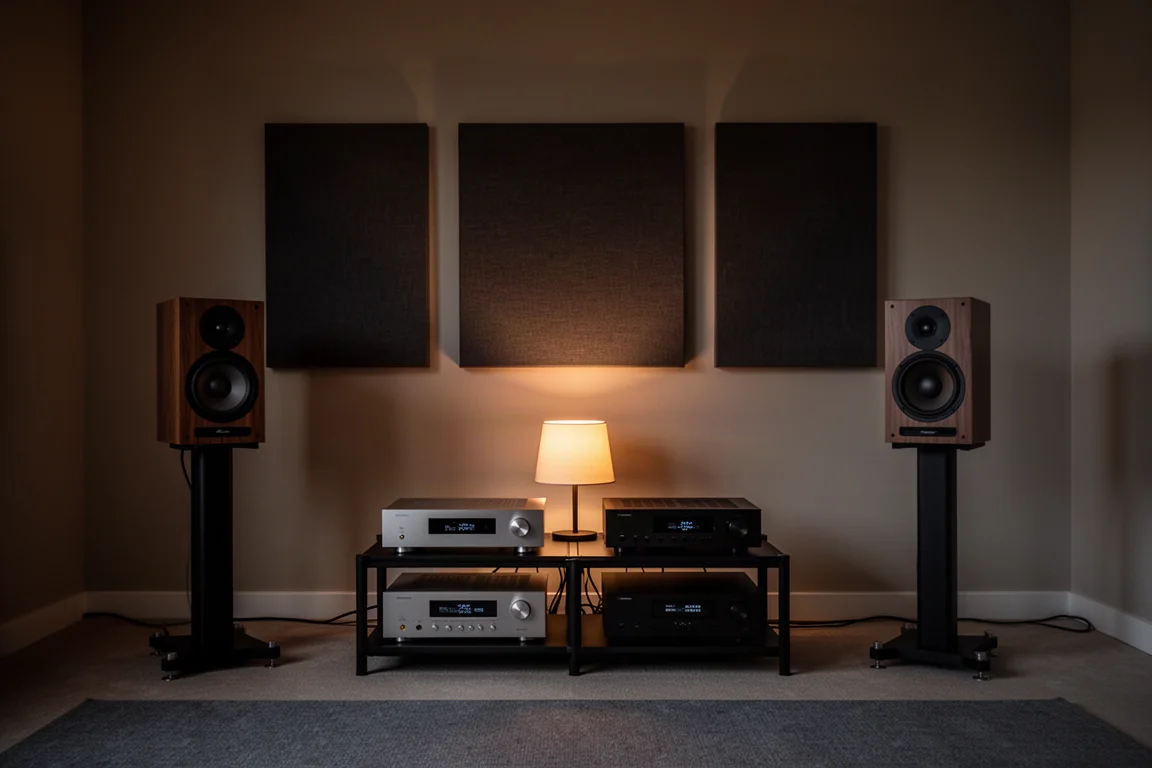
Pair the 6000A MkII with speakers retailing up to around £1,000 and it will get close to the best from them. Source components matter too: a compact streamer at the front end and £799 standmount speakers at the back end produced a system that came in under £1,750 excluding cables and stands, and the amplifier had enough power and fidelity to make the most of it. That combination leans slightly bright, so warmer cabling or an external DAC is a reasonable adjustment if your taste runs that way.
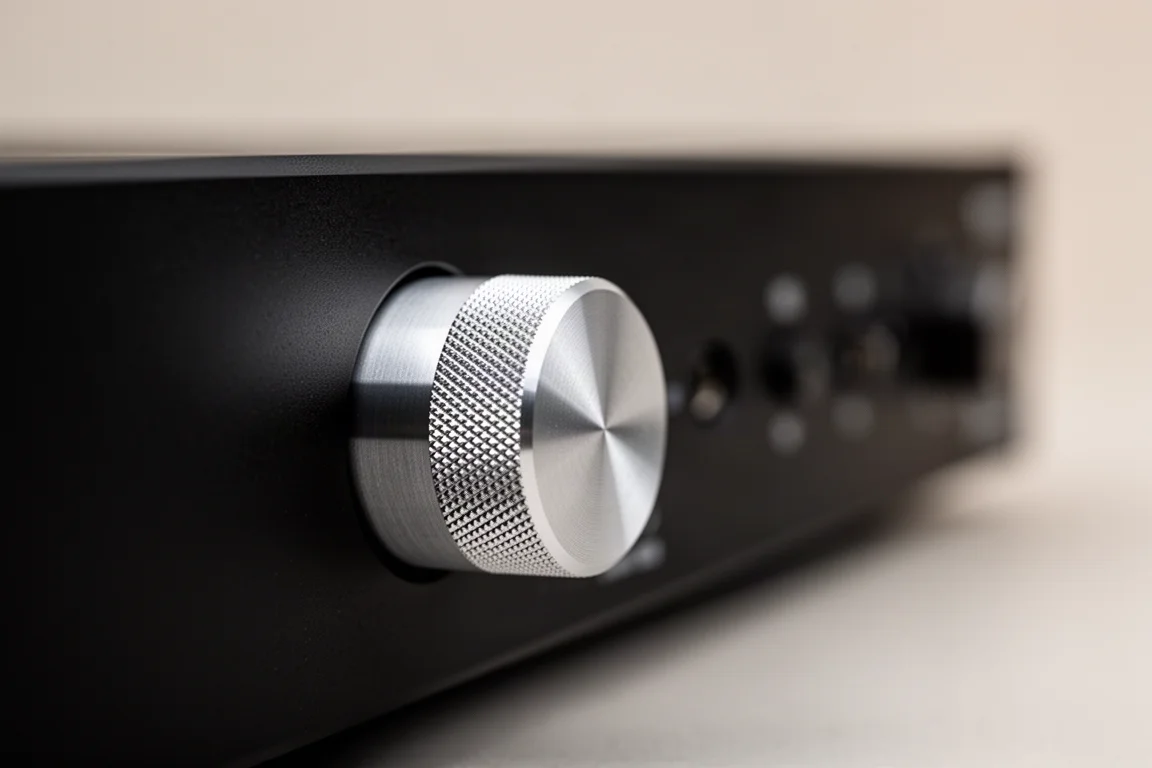
The amplifier is also a sensible long-term buy because it does not disgrace itself as you upgrade. Move to more demanding and more accomplished speakers later, and it will still hold its composure, which is not something every amplifier at this price can claim. For turntable users, the moving magnet stage is enough to get started. For television owners, HDMI ARC turns the amplifier into a practical two-channel AV hub.
Conclusion
The Audiolab 6000A MkII is an evolutionary update that changes the sound more than the specification sheet suggests. A stronger power supply, a newer ESS converter and HDMI ARC address the three most obvious gaps in the original, while the fuller bass and midrange remove the dryness that was the main criticism of its predecessor.
Bar an asynchronous USB input, it carries all the digital and analogue connections most listeners would ask for, and it drives a wide range of speakers with control and composure. If you want a single amplifier that handles vinyl, streaming and television without fuss, and you plan to keep upgrading around it, this is one of the most complete options available below £1,000.
Product link
View more details for Audiolab 6000A MkII
This product is mentioned in the review. Check the specifications, options, and compatibility before buying.
View more details for Audiolab 6000A MkIIFurther reading
Related Reviews
Integrated Amplifiers
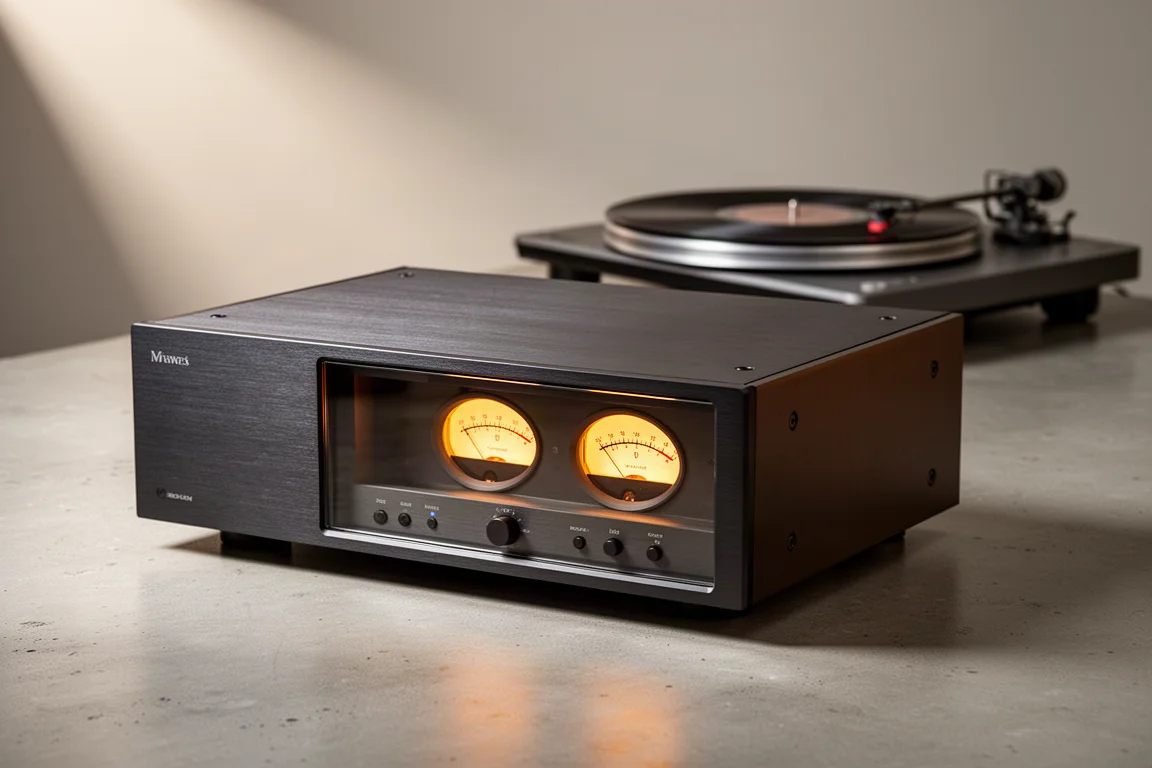
Advance Paris A10 Classic Review: Vintage Looks and a Lively, Punchy Sound
The Advance Paris A10 Classic pairs glowing blue VU meters and a tube stage with one of the widest input sets on any integrated amplifier. Here is what it does well and what to weigh before spending $2,500.
Integrated Amplifiers
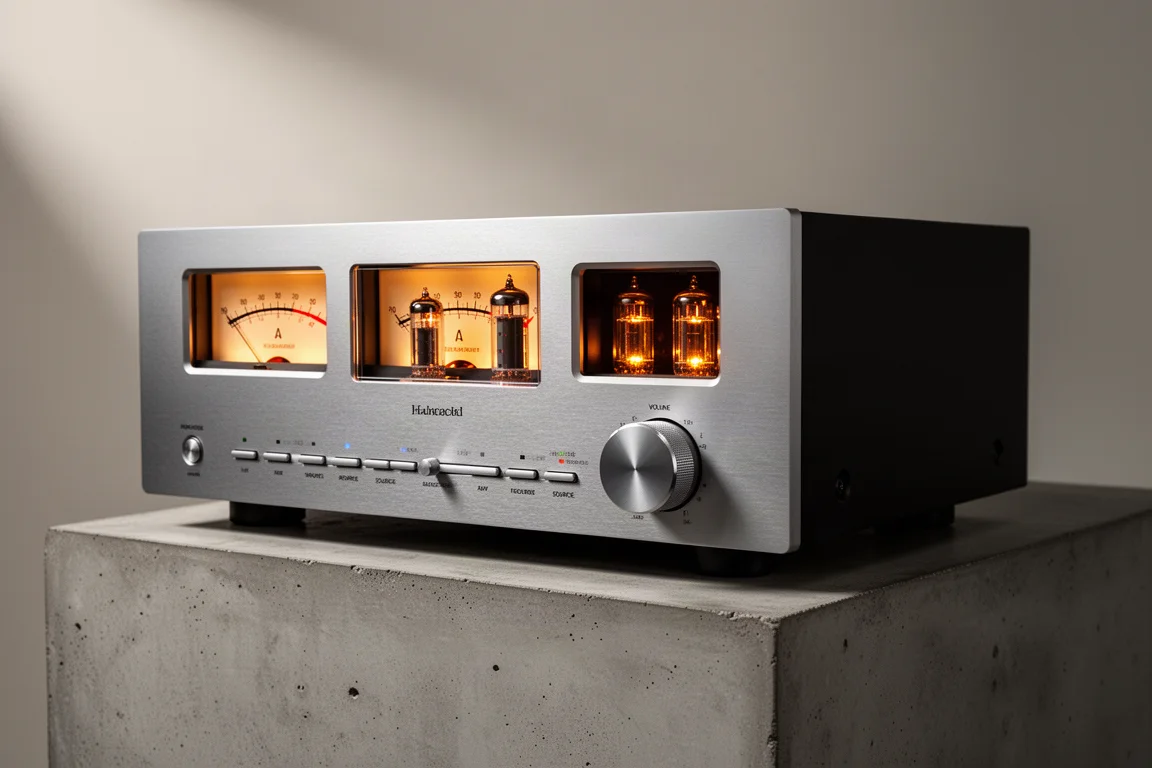
Advance Paris A12 Apex Review: A Modern Integrated Amplifier With Vintage Character
A dual mono integrated amplifier with 180 watts per channel, a tube front end, VU meters, and a connectivity list that covers turntables, televisions, computers, and headphones.
Integrated Amplifiers
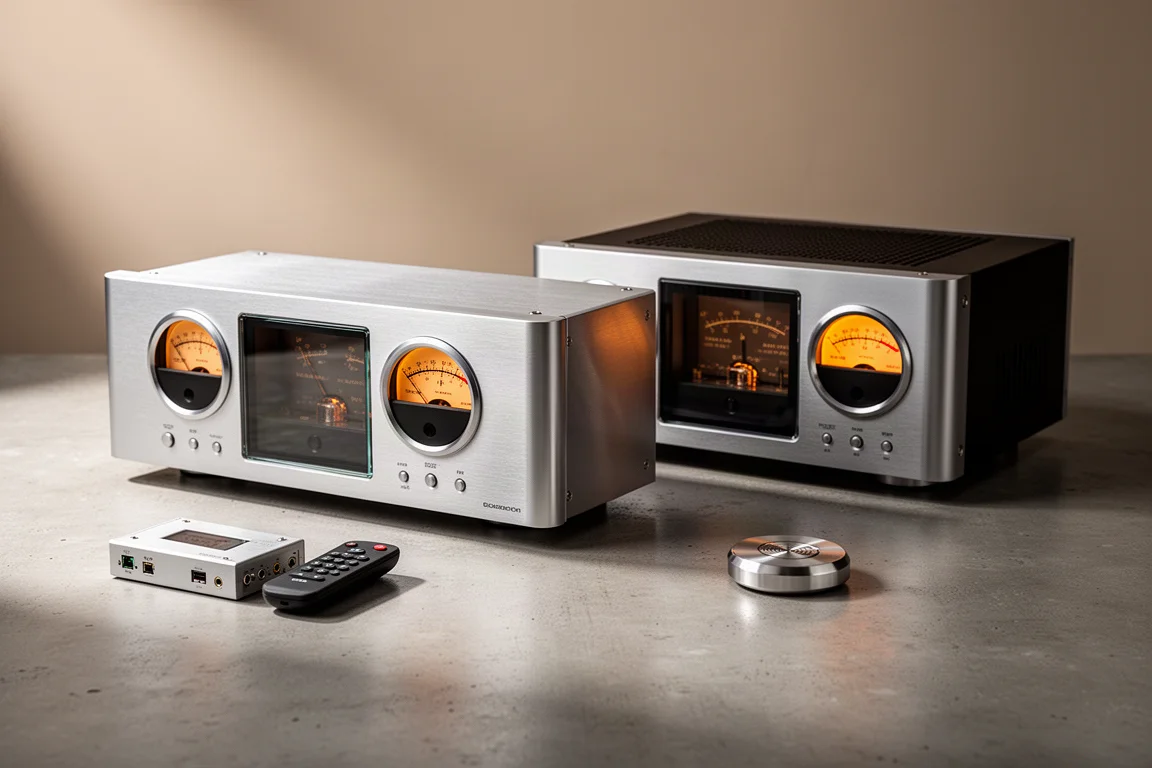
Advance Paris Nova Range Review: AI130, AI190 and Modular Upgrades
A practical look at the Advance Paris Nova range, including the AI130 and AI190 integrated amplifiers and the modular streaming, Bluetooth and remote accessories that expand them.