Hi-Fi Audio
Audio Research SP3A Review: A 50-Year-Old Tube Preamplifier That Still Delivers
A fully restored Audio Research SP3A tube preamplifier from 1973 shows what long-term high-end audio value really looks like, along with the trade-offs you should know about.
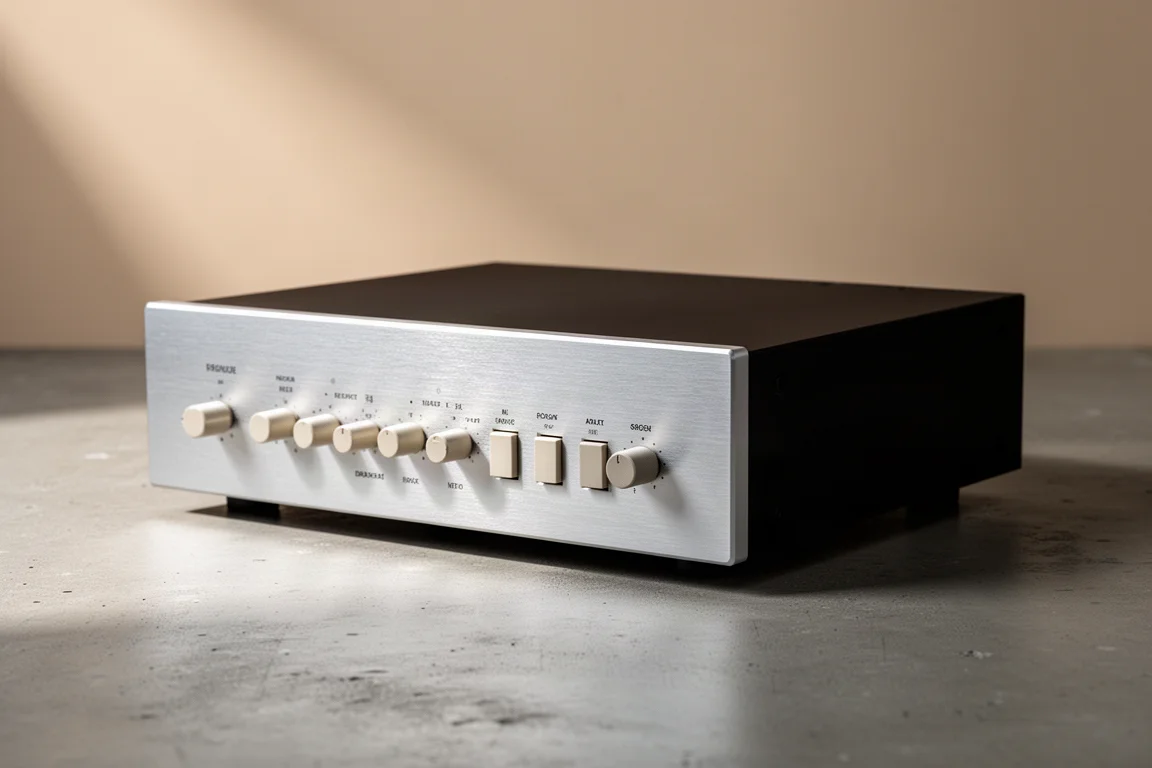
Introduction
The Audio Research SP3A is a full-function tube preamplifier built in late 1973 or early 1974, and it arrived at a moment when much of the industry had already written tubes off. McIntosh had abandoned tubes years earlier and committed fully to solid state. Audio Research, led by William Zane Johnson, took the opposite position: that the best tube engineering of the era could surpass the best solid state. The company grew steadily on that premise, and it is still here today.
This particular SP3A is a fully restored example, brought back to specification by Novalux Stereophonics. It is more than fifty years old, and it still works as a daily driver in a modern system.
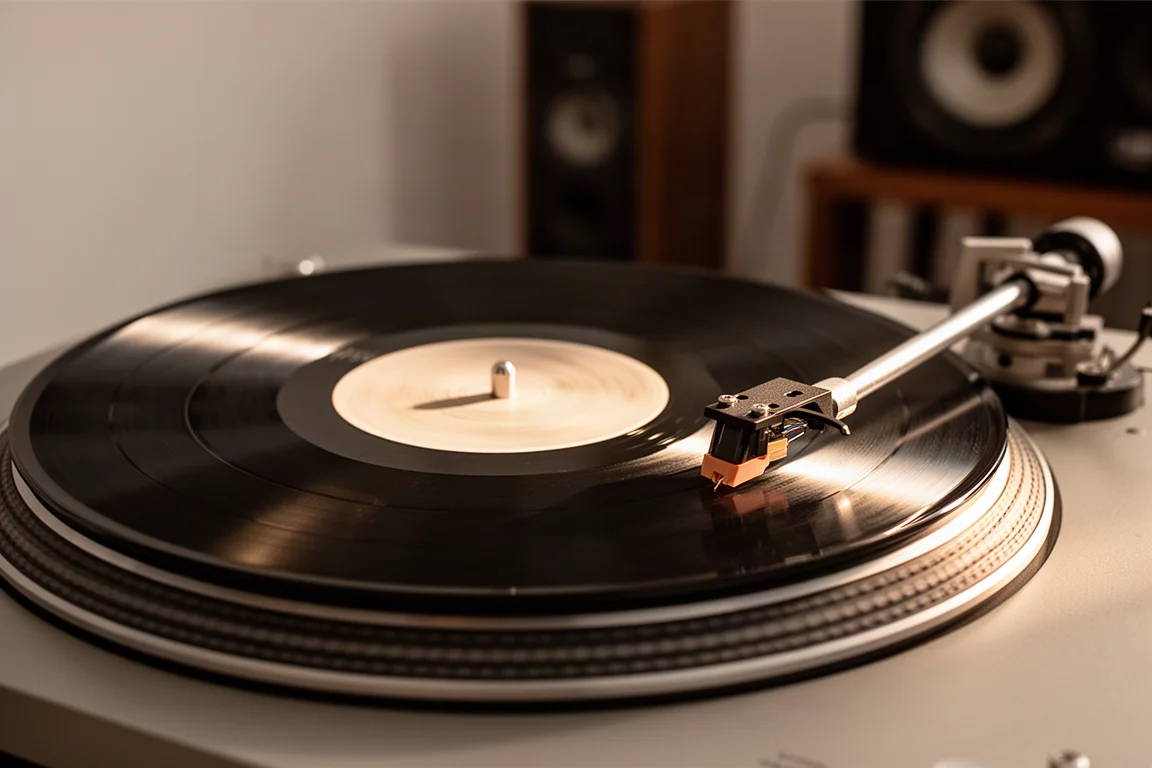
That is the part that stands out most. A half-century-old preamplifier that can be plugged in, used every day, and enjoyed on its own merits is a rare thing, and it says something about how long properly maintained high-end audio can remain genuinely useful.
Who This Preamplifier Is For
The SP3A makes most sense for listeners who play vinyl and who care more about tone, body, and musical flow than about the last word in resolution. It has two moving magnet phono inputs, so a moving magnet cartridge plugs straight in. Moving coil cartridges work too, but they need a step-up transformer or a headamp, because the SP3A does not provide that gain on its own.
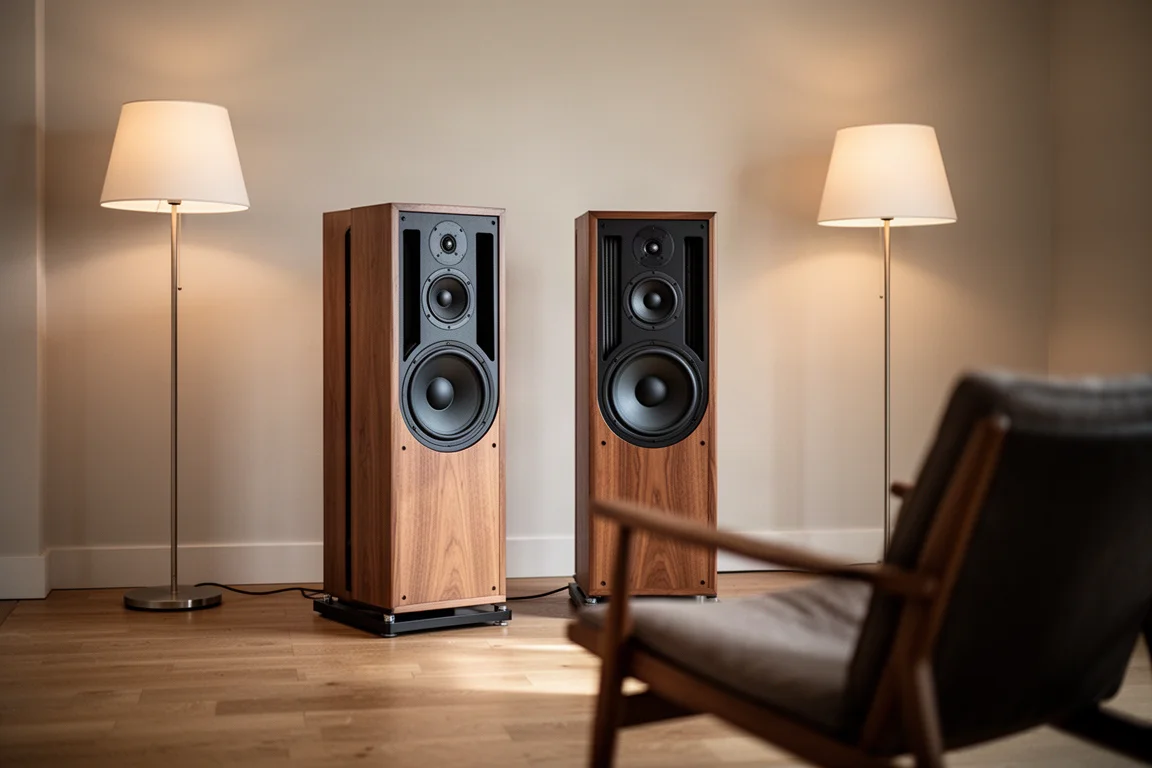
It also suits owners of high-sensitivity speakers. With speakers such as the Pure Audio Project Duet 15, the volume control typically sat around the 9 o’clock or 10 o’clock position, which means there is plenty of usable gain on tap.
It is not aimed at listeners who want remote control, app-based features, or a modern convenience set. This is a period piece in the best sense, and it rewards buyers who want exactly that.
Main Strengths
Tone quality is the headline. With acoustic music, classical, and jazz, the SP3A sounds tonally right in a way that is difficult to attribute to any single specification. There is weight and body behind the notes rather than a thin, ghostly image.
It is also a powerful-sounding preamplifier. Paired with the First Watt SIT-4, a 10 watt per channel solid state amplifier designed by Nelson Pass, and the open baffle Duet 15 speakers, the combination had real drive. Rock recordings came through with energy and life force rather than strain.
The soundstage is big and open. Imaging is not razor-focused the way a modern reference preamp can manage, but the presentation never sounded mushy, soggy, slow, or opaque.
Gain is another practical strength. Even with lower-output cartridges, the volume control rarely needed to move past the first quarter of its travel once a step-up transformer was in the chain, which keeps the usable range comfortable.
The Phono Stage and Analog Character
The SP3A dates from an all-analog era, before digital playback reached consumers. Vinyl was the dominant format, so the phono stage was where the design effort went. In 1973 there were no separate line stages in this class. This was a full-function preamp, and the phono section was the main event.
Around the back, the SP3A offers two moving magnet inputs, two tape loops, and two main outputs. The tape facilities are more generous than most modern preamps provide. Under the hood there are eight tubes, all of them 12AX7.
Front panel controls include bass and treble, plus a contour control that works as loudness compensation. All of them can be defeated with the tone control button on the front, which is useful if you prefer a straight signal path.
Resolution through the phono input is good enough to expose real differences between cartridges. Swapping between a Lyra Delos, a Dynavector XX2, an Ortofon SPU, and an Ortofon Cadenza Blue, each with its own step-up transformer, produced clear and easily audible distinctions.
Digital sources also played through the SP3A without issue, though the analog path is clearly where the design’s priorities lie.
Listening Notes and System Matching
The SP3A showed a strong affinity for the First Watt SIT-4. That pairing, driving the Pure Audio Project Duet 15 open baffle speakers, was described in the most physical terms: flesh and blood, real music rather than a spectral outline. It was one of the more satisfying combinations the preamp was used in.
A second system used Magnepan 7X speakers with a Pass Labs XA25 power amplifier. Audio Research and Magnepan share a long history going back to the 1970s, both originally based in Minnesota with overlapping goals. Even with those very high resolution speakers, nothing felt missing in terms of detail.
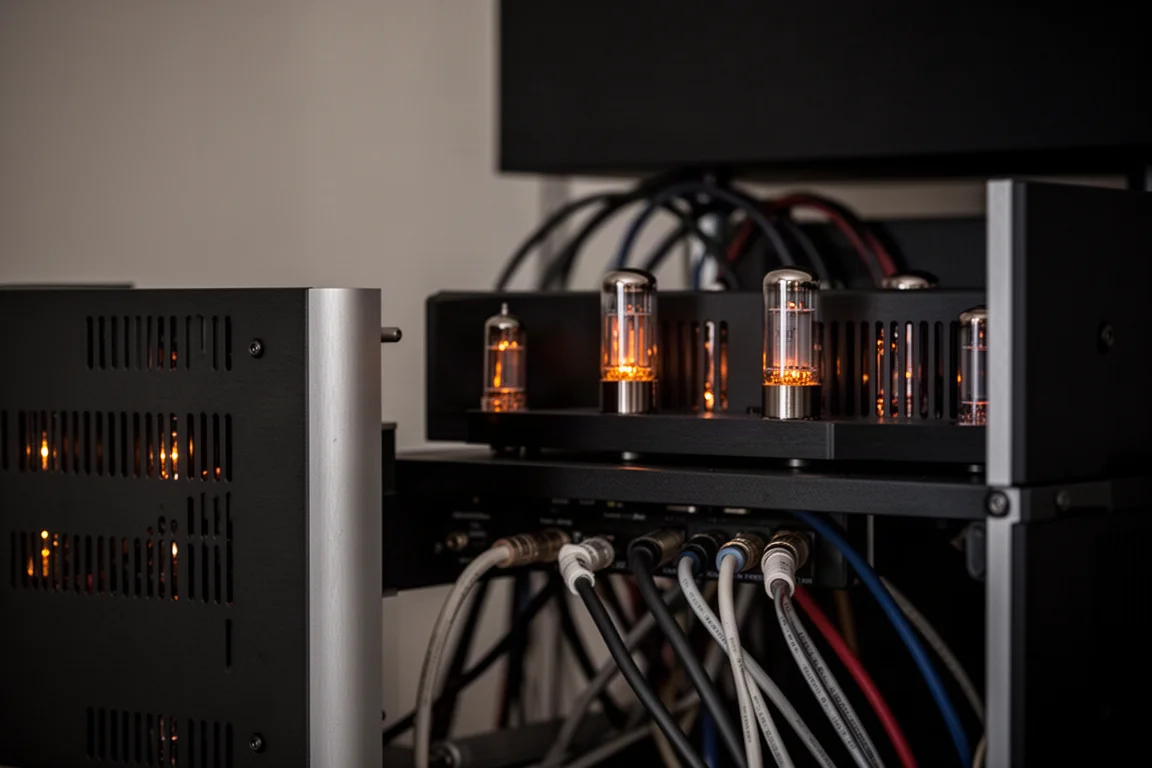
Against a modern reference tube preamp, the Linear Tube Audio MicroZOTL, the differences were predictable but informative. The modern design was more transparent, more dynamic, with a more extended and cleaner top end and deeper, tighter bass. The SP3A answered with a bigger, more open soundstage. Over long listening sessions, the older preamp never left a feeling that something essential was missing.
Things to Consider Before Buying
The SP3A is not the quietest preamplifier. Tube noise and tube rush are audible, and there is a small amount of buzz and hum. In practice it was not intrusive, but it is present, and it reflects the noise performance typical of electronics from that period.
The knobs and front panel push buttons are plastic. They turn smoothly, but they do not feel premium, and the later SP6 moved to metal knobs. There is no remote control, which is simply a product of the era.
It is also not state of the art in every respect. High frequency extension and clarity on top are more reserved than a modern design, and deep bass power, impact, and definition are not its strongest suit. Buyers chasing maximum resolution should weigh that carefully.
Finally, condition matters enormously. A fifty-year-old preamplifier needs proper restoration to be reliable, and this example had a full restoration to specification before it was put back into service.
Buying Advice
For anyone considering an SP3A, the restoration is the single most important factor. A unit that has been fully brought back to specification is a very different proposition from an untouched original example, and it is worth asking specifically what was replaced and how the work was verified.
This restored SP3A is offered at $4,000 by Novalux Stereophonics. That price buys two moving magnet inputs, two tape loops, two main outputs, eight 12AX7 tubes, and a phono stage capable of resolving real differences between cartridges.
Budget for a step-up transformer or headamp if you plan to run moving coil cartridges. It is not optional equipment on this preamp, it is part of the entry cost.
It also helps to match the SP3A with sympathetic speakers. High-sensitivity designs, particularly open baffle and horn-loaded types, let the preamp’s gain structure and tonal character do their best work.
Conclusion
The Audio Research SP3A is a reminder that the right high-end audio equipment, well cared for and properly maintained, can stay useful for fifty years or more. This is not a shelf piece or a collector’s ornament. It is a preamplifier you can run every day and genuinely enjoy.
Its limits are real: audible tube noise, plastic controls, no remote, and a top end and bottom end that trail modern references. Its strengths are just as real: tone, body, gain, and a big open presentation that makes acoustic, jazz, classical, and rock recordings feel alive. For vinyl-focused listeners who value musicality over the last measure of transparency, a well-restored SP3A at $4,000 is a genuinely compelling proposition.
Product link
View more details for Audio Research SP3A
This product is mentioned in the review. Check the specifications, options, and compatibility before buying.
View more details for Audio Research SP3AFurther reading
Related Reviews
Hi-Fi Audio
Accuphase C-57 vs Allnic H-7000V: Two High-End Phono Stages Compared
A fully balanced solid-state phono stage with a pitch-black noise floor meets a tube design built for well-loved records. Here is how to choose between them.
Hi-Fi Audio
Active vs Passive Hi-Fi: Five Components for a Modern System
Five components that define modern active and passive hi-fi systems, with the strengths, trade-offs and setup details worth weighing before you buy.
Hi-Fi Audio
Advance Paris A10 Apex Review: A Hybrid Integrated Amplifier That Covers a Lot of Ground
A French hybrid integrated amplifier with a class A tube preamp stage, analogue power meters, and an internal DAC and phono stage good enough to make extra boxes unnecessary.