Hi-Fi Audio
Audio Note M2 Phono, Vindicator Silver and Tonmeister: A Tube Amplifier Buying Guide
Three Audio Note valve components, one shared sound, and a clear way to decide between a two-piece phono setup and a low-power integrated amplifier.
Introduction
Some high-end audio systems are easy to describe. You list the specifications, note the measurements, and move on. Others resist that approach, because what they do well does not fit neatly onto a specification sheet. The Audio Note electronics covered here belong to the second group.
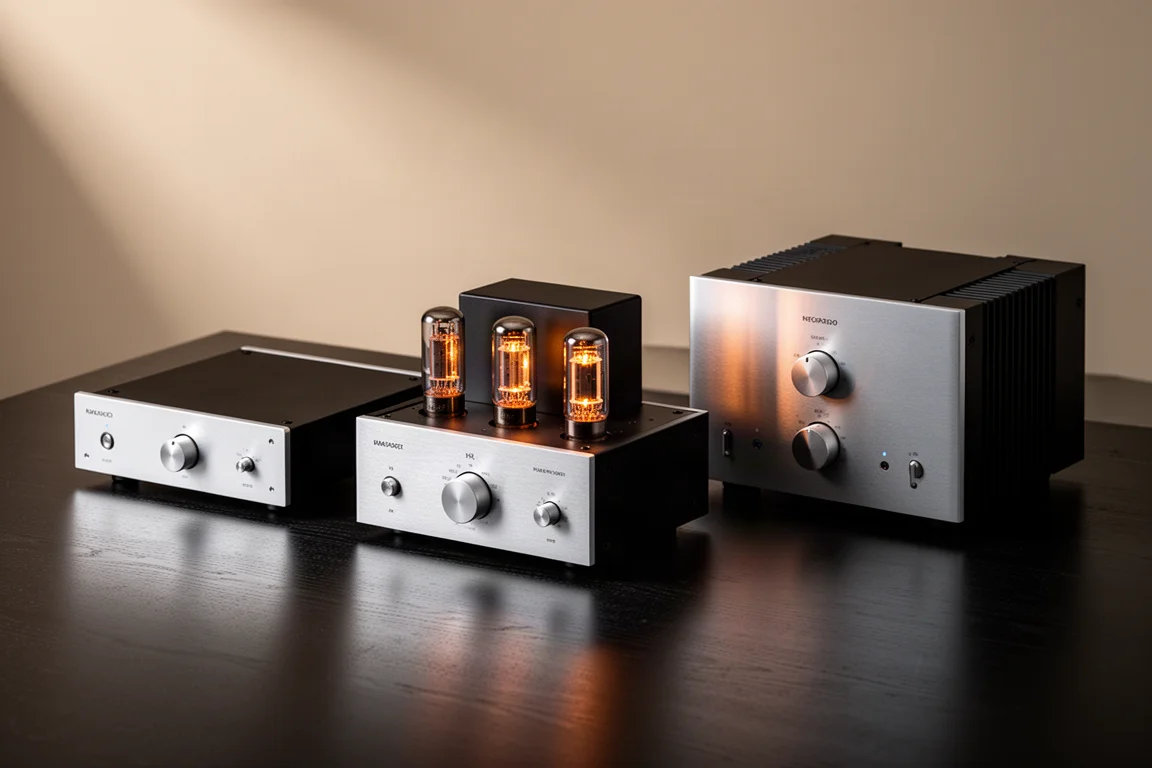
This guide looks at three Audio Note components that occupy similar territory but solve different problems: the M2 Phono preamplifier, the Vindicator Silver power amplifier, and the Tonmeister integrated amplifier. All three share the house character the brand is known for, yet they differ in power, features, and how much they ask of the rest of your system.

Two of them, the M2 Phono and the Vindicator Silver, are used together as a pair, and combined they land close to the price of the Tonmeister integrated on its own. That makes the comparison genuinely useful rather than academic, because the money involved is similar while the priorities are not. Choosing well comes down to your turntable, your speakers, and the kind of listening you actually do.
What Gives Audio Note Its Character
Audio Note’s approach favors simplicity in the signal path. The company avoids phase inversion and correction in its converters, preamplifiers, and amplifiers, aiming for a direct input-to-output circuit built around valve technology. Everything inside and outside these units, from the binding posts and RCA plugs to the capacitors and transformers, is made by Audio Note itself. That level of vertical integration is rare, and it gives the company full control over the final voicing of each component.
The audible result is a presentation listeners often describe as holographic. Instruments and voices spread well beyond the speakers, the soundstage fills the room, and the overall balance is smooth and musical rather than sharply analytical. Bass is extended and linear, satisfying in the way it fills a space without the pressurized, chest-thumping character of some solid-state designs. Long listening sessions stay comfortable rather than fatiguing.
What these components are not is a reference monitoring tool. If your priority is maximum detail retrieval, razor-sharp imaging, or a strictly linear solid-state presentation, this is not the design philosophy for you. For musical enjoyment, and for jazz and vocals in particular, the character is compelling, and the emphasis stays on musicality rather than on measurement.
Speaker Matching: Why Sensitivity Matters
Power output is the single most important practical consideration with these amplifiers. The Vindicator Silver delivers 3.5 watts into 4 or 8 ohms, and the Tonmeister integrated delivers 8 watts per channel. Both figures sit firmly in the low-power valve category, which means speaker sensitivity is not a detail to check later. It is the first thing to check.
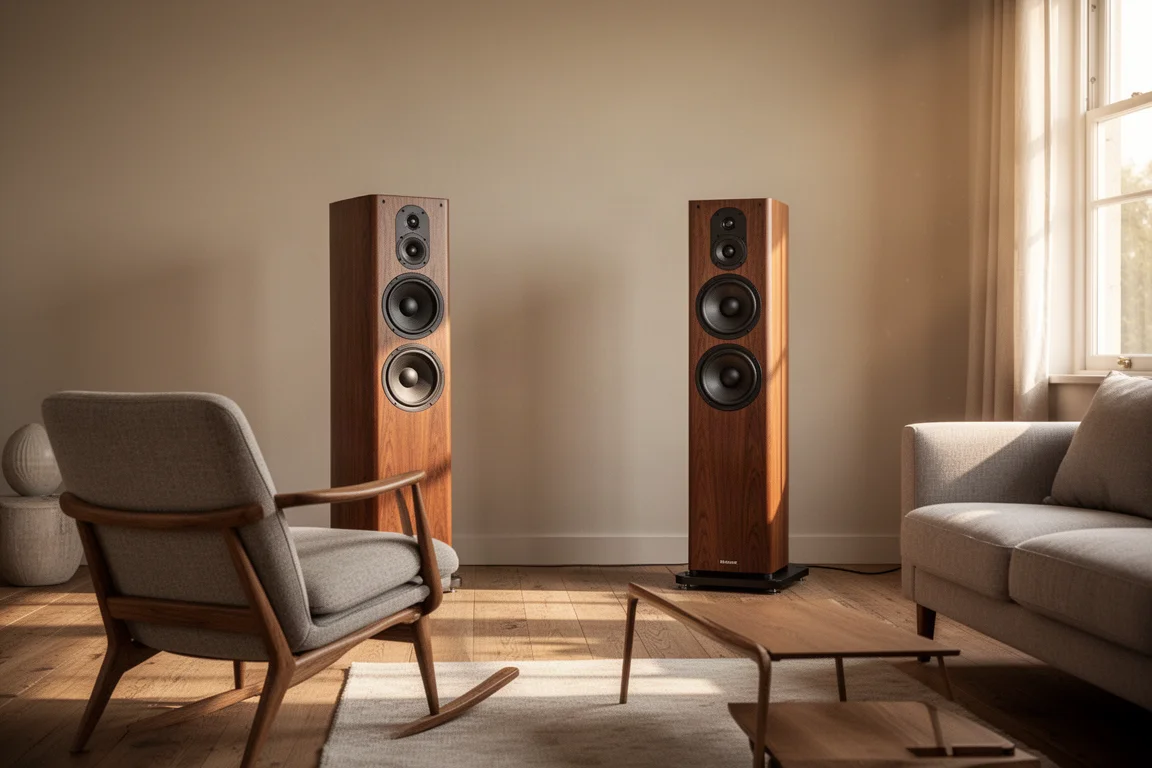
Speakers rated at roughly 91 to 92 dB sensitivity or higher are the realistic starting point, and more sensitivity is always better. Audio Note’s own speakers are designed around exactly this kind of amplifier, which is no coincidence. In a larger room, even more sensitivity is required, because the same amount of power has to fill a bigger space. With appropriate speakers, both amplifiers produce the full, room-filling presentation described above. With inefficient speakers, neither can drive them properly, no matter how good the rest of the system is.
Audio Note M2 Phono Preamplifier
The M2 Phono is a valve preamplifier with a built-in phono stage, priced around $9,000 USD. That phono stage is the reason it matters in this comparison: it lets you run a turntable directly into the system without a separate phono preamplifier, and it handles vinyl beautifully. Paired with a good turntable, the sound is rich and full, with the bloom and depth that define the brand.
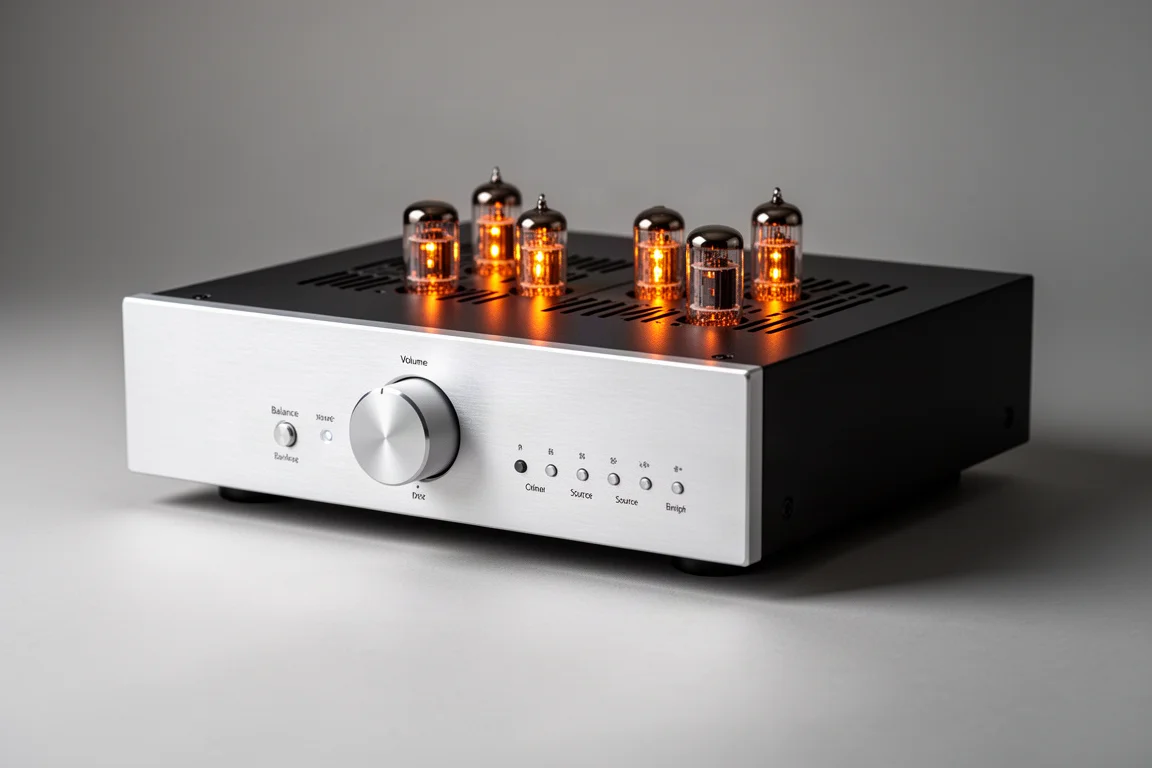
One practical feature deserves attention. The balance control adjusts the relative level of the left and right channels, and that matters more than it sounds. If room layout forces your speakers into an asymmetrical arrangement, a channel imbalance can pull the phantom center off to one side and blur vocal imaging. Being able to correct that by ear lets you lock the center image back into place.

A balanced version of the M2 Phono is also available for additional cost, adding XLR connections that are useful for very long cable runs. The standard version uses single-ended connections. That distinction matters mainly in larger installations where cable lengths are substantial.
Audio Note Vindicator Silver Amplifier
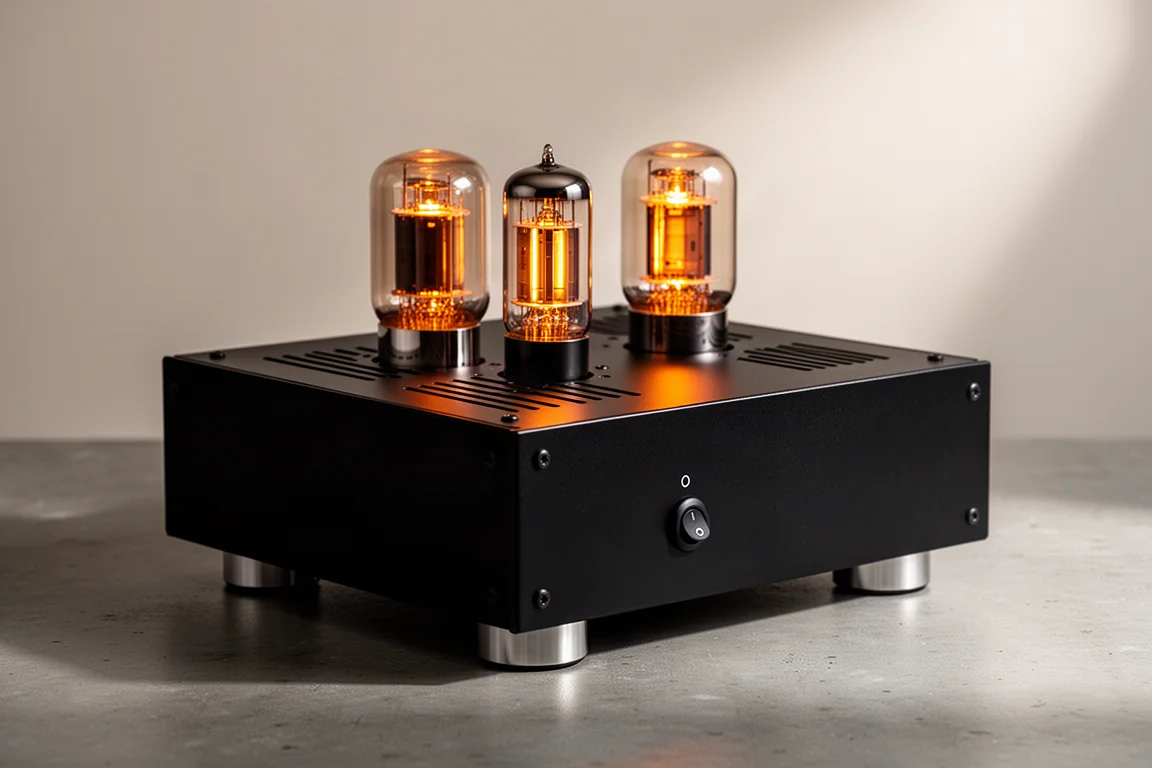
The Vindicator Silver is a valve power amplifier rated at 3.5 watts into 4 or 8 ohms and priced around $10,000 USD. On paper, that power figure looks almost implausibly small, and it is the number that surprises people most. In practice, it defines the requirement for the rest of the system: sensitive speakers, or nothing.
Paired with the M2 Phono, the Vindicator Silver brings a slightly different balance to the same Audio Note character. The midrange is cleaner and a touch more precise, vocals come through with more delicacy and low-level detail, and the overall presentation is a little crisper than the integrated route. That extra clarity is appealing on well-recorded material. On poorly mastered recordings, the same transparency means the noise floor is more audible. It is a fair trade rather than a flaw, but it is worth knowing before you commit.
Audio Note Tonmeister Integrated Amplifier
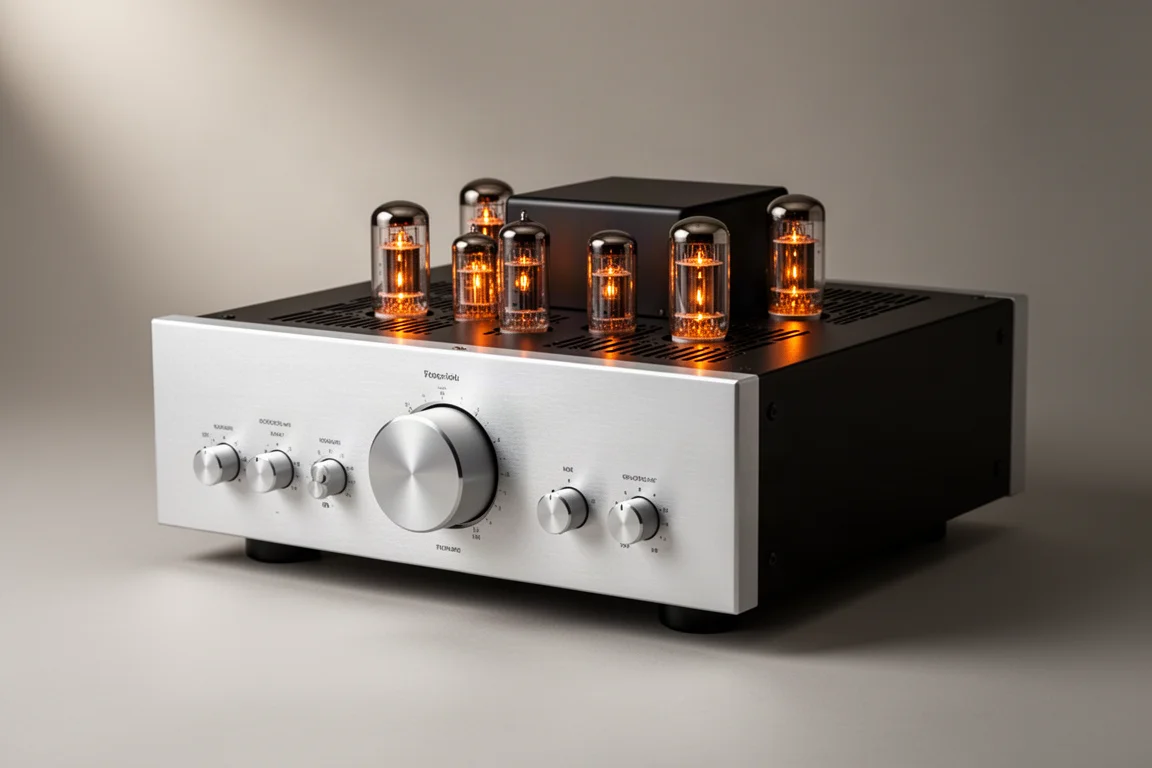
The Tonmeister is the integrated amplifier in this group, priced around $19,000 USD, and it delivers 8 watts per channel. That is more than double the Vindicator Silver’s output, which makes it the more flexible option across a wider range of sensitive speakers.
Sonically, the Tonmeister leans further into the warmth and smoothness that define the Audio Note sound. It capitalizes on that bloom and holographic staging in a way that is deeply relaxing to listen to, and the presentation stays engaging across long sessions. Some owners have noted that the midrange can sound slightly grainy, and the M2 Phono and Vindicator Silver pairing addresses that with a cleaner midrange and more evident vocal detail.
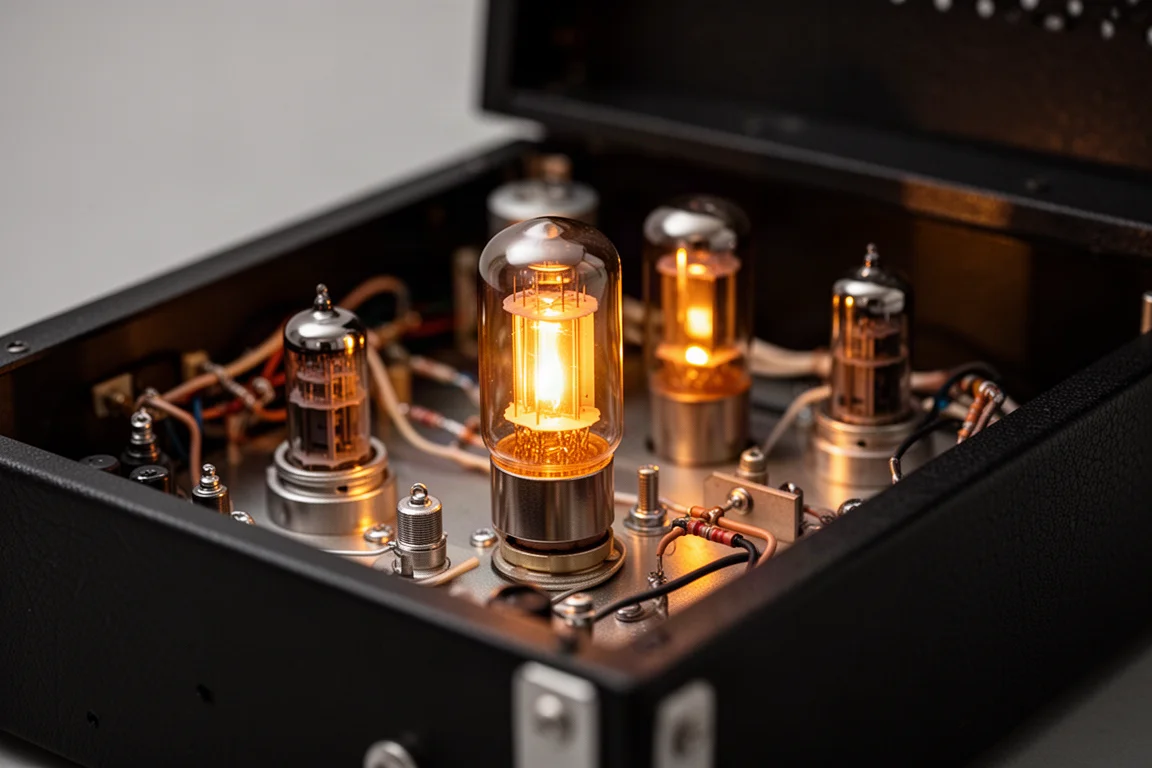
The Tonmeister is available as a line-stage version at around $19,000 USD. A version with an added phono stage is offered at roughly $24,000 USD, which moves it well beyond the price of the two-piece setup. Sonically, the Tonmeister is the stronger of the two approaches, but the price difference changes the calculation entirely. A balanced version of the Tonmeister is not available.
Which Audio Note Combination Makes Sense for You?
The deciding factor is not which component sounds better in isolation. It is what your system and your listening habits actually require.
If you play vinyl and want a phono stage built in, the M2 Phono and Vindicator Silver combination at roughly $19,000 USD covers both jobs in a single purchase. It also brings slightly more midrange clarity and vocal detail than the integrated route, and it adds a balance control plus the option of a balanced version. That pairing rewards sensitive speakers and well-recorded material, and it is the more precise of the two paths.
If you do not need a phono stage, or if you want the warmest and most effortless presentation of the three, the Tonmeister integrated at around $19,000 USD is the simpler single-box solution and the stronger performer sonically. It doubles the available power, which opens up more speaker options. If you need the integrated and a phono stage together, the phono version at roughly $24,000 USD is the answer, provided the budget allows for it.
Either way, budget for the speakers. Low-power valve amplification of this kind only performs at its best with genuinely sensitive designs, and that is a system cost rather than an accessory. Plan the whole chain together and the character these components are known for will come through properly.
Conclusion
Three components, one house sound, and a decision that comes down to features and speakers rather than raw quality. The M2 Phono and Vindicator Silver pairing brings vinyl support, a balance control, and a slightly cleaner midrange for around $19,000 USD. The Tonmeister integrated delivers more power, greater warmth, and a more effortless presentation for a similar outlay, while its phono-equipped version sits at roughly $24,000 USD. Match any of them with genuinely sensitive speakers, and the room-filling staging and smooth musicality that make these components distinctive are exactly what you will hear.
Further reading
Related Reviews
Hi-Fi Audio
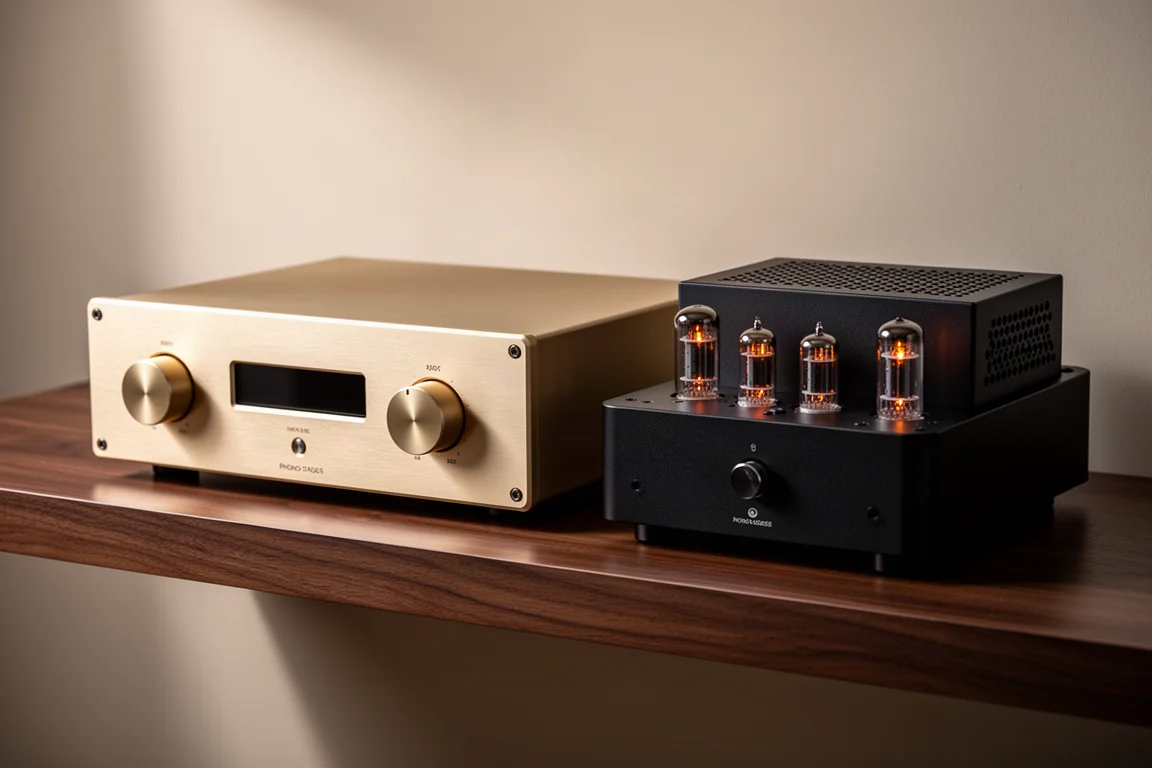
Accuphase C-57 vs Allnic H-7000V: Two High-End Phono Stages Compared
A fully balanced solid-state phono stage with a pitch-black noise floor meets a tube design built for well-loved records. Here is how to choose between them.
Hi-Fi Audio
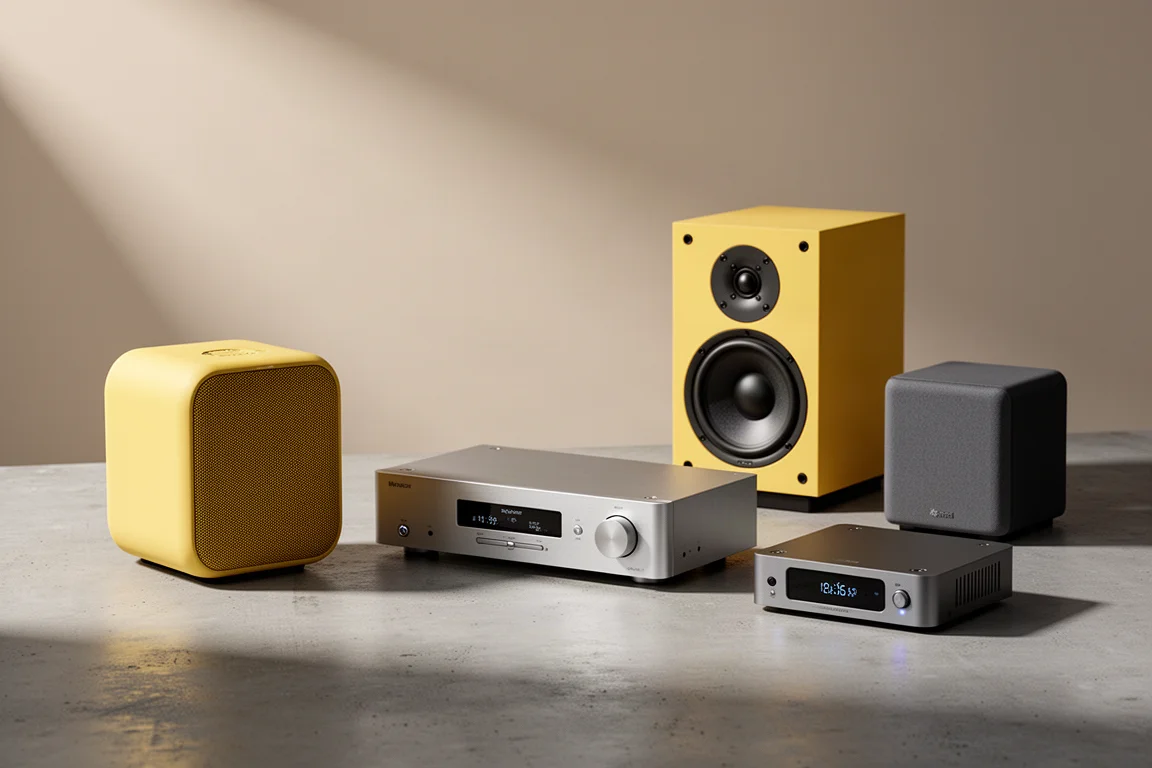
Active vs Passive Hi-Fi: Five Components for a Modern System
Five components that define modern active and passive hi-fi systems, with the strengths, trade-offs and setup details worth weighing before you buy.
Hi-Fi Audio
Advance Paris A10 Apex Review: A Hybrid Integrated Amplifier That Covers a Lot of Ground
A French hybrid integrated amplifier with a class A tube preamp stage, analogue power meters, and an internal DAC and phono stage good enough to make extra boxes unnecessary.