Bookshelf Speakers
Audio Craftsman Victoria Review: A Laid-Back Bookshelf Speaker With Real Trade-Offs
The Audio Craftsman Victoria is a two-way bass reflex bookshelf speaker with a wide, mellow presentation, an easy amplifier load, and a few placement and dynamic range limits worth knowing before you buy.
Introduction
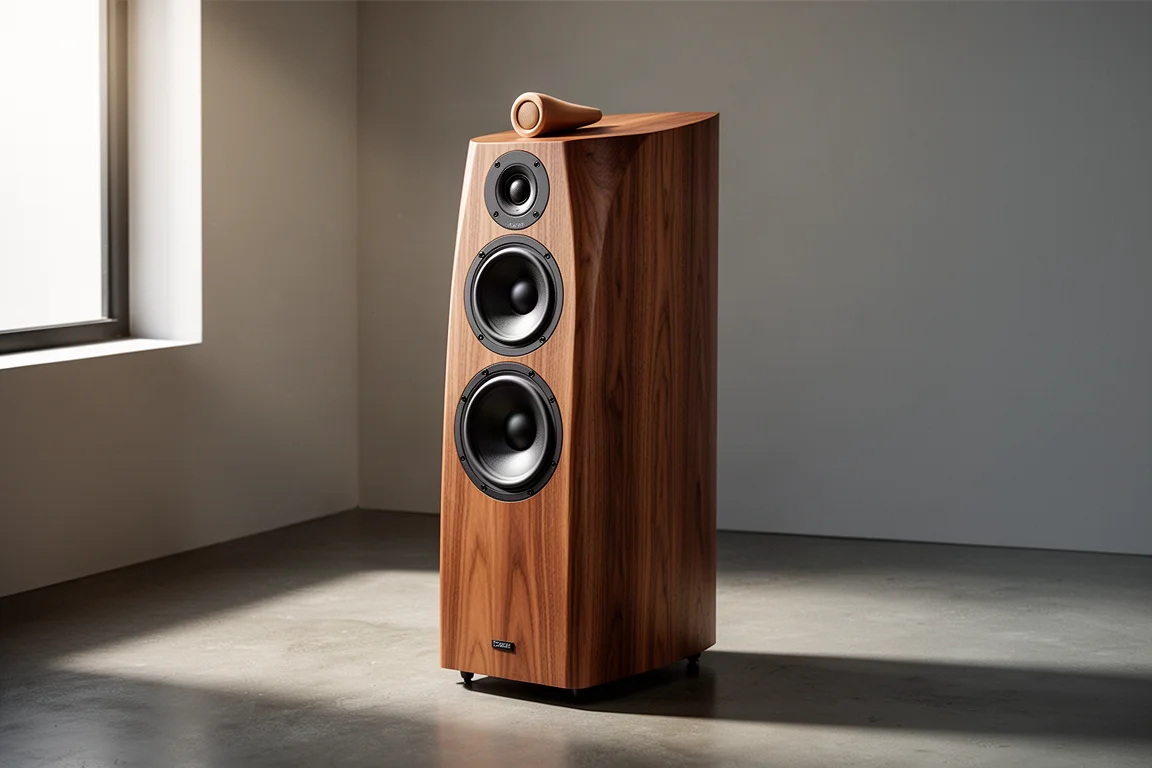
The Audio Craftsman Victoria is a compact two-way bass reflex bookshelf speaker with a rear port and an unmistakable look. Instead of a conventional flat baffle, the front face carries a distinctive slit pattern, which gives the cabinet a character that stands apart from most speakers in this size class.
Behind that baffle, the design pairs a 180 mm mid-bass driver with a 29 mm tweeter, crossed over at a specified 2.2 kHz. Rated efficiency is 88 dB, nominal impedance is listed at 8 ohms, and the manufacturer suggests amplifier power between 25 and 125 watts. Build quality makes a strong first impression: the cabinet feels solid, the finish is tidy, and the unusual baffle treatment is executed cleanly rather than as a gimmick.
Sound quality is where the picture becomes more layered. The Victoria is a mellow, laid-back speaker with a genuinely wide, enveloping presentation through the midrange and lower treble. It is also a speaker with clear limits: the midrange is lean, the treble depends heavily on how the cabinets are aimed, and the low end runs out of steam well before the bass region is fully covered. None of those traits make it unpleasant to listen to. They do mean it rewards careful setup and honest expectations.
Who the Audio Craftsman Victoria Is For
This is a speaker for listeners who value a relaxed, non-fatiguing tonal character and a broad, room-filling sense of space over forensic detail. It suits moderate listening levels, a room where the cabinets can sit reasonably close to the wall behind them, and a system where a subwoofer is either already present or easy to add.
It is a less natural fit for anyone chasing deep bass from the speakers alone. If you want convincing output at 30 to 40 Hz, or a firm kick drum punch in the 50 to 80 Hz region, the Victoria will need help from a subwoofer. Buyers who mostly play acoustic, vocal-led and midrange-focused material at sensible volumes will get the most from it.
It is also worth being clear about volume expectations. Listeners who sit within about ten feet and stay in the mid-to-upper 80 dB range at the listening position will find plenty to enjoy. Those who want sustained higher output from a pair of stand-mounted speakers should look at a larger, more efficient design instead.
Design, Build Quality, and Key Specifications
The physical package is the most immediately appealing part of the Victoria. The slit-pattern baffle is a deliberate design statement, and the cabinet construction backs it up with a sense of solidity that suggests care in assembly rather than cost cutting. The rear-ported bass reflex alignment is conventional, which is good news for placement flexibility, though it does mean the wall behind the speaker becomes part of the tuning.
The headline specifications are straightforward: a 180 mm mid-bass driver, a 29 mm tweeter, a 2.2 kHz crossover point, 88 dB rated efficiency, 8 ohm nominal impedance, and a suggested amplifier range of 25 to 125 watts. Measured sensitivity in practice lands closer to 84 dB, which is a little below average for a bookshelf speaker of this size and worth factoring into amplifier choices.
Measured low-frequency performance shows an F3 of 65 Hz and an F10 of 45 Hz. That is a reasonable result for a cabinet this size, and it explains the impression of an early roll-off in a normal room. The impedance curve is friendly: nominal load sits near 8 ohms, minimum impedance is around 7.3 ohms, and the minimum EPDR is about 4.4 ohms. For most solid-state amplifiers, that is an undemanding load.
Main Strengths
The most likeable quality of the Victoria is its radiation width. Measured horizontal spread holds at roughly plus or minus 70 degrees through the midrange and into the lower treble, and that is exactly what you hear: a wide, enveloping sound that does not collapse into a narrow sweet spot when you move your head. For listeners who value a spacious, room-filling presentation, this is the speaker’s strongest argument.
Distortion performance is also better than the modest sensitivity might suggest. At 86 dB, harmonic distortion stays largely below roughly 1 percent up into about 100 Hz, and the overall picture is clean rather than gritty. Tonally, the response above about 1 kHz is reasonably flat, if not perfectly so, which keeps the upper midrange and lower treble from sounding obviously coloured.
The electrical load is another practical strength. With a nominal 8 ohm rating, a minimum impedance near 7.3 ohms and a minimum EPDR around 4.4 ohms, most AB amplifiers will drive the Victoria without complaint. Combined with the 25 to 125 watt suggested range, that makes system matching refreshingly simple.
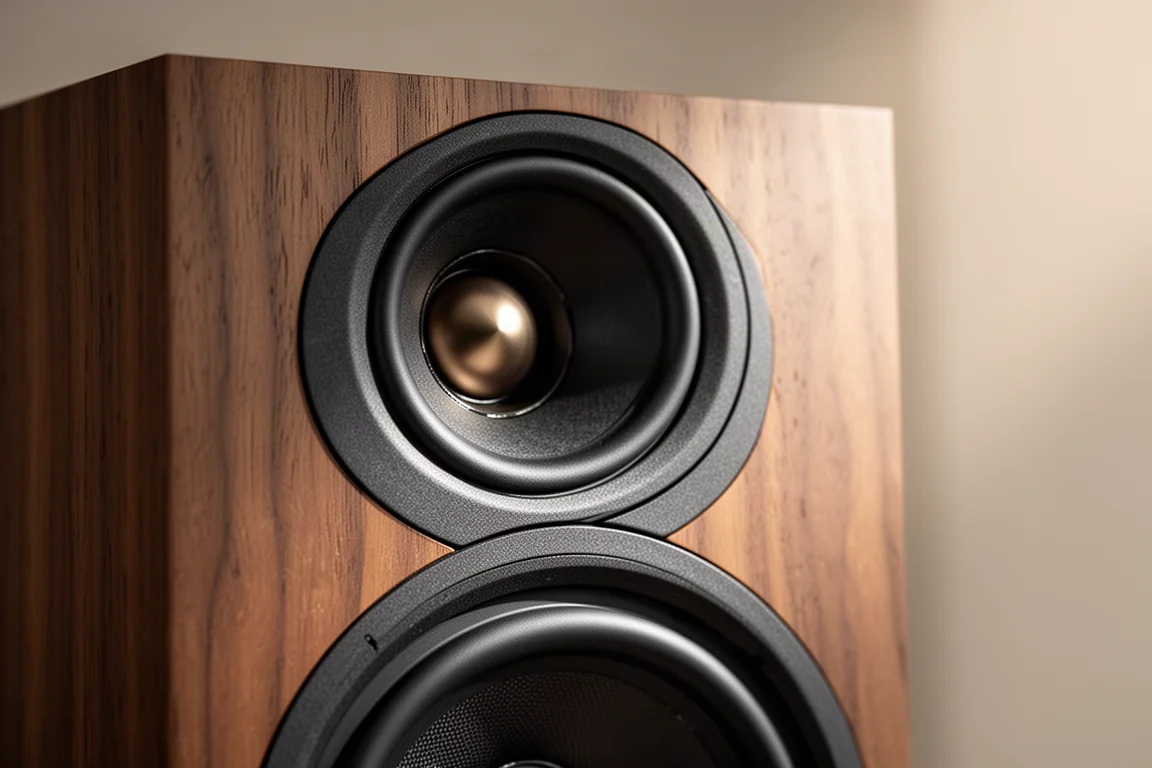
Build quality rounds out the list. The cabinet feels substantial, the finish is neat, and the design details hold up under close inspection. At this size and price band, that combination of solid construction and a distinctive visual identity is not something every competitor offers.
Things to Consider Before Buying
The main consideration is the midrange. Measured response shows a broad dip through the lower midrange and upper bass, centred around 200 Hz and roughly an octave or two wide, and the shape of the data suggests the baffle step compensation is not fully resolved. In listening terms this shows up as recessed vocals and a general lack of thump. It is not the kind of obvious peak that makes a speaker hard to sit through, but it is audible, and listeners who prioritise tonal accuracy will notice it.
Treble behaviour is the second big variable. The tweeter needs to be aimed at the listening position. Pointed straight down the room, which is roughly 30 degrees off axis, the high frequencies drop noticeably, and shimmer, hi-hats and cymbals lose their definition. Aimed directly at the listener, the top end fills back in. As with most dome tweeters on a flat baffle without a waveguide, the response begins to narrow above about 7 kHz, and the vertical window is narrow too, with only around 20 degrees of comfortable movement off the tweeter axis.
Dynamic range is the third limitation. Below roughly 100 Hz the speaker runs out of excursion, so material that sounds punchy at low volume loses that snap when you turn it up. Measured compression data shows the low end tightening from the 86 dB reference onward, with losses creeping into the lower midrange by 96 dB and more clearly by 102 dB. A multi-tone distortion peak around 1 kHz also becomes audible at higher output levels, which is worth remembering if you listen loudly.
Finally, sensitivity is a little below average at around 84 dB. It is not a problem for amplifier compatibility, but it does mean the Victoria needs a bit more power than a typical 86 dB bookshelf to reach the same level.
Placement and Room Interaction
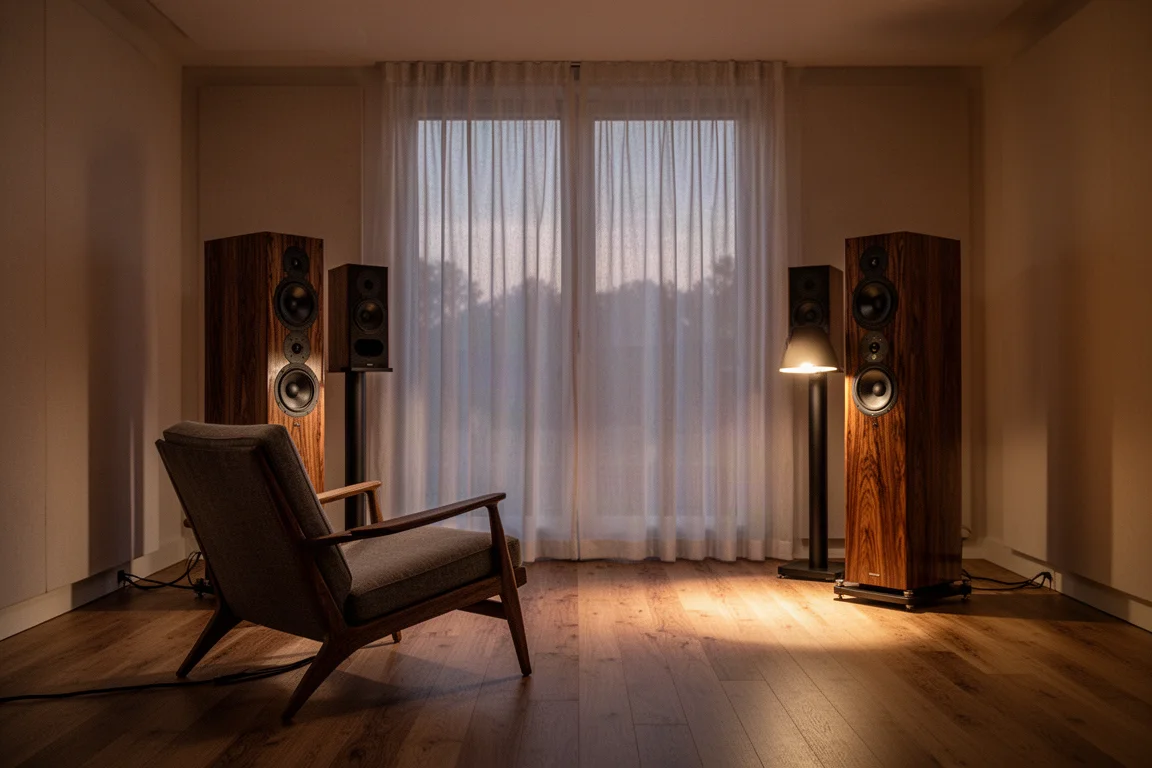
Placement matters more here than with many stand-mounted speakers. The recommendation is to keep the Victoria relatively close to the wall behind it, somewhere around six inches to a foot away, and not much beyond about a meter. Moving the cabinets further out into the room introduces a cancellation from the rear wall that eats into the midrange, deepening the dip that is already part of the speaker’s character.
Bringing the speaker closer to the wall avoids that cancellation and lifts output below about 70 Hz at the same time, which is why this speaker behaves better with a modest amount of rear-wall reinforcement rather than a lot of open space behind it. Aim both cabinets directly at the listening seat rather than straight down the room, and keep your ears close to tweeter height. Vertical placement is not forgiving, so stands that put the tweeter at ear level do a lot of the work.
Listening distance is the other variable. The Victoria is best used at under about ten feet, with listening levels in the region of 85 to 90 dB at the seat for the pair. Beyond that, the compression and distortion behaviour below 100 Hz becomes a real constraint rather than a theoretical one.
Amplification, Output, and System Matching
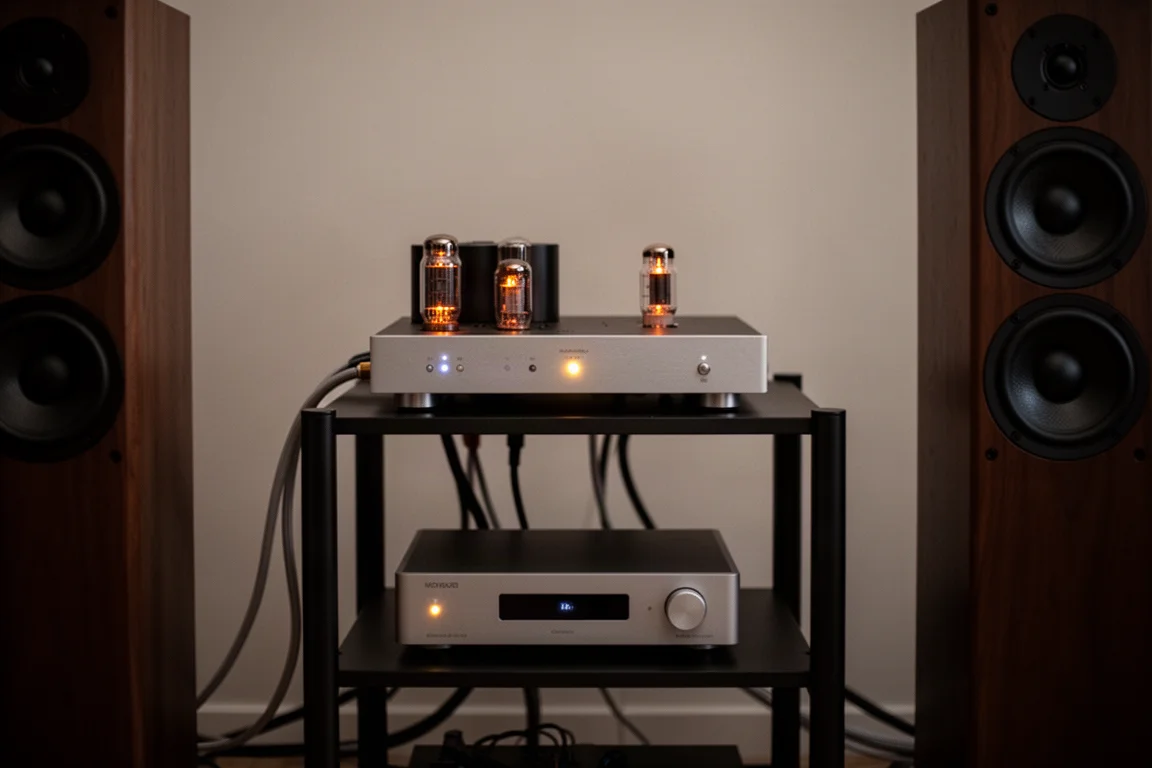
Amplifier matching is the easy part. The 8 ohm nominal load, the 7.3 ohm minimum impedance and the 4.4 ohm minimum EPDR mean most amplifiers in the 25 to 125 watt range will be comfortable. Because measured sensitivity sits near 84 dB, having a little headroom on tap is more useful than chasing exotic output specs.
The more important system decision is bass support. For content that reaches down to 30 or 40 Hz, a subwoofer is effectively mandatory. For stronger kick and lower mid-bass punch in the 50 to 80 Hz region, a subwoofer is still the sensible answer. If your material never asks for deep bass and you listen at moderate levels, the Victoria can work on its own, but the pairing question is worth deciding before purchase rather than after.
Treat the Victoria as a nearfield-to-midfield speaker for relaxed listening rather than a high-output option. Set up that way, with the cabinets close to the wall and aimed carefully, it delivers the wide, easy-going presentation it was clearly designed around.
Buying Advice
The Audio Craftsman Victoria makes the most sense for a specific listener: someone who wants a relaxed, spacious, unforced sound at moderate levels, appreciates a distinctive design, and is willing to spend a little time on placement. Aim the tweeters at your seat, keep the cabinets close to the wall, and pair them with a subwoofer, and the result is a comfortable, enveloping system that is easy to live with.
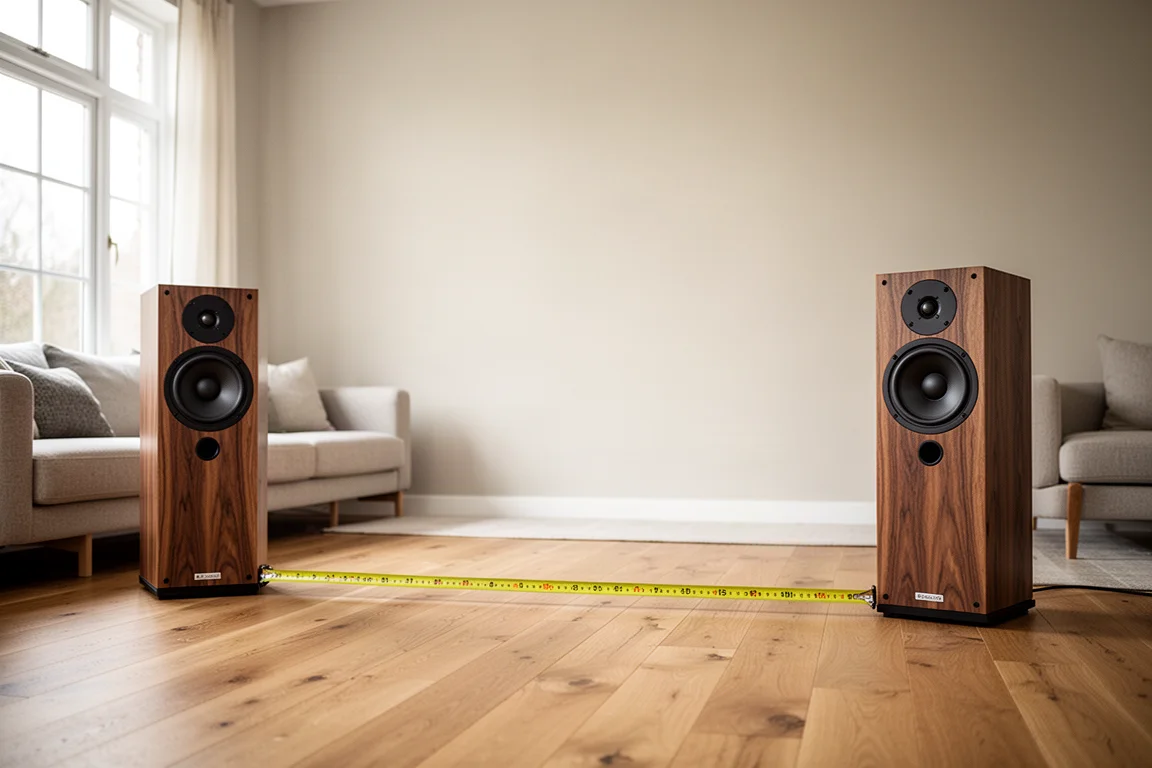
Buyers who want deep bass from the speakers alone, who listen at high volumes, or who want a ruler-flat midrange should weigh the alternatives carefully. The Victoria is a likeable speaker, not a universal one, and its strengths and limits are both clearly defined. If your priorities line up with what it does well, it is an easy recommendation. If they do not, the trade-offs are honest enough that you will know before you buy.
Conclusion
The Victoria is a well-built two-way bookshelf speaker with a genuinely wide, mellow presentation, a clean distortion profile, and an amplifier-friendly load. Its weak points are equally clear: a lean midrange, treble that depends on careful aiming, and limited dynamic range below 100 Hz. Set up close to the wall, aimed on axis, and supported by a subwoofer, it plays to its strengths. Buyers who plan around those conditions will find it a rewarding, low-stress speaker to own.
Product link
View more details for Audio Craftsman Victoria
This product is mentioned in the review. Check the specifications, options, and compatibility before buying.
View more details for Audio Craftsman VictoriaFurther reading
Related Reviews
Bookshelf Speakers
Acoustic Energy A100 Mark II Review: A Compact Standmount With an Expansive Soundstage
The Acoustic Energy A100 Mark II brings clarity, natural tonality and a wide soundstage to an entry-level standmount, with a few setup details worth knowing first.
Bookshelf Speakers
Acoustic Energy AE-100 Mark II Review: Compact Bookshelf Speakers With Standout Imaging
A compact British two-way bookshelf speaker with deep, layered imaging, fast bass, and a slight treble lift to weigh against a crowded $500 field.
Bookshelf Speakers
Acoustic Energy AE100 MK2 Review: Measured Performance and Four Alternatives
A close look at the Acoustic Energy AE100 MK2 bookshelf speaker, what its measured performance reveals, and four alternatives with different trade-offs.