Integrated Amplifiers
Audio by Van Alstine CA-1 Review: A US-Built Integrated Amplifier With Real Character
A close look at the Audio by Van Alstine CA-1 integrated amplifier, its strengths across different speakers, and how it stacks up against the Leak Stereo 230.
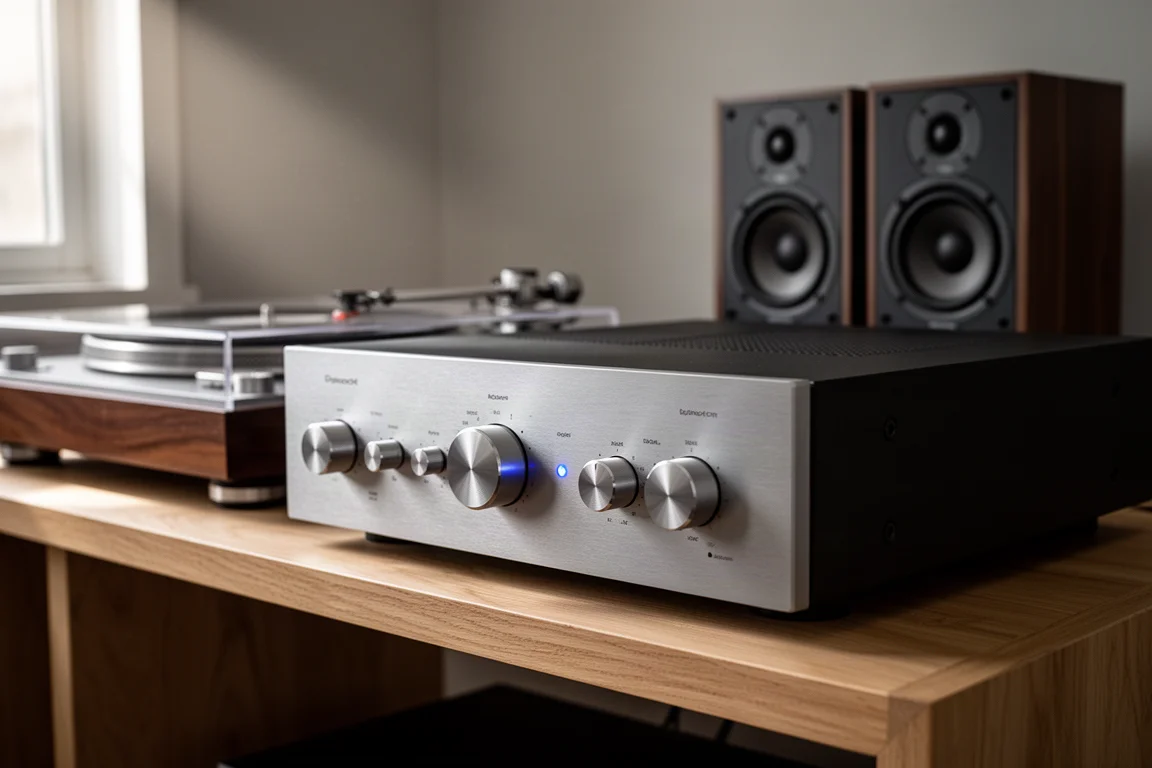
Introduction
Audio by Van Alstine is one of those quiet American manufacturers that has been building amplifiers for five decades without chasing the spotlight. The CA-1 is its affordable integrated amplifier, priced at $1,599 and sold direct in North America. It uses a Class AB design rated at 55 watts per channel into 8 ohms and 85 watts per channel into 4 ohms, backed by a linear power supply and a chassis that feels genuinely solid rather than generic.
The appeal is not only the specification sheet. The CA-1 has a distinct personality, and the parts you touch every day have clearly been thought about.
What the Audio by Van Alstine CA-1 Offers
The headline numbers are modest by modern standards, and that is part of the point. A linear power supply and a Class AB output stage are traditional engineering choices, and they give the amplifier a confident, unflustered character rather than a thin or clinical one.
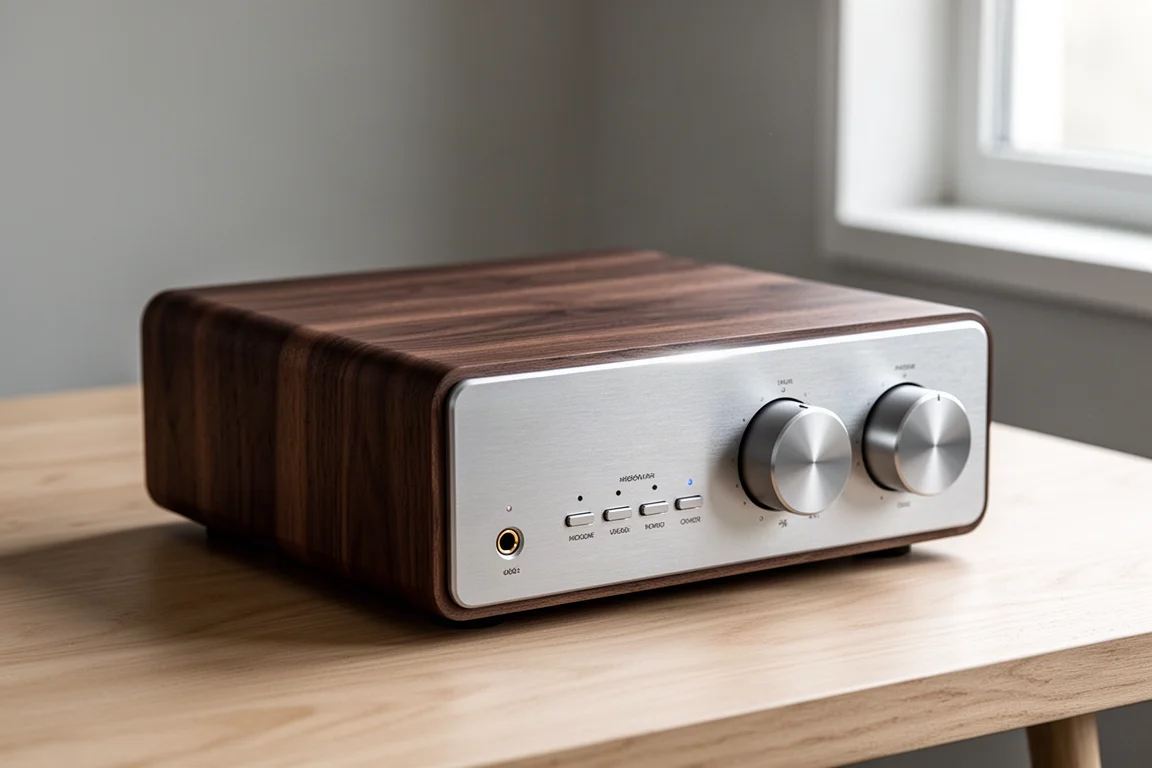
Build quality reinforces that impression. This is not a cookie-cutter design that could carry any badge. The front panel is dominated by metal knobs with a satisfying, mechanical feel, the kind that make an amplifier feel like a piece of equipment rather than a control panel. A small blue power indicator glows when the amplifier is on, and it is deliberately dim rather than distracting. A 6.3mm headphone jack sits on the front panel for late-night listening.
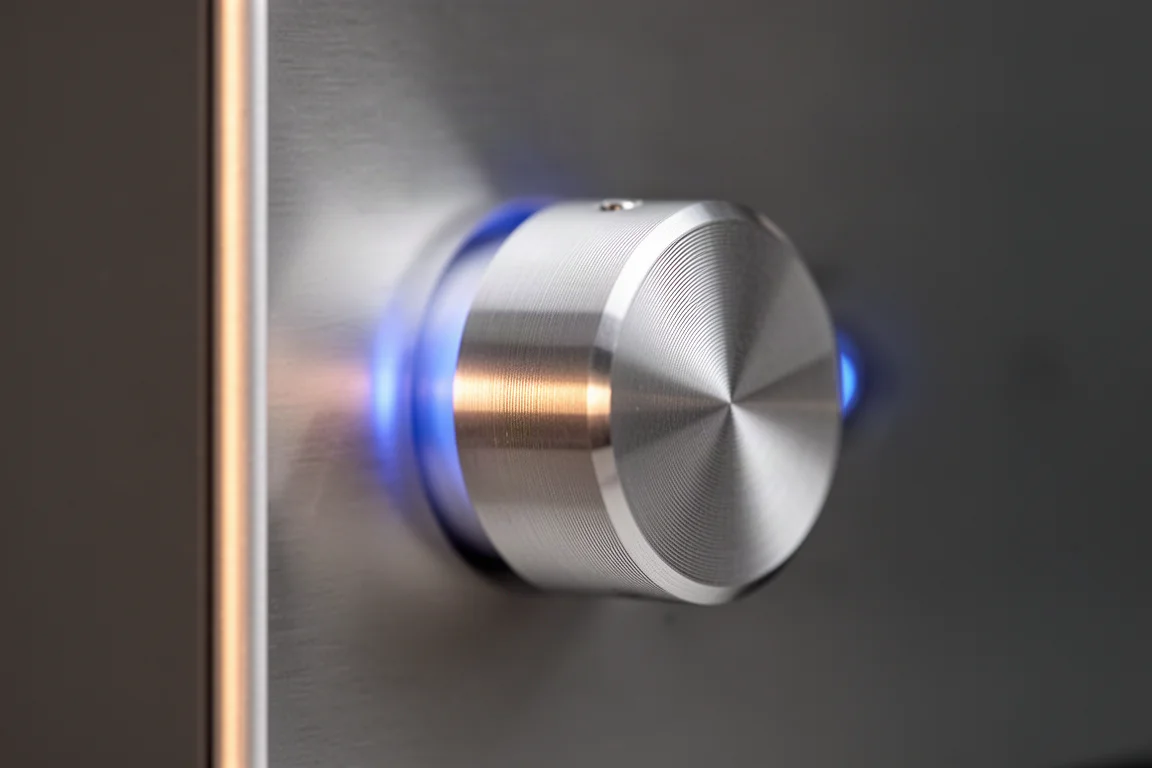
At $1,599 the CA-1 sits in serious company, and it is sold direct by the manufacturer in North America. Audio by Van Alstine is not currently handling export sales, so buyers outside that market will need to plan accordingly.
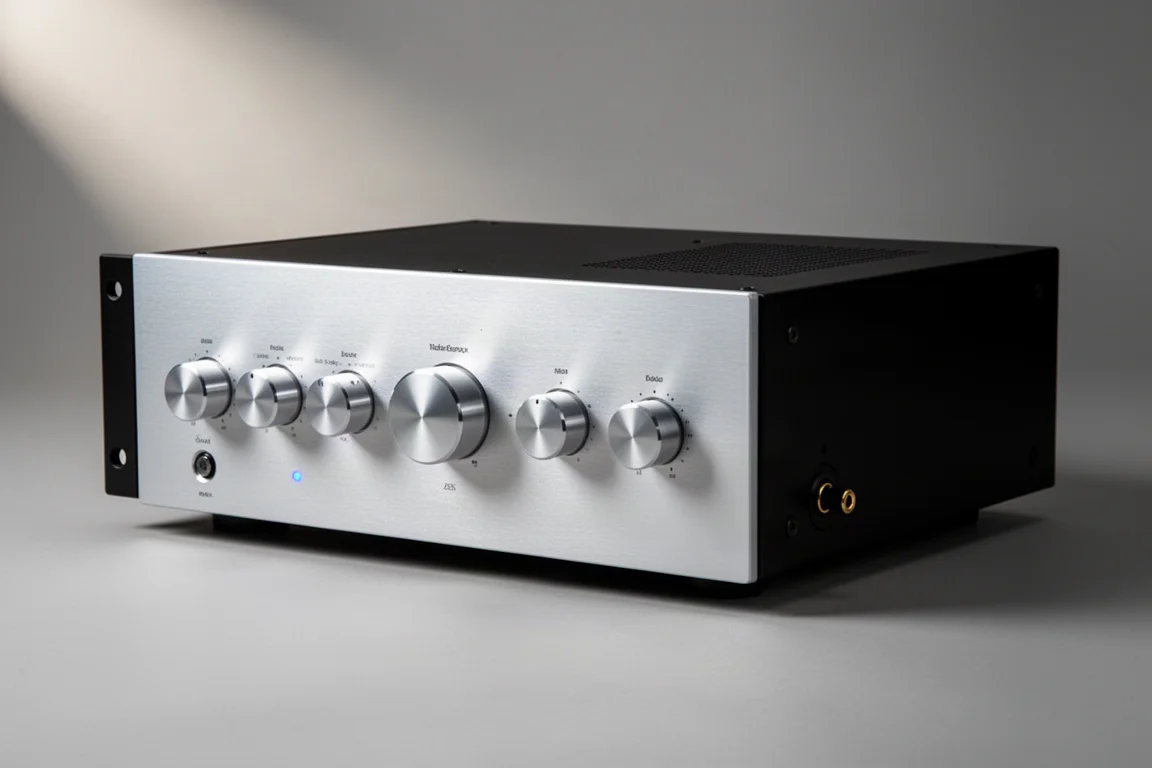
Inputs, Remote Control, and Headphone Listening
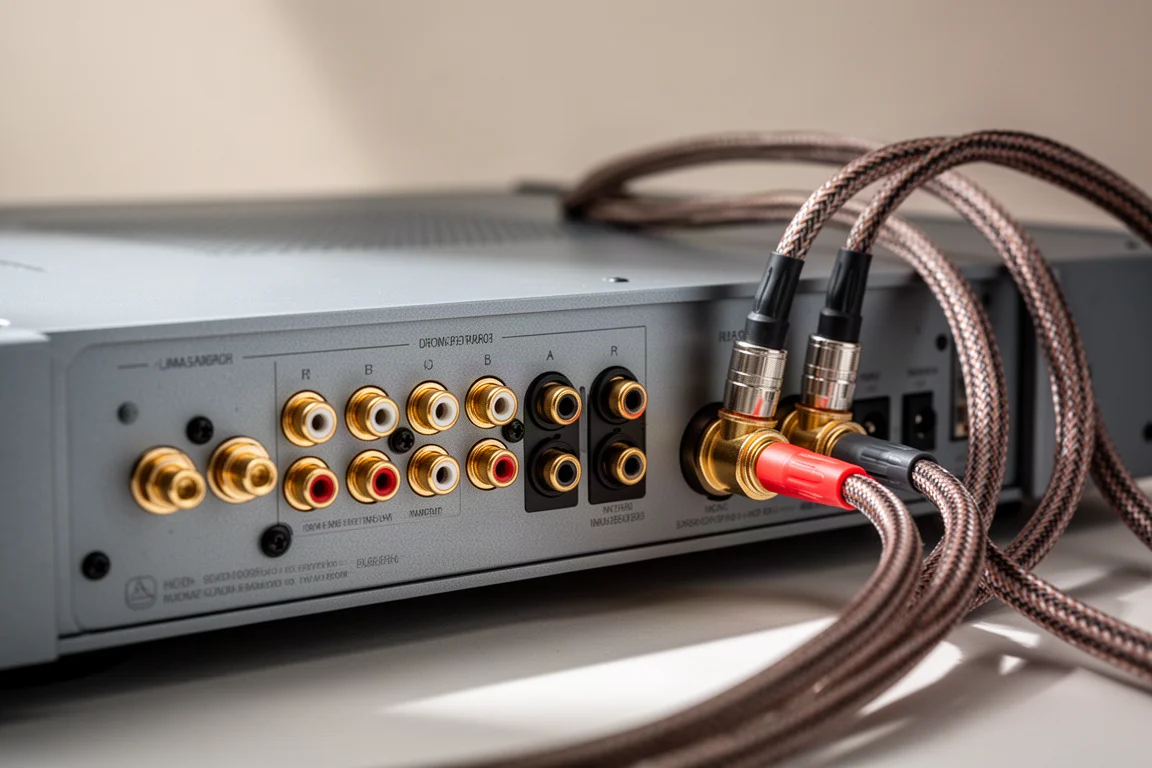
The back panel keeps things simple. There are four inputs in total: the leftmost pair is a moving magnet phono input, and the remaining three are line level. There is no internal DAC and no digital connectivity at all, so the CA-1 is an analog integrated amplifier in the traditional sense. Trigger jacks are present as well, along with a healthy set of speaker binding posts.
The remote is the one area where the amplifier feels less substantial. It is a small plastic handset that handles power, mute, and volume and nothing else. It works perfectly well and is easy to use, but the feature set is limited. In practice that is rarely a problem, since input switching usually happens standing next to the amplifier anyway.
Headphone listening is competent rather than exceptional. Across a range of headphones, the output landed squarely in the middle: good and average, never bad, never remarkable.
The absence of a DAC is worth thinking through rather than dismissing. Anyone who prioritises digital playback can choose a converter that matches their own ambitions, and a standalone unit at this level will generally outperform whatever DAC gets squeezed into a competing integrated amplifier at a similar price. A compact standalone DAC costing around $129 is a perfectly reasonable starting point, while a more serious converter in the $699 range is a natural match for an amplifier at this price. Buyers who mainly play records can ignore the whole question.
How the CA-1 Handles Different Speakers
One of the most useful things about the CA-1 is how comfortably it moved between very different speakers. At one end of the scale, high-sensitivity designs such as the Klipsch RP-600M took the 55 watts and turned them into genuinely loud, energised sound, with short peaks around 90 dB that felt completely controlled. At the other end, a low-sensitivity planar speaker like the Magnepan 7X, which many affordable amplifiers struggle to drive, was handled with far more composure than the price would suggest.
In the middle sat the KEF LS50 Meta. Speakers of that type are sometimes described as bright, but with the CA-1 there was no trace of hardness. Bass was full and satisfying, the presentation was never dull, and the amplifier simply let the speaker get on with the music.
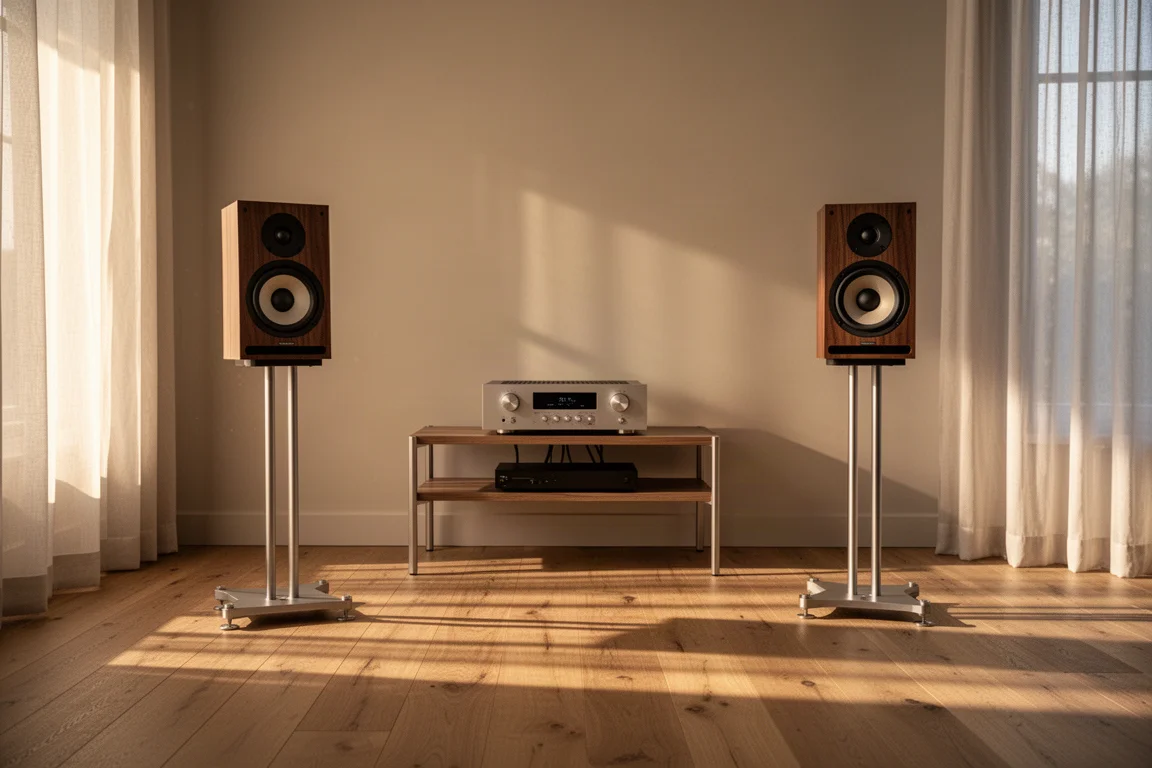
Not every pairing worked. The Zu Audio Dirty Weekend 6, a very high-sensitivity speaker, pushed brightness forward on bright recordings, and that combination never settled in. The PMC Prodigy 5, a compact floorstander with a transmission line, was the opposite experience: relaxed, easy to listen to, and happy to be played loud, with rock material delivered with real gusto.
The pattern is encouraging. Across high-sensitivity, low-sensitivity, and everything in between, the CA-1 found a good working relationship with most of the speakers it was paired with.
How the CA-1 Compares With the Leak Stereo 230
The Leak Stereo 230 is a natural reference point. It is a fully featured integrated amplifier rated at 75 watts per channel, wrapped in a handsome wood case, and it makes a strong case for itself. Comparing the two on vinyl with an all-analog big band recording revealed the character of each.
The Stereo 230 unleashed the sheer size of that recording: the dynamics, the sense of space, the energy of a large room full of players. Switching to the CA-1, the acoustics of the recording space became more clearly audible, and there was more inner detail and quieter resolution on offer. What the CA-1 gave up was weight at the bottom, where the Stereo 230 sounded fuller and riper.
Digital material told a similar story. On Gil Scott-Heron recordings, the CA-1 dug deeper into the texture of the voice, making more of the rasp and grain audible and creating a stronger sense of a performer working close to the microphone. Through the Stereo 230 that same material felt slightly veiled, with less of a direct connection to the performance. Both amplifiers are genuinely good, but the CA-1 takes the edge on clarity, space, and detail.
Things to Consider Before Buying
The CA-1 asks you to accept a few deliberate limitations. There is no digital input of any kind, so a separate DAC is mandatory if you stream or play files. Four inputs is a modest count, and one of them is reserved for a moving magnet turntable. The remote covers only power, mute, and volume, and it is made of plastic. The headphone output is serviceable rather than special.
There is also the question of system matching. With very high-sensitivity speakers and bright recordings, the amplifier can push brightness forward. That is a pairing issue rather than a flaw in the amplifier itself, but it is worth keeping in mind if your speakers already lean in that direction.
Finally, availability matters. The CA-1 is sold direct in North America at $1,599, and the company is not currently running export sales. Buyers in that region gain something meaningful in return: if service is ever needed, the manufacturer is close at hand and has been supporting its products for decades.
Who the CA-1 Suits Best
This amplifier makes the most sense for listeners who own a variety of speakers or who are unsure how demanding their next pair will be, since it handled everything from very easy to very difficult loads with confidence. It also suits vinyl listeners, thanks to the built-in moving magnet phono stage, and anyone who already owns a good standalone DAC.
It is a less obvious fit for someone who wants an all-in-one digital hub, or who relies on a comprehensive remote and a long list of inputs. Buyers outside North America will also need to factor in availability.
Buying Advice
If the CA-1 is going to be the centre of a digital system, treat the DAC as part of the budget rather than an afterthought. A compact standalone converter at around $129 is a fine entry point, and a more serious unit in the $699 region is a natural partner for an amplifier at this level. That approach costs more than relying on a built-in DAC, but it also delivers better sound and leaves you free to upgrade the digital side later without changing the amplifier.
If a fuller bottom end and a wider feature set matter more than inner detail, the Leak Stereo 230 is a legitimate alternative and worth hearing alongside the CA-1. If clarity, resolution, and the ability to drive difficult speakers are the priorities, the CA-1 is the stronger choice. Either way, matching the amplifier to the speakers you actually own will matter more than any single specification.
Conclusion
The Audio by Van Alstine CA-1 is a distinctive, well-built American integrated amplifier that handles a remarkably broad range of speakers, from very efficient designs to genuinely difficult loads. Its clarity and sense of recorded space are its strongest qualities, and the lack of a built-in DAC is easy to live with once you accept that you will choose your own converter. Buyers in North America also get direct support from a company that has been building amplifiers for 50 years. It is not the most feature-rich option at $1,599, but for the right system it is an easy recommendation.
Further reading
Related Reviews
Integrated Amplifiers
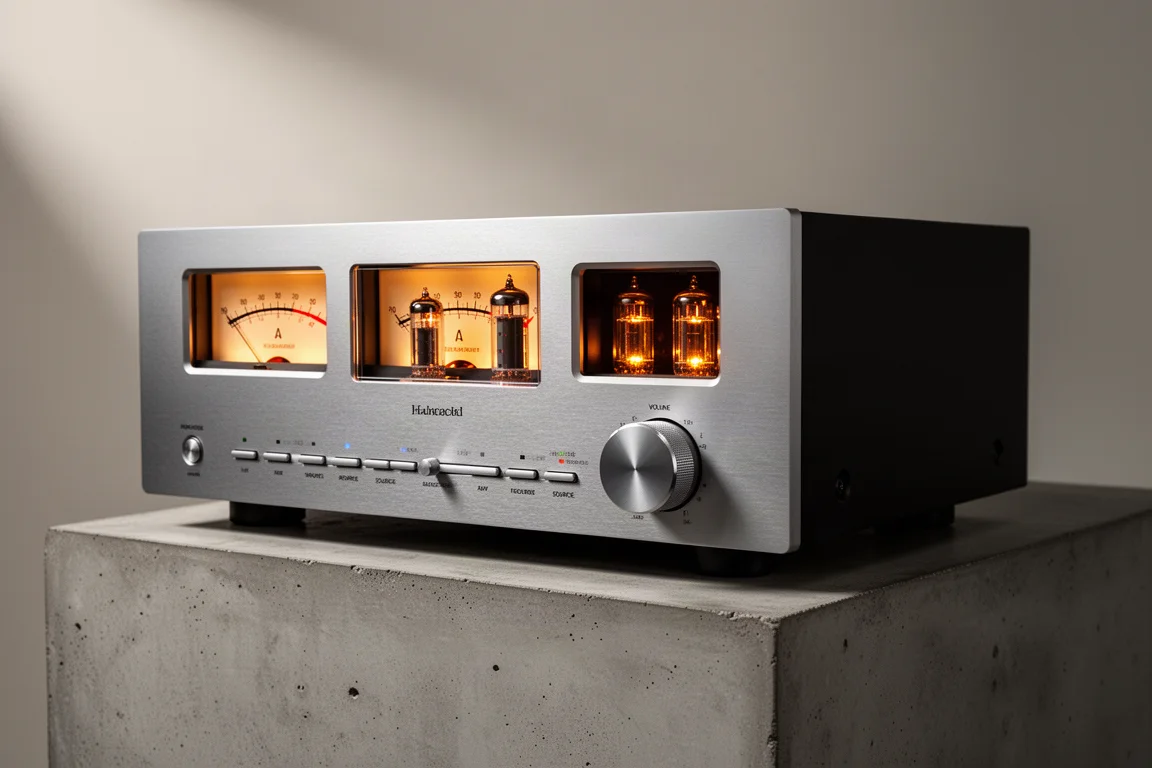
Advance Paris A10 Classic Review: Vintage Looks and a Lively, Punchy Sound
The Advance Paris A10 Classic pairs glowing blue VU meters and a tube stage with one of the widest input sets on any integrated amplifier. Here is what it does well and what to weigh before spending $2,500.
Integrated Amplifiers
Advance Paris A12 Apex Review: A Modern Integrated Amplifier With Vintage Character
A dual mono integrated amplifier with 180 watts per channel, a tube front end, VU meters, and a connectivity list that covers turntables, televisions, computers, and headphones.
Integrated Amplifiers
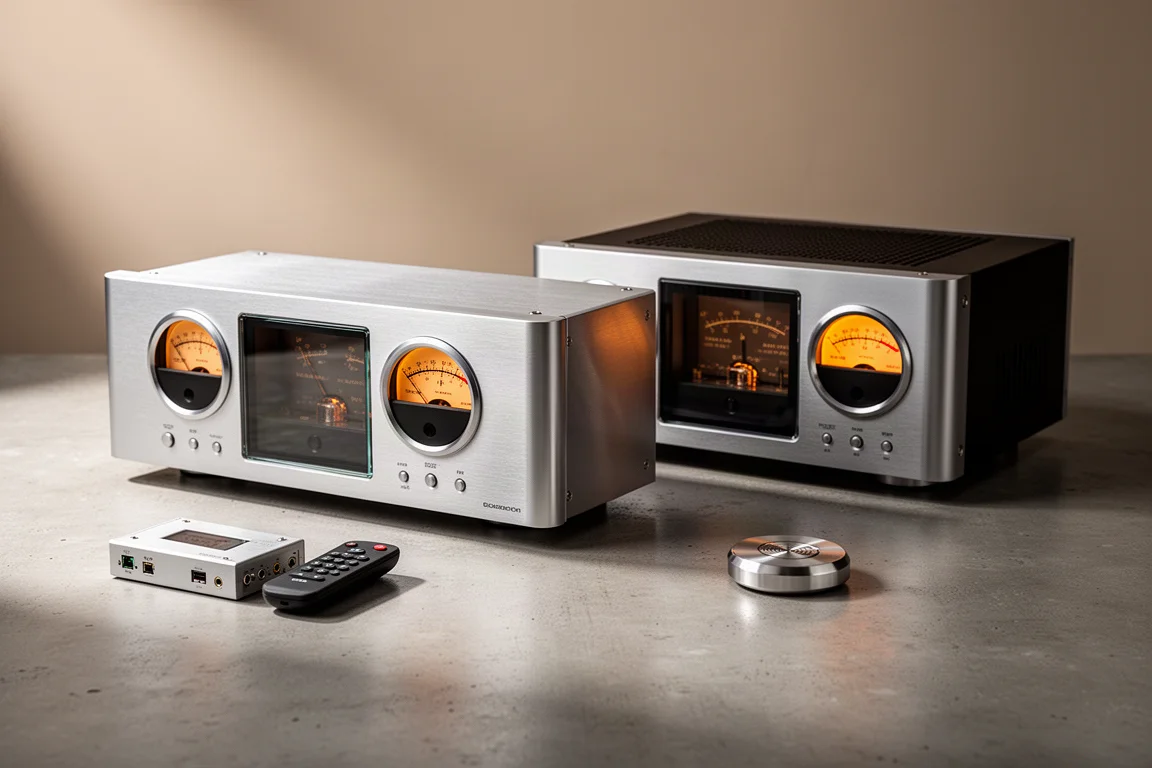
Advance Paris Nova Range Review: AI130, AI190 and Modular Upgrades
A practical look at the Advance Paris Nova range, including the AI130 and AI190 integrated amplifiers and the modular streaming, Bluetooth and remote accessories that expand them.