Gaming Headphones
Audeze LCD-GX vs Audeze Maxwell: Wired Reference Sound or Wireless Convenience
A practical comparison of the Audeze LCD-GX and the Audeze Maxwell for competitive and everyday gaming, covering latency, driver technology, comfort, and value.
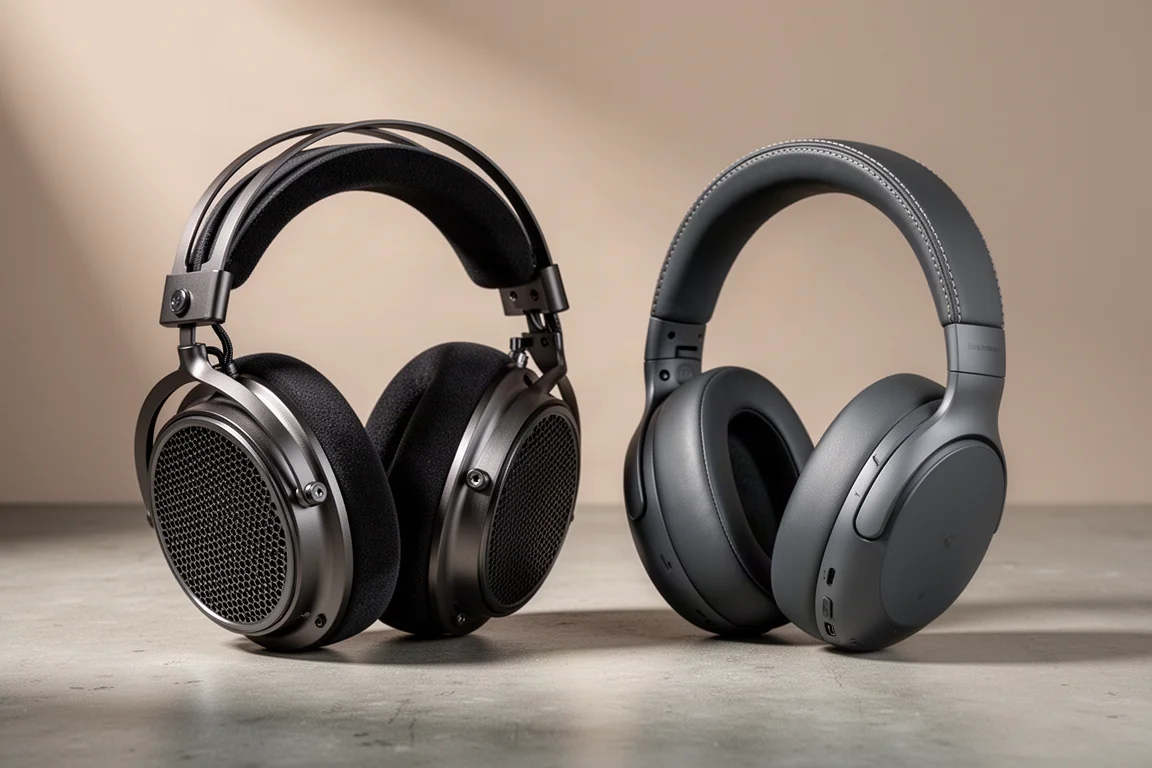
Introduction
When the Audeze LCD-GX launched in 2019, it was designed around one priority: delivering the most accurate, detailed gaming audio possible with no wireless compromise. It is a wired, open-back planar magnetic headphone, and it still carries a price of $900.
Since then, planar magnetic headphones have evolved quickly, and Audeze’s own Maxwell has become a widely chosen alternative. The Maxwell is completely wireless and adds convenience features that the LCD-GX deliberately leaves out.
Both are built for gaming, but they answer different questions. The Maxwell removes cables and simplifies the setup. The LCD-GX strips everything back to sound quality, immersion, and the lowest possible latency. The sections below break down where each one makes sense.
Why Wired Still Matters for Competitive Gaming
Latency, or input lag, is the delay between a signal leaving the source and the sound or image reaching you. In fast-paced first-person shooters, shaving even a few milliseconds can change the outcome of a fight.
Wireless devices typically run somewhere between 15 and 300 milliseconds of latency, and that figure shifts constantly with distance from the console or PC, electrical interference, and Bluetooth limitations. Wired devices connect directly and typically sit between 5 and 10 milliseconds. That is the main reason serious and professional players tend to choose wired headphones and wired controllers.
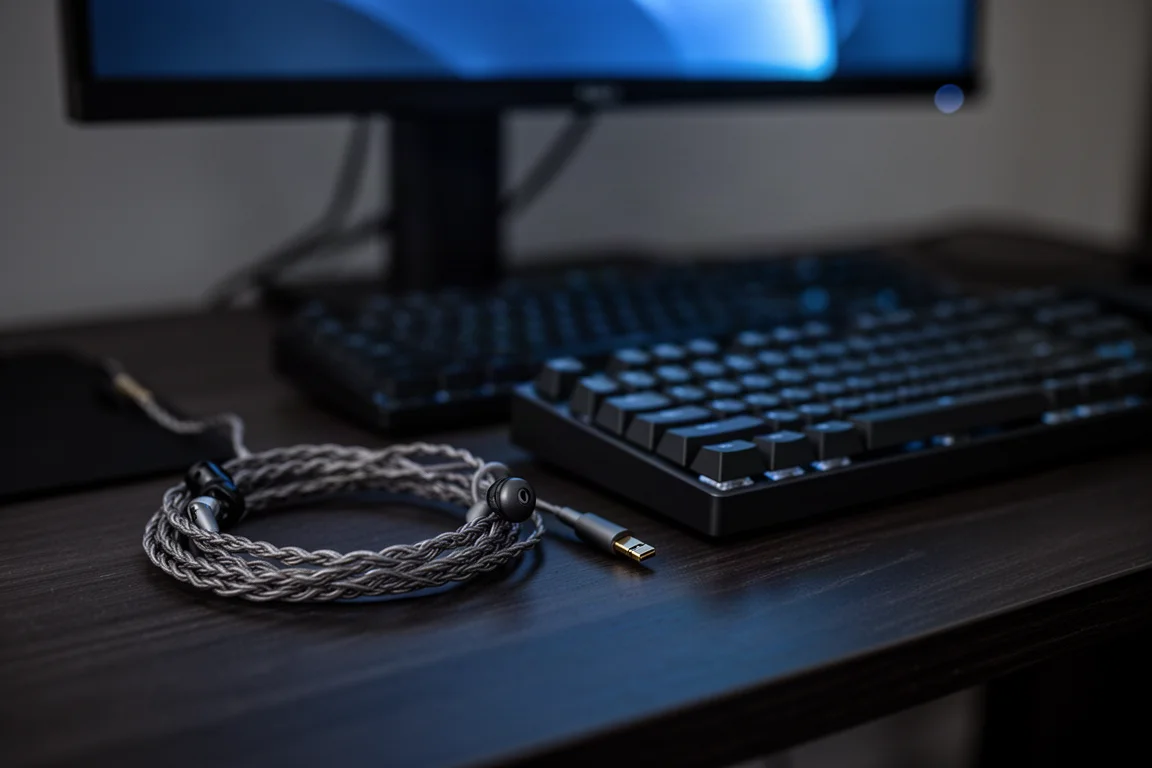
A low-latency chain matters as much as any single component. A gaming monitor with low latency, wired headphones, and a wired controller together give you the smallest possible delay between what happens in the game and what you perceive. If you play casually, that gap may not be noticeable. If you compete, it is a genuine advantage.
Audeze LCD-GX: Reference-Level Wired Gaming Audio
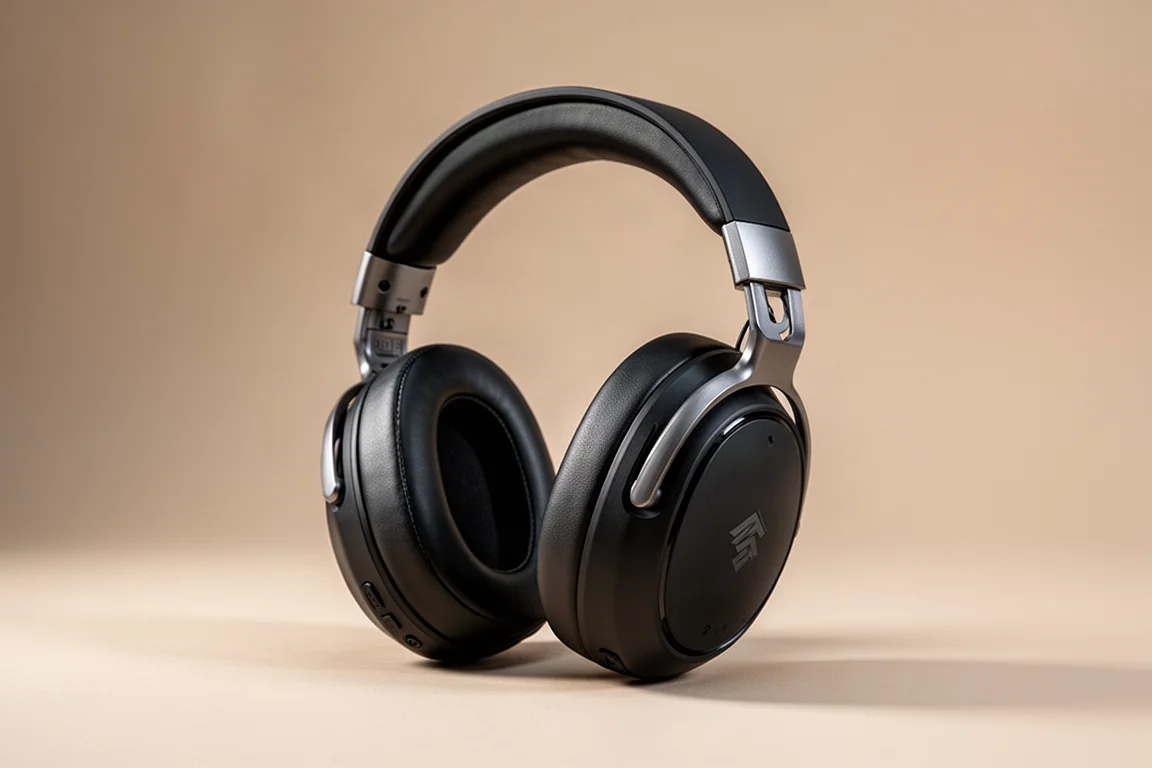
The LCD-GX is Audeze’s reference-level wired gaming headphone. Rather than packing in wireless features, it concentrates on sound quality and immersion so that every footstep, movement, and detail in a game comes through clearly.
At its centre is a 103 mm planar magnetic driver based on the drivers used in Audeze’s LCD series, paired with a Uniforce diaphragm and the company’s patented Fluxor neodymium magnet array. The frequency response spans 10 Hz to 50 kHz. The magnesium frame is handcrafted in Audeze’s California factory, and the headphone weighs 454 g. The open-back design is central to its character, producing a wide and deep soundstage.
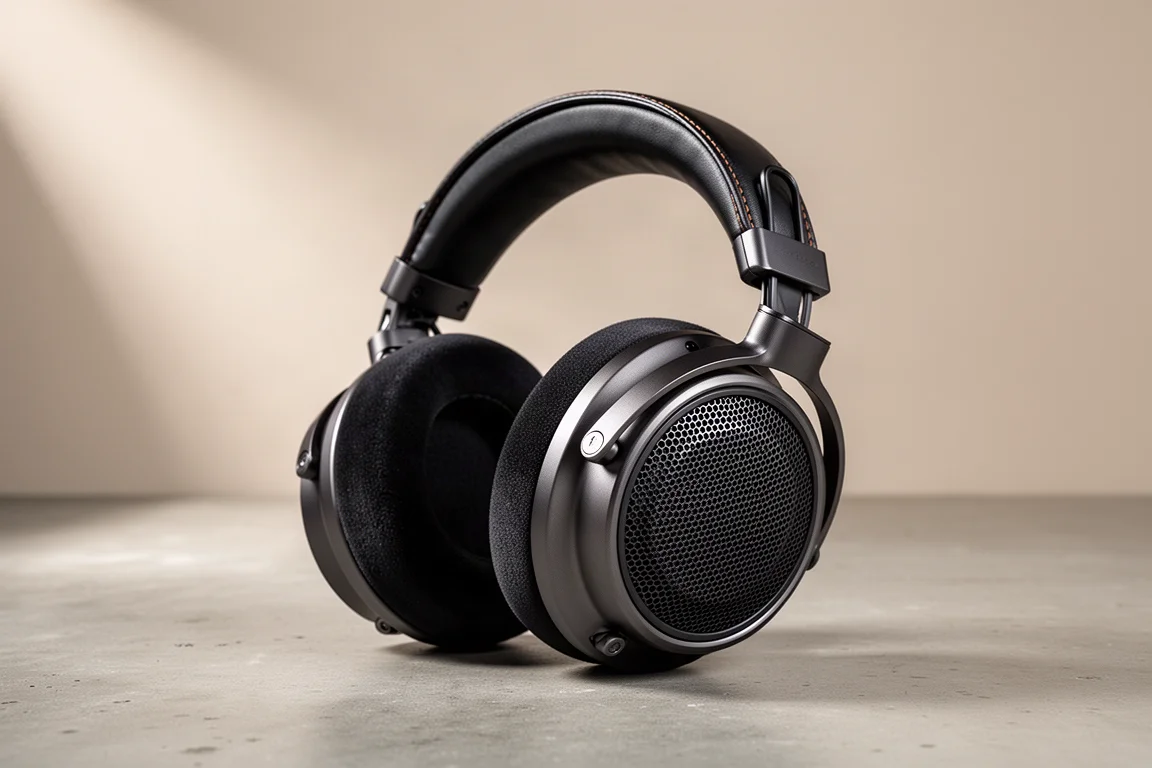
Driver Technology and Sound Character
The Fluxor magnet system uses smaller magnets arranged so that magnetic flux is directed toward the diaphragm. Most planar magnetic drivers use larger magnets, and because of their north-south orientation roughly half of their magnetic energy is directed away from the diaphragm. Directing the flux toward the diaphragm means the LCD-GX can reach satisfying volume with less power, though a capable amplifier with plenty of headroom will get more out of it.
The 103 mm Uniforce diaphragm is considerably larger than the drivers found in most gaming headphones, and it is lighter than the air around it. That combination supports strong dynamic contrast and fine resolution, which in practice means you can judge how close an opponent is by the intensity of their sounds and pick out small details in a busy mix.
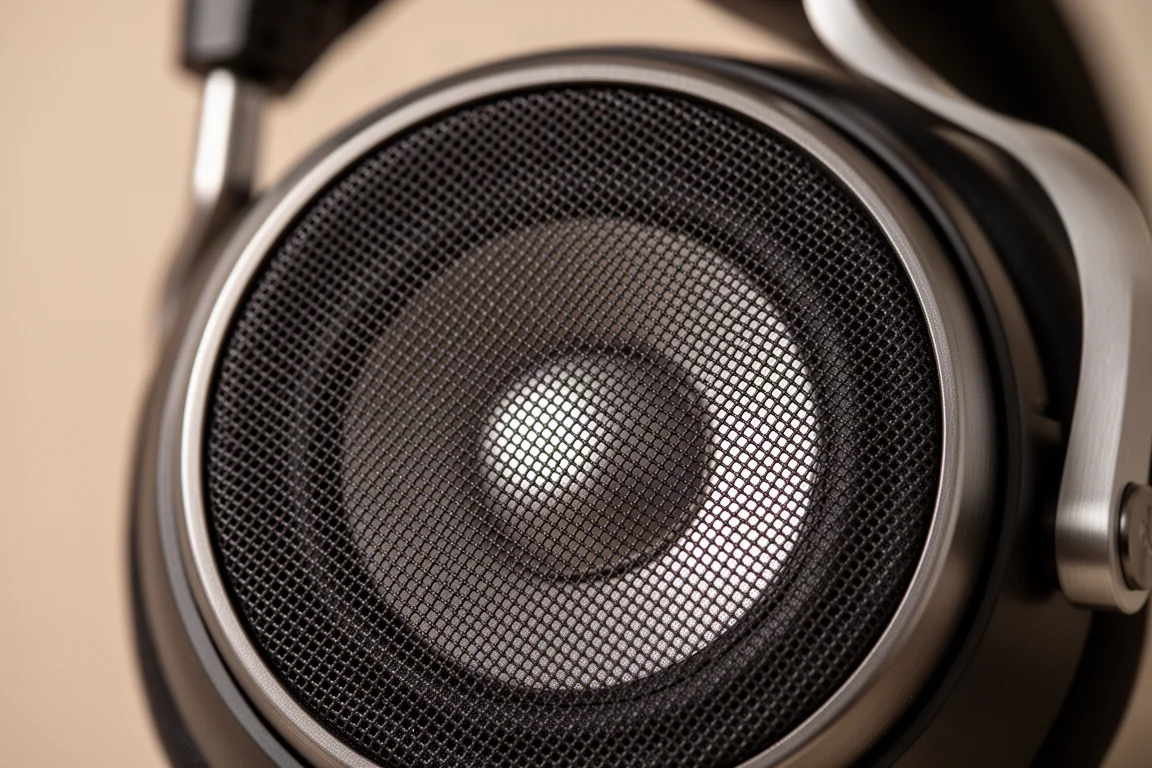
Tuning is deliberately linear rather than exciting. Many gaming headphones boost bass and treble to sound energetic, which can mask detail in other parts of the range. The LCD-GX stays linear from the bass through the midrange and takes a warmer, more intelligible approach in the treble.
Across fast-paced titles such as Call of Duty, Apex Legends, and Fortnite, that combination of speed and soundstage made it easy to locate targets and follow where the action was happening. Long sessions stayed comfortable, and the sound never became fatiguing.
Audeze Maxwell: Wireless Convenience With Detailed Sound
The Audeze Maxwell takes the opposite approach. It is completely wireless, and its most important strength is accurate, detailed sound alongside a broad set of features. Noise cancelling helps when you need to reduce background sound in your room, and the clamping force keeps it firmly in place on any head size.
For a large share of gamers, the Maxwell is more than enough and offers a significant advantage over ordinary headsets. It is the simpler choice if you would rather not deal with cables, amplifiers, or a fixed desk setup.
Comfort and Build for Long Sessions
Weight is the traditional weak point of planar magnetic headphones, because the magnets add up. The LCD-GX’s magnesium frame is one of the reasons it weighs 454 g, which is lighter than many planar magnetic headphones. The open cell foam ear pads are plush and large enough to fit most ears without pressing on them, and the suspension headband spreads weight across the top of the head while keeping clamping force reasonable over several hours.
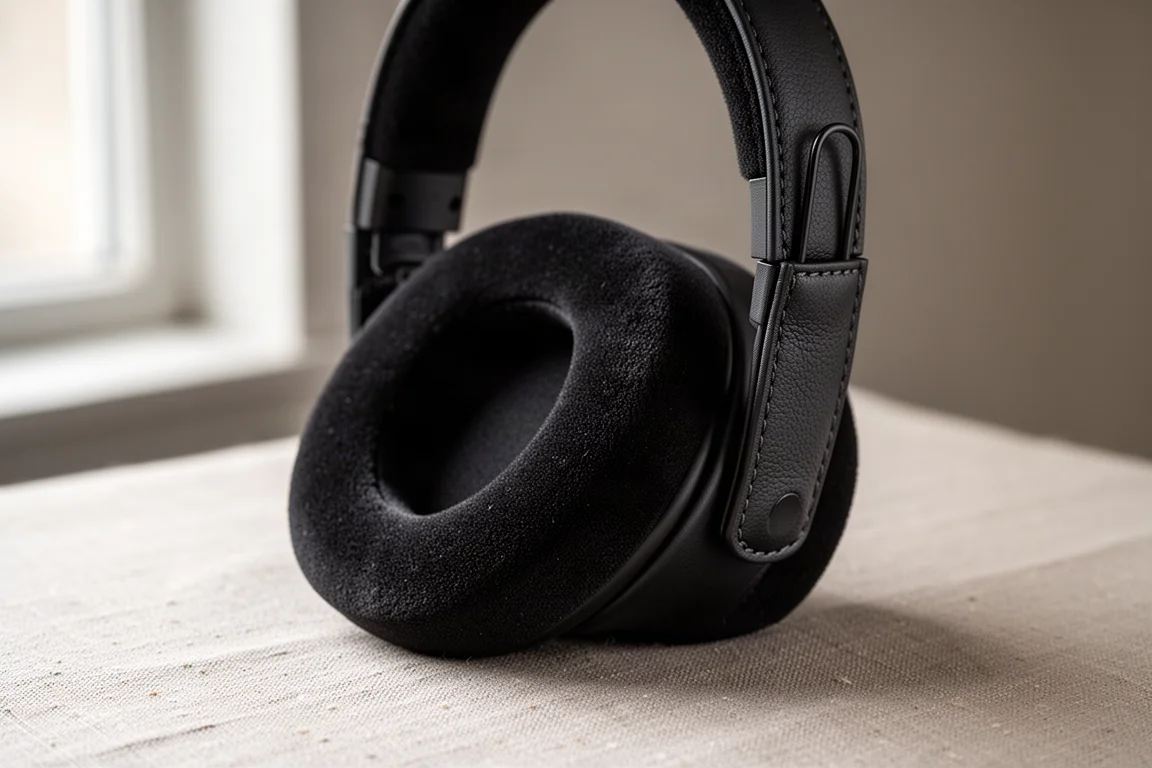
The trade-off is size. The LCD-GX is a large headphone, and the clamping force is on the lighter side. On a smaller head it can slide a little when you look straight down. The Maxwell clamps more firmly and stays put regardless of head size. On a larger head the lighter clamp is less of an issue, though a very wide fit could bring the top of your head close to the metal frame. Since this class of headphone usually lives at a gaming desk, the larger form factor is rarely a practical problem.
Microphone and Cable Options
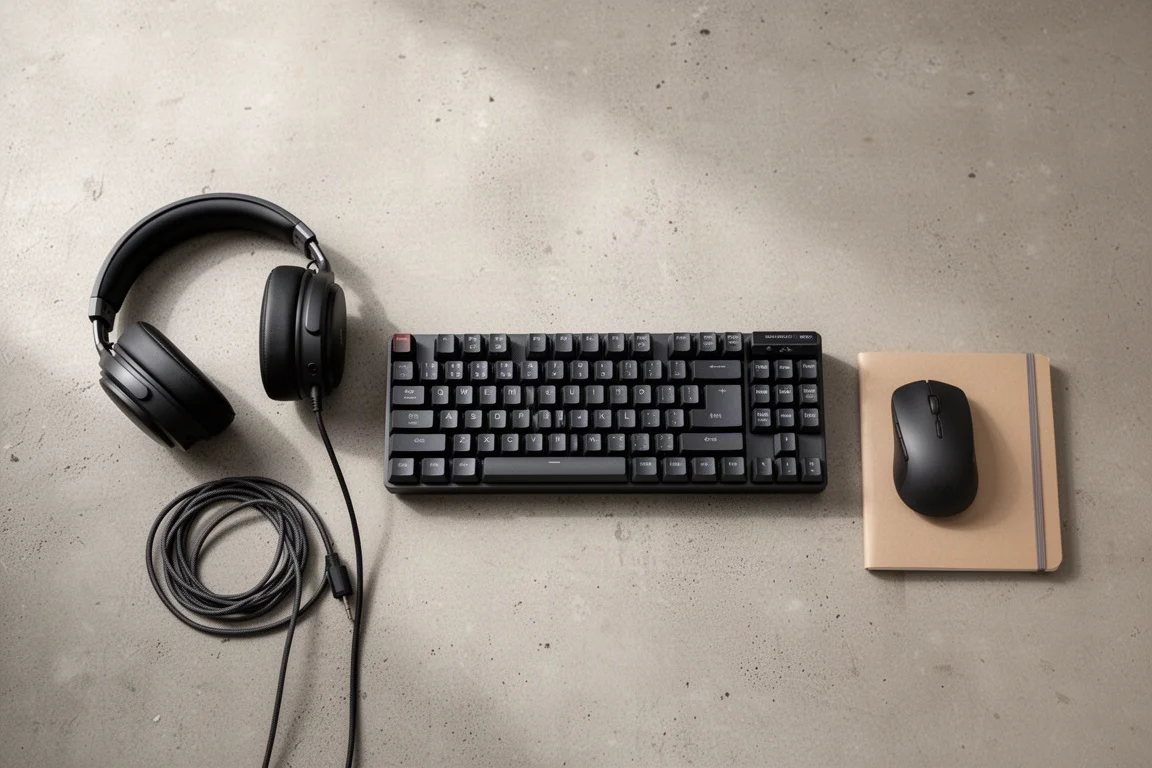
Many players who use the LCD-GX also stream or talk with teammates, and some will use a separate microphone on a streaming PC. A condenser microphone connected over XLR to an interface remains the best option for microphone audio. If you would rather simplify, the LCD-GX includes a detachable cable with a built-in directional noise-attenuating boom microphone, a mute button, and a flexible boom you can position as you like.
The Maxwell’s noise cancelling is the better tool if you need to reduce background sound in your room. In a quiet room, the LCD-GX boom microphone is genuinely impressive for what it is. Audeze also includes a standard cable for listening without the microphone and a splitter cable so you can plug the headphone and microphone into separate PC jacks. Every cable is high quality, and a protective travel case is included for carrying the headphone safely.
Buying Advice: Which Headphone Fits Your Setup?
At $900, the LCD-GX is still worth it for the right player. It is not for everyone. The Maxwell is an excellent gaming headphone and will suit most people, and other strong options continue to arrive in the category. But if you compete and want every advantage available, the LCD-GX belongs at the top of your shortlist.
The reasons are straightforward. The open-back design delivers a naturally wide soundstage, the driver technology surfaces the smallest sound cues in a game, and the wired connection removes the latency variability that wireless introduces. The headphone also has to be comfortable, and the balanced fit worked well across a range of head sizes during testing. If you can try a pair in person before buying, that is the most reliable way to confirm the fit suits you.
Conclusion
The Audeze LCD-GX and the Audeze Maxwell are both convincing gaming headphones, and the choice comes down to how you play. The Maxwell covers the essentials with detailed wireless sound, noise cancelling, and a secure fit, and it is the easier recommendation for most gamers. The LCD-GX trades features and cables for a wider soundstage, deeper detail, and the lowest latency available, which is exactly what competitive play rewards. Match the headphone to the way you actually game and either one will serve you well.
Further reading
Related Reviews

Backpacking Gear
Building a 10 lb Base Weight: An Ultralight Backpacking Gear List
A practical walkthrough of the ultralight pieces behind a 10 lb base weight, from a 765 g pack and a roomy one-person tent to a full camp chair and a dependable water filter.

Road Bikes
10 New Road Bikes Worth Watching: Aero, Titanium, Steel and Endurance Standouts
A practical roundup of 10 new road bikes, from aero flagships chasing single-watt gains to titanium, steel and endurance platforms built for real roads.

Bikepacking Gear
11 Bikepacking Essentials for Long-Distance Cycling
Eleven bikepacking essentials for long-distance cycling, from a steel gravel frame and a two-person tent to helmet lights, packable gloves, and a frame bag that puts weight in the right place.