Backpacking Gear
Atom Packs The Mo Review: A Bespoke 50 Litre Ultralight Backpack Built to Order
A closer look at The Mo, a 50 litre ultralight backpack from Atom Packs that is hand built in the UK and customisable down to the smallest tab.
Introduction
Atom Packs designs and builds ultralight backpacking gear in the United Kingdom, working out of the Lake District. The line runs from the 25 litre Nano through the Atom and Atom Plus up to The Mo, and covers roughly 25 to 60 litres depending on the model. What makes the brand unusual is not only the low weight of its packs, but the degree to which a buyer can shape one: panels, pockets, straps, elastics and colours can all be specified, and the finished pack is then hand built to that individual order.
The Mo sits at the top of the range as a 50 litre pack, which makes it the most practical option for backpackers carrying a fuller load over multiple days. This review covers what the customisation process actually involves, where the pack performs well, and the practical details worth thinking through before placing an order.
Who This Backpack Is For
The Mo is a 50 litre backpack, so it suits multi-day trips and longer distances where a smaller pack runs out of capacity. Despite that volume, it stays under one kilogram, which means it appeals to backpackers who want genuine carrying space without accepting a heavy bag. It is also a sensible choice for people who are not chasing ultralight status at all, but simply want a well-made pack that handles a full load cleanly.
Because each pack is built around a selected torso length and waist belt size, The Mo is particularly relevant for anyone who has struggled to get a comfortable fit from a stock backpack. Choosing a medium torso and a narrower waist belt is part of the ordering process, so the fit is defined before the pack is made rather than adjusted afterwards.
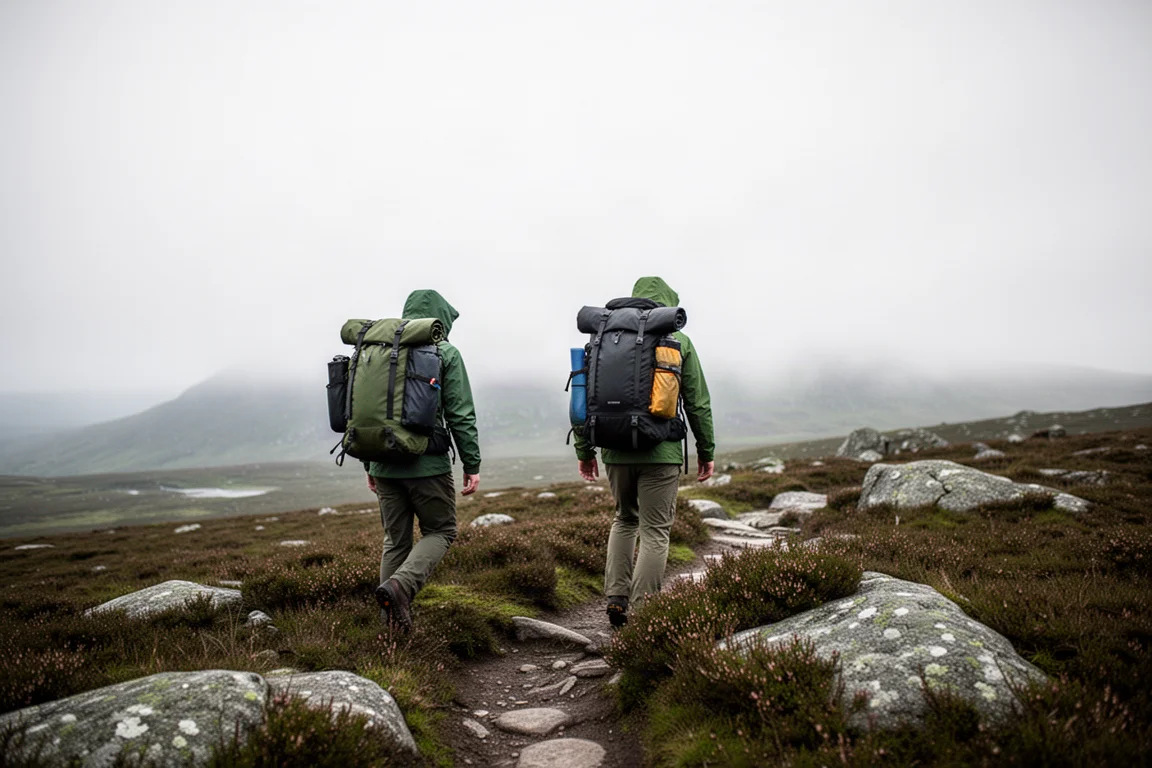
The result is a pack that feels personal rather than generic. Buyers who value that level of individual fit tend to get the most out of what Atom Packs offers, while those who prefer to buy off the shelf and ride out of the shop may find the process slower than they want.
Design and Customisation Options
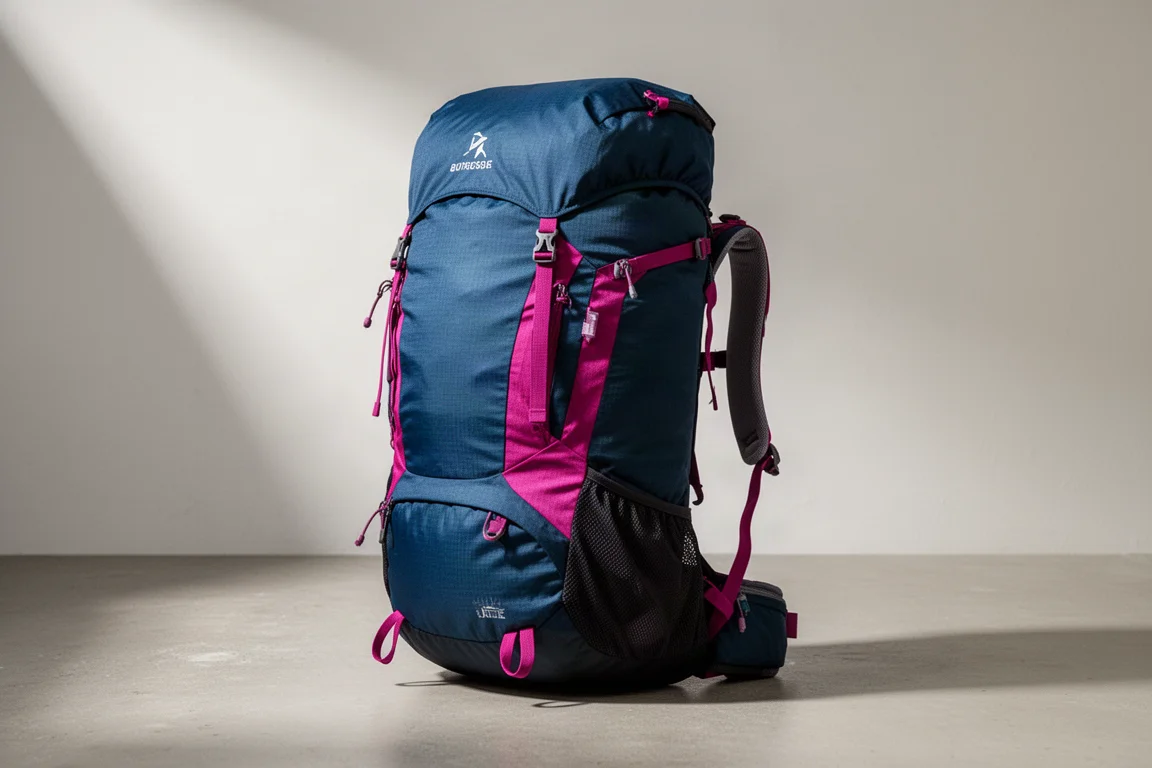
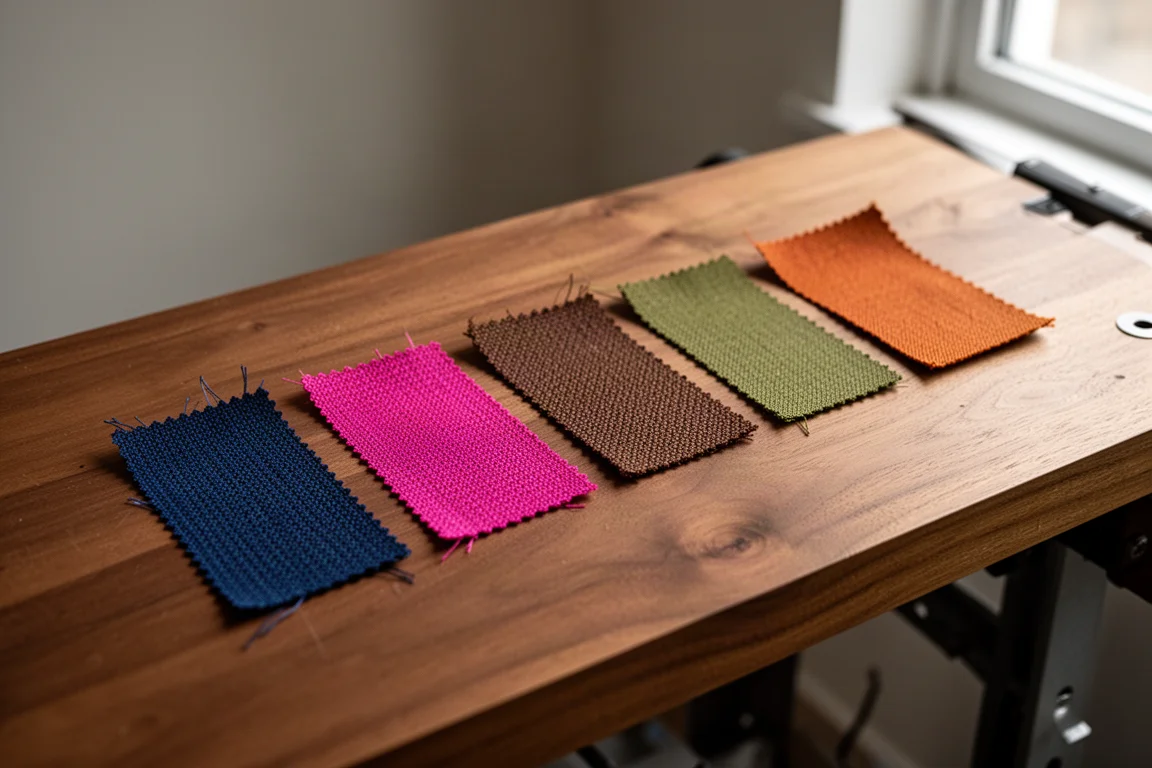
Customisation starts with the fundamentals: capacity, torso length and waist belt size. From there, the colour scheme opens up considerably. The side panels, centre panels and the small bottom panel can each be set to a different colour, and the side pockets can be specified separately again. A build in ocean blue with fuchsia accents is one example of how far the palette can be pushed, and reversing a colour scheme across panels produces a completely different character.
Pockets and hardware are equally configurable. The front pocket can be specified as a net or a stretch fabric, and the fixed shoulder strap pockets are a highlight of the design, sized for a phone, a water bottle or snacks. There is also a small pocket high on the pack, and a deep bottom pocket that runs down the lower section of the bag, useful for snacks, rubbish, a hat or gloves and reachable without taking the pack off.
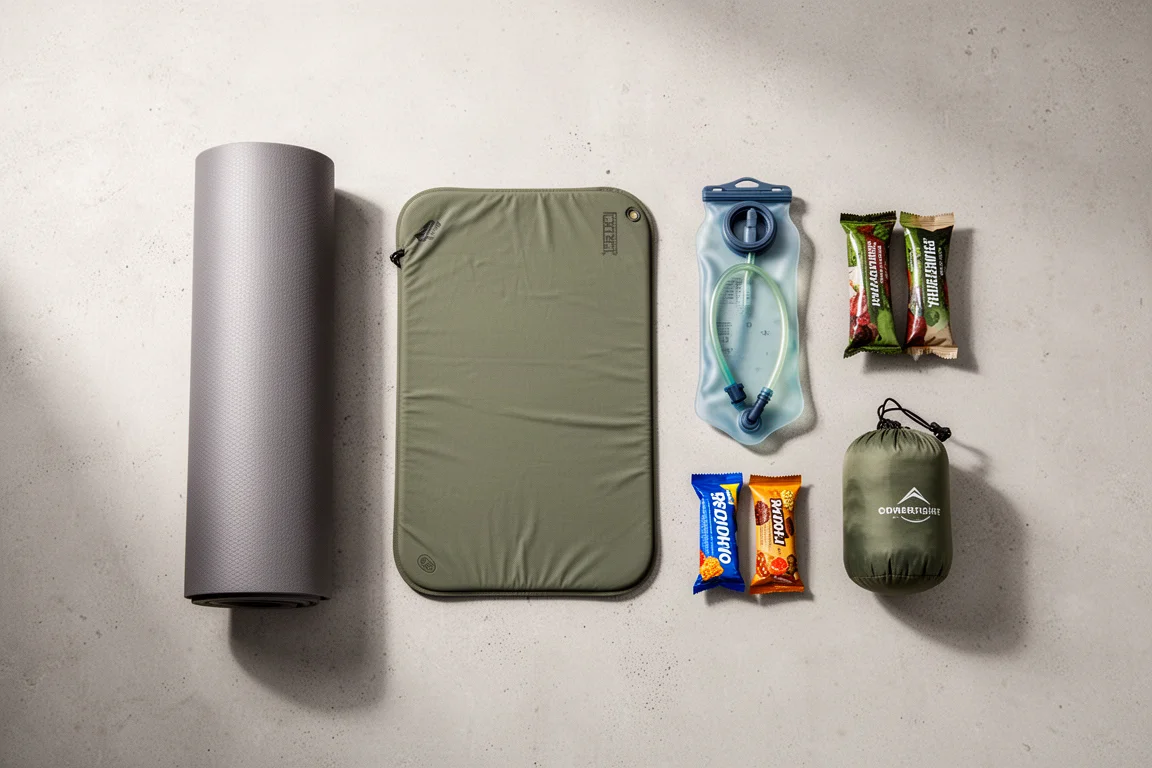
Smaller details are not overlooked either. The top closure can be a single strap or a Y strap, which allows a sit pad or sleeping pad to be carried across the top. A hydration bladder port can be added for anyone using a reservoir, and the front and side elastics, along with the smallest tabs, can all be coloured to match. The hip belt pockets can be fitted or left removable, depending on preference.
Main Strengths
The clearest strength is weight. Every pack in the range comes in under one kilogram, including The Mo at 50 litres, and a configured build sits at around 980 g. For a pack of this capacity, that is a genuinely light carry, and it means the weight saving shows up on long days rather than only on paper.
The second strength is the depth of the customisation. Almost nothing about the pack is fixed, from the colour of a single tab to the choice between a net and a stretch front pocket. That level of control is rare, and it produces a pack that is unlikely to be duplicated on any given trail.
The third is build quality and origin. Atom Packs designs and builds in the UK and the packs are hand built to order, which is the main reason the price sits where it does. Owners can expect a pack that is intended to last for years rather than seasons.
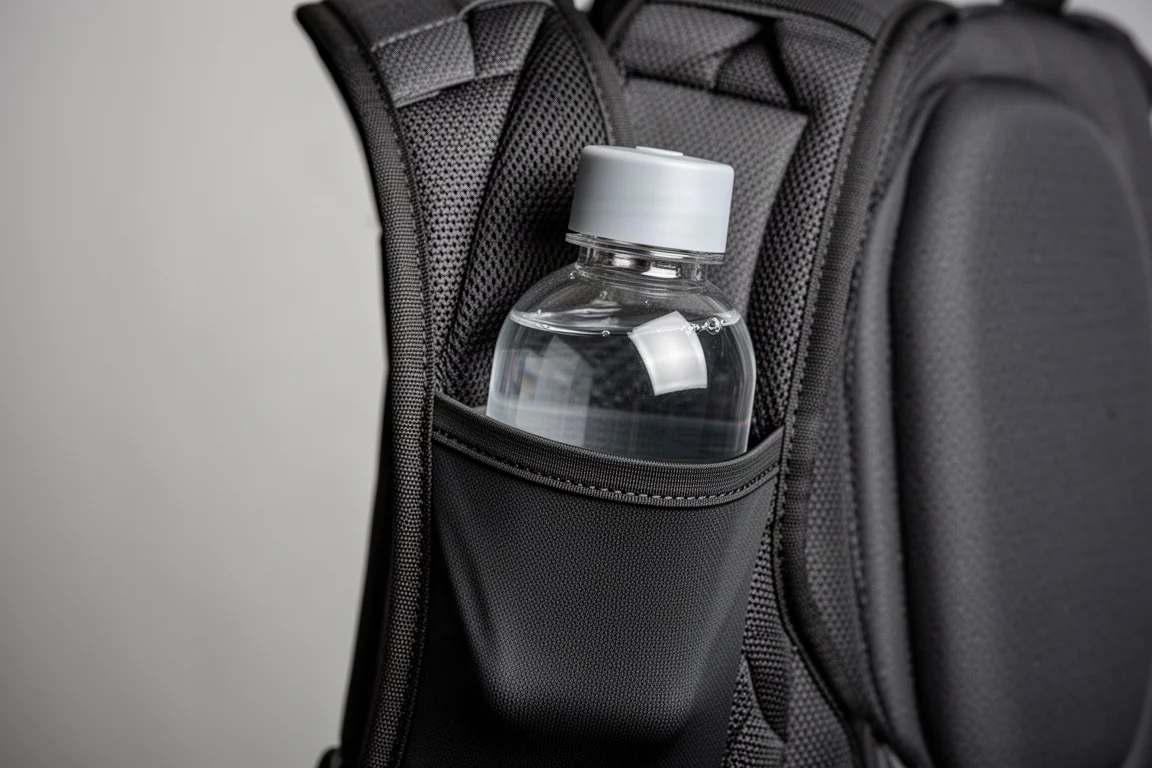
Practical touches reinforce the same impression. The shoulder strap pockets keep essentials within reach while walking, the bottom pocket stays accessible with the pack on, and the removable hip belt pockets let the belt be simplified when they are not needed. Together they make the pack easier to live with over a long day than the weight alone would suggest.
Weight and Carrying Comfort
Low weight is only useful if the pack still carries well, and The Mo is built around a defined torso length and waist belt size rather than a one-size harness. That combination is what makes a 50 litre pack at under a kilogram feel stable when it is loaded. Selecting the correct torso length and waist size at the point of ordering does most of the work here, and it is worth measuring carefully rather than guessing.
The fixed shoulder strap pockets also contribute to comfort in a small way, because they remove the need to reach into a hip belt or stop walking to retrieve a phone or a snack. The bottom pocket works on the same principle, keeping frequently used items within reach while the pack is worn.
Things to Consider Before Buying
The first consideration is the price. These are premium packs, and a fully specified build is not a budget purchase. The trade-off is a hand built, individual pack rather than a mass-produced one, and that is a reasonable exchange for the right buyer.
The second is returns. A pack that has been fully customised cannot be sent back, which is understandable given that it is made specifically for one person, but it does mean measurements and choices should be settled before ordering rather than after.
The third is timing. Lead times run to roughly 12 weeks because each pack is custom made and hand built to order. Buyers planning a specific trip should factor that window in. Atom Packs does release standard bags on a regular schedule, generally every other Tuesday morning, and these are a little cheaper, though with less freedom over the specification.
If those points are acceptable, the remaining decisions are straightforward: confirm the torso length and waist belt size, decide whether a hydration bladder port is needed, and settle on the pocket and elastic configuration.
Ordering, Lead Times and Returns
Ordering happens through the Atom Packs site, where the pack is configured step by step before the build is submitted. The process is easy to get absorbed in, and it is worth going back through the choices once the configuration is complete, since a custom pack cannot be returned once it has been made.
Lead times of around 12 weeks apply because the pack is built to order and finished by hand. Standard bags released on the regular drop schedule arrive sooner and cost a little less, but they come as specified by Atom Packs rather than to a personal brief. For anyone set on a particular combination of colours and features, the custom route is the only way to get exactly that pack.
Buying Advice
The most useful preparation is measurement. Torso length and waist belt size determine how the pack sits, and getting them right matters more than any colour choice. From there, the configuration should follow real use: a hydration bladder port for anyone using a reservoir, the front elastic, fixed shoulder strap pockets, the bottom pocket and removable hip belt pockets are all worth considering on the basis of how the pack will actually be used.
Colour is the part that makes the process enjoyable, and it is also the part that is hardest to undo. Working from a restrained palette across the side, centre and bottom panels tends to produce a pack that still looks considered after several seasons, while reversing a scheme can be a way to see how a combination reads before committing to it.
Buyers who want a pack that is genuinely theirs, built to their measurements and their specification, will find the premium and the wait easy to justify. Buyers who want something immediately, or who may want to return it, are better served by the standard drops.
Conclusion
The Mo brings together the two things Atom Packs does best: a sub-one-kilogram pack at a genuinely useful 50 litres, and a level of customisation that runs from the panel colours down to the smallest tab. It is hand built in the UK to an individual order, it is priced accordingly, and it comes with a lead time of around 12 weeks and no returns on a fully customised build.
For backpackers who know their measurements and their preferences, that combination is difficult to match. The pack is designed to be used for years, and the freedom to specify it completely is the reason to choose it over anything off the shelf.
Product link
View more details for Atom Packs The Mo
This product is mentioned in the review. Check the specifications, options, and compatibility before buying.
View more details for Atom Packs The MoFurther reading
Related Reviews

Backpacking Gear
Building a 10 lb Base Weight: An Ultralight Backpacking Gear List
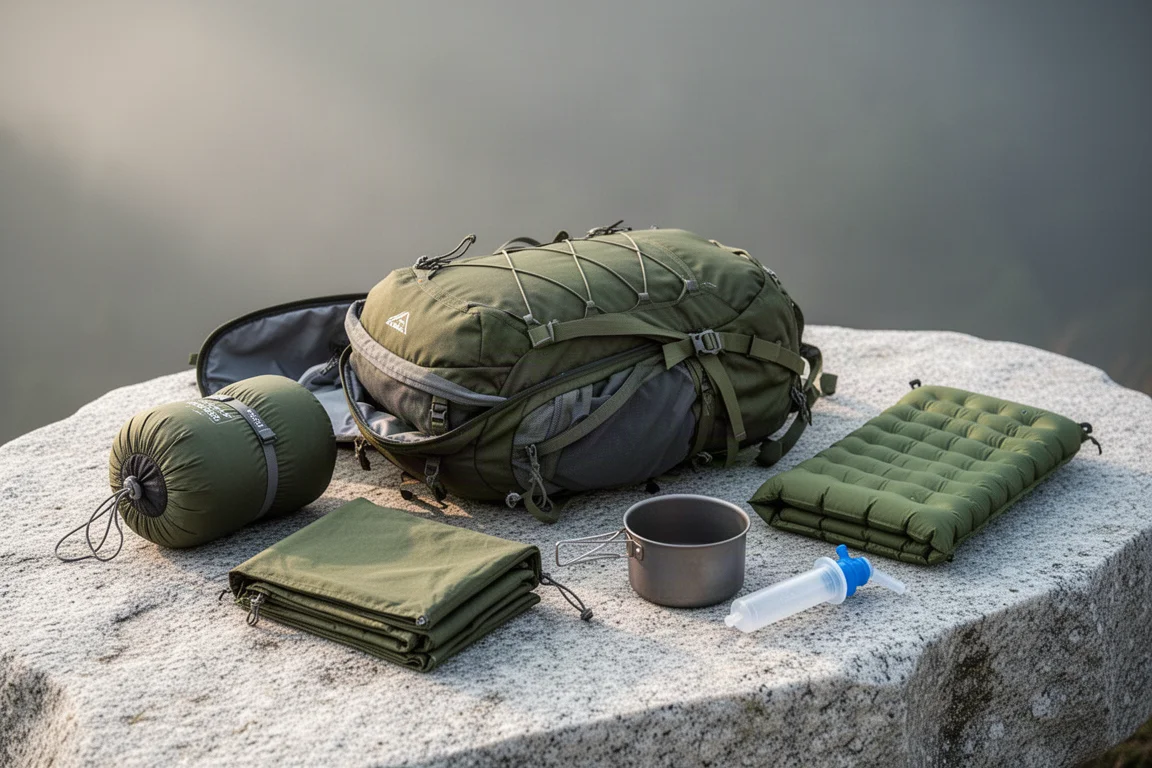
A practical walkthrough of the ultralight pieces behind a 10 lb base weight, from a 765 g pack and a roomy one-person tent to a full camp chair and a dependable water filter.
Backpacking Gear
A 15-Pound Lightweight Backpacking Gear List for Solo Trips
A beginner-friendly 15-pound backpacking setup built from easy-to-find gear, with notes on what each piece does, how it packs, and where to spend your attention.
Backpacking Gear
8 Ultralight Backpacking Gear Upgrades Worth Carrying
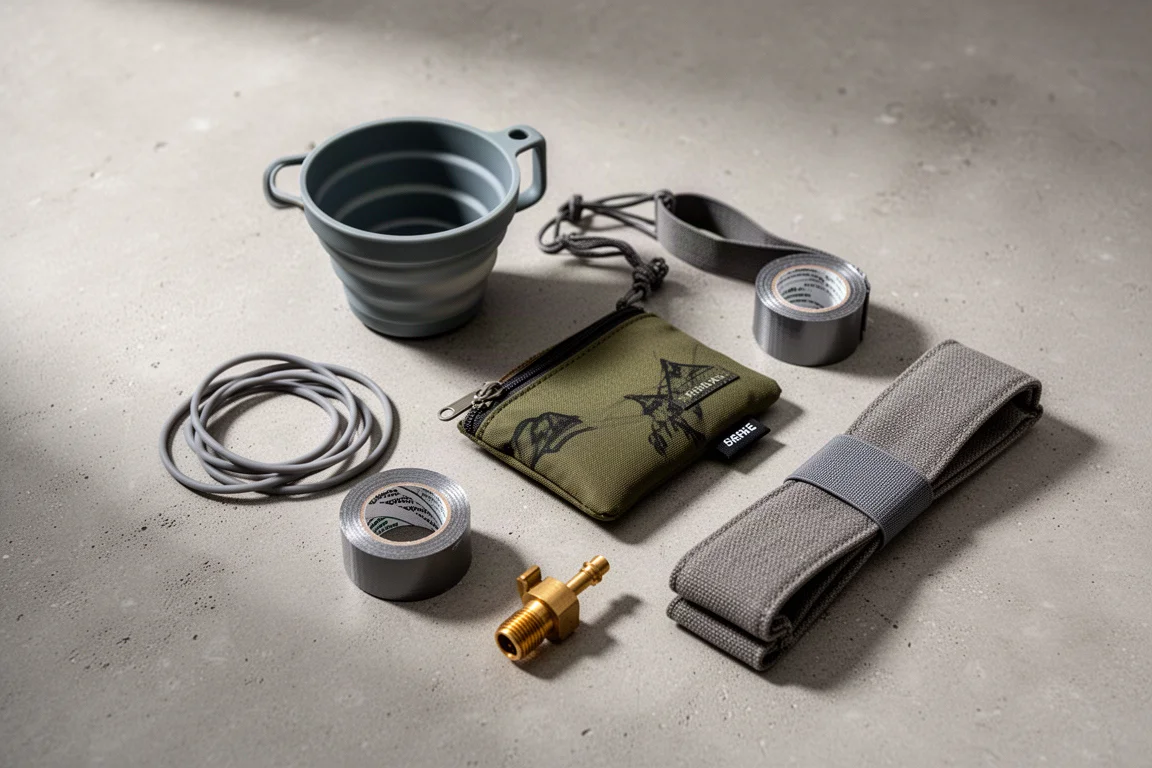
Eight small, affordable backpacking upgrades that solve real trail annoyances, from a pillow that stays put to a fuel valve that rescues leftover canister gas.