Hi-Fi Audio
Atoll IN300 Review: A Modern Muscle Amplifier With Real Finesse
A French integrated amplifier with a dual mono power supply, an AKM-based DAC and a rich, dynamic sound that suits a wide range of speakers.
Introduction
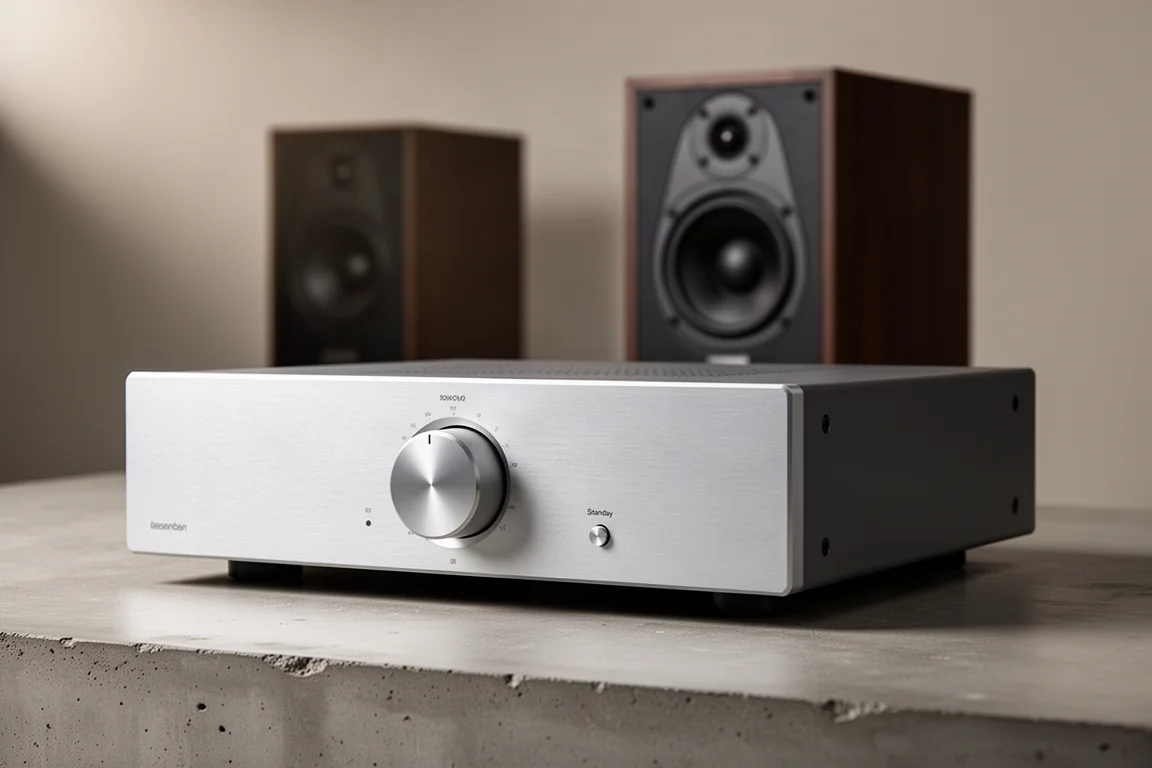
In the 1990s, high-powered integrated amplifiers were a genuine trend, built to drive almost any speaker on the market and often doubling up for stereo listening and home cinema duties. Much of that generation has since disappeared, and most systems became smaller. The Atoll IN300 is a throwback to that era of muscle amplification, but it is not only about brute force.
Designed and built in France, the IN300 retails for £2,995 and is available in a black or silver finish. Its DAC section is based on the AKM AK4490 chip, and a moving magnet or moving coil phono stage can be specified for an extra £100, which is strong value for a built-in phono option.
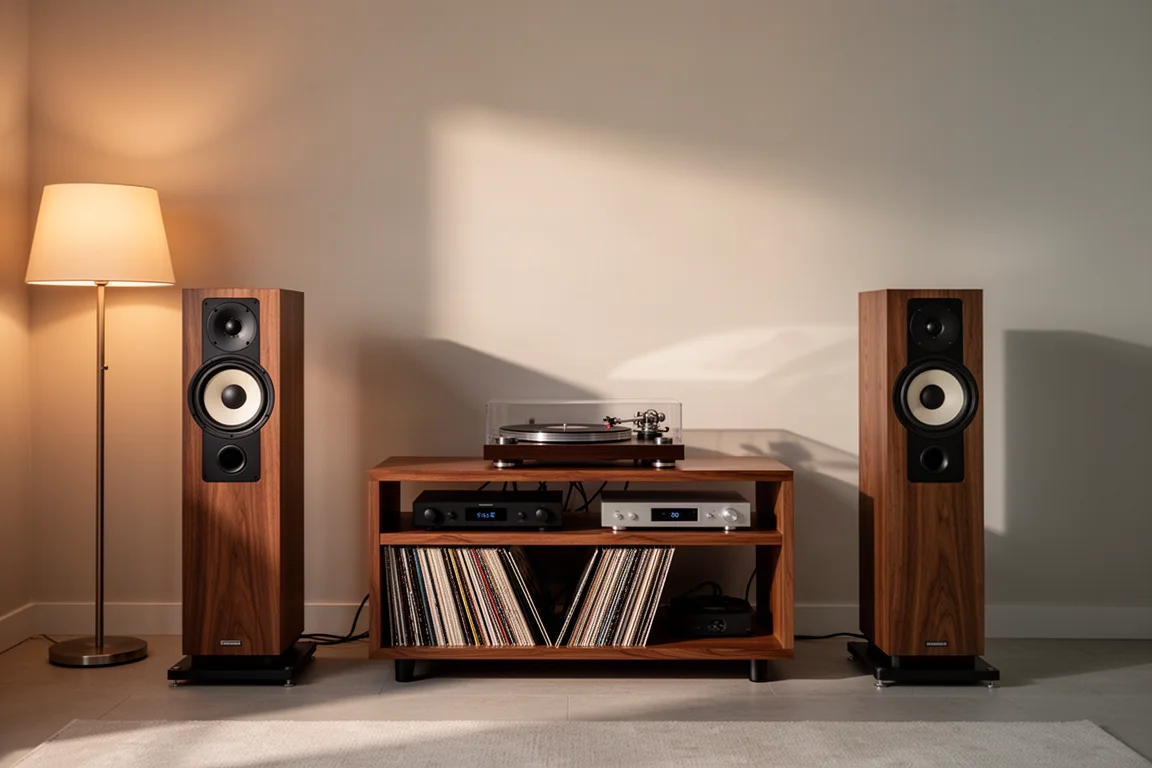
Externally it is fairly unassuming: a full-width but not oversized unit measuring 440 x 330 x 100 mm and weighing 15 kg. The real story sits inside the chassis, where the power supply takes up a large share of the available space.
Who this product is for
This amplifier suits listeners who own speakers that benefit from plenty of current and who want one box to handle both digital and analogue sources. The internal DAC covers USB, coaxial and optical connections, and the optional phono stage takes care of vinyl.
It is also a good fit for anyone who prefers a bold, rich presentation over a cool, analytical one. Speaker matching matters here: neutral or cooler-sounding speakers bring out the best in it, while overly warm speakers can double up on the same character.
Design and Internal Architecture
Inside are two large toroidal transformers, each rated at 440 VA, for close to a kilowatt of input power in total. Finding two transformers of this size in an amplifier at this price is unusual. Twelve filter capacitors, each rated at 6,800 microfarads, provide 40,800 microfarads per side and 81,600 microfarads in total. The capacitors carry the Atoll name but are custom parts made to the company’s specification.
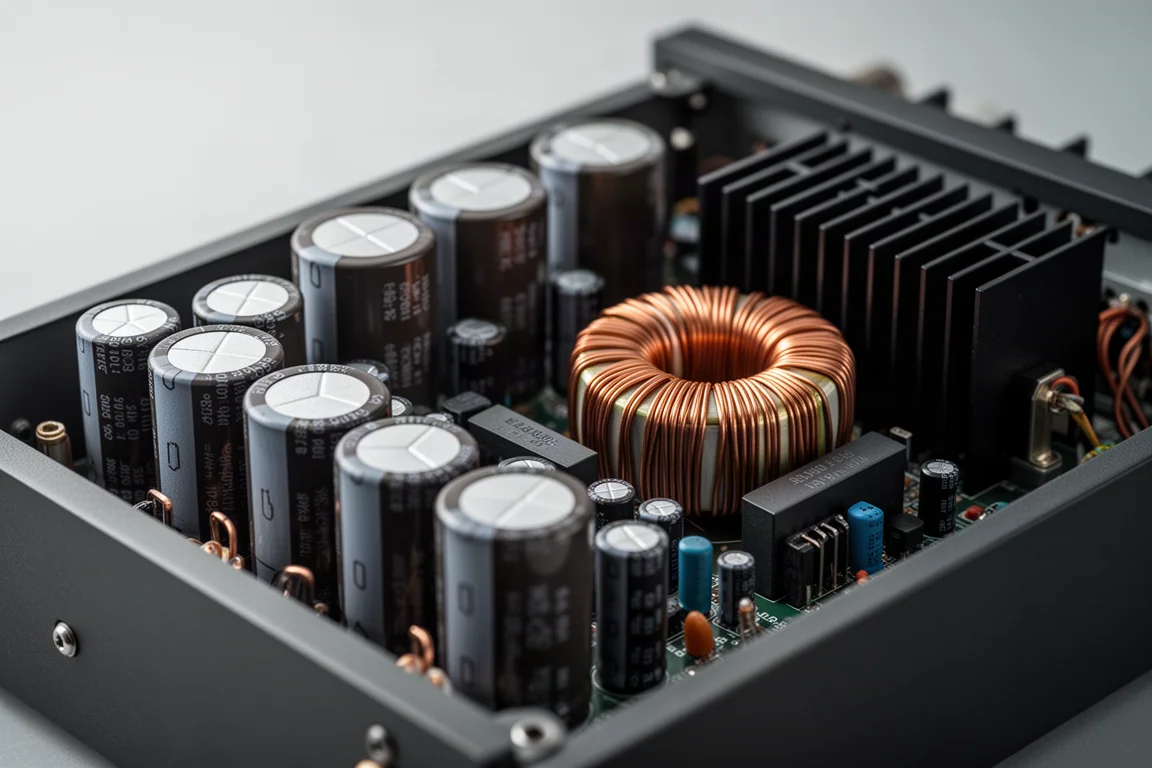
The layout is true dual mono: separate power amplifier sections on the left and right, fed by separate power supplies that run back to separate transformers. In effect, it is two monoblock amplifiers in one chassis, which helps channel separation. The output stage uses six MOSFETs per channel mounted to heatsinks, alongside bipolar transistors that provide gain in the input stage. Through-hole components are used throughout, which makes servicing easier and handles heat better than tiny surface-mount parts. Rated output is 150 watts into 8 ohms and 260 watts into 4 ohms.
Connectivity and Features
The front panel keeps things simple. The control that takes the unit out of standby also cycles through the analogue and digital inputs, while the other dial handles volume and, when pressed, left and right balance. A 6.35 mm headphone jack sits in a neat ridge that sweeps up to the left corner, and a remote control is supplied as standard.
At the rear you get four analogue RCA inputs, a tape loop for recording devices, a bypass input that feeds the power amplifier section directly, two sets of preouts for subwoofers or external power amplifiers, and an XLR balanced input. Digital connections include two coaxial, two optical and one USB input, with an XMOS chip handling the USB interface.
Main strengths
The IN300 sounds big, dynamic and detailed, with a natural character and a touch of warmth. Bass has real weight and the mid-range is rich, which gives recordings a full, confident presentation. It worked well with every speaker it was paired with, from compact standmounts to horn-loaded designs and transmission-line floorstanders, without strain.
The internal DAC is excellent and well suited to the task. Its slightly crisper tonal balance counteracts the warmth of the amplification and keeps the top end lively, which is exactly what this amplifier wants from a converter.

Power delivery is the foundation of that sound. With 150 watts per channel into 8 ohms and a power supply of this size, the amplifier stays composed with demanding speakers and dynamic material, and it has the weight to make large-scale recordings feel effortless.
Things to consider before buying
The IN300 is not the most resolving or precise amplifier at this price. Against a similarly priced rival that also offers 150 watts into 8 ohms and an internal DAC, the bass is a little softer, mid-range transients are slightly less sharp and the top end is a touch more rolled off. What you gain in return is greater bass weight and a richer mid-range, which many listeners will prefer.
Adding an external DAC is not the best use of money here. A high-end outboard converter opened up the soundstage, particularly in terms of depth, but the tonal balance was better with the internal AKM-based DAC, which offers more treble energy. The sensible advice is to spend that budget elsewhere in the system.
Buying advice
At £2,995, the IN300 delivers a great deal for the money: a dual mono power supply, a well-implemented DAC, a comprehensive set of inputs and outputs, and enough power to drive almost any speaker. If you play vinyl, the optional moving magnet or moving coil phono stage at £100 is an easy addition to justify.
Match it with speakers that are not overly warm and you are unlikely to run into problems. Listeners who want the last word in resolution may prefer a more analytical amplifier, but those who value scale, richness and drive will find plenty to like.
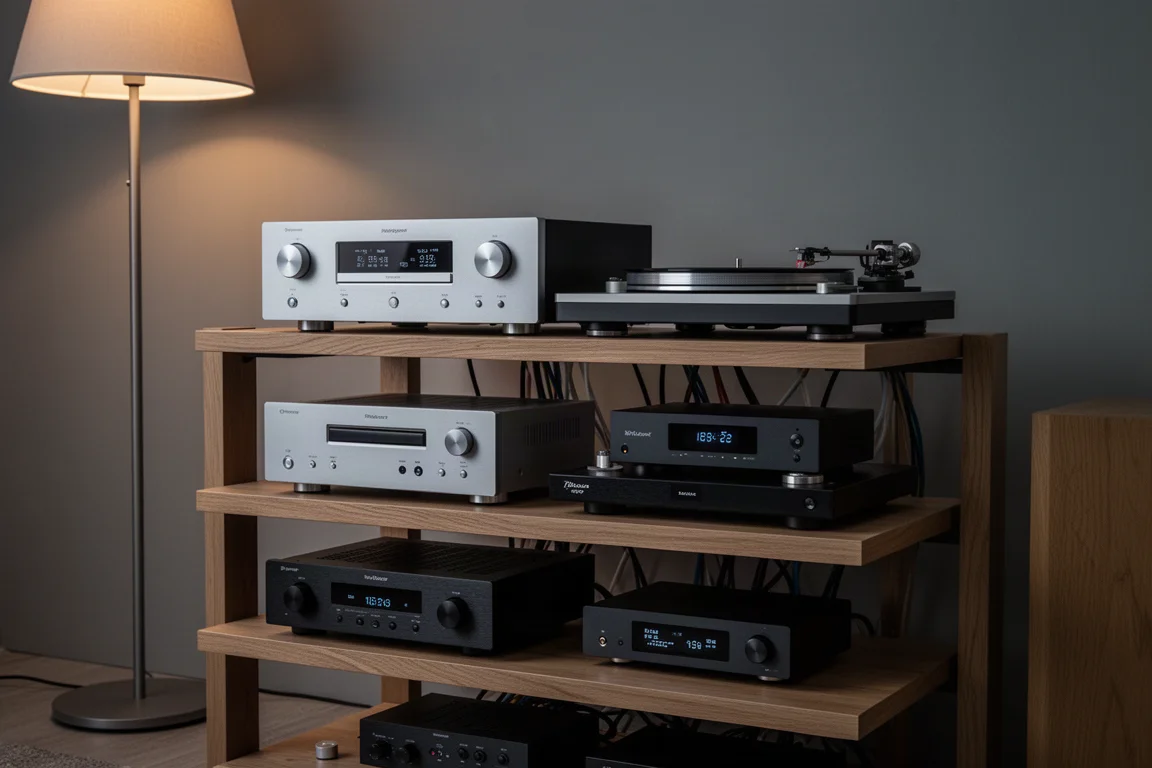
If you want a one-box system that covers digital and analogue sources and can handle difficult speakers, the IN300 deserves a place on your shortlist. Add the phono stage if you need it, choose speakers with a neutral balance, and this amplifier should sit at the centre of a system for a long time.
Conclusion
The Atoll IN300 is a modern muscle amplifier with genuine finesse. Its power supply and dual mono architecture are the kind of engineering rarely seen at this price, its internal DAC is good enough that an upgrade is unnecessary, and its sound is big, dynamic and rich with plenty of detail. A more precise rival may appeal to some listeners, but for those who want boldness and weight, this French integrated amplifier is a very strong choice.
Product link
View more details for Atoll IN300
This product is mentioned in the review. Check the specifications, options, and compatibility before buying.
View more details for Atoll IN300Further reading
Related Reviews
Hi-Fi Audio
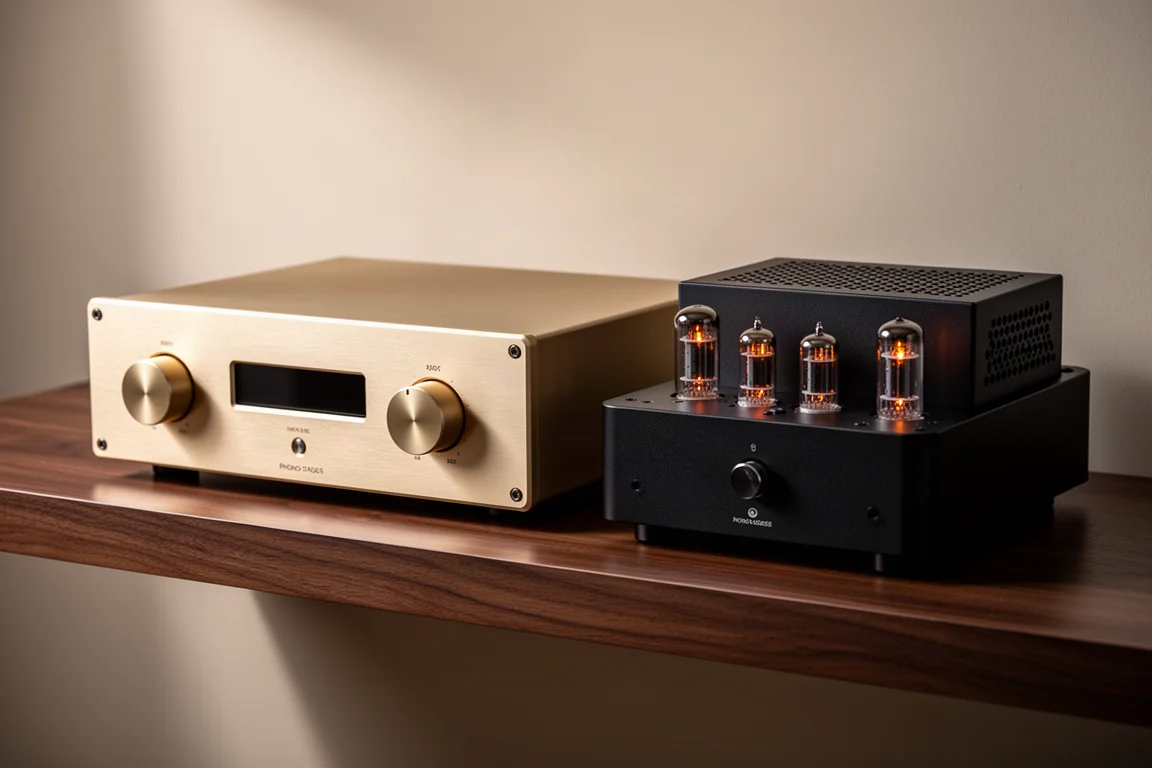
Accuphase C-57 vs Allnic H-7000V: Two High-End Phono Stages Compared
A fully balanced solid-state phono stage with a pitch-black noise floor meets a tube design built for well-loved records. Here is how to choose between them.
Hi-Fi Audio
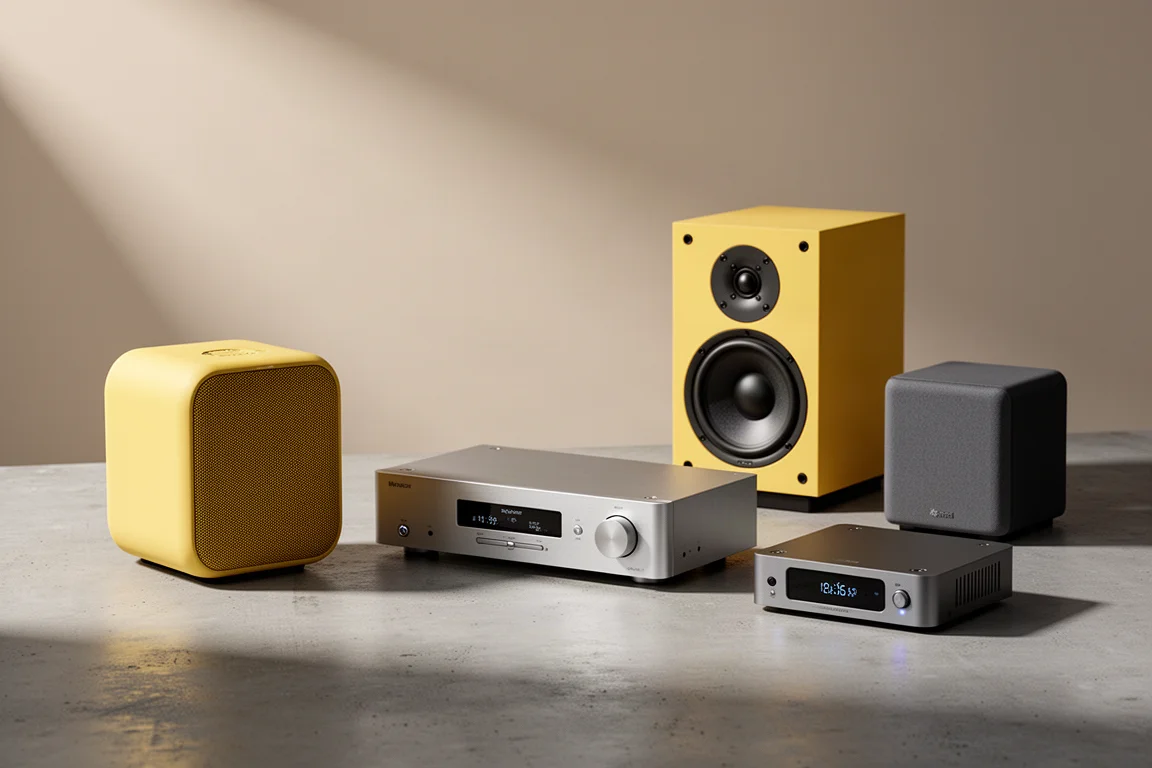
Active vs Passive Hi-Fi: Five Components for a Modern System
Five components that define modern active and passive hi-fi systems, with the strengths, trade-offs and setup details worth weighing before you buy.
Hi-Fi Audio
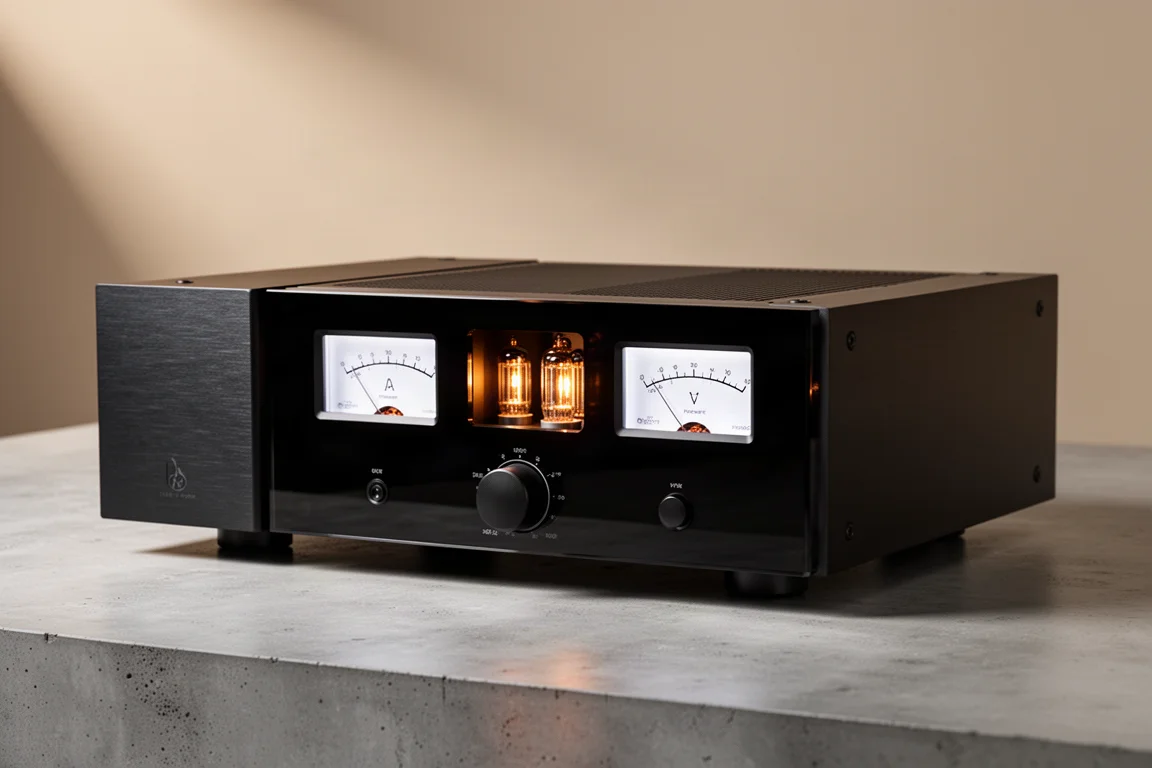
Advance Paris A10 Apex Review: A Hybrid Integrated Amplifier That Covers a Lot of Ground
A French hybrid integrated amplifier with a class A tube preamp stage, analogue power meters, and an internal DAC and phono stage good enough to make extra boxes unnecessary.