Hi-Fi Speakers
Atohm GT1 HD vs Buchardt S400 MkII: Two Standmount Speakers Worth Considering
A close look at two standmount speakers, the French-built Atohm GT1 HD and the warmer, more affordable Buchardt S400 MkII.
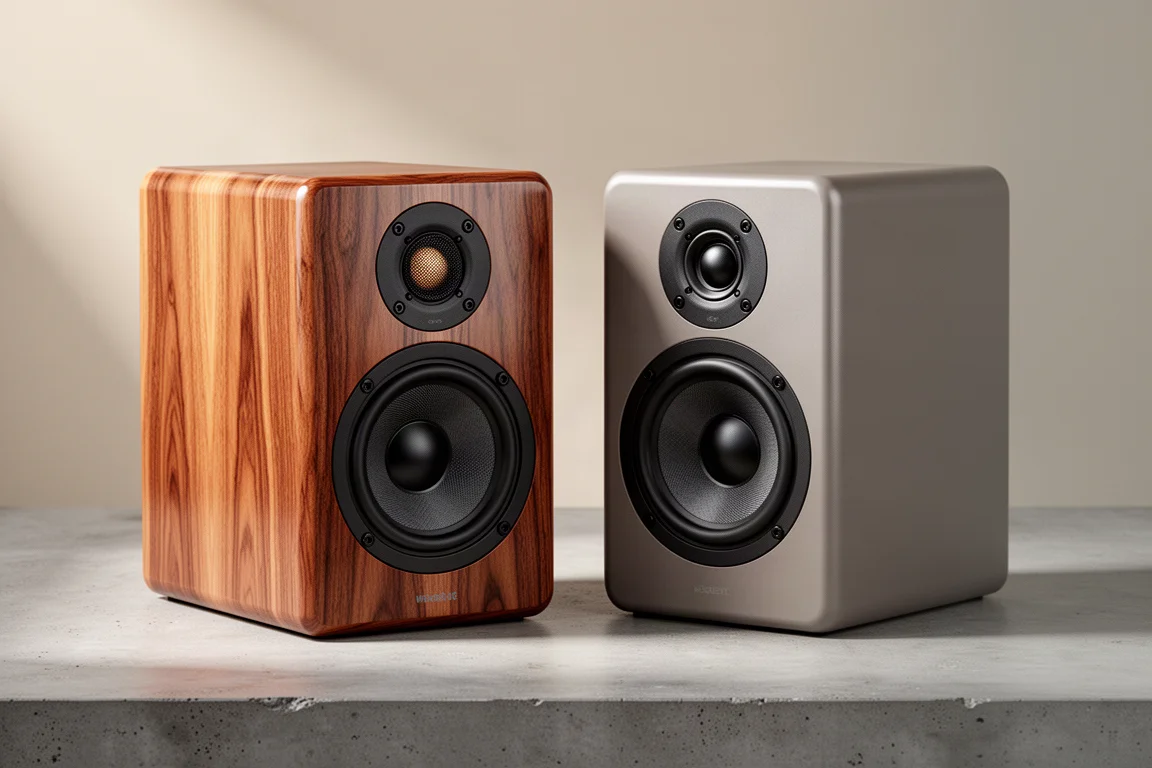
Introduction
Standmount speakers occupy a sweet spot for listeners who want a focused stereo image without the footprint of a floorstanding design. The trade-offs are well known, and they are mostly about bass extension and dynamic headroom, which is why cabinet construction, port geometry, and crossover topology carry so much weight in this category.
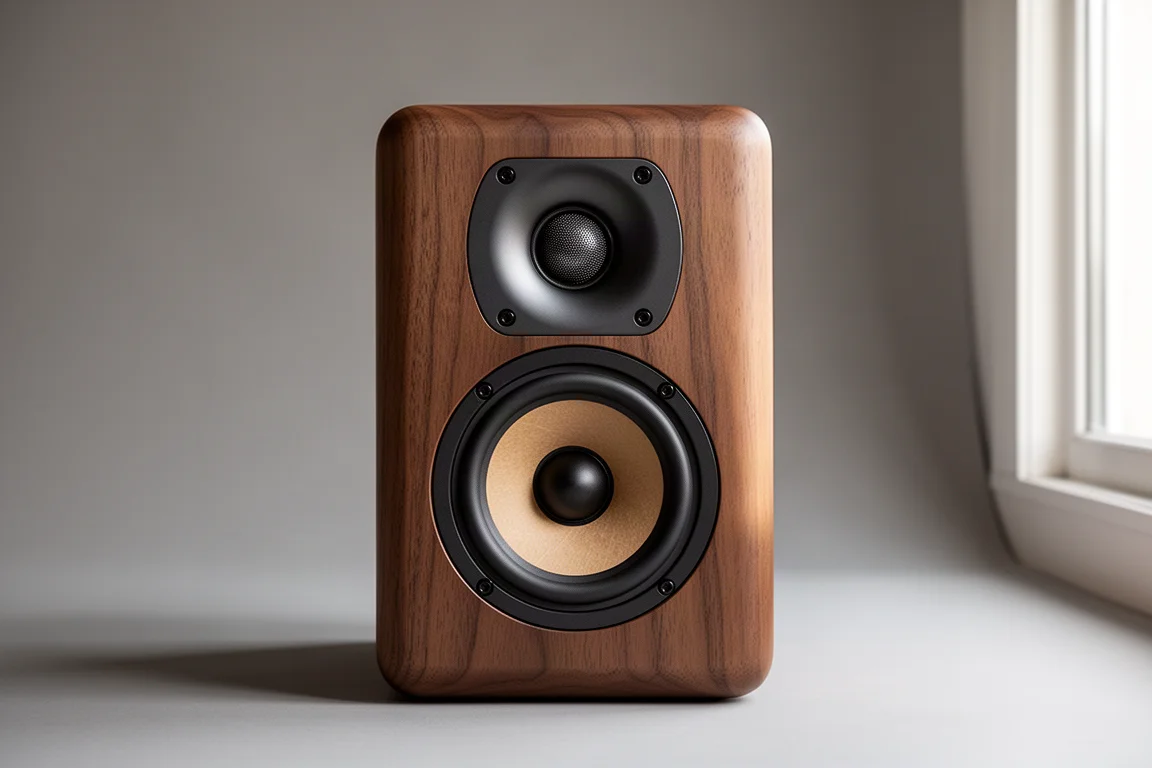
The Atohm GT1 HD is a French-built two-way that takes an unusual route through several of those decisions. It uses a down-firing port that exits into an integrated plinth, a shallow 6 dB per octave crossover with a time delay section that aligns the tweeter and woofer, and a three-position tweeter level control mounted on the rear of the cabinet. It is priced at $4,499 per pair.
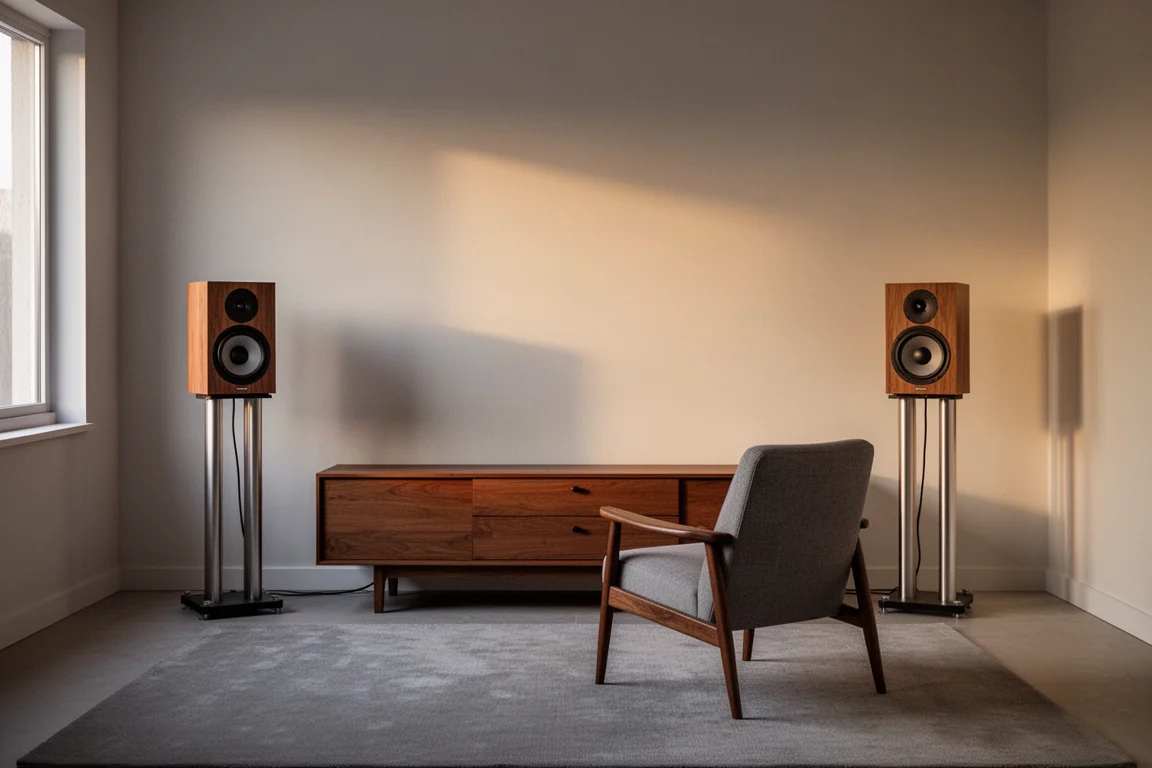
The Buchardt S400 MkII approaches the same job from a different angle and at roughly half the price. It leans warmer, fuller, and richer rather than maximally detailed, and for a lot of listeners that balance is exactly what makes long listening sessions easy. This guide looks at what each speaker does well and where the choice between them comes down to priorities rather than absolutes.
What to Look For in a Standmount Speaker
Cabinet construction, driver quality, and crossover design determine most of what you hear from a standmount. Rigid, well-braced cabinets keep the midrange clean, driver quality sets the ceiling on detail and transient speed, and crossover slopes and time alignment shape how smoothly the tweeter and woofer hand off to each other.
Port design deserves attention too, particularly for placement. Front and rear ports can interact strongly with the wall behind the speaker, while a down-firing port that exits into an integrated base is far less sensitive to how close the cabinet sits to a boundary. That flexibility matters in real rooms, where the ideal position is often not the practical one.
Tone adjustment is a practical bonus. A tweeter level control lets you compensate for a bright recording, a heavily damped room, or an amplifier with a softer top end, without adding an outboard equaliser to the chain.
Atohm GT1 HD Performance and Design
Atohm is a small French company that designs and builds its speakers, including its drivers, in France. The GT1 HD sits in the GT line alongside two floorstanding models and a centre channel speaker.
The GT1 HD is a two-way bass reflex design, but the port fires downward into a plinth that is integrated into the cabinet rather than out of the front or rear. The tweeter is a 28 mm silk dome, and the woofer is a six-inch unit with a cast frame. The crossover is unusual in two respects: a 6 dB per octave slope, which is shallower than the 12 dB or 18 dB designs most speakers use, and a time delay section that aligns the tweeter and woofer in time. The cabinet is MDF, beautifully crafted, and finished in rosewood, gloss black, or gloss white. Warranty coverage runs to five years.
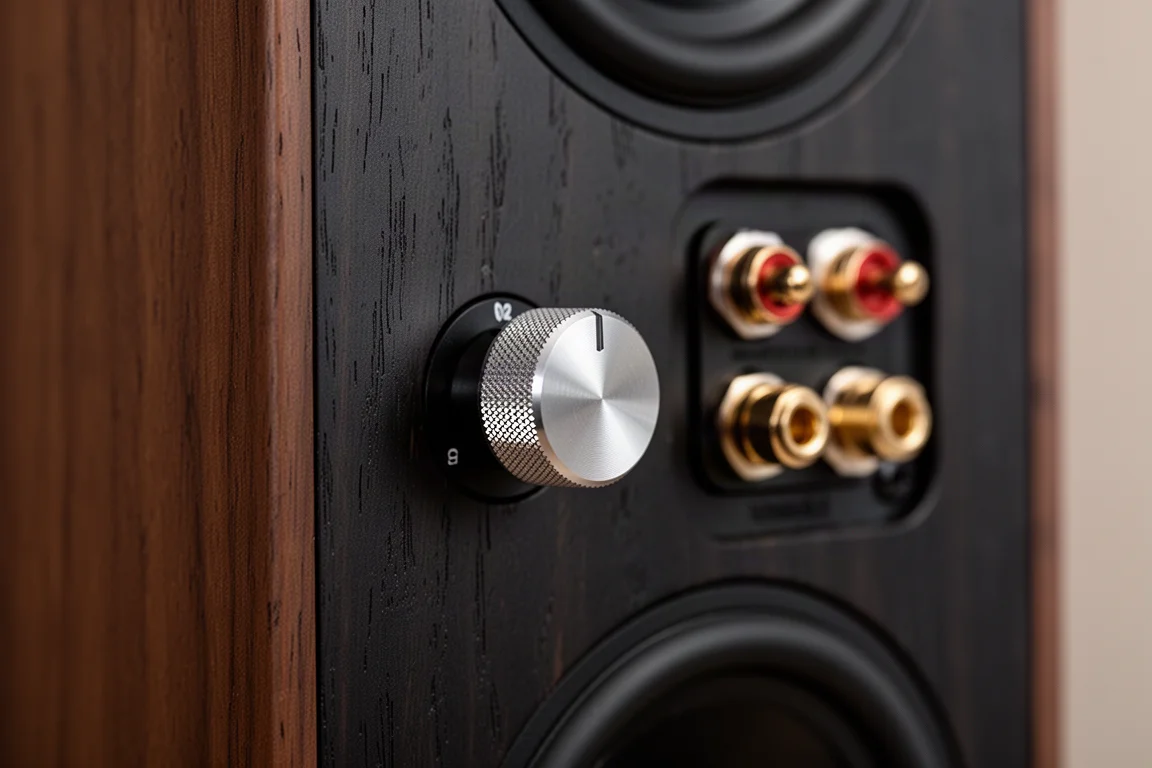
The rear-mounted tweeter control is a three-position knob offering -2 dB, 0 dB, and +3 dB. It is a genuinely useful device rather than a gimmick. The 0 dB position is the natural starting point for most material, while the -2 dB setting proves valuable with brighter, more congested recordings, softening the top end enough to keep them comfortable without draining the life out of the music. The +3 dB setting suits rooms with heavily absorbent surfaces, thick rugs, and padded furniture, or amplification that leans soft and needs a little extra zip.
Across bass, midrange, and treble, the GT1 HD resolves detail at a consistently high level rather than concentrating its strengths in one band. The balance is smooth, and the soundstage has a three-dimensional quality with precise layering in space and strong centre focus. Bass is fast, tight, and deeper than the cabinet size suggests, and the transient response and dynamics carry real snap. Detail is plentiful without ever feeling forced or overdone, which is what makes the presentation so easy to sit with for long stretches.
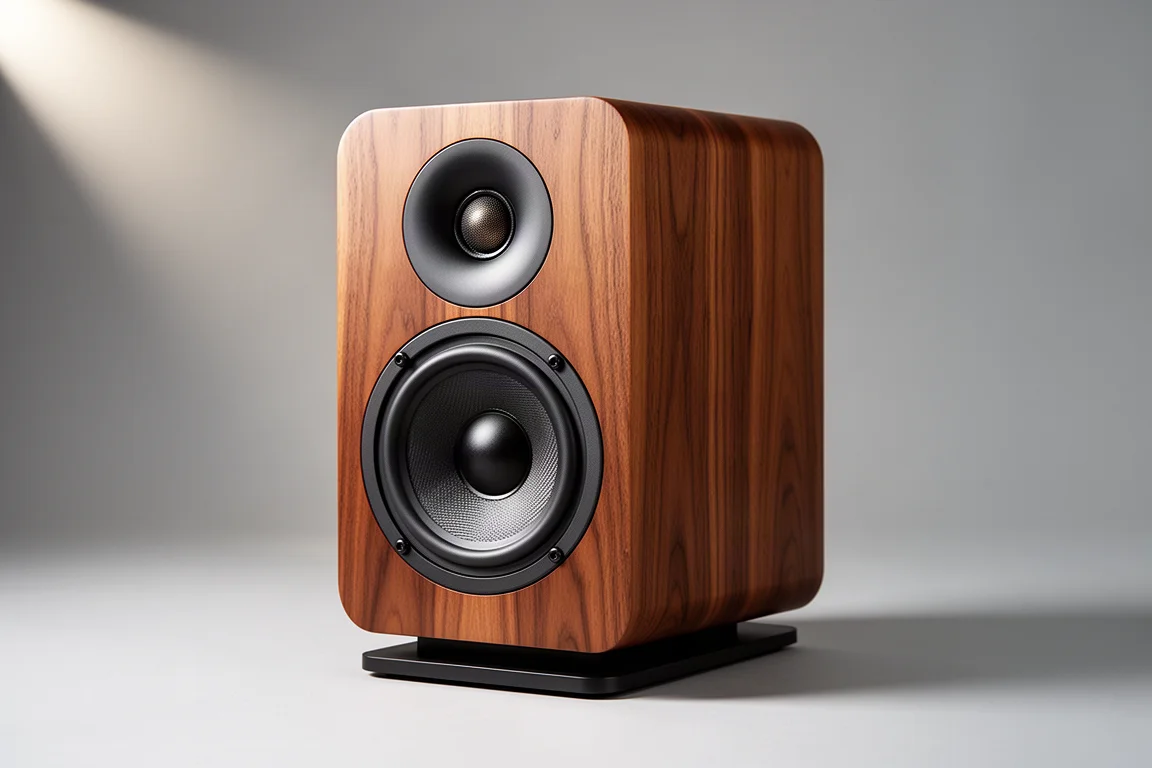
Buchardt S400 MkII Performance and Design
The Buchardt S400 MkII takes the opposite tonal approach. It is a warmer, fuller, and richer sounding speaker, with less outright clarity and less detail than the Atohm. What it gives up in resolution it returns in easy, forgiving musicality.
At roughly half the price of the GT1 HD, the S400 MkII keeps the comparison far closer than the price gap would suggest. It is a genuinely impressive speaker, and the fact that it remains competitive against a model costing twice as much says a great deal about how it is put together.
Its balance sits on the euphonic side of neutral. Everything played through it sounds pleasant and enjoyable, which is a real virtue for listeners who value long-session comfort over forensic analysis. It does not chase the last word in transient speed or bass grip, but it delivers a beautiful, cohesive sound that is easy to live with over months rather than minutes.
How the Two Speakers Compare
The clearest difference between the two is resolution and drive. The GT1 HD has more snap and more life, with a faster transient response and dynamics that carry noticeably more kick. Its bass is not only deep for the cabinet size but tight, fast, and well composed.
The S400 MkII counters with warmth and fullness. It is the more forgiving of the pair, rich enough to make almost any recording sound good, and it never asks much of the material it is given. The GT1 HD asks more of the recording and hands back more detail in return.
Neither approach is objectively better, and that is the useful conclusion here. One speaker is built to reveal what is on the recording, and the other is built to make whatever you play sound enjoyable. Both do their job convincingly.
Setup and Amplifier Matching
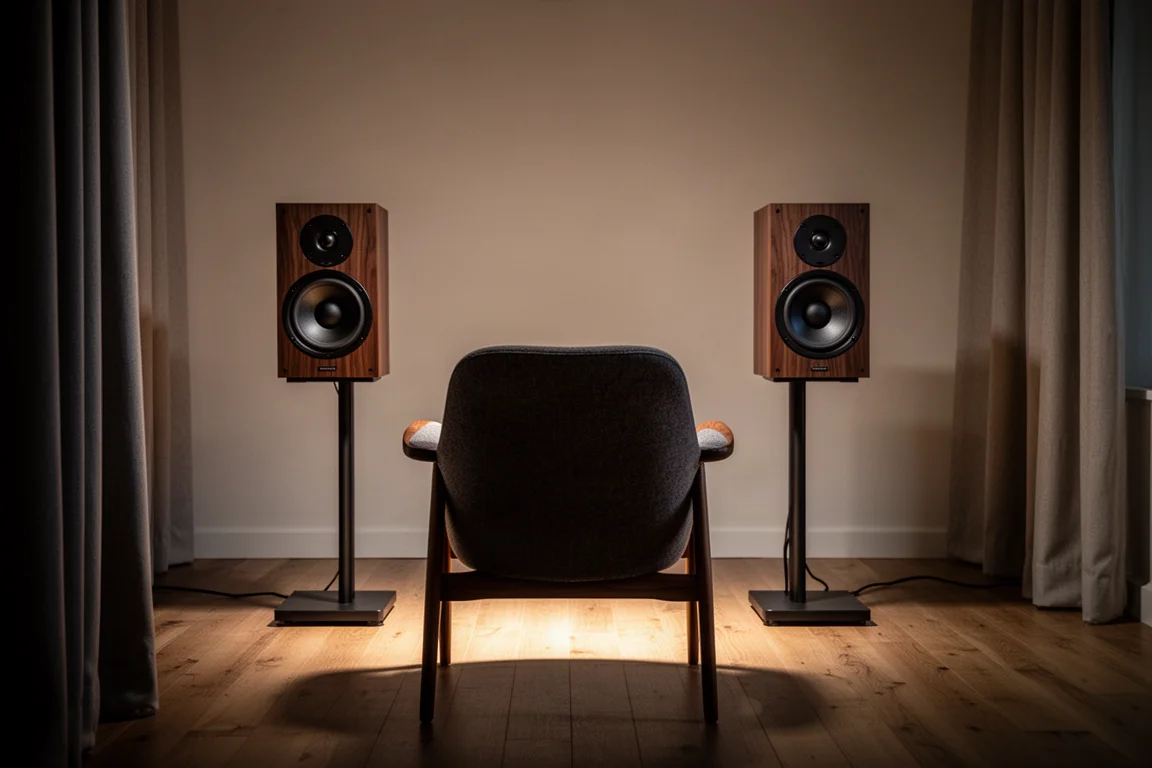
Standmounts like these reward careful setup. The GT1 HD works well on 28-inch tall stands positioned around 18 inches from the wall behind them, which is a sensible starting point for a two-way of this size. Because the port fires downward into the base, the cabinet is less fussy about rear-wall distance than a typical rear-ported design, but the front baffle still benefits from a little breathing room.
Amplifier matching matters just as much. A low-powered class A amplifier in the region of 20 watts produced a pleasant sound but felt underpowered, and it held back the speaker’s dynamics. A 250-watt-per-channel class D amplifier gave the GT1 HD noticeably more headroom and drive. Listeners who want the speaker at its most dynamic should plan for amplification with real power on tap.
The tweeter control is worth experimenting with. Start at 0 dB, drop to -2 dB if bright or congested recordings become fatiguing, and try +3 dB in a heavily damped room or with a soft-sounding amplifier.
Buying Advice for Standmount Shoppers
Choose the Atohm GT1 HD if your priority is resolution, clarity, and a three-dimensional soundstage with precise layering and strong centre focus. It suits listeners who want to hear deep into a recording, who have an amplifier with enough power to let the speaker stretch, and who value the flexibility of an onboard tweeter level control. At $4,499 per pair it is a serious investment, and it is backed by a five-year warranty.
Choose the Buchardt S400 MkII if you want a warmer, fuller, and richer presentation at roughly half the price. It is the more forgiving of the two, and its euphonic balance makes a wide range of recordings easy to enjoy without ever sounding analytical. It concedes some clarity and detail to the Atohm, but it remains a genuinely impressive speaker in its own right and a strong value at its price point.
Conclusion
These are two very different answers to the same question. The Atohm GT1 HD is the high-resolution option, with a shallow time-aligned crossover, a down-firing port, and a tweeter control that lets you tune the top end to your room and your recordings. The Buchardt S400 MkII is the warmer, more forgiving option, and it stays competitive at roughly half the price.
If your system is built around detail, staging, and dynamic snap, and your amplifier has the power to match, the GT1 HD is the more rewarding choice. If you would rather sit back and enjoy whatever you play, the S400 MkII delivers that experience for considerably less money.
Further reading
Related Reviews
Hi-Fi Speakers
1723 THX Tower vs 1528 Bookshelf: Which Speaker Fits Your Room?
Two speakers at roughly the same price, built very differently. How the 1723 THX tower and the 1528 bookshelf compare on construction, bass, power needs, and sound.
Hi-Fi Speakers
Acoustic Energy AE 300 Review: Deep Bass From a Compact Standmount
A two-way standmount with real wood veneer, surprising low-end weight, and a warm, easygoing character. Here is what to know before buying.
Hi-Fi Speakers
Acoustic Energy AE1 40th Anniversary Review: A Modern Take on a British Classic
A compact standmount that revives a 1980s favorite with all-new parts, a warm mid-centric balance, and a price of £1,499 per pair.