Portable Power
Atheley 500W Portable Power Station Review: Solid Build, Smart Chemistry
A well-built 500W LiFePO4 power station with a quality solar panel, strong charge-cycle numbers, and a few usability quirks worth knowing before you buy.
Introduction
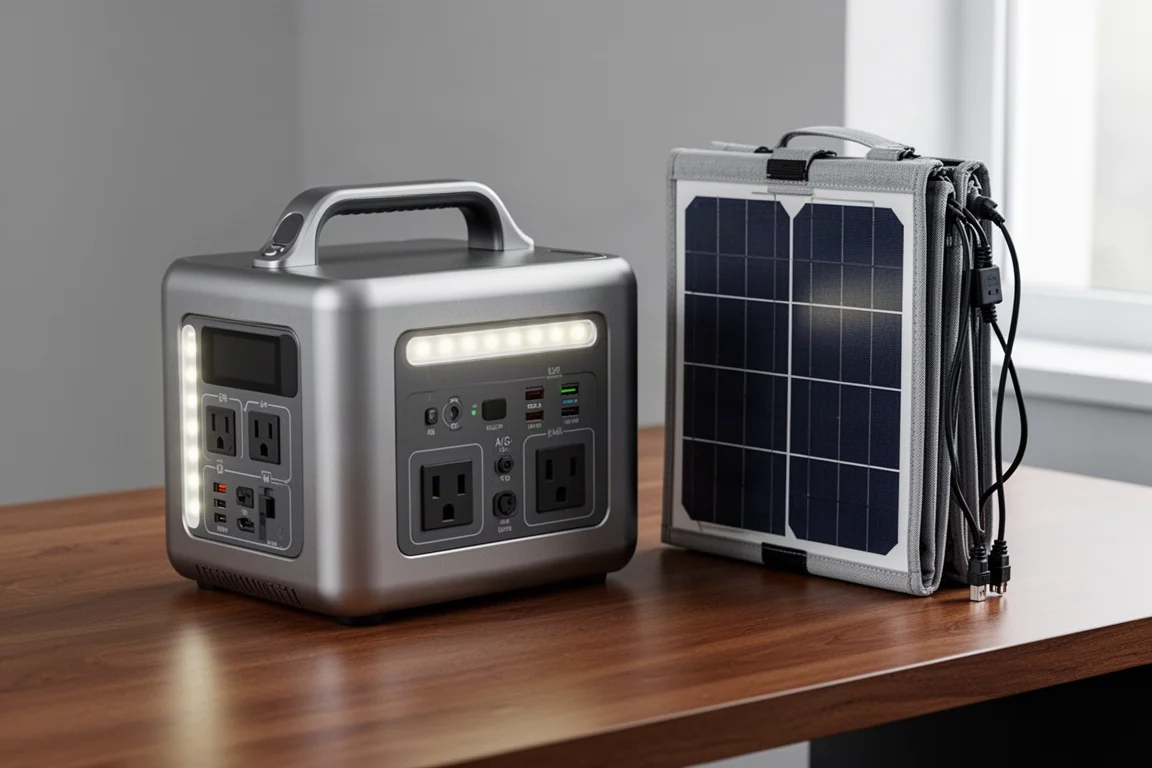
If you have been shopping for a compact portable power station, the Atheley 500W is an easy one to underestimate on paper. At 500 watts it is not a gas generator replacement and it will not run high-draw power tools, but the package quietly checks the boxes that matter most: LiFePO4 battery chemistry, a pure sine wave inverter, MPPT solar input, and construction quality that stands out in this price bracket.
Sold as a bundle with a solar panel for 669.99, or on its own for 480 while on sale, it targets campers, road trippers, and anyone who wants dependable backup power without hauling a full-size generator. This review covers what it does well and where it falls short.
Build Quality That Sets the Tone
The first thing that stands out about the Atheley 500W is how solid everything feels. The case construction is genuinely impressive for a startup brand, with a polished, almost Apple-inspired look and finish. Everything is well made, tight, and rock solid, which is more than can be said for some pricier competitors in the same category.
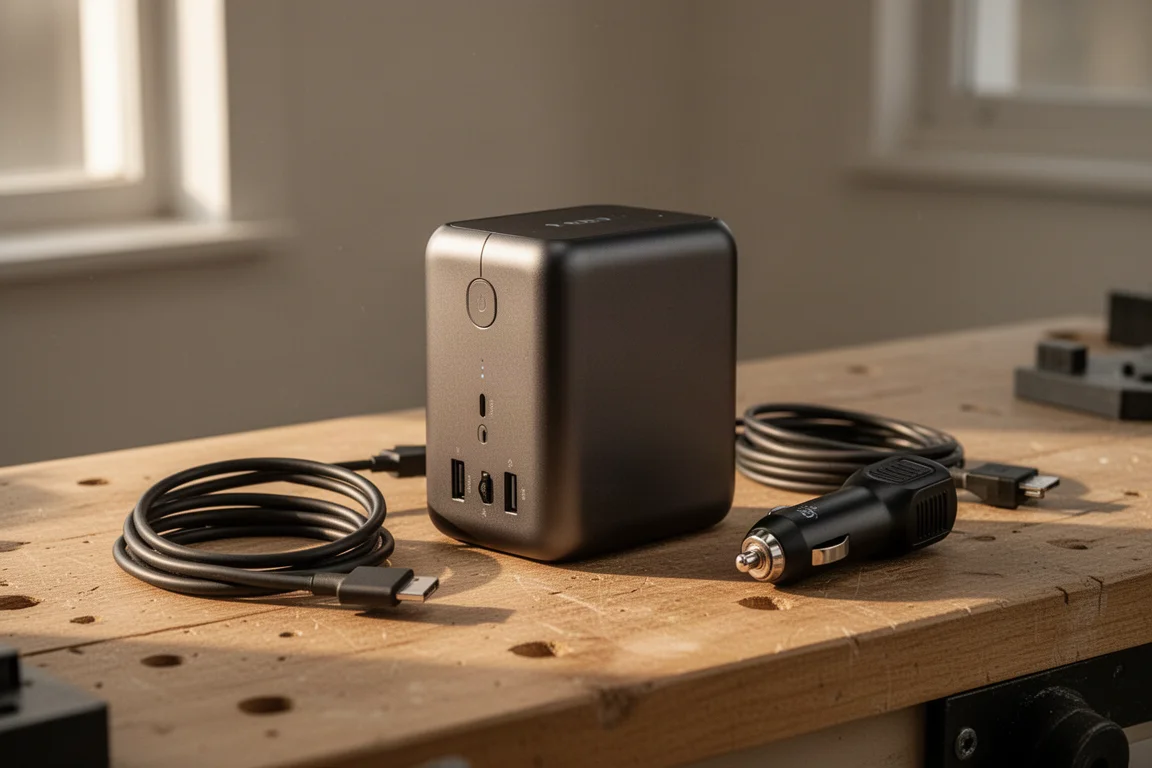
That refined styling cuts both ways. If the unit lives on a desk, it looks great. If it rides in the back of a truck and gets knocked around, a slightly clunkier, more rugged design might actually be preferable. The top carry handle is small and feels fragile even if it probably is not, and it is one of the least comfortable parts of picking the unit up and carrying it. A side-mounted flashlight feels like a gimmick rather than a feature.
Ports, Charging, and Inverter
The port layout is sensible, with inputs clearly separated from outputs. You get two AC outlets designed as multi-use multinational sockets, so plugs from several different countries fit the same outlet. The DC side includes a marine-grade DC port and car adapter input, and there is a full bank of USB ports including USB-A and USB-C for high-speed charging.
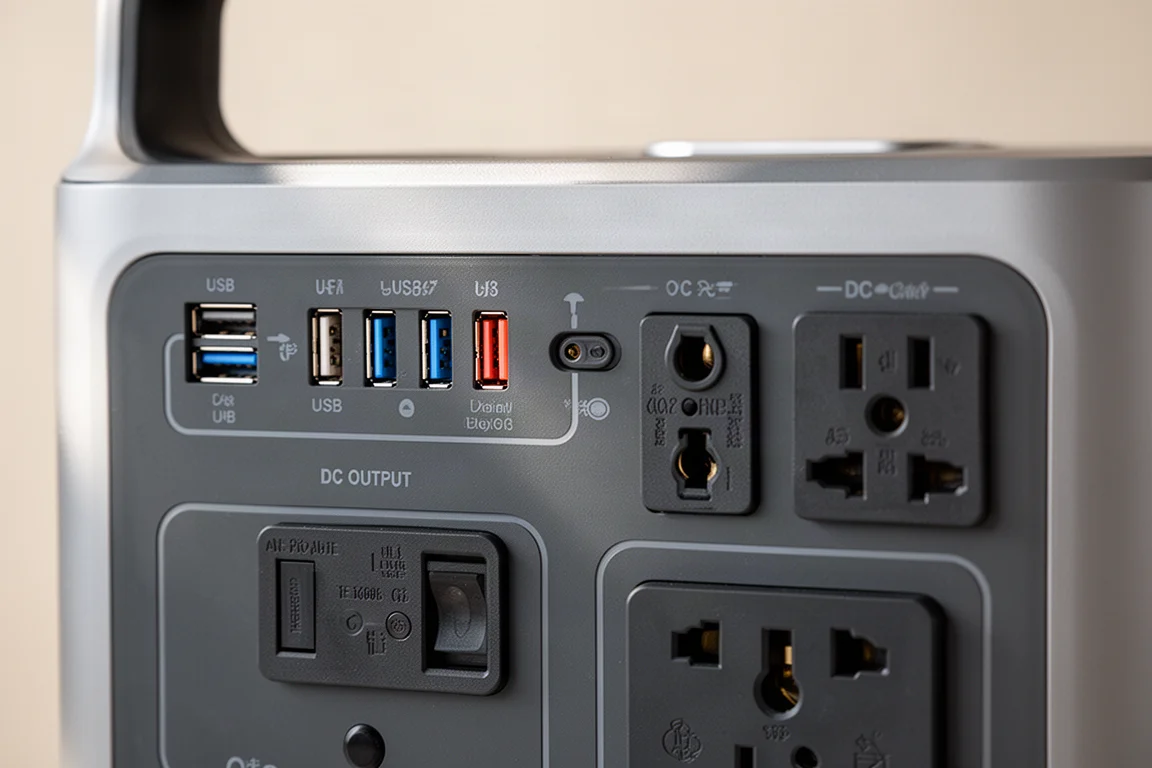
Under the hood, the pure sine wave inverter is a genuine highlight at this price, making it safe for sensitive electronics. A wall outlet charge takes roughly three to four hours. The MPPT controller can handle up to 500 watts of solar input, meaning you can connect up to four panels for solar charging.
Battery Chemistry: Why LiFePO4 Matters
The Atheley uses LiFePO4 (lithium iron phosphate) batteries rather than standard lithium-ion, and that is the single best reason to consider it. LiFePO4 cells deliver around 3,500 charge cycles, survive deeper discharges without damaging the battery, and avoid the thermal flare-up risks associated with other chemistries. Anyone who works with battery banks and solar power will tell you the same thing: LiFePO4 is the better battery for long-term ownership.
You also get 500 watt capacity extension, so there is room to grow the system if your needs expand.
The Display and Controls: Field Usability Issues
This is where the Atheley stumbles. The control buttons are flush-mounted, smooth, and nearly the same color as the case, so in bright daylight they are genuinely hard to find and use. The printed labels lack contrast, and the display is effectively worthless in direct sun. Anyone with larger hands will find the buttons fiddly.
At night the story flips: the display is bright, shiny, and easy to read. That daylight readability problem is common across most power stations, but it is worth knowing if you plan to rely on this in full sun.
The Solar Panel: Quality Over Lightness
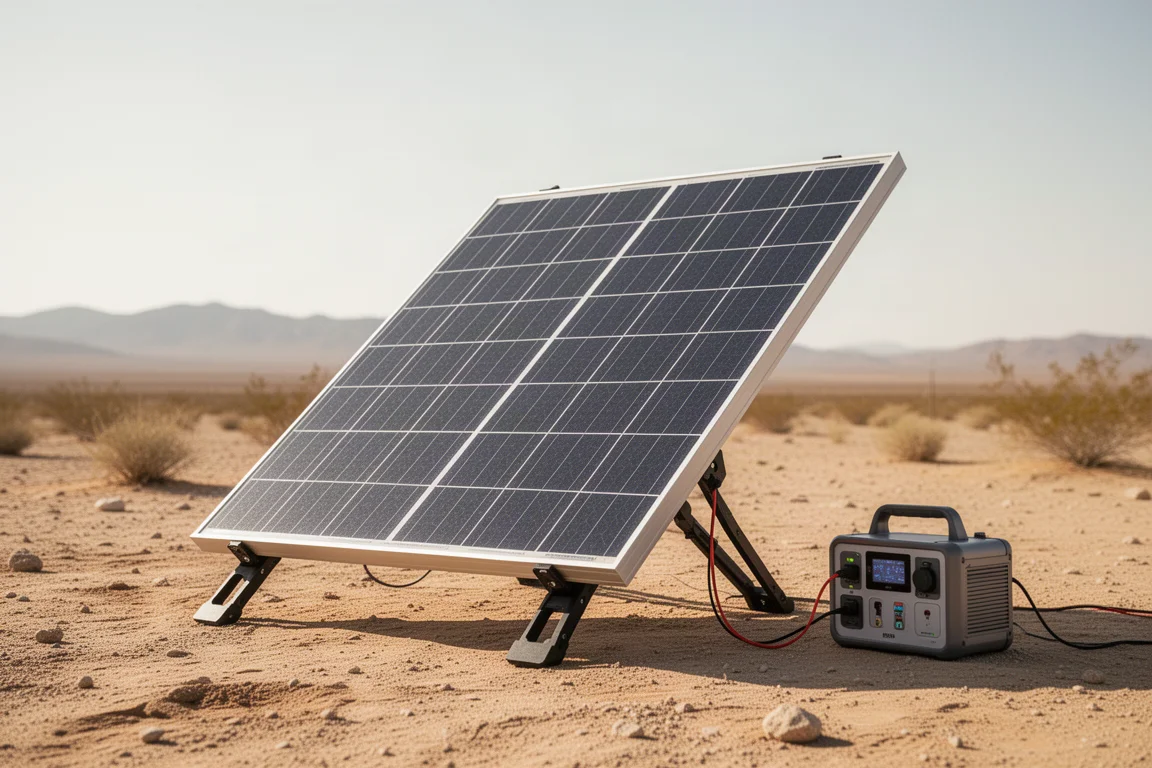
The matching Atheley solar panel is 189 dollars on its own, and its construction quality jumped out immediately. The setup instructions are printed directly on the panel itself, which is a smart touch if you only pull it out every few months. Built-in stands make deployment easy, and it folds into a genuinely compact size with a case on the back that holds everything, including a small adapter box with USB-A 2.0, USB-A 3.0, and a barrel charger for topping up phones directly from the sun.
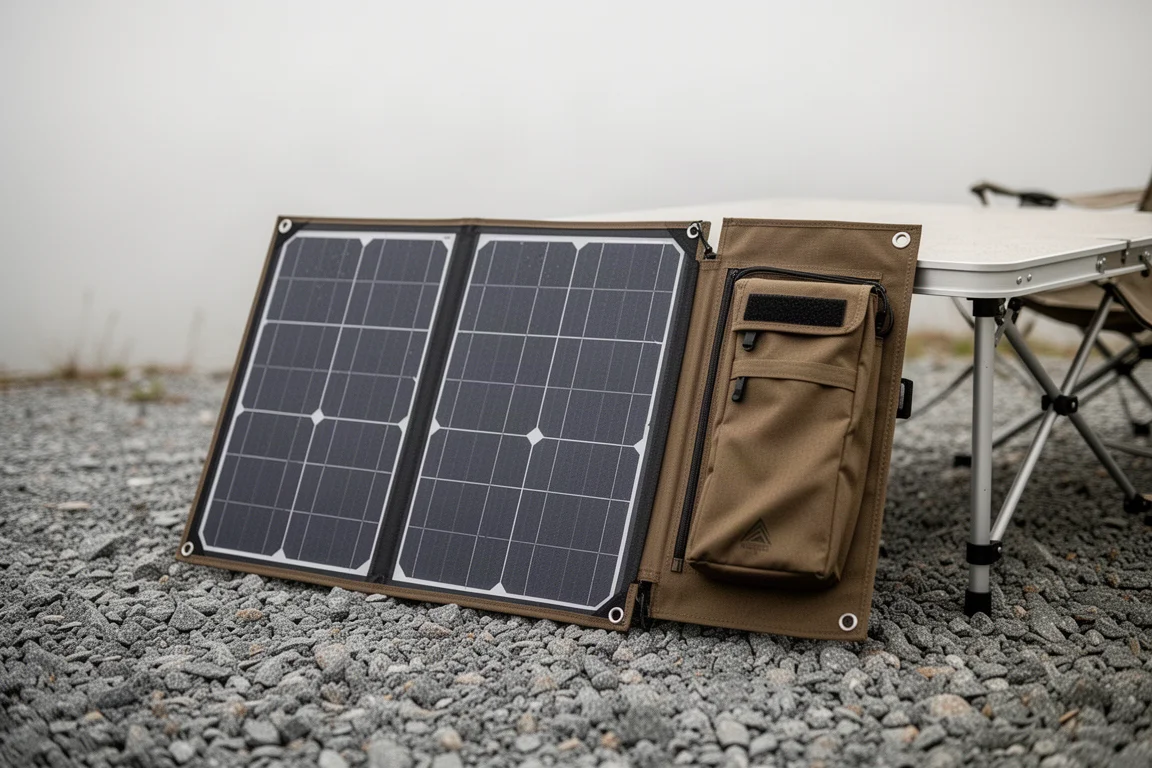
The trade-off is weight. These are firm, solid monocrystalline cells, not flexible ones, and they are noticeably heavier than many other semi-rigid panels. They do a great job and are clearly high quality, but if weight is a priority for backpacking or frequent hauling, these are not the panels for you. You will also need an adapter cable to run more than one panel in series.
What Could Be Better
The wishlist is short but real: more available power would be welcome at 500 watts, the handle needs a redesign, the buttons and labeling need far better contrast, and the solar panels could stand to lose some weight. None of these are dealbreakers, but together they make the unit feel less field-friendly than its build quality deserves.
Buying Advice
Atheley is a startup, and its catalog is currently limited to this power station and its solar panels, backed by a two-year warranty. As first products go, it is a strong start. At 669.99 with the solar panel, the bundle pricing is reasonable given the panel quality, and 480 for the unit alone is competitive for a LiFePO4-based 500W station with a pure sine wave inverter.
Buy it if you value battery longevity and build quality over raw wattage. Skip it if you need to run high-draw tools or if daylight visibility of controls and display matters to your typical use.
Conclusion
The Atheley 500W portable power station is not the most powerful option on the market, but it does not pretend to be. What it offers is better battery chemistry, impressive construction, a thoughtful solar package, and honest bundle pricing. If a high-quality 500 watt LiFePO4 station is what you are after, this is a solution well worth a close look.
Product link
View more details for Atheley 500W Portable Power Station
This product is mentioned in the review. Check the specifications, options, and compatibility before buying.
View more details for Atheley 500W Portable Power StationFurther reading
Related Reviews
Portable Power
Best Portable Power for Camping and Remote Work: Six Power Banks and Solar Panels Compared
A practical comparison of six portable power options, from a 500W solar generator for car camping to a one pound solar power bank built for backpacking.
Portable Power
Best Portable Power Stations 2026: Nine Models Compared for Real-World Use
We compared nine portable power stations across output, capacity, charging speed, noise, and UPS performance to find the best value and the best overall pick.
Portable Power
Best Portable Power Stations and Power Banks for Blackouts and Travel
Five portable power solutions compared: two EcoFlow power stations, a flight-friendly Zendure power bank, a see-through Shargeek, and the feature-packed Omni 20c+.