Hi-Fi Speakers
ATC SCM40 Review: Deep Bass, a Legendary Midrange, and a Demanding Nature
The ATC SCM40 is the most affordable route into ATC's 75 mm soft dome midrange. Here is what its bass weight, midrange richness, and setup demands mean for buyers.
Introduction
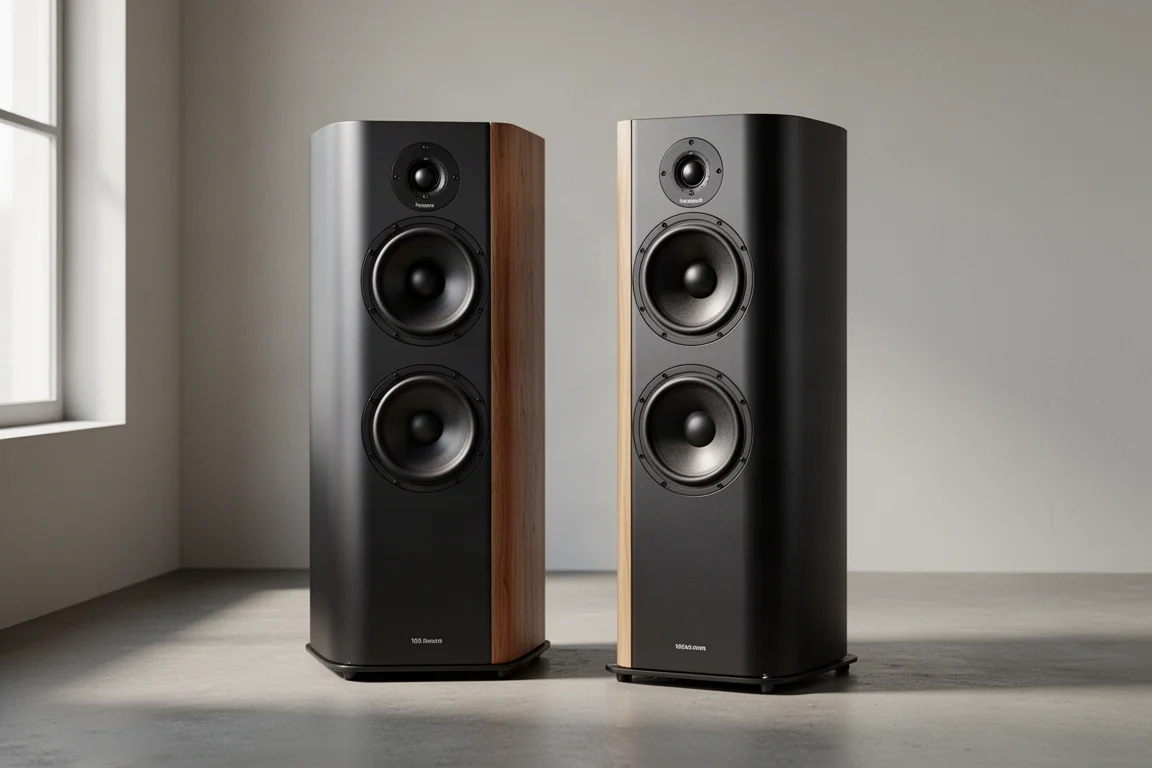
The ATC SCM40 is the largest speaker in ATC’s entry series and the most affordable model to use the company’s 75 mm soft dome midrange driver. That driver is the one that put ATC on the map back in the 1970s, when the company largely built drivers for other manufacturers. Today ATC equipment appears in studios and venues including Abbey Road Studios and the Sydney Opera House, and the client list includes Coldplay. Founder Billy Woodman passed away in 2022, and the company has since brought cabinet manufacturing in-house as well.
In a room, the SCM40 does not look unusually large. Pick one up and the impression changes: each speaker weighs 36 kg, close to 80 lb, for a cabinet that stands 980 mm (38.6 inches) tall. Much of that mass sits in the drivers and the heavily built sealed enclosure rather than the box alone.
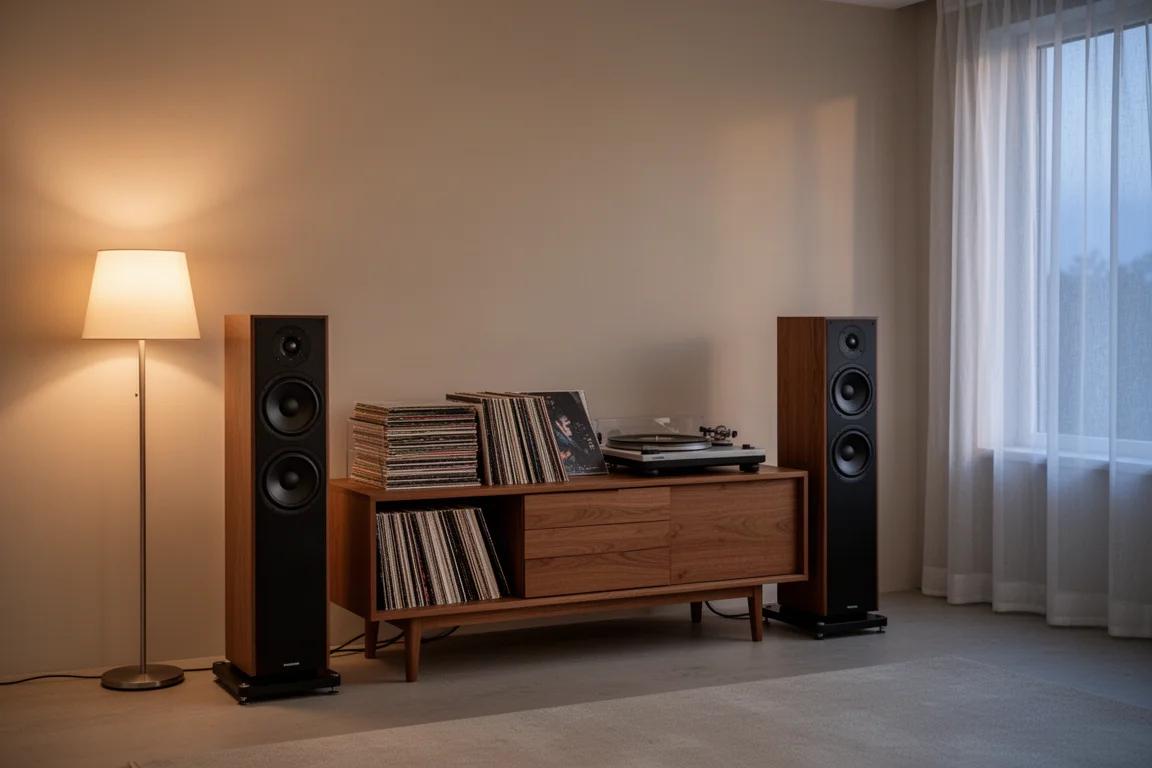
That engineering-led approach runs through the whole design. ATC builds its own drivers, now builds its own cabinets, and applies the same thinking to the low, mid, and high frequency sections of this speaker.
Who the ATC SCM40 Is For
The SCM40 suits listeners who have room to place a floorstander properly, amplification with real current delivery, and a habit of listening at realistic levels rather than at a whisper. ATC drivers use relatively large moving mass, which makes them less comfortable at very low volume. The SCM40 copes better with quiet listening than the smaller SCM19 thanks to the extra acoustic mass it carries in the low and midrange frequencies, but neither speaker is at its best when the volume is kept low.
This is also a speaker for someone who wants to hear into a mix. The midrange is the reason many buyers consider ATC in the first place, and it is the part of the SCM40 that rewards attention.
Build, Drivers, and Design
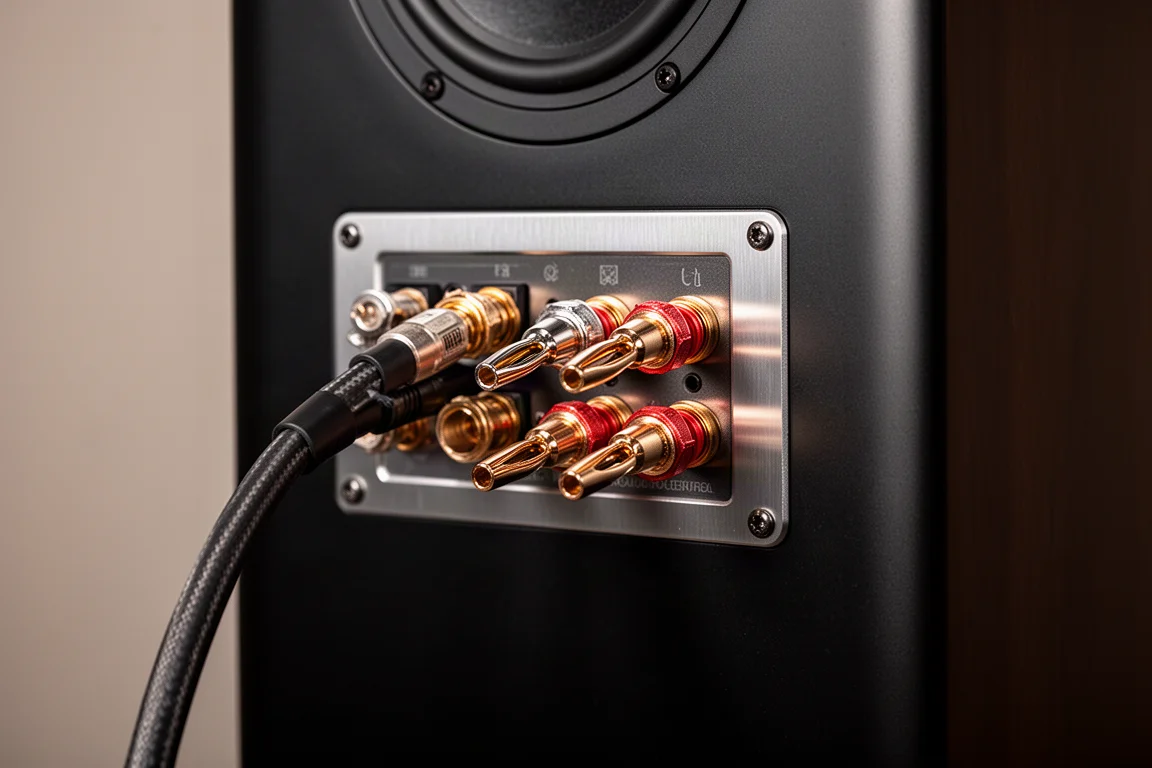
The cabinet is a sealed box with curved side panels, a combination chosen for extra rigidity and to reduce internal standing waves. Finishes include satin black, satin white, black ash, and a real cherry wood veneer. Low frequencies are handled by a 164 mm (6.5 inch) woofer, which hands over at 380 Hz to the 75 mm (3 inch) dome midrange mounted in a waveguide for better integration with the tweeter. A 25 mm (1 inch) soft dome tweeter takes over at 3,500 Hz. The binding posts can be tri-wired or tri-amped, the first hint that these speakers are power hungry. Crossover components such as resistors, capacitors, and inductors are accessible enough that DIY-minded owners can explore upgrades.
ATC focuses heavily on lowering distortion in its drivers, and the SCM40 shows how. The woofer uses a massive motor structure that weighs as much as many quality two-way bookshelf speakers on its own, built from a proprietary material with greater magnetic permeability. The increased magnetic flux density and higher saturation level reduce eddy currents in the magnetic material, which ATC says lowers third harmonic distortion. The midrange magnet structure would put most woofers to shame, and its dome shape rather than a cone shape maintains a wider dispersion pattern further up its range, which matters as the driver hands over to the tweeter. More even dispersion produces smoother off-axis performance and a wider listening sweet spot. Every ATC driver uses a short voice coil operating in a long gap, rather than the long coil in a short gap found elsewhere. It costs more to manufacture, but it keeps the coil inside a linear magnetic field as it moves, which also lowers distortion.
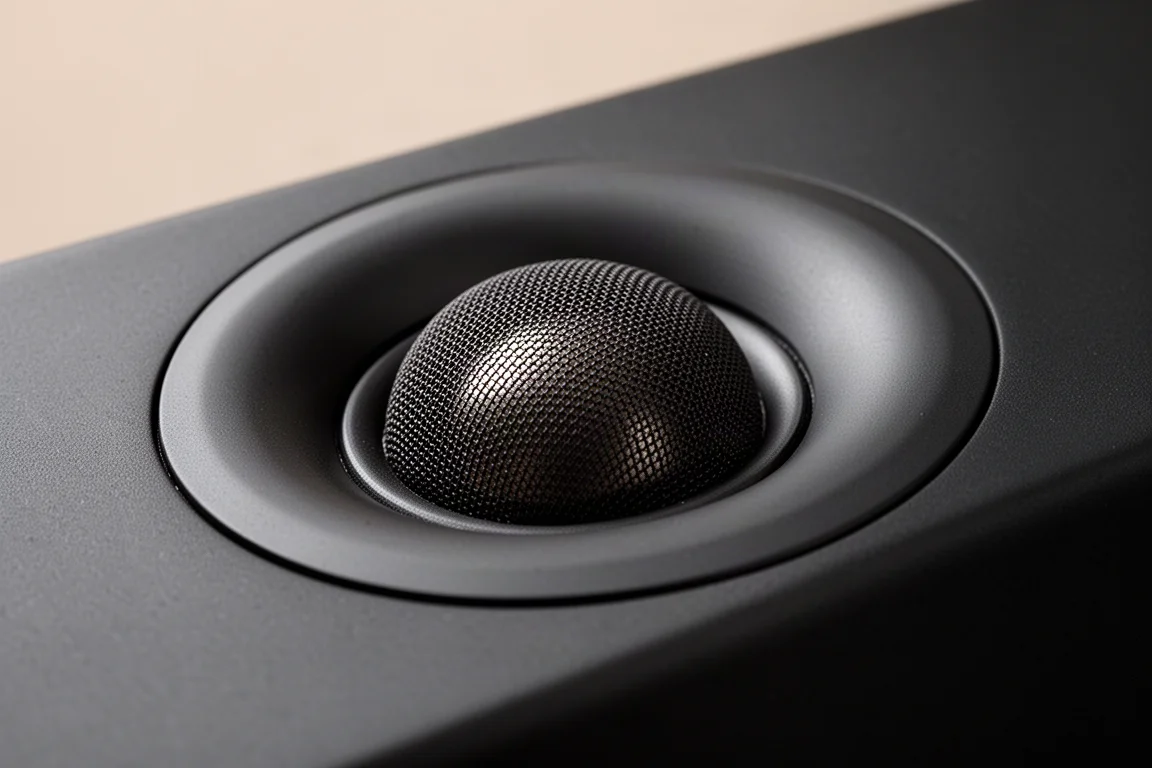
The tweeter gets the same treatment. A dual suspension system encourages more pistonic motion, again to lower distortion, and the design removes the need for ferrofluids used for cooling, which can dry up over time and degrade performance.
Sound Quality and Setup Demands
Bass weight is the first thing that stands out. Driven appropriately and set up correctly, the SCM40 delivers bass lines that make stand mounts and compact floorstanders sound like a different class of product, and it can play clean and loud with genuine dynamic impact. The midrange is the headline act: instruments and vocals carry real saturation and separation, which makes it easy to follow individual parts inside a mix. The tweeter is the weaker link. It lands in the good rather than great category and gives away some of the final upper harmonic extension, which costs the speaker a little of the airiness that would otherwise complete the picture. Tonal balance leans warm, and the presentation is darker than that of the SCM19.
Imaging is excellent for a floorstander, with a locked-in central image and a sweet spot that is genuinely impressive once the speakers are positioned well. Off-axis listening is better here than on most speakers in this class. Soundstage depth is strong, and width gives away only a little compared with the best stand mounts.
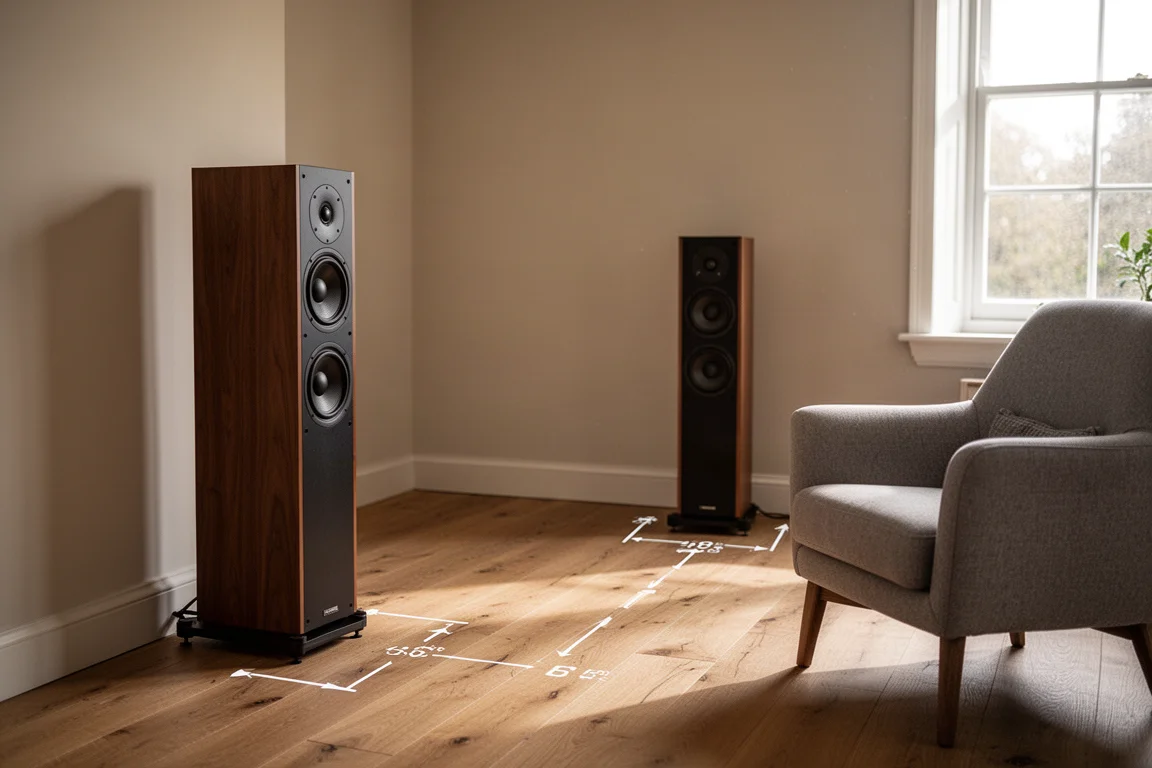
Placement is where the SCM40 asks for patience. Put them too close to the walls and the bass starts to boom. Put them too close together and the midrange thickens. Toe-in is critical for balancing top end extension against soundstage width. A setup that works: roughly 2.25 m (about seven feet) between the speakers, about 1.3 m (52 inches) from the front baffle to the wall behind them, and toe-in enough that the tweeters point directly at the listening position. Treat that as a starting guide rather than a rule.
Things to Consider Before Buying
Room and positioning come first. These speakers need space behind and around them to breathe, and a room with flexibility on where the speakers and the listening seat can go will be far easier to work with than a fixed layout. In a professionally treated space the job would be simpler, but the SCM40 can be made to work in an ordinary living room with enough patience.
Amplification is the second consideration. The SCM40 is demanding, and it needs a price-appropriate front end to shine. A budget amplifier that only just drives them will leave most of the speaker’s capabilities untouched.
Low-level listening is the third. Listeners who mostly play music quietly, somewhere around the 60 dB range or below, will not hear the SCM40 at its best. It is not terrible in that regard, but it is clearly built for listeners who use volume.
Finally, the tweeter deserves an honest look before purchase. It does a competent job, but it does not quite match the musical expression achieved by the drivers below it, and buyers who prize high frequency refinement above all else should weigh that carefully.
Amplification and System Matching
The Hegel H190 is a great starting point. Its 150 watts and damping factor of 4000 give better bass control than some far more exotic pairings, although soundstage, dynamics, and resolution are scaled down compared with more expensive amplification. A step up would be the Musical Fidelity M8 pre and M8 power amplifier combination, with 500 watts per channel on tap.
Vintage valve and solid state separates can also work. An Exposure 21 preamp with 18 super monoblocks revealed a gloriously rich and textured midrange, which is exactly the quality the SCM40 is coveted for, but the same combination lacked bass control once the music really started moving. The lesson is consistent: the better the amplifier’s grip, the more of this speaker’s bass definition and dynamic range comes through.
Buying Advice
A pair of SCM40s costs £4,200 in the UK. That is not cheap, but within the ATC range it represents strong value, since it is the least expensive route to the company’s 75 mm soft dome midrange in a floorstanding cabinet. Buyers who want the extra bass weight, dynamic capability, and midrange richness that the larger cabinet and extra drivers provide will find the SCM40 the more compelling option.
Buyers who place a higher value on tonal balance should know that the SCM19 remains the more neutral speaker of the two, and the tweeter used here seems better suited in that smaller model. The SCM40 goes deeper and plays louder, but it shifts the balance to the warm side. Either way, budget for an amplifier with real current delivery and a source good enough not to hold the speaker back, because both are part of the cost of getting the most from this design.
Conclusion
The ATC SCM40 is an immensely capable speaker with a robustness that shows up in the build and in its dynamic and peak level capability alike. It is not a speaker about fireworks without finesse: bass definition, midrange openness, and richness are exactly what many listeners are chasing, and the SCM40 delivers them in a way that few floorstanders at this level manage.
It does ask for something in return. Give it space, drive it properly, feed it a quality source, and it earns a strong recommendation. Buy it expecting to listen quietly, or expecting to place it tight against a wall, and it will not show what it can do.
Product link
View more details for ATC SCM40
This product is mentioned in the review. Check the specifications, options, and compatibility before buying.
View more details for ATC SCM40Further reading
Related Reviews
Hi-Fi Speakers
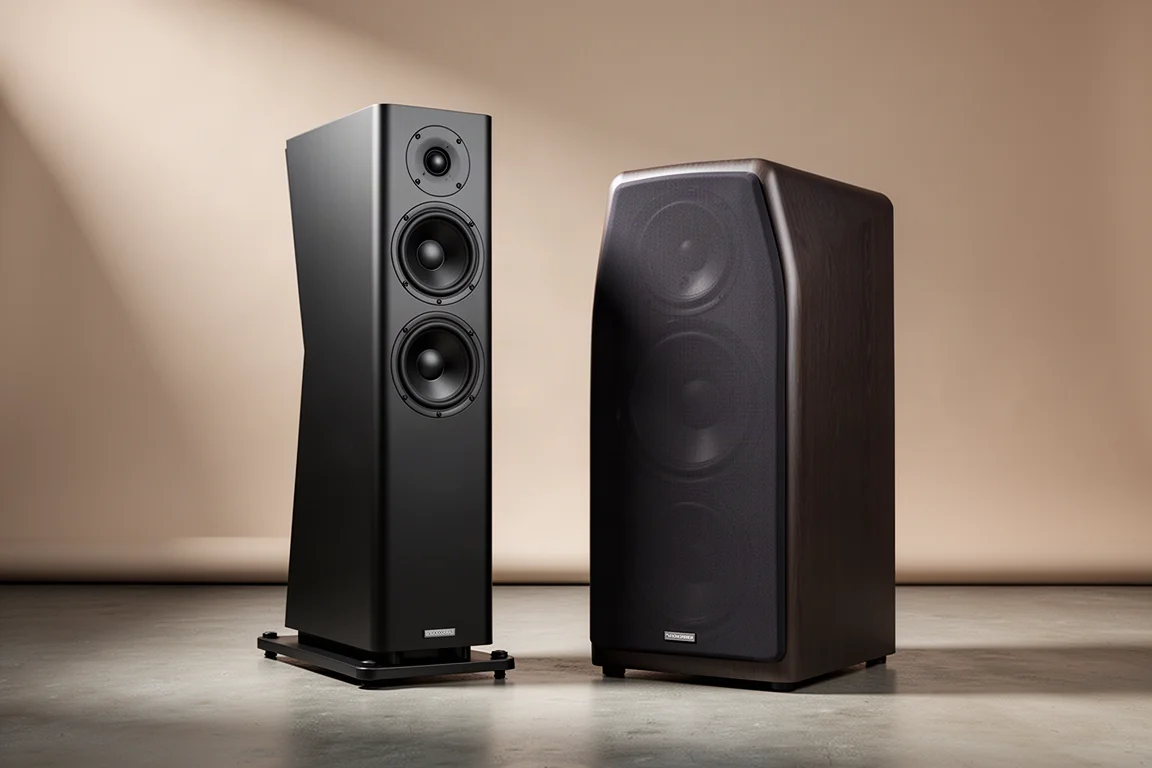
1723 THX Tower vs 1528 Bookshelf: Which Speaker Fits Your Room?
Two speakers at roughly the same price, built very differently. How the 1723 THX tower and the 1528 bookshelf compare on construction, bass, power needs, and sound.
Hi-Fi Speakers
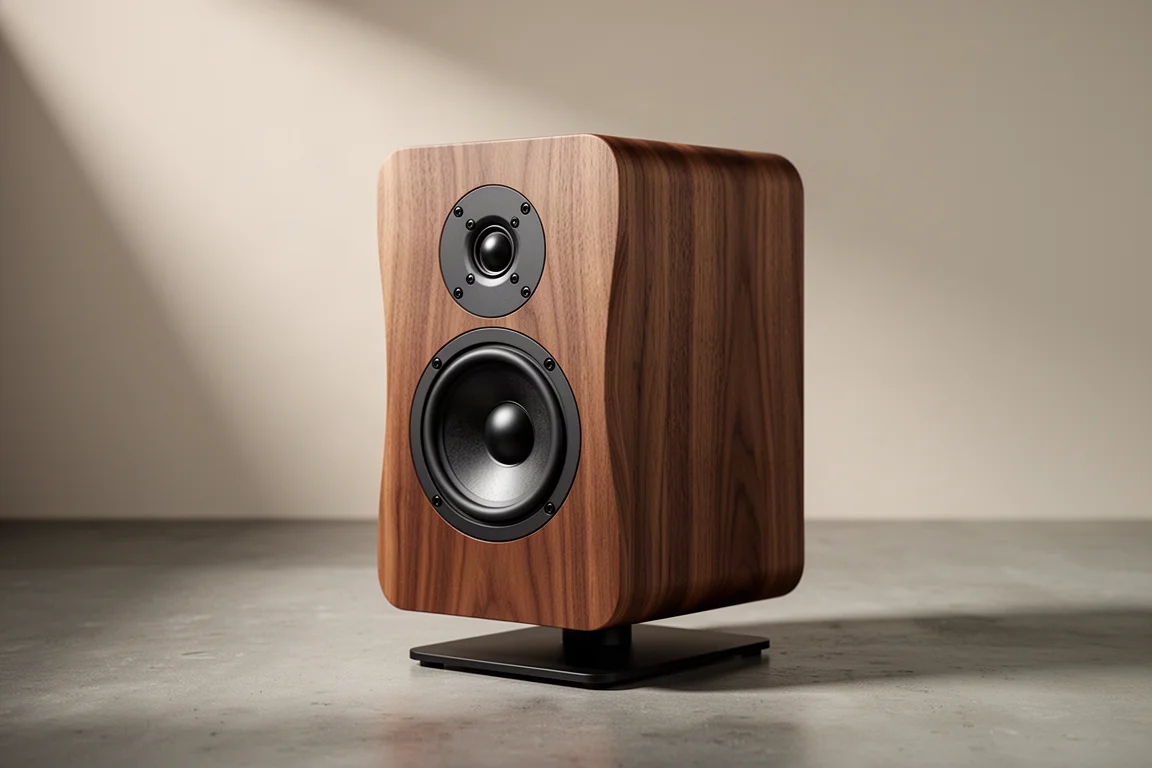
Acoustic Energy AE 300 Review: Deep Bass From a Compact Standmount
A two-way standmount with real wood veneer, surprising low-end weight, and a warm, easygoing character. Here is what to know before buying.
Hi-Fi Speakers
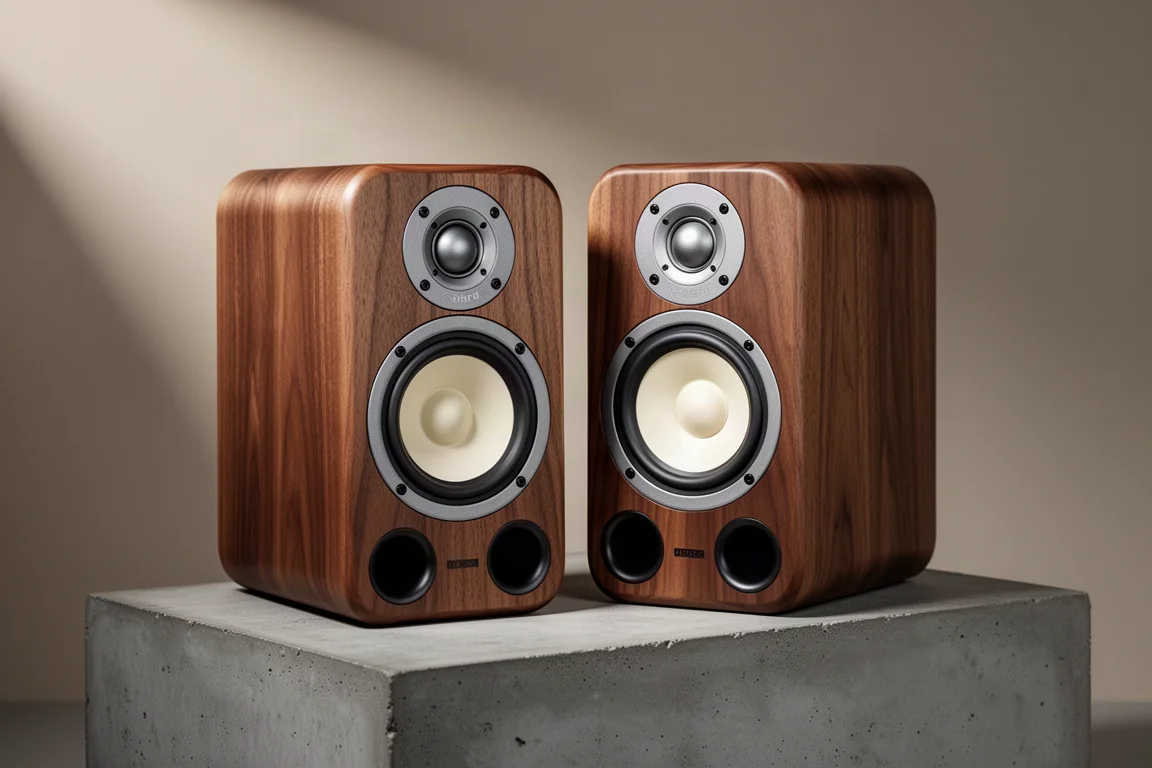
Acoustic Energy AE1 40th Anniversary Review: A Modern Take on a British Classic
A compact standmount that revives a 1980s favorite with all-new parts, a warm mid-centric balance, and a price of £1,499 per pair.