Hi-Fi Speakers
ATC SCM20 ASL Review: Active Stand Mount Speakers With a Serious Mid-Range
A close look at ATC's SCM20 ASL active stand mounts, covering their driver design, built-in amplification, tuning options, and what to plan for before buying.
Introduction
ATC has spent decades building drive units and monitors, and its active speaker range has traditionally started at a price that puts it out of reach for many listeners. The SCM20 ASL active stand mount changes that. It brings the company’s active approach and its S-spec tweeter to a pair that retails in the UK for £6,495, well below the floor-standing active models in the range.
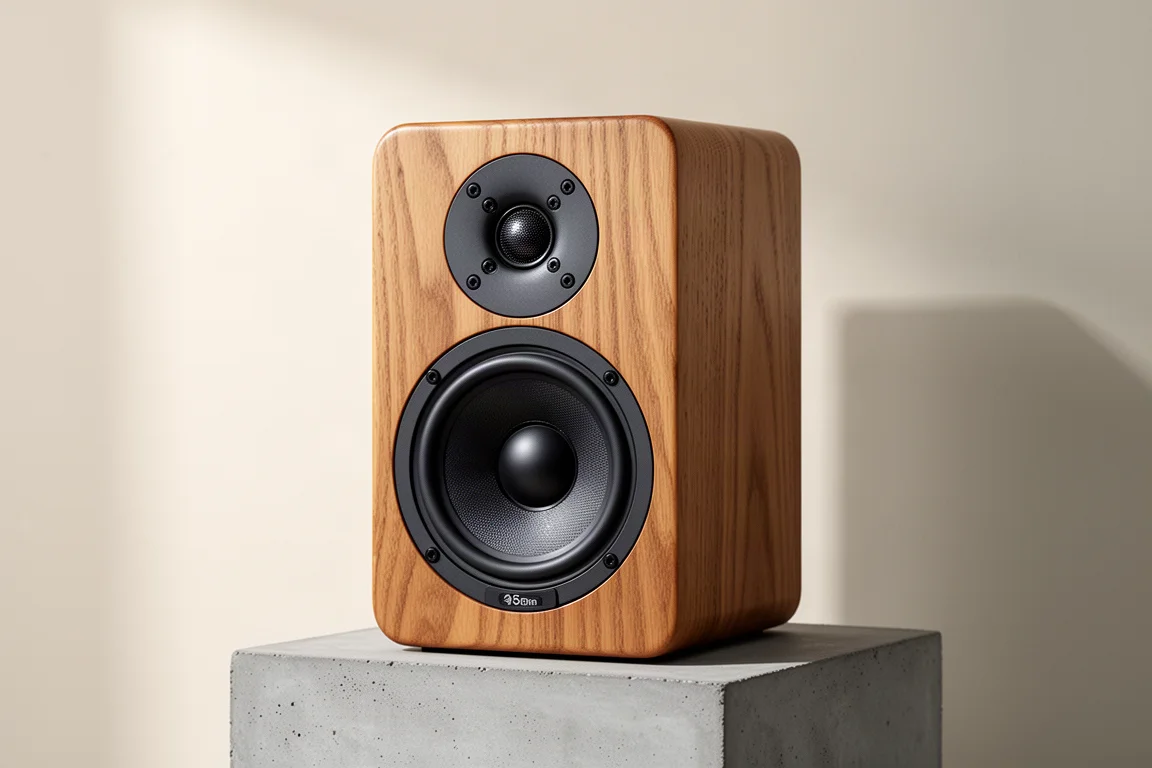
The cabinet is compact for what it contains, measuring 450 x 250 x 425 mm and weighing 27 kg per speaker. Four standard real-wood veneer finishes are offered: cherry, walnut, black ash, and the oak shown here, with premium and custom finishes available on request.
For listeners who have followed the brand, the appeal is straightforward: the same core thinking that makes ATC’s larger active speakers so capable, packaged in a smaller box at a lower price. The 50th anniversary edition of this speaker used a high gloss dark blue finish and a hand-upholstered Nappa leather front baffle at £10,500 a pair, so the standard finish models represent a meaningful step down in cost.
Who this product is for
This is a speaker for listeners who care most about mid-range realism and are willing to build a system around balanced connections. Because the SCM20 ASL accepts a balanced XLR input and no RCA input, it suits owners of preamplifiers or digital sources with balanced outputs and a high-quality volume control.
It also suits people who want to tune the low end to their room rather than accept a fixed voicing. The rear panel allows bass adjustment between minus 2 and plus 3 dB, along with input sensitivity changes, which is genuinely useful in smaller rooms where boundary reinforcement varies from one placement to the next.
It is less suited to listeners who want a simple one-box setup with consumer connections, or who expect deep low-frequency output from a compact stand mount without considering a subwoofer.
Main strengths
Mid-range resolution and driver design
The 150 mm mid-woofer is the centre of gravity here. It accounts for roughly 40 percent of the speaker’s weight, and the motor and voice coil design behind it is what gives the SCM20 ASL its character. Vocals and instruments arrive with body and texture rather than thinness, and the presentation holds together when the volume rises.
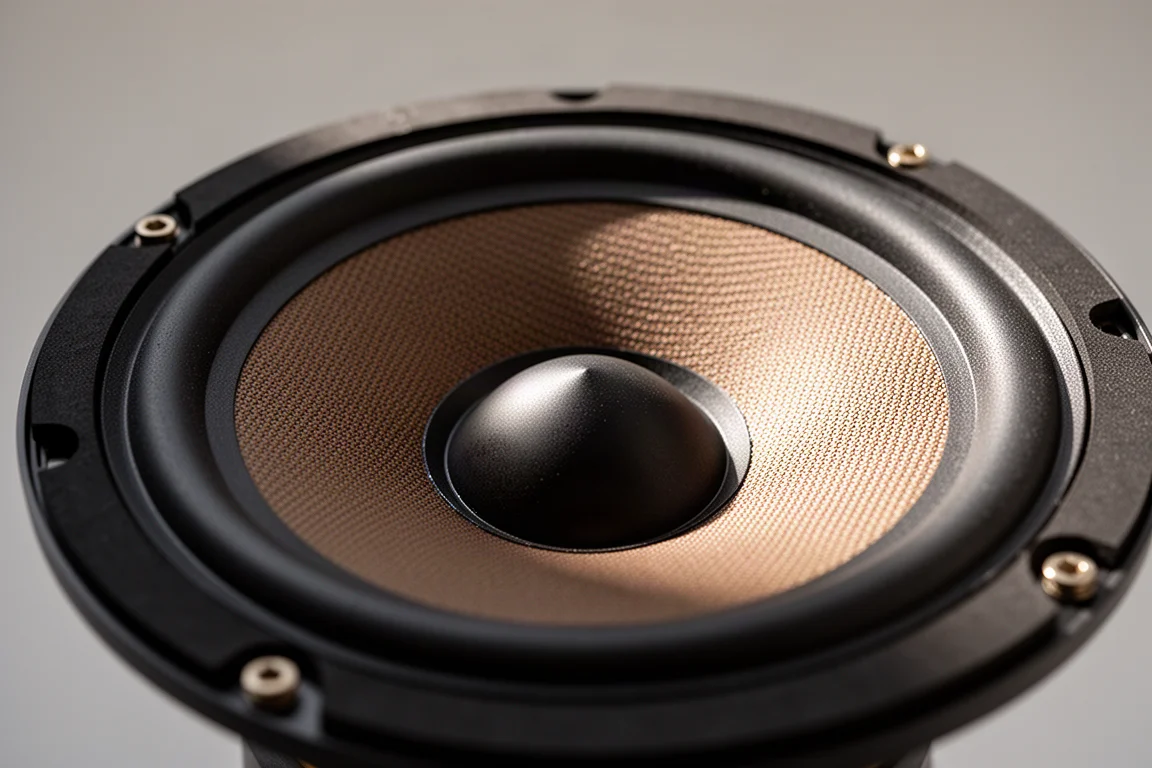
The 25 mm S-spec tweeter is the same driver family used further up the range, and it keeps the top end open and clean without sounding forward. The overall result is a coherent sound that favours detail and nuance over a bright, attention-seeking balance.
Active amplification and tuning flexibility
Each driver has its own dedicated amplifier: a 200 W MOSFET class AB stage for the mid-woofer and a 50 W stage for the tweeter, with the crossover set at 2,200 Hz using a second-order Linkwitz-Riley slope. Because crossover duties happen ahead of the amplifiers rather than after them, far less energy is lost than in a passive design, and each amplifier is matched directly to the driver it feeds. This is a genuine active design, not a passive speaker with a power module bolted on.
The rear panel adjustments are useful in practice. Raising the bass shelf by 1 dB added weight without upsetting the balance, while a 2 dB lift introduced a slight thickness to the lower mid-range. Having that range of control means the speaker can be tuned to the room instead of the other way around.
Dynamics and low-frequency reach
The cabinet is a sealed design, which tends to roll off more gradually than a ported box. The quoted figure is 55 Hz at minus 6 dB, but in practice the combination of room gain and the sealed alignment delivers usable output below that. Bass lines keep their shape and definition rather than trailing off.
For listeners who want more weight and scale, ATC offers a matching subwoofer that extends the low end considerably and adds fullness to the lower mid-range. Integrating it takes some thought, since a pass-through connection between the preamplifier, subwoofer, and speakers puts extra circuitry and cables into the signal path. A preamplifier with two sets of balanced outputs is the cleaner route if you plan to run a subwoofer alongside these speakers.
Things to consider before buying
The XLR-only input is the biggest practical consideration. If your source is single-ended, you will need to think about how you connect the speakers, and a preamplifier with balanced outputs becomes part of the budget. Entry-level options will work, but a speaker this revealing rewards a better preamplifier.
The amplification is built in, so it cannot be swapped out later for a different power amplifier. That is the trade-off of an active design: you get matched amplification and a low-loss crossover from day one, but you give up the ability to change that part of the chain.
Placement also deserves planning. As with the large majority of speakers, the SCM20 ASL benefits from being kept well away from room boundaries. Give them space and the sound stage and imaging open up accordingly.
Buying advice
Compared with the passive version of the same speaker, which retails around £4,000 and leaves roughly £2,500 for a power amplifier, the active SCM20 ASL at £6,495 covers both speakers and matched amplification in a single purchase. That is the core argument for going active: fewer variables, and amplification designed specifically for the drivers it powers.
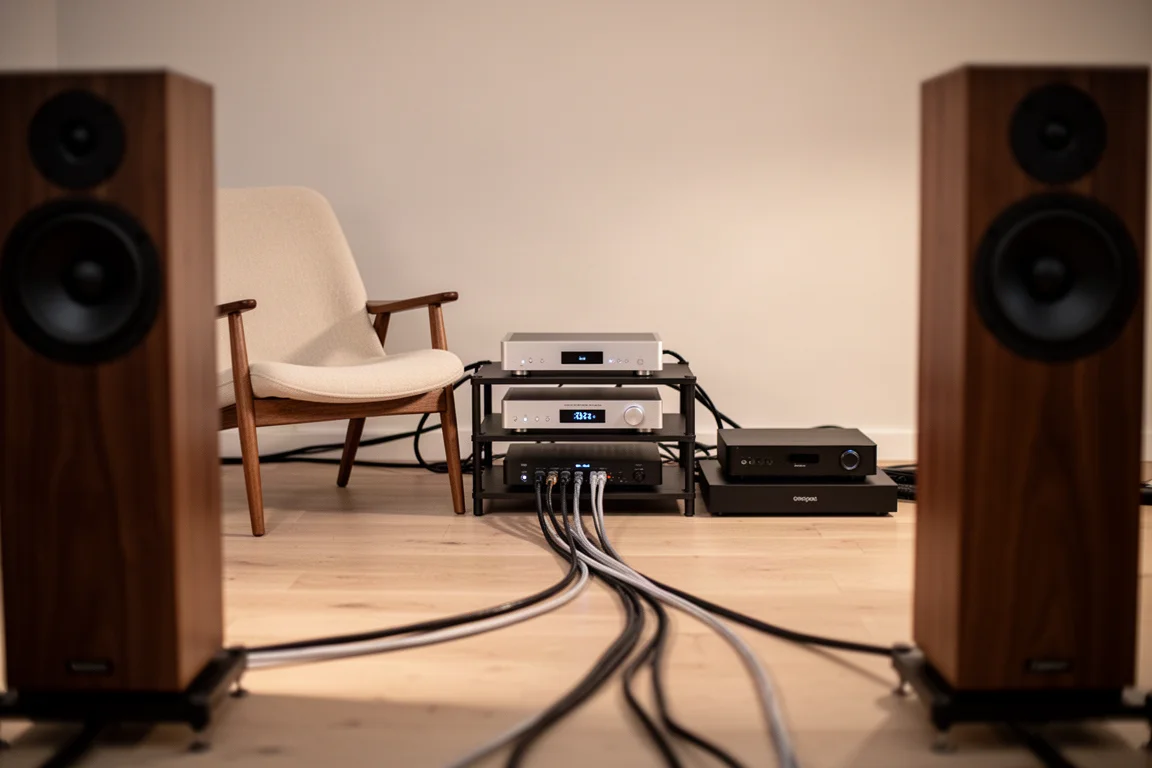
Budget for the rest of the chain as well. A preamplifier with balanced outputs, or a digital source with a well-implemented volume control, is part of the cost of entry. If you want deeper bass, the matching subwoofer sells in the UK for £3,390 and is substantial in both size and weight, so plan for the space it needs before committing.
The standard veneer finishes keep the price where it is, so there is little reason to stretch to a premium finish unless the cabinet itself matters as much to you as the sound.
Conclusion
The SCM20 ASL is the most accessible way into ATC’s active speaker thinking. It keeps the mid-range quality the brand is known for, adds the dynamics and tighter bass that come from proper active amplification, and gives you enough rear-panel control to make it work in a real room.
If your priority is mid-range resolution and control, and you are prepared to build a system around balanced connections, this is a persuasive package at £6,495 a pair. If you want deeper bass without extra boxes, or you prefer the flexibility of choosing your own amplifier, the passive route or a larger model may suit you better. For everyone else, the active SCM20 ASL is worth serious consideration.
Product link
View more details for ATC SCM20 ASL Active Stand Mount Speakers
This product is mentioned in the review. Check the specifications, options, and compatibility before buying.
View more details for ATC SCM20 ASL Active Stand Mount SpeakersFurther reading
Related Reviews
Hi-Fi Speakers
1723 THX Tower vs 1528 Bookshelf: Which Speaker Fits Your Room?
Two speakers at roughly the same price, built very differently. How the 1723 THX tower and the 1528 bookshelf compare on construction, bass, power needs, and sound.
Hi-Fi Speakers
Acoustic Energy AE 300 Review: Deep Bass From a Compact Standmount
A two-way standmount with real wood veneer, surprising low-end weight, and a warm, easygoing character. Here is what to know before buying.
Hi-Fi Speakers
Acoustic Energy AE1 40th Anniversary Review: A Modern Take on a British Classic
A compact standmount that revives a 1980s favorite with all-new parts, a warm mid-centric balance, and a price of £1,499 per pair.