Astrophotography
Askar N160 Review: An Ultra-Fast Reflector for Deep-Sky Astrophotography
Two months with the Askar N160 paired with the ZWO ASI 585MC Air: what an F3.4 Newtonian does brilliantly, and the quirks to know before buying.
Introduction
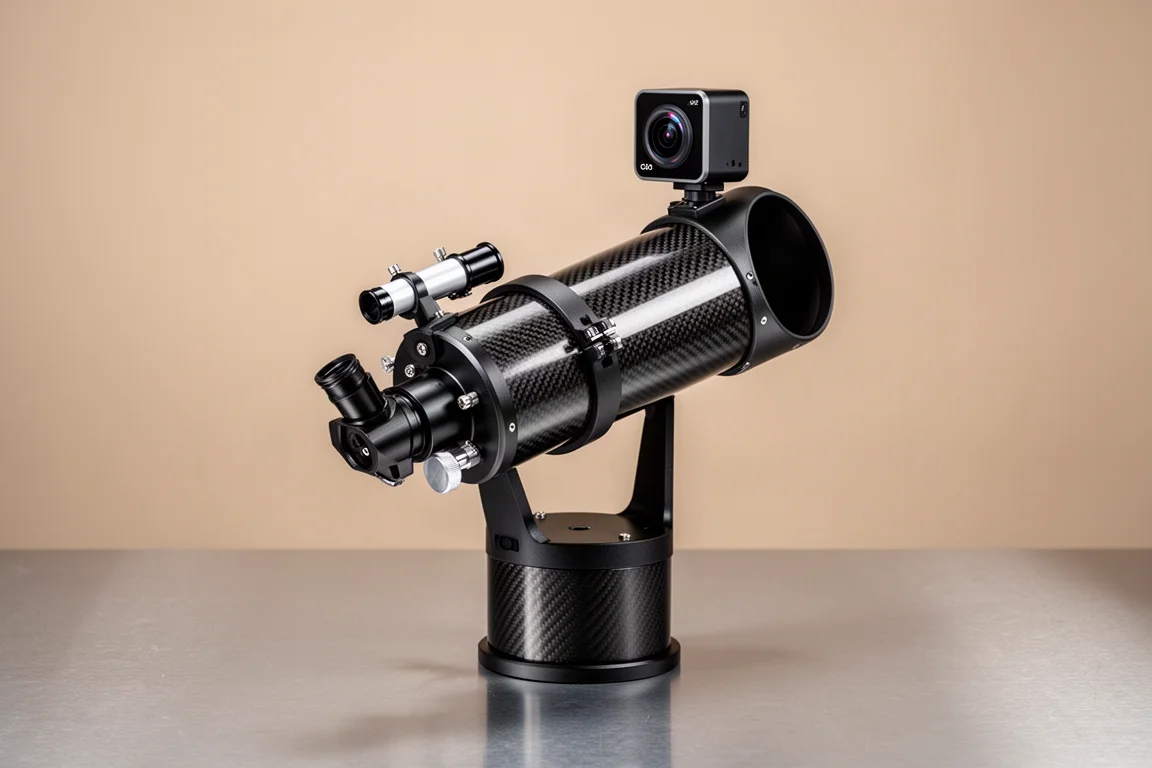
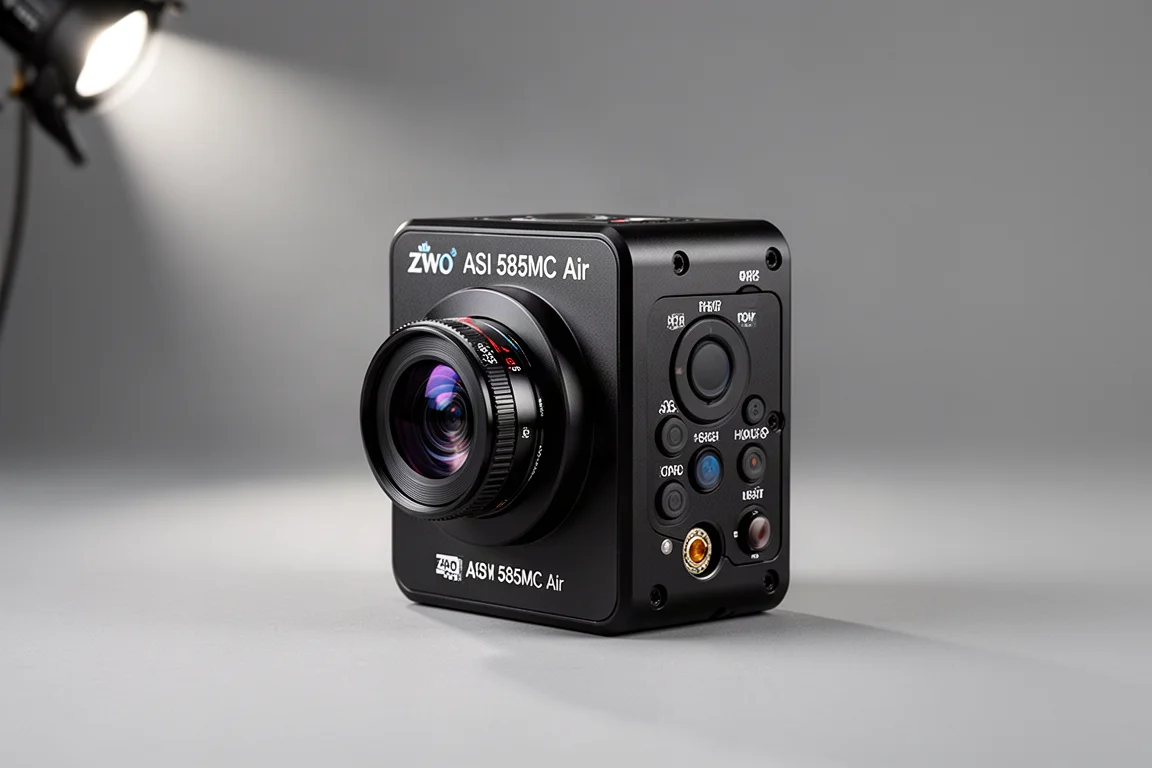
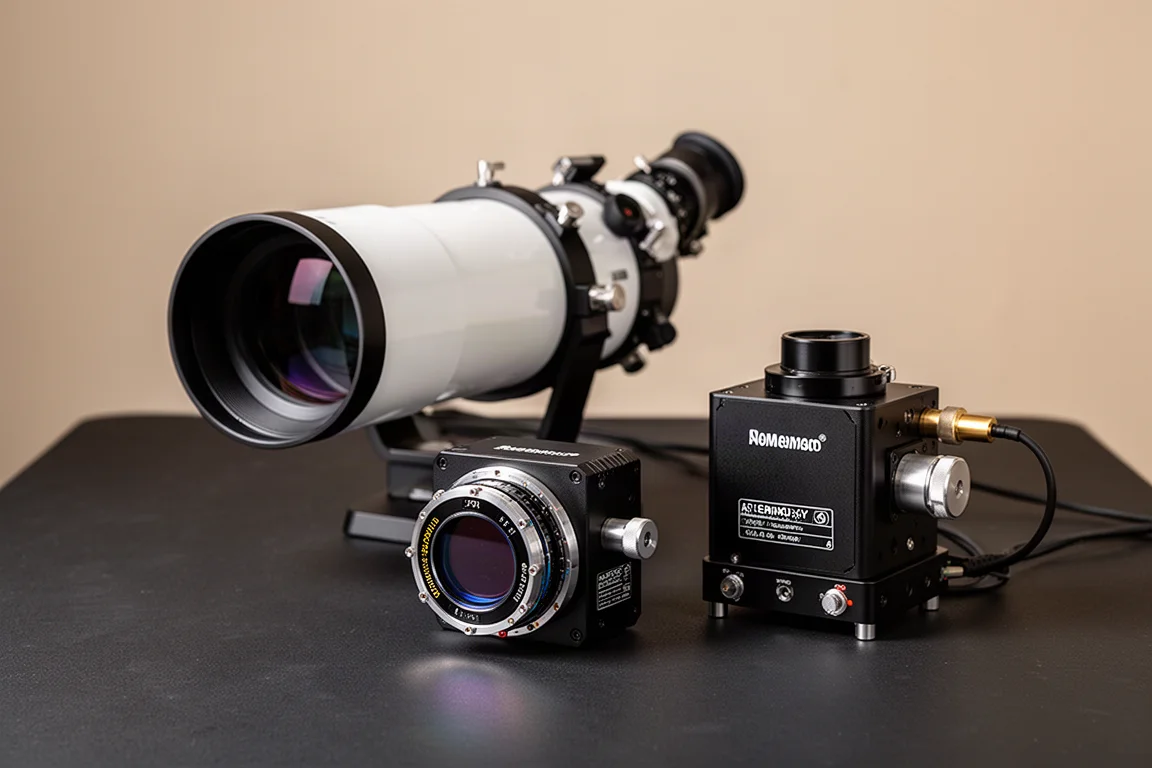
The Askar N160 is an ultra-fast Newtonian reflector built for deep-sky astrophotography, and after roughly two months of backyard use it has proven to be a genuinely exciting imaging platform with a few quirks worth understanding before you buy. Paired with the ZWO ASI 585MC Air, an all-in-one smart camera, it forms a light, tidy rig that lends itself beautifully to live stacking sessions.
A Fast, Light Imaging Package
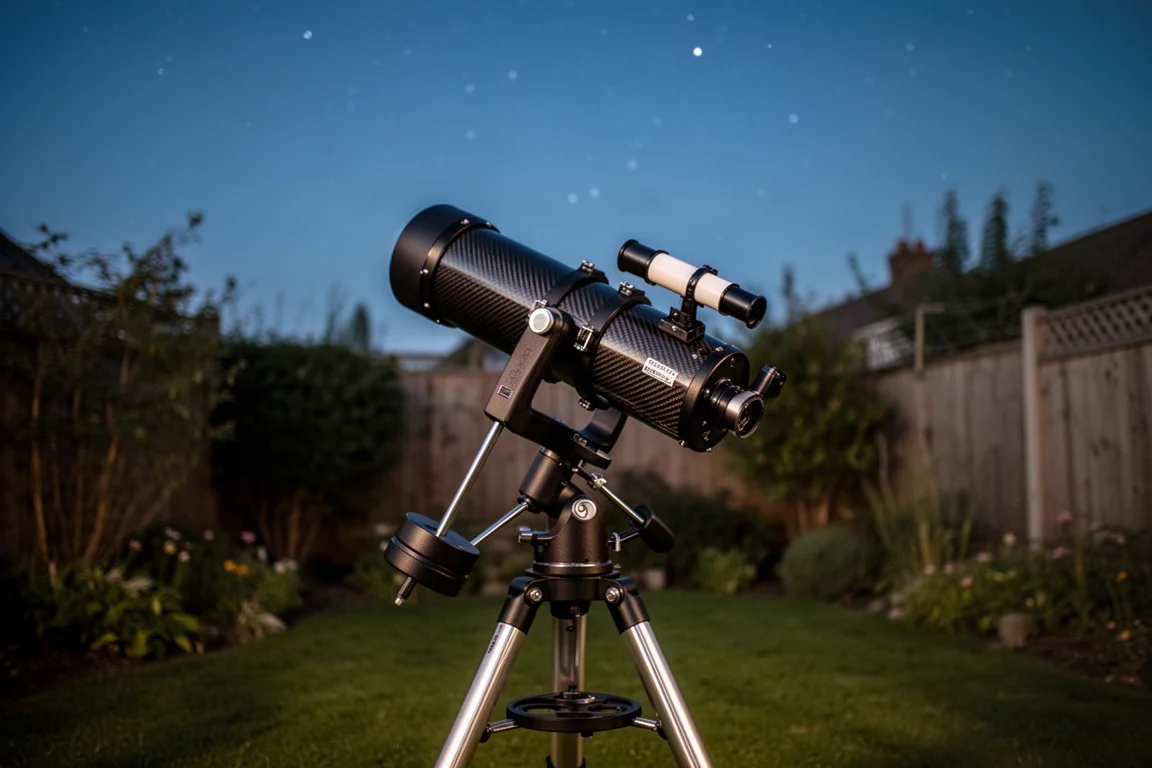
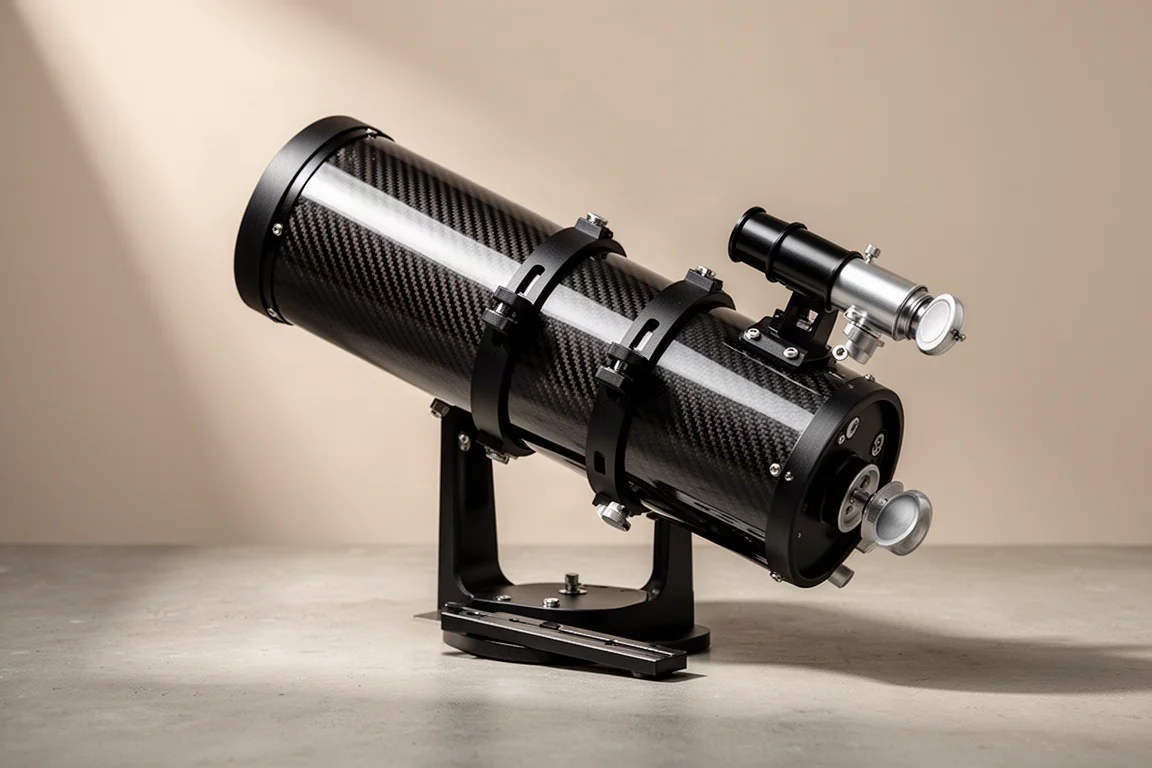
The N160 offers a 160 mm aperture, just over six inches, running at F3.4 with the included coma corrector, and a focal length of 544 mm inside a compact carbon fiber tube. With tube rings and dovetail included, it weighs just over 10 pounds, only a little heavier than a RedCat 61 refractor.
That low weight is a major selling point. A compact mount like the ZWO AM3 is more than enough to carry it, and even a modest mount such as the Sky-Watcher EQAL55i with its 22-pound payload capacity would work. Compared to a traditional six-inch refractor running at F7, the speed difference is dramatic, and it is what makes short-exposure work so productive on this scope.
Live Stacking With a Smart Camera
The ASI 585MC Air combines the imaging camera, guide camera, guide sensor, and ASI Air into a single unit, so only one camera sits on top of the scope. Power still needs to reach the camera and mount, but the whole setup stays tidy with a minimal amount of cabling.
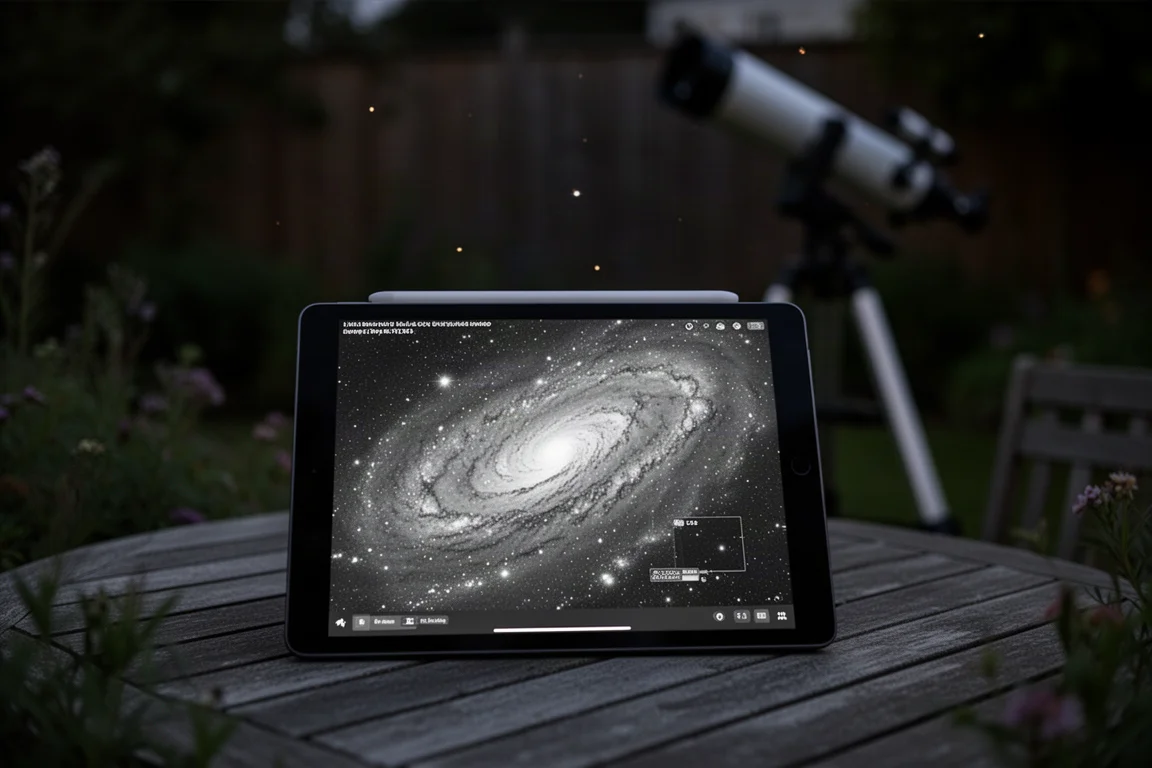
This pairing shines in live stacking mode: short exposures stack over time and reveal a better and better image on screen. A 60-second exposure captures a lot of light at this focal ratio, and the noise visibly drops as the stack grows. On NGC 891, a dim edge-on galaxy in Andromeda, the first few exposures showed little more than a faint smudge, but after 284 sixty-second subs the auto stack from the ASI Air revealed serious detail. Each raw frame can be saved for full processing later, and the stack can be saved at any point with the download button.
Spacing, Focus, and Edge Performance
Fast optics demand precision. At F3.4, focus can be tricky, and while a ZWO EAF auto focuser is not an essential upgrade, it is genuinely handy for achieving tight stars. As a Newtonian, collimation is also part of the routine: the N160 arrives collimated from the factory, but it should be checked periodically, and a simple laser collimator is enough to align the secondary and primary mirrors.
The most important detail is spacing. The camera needs exactly 55 mm of back spacing from the coma corrector for the best stars across the field, and the box includes paper-thin adjustment shims to dial it in. Fine-tuning at that level is not a fun experience. In practice, edge-of-field trailing stars revealed spacing that was slightly off in the broadband imaging train. On the small 585 sensor this is tolerable, but on an APS-C sensor it would not be acceptable, even though Askar claims ample illumination for APS-C. Vignetting is easily correctable; the trailing stars are the real concern.

What the Aperture Delivers
The six-inch aperture at F3.4 makes tough targets from the city genuinely approachable. A reflection nebula in Cygnus, captured at 136 sixty-second subs with no filter despite moonlight, produced data that looks very strong. M11, stacked from 185 thirty-second subs, showed pleasing star color and diffraction spikes in the auto stack. For dim, small targets like NGC 891, the combination of aperture and speed produces far more exciting images than a typical smart telescope could.
Things to Consider Before Buying
The ultra-fast design means focus, spacing, and edge-to-edge sensor performance are all tricky to nail down, but achievable with extra effort. Expect to experiment with the 55 mm back spacing, possibly using the included shims, and check collimation regularly. A smaller sensor camera is much more forgiving of imperfect edge performance, which is worth factoring into your camera choice.
Who This Setup Is Best For
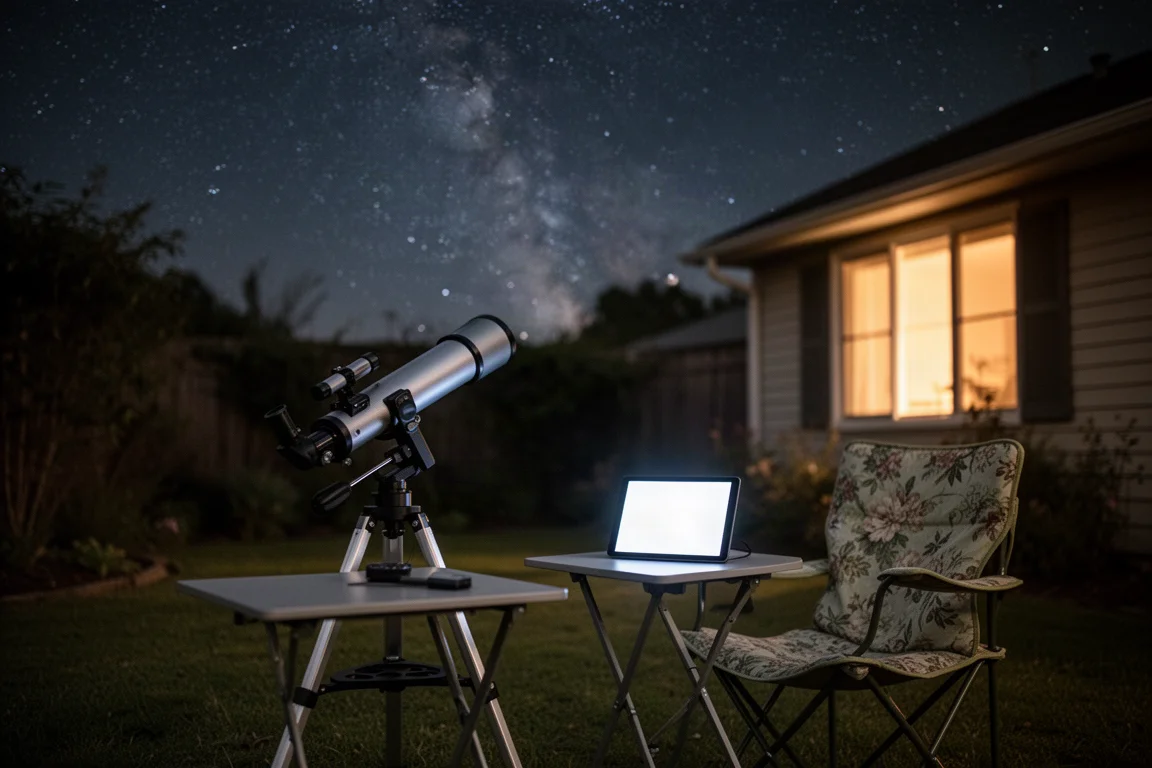
The ideal use case closely matches how this rig was used: a smaller-sensor smart camera in broadband, live stacking with no filter. It suits astrophotographers who enjoy watching deep-sky objects build on a phone or tablet screen in the evening, while still keeping every raw frame for serious processing later in software. It is equally appealing to anyone who wants real aperture and speed without a heavy-duty mount.
Conclusion
The Askar N160 is a powerful imaging system with quirks that buyers need to be aware of, and the ASI 585MC Air is the natural partner that keeps the whole package light, tidy, and fun. If you are willing to put in a little extra effort on focus and spacing, this combination rewards you with fast, satisfying deep-sky results straight from your own backyard.
Further reading
Related Reviews
Astrophotography
ASKAR FRA400C Review: A Versatile 400mm Refractor for Astrophotography and More
The ASKAR FRA400C is a compact 72mm refractor that balances reach, versatility, and portability for astrophotographers and visual observers.
Astrophotography
Askar SQA106 Review: A Premium 106mm Astrograph With Exceptional Optics
The Askar SQA106 is a premium 106mm quintuplet astrograph with impressive sharpness across full-frame sensors, though its price and weight demand careful consideration.
Astrophotography
Astro Imaging Gear 2026: Eight New Products Worth Watching
A look at the most interesting new astrophotography and astronomy products announced this year, from fast telescopes to smart cameras and wireless accessories.