Astrophotography
Askar FRA 300 Pro vs William Optics RedCat 51: Which Compact Astrograph Should You Buy?
Two of the most popular small refractive astrographs go head to head on optics, weight, focusers, and real-world astrophotography results.
Introduction
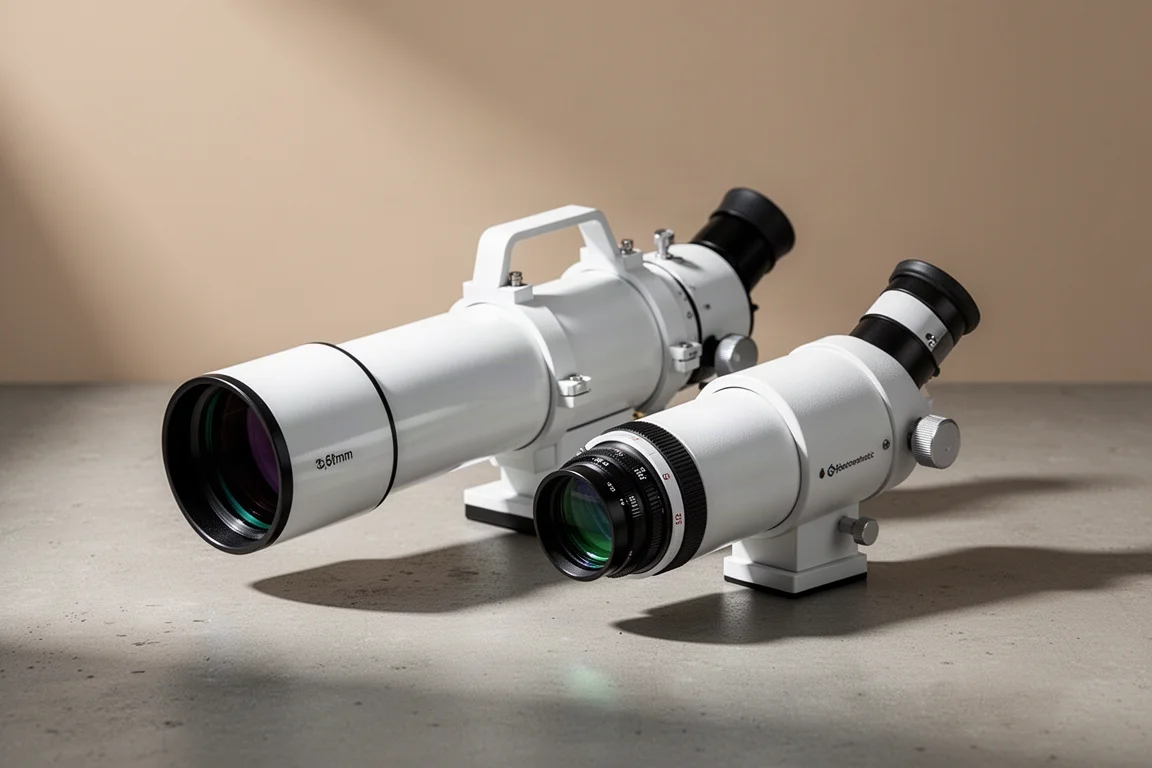
Compact flat-field astrographs have become the go-to choice for astrophotographers who want a wide field of view without buying extra correctors. In this comparison, two of the most popular small scopes go head to head: the Askar FRA 300 Pro and the William Optics RedCat 51.
Both are true astrographs, meaning the field-flattening optics are built into the design rather than added on. The RedCat 51 is a quadruplet with a 51mm aperture, a 250mm focal length, and a focal ratio of f/4.9. The Askar FRA 300 Pro is a quintuplet with a 60mm aperture, a 300mm focal length, and an f/5 focal ratio. They are very similar in spec, but the differences matter depending on how you shoot.
Askar FRA 300 Pro: Flat-Field Optics at a Friendly Price
The FRA in the name stands for flat field refractive astrograph. Because the correcting elements are designed into the tube from the start, there are five pieces of glass inside, which makes the scope fairly heavy for its size. The payoff is a flat, well-corrected field with nothing extra to buy.
Astrographs are usually expensive specialty products, but the FRA 300 Pro is priced at $949, which is very competitive for this class. The extra half stop of speed compared with Askar’s f/5.6 FRA 400, 500, and 600 models means brighter images and better signal-to-noise ratio for the same total integration time, or shorter exposures for the same result.
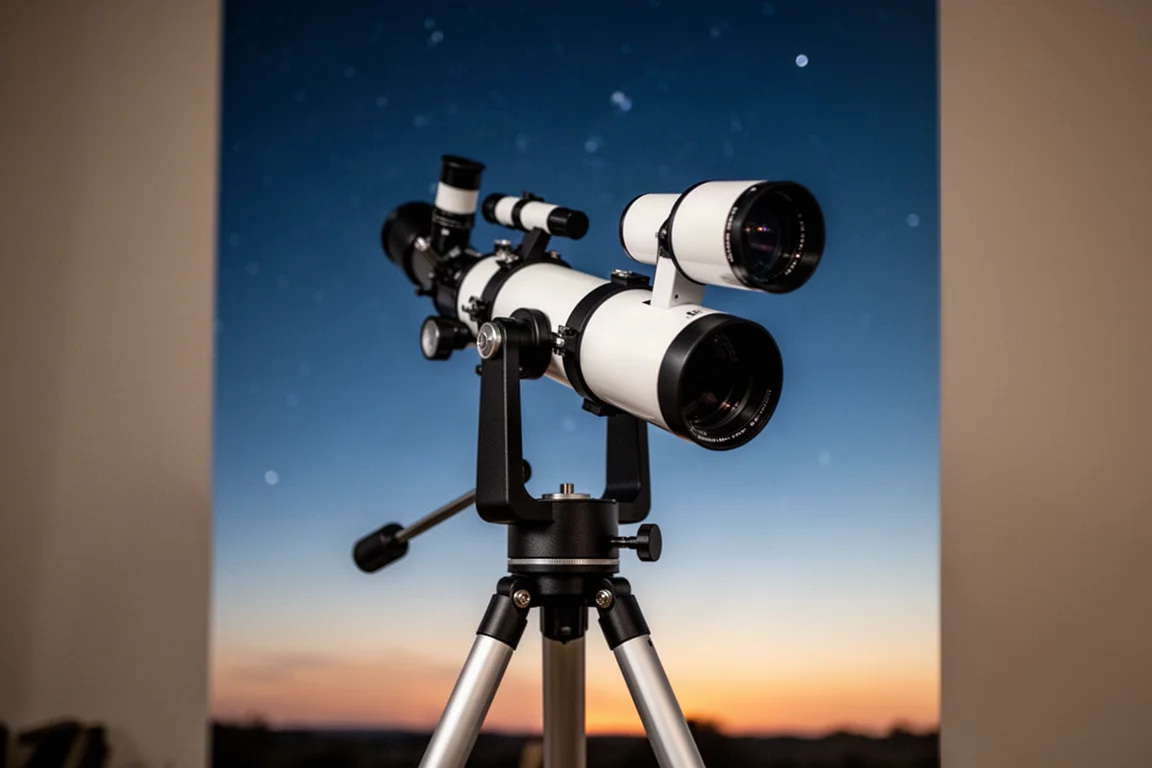
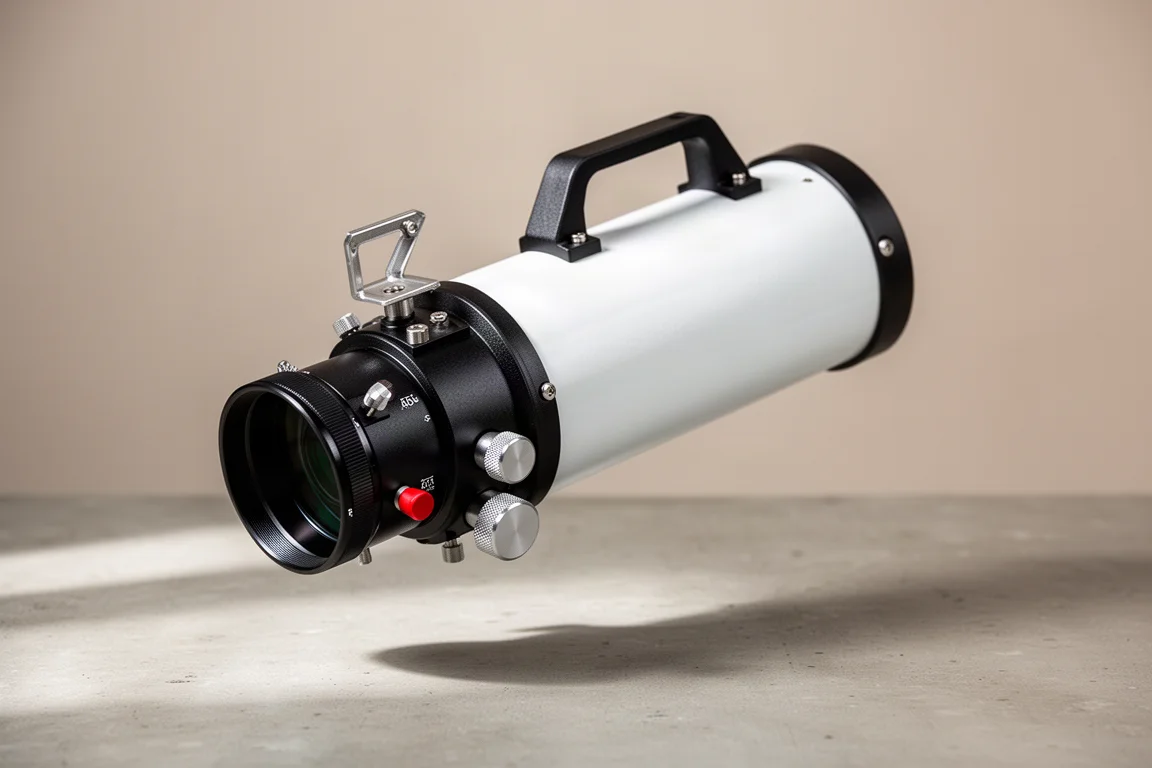
Out of the box it is well equipped too, with a top handle and a Synta-style finder shoe that works nicely for a guide scope, an ASIAIR, or a power bank right where the cable connections live.
William Optics RedCat 51: The Established Compact Favorite
The RedCat 51 has long been a favorite for wide-field imaging, and it remains an appealing package. With the Vixen plate, rings, and top handle installed it weighs 1.8 kilograms, a little over 4 pounds, compared with 3.4 kilograms for the FRA 300 Pro. The RedCat package includes a soft carry case, though the top handle costs $50 extra.
For a lightweight setup with a DSLR, mirrorless camera, or one-shot-color astronomy camera, the RedCat is the easier scope to build around. Paired with a monochrome camera and filter wheel, it sits comfortably under the payload limit of a compact equatorial tracker like the Sky-Watcher Star Adventure GTi.
Focuser Comparison: Rack and Pinion vs Helical
The Askar uses a traditional 2.5-inch rack-and-pinion focuser with a single-speed knob on one side and a 10:1 reduction fine-focus knob on the other, which is very handy for manual focusing. Mounting holes underneath accept an electronic autofocus unit directly.
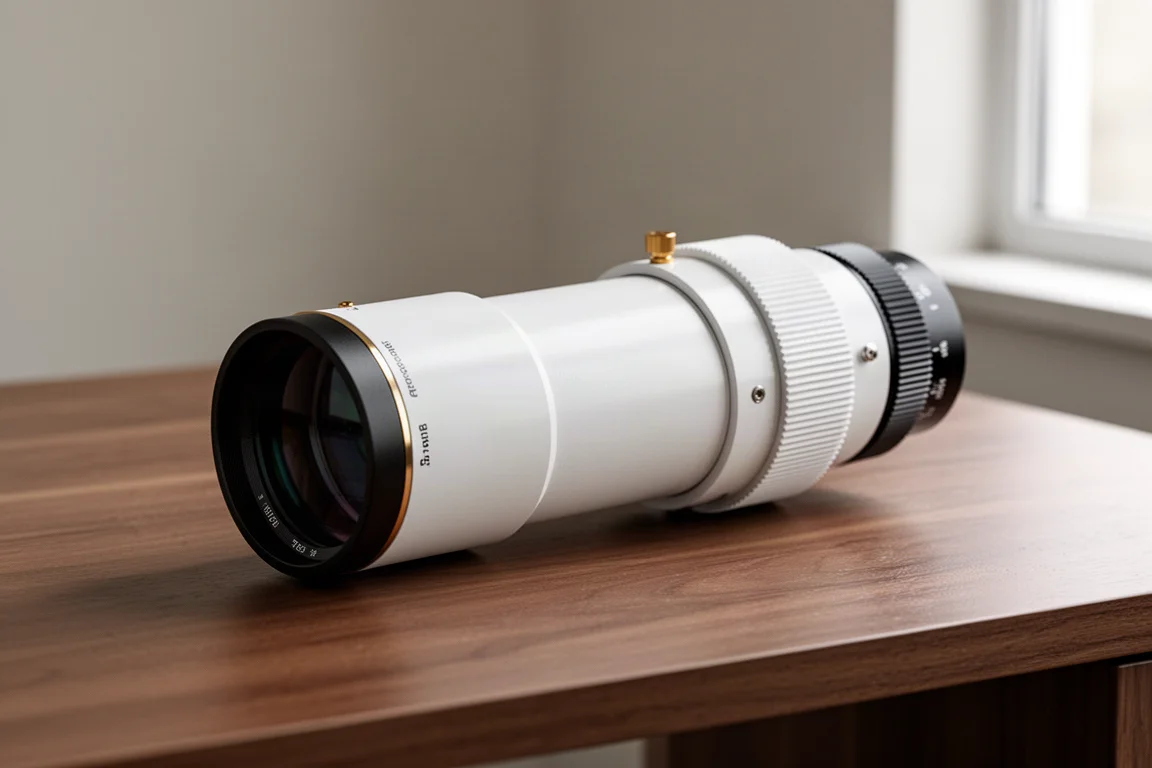
The RedCat uses a helical focuser, more like a camera lens. Adding electronic autofocus requires a pulley system. Note that in version two of the RedCat the front element no longer moves in and out with the focus ring, but it is still a helical design.
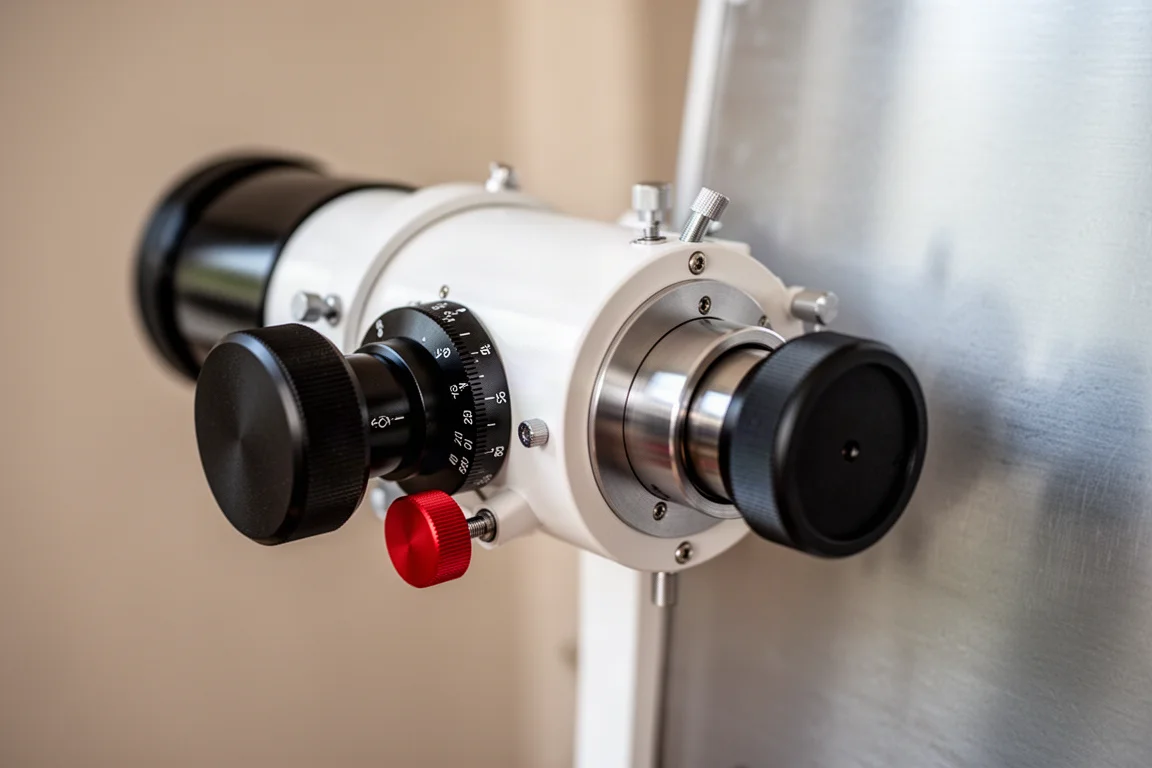
Both scopes include a focus lock and a manual camera-angle rotator with its own locking mechanism, which is a genuinely useful feature on each telescope and far more convenient than rotating the whole tube in its rings.
Star Field and Corner Performance on Full Frame
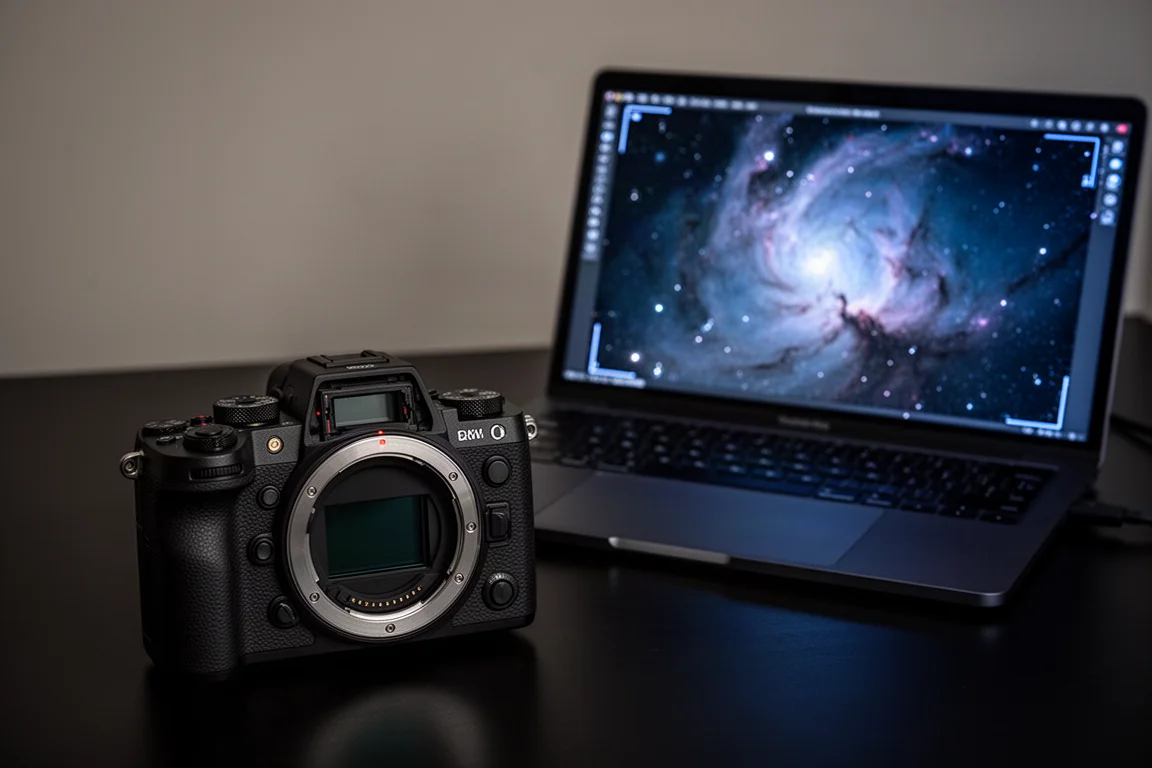
Shot back to back on a full-frame Canon EOS Ra with matched three-minute guided exposures of the same target within a ten-minute window, both scopes performed impressively for their class and price.
The FRA 300 Pro shows a slightly tighter field of view, which is expected from its longer focal length. Straight out of camera, the RedCat shows more noticeable vignetting in the corners, while the FRA 300 Pro is better illuminated. After calibration with flats, both frames look very flat, and the corner noise difference is hard to see visually.
Zooming into the corners, both scopes produced stars that look very good, which is impressive at 250mm and 300mm on full frame for scopes under a thousand dollars. The FRA 300 Pro showed a hint of red and blue chromatic separation on bright stars near the edge, subtle enough that it would not bother many people. The RedCat showed slightly more malformed star shapes in some corners, though a possible tilt issue means that may not be the optics themselves.
Real-World Results and Mount Pairing
A finished example image made with the FRA 300 Pro, a QHY 533M monochrome camera, and hydrogen alpha and oxygen III filters, using just thirteen total exposures, shows the potential of this pairing. The 300mm focal length with a one-inch square sensor frames extended nebula scenes well, with no visible star haloing issues.
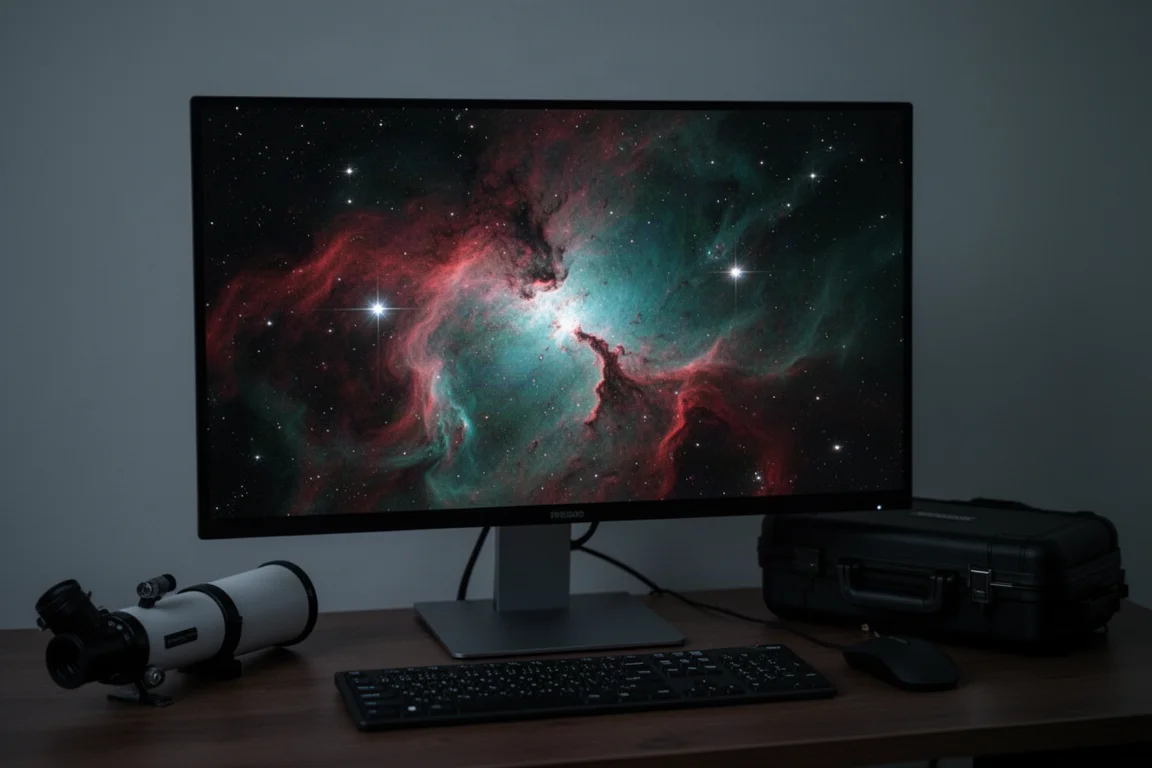
With the 533M and a full filter wheel, the FRA 300 Pro lands right at the 5kg payload limit of the GTi, making an interesting lightweight travel setup, though the RedCat remains the safer choice for monochrome rigs on small mounts.
Conclusion
Both of these scopes are strong performers for their size and price. The RedCat 51 wins on weight, included carry case, and proven wide-field pedigree, making it the easier pick for travel and lightweight monochrome rigs. The Askar FRA 300 Pro counters with a slightly faster focal ratio, a longer focal length, better out-of-the-box accessories, and impressive corner illumination, all at a competitive $949. Choose the RedCat for the lightest possible wide-field kit, and the FRA 300 Pro if you want a touch more speed and reach without giving up corrector-free convenience.
Further reading
Related Reviews
Astrophotography
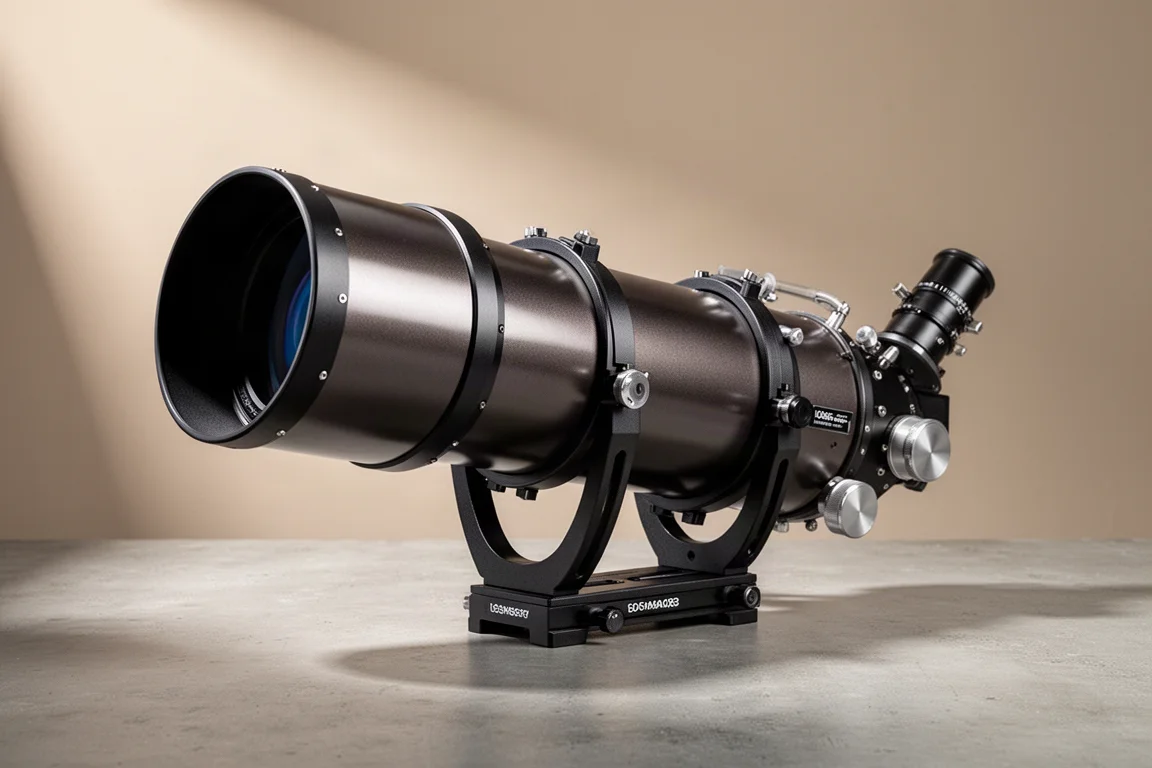
ASKAR FRA400C Review: A Versatile 400mm Refractor for Astrophotography and More
The ASKAR FRA400C is a compact 72mm refractor that balances reach, versatility, and portability for astrophotographers and visual observers.
Astrophotography
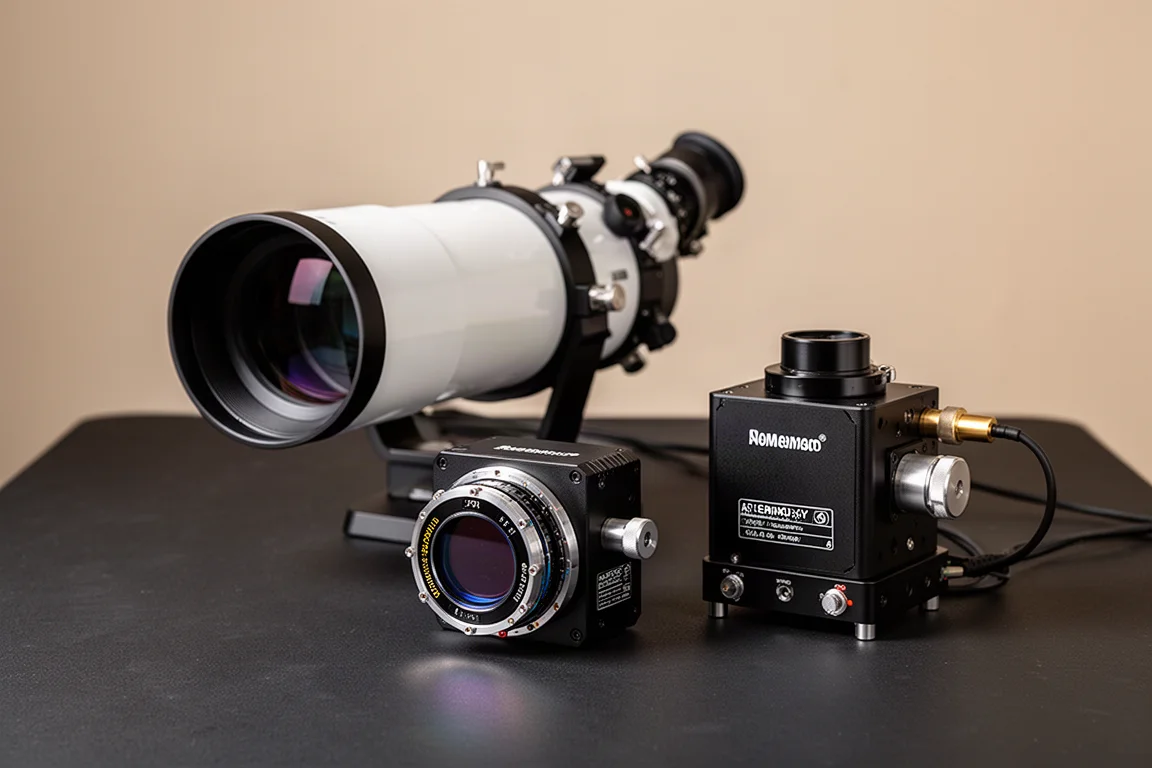
Askar SQA106 Review: A Premium 106mm Astrograph With Exceptional Optics
The Askar SQA106 is a premium 106mm quintuplet astrograph with impressive sharpness across full-frame sensors, though its price and weight demand careful consideration.
Astrophotography
Astro Imaging Gear 2026: Eight New Products Worth Watching
A look at the most interesting new astrophotography and astronomy products announced this year, from fast telescopes to smart cameras and wireless accessories.