Astrophotography
Askar FMA135 Review: A Tiny APO Refractor With Big Versatility
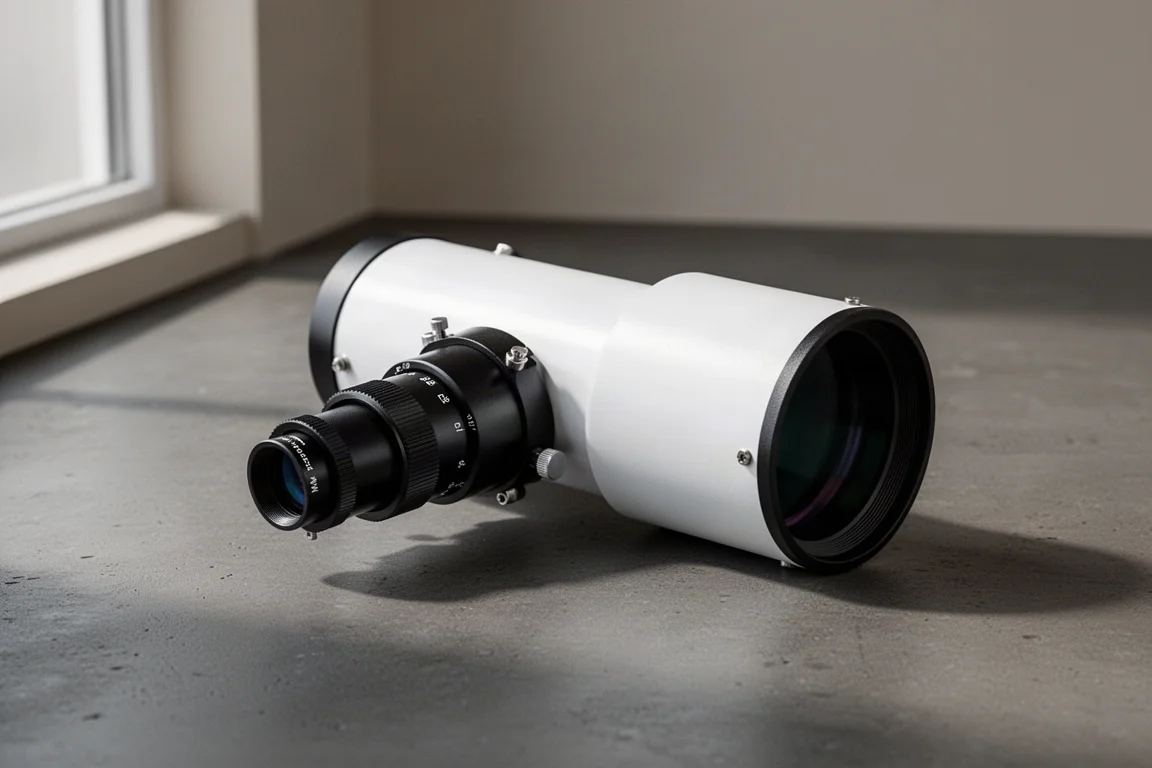
The Askar FMA135 is an ultra-wide-field, super-portable apochromatic refractor that works as an astrograph, a guide scope, and even a 135mm manual camera lens.
Introduction
The Askar FMA135 has been on the market for a while, but it keeps earning attention for one simple reason: versatility. This is an ultra-wide-field, super-portable astrophotography solution at a genuinely impressive value, and it manages to fill several roles without asking you to buy three separate pieces of gear.
At its core, the FMA135 is a 30mm aperture, 135mm focal length refractor with a focal ratio of f/4.5. That short, fast optical formula is what makes it such a flexible tool, whether it lives on a dedicated imaging rig or doubles as a manual camera lens on a weekend hike.
Optics and Build
Optically, the FMA135 is a triplet air-spaced APO design that includes one ED glass element for excellent color correction. A built-in three-element field flattener sits behind that, bringing the total to six lens elements. The result is a well color-corrected, sharp field of view that comfortably covers APS-C size sensors.
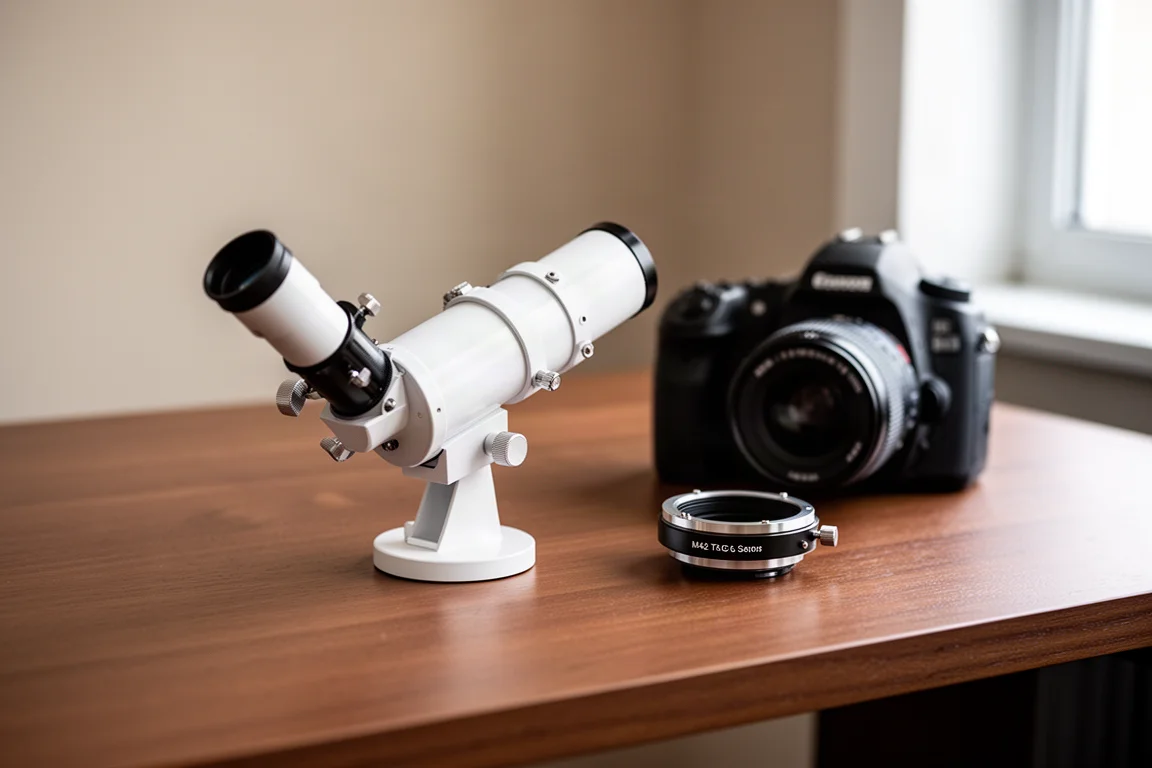
Connectivity is refreshingly simple. M42 threads on the back combined with a 55mm back focus make attaching dedicated astro cameras and DSLRs straightforward, with minimal adapters and no fuss. The built-in helical focuser is another highlight, offering smooth and precise focus adjustments that feel great in use.
Out of the box, you get the scope itself plus a 1.25-inch eyepiece adapter, a small addition that reinforces just how versatile this little refractor is meant to be.
As a Dedicated Camera Lens
One of the most approachable ways to use the FMA135 is as a dedicated camera lens. With an M42 T-ring matched to your camera brand, the scope essentially becomes a manual focus 135mm prime lens. The helical focuser makes focusing smooth and precise, and the whole package turns into a fun outdoor photography setup.
A Perfect Beginner Imaging Rig
This is where the FMA135 really shines. Pair it with an affordable star tracker such as the iOptron SkyGuider Pro on a simple carbon fiber photographic tripod, and you have what many astrophotographers would consider a perfect beginner imaging rig. Other trackers like the Star Adventurer, the Move Shoot Move, or compact equatorial mounts such as the Sky-Watcher GTi work equally well, and sky trackers in general are inexpensive new and readily available on the used market if you want to keep costs down.
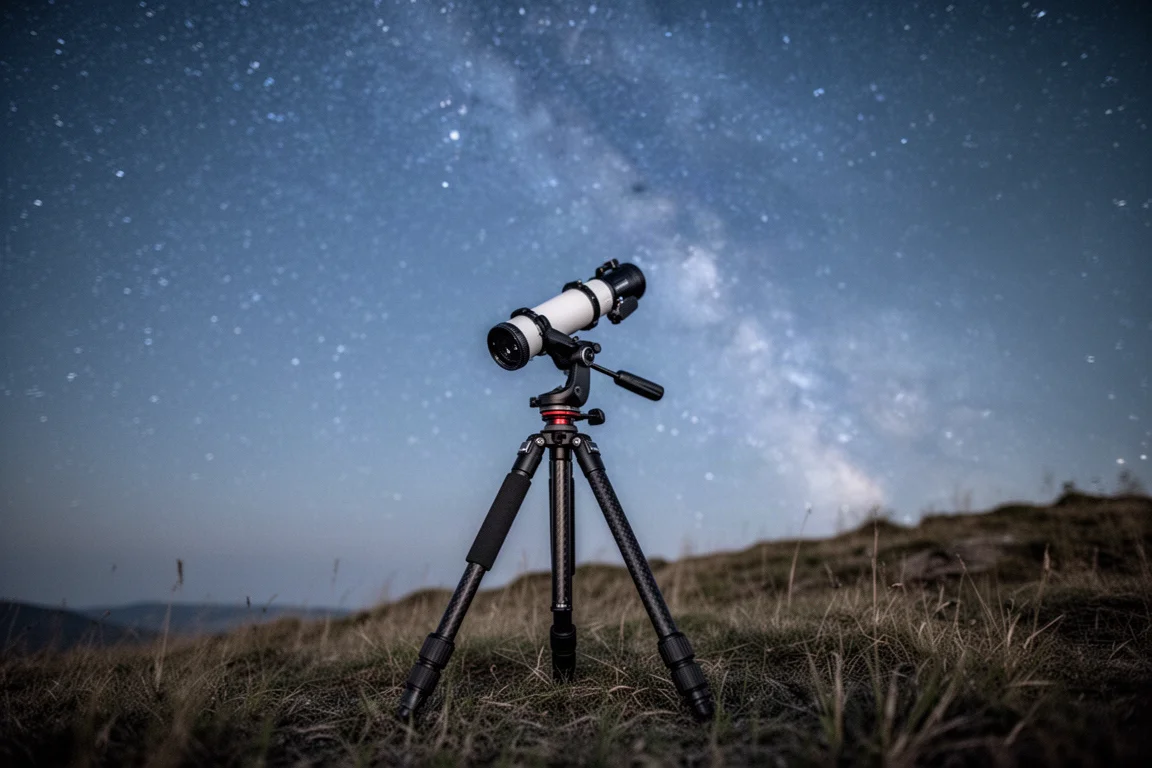
With the scope, your existing DSLR or mirrorless camera, and a tracker, all that remains is polar alignment. The setup is extremely easy to use and simple to assemble, and the results are far better than trying to capture deep sky targets on a stationary lens at 135mm focal length.
Imaging Results
The value proposition becomes obvious once you see the kind of images this combination produces. Captures of the Orion Nebula through the FMA135 paired with a DSLR and a star tracker show clean, well-corrected stars across the frame, exactly what you want from a fast wide-field astrograph at this price point.
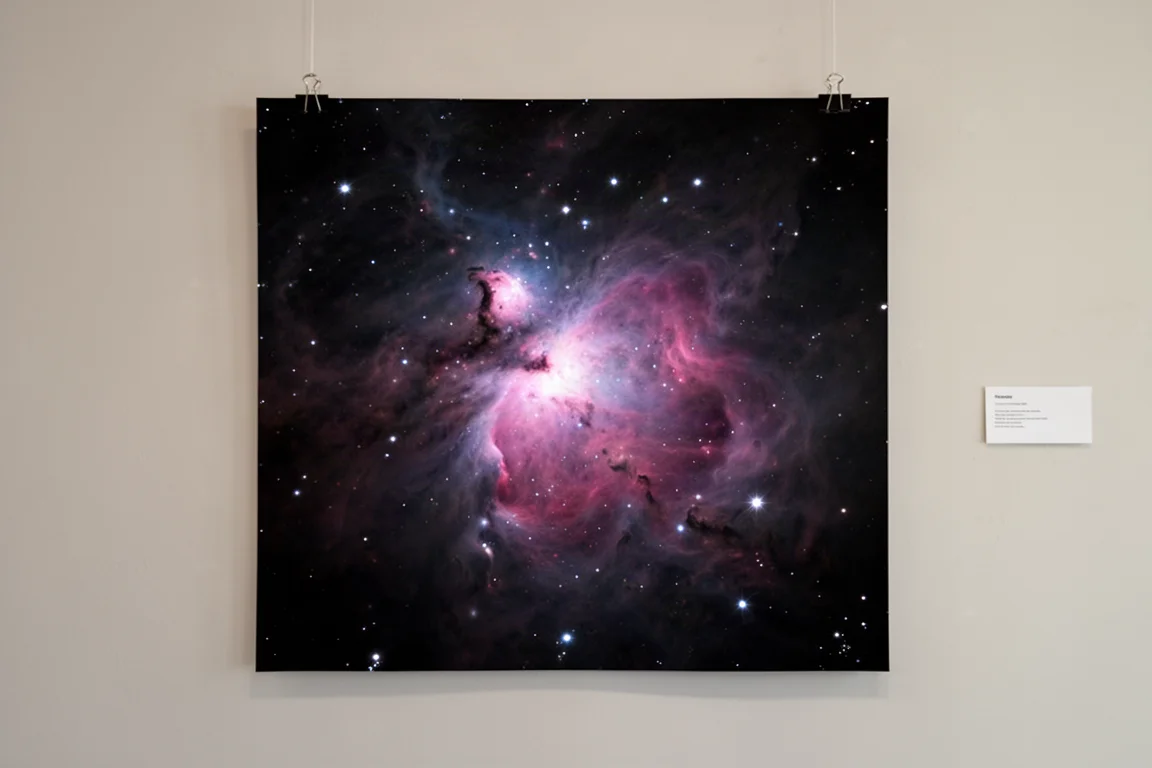
Customer images captured with the FMA135 back up the same story: sharp, color-corrected wide-field views that punch well above what the compact size would suggest.
Scaling Up to a Full Imaging System
The FMA135 is not limited to simple rigs. Add a cooled astronomy camera, an off-axis guider, and an equatorial mount such as the ZWO AM3, and you have a system that rivals a true astrophotography imaging rig at a fraction of the cost, all while keeping the versatility that makes this scope special.
A Surprising Second Life as a Guide Scope
Because it is small, lightweight, and has a short 135mm focal length, the FMA135 also works beautifully as a guide scope. Mounted to the top of a larger imaging telescope and paired with a guide camera, it delivers a clean, compact guiding solution built around a really well-corrected optic.
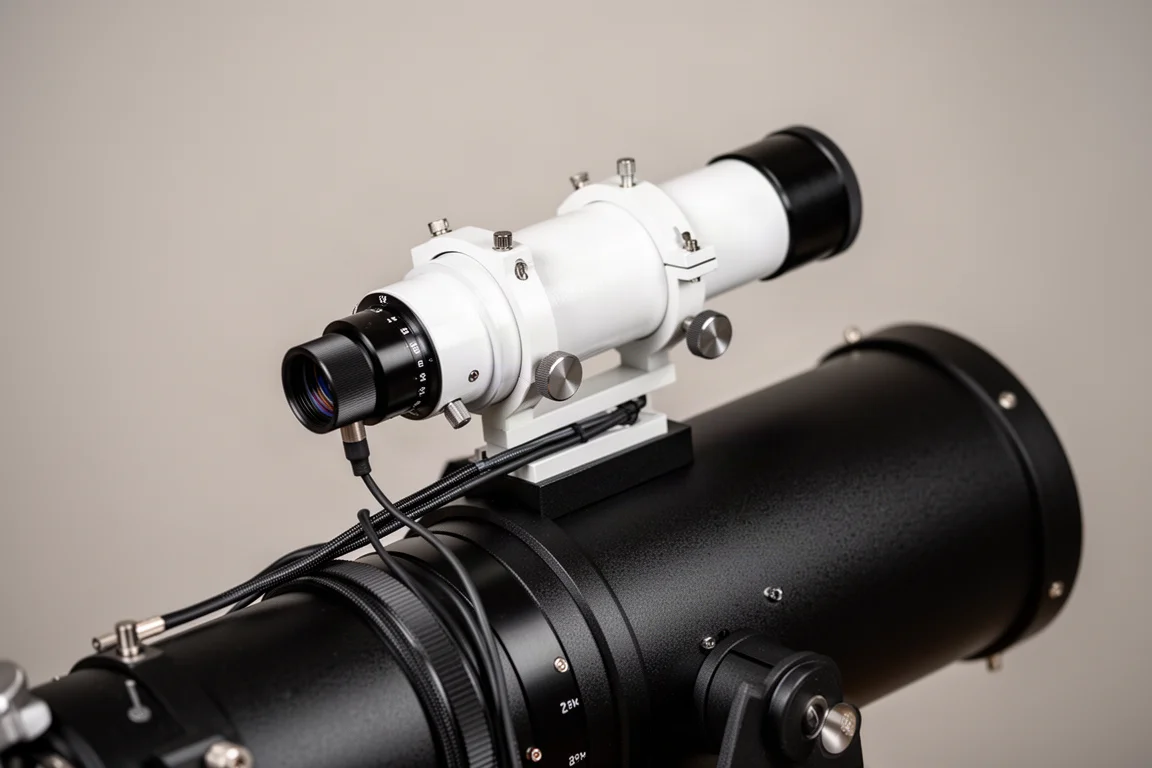
It might be a touch of overkill, but near-perfect color correction in your guide stars is hard to complain about.
Buying Advice
If you want an ultra-portable imaging rig, a compact addition to a dedicated astrophotography setup, or simply a well-built 135mm prime camera lens, the FMA135 adds a lot of value to your arsenal. Beginners get a gentle, low-cost entry into deep sky imaging; more experienced imagers get a flexible wide-field optic that slots into bigger systems or doubles as a guide scope. Few products at this size and price cover that many bases.
Conclusion
The Askar FMA135 proves that a serious astrophotography tool does not need to be large or expensive. Sharp APO optics, a built-in field flattener, simple camera connectivity, and a helical focuser come together in a package that adapts to whatever role you need it to play. For anyone starting out in astrophotography, or anyone wanting one small scope that does several jobs well, it is an easy recommendation.
Product link
View more details for Askar FMA135
This product is mentioned in the review. Check the specifications, options, and compatibility before buying.
View more details for Askar FMA135Further reading
Related Reviews
Astrophotography
ASKAR FRA400C Review: A Versatile 400mm Refractor for Astrophotography and More
The ASKAR FRA400C is a compact 72mm refractor that balances reach, versatility, and portability for astrophotographers and visual observers.
Astrophotography
Askar SQA106 Review: A Premium 106mm Astrograph With Exceptional Optics
The Askar SQA106 is a premium 106mm quintuplet astrograph with impressive sharpness across full-frame sensors, though its price and weight demand careful consideration.
Astrophotography
Astro Imaging Gear 2026: Eight New Products Worth Watching
A look at the most interesting new astrophotography and astronomy products announced this year, from fast telescopes to smart cameras and wireless accessories.