Astrophotography
Askar FMA 180 Pro Review: A Tiny Wide-Field Astrophotography Telescope
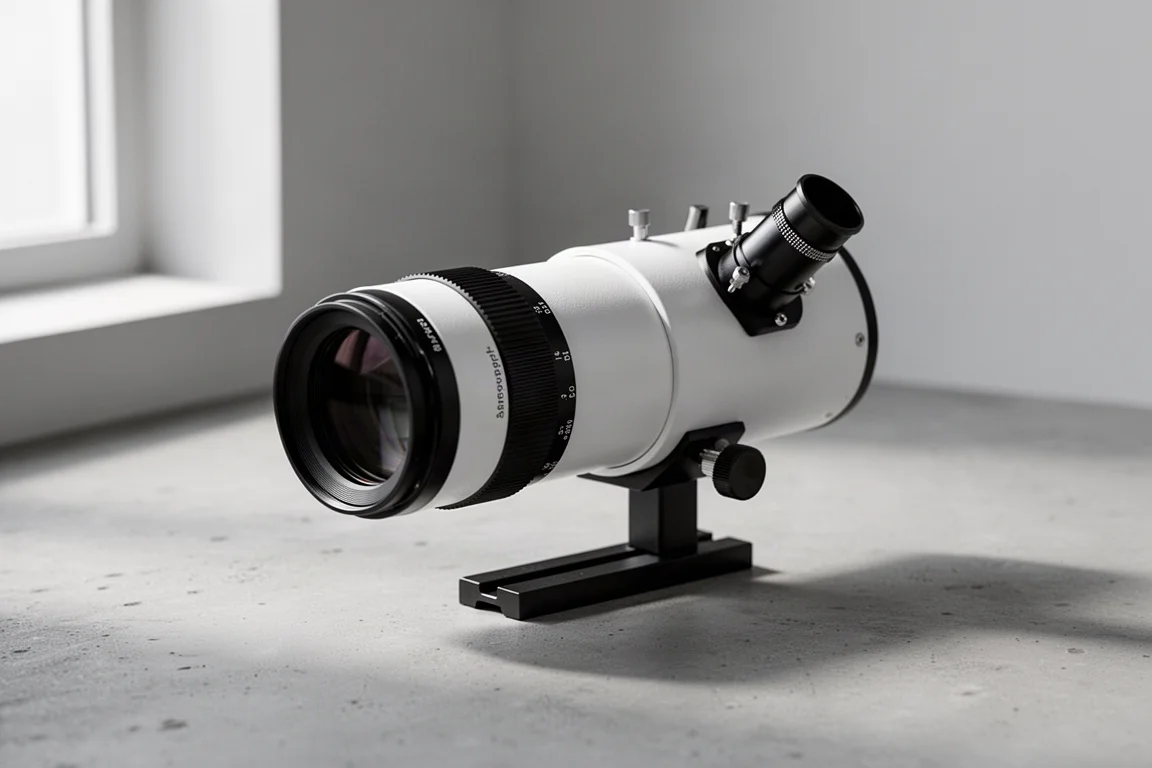
A 40mm astrophotography-grade telescope with a 180mm focal length at f/4.5, built for wide-field deep sky imaging in one compact package.
Introduction
Some telescopes are built to do one thing extremely well, and the Askar FMA 180 Pro is a clear example. Sent over by SharpStar for a closer look, this is an astrophotography-grade instrument that fits in a jacket pocket, yet it is designed specifically for wide-field deep sky imaging.
After a night of real imaging with it, here is what stood out, who it suits, and what you should think through before buying.
What the Askar FMA 180 Pro Is
The FMA 180 Pro is a very small astrophotography telescope with a 40mm aperture and a focal length of just 180mm at f/4.5. Its entire purpose is very wide-field deep sky imaging. The classic use case: capturing the Orion Nebula and the Horsehead Nebula in the same frame without needing to shoot a mosaic.
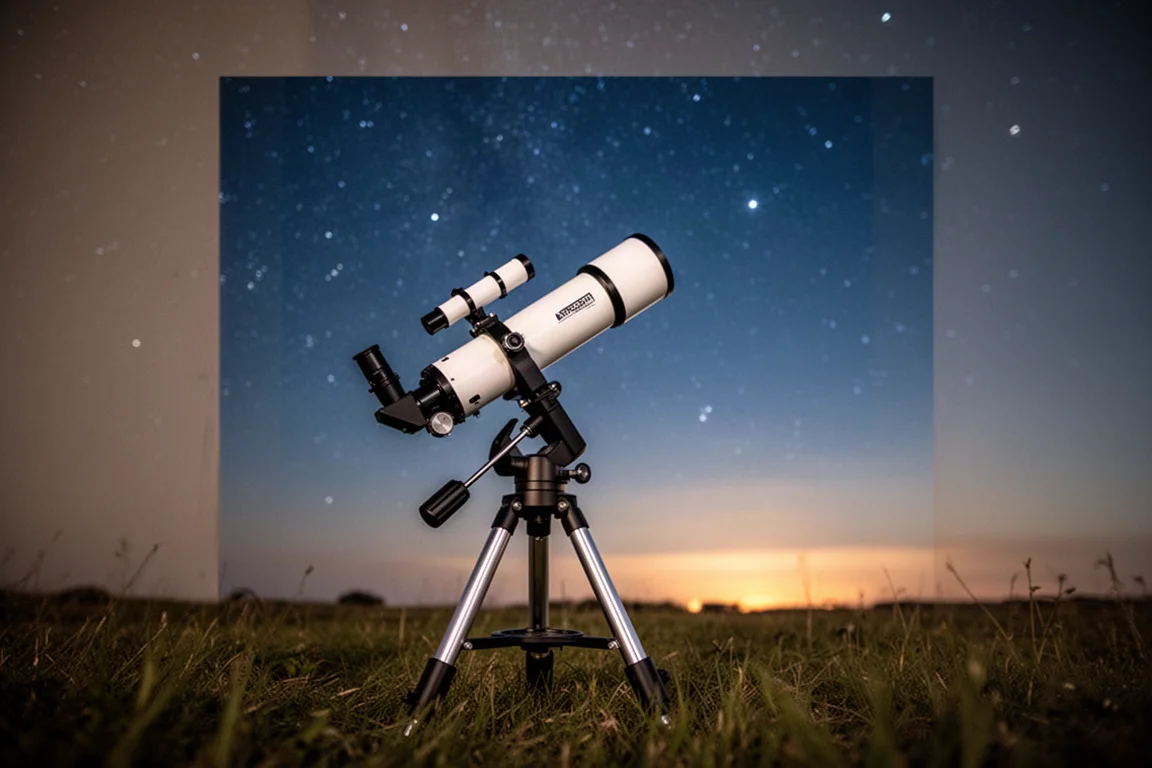
The package includes a field flattener and focal reducer, so all you need to do is attach your camera with the appropriately sized adapter. It also comes with a very fine helical focuser, a field rotator, a Vixen-style dovetail, and a mount for an autoguider. There is a non-Pro version without the rotator and dovetail, which makes sense if you plan to connect a DSLR directly.
Realistically, this is not a visual instrument. It is smaller than a typical pair of binoculars, so it is firmly aimed at imagers.
Who This Product Is For
This telescope suits a specific kind of astrophotographer: someone who wants wide nebula fields in a single frame, values an ultra-portable setup, and already has a camera and mount to pair with it. It is ideal as a companion scope for dark-sky trips where packing light matters, or as a dedicated wide-field imager on a small tracking mount.
Main Strengths
The first strength is the wide field. During testing, both the Orion Nebula and the Horsehead Nebula fit in the frame at the same time, and the Heart and Soul Nebula also fit comfortably in a single shot. Targets that normally require mosaics are simply framed and shot.
The second strength is the optics and included hardware. The built-in field flattener delivers a flat field, with image quality holding up across the entire frame. The fine helical focuser and field rotator make framing and refinement straightforward, and the included dovetail and guider mount mean the rig comes together quickly.
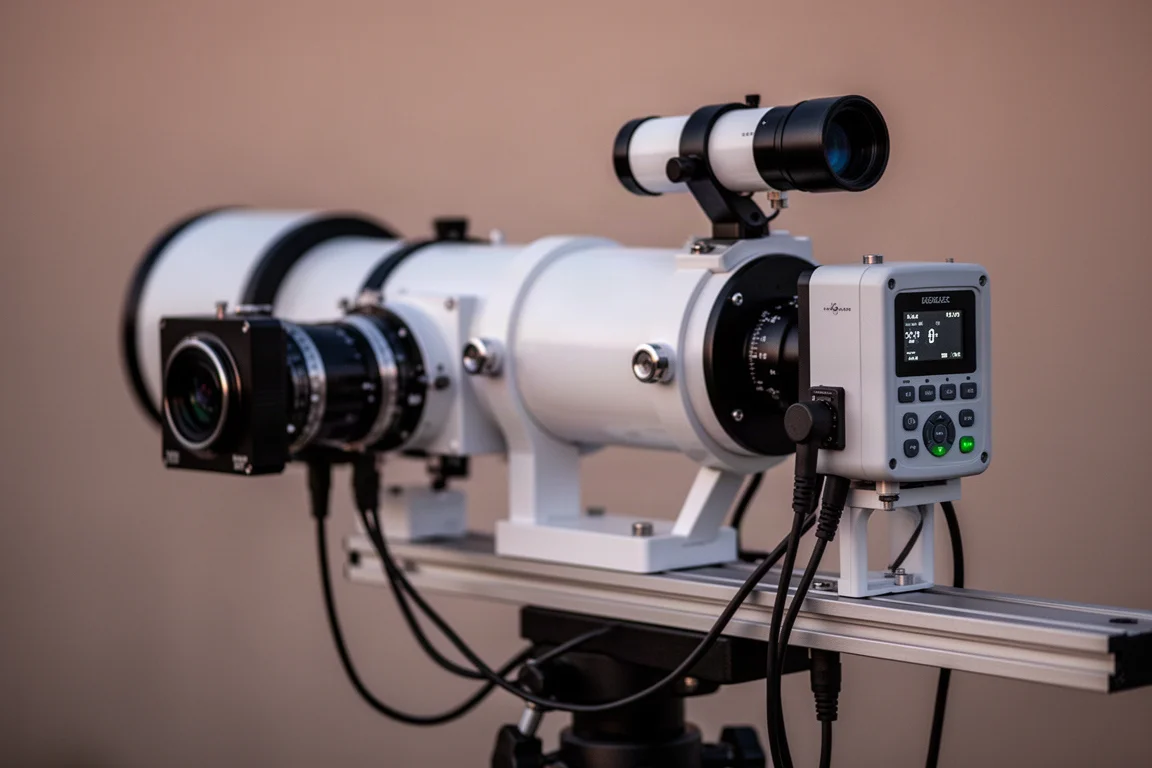
Finally, the size is genuinely remarkable. It is the smallest telescope used for astrophotography in this test, yet it delivered usable deep sky results on a modified portable mount.
Building the Imaging Rig
Setting the rig up was simple. A bolt on top of the dovetail holds the ASI Air mini, then a camera adapter was added, the camera screwed on, and the autoguider kit attached, plugging directly into the USB port on the back of the camera. The whole assembly then mounted to an EQ-modified AZ GTi mount.
Once powered up, the ASI Air detected the mount over Wi-Fi, the 180mm focal length was entered, and full mount control worked immediately. Polar alignment and_goto slewing both behaved as expected, and guiding settled to between one and two arc seconds, eventually improving to around 0.5 arc seconds during the session.
First Light Under a Dark Sky
The first target, the Rosette Nebula, returned a striking result: a field packed with stars and rich nebulosity, even after only six minutes of total exposure. The sheer number of stars in a wide f/4.5 field is something you need to adjust to, and it is part of the appeal of this focal length.

The Heart and Soul Nebula pair also fit easily into one frame. At three and nine minutes of exposure the nebula was visible but faint behind the dense star field, which points to the reality of a 40mm aperture: more exposure time is needed for dimmer targets. A quick shot at the center of Auriga, full of Messier objects and nebulae, showed just how much content this little scope can pull into a single exposure.
Things to Consider Before Buying
The main consideration is aperture. With only 40mm of light-gathering, this telescope does not take in much light, so dimmer targets demand substantially longer total exposure times. If you expect quick results on faint targets, this is not the tool for that.
It is also not a visual scope in any practical sense. And if you connect a DSLR directly, the non-Pro version without the rotator and dovetail may be the more sensible choice.
Buying Advice
If you already own a camera and a tracking mount and want an effortless way to capture very wide nebula fields, the Askar FMA 180 Pro is an easy recommendation. Plan on longer total exposures for faint targets, use the included flattener and guider mount to your advantage, and treat it as what it is: a specialized wide-field imaging astrograph rather than a general-purpose telescope.
Conclusion
The Askar FMA 180 Pro packs a genuine wide-field astrophotography setup into an impossibly small body. A flat field, included reducer, fine focuser, and guider mounting make it a complete, portable deep sky imaging package. For photographers chasing big nebula frames from dark skies, it earns its place in the kit.
Product link
View more details for Askar FMA 180 Pro
This product is mentioned in the review. Check the specifications, options, and compatibility before buying.
View more details for Askar FMA 180 ProFurther reading
Related Reviews
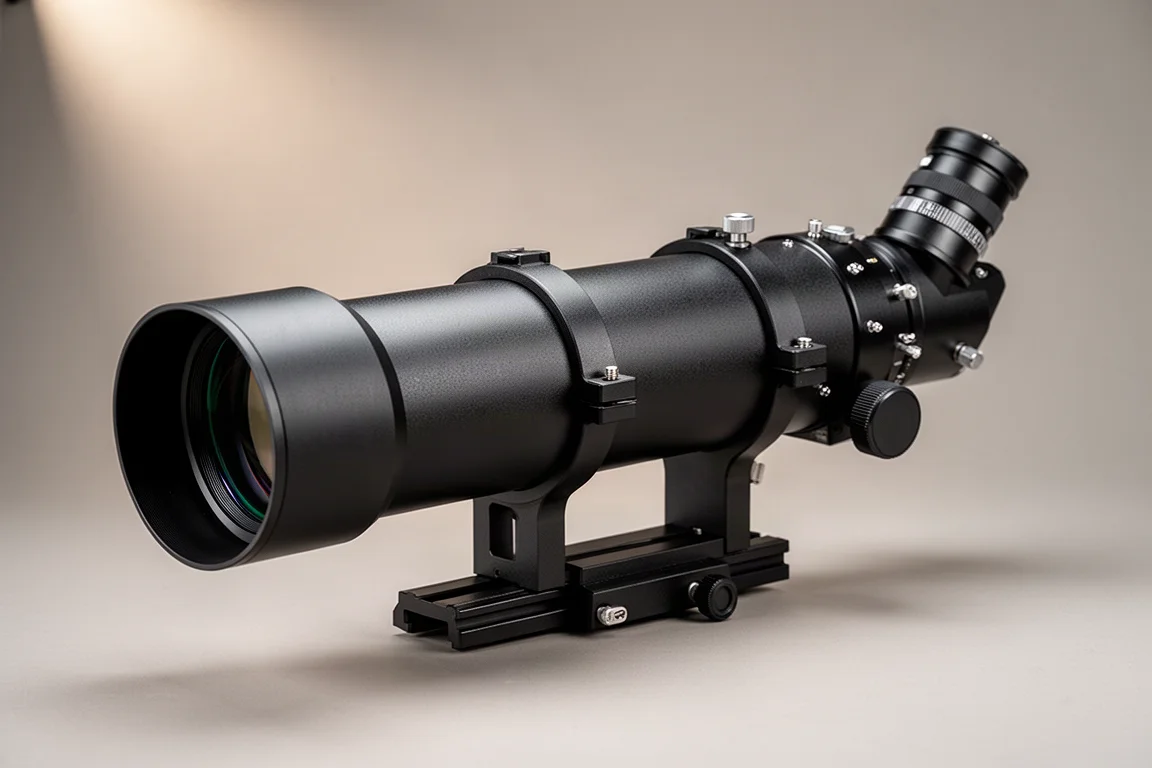
Astrophotography
ASKAR FRA400C Review: A Versatile 400mm Refractor for Astrophotography and More
The ASKAR FRA400C is a compact 72mm refractor that balances reach, versatility, and portability for astrophotographers and visual observers.
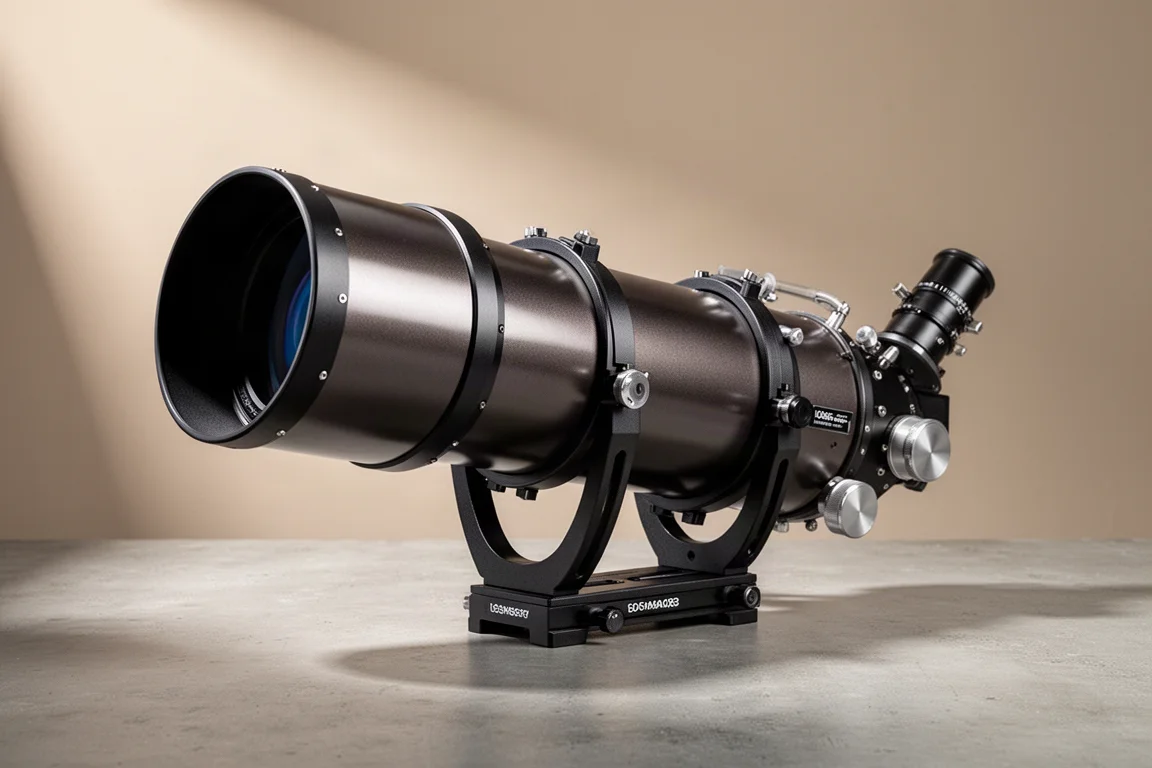
Astrophotography
Askar SQA106 Review: A Premium 106mm Astrograph With Exceptional Optics
The Askar SQA106 is a premium 106mm quintuplet astrograph with impressive sharpness across full-frame sensors, though its price and weight demand careful consideration.
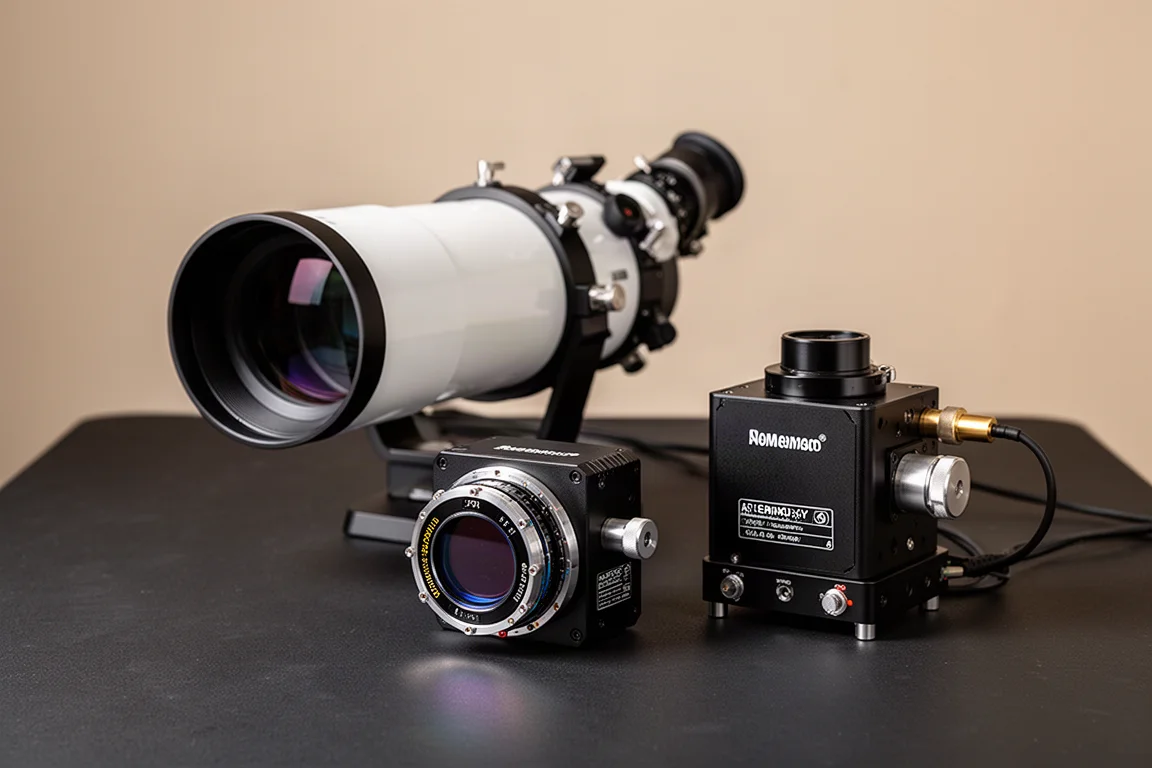
Astrophotography
Astro Imaging Gear 2026: Eight New Products Worth Watching
A look at the most interesting new astrophotography and astronomy products announced this year, from fast telescopes to smart cameras and wireless accessories.