Astrophotography
Askar FMA 135 vs Rokinon 135 f/2: Which 135mm Astro Lens Belongs on Your Star Tracker?
A compact 135mm astrograph and a classic f/2 camera lens go head to head for wide-field deep-sky astrophotography on a portable star tracker.
Introduction
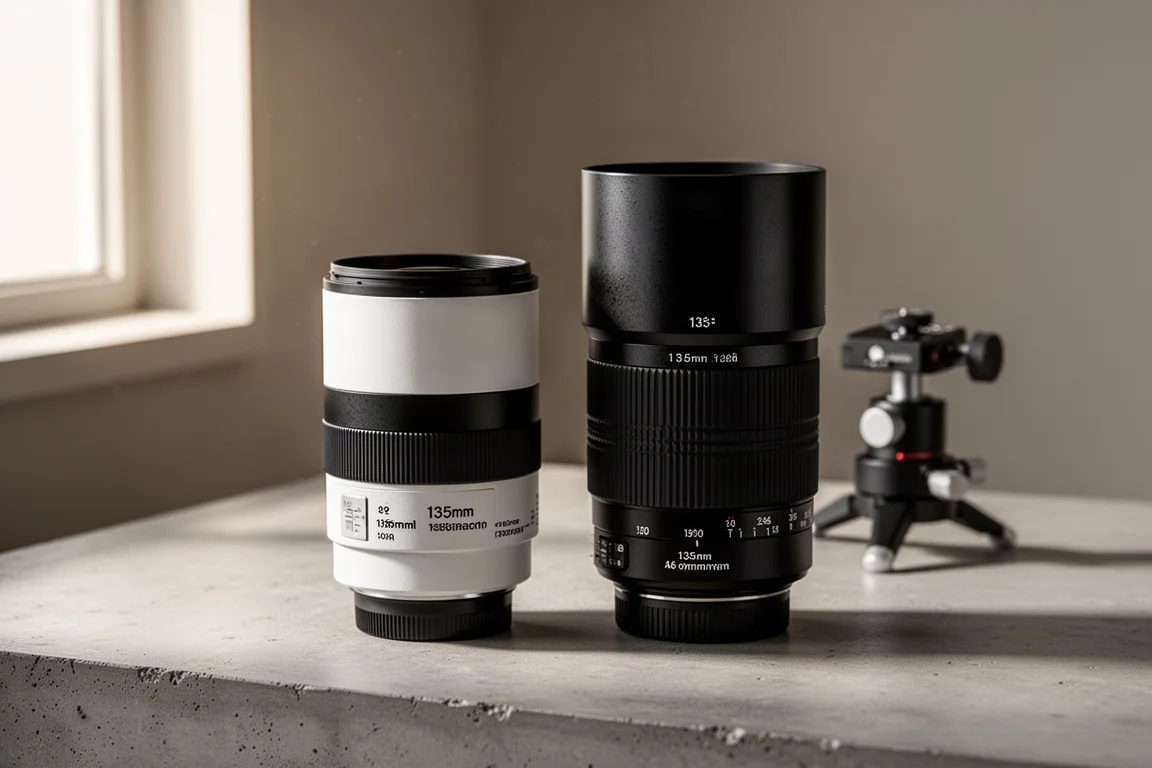
Some of the most rewarding astrophotography images are not shot through giant telescopes. At 135mm, you sit in a sweet spot between a camera lens and a telescope, wide enough to capture entire regions of space in a single frame yet tight enough to keep real structure in your target. Two options dominate this focal length: the compact Askar FMA 135 astrograph and the long-standing Rokinon (or Samyang) 135 f/2 camera lens. Both can ride on a lightweight star tracker with the DSLR or mirrorless camera you already own, but they make different trade-offs on price, aperture, and edge performance.
Why 135mm Works for Deep-Sky Imaging
The appeal of 135mm is framing. It is wide enough to capture entire nebula complexes, but tight enough that individual structures retain plenty of detail. Instead of isolating a single object, you start telling the story of an entire region of the sky.

Wide-field work also feels completely different from shooting at 600 or 1,000mm. You capture the surrounding sky around your target, and with a DSLR you can use live view at high ISO to slew around and explore bright stars and constellations almost like night vision. On a star tracker under a dark sky, roughly 90-second subexposures are the sweet spot at this focal length, with no filters and no auto-guiding required.
Meet the Askar FMA 135
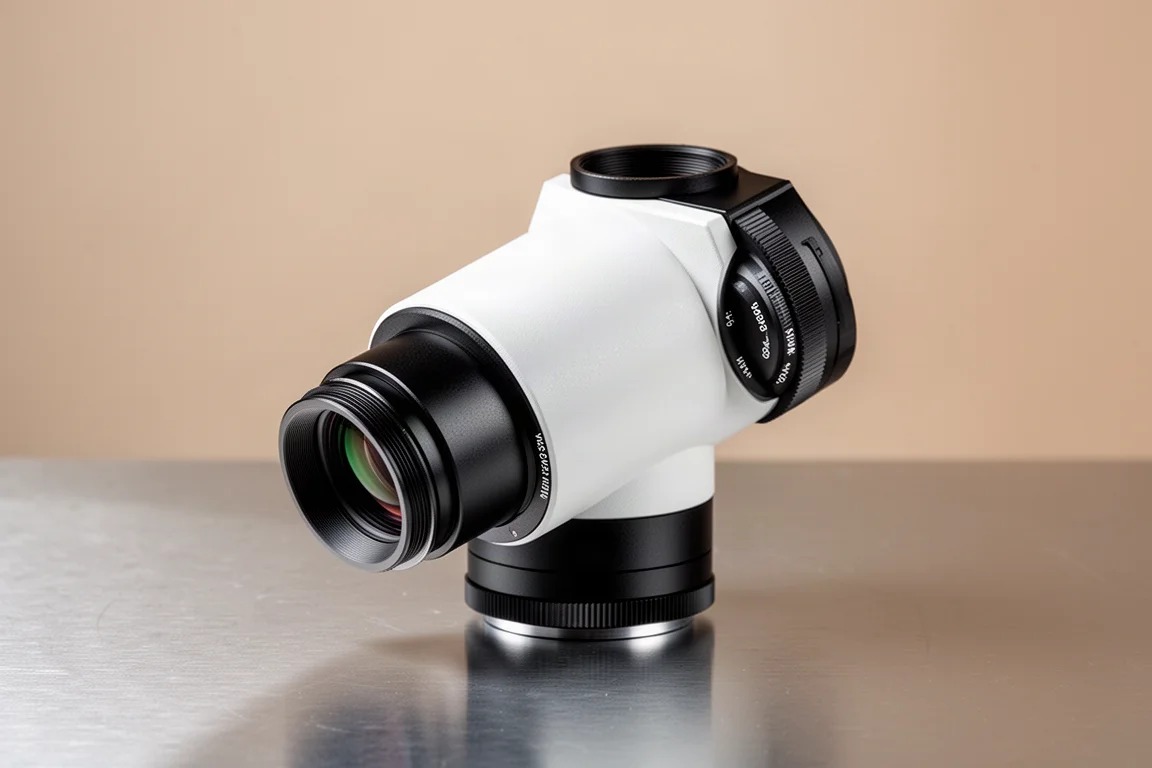
The FMA 135 is small and unassuming, which raises fair questions about whether it can produce serious astro images. It weighs less than a pound, so weight is a non-issue on any star tracker. Inside is a 30mm aperture, a 135mm focal length, and a respectably fast f/4.5 focal ratio, built around a triplet apo optical design with an ED glass element and a built-in flat field designed to keep stars sharp across the frame.
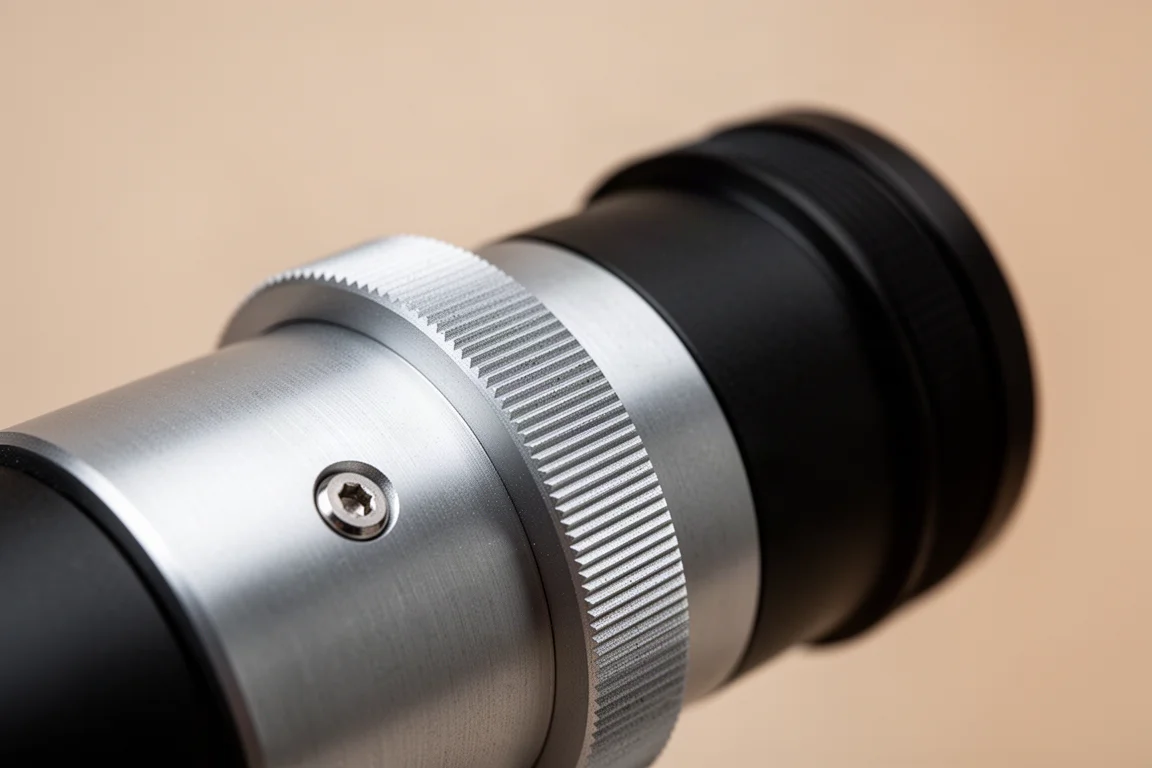
Connection is straightforward: a standard M42 camera interface, so it attaches to a DSLR or astronomy camera with a simple T-ring. Focus comes from a small helical focuser with a tiny locking screw you tighten once focus is dialed in.
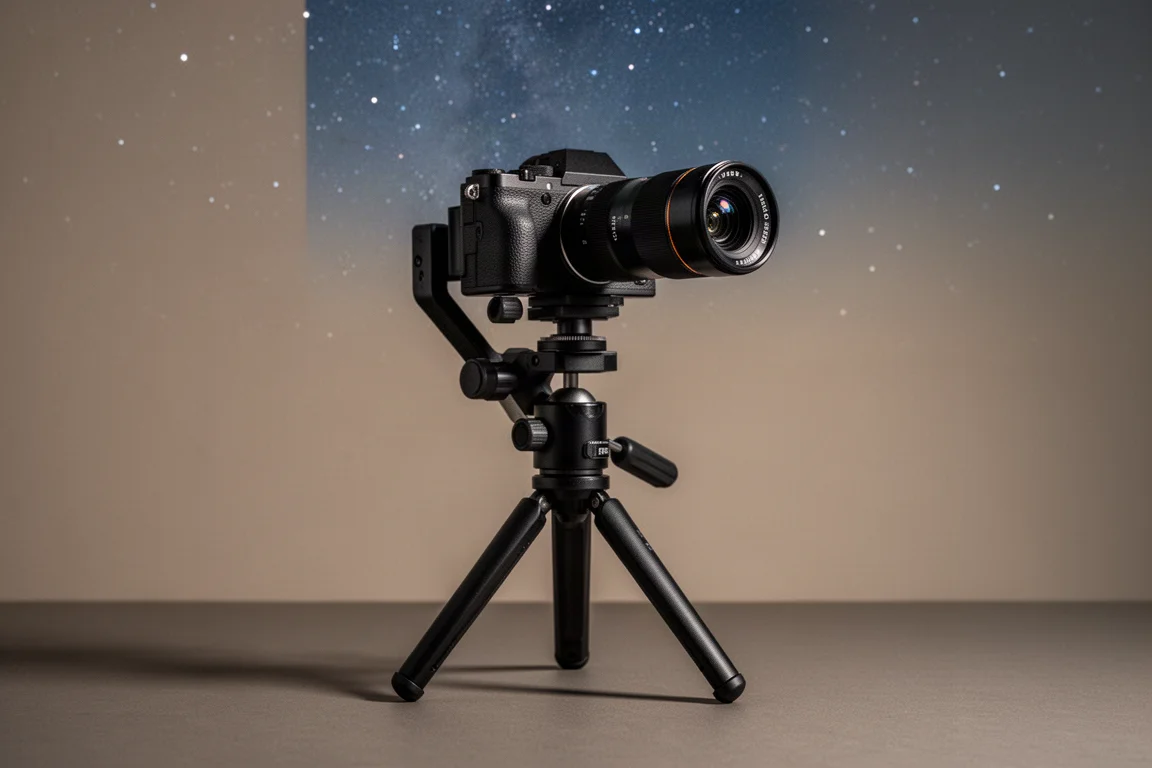
Because it behaves like a manual camera lens, the field setup could not be simpler. Pair it with a portable tracker such as a Sky-Watcher Star Adventurer 2i and any existing camera. A dedicated astronomy camera will extract even more from it, but with a DSLR or mirrorless body this system is simply more fun under a dark sky, and 90-second tracked subs with live-view framing are all you need to start capturing.
Edge Performance on a Full-Frame Sensor
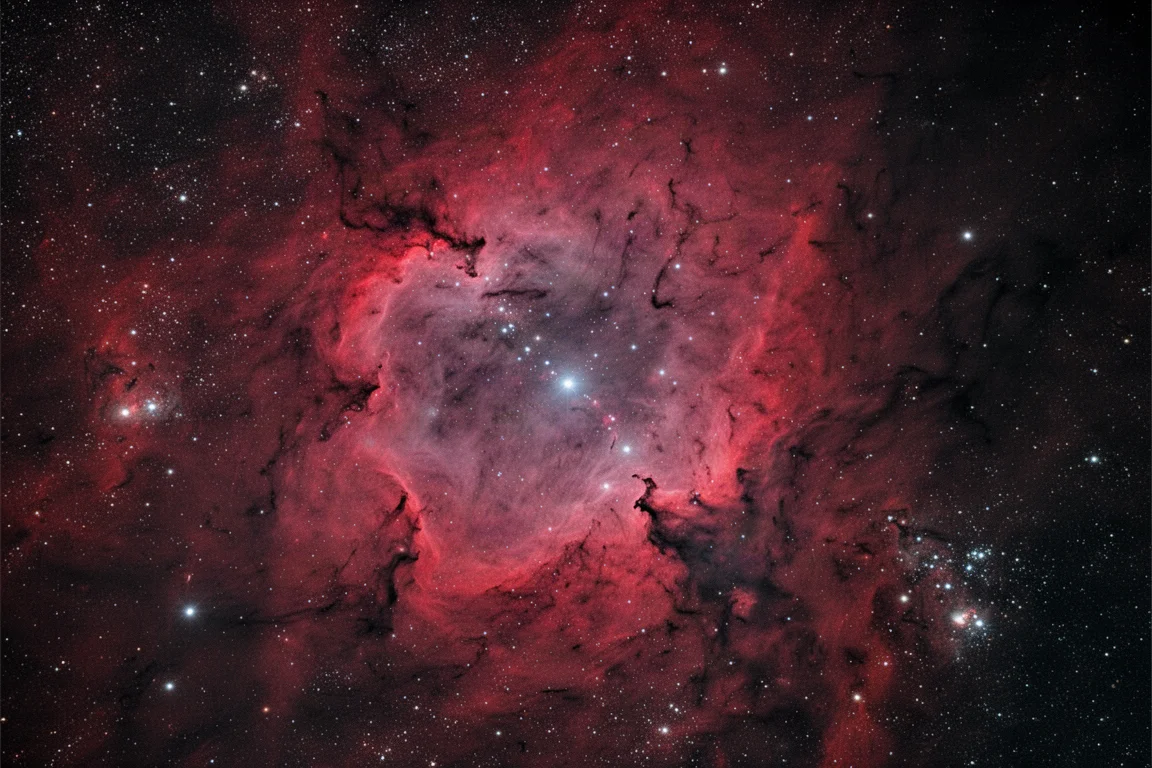
A full-frame sensor is the ultimate test for a lens like this, and the FMA 135 shows its limits at the borders. In the center sweet spot, star quality is genuinely excellent: bright stars show no odd halos, and tracked 60-second subs look clean. A processed North America Nebula image from a Bortle 3 dark sky site showed really great star quality in the core, with no filter anywhere in the chain.
Move outward and things degrade progressively. At the very edges, stars begin to develop coma and odd distorted shapes, and noticeable vignetting appears on full frame. If you are a pixel peeper wanting edge-to-edge sharpness on a full-frame camera, this lens will not deliver it. On a crop sensor body, however, the problem zone largely falls outside the frame, and with a dedicated astronomy camera like a 2600-class sensor you avoid it entirely.
The Rokinon 135 f/2 Comparison
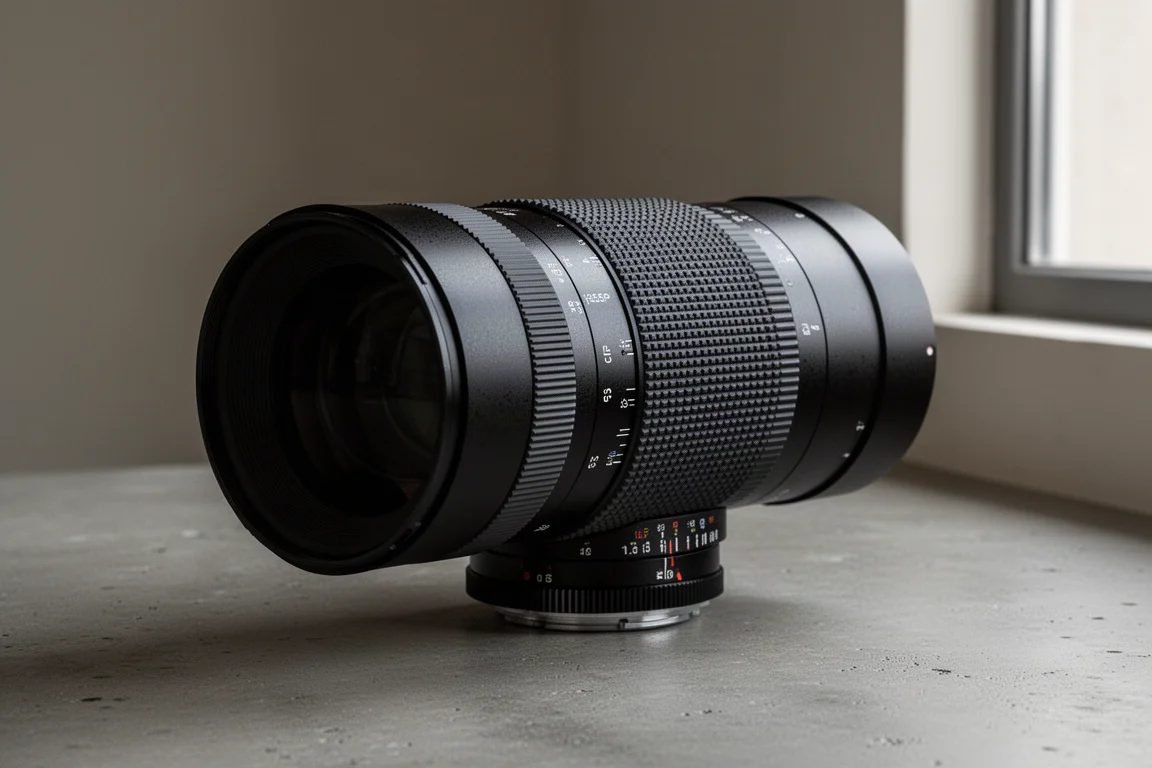
The Rokinon or Samyang 135 f/2 has been a recommended astrophotography lens for years, so how does the little astrograph compare? Image quality in the center is close, and the FMA 135 costs roughly half as much. The Rokinon has a larger aperture and shoots at f/2, though it performs at its best when stopped down slightly, which brings the effective focal ratios closer together than the numbers suggest.
Where the Rokinon pulls decisively ahead is the edge of a full-frame frame. In comparison shots from a Bortle 1 dark sky site, star clusters near the extreme corners were fully preserved across a Milky Way field, with remarkable edge star quality. It is the more expensive lens, closer to the five to six hundred dollar range, and in this comparison it won on edge performance.
Buying Advice: Choosing Between Them
Both options will serve you well on a star tracker with your existing camera, so the decision comes down to priorities. The Askar FMA 135 suits anyone who wants a dedicated, sub-200-dollar astrograph that is light enough for any tracker, attaches with a standard T-ring, and produces excellent central star quality for wide-field nebula work. The Rokinon 135 f/2 suits photographers who want the fastest aperture available at this focal length and the best full-frame corner performance, and who do not mind stopping down slightly and paying roughly double.
Either way, the wider lesson is that 135mm is one of the most rewarding focal lengths in astrophotography. A lightweight star tracker, your existing camera, and one of these lenses can produce images that would have seemed impossible when you started. Plan trips around the moon phase, check a light pollution map, polar-align the mount, and let the setup travel with you instead of staying at home.
Conclusion
The Askar FMA 135 is an impressively capable, budget-friendly astrograph with outstanding center-of-frame stars and a few honest compromises at the full-frame edges. The Rokinon 135 f/2 remains the benchmark for edge performance and speed at a higher price. Whichever you choose, the 135mm field of view itself is the real win: it turns a portable tracker and your existing camera into a genuine deep-sky imaging rig.
Further reading
Related Reviews
Astrophotography
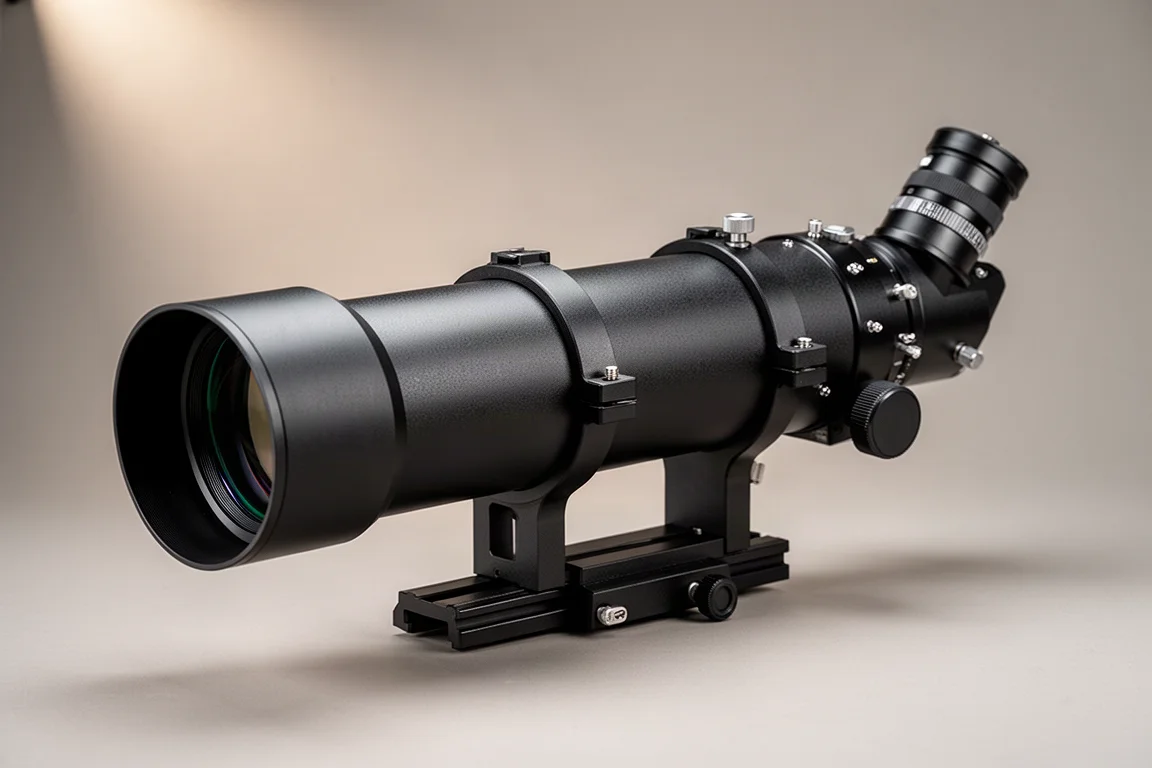
ASKAR FRA400C Review: A Versatile 400mm Refractor for Astrophotography and More
The ASKAR FRA400C is a compact 72mm refractor that balances reach, versatility, and portability for astrophotographers and visual observers.
Astrophotography
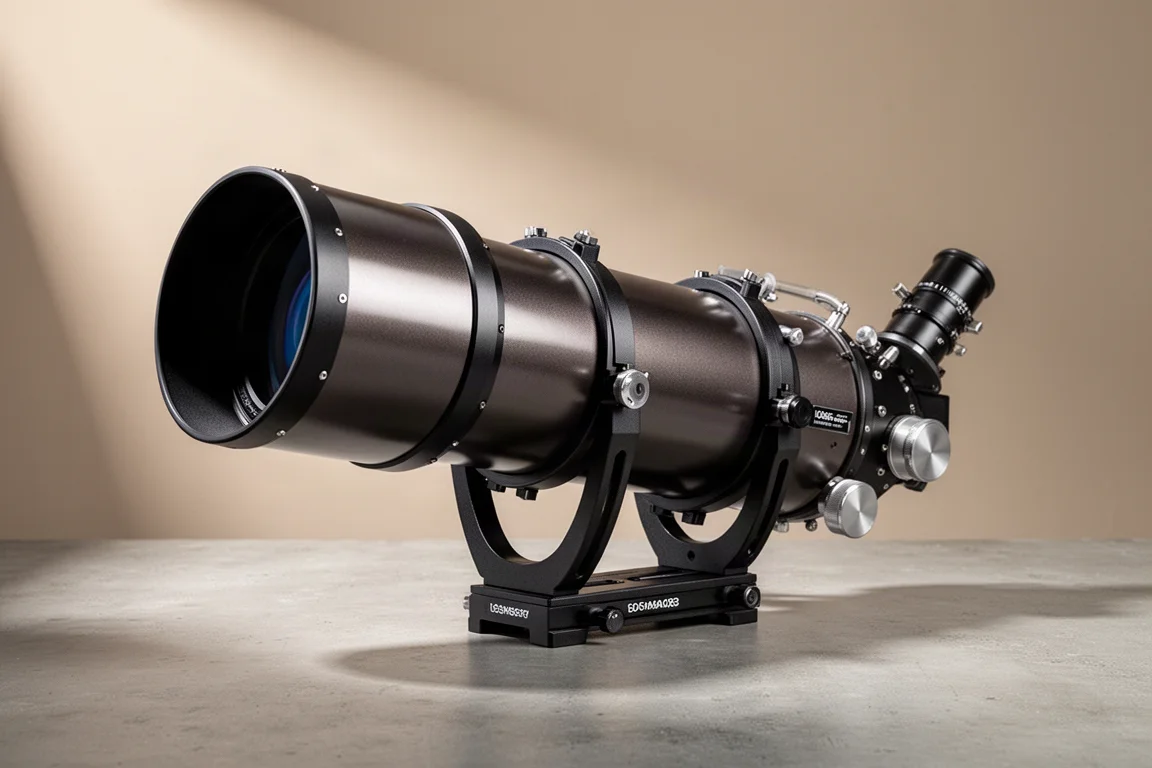
Askar SQA106 Review: A Premium 106mm Astrograph With Exceptional Optics
The Askar SQA106 is a premium 106mm quintuplet astrograph with impressive sharpness across full-frame sensors, though its price and weight demand careful consideration.
Astrophotography
Astro Imaging Gear 2026: Eight New Products Worth Watching
A look at the most interesting new astrophotography and astronomy products announced this year, from fast telescopes to smart cameras and wireless accessories.