Astrophotography
Askar Color Magic Ultra E Series Dualband Filter Set Review: SHO Imaging with a One-Shot-Color Camera
A two-filter narrowband set that lets one-shot-color cameras produce genuine Hubble palette images, tested over 34 hours on the Butterfly Nebula.
Introduction
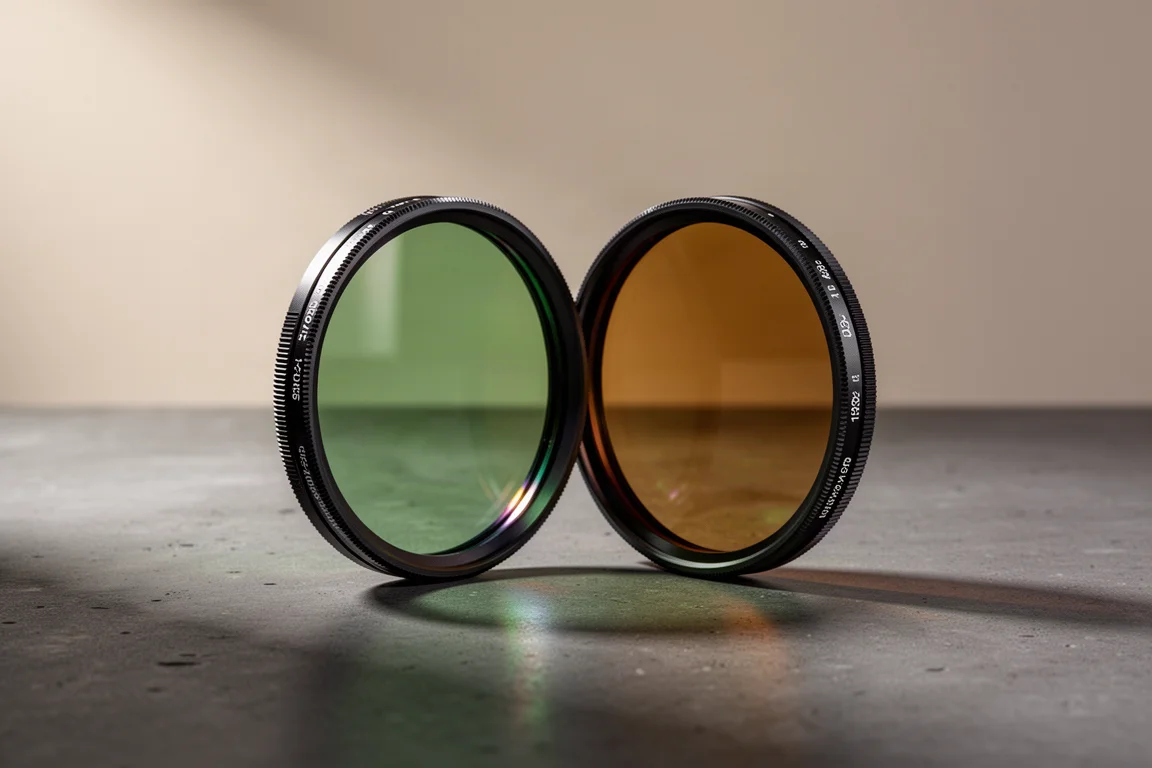
If you image with a one-shot-color camera and have ever wished you could produce true Hubble palette images the way monochrome shooters do, the Askar Color Magic Ultra E Series Dualband Filter Set deserves your attention. The package pairs two 2-inch dual narrowband filters: the E1, a hydrogen alpha and O3 filter, and the E2, an S2 and O3 filter. Combined in post-processing, they let a color camera produce the kind of SHO result that previously required a monochrome camera and a filter wheel.
After putting the set through a 34-hour imaging run on the Butterfly Nebula, the E2 filter in particular proved genuinely transformative. Here is how the set performs and who it makes sense for.
Why Dual Narrowband Filters Matter
Narrowband filters isolate very specific wavelengths of light and block everything else, which is what lets you capture striking detail in emission targets like the Orion Nebula, the Pac-Man Nebula, or the Heart and Soul Nebula even under significant light pollution. The narrower the band pass, the better the light pollution rejection, and the more contrast and detail you can pull out of the data.
Dual narrowband filters pass two wavelengths at once, typically hydrogen alpha and oxygen 3. That works well, but it creates a familiar problem for one-shot-color camera users: hydrogen alpha emission tends to dominate the data, and O3 signal ends up buried. You can extract and recombine channels to approximate a Hubble-style palette, but the process is painstaking, especially when you do not have much O3 data to work with. That limitation has traditionally pushed serious imagers toward monochrome cameras.
The E2 S2/O3 filter in this set is what changes that equation. With S2 data captured separately, a one-shot-color camera can finally produce a legitimate SHO image rather than a compromise.
How the Test Was Run
The set was tested on the Butterfly Nebula using the Askar FRA500 at F/3.9, the ASI 2600MC Air with the ZWO EAF and camera angle adjuster, all on the ZWO AM5N mount. A total of 34 hours of exposure was collected in 900-second, or 15-minute, subexposures split across both filters.
The E1 is a very narrow dualband filter with a 3.7 nm band pass for O3 and a 4 nm band pass for hydrogen alpha, centered on 656.6 nm and 500.7 nm respectively. The E2 matches that with a 4 nm S2 band pass centered at 672 nm and the same 3.7 nm O3 band pass at 500.7 nm. A 4 nm band pass sits at the limit of what is commonly available, which is where much of the light pollution rejection advantage comes from. Both filters are 2 inches, compatible with today’s popular filter wheels, focal reducers, field flatteners, and filter drawers, and suitable for full-frame cameras thanks to the 44 mm imaging diagonal.
How the Data Performed
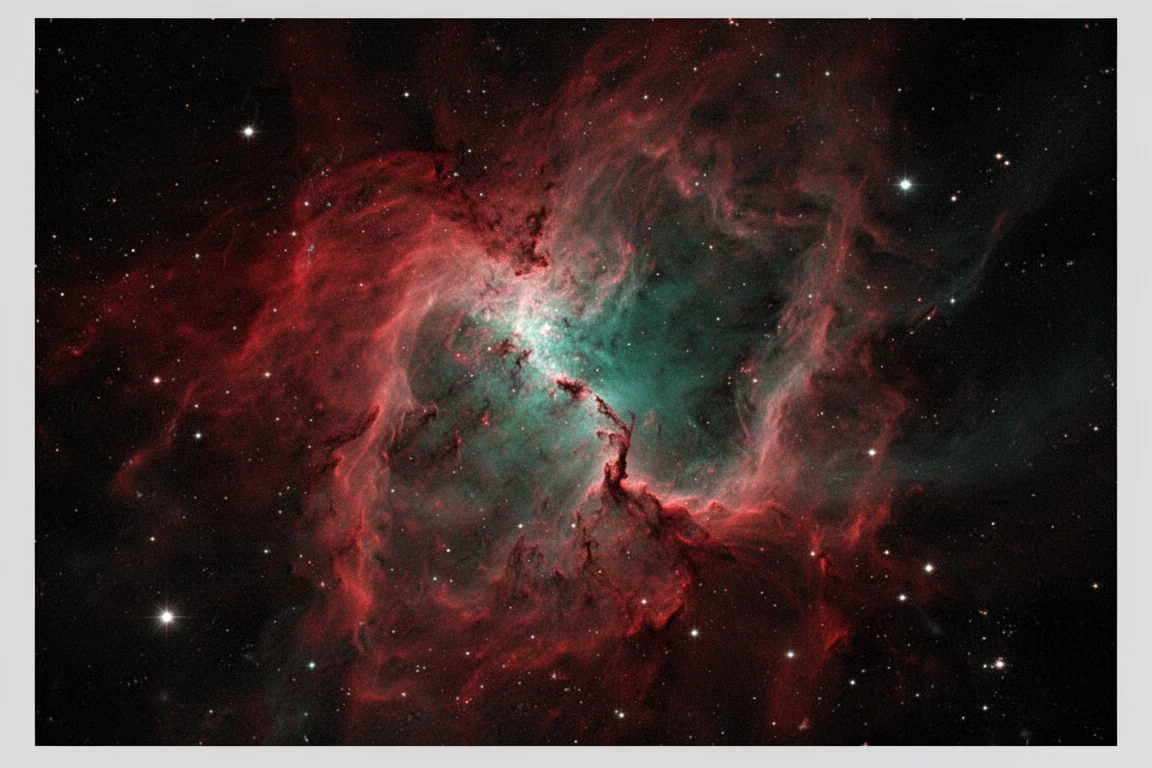
The E1 data set behaved the way a good Ha/O3 dualband filter should. A basic stretch produced crisp, clean results with prominent hydrogen alpha regions, and channel separation revealed a decent amount of green and blue O3 signal hiding underneath. On a bright target like the Butterfly Nebula that O3 yield is expected; fainter targets may need 10 or even 20 hours to build up usable O3 signal.
The E2 data, around 15 hours of exposure, made the S2 and O3 distribution immediately obvious after a histogram stretch. S2 appeared as localized red signal around the main nebula region, while O3 was abundant across the entire frame. One useful design detail: the O3 band in both filters is centered on exactly the same wavelength, so both filters contribute O3 data you can pool together.
Around the very bright star Sadr, both stacks showed slight haloing through the O3 coating. It was minimal compared to other narrowband and dualband filters, and on a star that bright it did not affect the decision to keep collecting data on the region.
Turning Two Filters into Three Channels
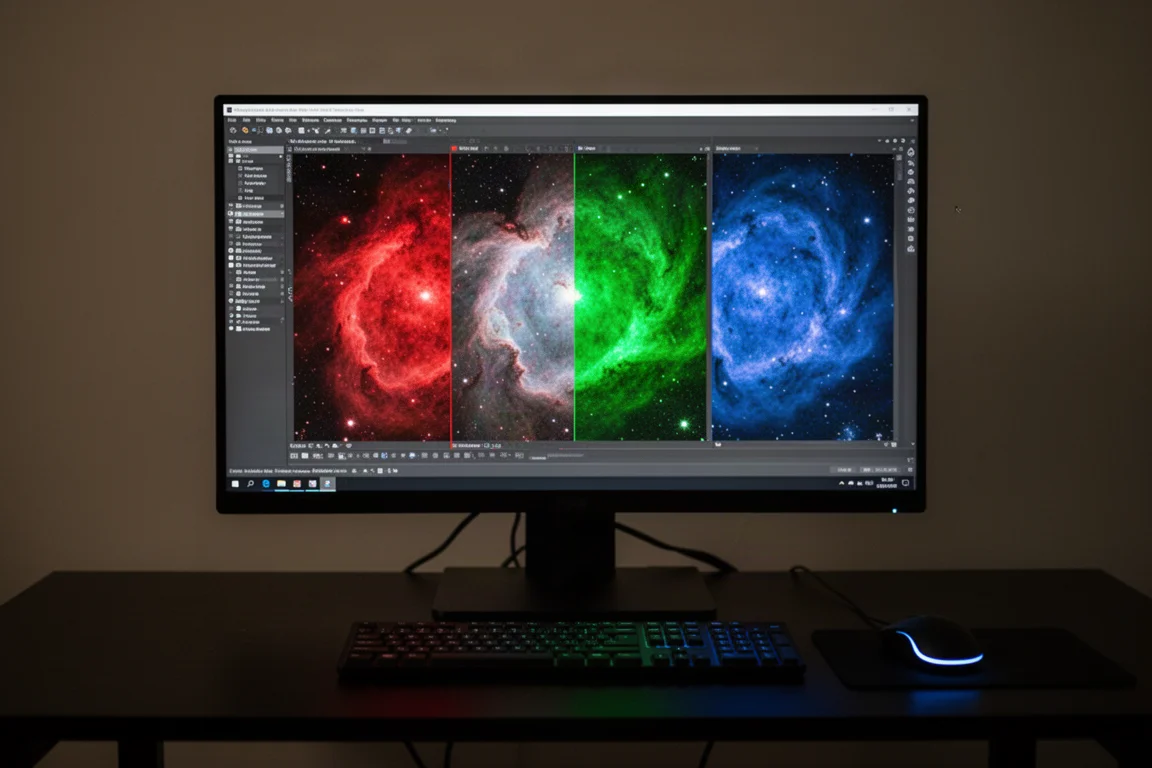
The processing workflow in PixInsight is straightforward if you have some experience. Both stacks were made starless, and the red, green, and blue channels were extracted from each. The red channel of the Ha/O3 stack becomes your hydrogen alpha channel; the red channel of the S2/O3 stack becomes your S2 channel. For O3, a simple pixel math expression averages the green and blue channels from both filters, divided by four, producing a master O3 image.
From there it behaves exactly like a monochrome data set: an LRGB combination maps S2 to red, Ha to green, and master O3 to blue, with chrominance noise reduction off and modest contrast and saturation adjustments. The result showed blues and purples on one side of the nebula, oranges and greens on the other, and visible orange filaments from the combined S2 and Ha contribution. From there you can refine with curves, masks, histogram tweaks, and recombined RGB stars.
That is not a result typically achievable with a single Ha/O3 dualband filter on a color camera, and it is the core reason this set stands out.
Should You Buy the Askar Color Magic E Series?
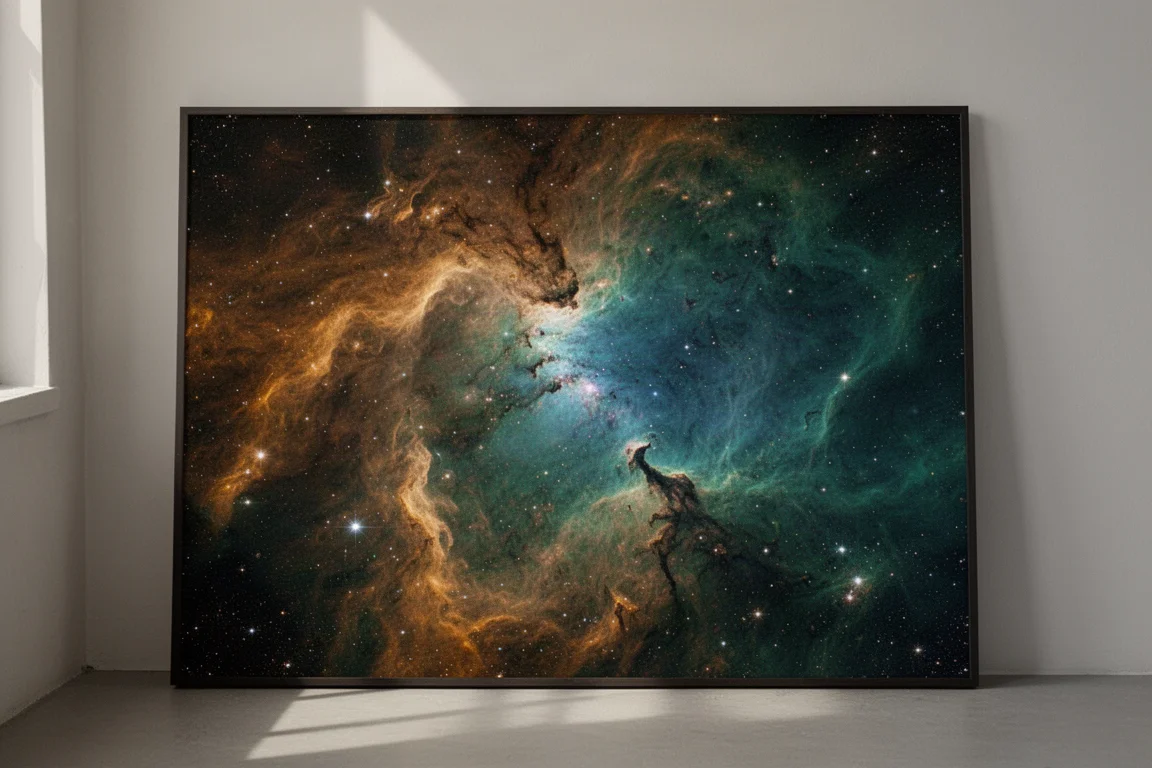
If you shoot with a one-shot-color camera and want to move from HOO-style images to genuine Hubble palette SHO results, this set delivers on that promise. The narrow 4 nm-class band passes, shared O3 wavelength, full-frame-friendly 2-inch format, and broad compatibility with filter drawers, wheels, reducers, and flatteners make it easy to drop into an existing imaging train. Minor O3 haloing around very bright stars is the only caveat worth noting, and it was mild in testing.
Askar also offers the Color Magic line in C, D, and E series variants with different band passes, so you can match the set to your specific narrowband requirements. For anyone ready to unlock Hubble palette imaging without switching to monochrome, the E Series set is an easy recommendation.
Conclusion
The Askar Color Magic Ultra E Series Dualband Filter Set solves a real problem for one-shot-color camera imagers: it turns a two-channel reality into a three-channel SHO workflow. With clean, crisp data, excellent light pollution rejection, and a combination process that mirrors monochrome channel mapping, it earns its place in a serious imaging kit.
Product link
View more details for Askar Color Magic Ultra E Series Dualband Filter Set
This product is mentioned in the review. Check the specifications, options, and compatibility before buying.
View more details for Askar Color Magic Ultra E Series Dualband Filter SetFurther reading
Related Reviews
Astrophotography
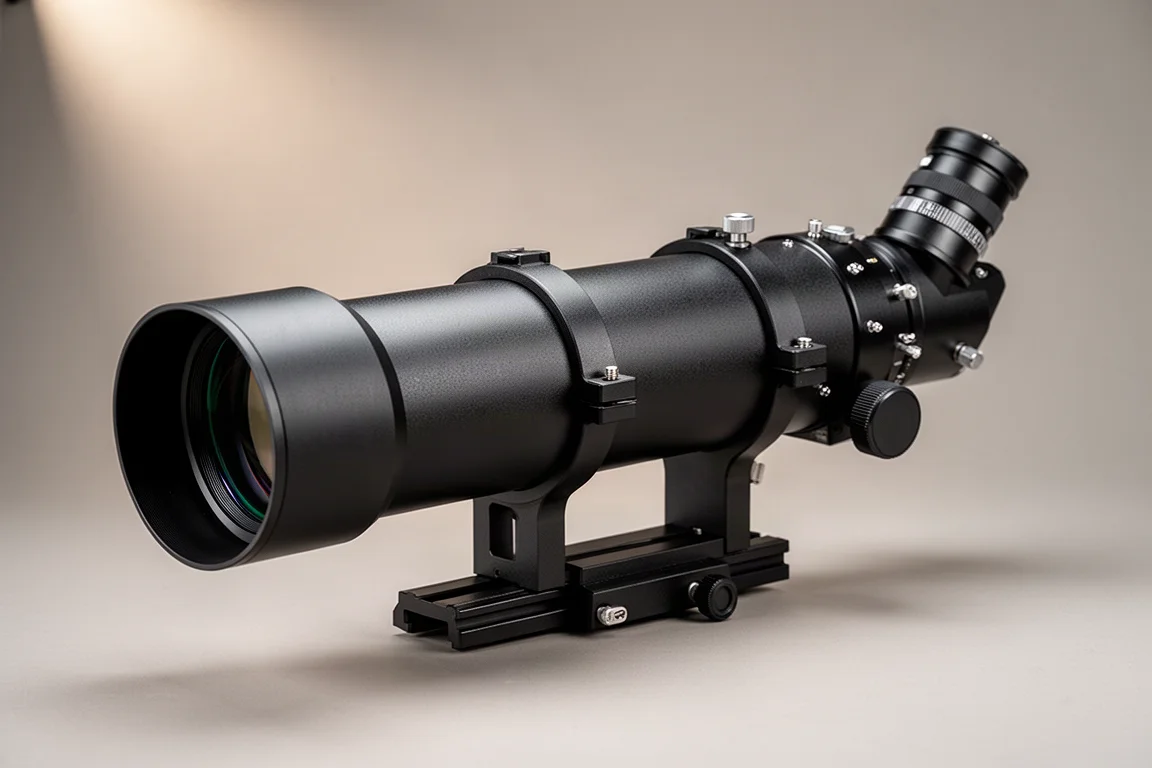
ASKAR FRA400C Review: A Versatile 400mm Refractor for Astrophotography and More
The ASKAR FRA400C is a compact 72mm refractor that balances reach, versatility, and portability for astrophotographers and visual observers.
Astrophotography
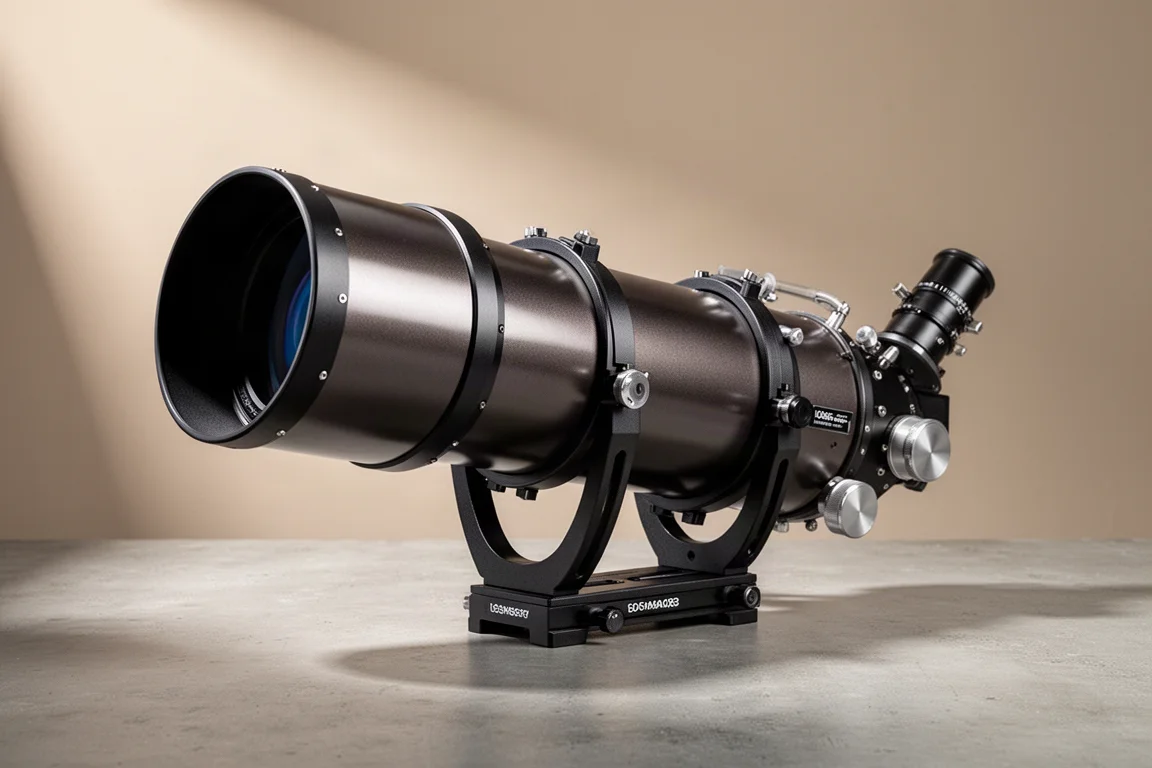
Askar SQA106 Review: A Premium 106mm Astrograph With Exceptional Optics
The Askar SQA106 is a premium 106mm quintuplet astrograph with impressive sharpness across full-frame sensors, though its price and weight demand careful consideration.
Astrophotography
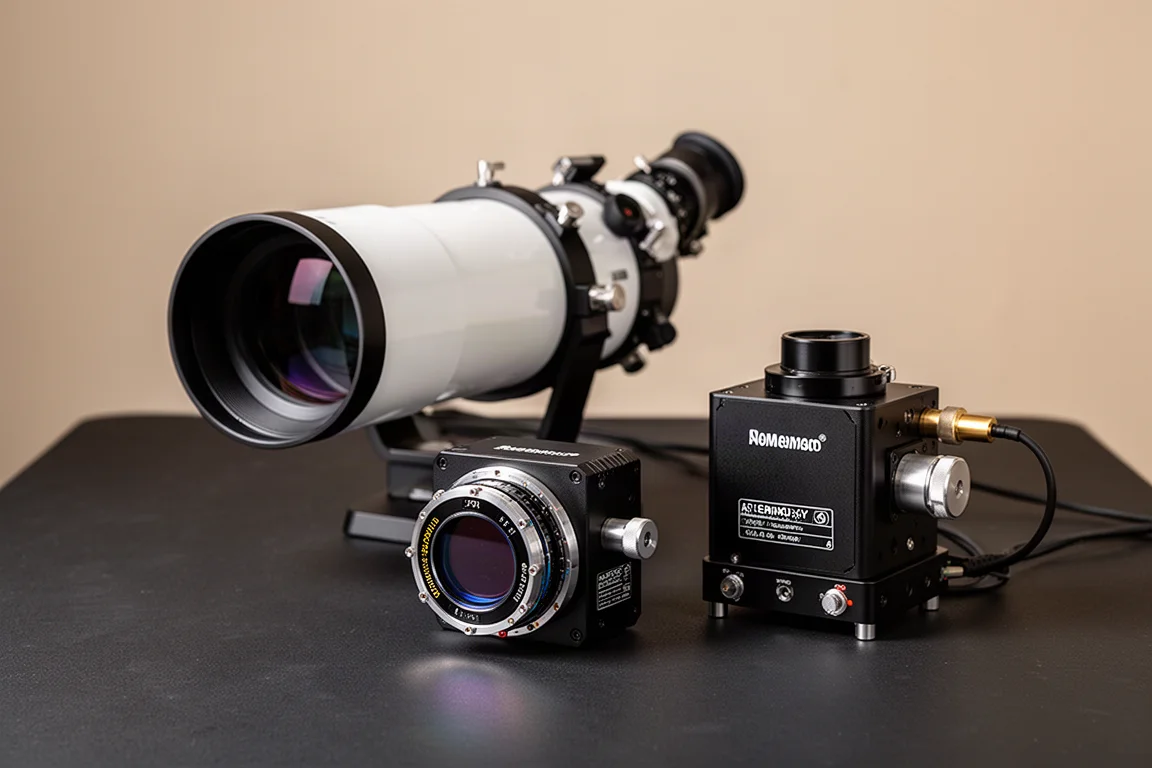
Astro Imaging Gear 2026: Eight New Products Worth Watching
A look at the most interesting new astrophotography and astronomy products announced this year, from fast telescopes to smart cameras and wireless accessories.