Astrophotography
Askar AN160 Review: A Fast 160mm Imaging Newtonian for Deep Sky Work
A lightweight carbon fiber Newtonian with 160mm of aperture, a 0.95x coma corrector, and a fast F3.4 optical system built for wide-field deep sky astrophotography.
Introduction
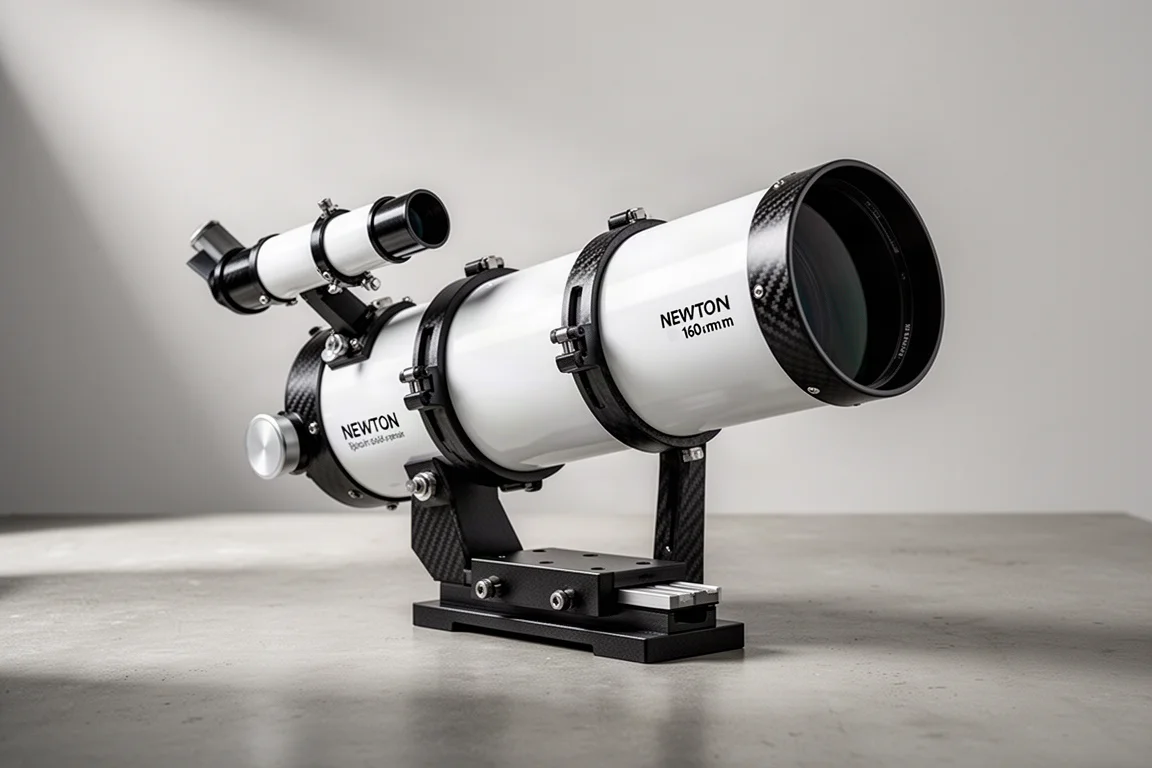
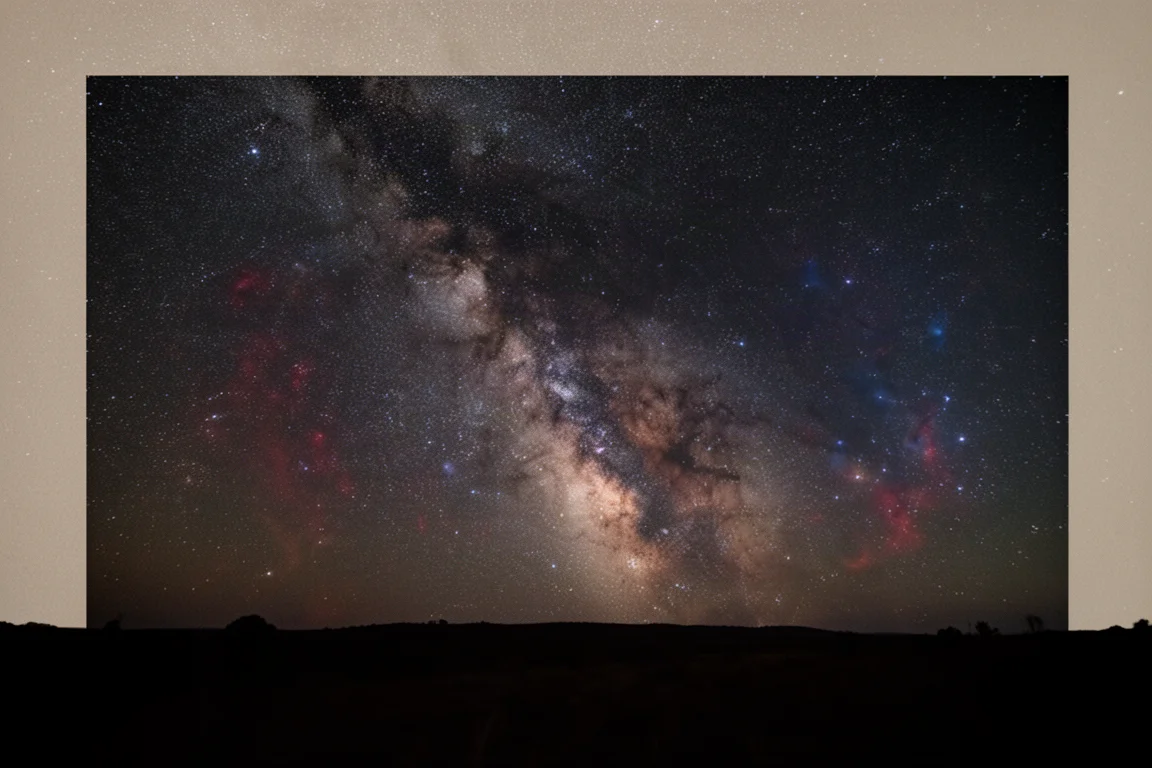
The Askar AN160 is a Newtonian reflector built specifically for deep space astrophotography, and it takes a clear stance: more aperture, faster imaging, and serious deep sky performance in a lightweight package. With a 160mm aperture and the included 0.95x coma corrector, it delivers a 544mm focal length at F3.4, which means it collects light fast. That speed makes it a strong fit for a wide range of wide-field deep sky targets.
Fast optics and generous aperture rarely come in a tube this light, which is what makes the AN160 an interesting option for imagers who want deep sky reach without giving up portability.
Who This Telescope Is For
The AN160 suits astrophotographers who want fast light gathering for wide-field deep sky objects without moving to a heavy, cumbersome optical tube. Because it collects light quickly at F3.4, shorter sub exposures can still deliver meaningful signal, which is exactly what nebula and other faint wide-field targets reward.
It is also worth noting what it is not: unlike a refractor, a Newtonian needs occasional collimation. If you want a strictly zero-maintenance optic, that trade-off matters. If you are comfortable with a quick alignment routine, the payoff is a fast, sharp imaging system at a competitive aperture.
Optical Performance and the Coma Corrector
The large aperture gives the AN160 strong light gathering power for its size, and the included triplet coma corrector is a big part of the package. It helps keep stars sharp and round at the edges of the field, supporting up to APS-C size sensors, and it reduces the focal length from 576mm to 544mm to deliver that fast F3.4 system.
The result is an optical configuration tuned for imaging rather than visual use: wide fields, quick focal ratios, and corrected star shapes across a modern camera sensor.
Collimation and Mirror Adjustment
Collimation is the one maintenance task the AN160 asks of you, but Askar has built the scope with adjustment and locking screws for the primary mirror. Once you have dialed the alignment in, the locking screws keep everything secure, so the setup holds between sessions rather than needing constant re-tweaking.
That design detail matters more than it sounds. A fast Newtonian that stays collimated is far more pleasant to use night after night than one that drifts out of alignment every time you transport it.
Build Quality and Portability
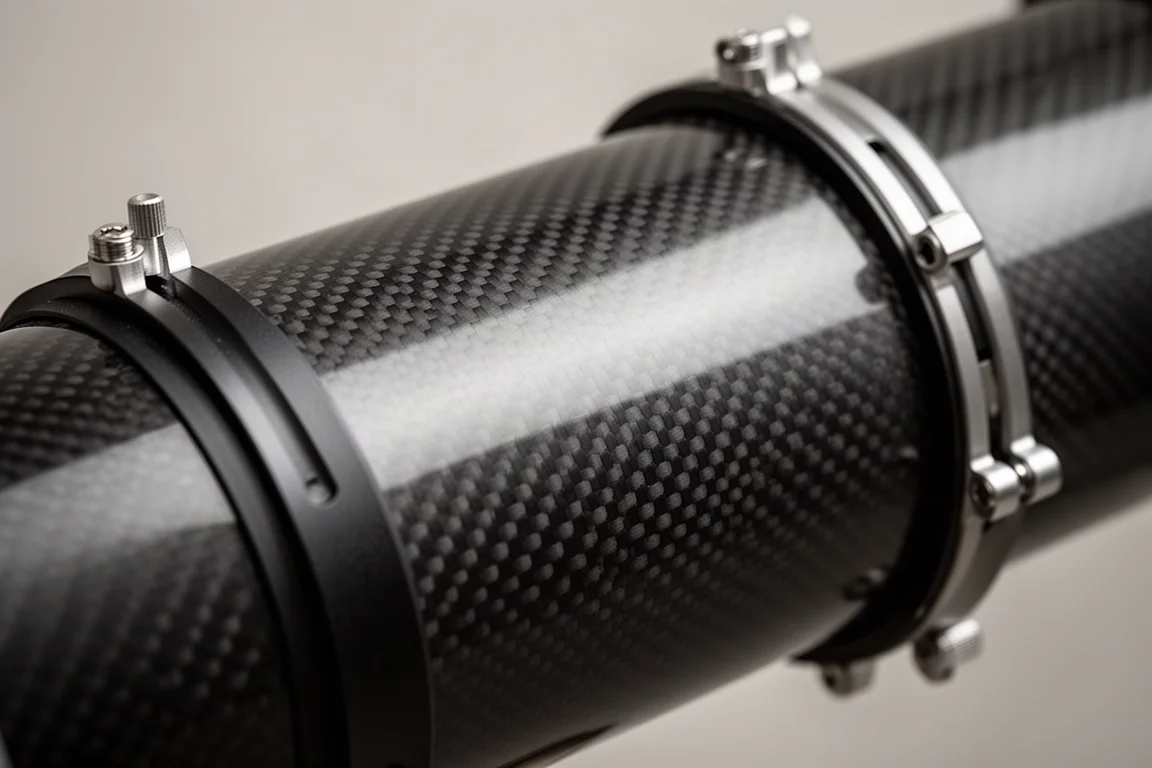
The tube is carbon fiber, which keeps the optical tube assembly remarkably light at 8.7 lb while also helping with thermal stability. The light weight is a genuine advantage for portability, and it makes the AN160 easier to pair with popular smaller mounts, broadening the range of setups it can live on.
Focuser and Camera Compatibility
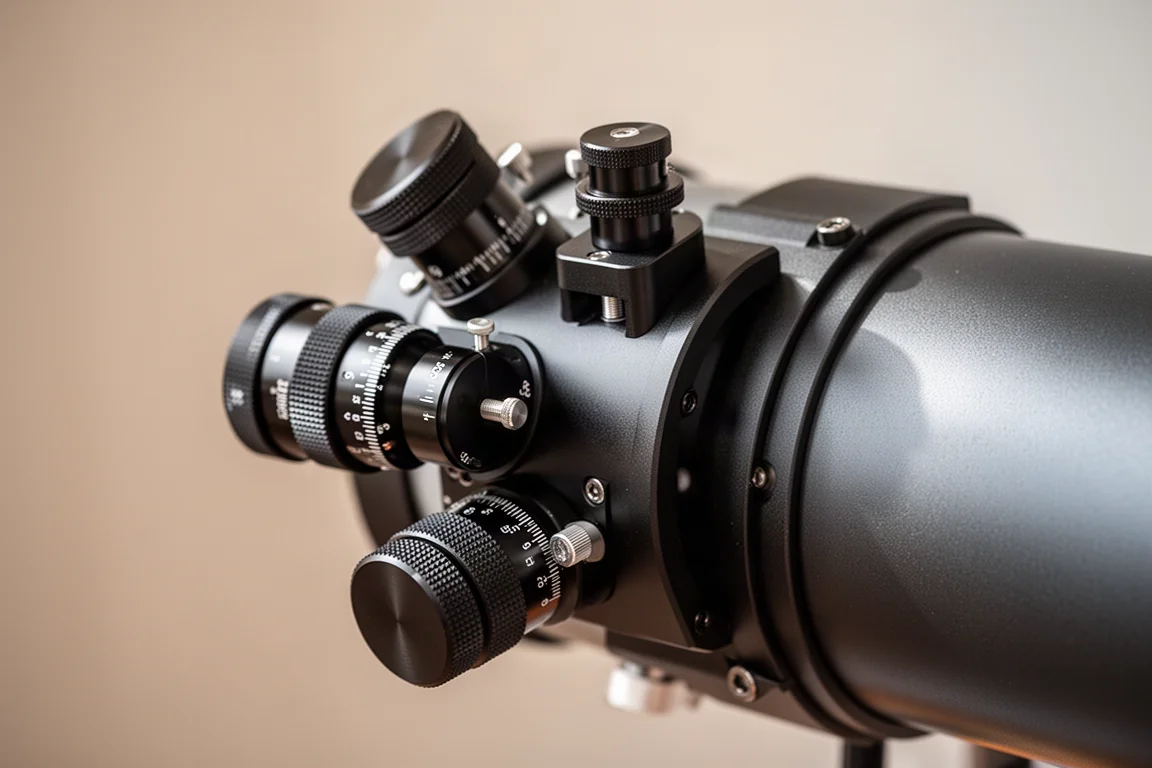
The AN160 ships with a dual speed rack and pinion focuser offering 25mm of travel, and it is compatible with electronic focusers if you want to automate focus. For an imaging-first telescope, that flexibility is practical: manual fine focusing during setup, then hands-off focus management during long unattended sessions.
Camera attachment is handled through the included adapters, so connecting your imaging camera is straightforward out of the box.
What’s in the Box
The package is generous for an imaging Newtonian. You get the OTA, two tube rings, a 230mm dovetail plate, a multi-functional handle, the 0.95x coma corrector, and adapters for camera attachment. In practice, that covers most of what you need to mount the scope, balance it, and attach a camera without buying separate accessories first.
Buying Advice
The Askar AN160 stands out as one of the best fast imaging Newtonians on the market, combining more aperture, faster optics, and sharp APS-C performance in a compact package. If your targets are wide-field deep sky objects and your mount is on the smaller side, its light carbon fiber tube and fast F3.4 system make a compelling match.
Before buying, be honest about collimation: it is the main skill the AN160 asks you to bring. If you are willing to spend a few minutes aligning the primary mirror and locking it in, the rewards come every clear night in the form of faster, sharper, wide-field imaging.
Conclusion
The AN160 delivers a rare combination for deep sky imagers: 160mm of aperture, a 544mm F3.4 imaging system with the included coma corrector, APS-C-ready correction, and a light 8.7 lb carbon fiber OTA. For anyone building a fast, portable deep sky imaging rig, it deserves a close look.
Product link
View more details for Askar AN160
This product is mentioned in the review. Check the specifications, options, and compatibility before buying.
View more details for Askar AN160Further reading
Related Reviews
Astrophotography
ASKAR FRA400C Review: A Versatile 400mm Refractor for Astrophotography and More
The ASKAR FRA400C is a compact 72mm refractor that balances reach, versatility, and portability for astrophotographers and visual observers.
Astrophotography
Askar SQA106 Review: A Premium 106mm Astrograph With Exceptional Optics
The Askar SQA106 is a premium 106mm quintuplet astrograph with impressive sharpness across full-frame sensors, though its price and weight demand careful consideration.
Astrophotography
Astro Imaging Gear 2026: Eight New Products Worth Watching
A look at the most interesting new astrophotography and astronomy products announced this year, from fast telescopes to smart cameras and wireless accessories.