Astrophotography
Askar 131F Review: A Flat-Field Quadruplet Built for Deep-Sky Imaging
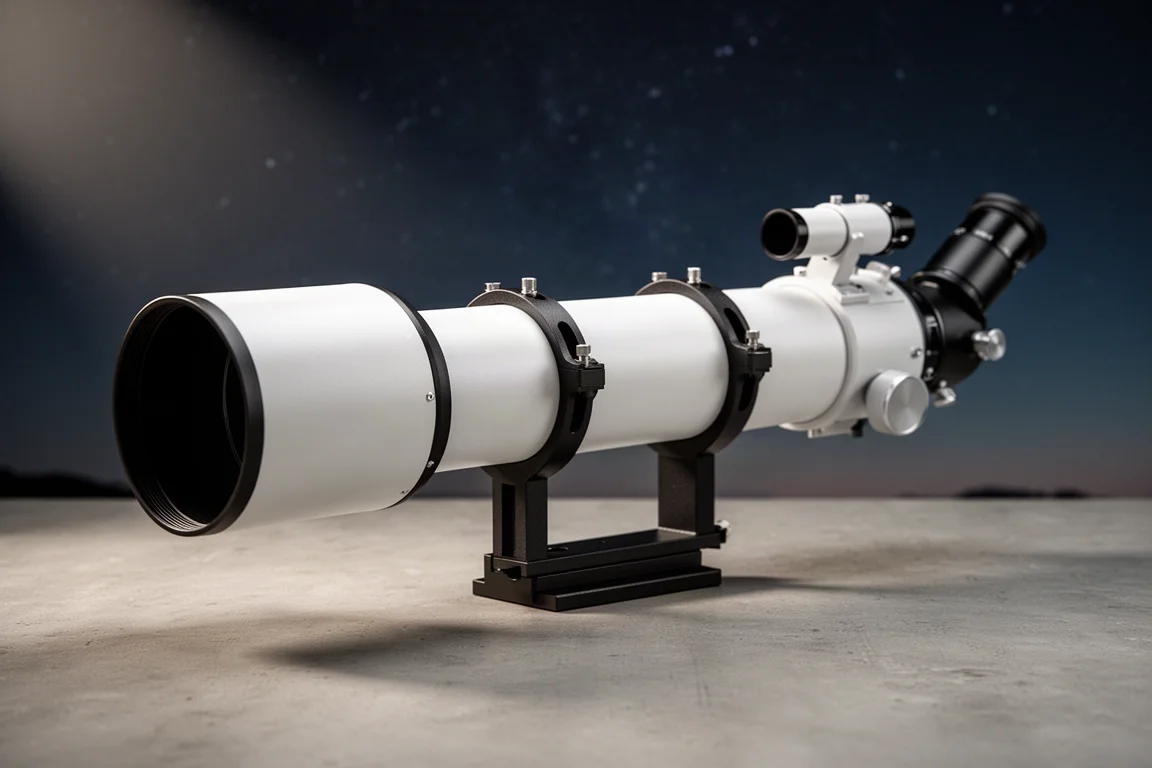
A 131 mm aperture, 983 mm focal length flat-field quadruplet refractor designed to get deep-sky astrophotographers imaging quickly, with no external flattener required.
Introduction
The Askar 131F is a flat-field quadruplet refractor telescope aimed squarely at astrophotographers who want more focal length and aperture for deep-sky imaging. With a 131 mm aperture, a 983 mm focal length at F7.5, and a built-in flat-field design, it promises a simpler path to sharp, detailed images of smaller deep-sky targets without buying extra corrective optics.
What the Askar 131F Is Built For
This is a telescope made for getting zoomed-in detail on targets that a shorter focal length refractor struggles to fill the frame with: smaller galaxies, globular clusters, planetary nebulae, and detailed sections inside larger nebulae. The longer reach is the entire point of the 131F, and it is one of the main reasons an imager would step up to this class of instrument.

The optical design is a quadruplet air-spaced APO with one ED element, which helps control chromatic aberration and keeps stars looking clean and sharp. That matters most on long exposures, where color fringing around bright stars is one of the most common complaints with lesser designs.
The Flat-Field Advantage
The biggest practical benefit of the 131F is its built-in flat-field design. You do not need to buy a separate field flattener or spend nights working through back-focus math. Connect your camera, reach focus, and you are ready to start imaging. For anyone who has wrestled with spacing adapters on a conventional refractor, that simplicity is a genuine quality-of-life upgrade.
It also supports a full-frame 44 mm image circle, so it is ready for larger sensors on dedicated astronomy cameras or DSLRs. Wide sensor coverage means you are not forced to crop away the edges of your frame to escape field curvature.
Focal Length and the Optional Reducer
At its native 983 mm and F7.5, the 131F sits in a useful zone for smaller deep-sky objects. An optional reducer brings the scope down to 733 mm at F5.6, giving the same telescope a faster, wider mode for larger nebulae and other extended targets. Two working configurations in one optical tube gives you flexibility without a second purchase decision.
Hardware and Build Details
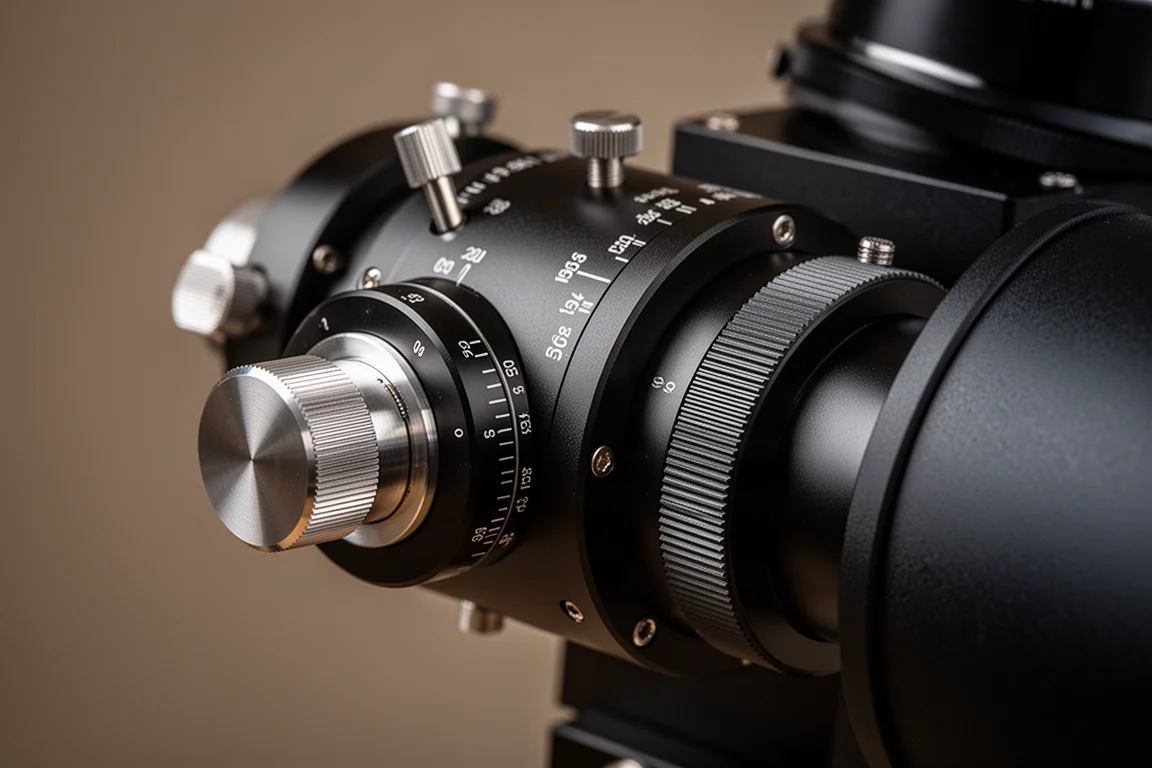
The 131F ships as a serious imaging package. Around the optical tube you get a sturdy 3-inch rack-and-pinion focuser with a 1:10 fine adjustment, a 360-degree rotator for framing your target, dual finder bases, a retractable dew shield, and included photographic adapters with M48 and M54 connections.
The mounting hardware is included too: two tube rings, a handle, and a 300 mm Losmandy-style dovetail plate. The whole assembly weighs 20.7 lb, so it feels ready for a proper imaging rig right out of the box rather than needing an immediate round of accessory shopping.
Who the Askar 131F Is For
This telescope suits astrophotographers who want more focal length, bigger aperture, a clean flat field, and a long list of objects to shoot. If your imaging interests lean toward smaller galaxies, tight clusters, and compact nebulae, the 131F’s native reach makes those targets far more practical than a short wide-field scope would.
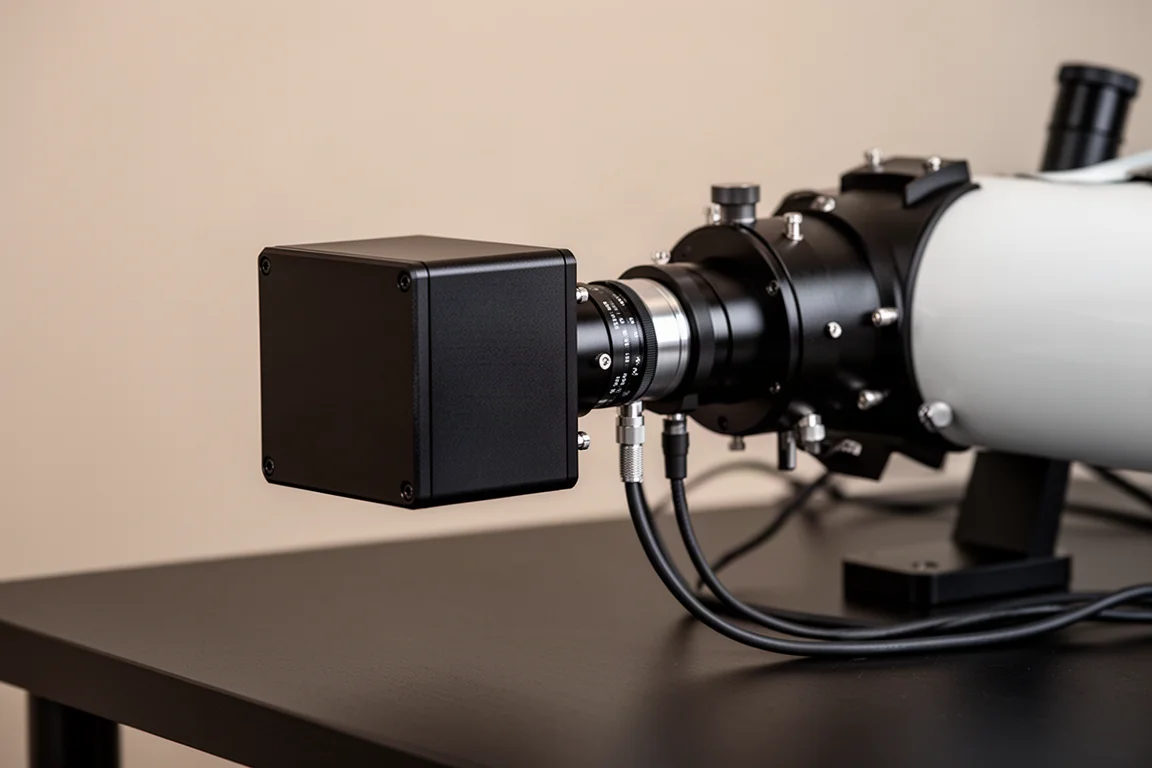
It is also a good fit for imagers who value simplicity in the optical chain. The integrated flat-field design removes the flattener-and-spacing puzzle entirely, which keeps setup time down and gets you imaging sooner on clear nights.
Things to Consider Before Buying
The 20.7 lb total weight means you should plan your mount accordingly; a capable equatorial mount is essential to get the most from a telescope of this class. And while the native configuration is the headline, if you want the faster, wider 733 mm F5.6 field of view you will need the optional reducer, so factor that into your budget if wide-field work is part of your plan.
Buying Advice
If you are choosing between a shorter wide-field refractor and something with real reach, the Askar 131F makes a strong case as the single telescope that covers smaller deep-sky targets well while still supporting full-frame sensors. Buyers who mostly shoot large nebulae may prefer a faster, shorter instrument, but for detail-oriented deep-sky work the flat-field quadruplet design and included hardware package make this a complete, ready-to-image solution.
Conclusion
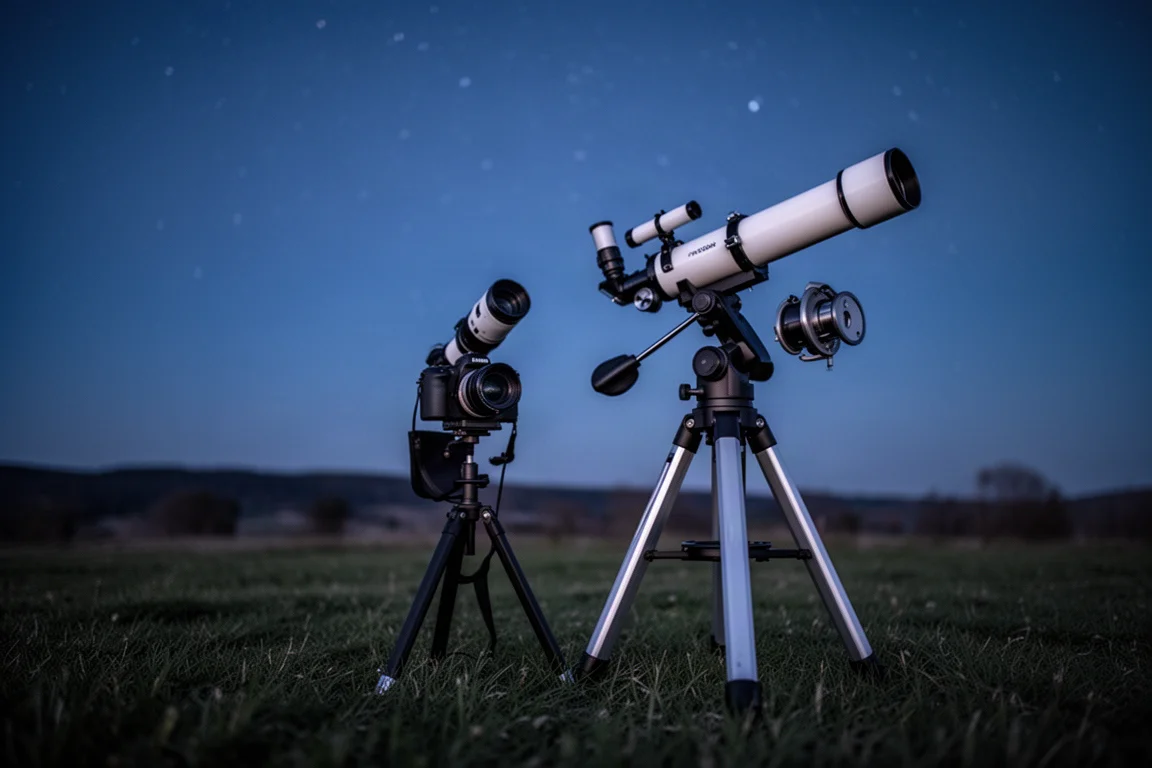
The Askar 131F combines a 131 mm aperture, 983 mm focal length at F7.5, a built-in flat-field design, and a full-frame 44 mm image circle in a package that arrives ready for a serious imaging rig. For astrophotographers who want clean stars, sharper detail on smaller objects, and fewer accessories between camera and sky, it is a solid option worth shortlisting.
Product link
View more details for Askar 131F
This product is mentioned in the review. Check the specifications, options, and compatibility before buying.
View more details for Askar 131FFurther reading
Related Reviews
Astrophotography
ASKAR FRA400C Review: A Versatile 400mm Refractor for Astrophotography and More
The ASKAR FRA400C is a compact 72mm refractor that balances reach, versatility, and portability for astrophotographers and visual observers.
Astrophotography
Askar SQA106 Review: A Premium 106mm Astrograph With Exceptional Optics
The Askar SQA106 is a premium 106mm quintuplet astrograph with impressive sharpness across full-frame sensors, though its price and weight demand careful consideration.
Astrophotography
Astro Imaging Gear 2026: Eight New Products Worth Watching
A look at the most interesting new astrophotography and astronomy products announced this year, from fast telescopes to smart cameras and wireless accessories.