Astrophotography
Askar 130PHQ Review: A Big Refractor for Astrophotographers Ready for a Challenge
A large 130mm flat-field quad astrograph with an optional 0.7x full frame reducer, delivering impressive resolution if you are willing to put in the work.
Introduction
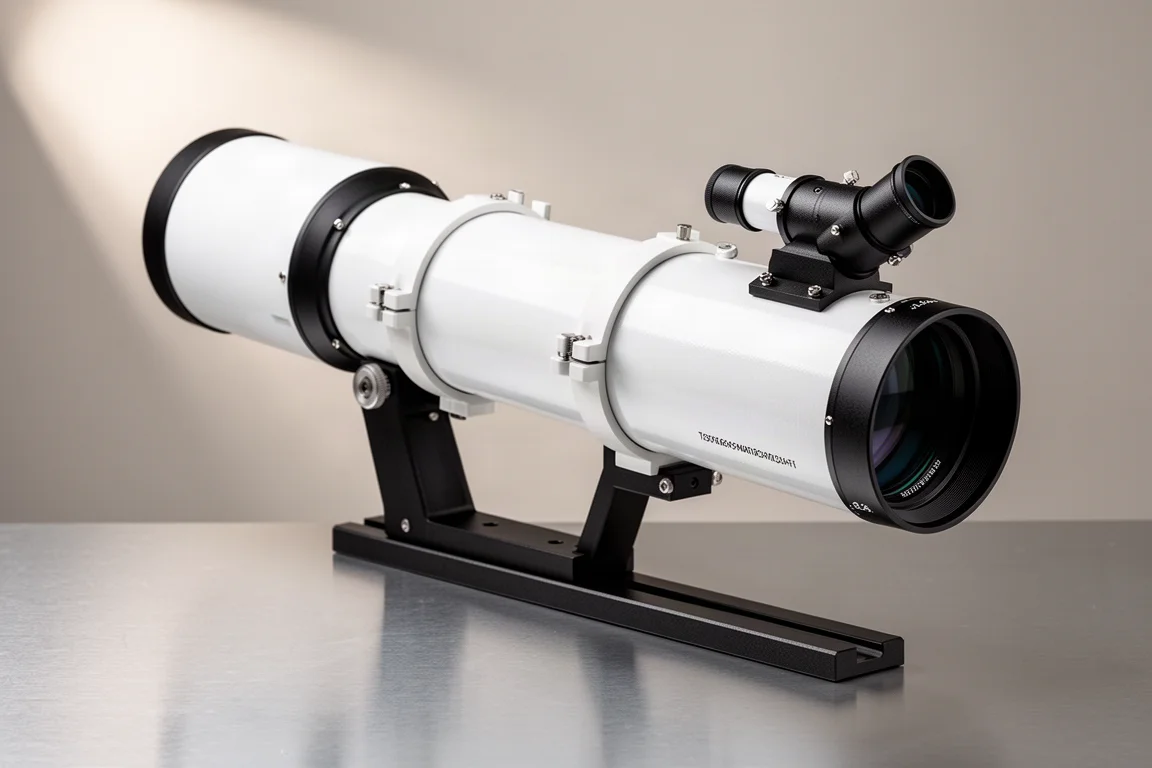
Stepping up from a small wide-field refractor to a large telescope is one of the biggest gear transitions in deep sky astrophotography. The Askar 130PHQ is exactly that kind of step: a 130mm quad astrograph with a native 1000mm focal length at f/7.7, plus an optional 0.7x full frame reducer that brings it down to 700mm at f/5.4.
This review covers the optical results, the hardware, and the practical realities of running a large, heavy imaging telescope. The short version: the resolution and image quality can be genuinely special, but everything around the telescope has to be dialed in first.
Who This Telescope Is For
Large telescopes appeal for one core reason: finer resolution. More dimmer stars, more detail in nebula structures, and detail in small galaxies and background galaxies that smaller scopes simply cannot resolve.
The catch is that taking advantage of that resolution requires everything to go right, and with a big telescope, that is much harder. Many beginners actually find their images improve when they move from a big telescope to a smaller one, because smaller refractors are far more forgiving of imperfect guiding, spacing, and conditions.
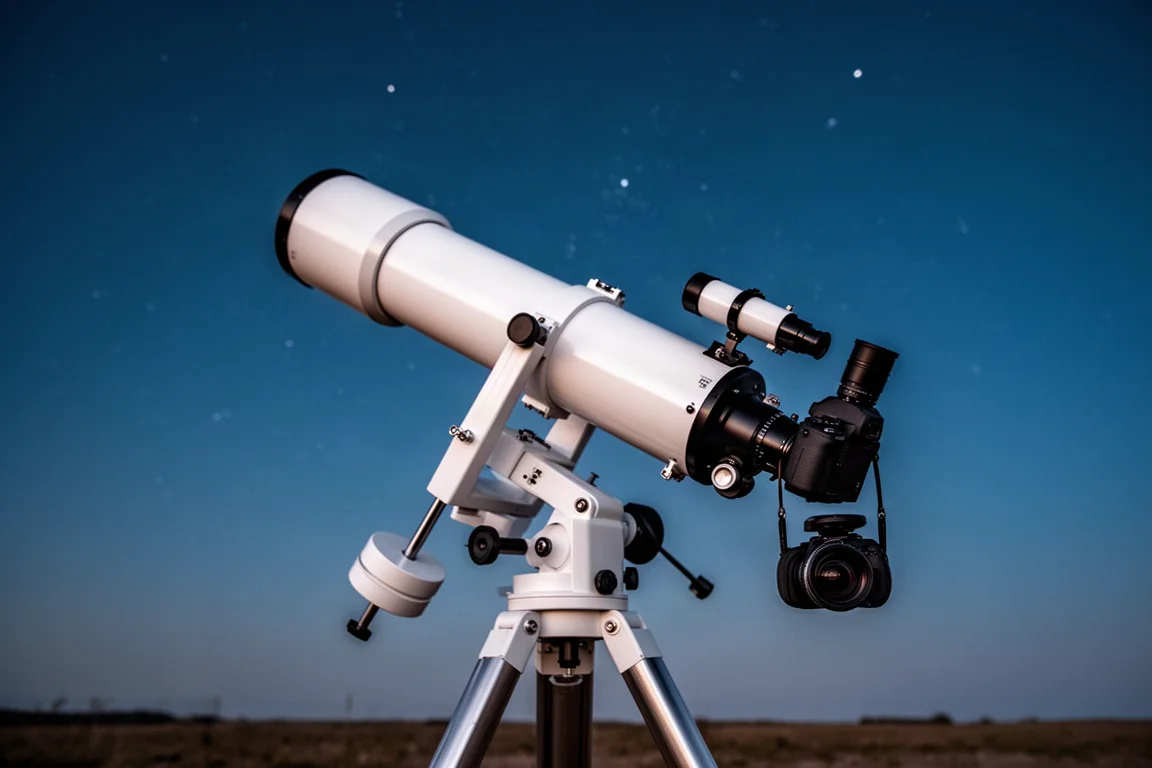
If you are new to the hobby, a 25-pound telescope like this is probably not the right first purchase. But if you have been imaging for a few years and want a new challenge, a big refractor can be exactly that.
Build Quality and Hardware
The 130PHQ is essentially a larger version of the 80PHQ. As a quad design, you can use it without worrying about back focus at native focal length, or run it with the optional 0.7x reducer, which screws into an included adapter stack. Back focus with the reducer is stated as 55mm from the back of the adapter stack to the image sensor.
The mechanical execution is very good. Inside, there are plenty of baffles, and everything down to the adapters has a matte black finish, so there are no shiny surfaces to cause unwanted reflections. The package includes good telescope rings, a long 300mm Losmandy dovetail plate, and a top handle.
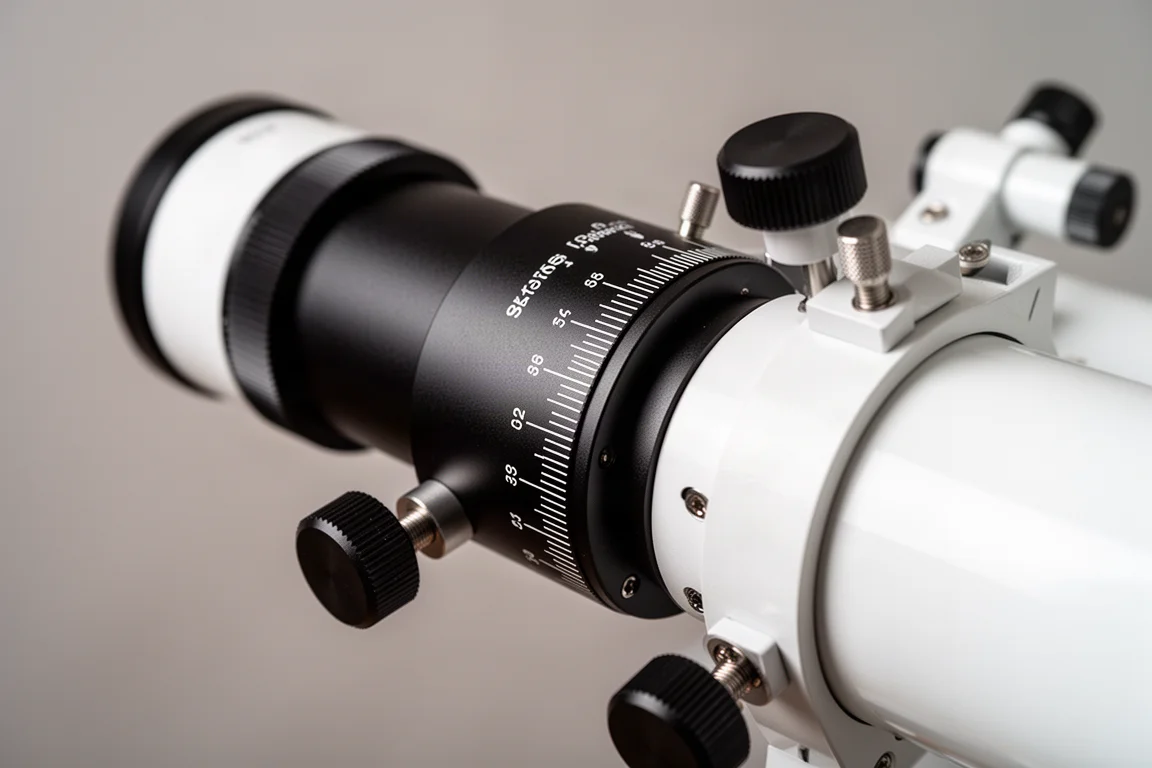
The focuser is a substantial 3.4-inch rack and pinion with distance markings on the draw tube and a manual rotator. One small omission: the 80PHQ includes degree markings on its rotator, and those are missing here.
Optical Performance
Shot at native 1000mm f/7.7 with a full frame one-shot-color camera, star fields look clean with no visible chromatic aberration, even when pushing the whole visible spectrum into focus at once. There is slight corner fall-off, but that appeared to come from the 48mm adapter used for the camera rather than the telescope itself, and it flattens out easily with calibration frames.
An aberration inspector shows the expected slight softening of stars in the corners on a full frame sensor, but the result is still impressive for a flat-field astrograph at this focal length.
With the 0.7x reducer attached, the field of view widens considerably and the corner stars actually look noticeably sharper compared to the native configuration. Vignetting increases slightly since the light cone is larger, but again, flats handle it. Lunar imaging also looked sharp with no false color or haloing, which suggests this could work well as a lunar or solar scope too.
A first night of data with a monochrome, smaller-pixel APS-C camera showed stars elongating outward from the center, a classic sign of insufficient back focus. Adding a 1mm spacer for filter thickness improved things dramatically, though it introduced a tilt issue from the spacer itself. That is not a fault of the telescope; at this pixel scale, tilt and back focus simply need to be correct to fractions of a millimeter.
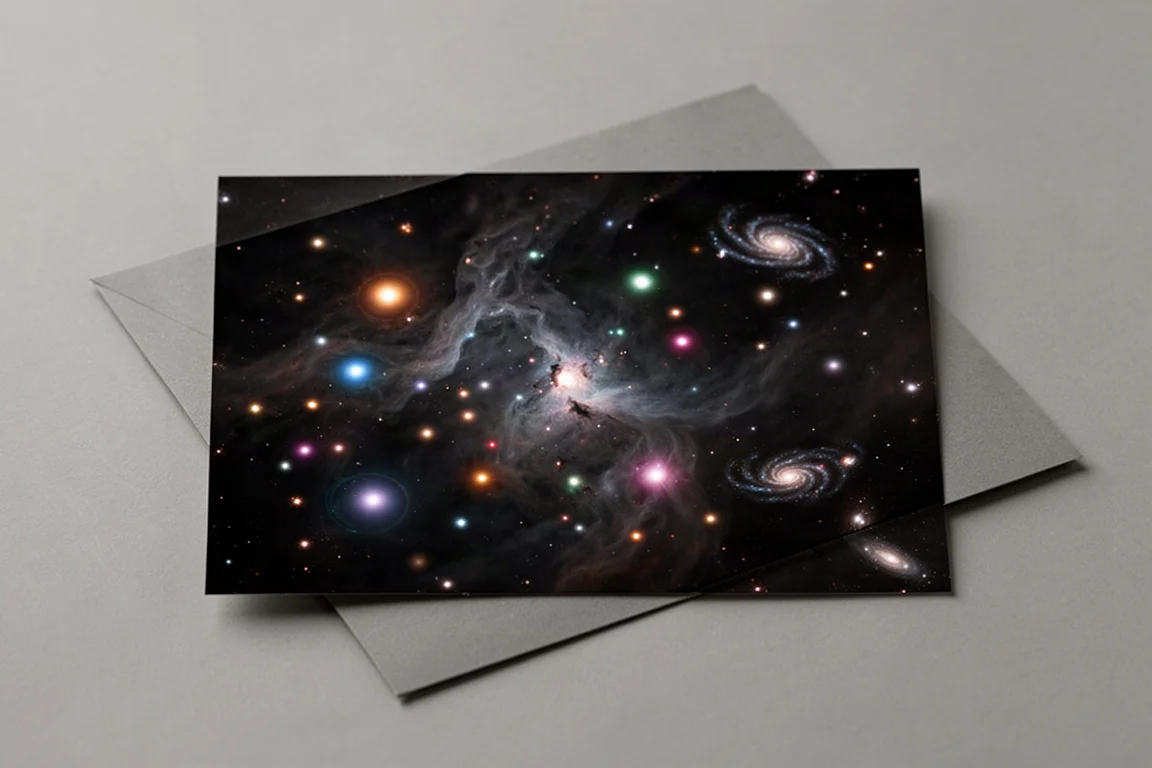
The final result, assembled from two nights of data on a large dusty nebula with tiny spiral background galaxies, was genuinely impressive: detailed dust, colorful stars with clean single-color halos, and a sense of depth that made it one of the best images produced with any setup. The resolution advantage is real.
Things to Consider Before Buying
A large telescope changes your entire workflow. Guiding needs to be dialed in carefully; an off-axis guider is a sensible pairing. Wind catches much more easily on a long optical tube, and even subtle gusts can spike your guiding. Astronomical seeing, which barely matters for wide-field imaging, becomes a real limit: on nights of poor seeing, details below a certain size are simply blurred out no matter what the telescope can do.
Mounting is another consideration. On a standard equatorial mount and tripod, the camera hanging off a telescope this long can hit the tripod legs when slewing near the zenith, which may require a pier extension or portable pier. And on soft, damp ground, a heavy setup can sink unevenly, ruining polar alignment as weight shifts during slews. Those are real-world issues that rarely show up with lighter rigs.
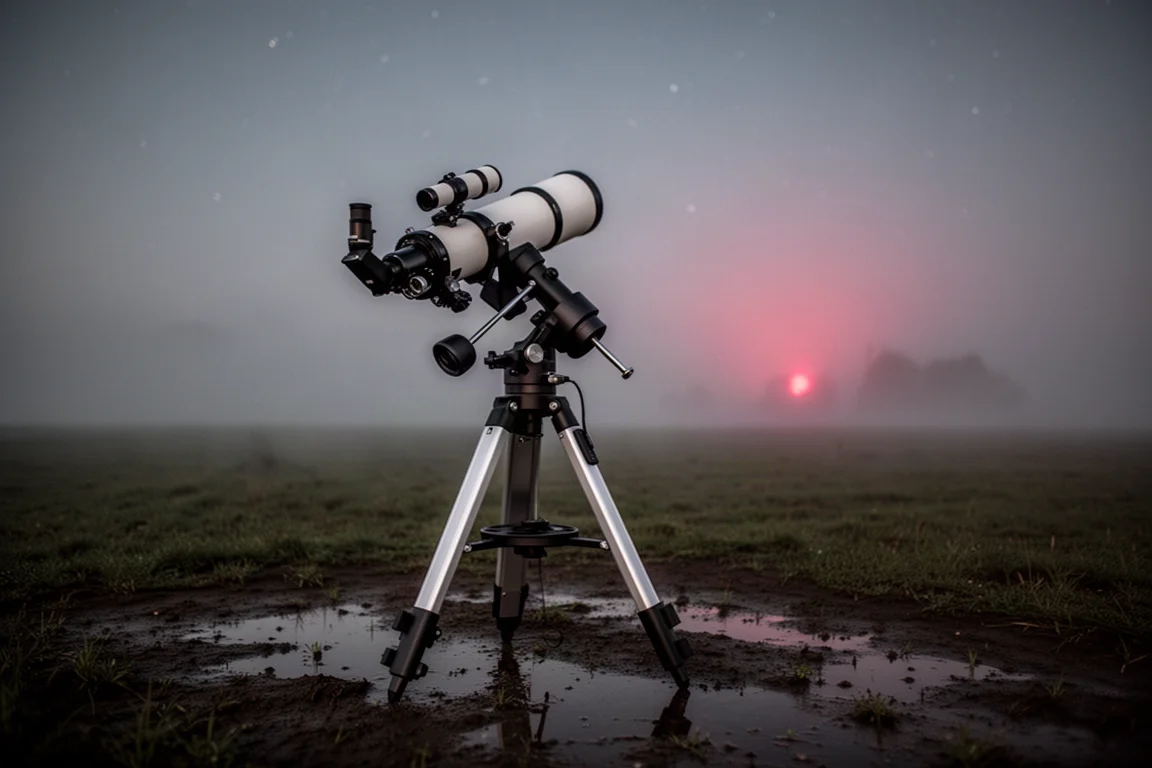
None of this is a deal-breaker, but it defines the ownership experience. This is not an every-night workhorse scope that reliably delivers good data regardless of conditions. It is a special-projects instrument for when you genuinely need the resolution, and for that purpose it is hard to beat.
Buying Advice
At a fair price of $3,500, the Askar 130PHQ delivers an unusual amount of aperture and resolution in a flat-field refractor package, and the included hardware quality backs it up. If you already have solid imaging fundamentals, reliable guiding, and a mount that can carry the weight, this telescope can produce some of the most detailed images you have ever taken. If you are still learning the basics, start smaller and come back to this class of scope later; the resolution reward only arrives once everything else is under control.
Conclusion
The Askar 130PHQ is a challenging but rewarding big refractor. Optically it performs impressively at both 1000mm natively and 700mm with the 0.7x full frame reducer, with clean stars, no visible chromatic aberration, and corner performance that holds up well for a full frame flat-field design. The trade-off is a demanding setup that punishes sloppy guiding, imperfect spacing, wind, and poor seeing. For experienced astrophotographers hunting a new challenge and a genuine resolution upgrade, it makes a strong case.
Product link
View more details for Askar 130PHQ
This product is mentioned in the review. Check the specifications, options, and compatibility before buying.
View more details for Askar 130PHQFurther reading
Related Reviews
Astrophotography
ASKAR FRA400C Review: A Versatile 400mm Refractor for Astrophotography and More
The ASKAR FRA400C is a compact 72mm refractor that balances reach, versatility, and portability for astrophotographers and visual observers.
Astrophotography
Askar SQA106 Review: A Premium 106mm Astrograph With Exceptional Optics
The Askar SQA106 is a premium 106mm quintuplet astrograph with impressive sharpness across full-frame sensors, though its price and weight demand careful consideration.
Astrophotography
Astro Imaging Gear 2026: Eight New Products Worth Watching
A look at the most interesting new astrophotography and astronomy products announced this year, from fast telescopes to smart cameras and wireless accessories.