Astrophotography Telescopes
Askar 111 F Review: A Flat-Field Quadruplet Refractor Built for Deep-Sky Imaging
A 111 mm flat-field quadruplet APO with a 766 mm focal length, full-frame image circle, and an optional 0.74x reducer. Here is how it fits into an astrophotography setup.
Introduction
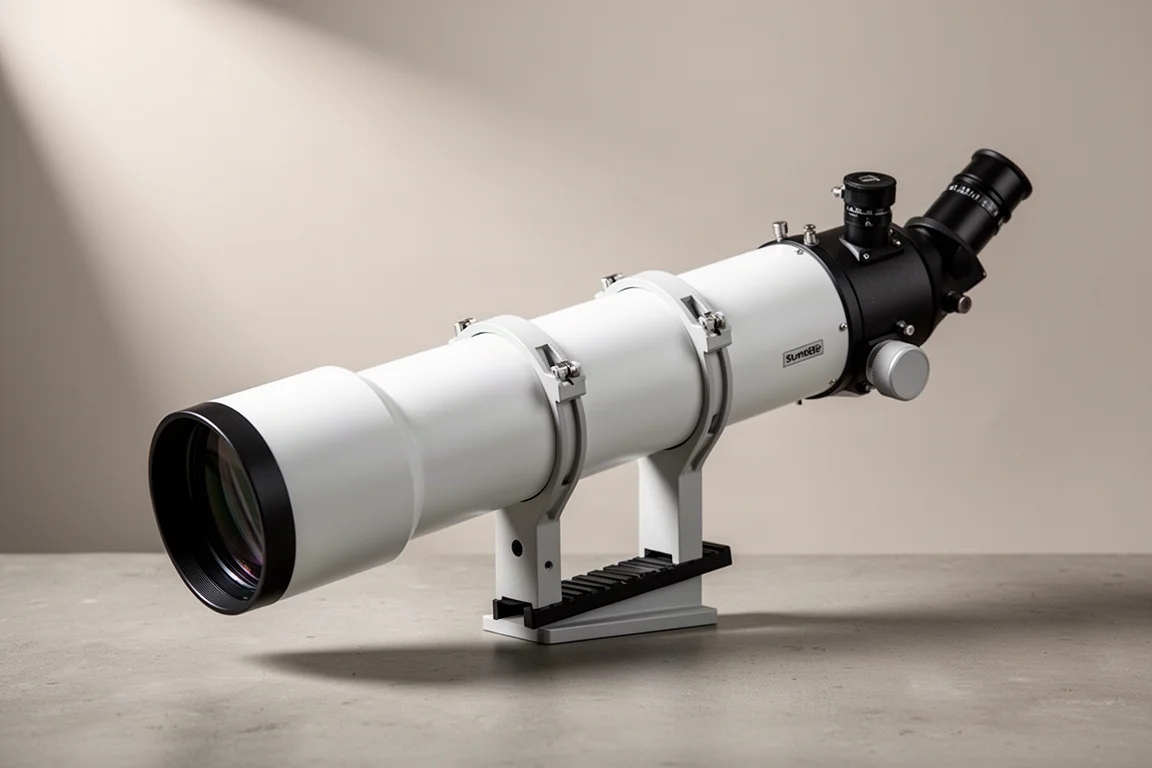
The Askar 111 F is a 111 mm flat-field quadruplet refractor with a 766 mm focal length at f/6.9, positioned as an all-around telescope for deep-space astrophotography. It sits in a genuinely useful middle ground: enough focal length for tighter shots of galaxies, nebulae, star clusters, and the moon, yet still wide enough to frame large deep-sky targets without feeling overly zoomed in.
Flat-field designs like this one remove two common friction points from the imaging workflow. You do not need a separate field flattener, and you do not need to worry about precise back-focus spacing. Connect your camera, reach focus, and start shooting.
Who the Askar 111 F Is For
This telescope suits astrophotographers who want one instrument to cover a broad range of targets rather than a specialist setup for a single niche. If you split your time between smaller galaxies and larger nebulae, the medium focal length makes sense, and the optional 0.74x reducer pushes it even further.
It is also a reasonable choice for anyone who wants a low-maintenance telescope. Because the flat-field design handles the optics for you, less time goes into spacing math and more time goes into imaging.
Main Strengths
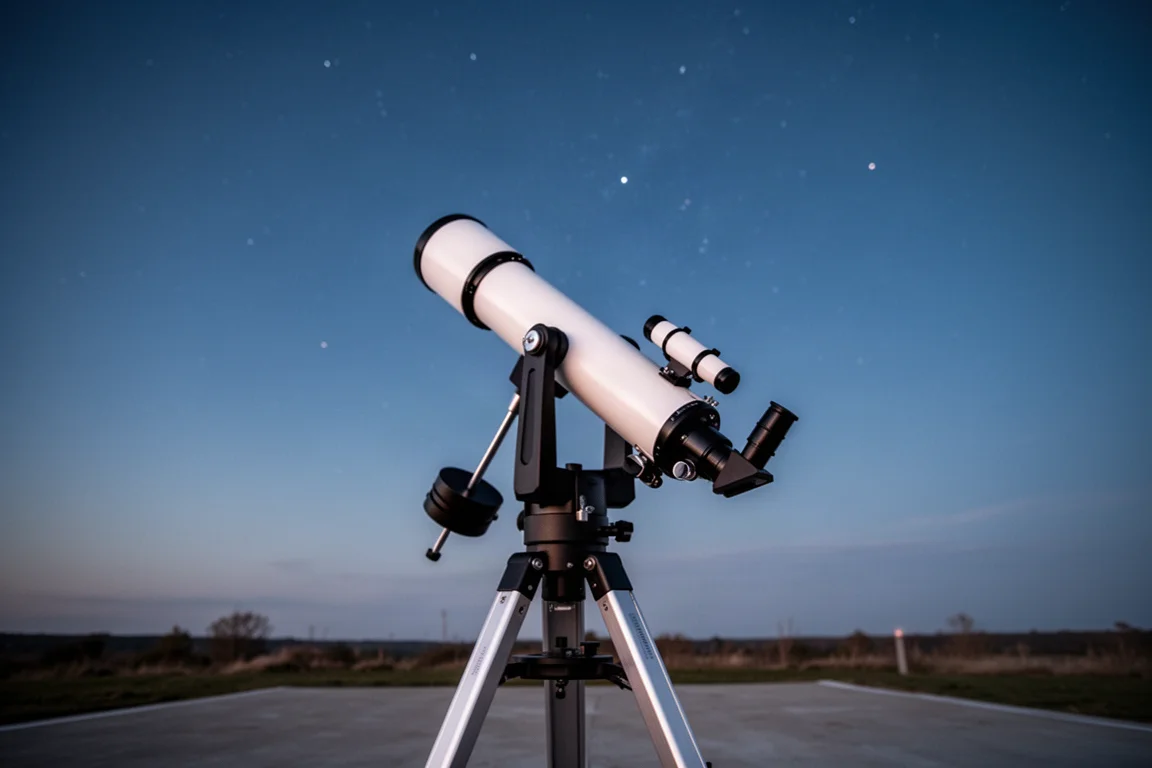
The 111 F uses a quadruplet air-spaced APO design with ED glass, which helps control chromatic aberration. In practice that means sharper stars, better color correction, and no stretched corners across the frame. The 44 mm image circle supports sensors up to full frame, and the optional reducer retains its full-frame image circle as well, which is not always the case with reducers.
The focuser is another highlight. The 3-inch dual-speed rack-and-pinion focuser is well suited to heavier imaging trains carrying accessories such as filter wheels, rotators, off-axis guiders, and cooled cameras. It is also compatible with electronic focusers if you want automated focus control.
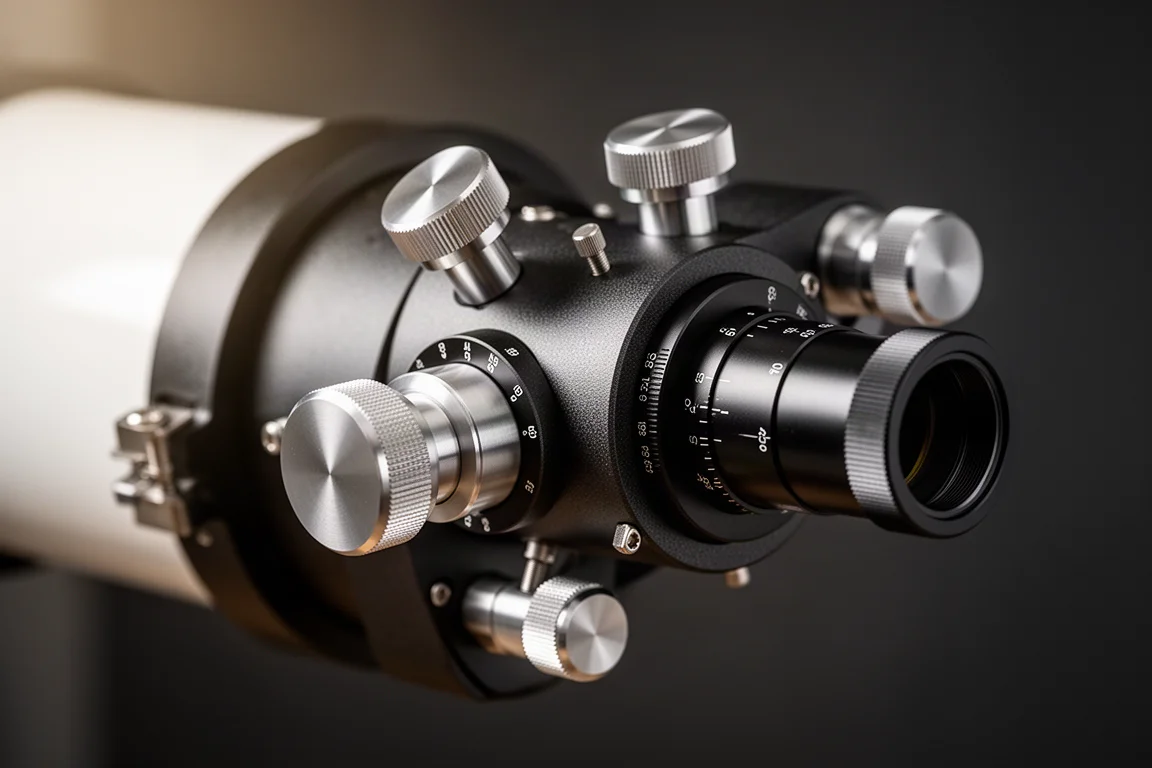
The included accessories round out the package: visual and photographic adapters, mounting rings, a Vixen-style dovetail, a handle, and finder shoes. The telescope works for both astrophotography and visual observing, so it can pull double duty when you want to simply look through the eyepiece.
Things to Consider Before Buying
The main decision point is whether the medium focal length matches your target list. At 766 mm natively, very large nebulae may feel tight, which is exactly what the optional 0.74x reducer addresses, bringing the system to about f/5.1 and 567 mm for wider fields.
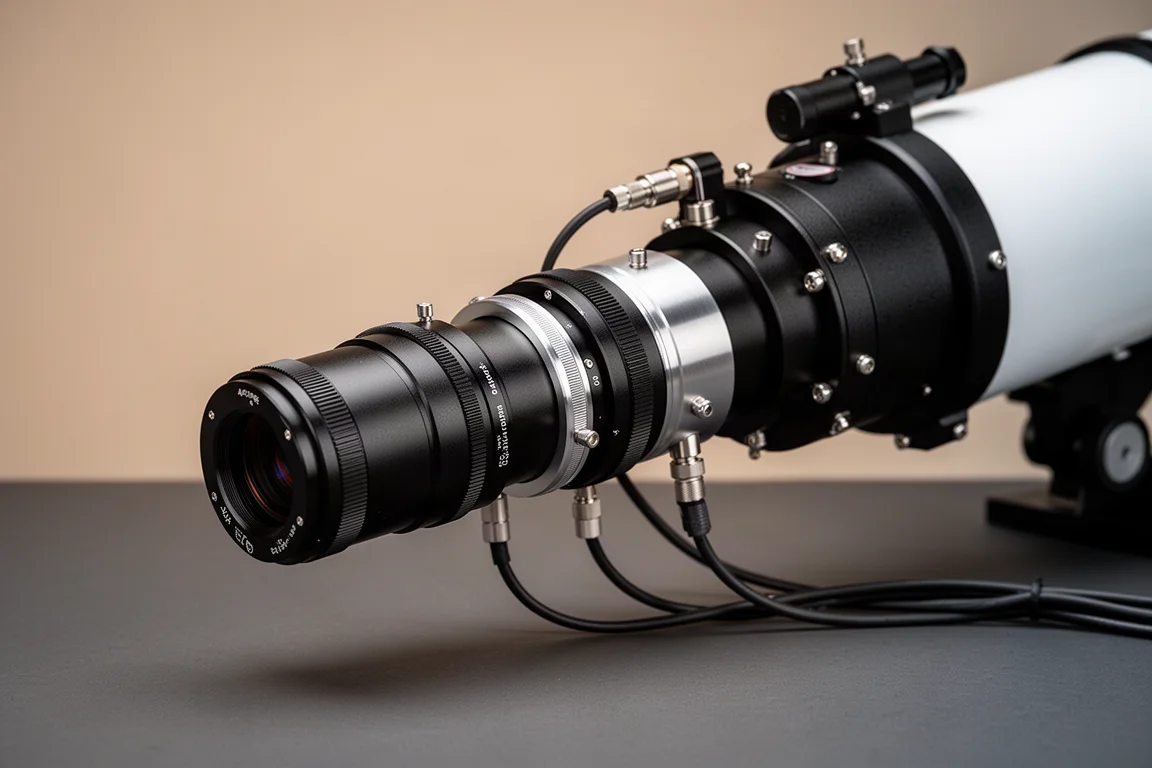
If you plan to use the reducer, plan your imaging train around it early, since that is where most of the flexibility gain comes from.
Buying Advice
For imagers seeking a convenient, well-rounded telescope, the 111 F delivers aperture and enough focal length for a wide array of targets, and the reducer makes it even more flexible. If you want a low-maintenance telescope with a medium focal length at an affordable price, it is a solid choice.

Conclusion
The Askar 111 F balances aperture, focal length, and optical quality in a package that keeps the imaging workflow simple. With its flat-field quadruplet design, full-frame image circle, sturdy focuser, and generous accessory set, it is an easy recommendation for deep-sky astrophotographers who want one versatile telescope rather than several specialized ones.
Product link
View more details for Askar 111 F
This product is mentioned in the review. Check the specifications, options, and compatibility before buying.
View more details for Askar 111 FFurther reading
Related Reviews
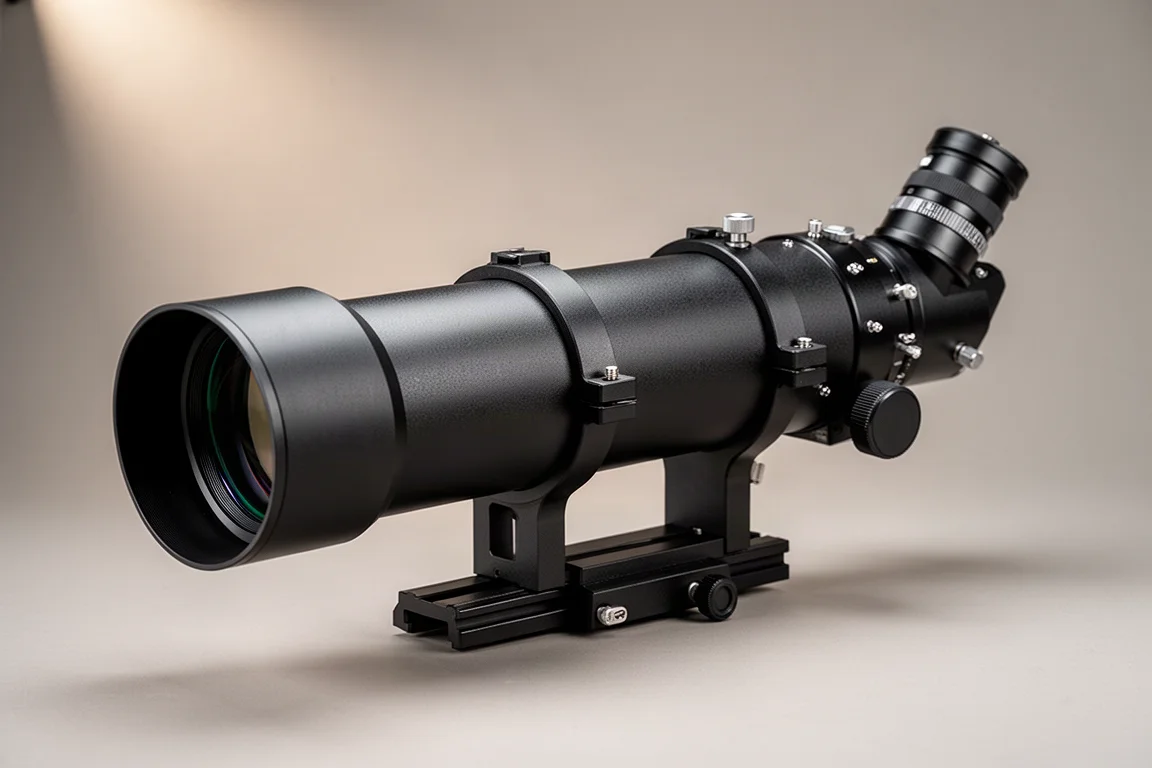
Astrophotography
ASKAR FRA400C Review: A Versatile 400mm Refractor for Astrophotography and More
The ASKAR FRA400C is a compact 72mm refractor that balances reach, versatility, and portability for astrophotographers and visual observers.
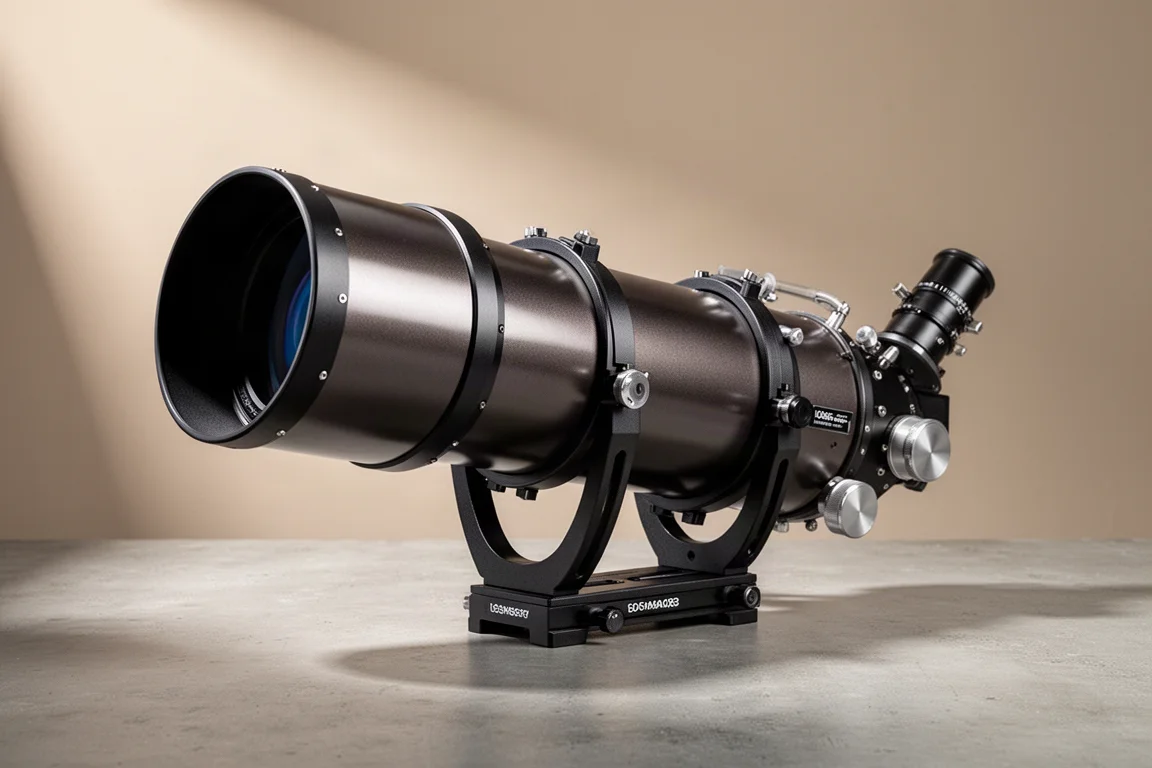
Astrophotography
Askar SQA106 Review: A Premium 106mm Astrograph With Exceptional Optics
The Askar SQA106 is a premium 106mm quintuplet astrograph with impressive sharpness across full-frame sensors, though its price and weight demand careful consideration.
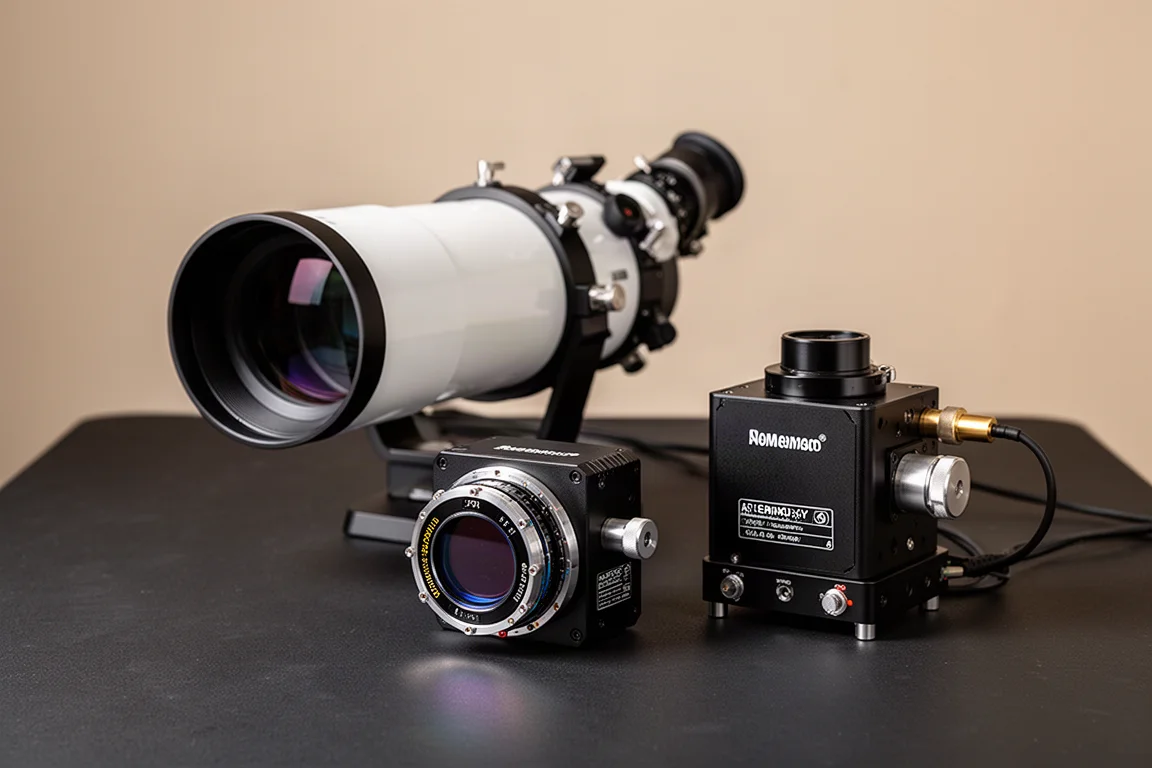
Astrophotography
Astro Imaging Gear 2026: Eight New Products Worth Watching
A look at the most interesting new astrophotography and astronomy products announced this year, from fast telescopes to smart cameras and wireless accessories.