Astrophotography
Askar 103 APO Review: A Flexible Triplet Refractor for Astrophotography
A 103mm triplet apochromatic refractor with three imaging configurations, from native 700mm down to a fast 430mm wide field.
Introduction
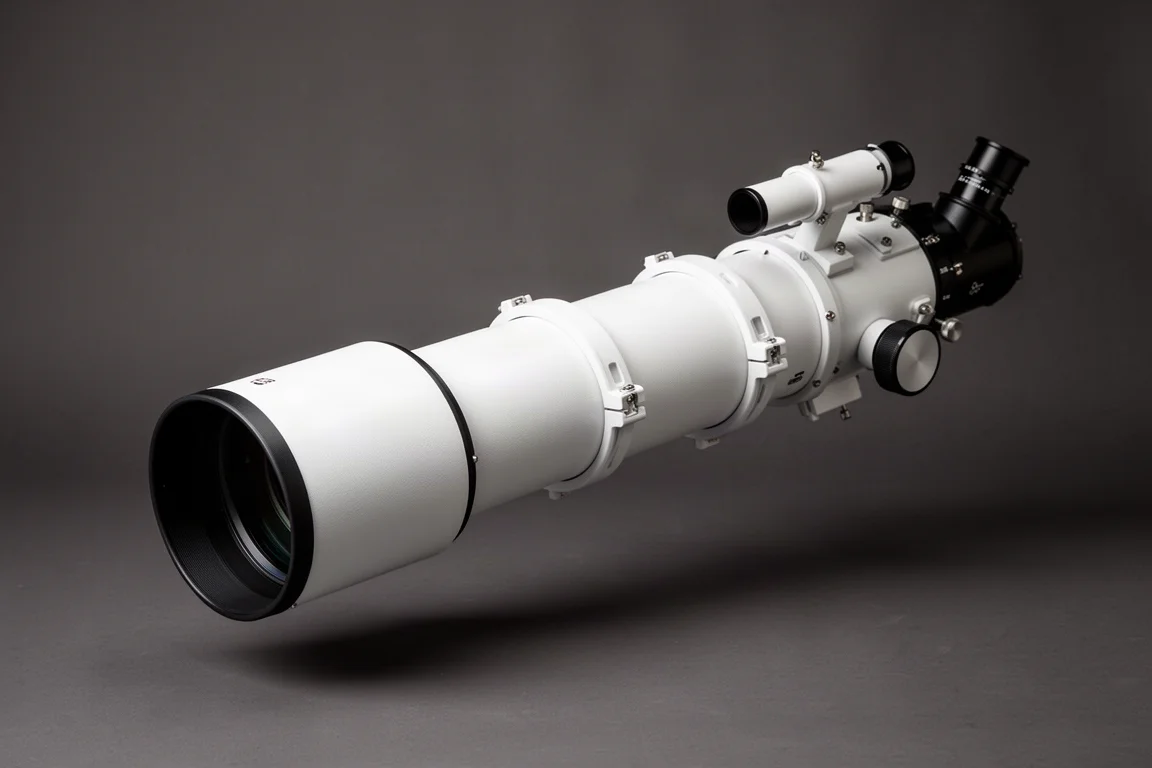
The Askar 103 APO is a 103mm triplet apochromatic refractor aimed squarely at deep-sky imagers who want one optical tube that can cover several fields of view. With a native focal length of 700mm at f/6.8, and dedicated accessories that take it down to 560mm and 430mm, it covers a genuinely useful range of targets from mid-size nebulae to large star fields. After imaging with it under clear skies across three nights, using a full-frame camera and each of its three configurations, it left a strong impression as an affordable but high-quality option in its class.
What the Askar 103 Offers Out of the Box
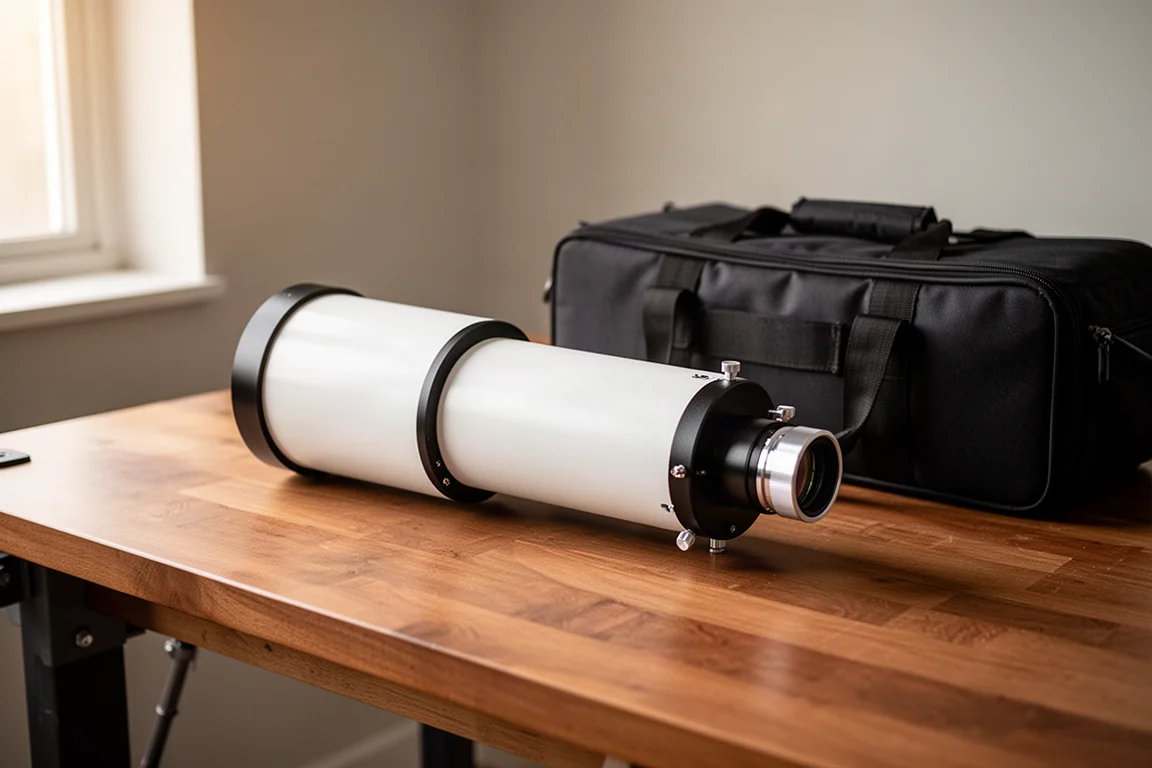
Askar ships the 103 with a dual-speed focuser for precise tuning, a Vixen-style dovetail, and a handlebar for mounting additional accessories. On the rear of the tube there are two Synta-style finder brackets, which is where you can attach items like a guide scope or an ASI Air unit. That mounting flexibility makes it easy to build a complete imaging rig around the scope without improvising brackets.
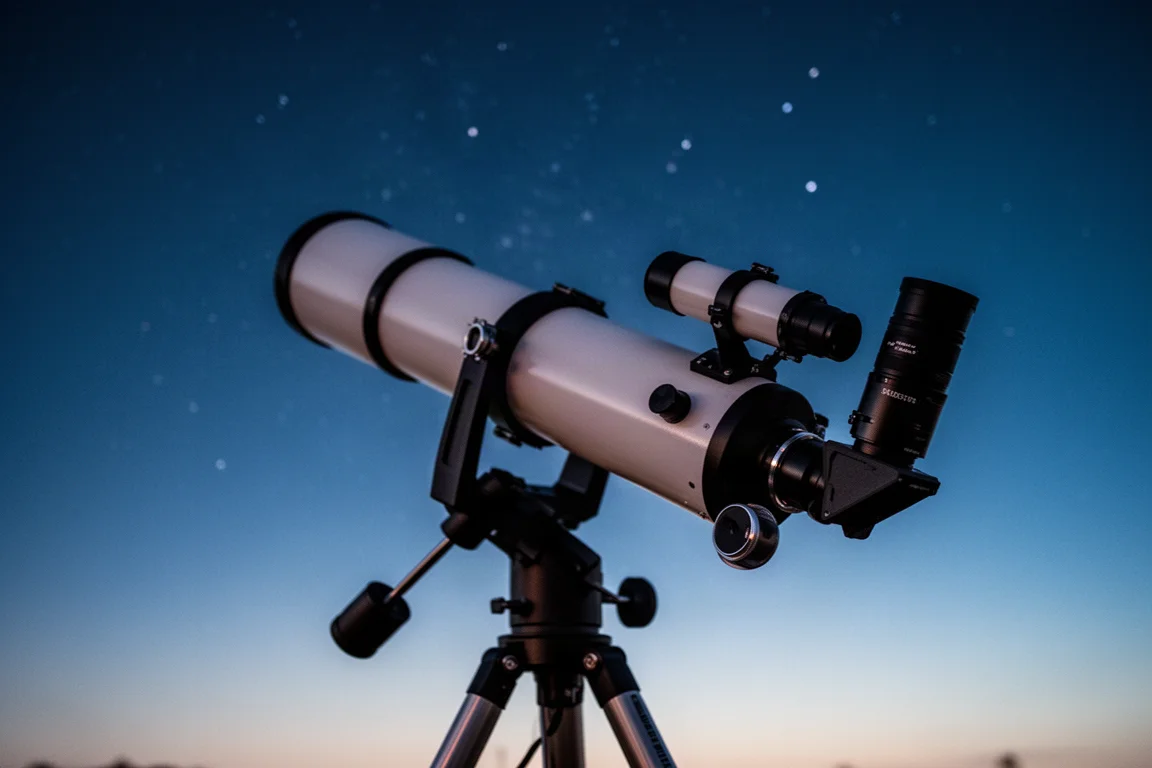
Askar has built a reputation for designing focal extenders, field flatteners, and focal reducers, and the 103 continues that approach. The scope is designed to be paired with a field flattener, a 0.8x reducer, and a 0.6x reducer, each of which changes the focal length and focal ratio in meaningful ways.
Testing the Field Flattener at Native Focal Length
The field flattener keeps the scope at its native 700mm focal length and f/6.8 focal ratio, and it supports full-frame camera sensors. It feels extremely sturdy and well made out of the box, and it includes an integrated 2-inch filter thread, which made it simple to install an Optolong L-Ultimate filter for narrowband imaging of the Heart and Soul Nebula in Cassiopeia.
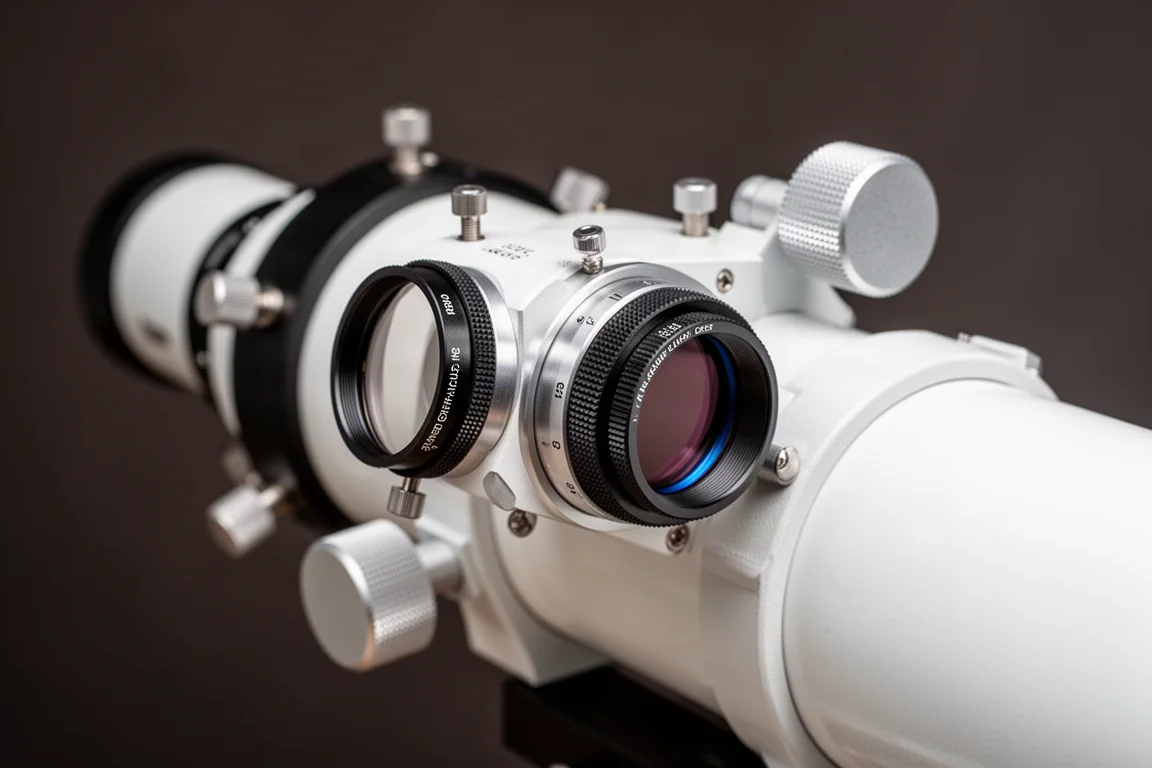
With a full-frame camera attached, the stars examined at a 1:1 ratio looked extremely round, including in the corners. Full-frame correction with the flattener sits at roughly 95 to 98 percent perfect stars. The only notable artifact was a slight comet-tail flare on the very brightest stars, likely influenced by the narrowband filter, while dimmer stars stayed clean and pinpoint.
The 0.8x Reducer: Wider and Faster
The 0.8x reducer brings the scope down to 560mm at f/5.4, giving a wider field of view and a faster optical system. Like the flattener, it has internal threads that accept a 2-inch filter, so the same narrowband workflow carried over directly. It also corrected very well for a full-frame sensor: stars in the center of the field were perfectly round all the way to the edge, with only minor flares on the brightest stars near the corners. Overall correction measured around 90 to 95 percent, which is impressive for a reducer, since focal reducers often trail the field flattener in correction quality.
Comparing the Three Fields of View
Imaging the Heart and Soul Nebula with a full-frame camera made the differences easy to see. With the flattener at 700mm and the 0.8x reducer at 560mm, neither nebula fit entirely in frame. The 0.6x reducer changes that: at 430mm and a fast f/4.08, both the Heart Nebula and the Soul Nebula fit in a single full-frame capture.
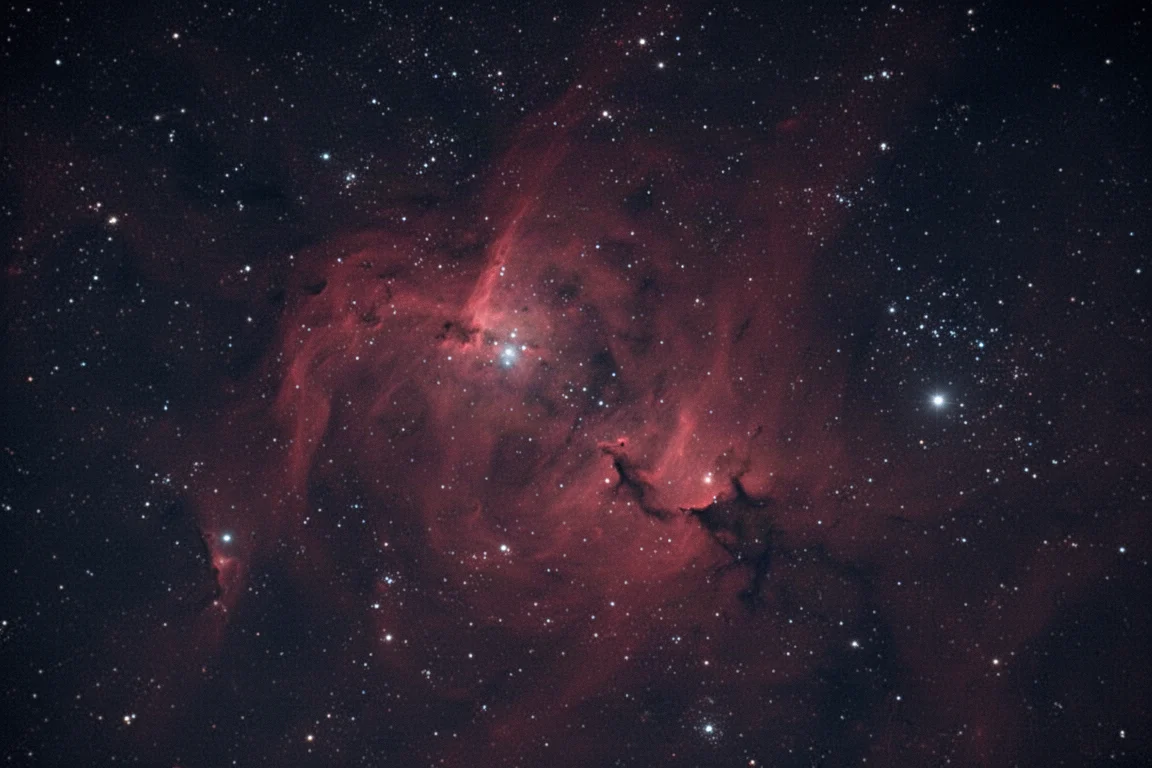
Installing the 0.6x reducer involves removing part of the optical tube and replacing it with the focuser, then attaching the reducer to the end. This actually shortens the tube, making the whole setup a little lighter and more compact for travel. On the stars themselves, there was slight elongation in the dimmer stars toward the far corners, more than with the 0.8x reducer, but for a 0.6x reducer at f/4.0 with a full-frame camera this is a very good result. Cropped to an APS-C field of view, the correction looked even tighter, with only very slight elongation that may have come from guiding rather than the optics.
If you use one of ZWO’s standard deep-sky cameras such as the 533, 2600, or 6200 with medium-sized pixels, none of the three configurations leave you meaningfully under- or oversampled. Any popular deep-sky camera paired with this scope and its flattener or reducers should sample the image well and extract close to the maximum resolution the system allows.
Who This Scope Is For
The Askar 103 APO suits astrophotographers who want one refractor that can shift between a tighter native field and a fast wide-field setup without buying a second telescope. It is particularly appealing if you already shoot with a full-frame or APS-C dedicated astronomy camera, since all three configurations are corrected for those sensors.
Things to Consider Before Buying
The 0.6x reducer requires a partial teardown of the optical tube to install, which is more involved than a simple threaded adapter, though the reward is a shorter, lighter, more travel-friendly package. At f/4.08 with a full-frame sensor, expect slight elongation in the extreme corners; shooting APS-C crops minimizes it. Neither issue is unusual for this class of optic, but they are worth knowing upfront.
Buying Advice
If you are looking for an affordable but high-quality apochromatic refractor, the Askar 103 is an excellent option. The field flattener corrects nearly perfectly for full-frame cameras, the 0.8x reducer corrects almost as well, and the 0.6x reducer performs very well at f/4.08, especially cropped to APS-C. The practical accessory ecosystem and the flexible focal range make it easy to grow into rather than out of.
Conclusion
The Askar 103 APO delivered impressive results across all three of its imaging configurations, with well-corrected stars, sensible mounting hardware, and a genuinely useful focal range from 700mm down to 430mm. For deep-sky imagers seeking a single versatile triplet, it is an easy recommendation.
Product link
View more details for Askar 103 APO
This product is mentioned in the review. Check the specifications, options, and compatibility before buying.
View more details for Askar 103 APOFurther reading
Related Reviews
Astrophotography
ASKAR FRA400C Review: A Versatile 400mm Refractor for Astrophotography and More
The ASKAR FRA400C is a compact 72mm refractor that balances reach, versatility, and portability for astrophotographers and visual observers.
Astrophotography
Askar SQA106 Review: A Premium 106mm Astrograph With Exceptional Optics
The Askar SQA106 is a premium 106mm quintuplet astrograph with impressive sharpness across full-frame sensors, though its price and weight demand careful consideration.
Astrophotography
Astro Imaging Gear 2026: Eight New Products Worth Watching
A look at the most interesting new astrophotography and astronomy products announced this year, from fast telescopes to smart cameras and wireless accessories.