Integrated Amplifiers
Arylic H50 Review: A Feature-Packed Streaming Amplifier With Real Compromises
The Arylic H50 brings HDMI ARC, a phono stage, and streaming to a $400 integrated amplifier, but its streaming platform, coarse tone controls, and thin sound signature are worth weighing first.
Introduction
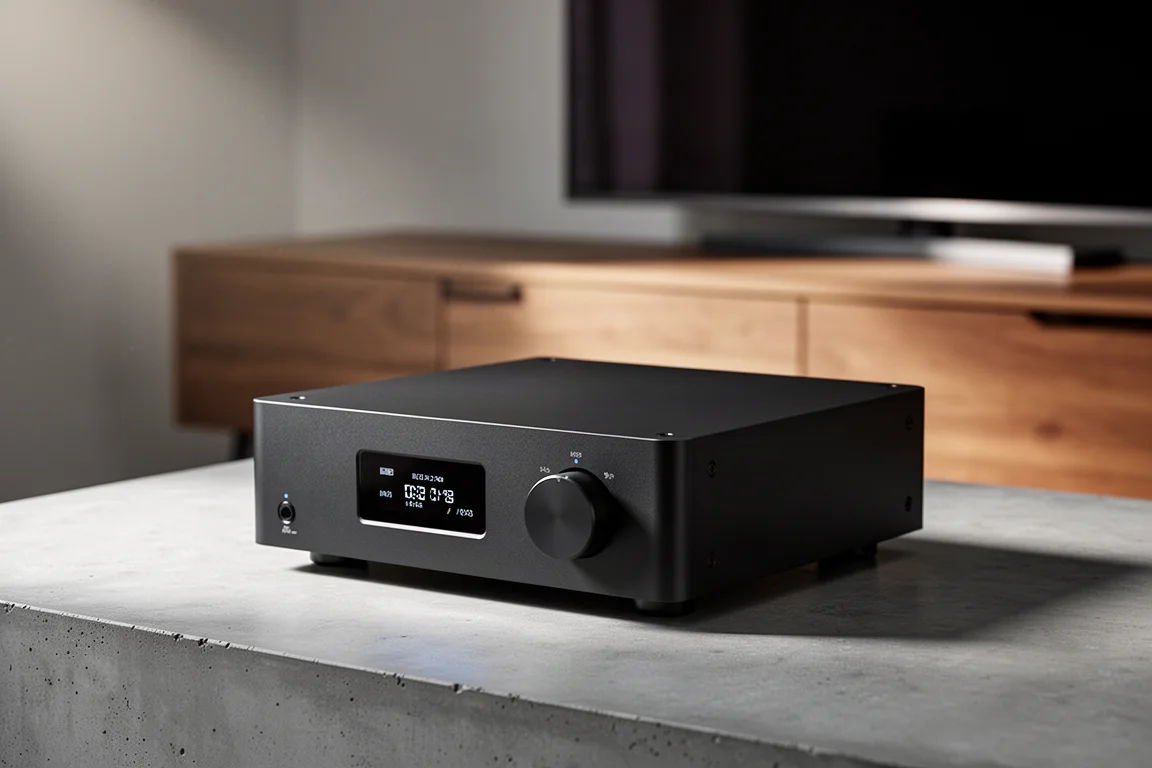
The Arylic H50 is a compact streaming integrated amplifier built around HDMI ARC and priced at $400. On paper it looks like an affordable answer to more expensive two-channel streaming amplifiers, including the SVS SoundBase Pro at roughly $700 to $800 and the Bluesound Powernode at around $300 more.
The feature list is genuinely long. There is a phono input with a built-in phono stage, a second analog input, optical and USB DAC inputs, a subwoofer output, Wi-Fi, Bluetooth, AirPlay 2, wired internet, a USB port for a thumb drive or external hard drive, and a selectable speaker impedance switch on the back. There is even a toggle on the front panel.
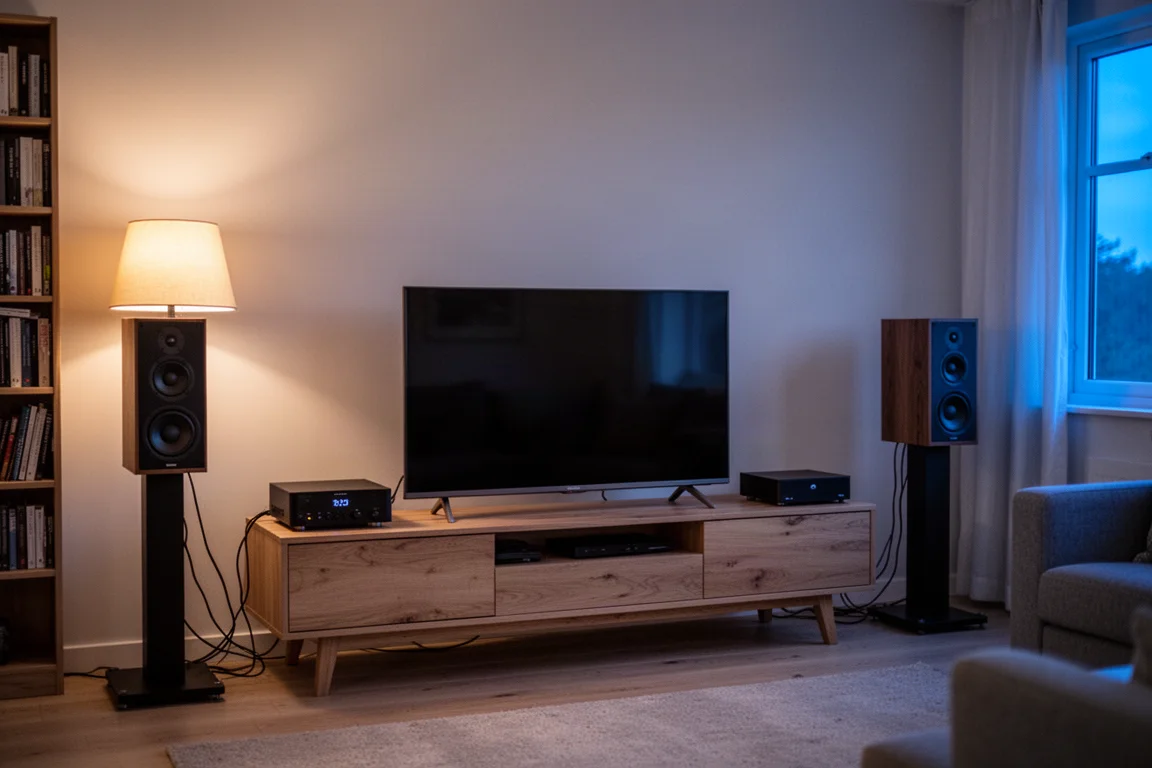
Whether that spec sheet turns into a satisfying amplifier is a separate question. The H50 gets several fundamentals right, but the streaming implementation, the tone controls, and the overall sound signature introduce compromises that matter more than the input count suggests.
Who This Product Is For
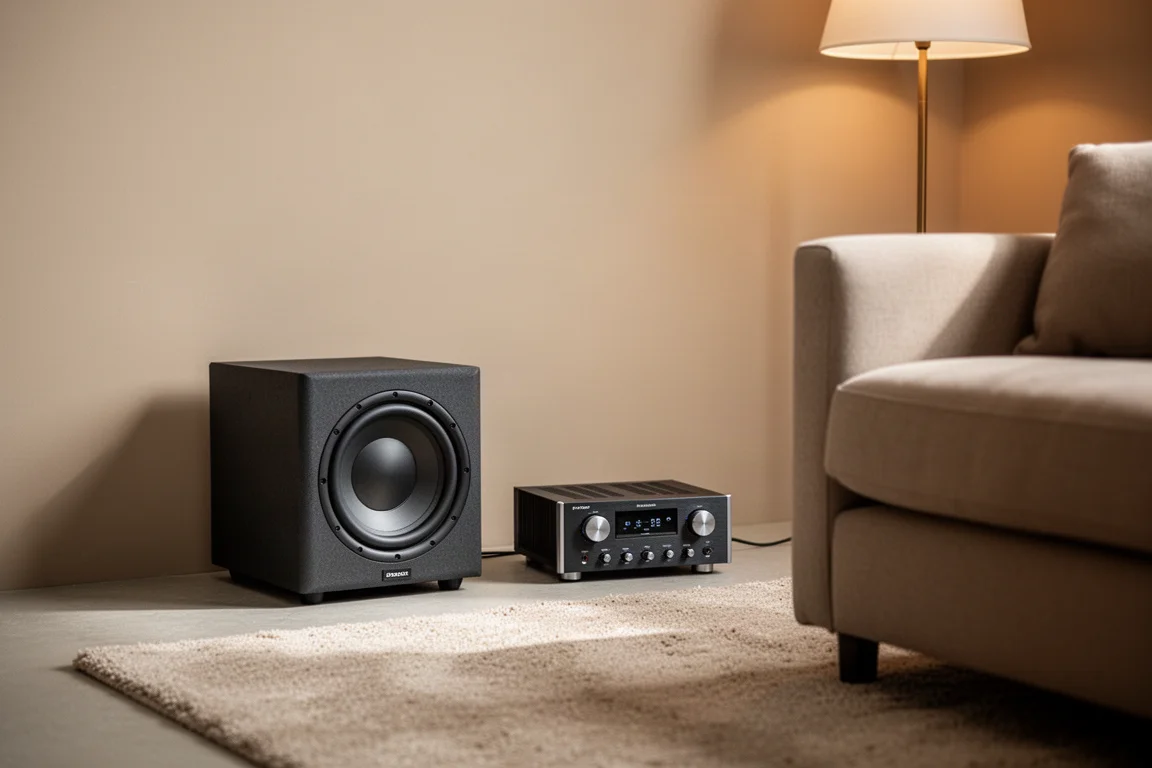
The H50 makes the most sense for a listener who wants one small box to handle a television over HDMI ARC, a turntable, a computer, and a subwoofer, and who is working within a firm budget. That exact combination of connections in a compact chassis is rare near $400.
It is a weaker fit for anyone who already owns a modest two-channel system, or who expects a dedicated amplifier to outperform a soundbar or an AV receiver on music. Buyers with inefficient or low-impedance speakers should also think carefully, because the H50’s presentation leans thin and depends heavily on speaker matching and, in most cases, on a subwoofer.
Main Strengths
HDMI ARC is the headline feature. Most inexpensive amplifiers do not offer HDMI ARC at all, and the two-channel products that do tend to cost considerably more. In practice the connection worked flawlessly: setting the television to output over ARC and plugging in the cable was enough to get audio through the amplifier.
The input set is broad for the money. Speaker binding posts, a phono input with a phono stage, a second analog input, a subwoofer output, an optical input, a USB input for a computer, the HDMI ARC connection, a USB port for a thumb drive or external hard drive, wired internet, Wi-Fi, and Bluetooth cover nearly every source a two-channel listener might want to connect.
The H50 claims 50 watts into two channels at both 4 and 8 ohms, and it ships with a 24-volt, 4.16-amp power supply rated at about 100 watts, which is consistent with that claim. Inside it uses an ESS Sabre ES9023P DAC. AirPlay 2 is supported, and a remote control is included.
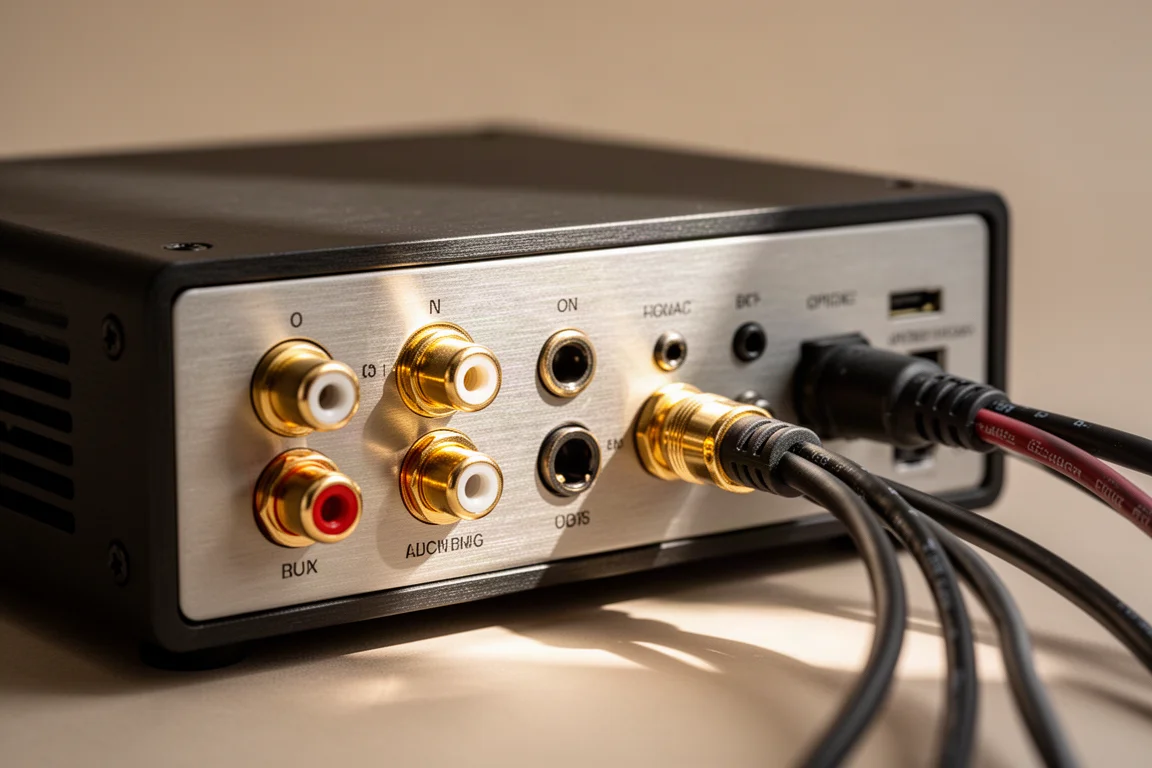
Build quality is better than some earlier Arylic streamers and preamplifiers. The front display is reasonable, the volume knob feels good if a little light, and the chassis looks more substantial than the price might suggest.
Streaming Platform and Day-to-Day Controls
The H50 relies on the 4Stream platform, which also appears in Dayton Audio products and other Arylic models. It is a widely used off-the-shelf foundation, but the implementation here is thinner than what competing platforms deliver. Gapless playback on Amazon Music is missing, and that becomes obvious on continuous albums: playing the first two tracks of Nirvana’s MTV Unplugged produced an audible gap between songs.
The tone controls are the second issue. They are digital rather than variable, so adjustments move in fixed steps of one or two. Only the single-step setting is usable, because a two-step change is heavy-handed. The frequencies chosen also seem poorly judged, with bass adjustments reaching down into the lower mid-range and treble adjustments landing in the upper mid-range. Raising bass tends to cover up other parts of the mix rather than fill it out, and raising treble adds upper vocal emphasis rather than air.
Powering the amplifier down produces an audible pop through both the speakers and the subwoofer, the kind of discharge noise familiar from older car audio installations. On a modern component at this price that is difficult to accept, and it carries real risk for a connected subwoofer. The included remote control works but feels inexpensive.
Sound Quality and Real-World Performance
The H50’s overall sound signature is thin. Paired with a neutral speaker such as the Q Acoustics 5020, the lower mid-range and the bass roll off noticeably. There is decent air and width, but male and female vocals lack fullness and the bass lacks authority. Without a subwoofer, that combination is fundamentally unusable.
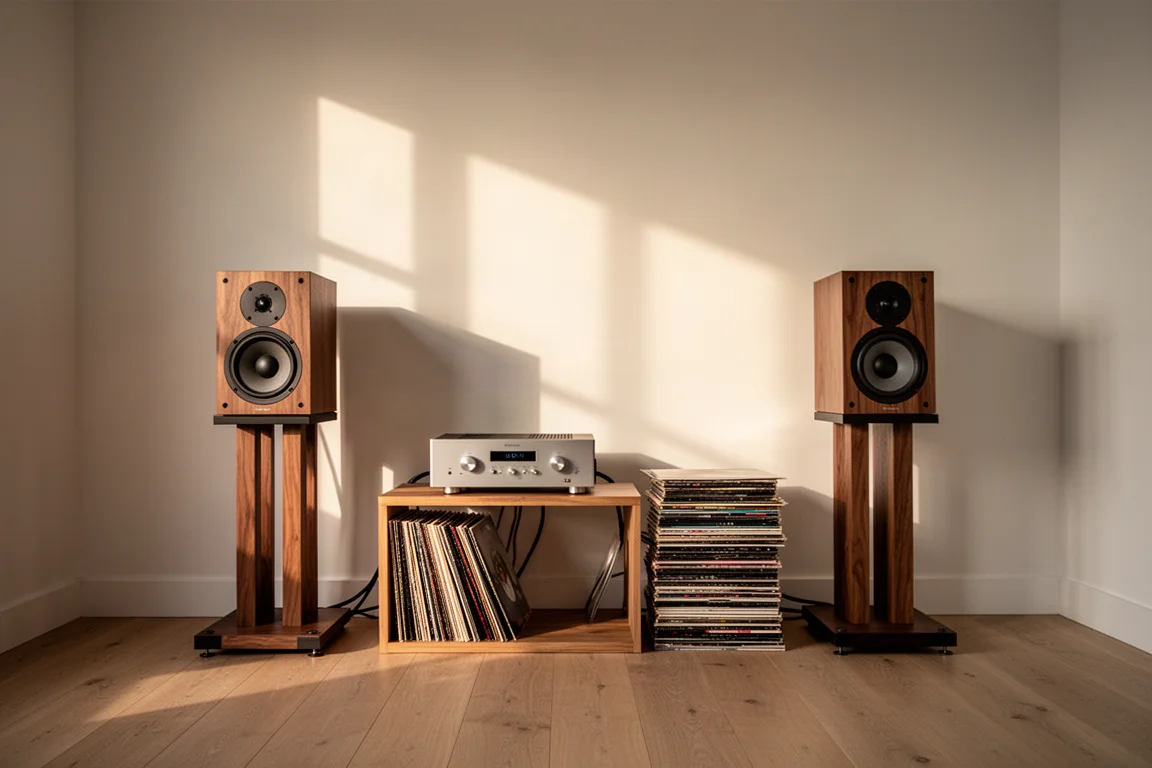
Speaker matching matters more here than with most amplifiers. A speaker with a fuller low end, such as the Acoustic Energy AE300, is likely to offset some of the H50’s leanness. Low-efficiency, low-impedance designs are a harder sell even with the selectable 4-ohm impedance setting. Watching films and television shows through the H50 produced unnatural sounding vocals, so the convenience of HDMI ARC does not fully compensate for the tonal shortfall.
Things to Consider Before Buying
At $400, the H50 sits in an awkward spot. It is roughly half the price of an SVS SoundBase Pro and around $300 less than a Bluesound Powernode, but it does not come close enough to either on sound quality, and the SoundBase Pro manages to sound excellent without offering tone controls at all.
Alternatives at the same budget deserve attention. A new or used AV receiver can be had for similar money and typically offers more HDMI inputs, eARC, and some form of built-in streaming such as AirPlay or Chromecast, with some models adding Tidal Connect. Spending about $100 more opens up options such as the Klipsch The Fives.
Smaller separates are another route. A compact class-D amplifier such as the Fosi Audio BT20A, or an Aiyima A07 or A08, paired with a WiiM Mini or WiiM Pro streamer, costs less overall and covers most of the same functionality apart from the HDMI input, and in some configurations the subwoofer output and phono stage as well. Anyone considering the H50 mainly for music should weigh that against the convenience of a single chassis.
Buying Advice
The H50 can still make sense for a narrow set of buyers: someone who specifically needs HDMI ARC, a phono stage, and a subwoofer output in one compact, low-cost box, and who owns speakers with a warm or full low end. Adding a subwoofer is close to mandatory to compensate for the rolled-off bass.
Everyone else should be cautious. The gapless playback gap, the coarse tone controls, and the power-down pop are not minor quirks, and the sound quality does not match what a modest two-channel setup or a similarly priced AV receiver can deliver. Buyers who decide to try it should purchase from a retailer with a straightforward return policy and budget for a subwoofer.
Conclusion
The Arylic H50 is a genuinely well-equipped amplifier on paper: HDMI ARC, a phono stage, optical and USB DAC inputs, a subwoofer output, AirPlay 2, Bluetooth, and Wi-Fi for $400. HDMI ARC in particular works exactly as it should.
The problems sit in the areas that matter most once the novelty of the feature list fades. Streaming is not gapless, the tone controls are too coarse to be useful, powering down pops through the speakers and subwoofer, and the sound is lean enough that speaker choice becomes a constraint rather than a preference. For the right listener with the right speakers and a subwoofer, it is a workable budget solution. For most buyers, the money is better spent elsewhere.
Product link
View more details for Arylic H50
This product is mentioned in the review. Check the specifications, options, and compatibility before buying.
View more details for Arylic H50Further reading
Related Reviews
Integrated Amplifiers
Advance Paris A10 Classic Review: Vintage Looks and a Lively, Punchy Sound
The Advance Paris A10 Classic pairs glowing blue VU meters and a tube stage with one of the widest input sets on any integrated amplifier. Here is what it does well and what to weigh before spending $2,500.
Integrated Amplifiers
Advance Paris A12 Apex Review: A Modern Integrated Amplifier With Vintage Character
A dual mono integrated amplifier with 180 watts per channel, a tube front end, VU meters, and a connectivity list that covers turntables, televisions, computers, and headphones.
Integrated Amplifiers
Advance Paris Nova Range Review: AI130, AI190 and Modular Upgrades
A practical look at the Advance Paris Nova range, including the AI130 and AI190 integrated amplifiers and the modular streaming, Bluetooth and remote accessories that expand them.