Backpacking Gear
Arizona Trail Thru-Hike Gear Picks: 11 Lightweight Items Worth Testing
Eleven lightweight backpacking items being put to the test on a long desert thru-hike, from shelters and sleep systems to socks, camp shoes, and camera carry.
Introduction
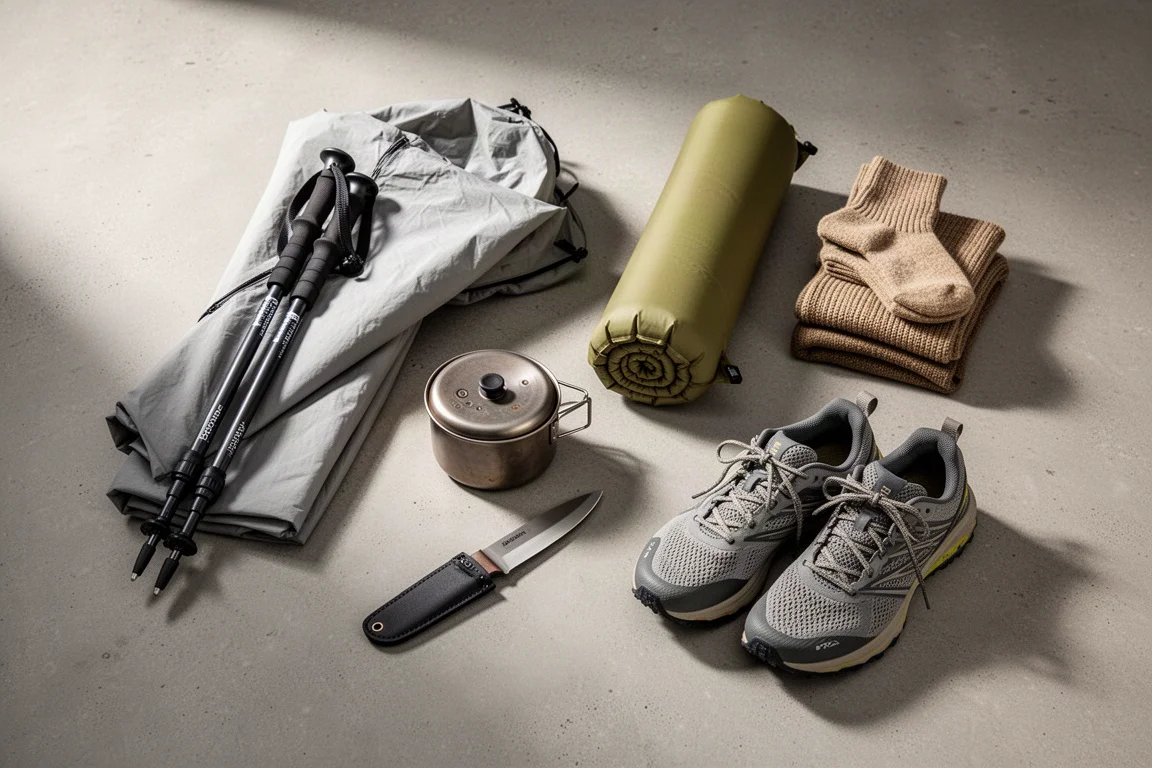
Packing for a long desert thru-hike forces decisions that a weekend trip never does. Every item has to justify its weight, and anything that fails in heat, dust, or wind becomes a problem hundreds of miles from a replacement. This list covers eleven items being tested on the Arizona Trail, from a new shelter and sleep system to the small details that decide whether a day feels comfortable or miserable.
The selection logic is consistent: keep what already works, change only where a specific problem needs solving, and accept a few extra grams when they buy better rest or an easier routine. A few of these items replace gear that has worn out or been discontinued, and a few are experiments in categories that are new to the pack list entirely.
What These Picks Have in Common
Three criteria shaped the list. First, weight: several items sit in the same range as the gear they replace, which makes the switch low-risk. Second, conditions: a desert route means wind, grit, heat, and long dry stretches, so shelters that seal properly, socks that manage friction, and fabrics that handle sweat all get priority. Third, routine: gear that is quicker to pitch, faster to pack, or easier to use at camp tends to earn its place over gear that only looks good on a spreadsheet.
None of these picks are exotic. They are practical answers to specific trail problems, and most are direct swaps for something that has already proved itself on long routes.
Zpacks Duplex Zip Tent
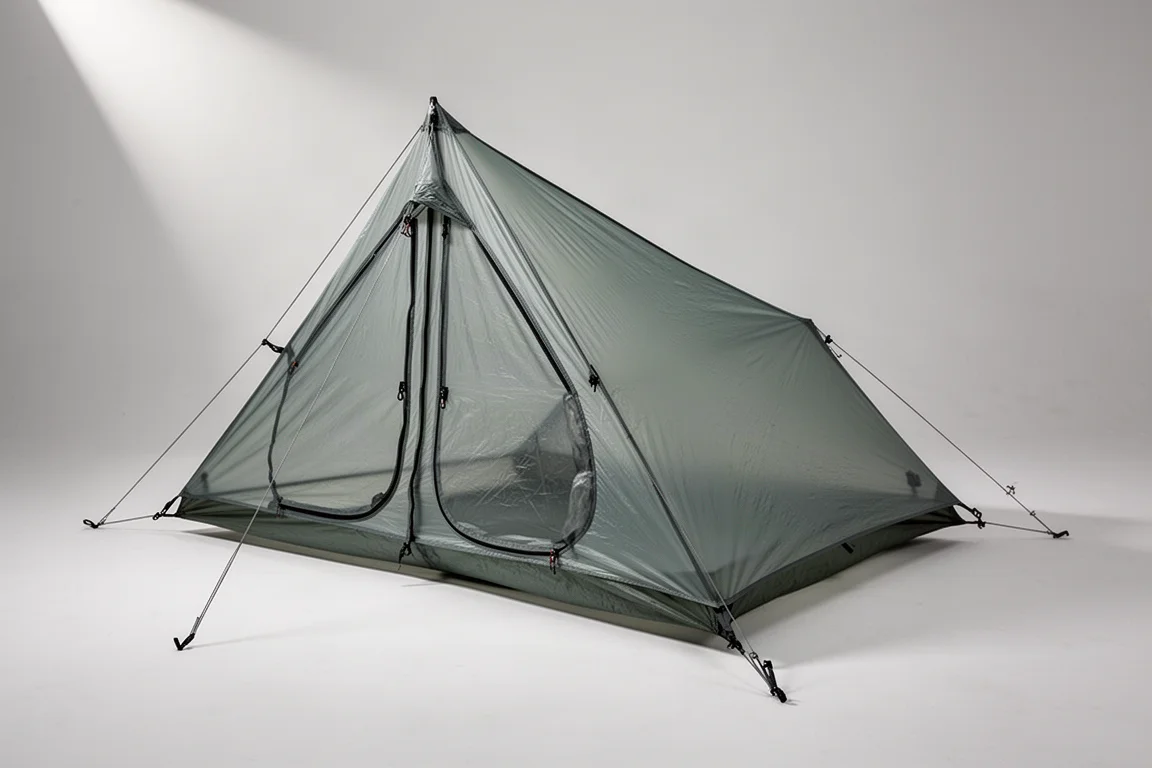
The Duplex Zip Tent keeps the two-pole, trekking-pole-supported layout that long-distance hikers tend to know by heart, and adds zippered doors with magnetic closures. That combination matters in exposed terrain, where a zippered door seals more predictably than an open entry when wind drives sand and grit sideways. On weight, the tent sits between two familiar reference points: lighter than the larger Duplex L and slightly heavier than the standard Duplex.
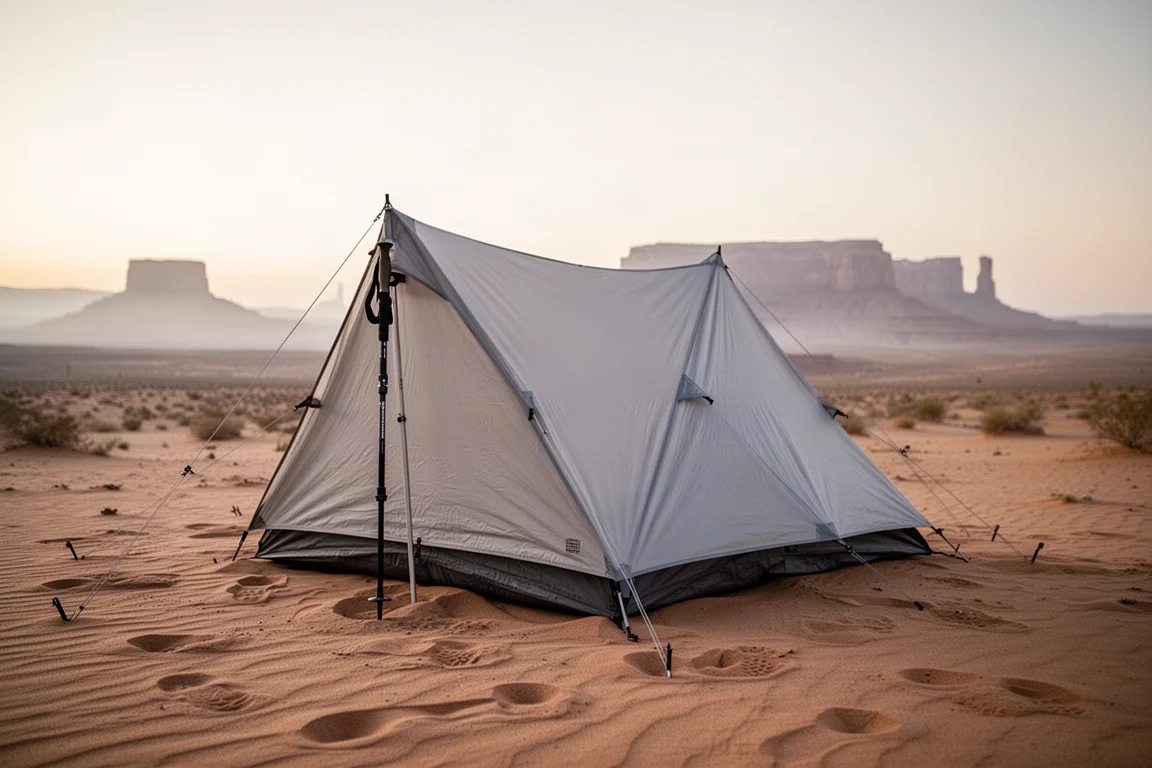
The trade-off is the usual one for a minimal ultralight shelter. You are paying for low weight and a compact pack size, and the zippered doors replace the simpler open entry of the standard version. Hikers who want maximum interior volume should look elsewhere; hikers who want a familiar, fast pitch that holds up in desert wind will find the door design a meaningful upgrade.
Montana Knife Company Talon
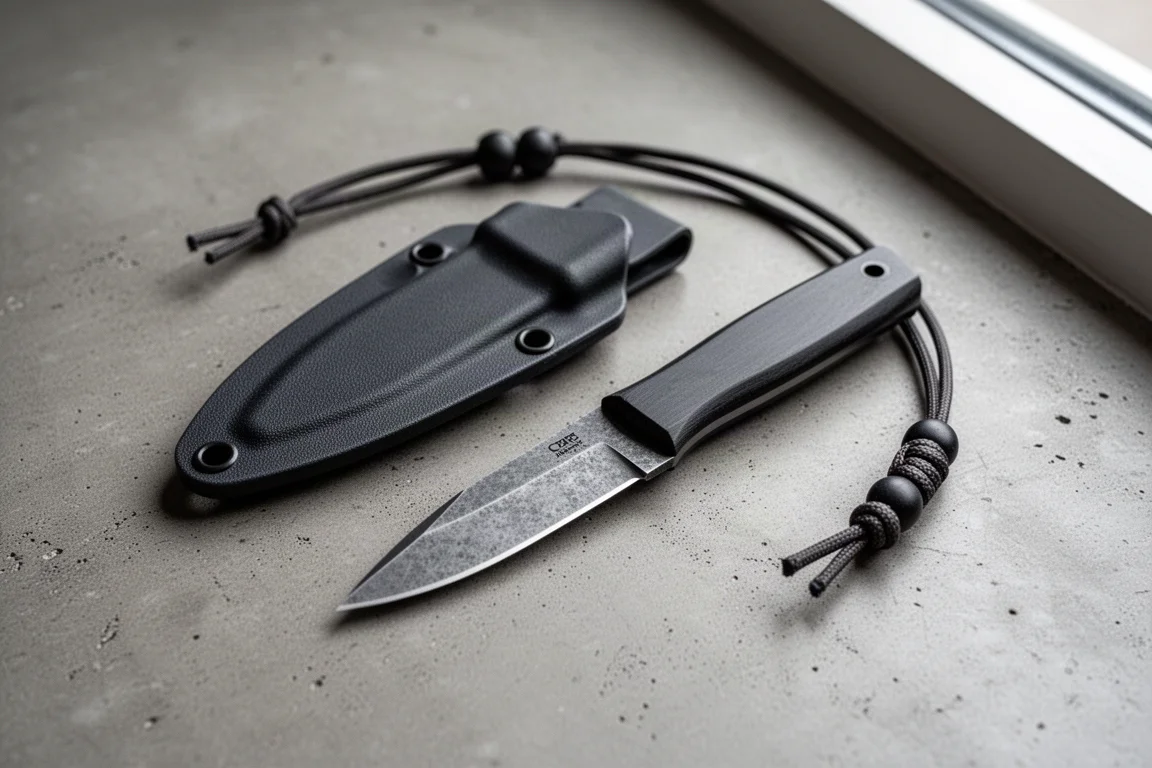
The Talon is a fixed-blade neck knife built from MagnaCut steel, with a blade just under 2 inches and an overall length just under 5 inches. With its Kydex sheath, cord, and breakaway beads, the complete carry setup weighs 1.65 oz. The smaller footprint is the point: it lies flatter against the chest than a longer neck knife, which makes it easier to wear comfortably under a pack strap and layers.
At $125 it also costs less than the larger knife it replaces, which reflects the reduced material rather than any compromise in the steel. For a tool that lives around your neck for months, the lower weight and lower profile are the two things you notice every single day.
Nemo Tensor Elite Sleeping Pad
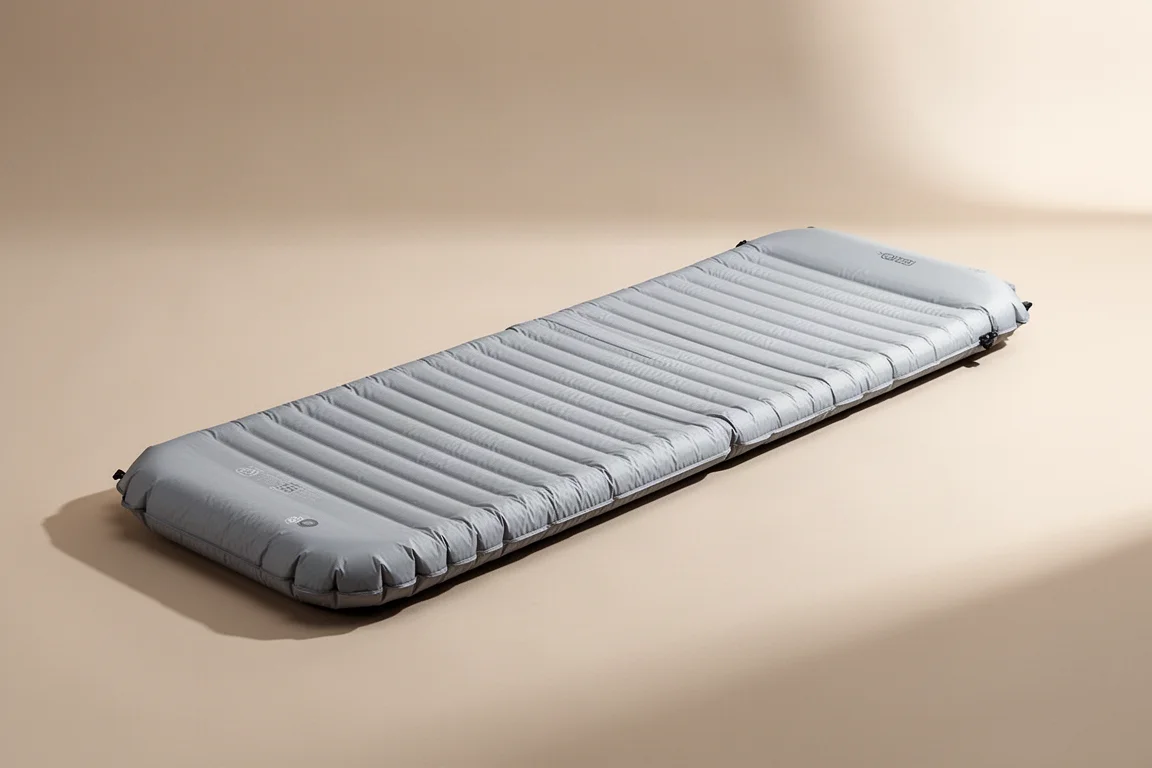
The Tensor Elite comes in a short and a regular length, with claimed weights of 7.6 oz and 8.5 oz respectively. The regular length is the one chosen here, trading a small amount of pack weight for more room to stretch out, on the reasoning that quality sleep is worth carrying a few extra ounces for. The pad measures 3 inches thick and carries an R-value of 2.4.
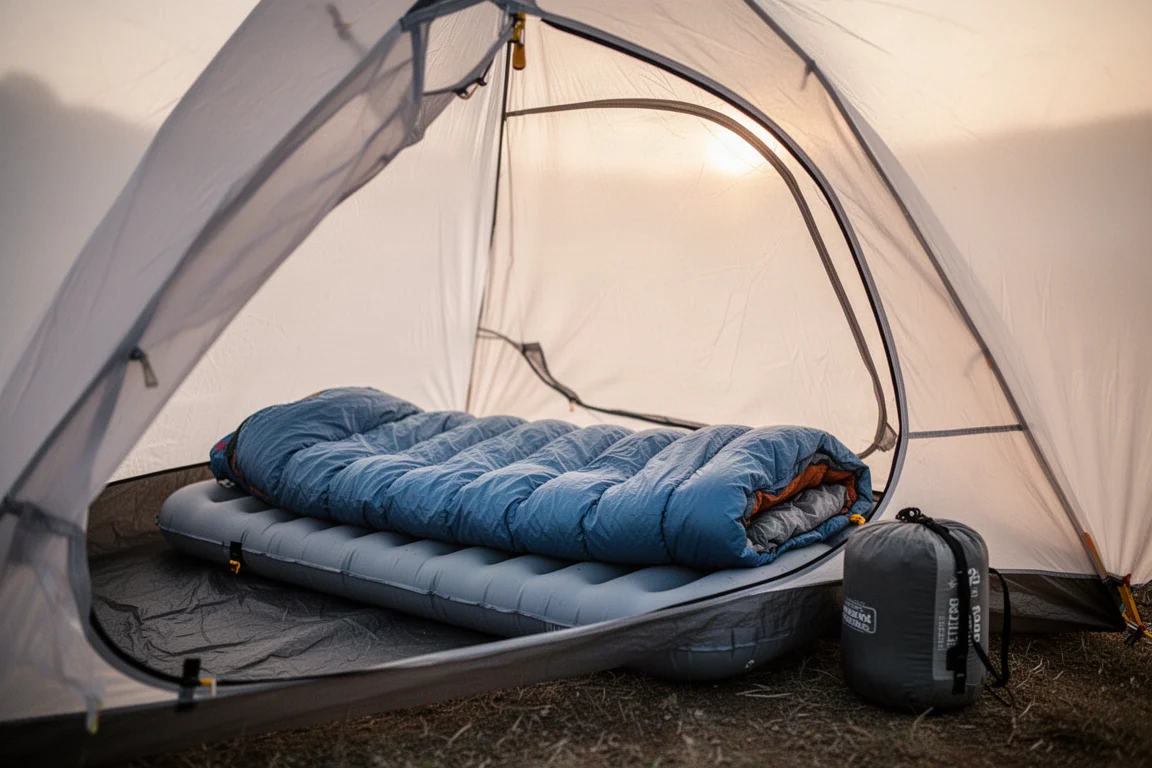
That R-value sits below the 3.0 figure commonly recommended for three-season conditions, and it is a deliberate trade rather than an oversight: a slightly cooler night in exchange for a lighter load during the day. Hikers who run cold, or who expect shoulder-season or high-altitude nights, should treat 2.4 as a real limitation. For mild desert conditions, the combination of 3 inches of thickness and a sub-9 oz packed weight is a sensible compromise.
SOTO Outdoors 1000ml Titanium Pot
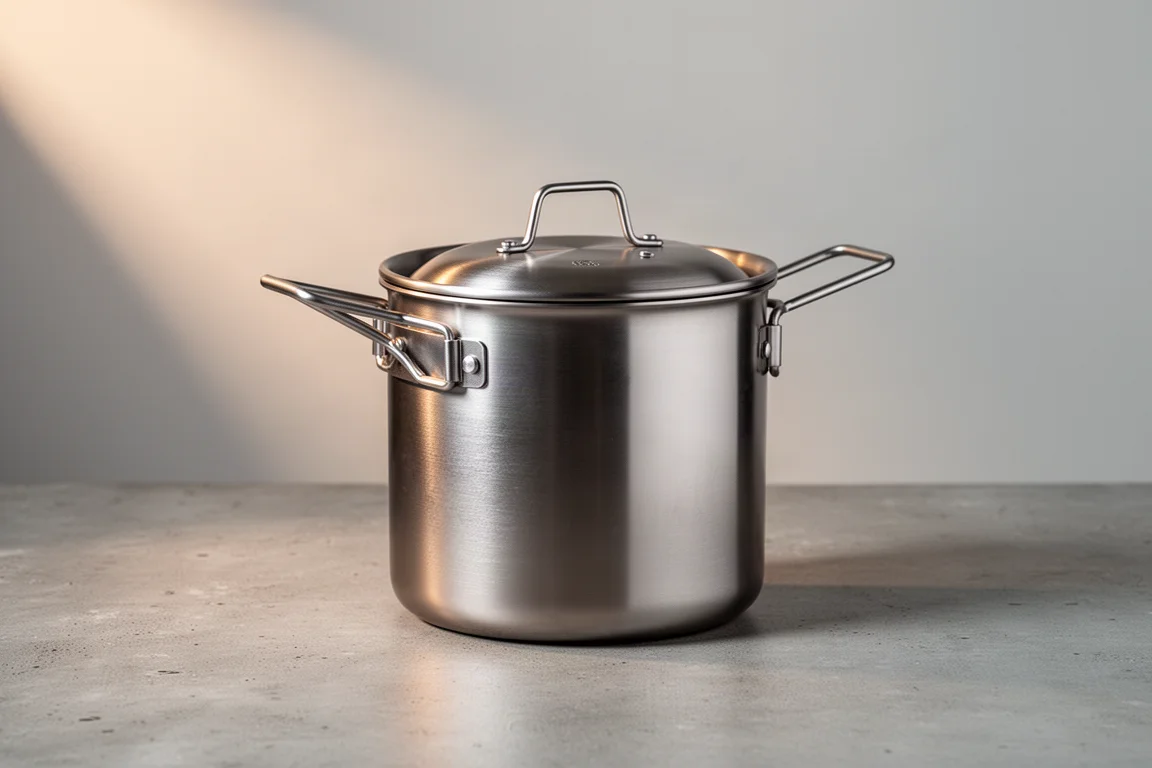
The SOTO 1000 ml titanium pot is the candidate to replace an aluminium food pot, chosen because it lands in a comparable range for both volume and weight. Titanium brings its own trade-offs, notably less even heat distribution than aluminium, but for boiling water and rehydrating meals on a long trail that difference is usually manageable.
The 1000 ml capacity is a practical middle ground. It is enough for a full meal and a hot drink without becoming a bulky item in the pack, and the titanium construction keeps the weight penalty minimal for the volume it offers.
XOSKIN Toe Socks
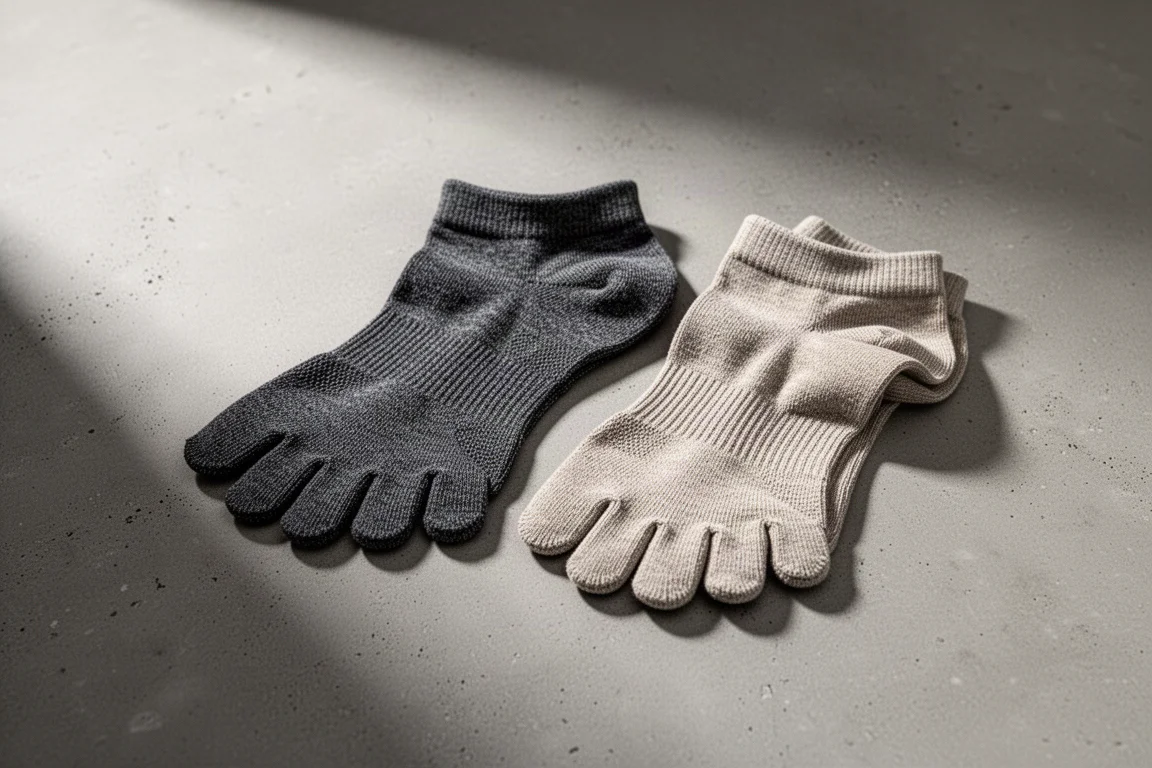
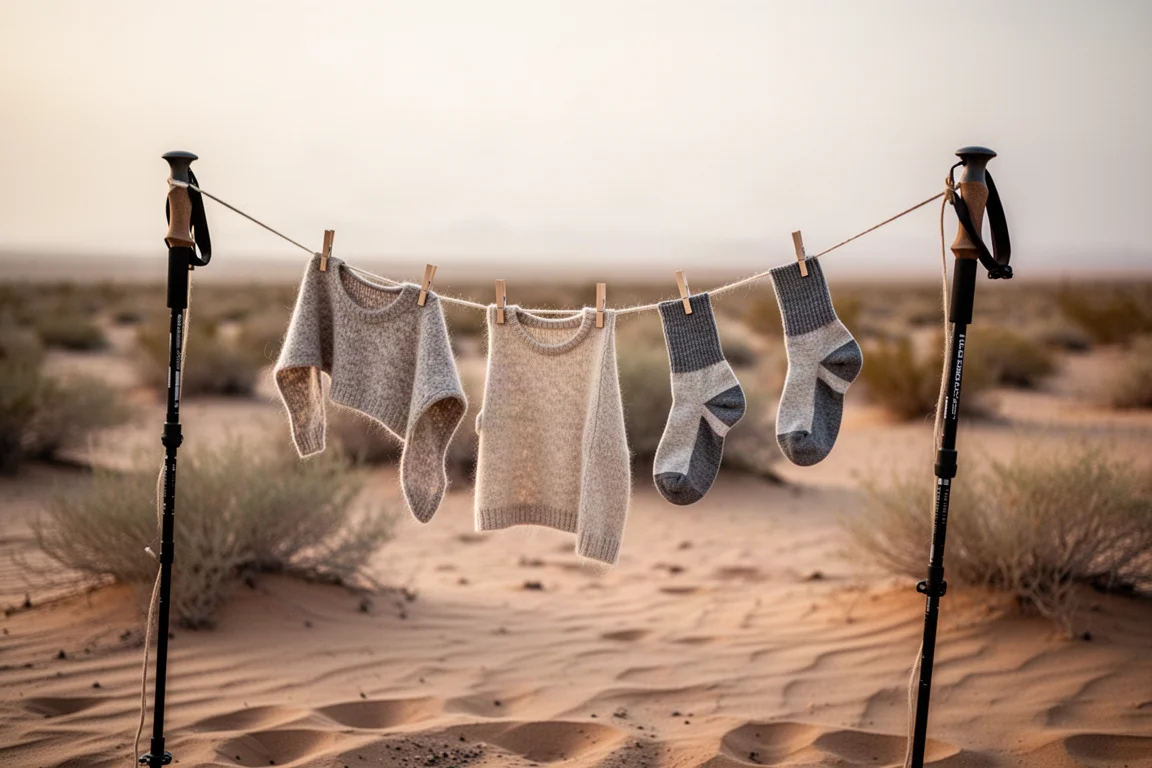
XOSKIN toe socks separate each toe with fabric, which reduces the skin-on-skin friction that tends to produce blisters on long, hot days. The construction is 65 percent copper-infused rapid-dry fibre, with the balance made up of nylon and elastane for stretch and durability.
In a hot, gritty desert environment where feet stay damp and dust works its way into shoes, that separation is the whole argument for carrying them. They work best as a just-in-case item rather than a daily necessity, which is exactly how most hikers end up packing them for a route where toes are the usual trouble spot.
Branwyn Merino Wool Bikini Underwear
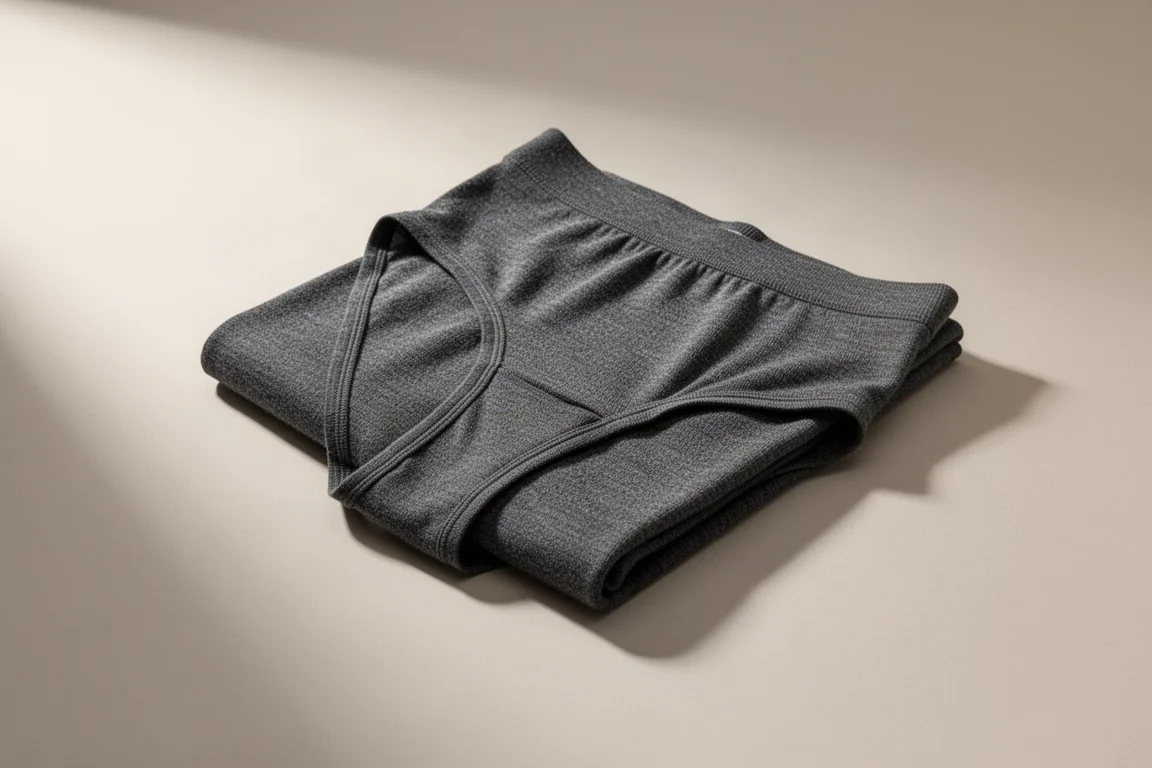
Branwyn makes merino wool bikini underwear that is 81 percent merino, with nylon and spandex making up the rest. A medium pair weighs 1.4 oz and costs $35. Merino’s appeal on a thru-hike is well established: it manages odour and moisture better than most synthetics across consecutive days of wear.
The obvious considerations are price and care. At $35 a pair, merino underwear is not a casual purchase, and wool blends generally need gentler handling than synthetics. Against that, the weight is low and the comfort case over multi-day stretches is strong, which is what matters most in a category where you cannot easily do laundry.
Zpacks Ultralight Camp Shoes
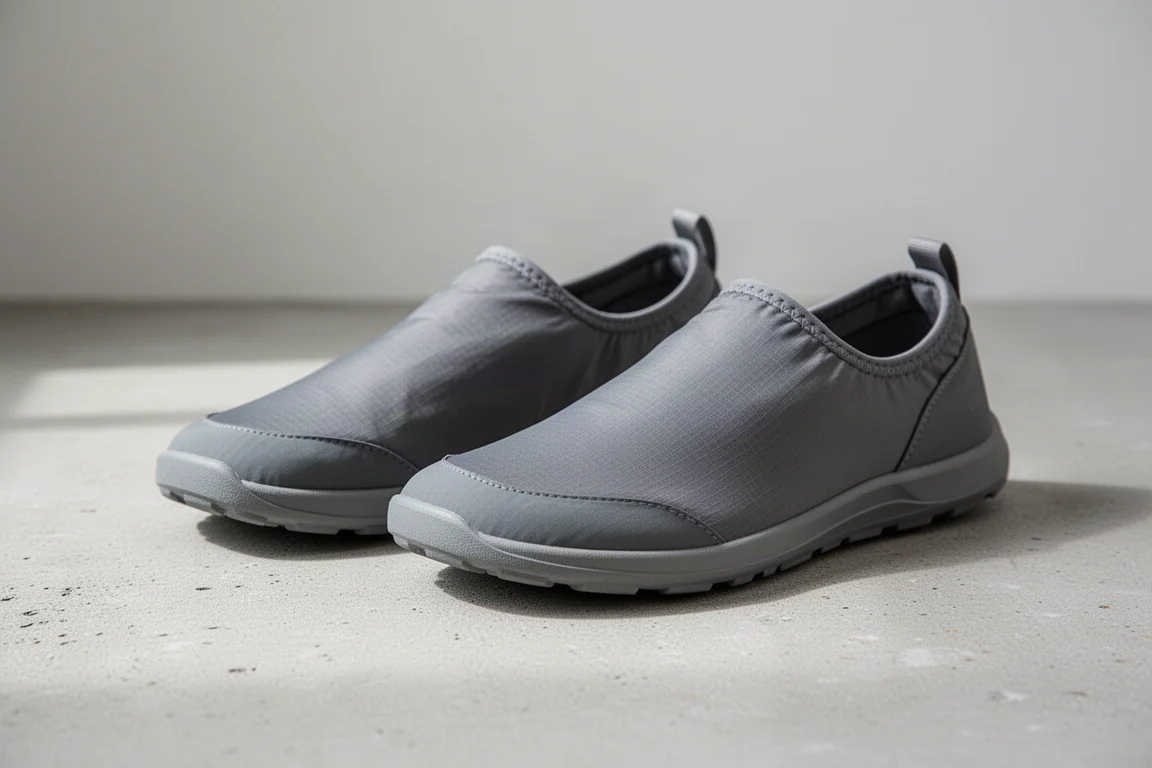
Zpacks ultralight camp shoes weigh 2.1 oz in the size needed and cost $35. They are not a fashion item and they are not pretending to be. The function is narrow and genuinely useful: at the end of a wet day, you can keep warm socks on and still walk around camp without forcing dry feet into soaked trail runners or going barefoot in the cold.
Anyone who has faced that choice at dusk will recognise the value immediately. On a desert route, rain is unlikely to be a daily problem, but the shoes still earn their place for evening trips away from the tent and for early starts on cold ground.
Ulanzi Falcam F38 Camera Backpack Strap Clip
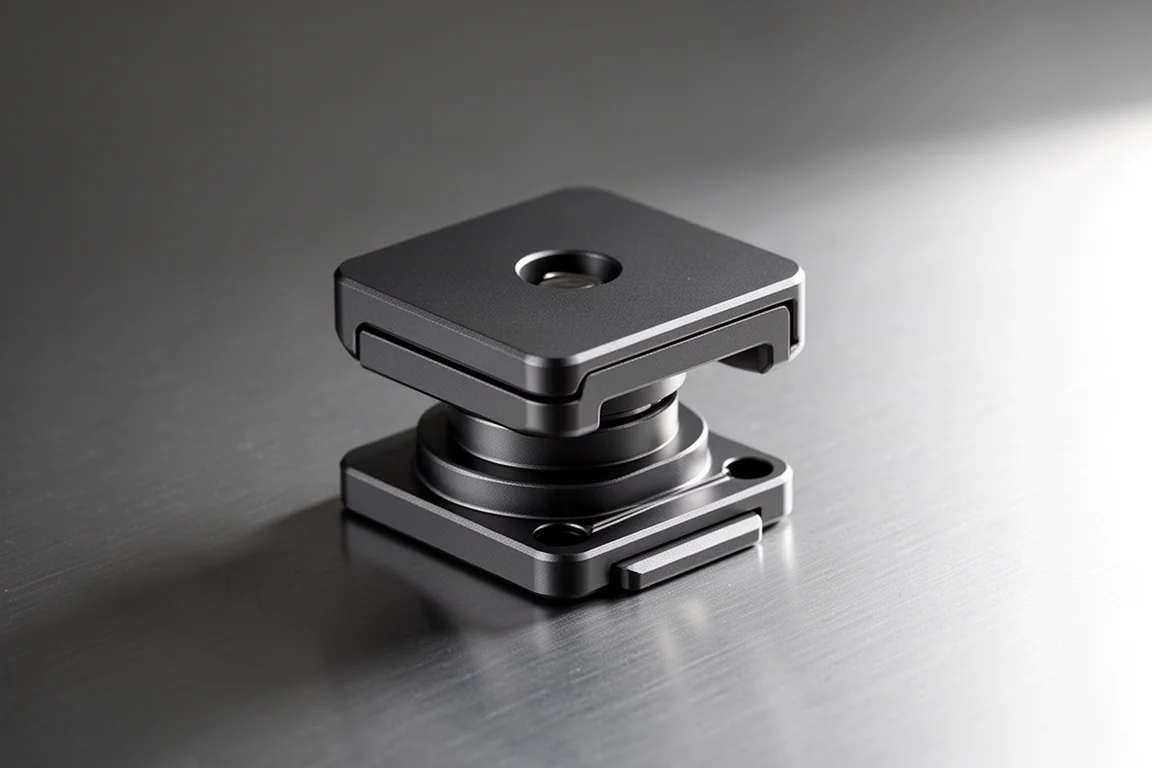
The Ulanzi Falcam F38 is a camera clip that mounts on a backpack strap and holds a camera on a quick-release plate. The mounting system is the real improvement. Where earlier two-screw clip designs were awkward to fit on thicker straps and tended to work loose over a long day, this one clamps on quickly and stays put, which keeps the camera easy to slide out whenever you want it.
It costs $60 and weighs 3 oz including the plate that attaches to the camera. For anyone who hikes with a camera and has fought with a stubborn strap mount, the difference in daily usability is larger than the numbers suggest.
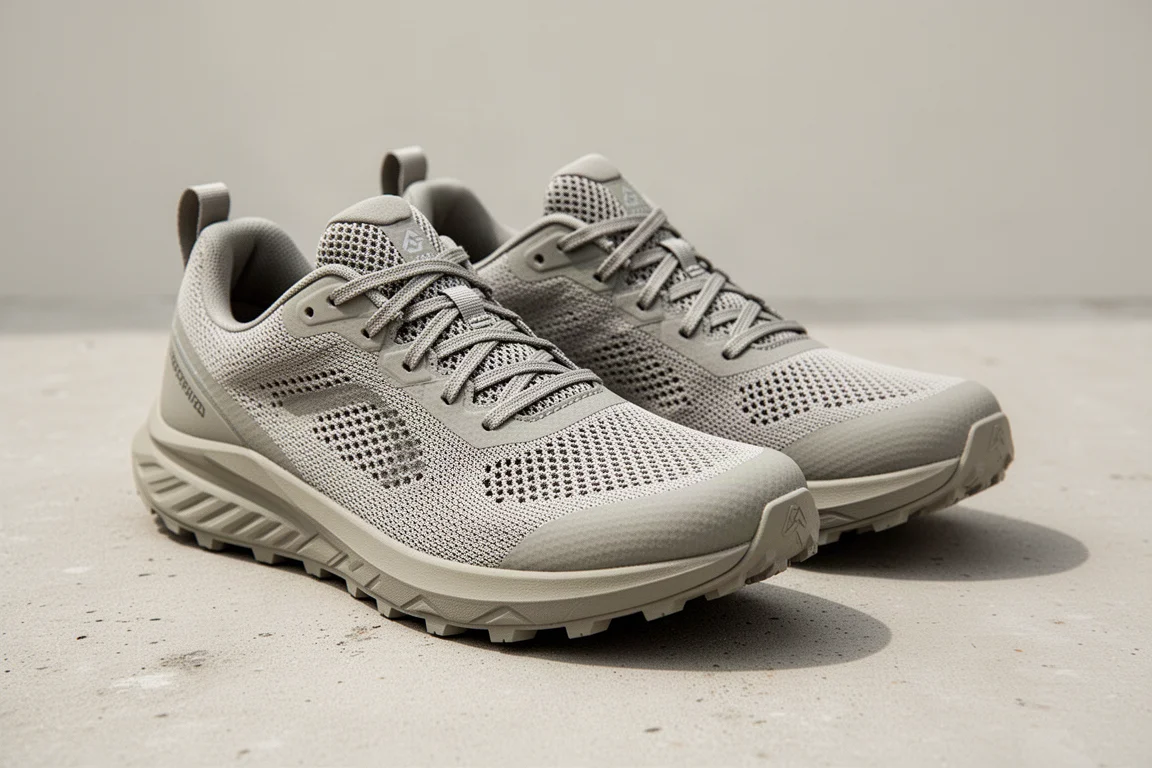
Altra Lone Peak 9
The Altra Lone Peak 9 is the newest version of a shoe that has been a default choice across many iterations. Familiarity is the appeal here: the fit and ride are predictable, so the newest edition can go straight into a thru-hike without a long adjustment period.
Each generation changes a little, and those small changes are worth checking on foot before committing to a long route. For hikers who already know the Lone Peak fit, the newest model is the lowest-risk footwear decision available.
Baby Buddha Breast Pump
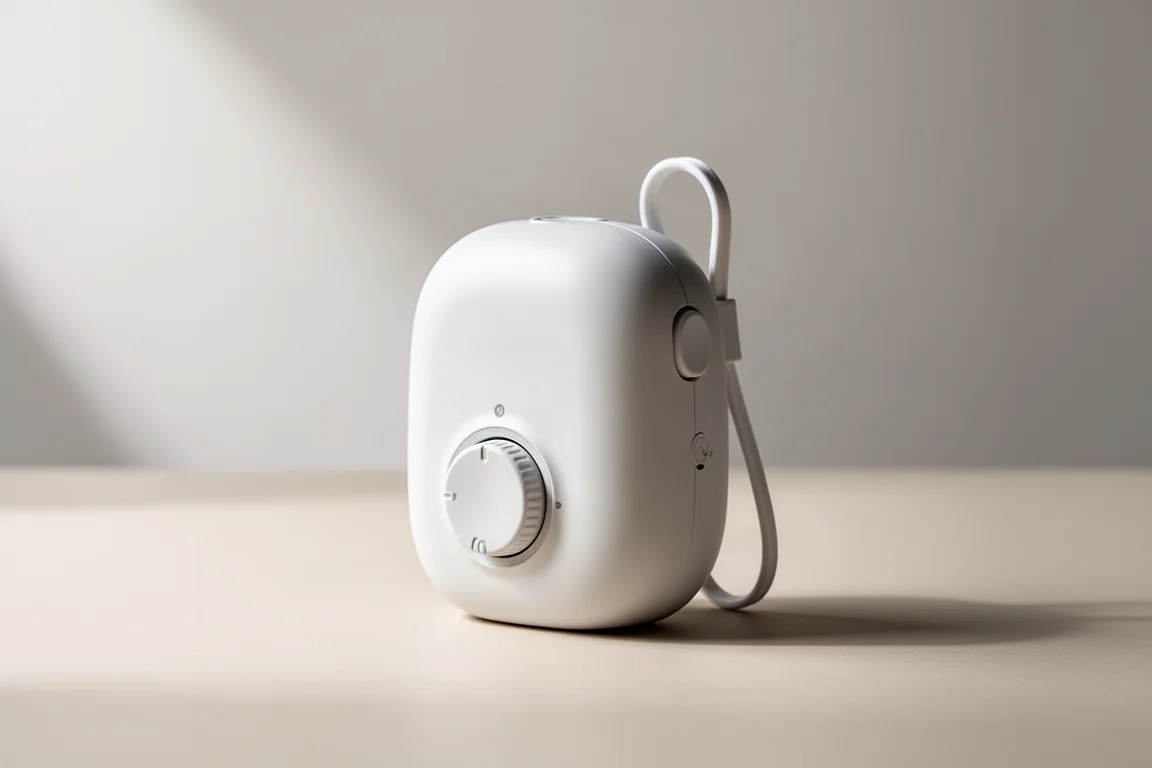
The Baby Buddha breast pump is a compact travel pump that weighs 7 oz for the unit alone. It is not the lightest piece of gear in a pack, but for a pump with this level of suction the weight is reasonable, and it replaces a larger pump that would never have been practical to carry.
A full charge lasts roughly 60 to 75 minutes, and sessions of about 20 minutes every 2 to 3 hours mean backup battery power is required. Expect to plan charging carefully and to rig a shoulder strap so the unit rides against the pack rather than dangling on its lanyard.
Sweat and Milk Chloe 4 Running Bra
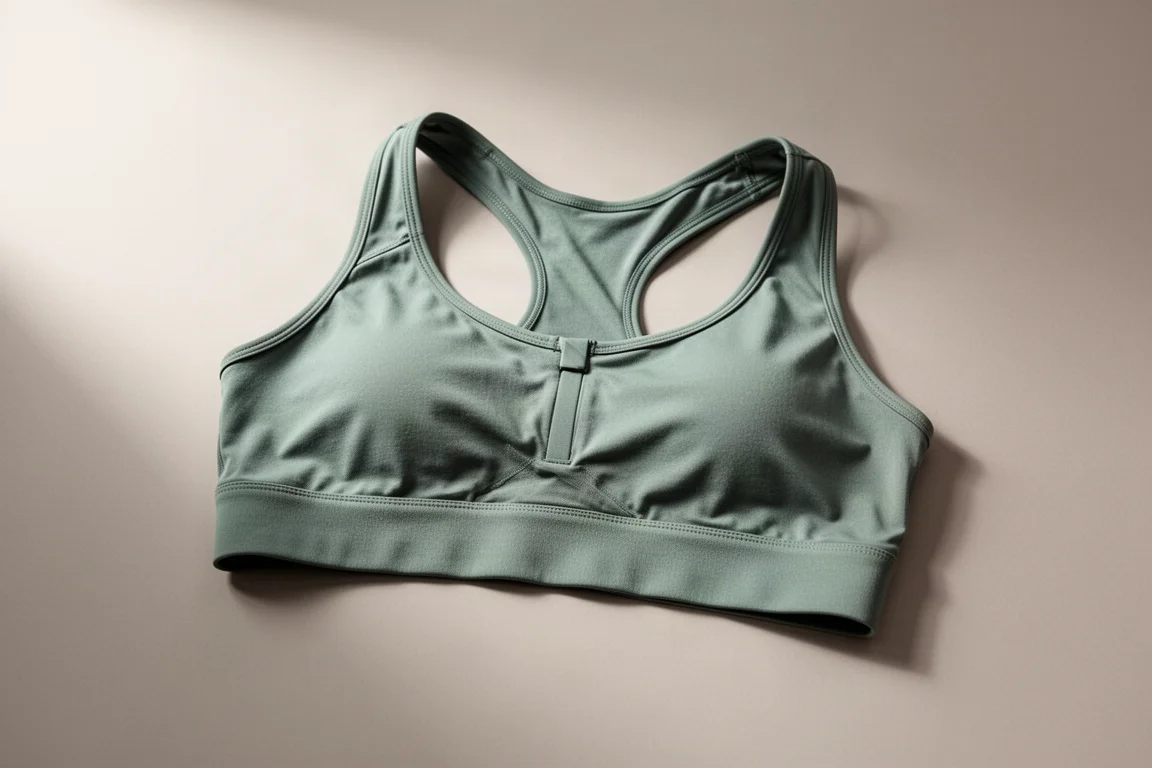
The Sweat and Milk Chloe 4 is a running bra with a clip that unhooks to give pump access, which removes the need to pack a separate hands-free pumping bra. The support is designed around running, so hiking should sit comfortably inside its range.
Fit and feel are the deciding factors in this category, and the design sits well without rubbing, which matters over long days with a pack on. For nursing hikers, having one garment that handles both support and pumping is a genuine simplification of the pack list.
Overall Buying Advice
The most useful rule for a long route is to change one thing at a time. If a shelter, sleep system, and footwear all change at once, a bad night tells you nothing about which item is responsible. Testing single swaps on shorter trips first is the cheapest way to de-risk a thru-hike.
Weight is worth spending in two places in particular: sleep and feet. A pad that is 3 inches thick and under 9 oz, or socks that stop a blister forming on day four, will repay their grams many times over. Saving 2 oz on a shelter that leaves you exposed in wind is rarely a good trade.
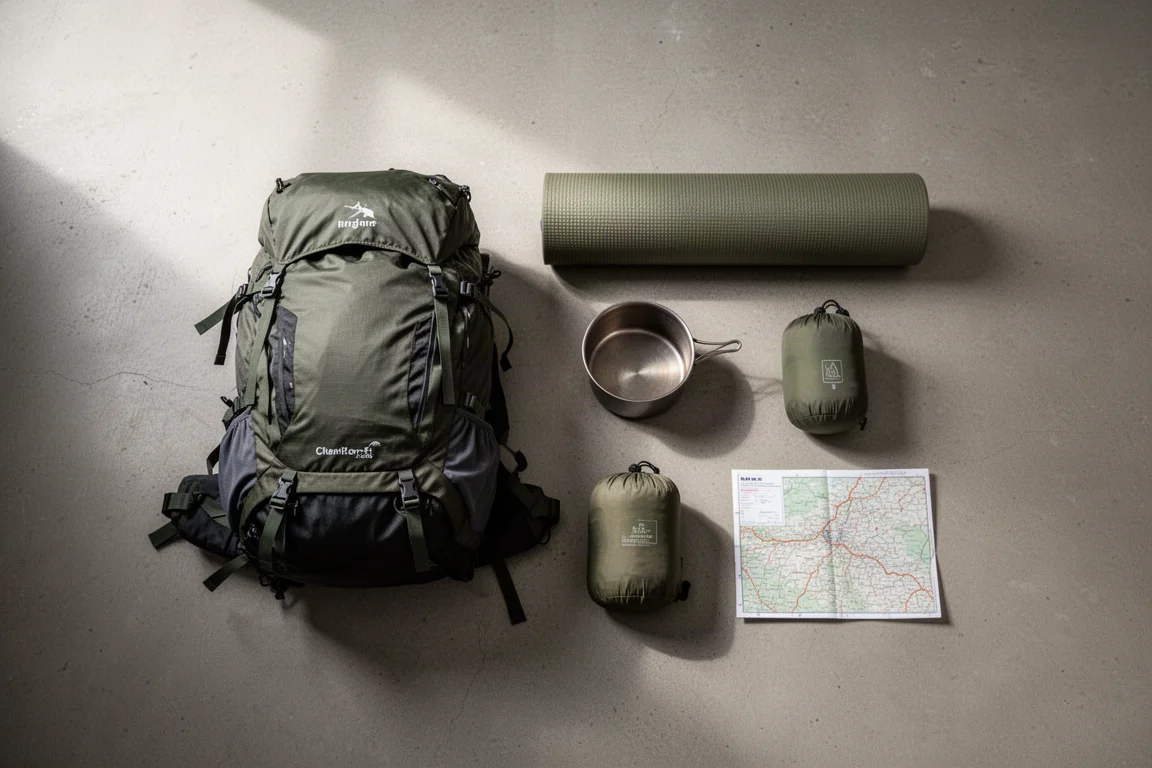
It also helps to be honest about what you will actually use. Camp shoes are the clearest example: they add weight and pack volume and do nothing at all while you are walking. What they buy is a dry, warm evening at camp, and for many hikers that is worth more than 2 oz. The same logic applies to a camera clip or a compact pump. The value shows up in the routine, not in the spec sheet.
Conclusion
Eleven items, one consistent approach: keep the proven core, swap in changes that solve a real problem, and accept extra grams only when they buy comfort, safety, or time. The shelter and the sleeping pad are the biggest swings here, the socks and underwear are the smallest, and everything in between is about making a long desert route easier to live with day after day.
Further reading
Related Reviews

Backpacking Gear
Building a 10 lb Base Weight: An Ultralight Backpacking Gear List
A practical walkthrough of the ultralight pieces behind a 10 lb base weight, from a 765 g pack and a roomy one-person tent to a full camp chair and a dependable water filter.
Backpacking Gear
A 15-Pound Lightweight Backpacking Gear List for Solo Trips
A beginner-friendly 15-pound backpacking setup built from easy-to-find gear, with notes on what each piece does, how it packs, and where to spend your attention.
Backpacking Gear
8 Ultralight Backpacking Gear Upgrades Worth Carrying
Eight small, affordable backpacking upgrades that solve real trail annoyances, from a pillow that stays put to a fuel valve that rescues leftover canister gas.