Outdoor Gear
Arizona Trail Gear List: 11 Pieces of Backpacking Gear Worth Testing
A thru-hike gear list covering shelter, sleep system, cookware, clothing and camera carry, with the reasoning behind each pick and the trade-offs to weigh before buying.
Introduction
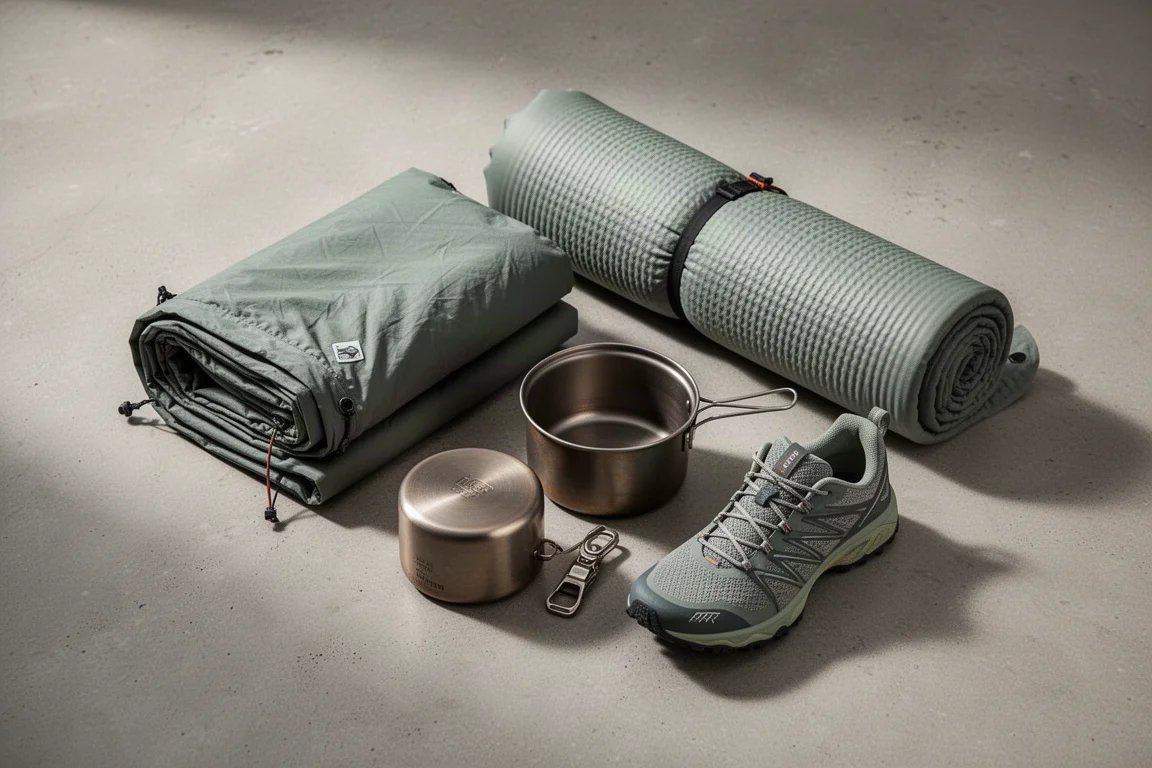
The Arizona Trail asks a lot of a kit. Days are hot, gritty and exposed, ridgelines catch wind, and nights at elevation can turn cold. Gear for that kind of thru-hike has to be light enough to carry all day and comfortable enough to live with once camp is set.
The eleven items below were chosen with those two pressures in mind. Some replace gear that has been carried for years, others are first-time experiments, and a few are small luxuries that solve a very specific problem. Each entry explains the reasoning and the trade-offs, so you can decide whether it matches the way you hike.
How These Picks Were Chosen
Three filters shaped this list: weight, familiarity and function. Where a product had to earn its place, it had to do something the current setup could not, or do the same job with less weight or more comfort.
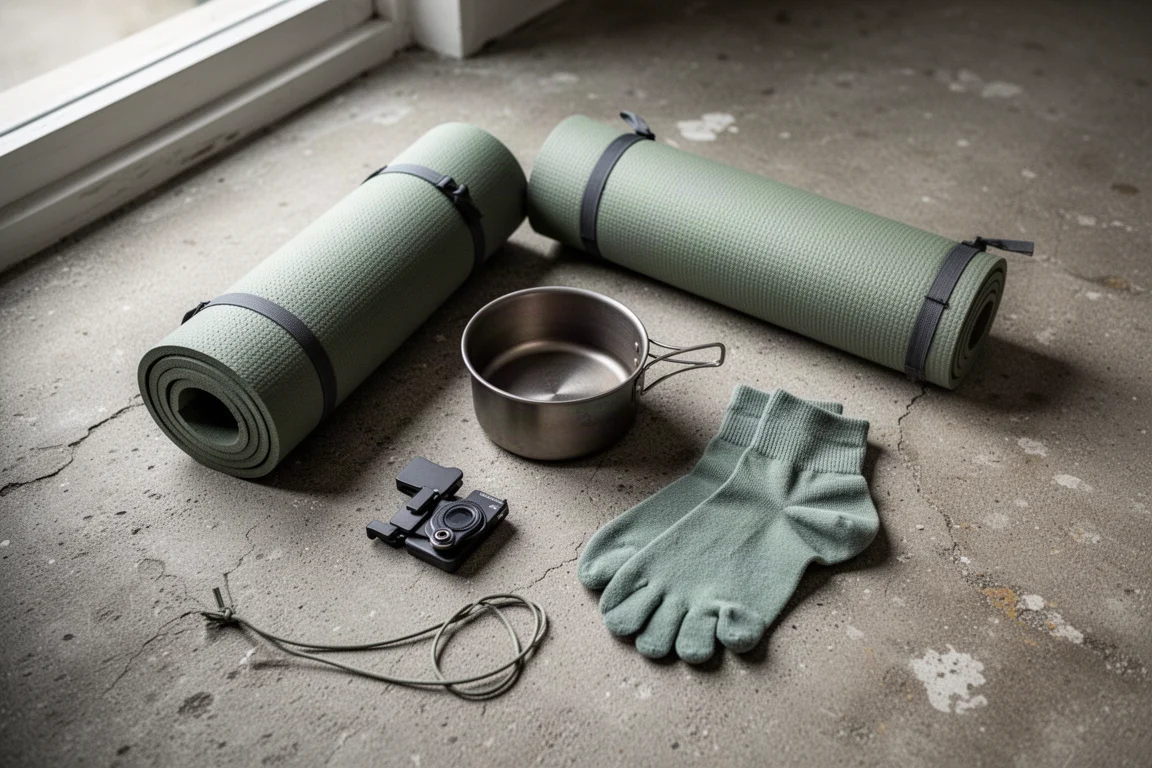
Function beat fashion every time. Ultralight camp shoes will never win a style contest, but they solve one very real camp problem, which is exactly the point.
Desert conditions shaped the rest. Zipper doors matter when wind pushes at a shelter, blister management matters when feet stay sweaty for hours, and anything electronic needs enough battery capacity to run for days between resupply.
Zpacks Duplex Zip Tent
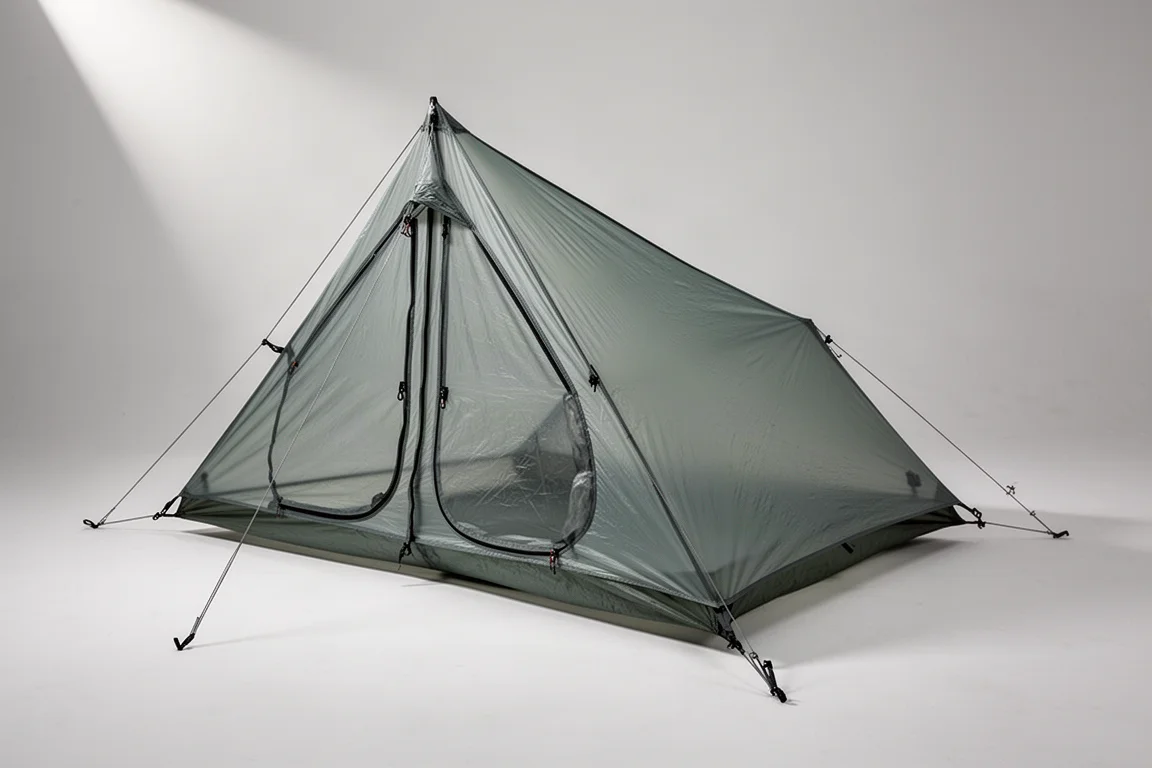
The Duplex Zip Tent keeps the pitch design that has become second nature across the Duplex and Triplex and adds zipper doors with magnetic closures. That combination is the appeal: a shelter that goes up the way it always has, with doors that behave better when wind is pressing against them.
On weight it sits between two known points, a little lighter than the Duplex Lite and slightly heavier than the standard Duplex. For desert camps where wind is likely, the door design is the reason to accept that position on the scale.
MT Knives Talon
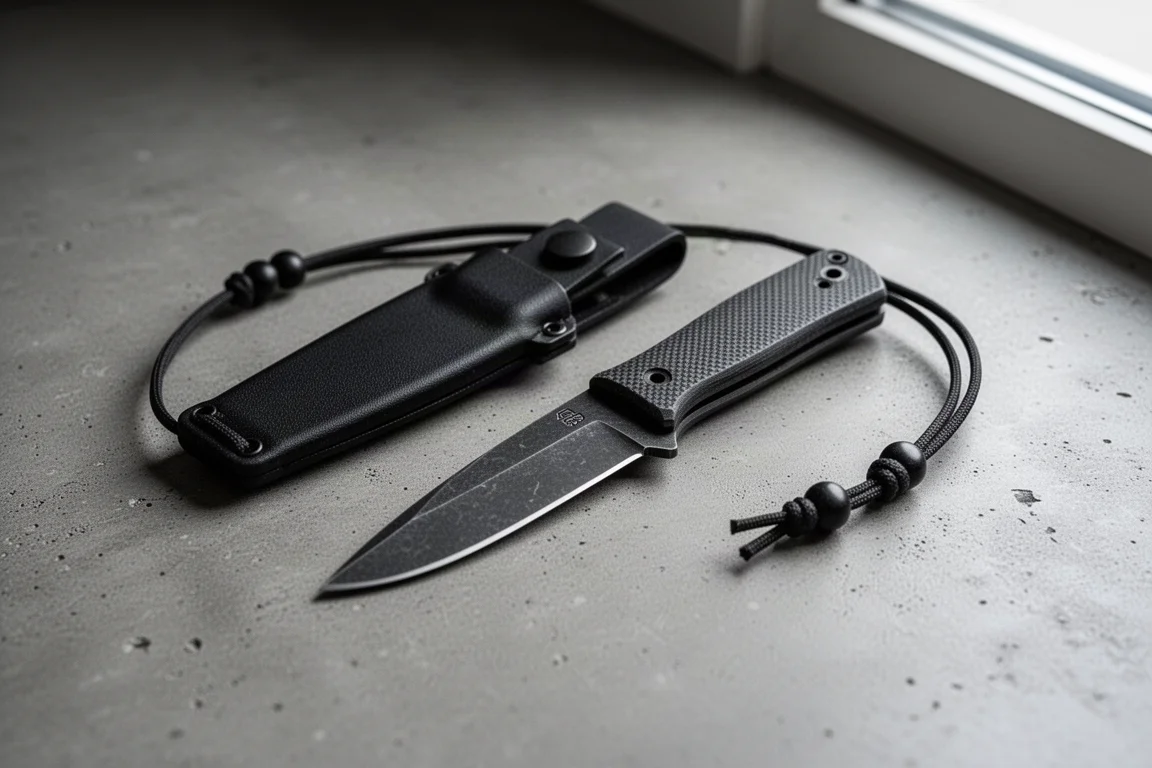
The Talon is a smaller, lighter neck knife built around MagnaCut steel. The blade measures just under 2 inches and the entire knife just under 5 inches, with a total carry weight of 1.65 oz including the Kydex sheath, cord and breakaway beads.
At $125 it costs less than the larger Genesis, which tracks with the smaller amount of material. The reduced size also carries more comfortably against the chest for hikers who prefer a lower profile up front.
Nemo Tensor Elite
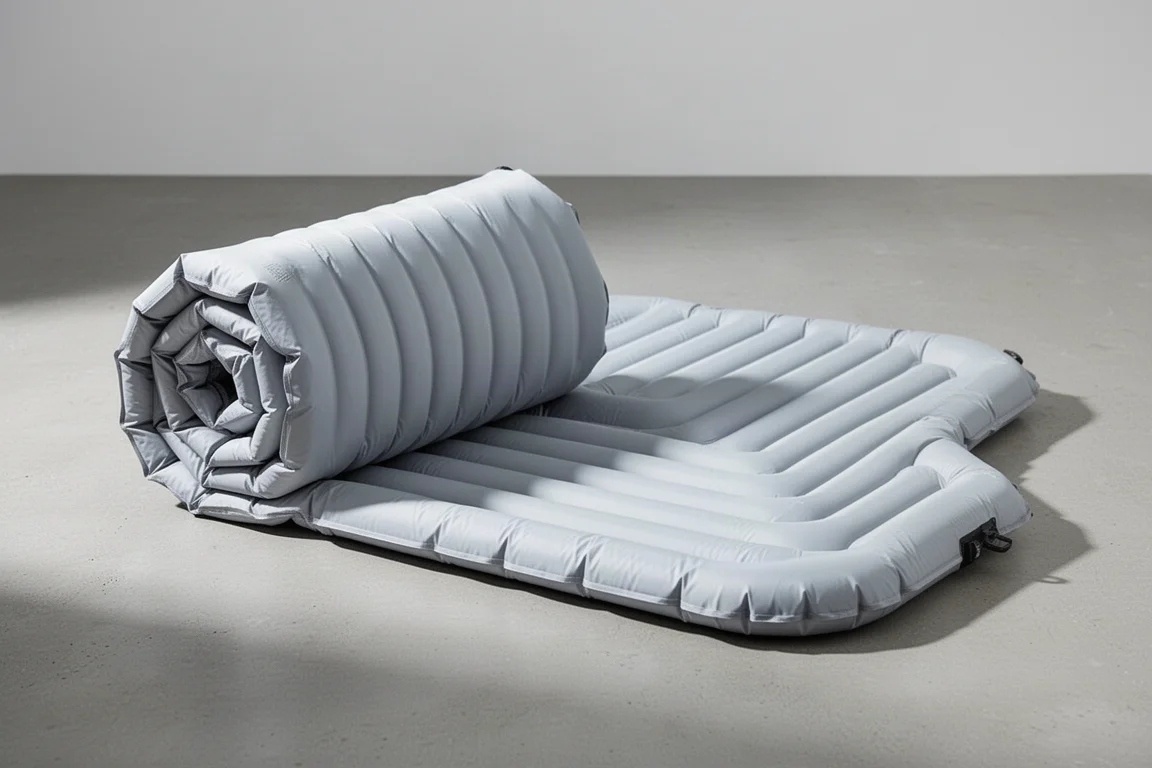
Sleeping pad choice came down to weight against warmth. The Tensor Elite lists a claimed weight of 7.6 oz in the short size and 8.5 oz in the regular, with 3 inches of thickness and an R-value of 2.4.
That R-value sits below the 3 usually suggested for three-season conditions, so it is a deliberate trade: a little more risk of a chilly night in exchange for a lighter pack and more cushioning. The regular length was chosen over the short version to give sleep quality the best possible chance on trail.
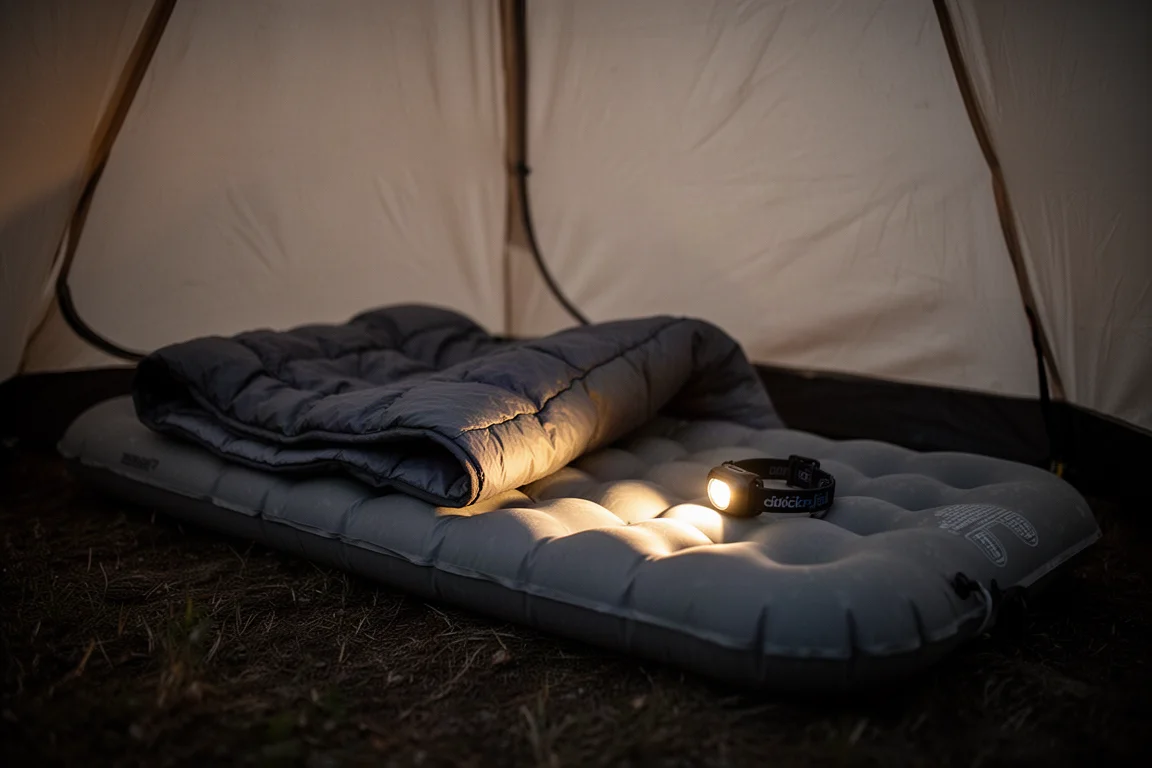
At 3 inches thick, the pad is aimed at comfort first. Anyone who sleeps cold should weigh that against the R-value before committing, and plan insulation accordingly.
SOTO Outdoors 1000 ml Titanium Pot
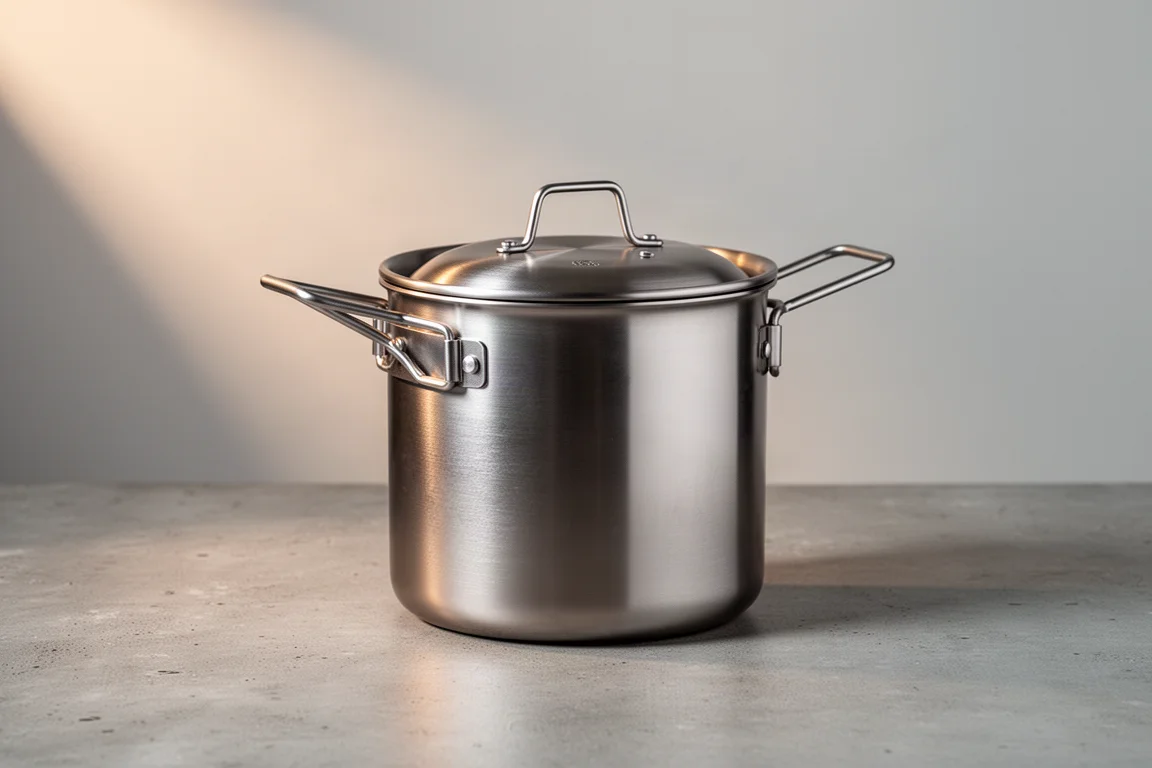
The 1000 ml titanium pot from SOTO Outdoors was selected because its volume and weight are comparable to the aluminum pot it stands in for. Titanium keeps the pot in the same weight class while changing the material and the feel of the cook setup.
XOSKIN Toe Socks
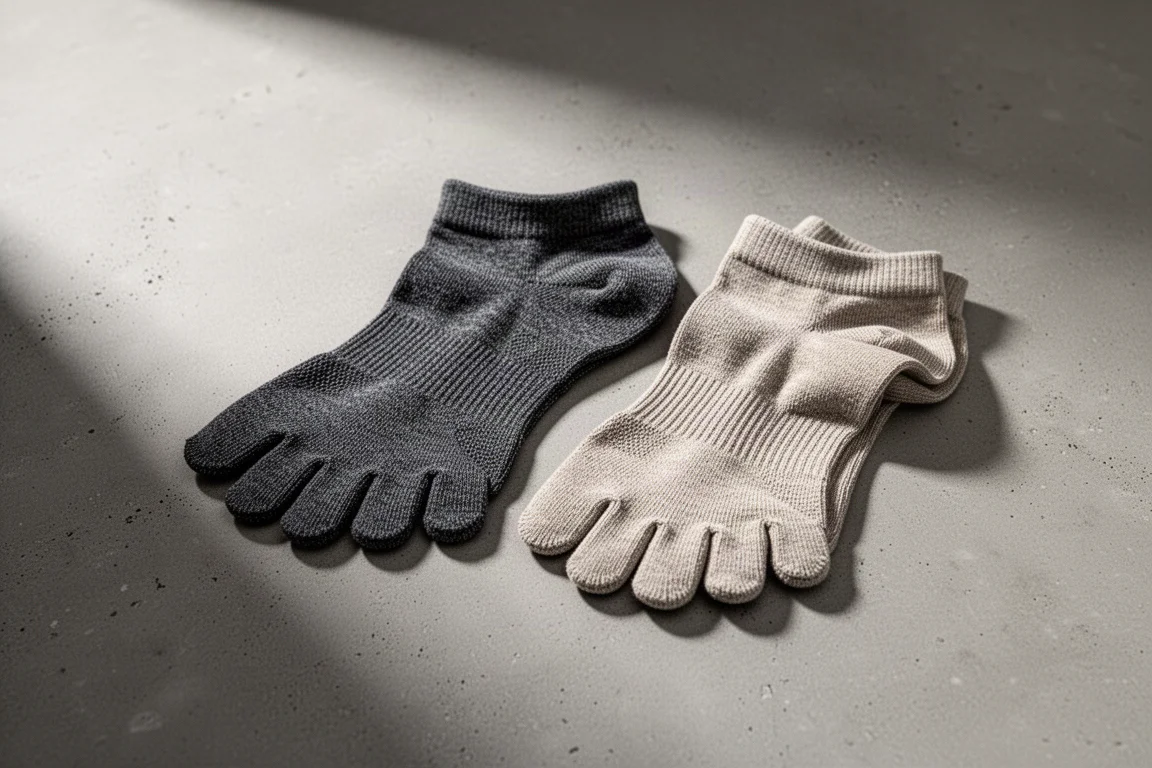
Toe socks are a blister strategy for hot, gritty desert miles where feet stay sweaty all day. The XOSKIN pair uses a blend of 65% rapid-dry copper fabric with nylon and elastane, and the separation between toes is meant to cut down on the rubbing that produces blisters.
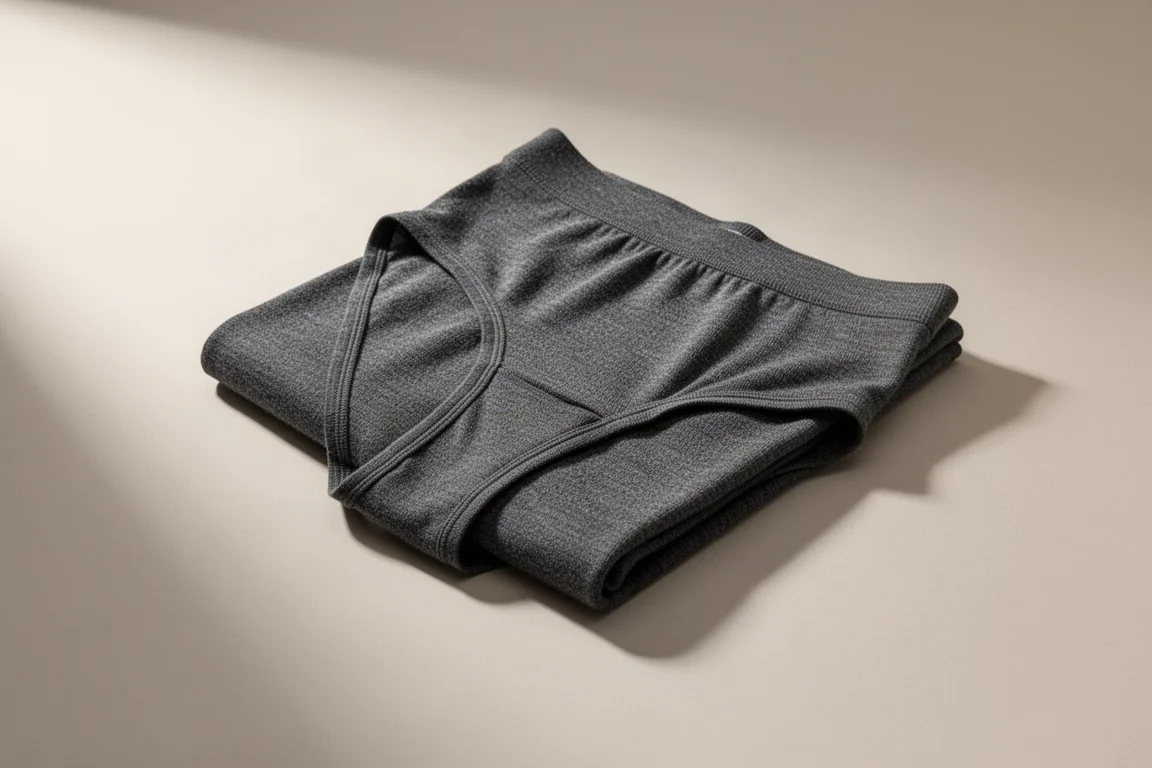
Branwyn Merino Wool Bikini Underwear
The Branwyn bikini is 81% merino wool, with nylon and spandex making up the remainder. A medium weighs 1.4 oz and a pair costs $35. Wool next to the skin is a shift away from synthetic fabrics, and the high merino content is the main reason this pair made the list.
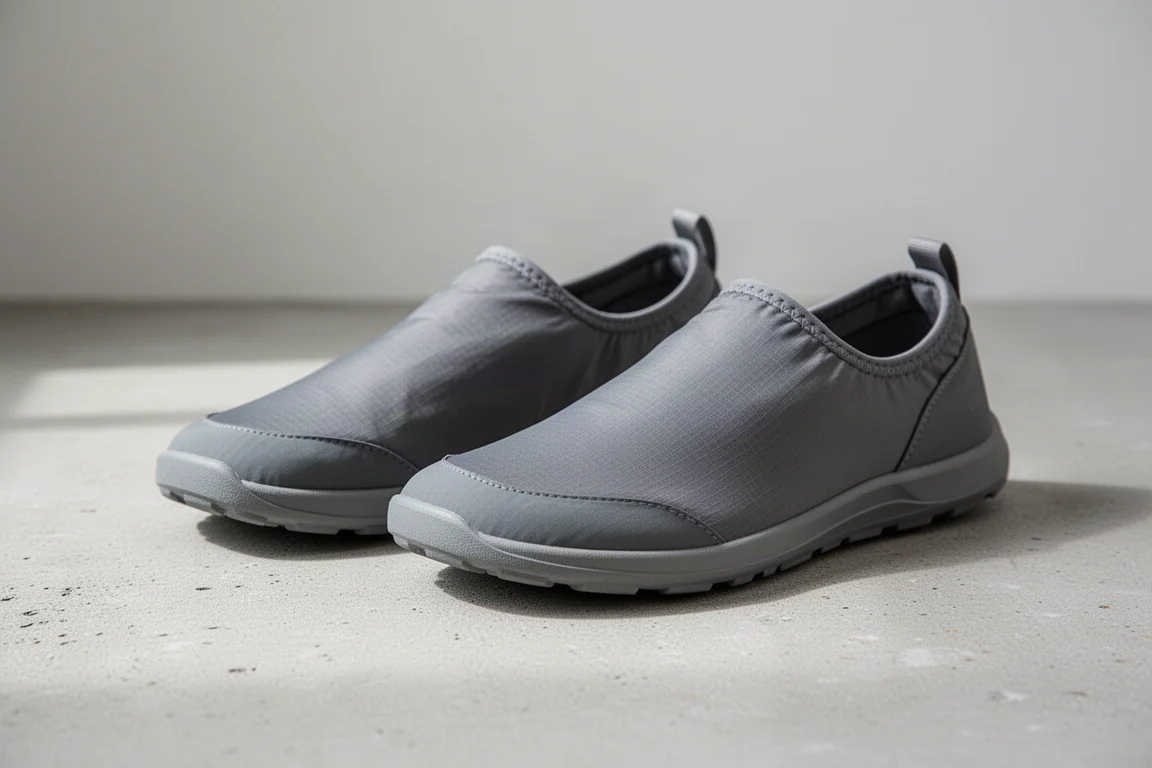
Zpacks Ultralight Camp Shoes
Camp shoes are a small luxury that pays off at the end of a cold, wet day. The Zpacks pair weighs 2.1 oz in the size needed, costs $35, and is designed to be worn with socks so dry feet stay dry on the walk to the bathroom or around camp.
They are not fashionable, and that is not the point. What matters is that they end the choice between pulling off warm socks and walking around barefoot on cold ground.
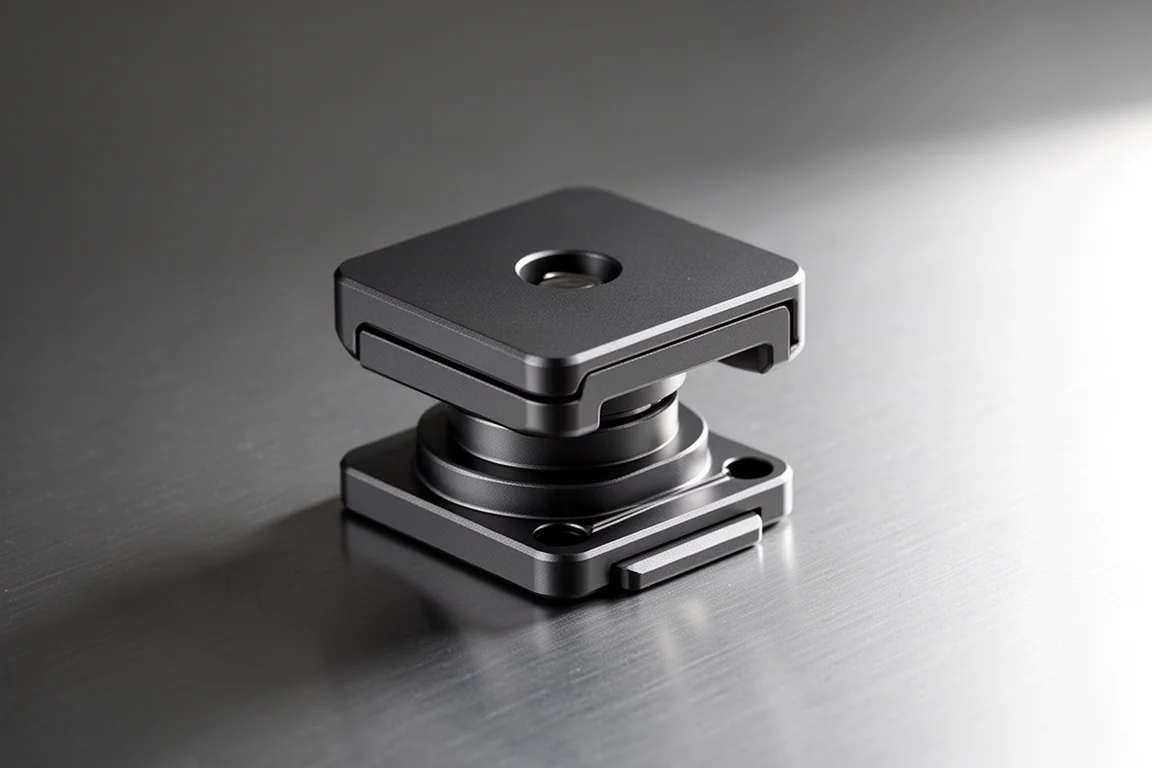
Ulanzi Falcam F38 Camera Backpack Strap Clip
Camera carry on a long trail lives or dies on the clip. The Falcam F38 attaches to a pack strap without the fight that a two-screw mount can turn into on thicker straps, and it stays put so the camera slides out cleanly when a shot appears.
It costs $60 and weighs 3 oz including the plate that mounts to the camera. For anyone who has wrestled with a clip that loosens mid-hike, that simplicity is the entire value.
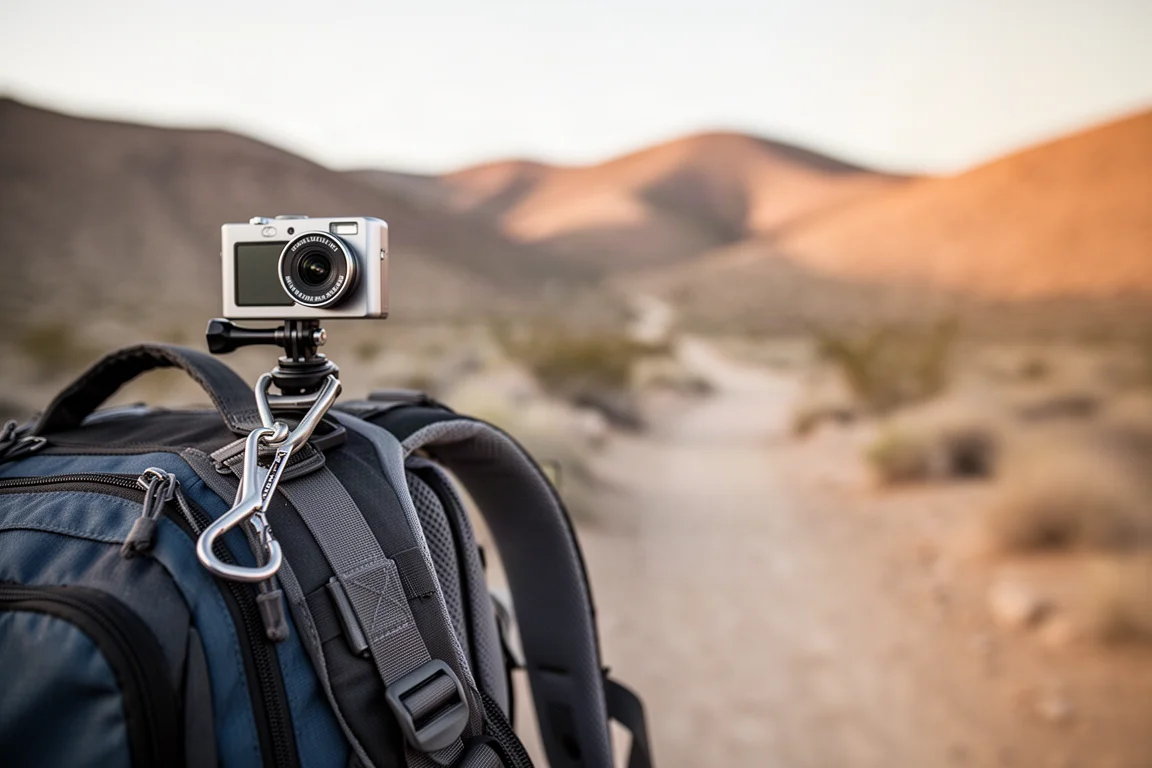
Staying tight on a thick strap matters more than it sounds. A clip that works loose makes the camera harder to remove, which is exactly the moment a photo gets missed.
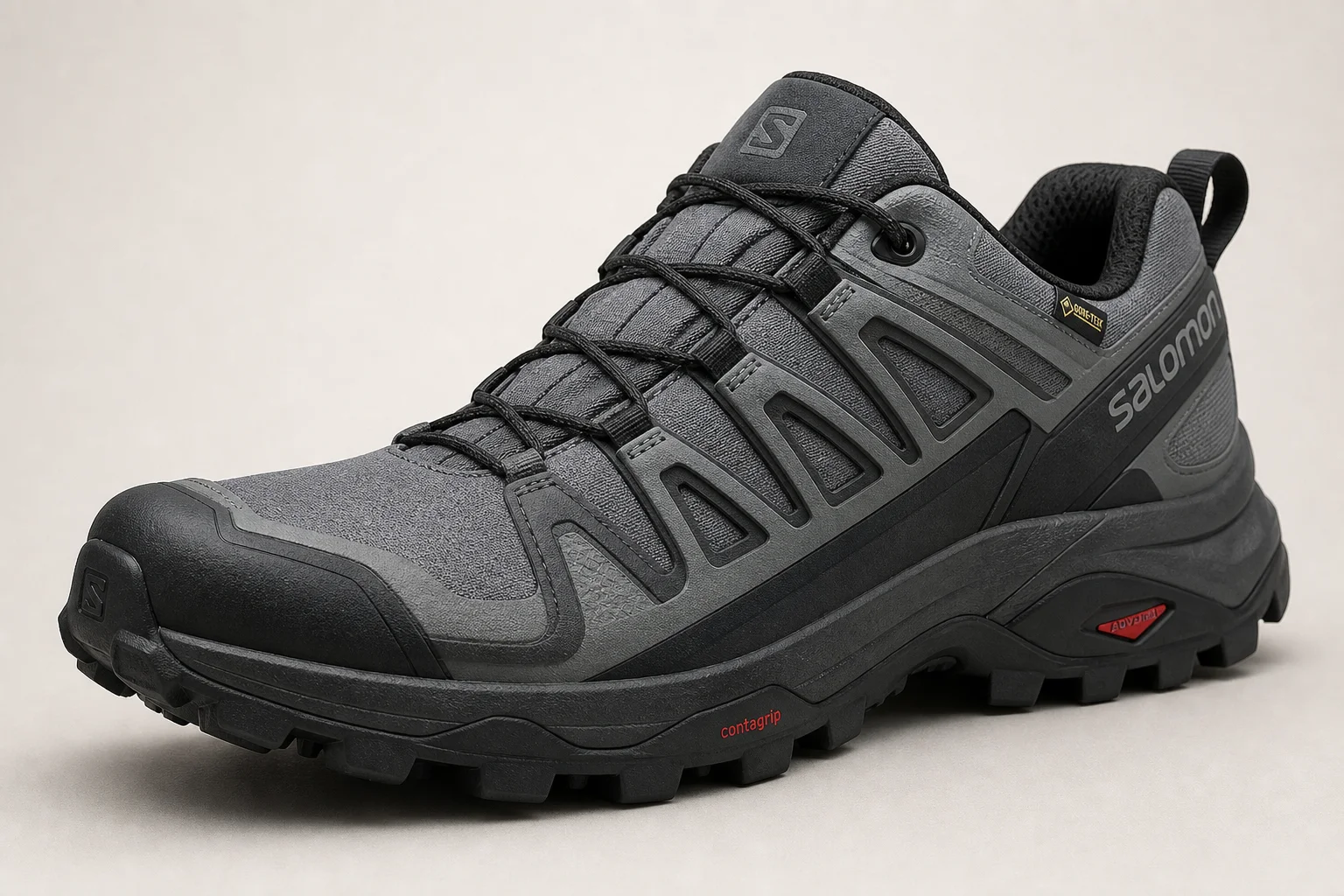
Altra Lone Peak
The Lone Peak is the newest edition of a trail runner worn through many versions, which is why it does not really feel like new gear. The fit is familiar and the changes between editions are small enough that the shoe can start a thru-hike without a long adjustment period.
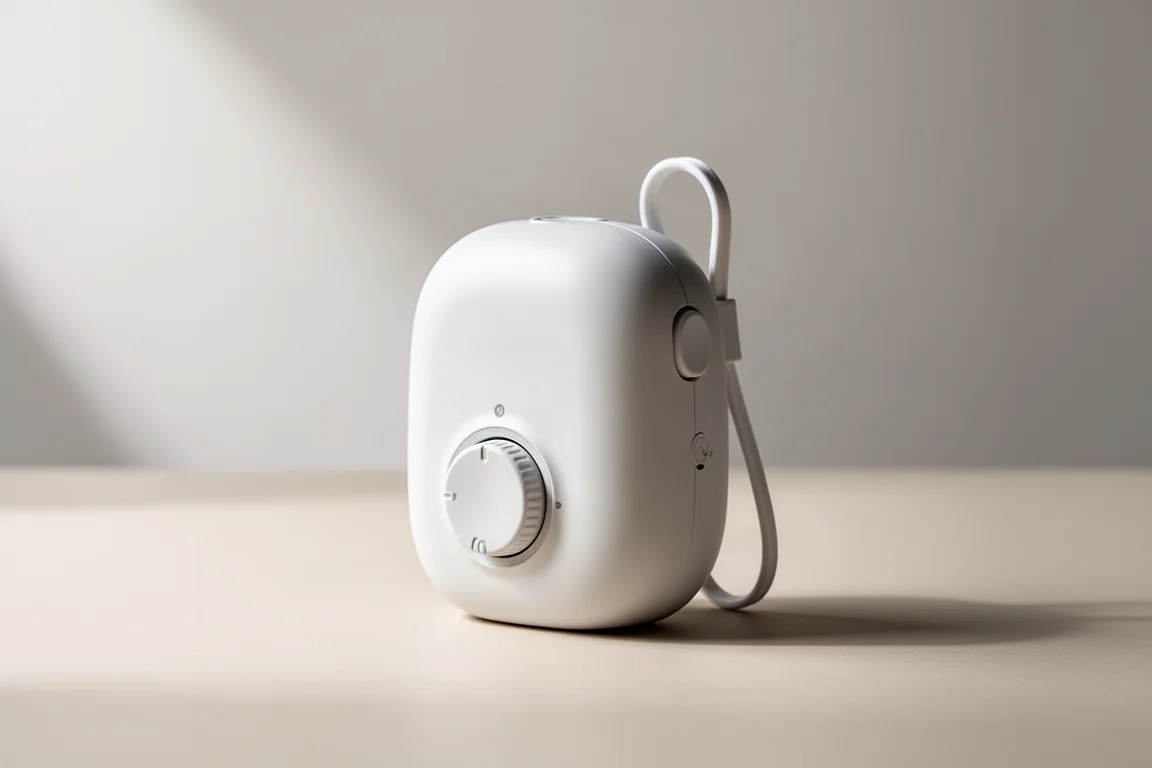
Baby Buddha Breast Pump
A full-size pump is not going on a thru-hike, so the Baby Buddha fills that gap as a compact travel pump with strong suction for its size. A full charge lasts roughly 60 to 75 minutes, and with about 20 minutes of pumping every 2 to 3 hours, backup battery power is a necessity rather than an option.
The unit alone weighs 7 oz, which is light for the suction it delivers. Running it on a shoulder strap attached to the pack keeps it from swinging on the lanyard it ships with.
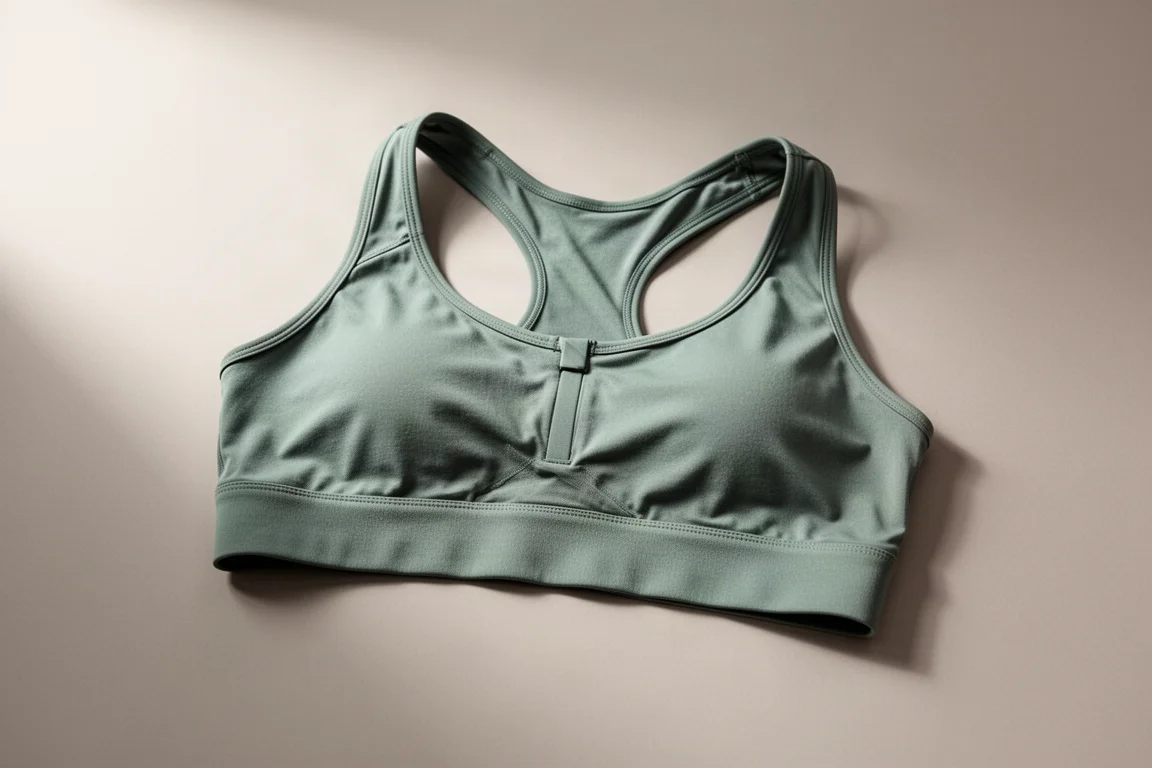
Sweat and Milk Chloe 4 Running Bra
The Chloe 4 running bra has a clip that unhooks for hands-free pumping, which removes the need to pack a separate pumping bra. Support is built around running, so hiking mileage should sit well within its range, and the fit has been comfortable.
Buying Advice
Not every item on a gear list needs replacing at once. The strongest picks here solve problems that already exist: wet shoes at camp, a camera clip that loosens, blisters between the toes. If a piece of gear is not causing a problem, the lightest and cheapest option is usually to keep carrying it.
Weight is the other filter. Shelter, sleeping pad and pack are where ounces add up fastest, so that is where trade-offs deserve a deliberate decision. A pad with a lower R-value, for instance, buys weight savings at the cost of warmth, and that only makes sense if the conditions are understood in advance.
Finally, treat a new item as a test. A long trail tells you far more than a weekend trip, and a piece of gear that does not work out can be swapped at the next town.
Conclusion
This is a working kit rather than a finished one: familiar favorites, a few deliberate experiments, and a clear reason behind every pick. Weight, function and the specific demands of a hot, windy desert trail are what hold the list together.
If something here matches a problem you already have, it is worth a closer look. If it does not, the gear you already trust is usually the better call.
Further reading
Related Reviews
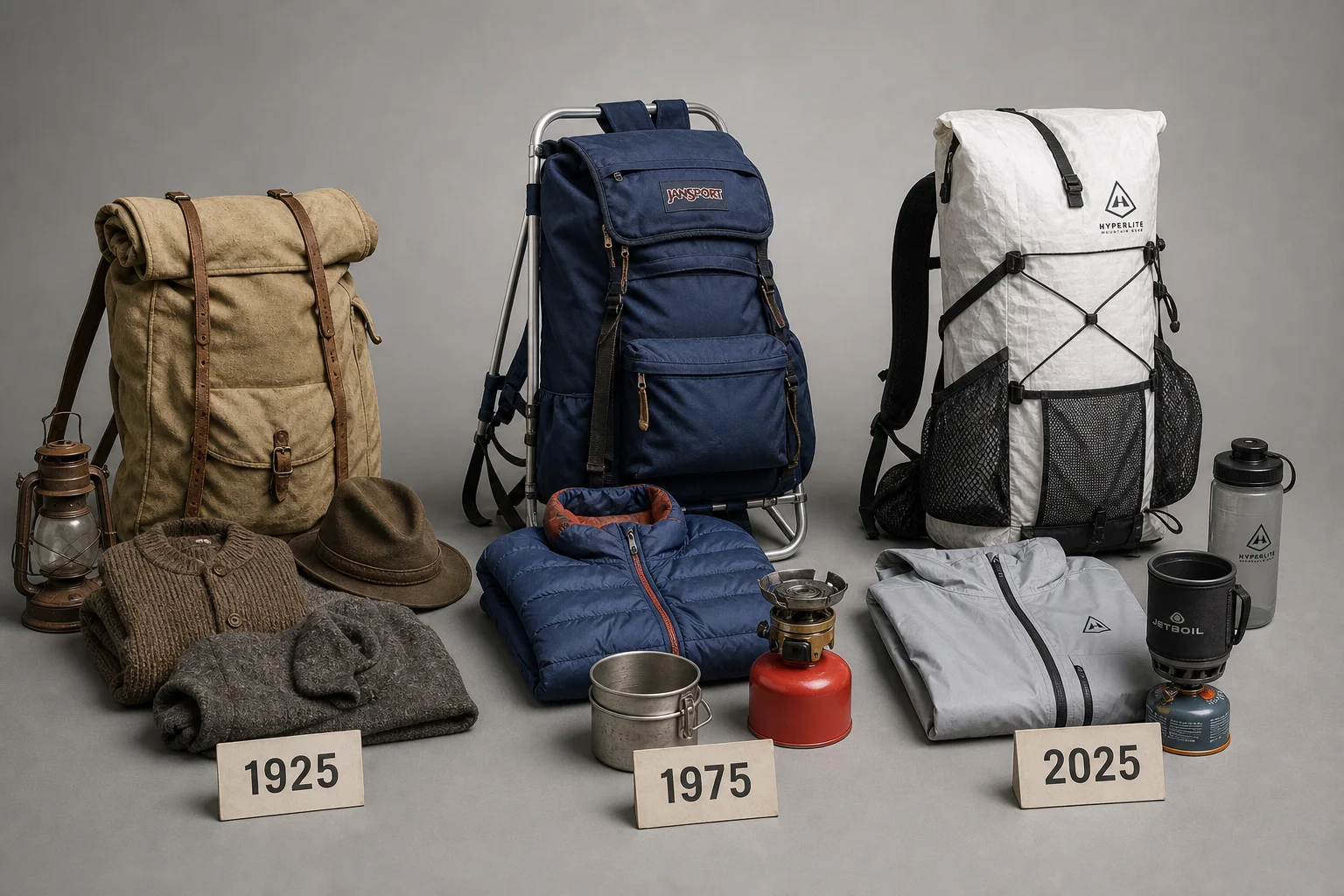
Outdoor Gear
Backpacking Gear Evolution: 100 Years of Technology Compared
We tested backpacking gear from 1925, 1975, and 2025 across a three-day hike in Yosemite. Here's how technology has transformed comfort, weight, and the outdoor experience.
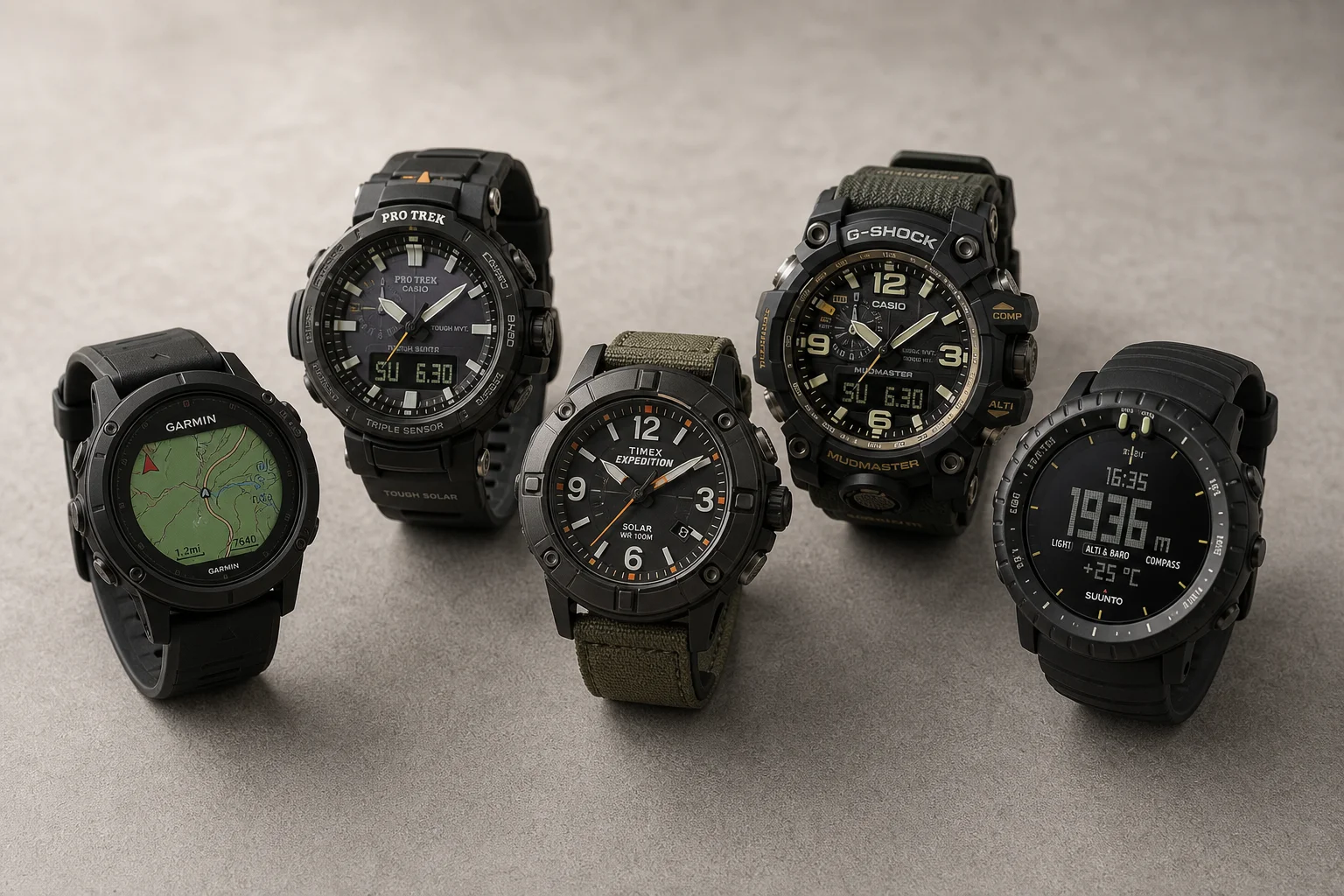
Outdoor Gear
Best Affordable Hiking Watches: Five Rugged Options for Outdoor Adventures
Five durable hiking watches that balance ruggedness, functionality, and value for outdoor enthusiasts who need reliable GPS tracking and weather resistance.
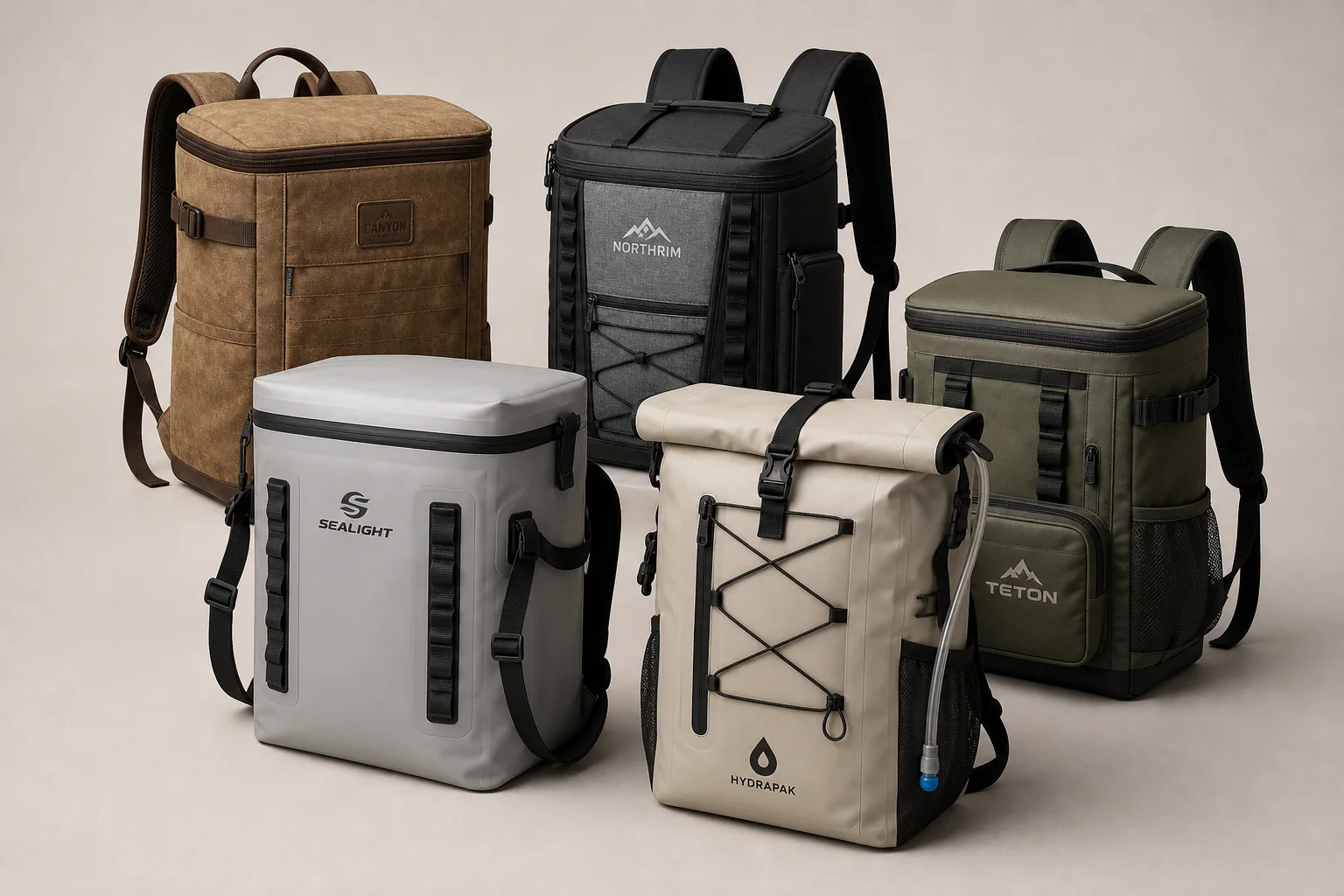
Outdoor Gear
Best Backpack Coolers 2026: Five Practical Options for Outdoor Adventures
Five backpack coolers with distinct cooling capabilities, storage features, and design trade-offs to help you choose the right one for your outdoor needs.