Home Audio
Arendal Sound 1961 Monitor Review: A Slim, Sealed Speaker Built for Subwoofers
A shallow, wall-mountable sealed speaker with a remarkably neutral measured response and the dynamic range to anchor a small home theater, provided you pair it with a subwoofer.
Introduction
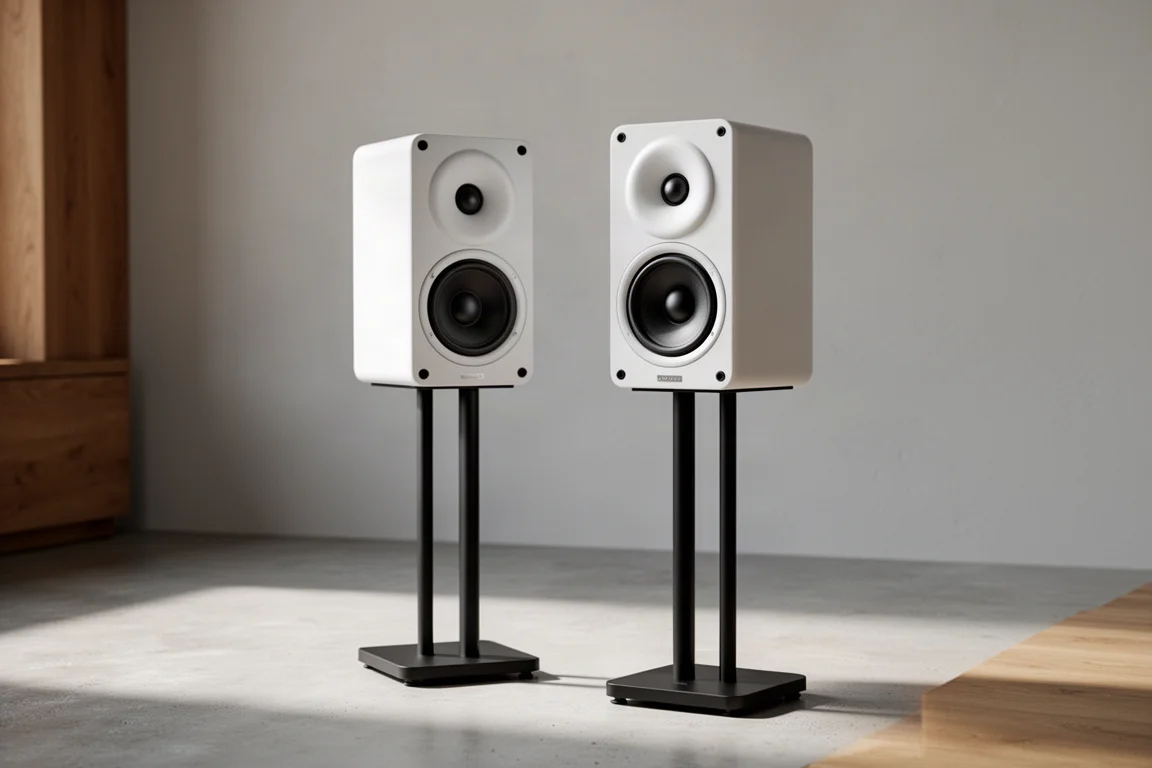
The Arendal Sound 1961 Monitor is hard to file under a single heading. It is technically a stand-mount speaker, yet with a cabinet roughly 6.5 inches wide and only about 6 inches deep, it will not fit on a normal bookshelf and it is clearly not a tower. Arendal Sound calls it a monitor, even though that word usually points to a powered studio speaker; this is a passive design meant to be driven by an amplifier or an AVR.
That narrow, shallow cabinet is the entire point of the design. The 1961 Monitor is built to be wall mounted, recessed behind an acoustically transparent screen, or placed in rooms where a conventional box speaker would simply not fit. It is also sealed rather than ported, and it is deliberately tuned to hand low-frequency work to a subwoofer instead of chasing the bottom octaves on its own.
At $1,100 per pair, it competes with conventional bookshelf speakers that offer more cabinet volume and deeper bass. What the 1961 Monitor offers instead is a combination that is genuinely rare at this price: high neutrality, wide dynamic range, and installation flexibility that most speakers in the bracket cannot match.
Who the Arendal Sound 1961 Monitor Is For
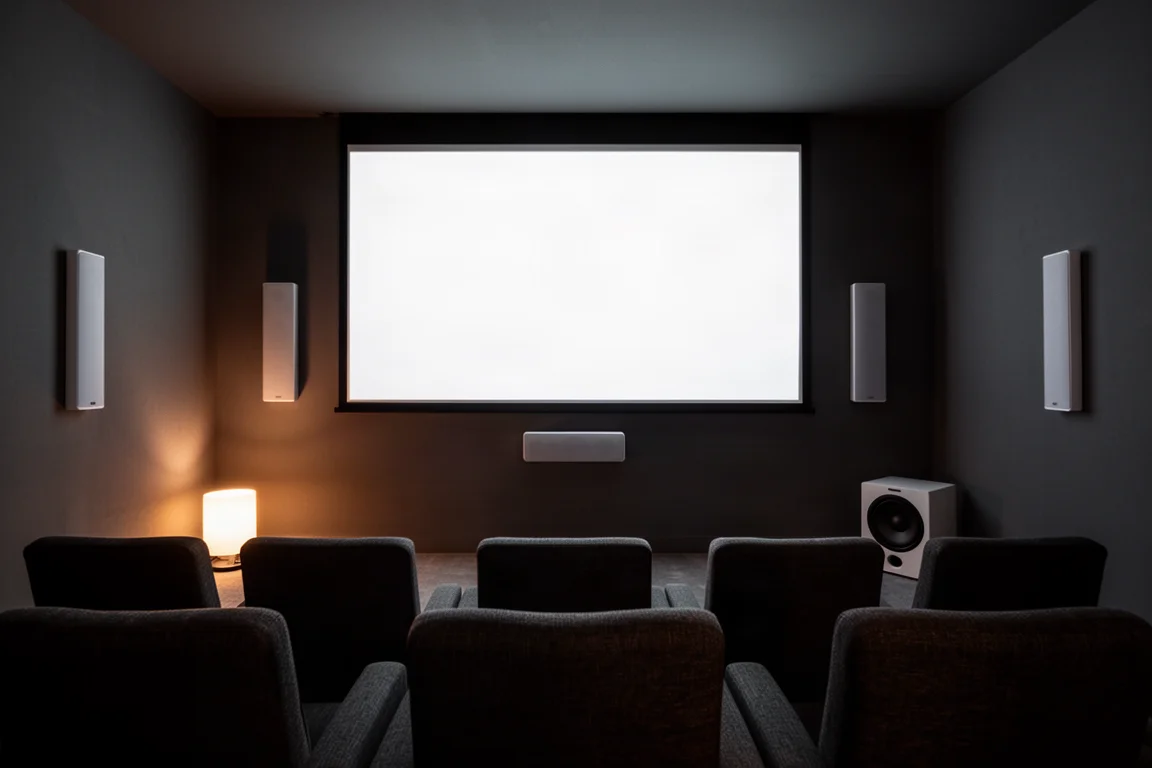
The most obvious buyer is someone short on floor space. A pair of these can be mounted on the wall beside a large television and a third can sit horizontally below it, with a subwoofer handling bass. That arrangement installs almost as easily as a soundbar but delivers performance in a completely different league.
It also works well as a surround speaker. Because its vertical dispersion is wider than most MTM designs, it is less fussy about mounting height, and it can handle the wide dynamic swings of surround content. The limit is scale: these are not the right choice as the main left, centre and right speakers in a large theater, where far more output is required.
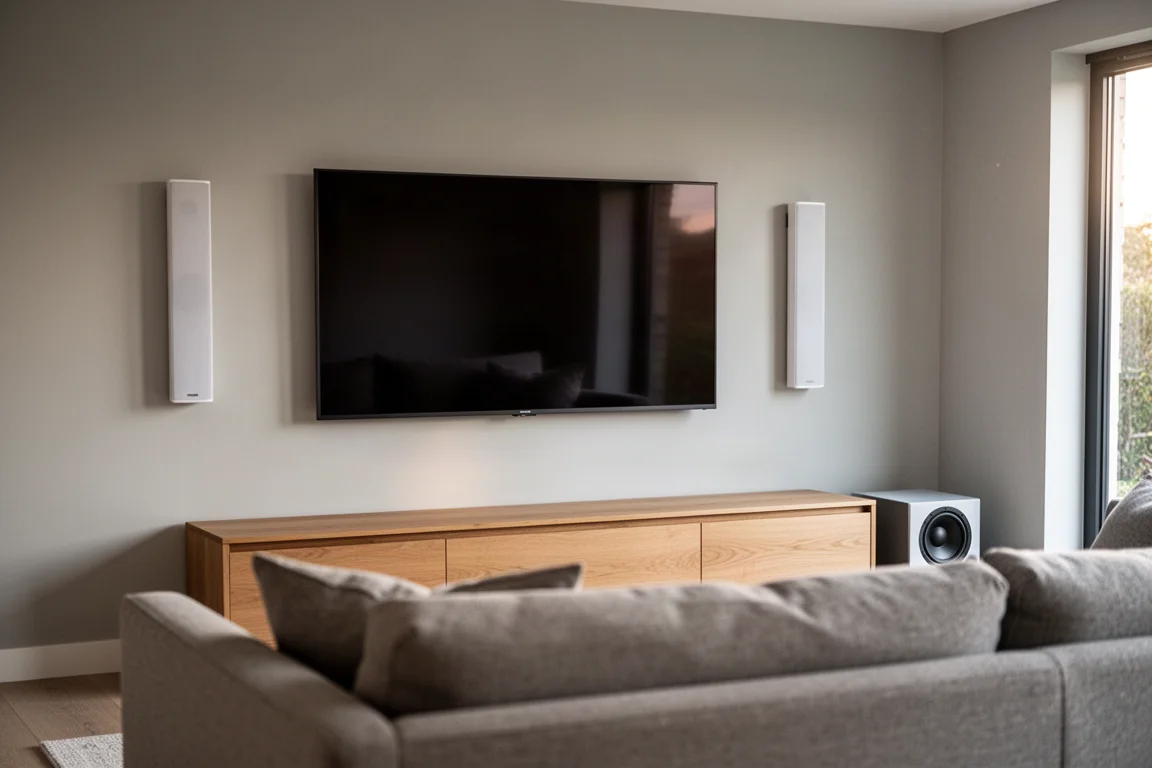
A second group should pay close attention: anyone building a system behind a projection screen. Because the cabinet is only about 6 inches deep and completely sealed, it can be recessed into a shallow cavity behind an acoustically transparent screen without intruding into the room.
The one buyer who should look elsewhere is anyone who wants full-range sound without a subwoofer. Bass management is not an optional extra with this speaker. It is a design assumption.
Build Quality and Cabinet Design
Build quality is where Arendal Sound has earned most of its reputation, and the 1961 Monitor maintains that standard at a lower price than the company’s 1723 series. The cabinet is solid and well damped, and the details hold up under close inspection: the connectors and cabinet edges are neatly chamfered, and the overall fit and finish feels a step above what most competitors deliver at this price.
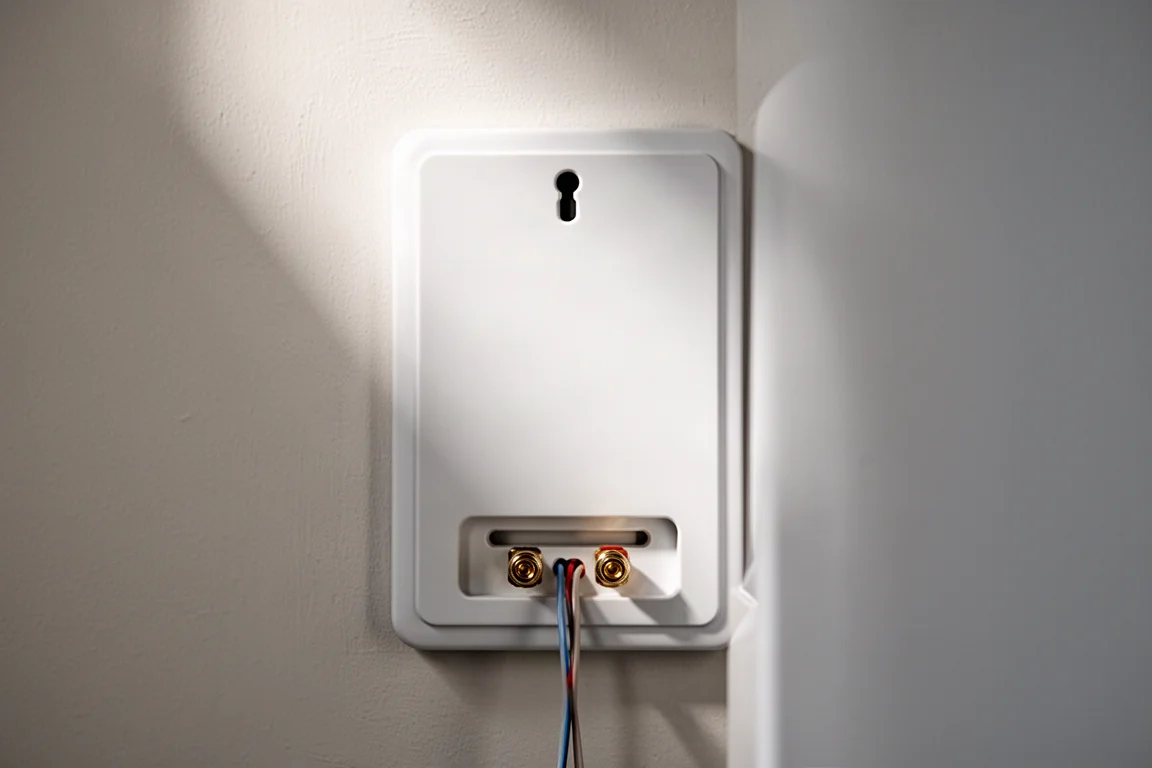
Mounting hardware is integrated rather than optional. The rear panel carries VESA-style mounts, there is a keyhole slot near the top of the cabinet, and a narrow channel below the binding posts lets speaker cable pass through without the need for a right-angle connector.
Packaging is unusually thorough. The speakers arrive in heavy-duty boxes with large polyethylene foam standoffs and fabric drawstring bags, which matters because this kind of product ships by parcel service and cannot be collected from a store. Arendal Sound backs that up with free shipping and a 60-day trial period.
The 1961 Monitor is available in white or black, and grilles are included. The grille has only a modest effect on the measured response, so it can stay in place if you prefer the look, though the most accurate result comes with it removed.
Measured Performance: Neutrality and Off-Axis Consistency
The measurements are the strongest argument for this speaker. From roughly 200 Hz to 10 kHz, the on-axis and listening-window responses stay within a window of about plus or minus 2 dB, and the on-axis curve is tighter still. Above 10 kHz the response becomes slightly less tidy, but it remains good rather than problematic.
Off-axis behaviour matters just as much. The speaker holds a consistent tonal balance out to roughly 50 degrees, which means it sounds essentially the same across a wide listening area rather than only in one narrow seat. That smooth, predictable off-axis response also makes the speaker unusually friendly to equalisation. Room correction systems tend to work well with a speaker like this because there are no odd off-axis artifacts to chase, and EQ changes hold up as you move around the room.
Vertical dispersion deserves a note of its own. The driver array narrows the vertical window somewhat, but less than most MTM designs do, and the polar behaviour stays even out to about 15 degrees. In a vertical stereo pair that means seated ear height should sit close to tweeter height, although the relatively wide vertical window leaves more room for error than usual. The same trait is what makes horizontal centre channel use viable.
Dynamic Range and Subwoofer Integration
Inside the cabinet are two woofers of roughly 5.5 inches and a 1-inch dome tweeter loaded into a waveguide similar to the one used on the 1723 series. The motors behind both drivers are substantial, and that is what allows the speaker to stay composed at high output and gives it a wide dynamic range for its size. The tweeter in particular uses a large magnet assembly.
The low-frequency measurement shows a flat response that begins to roll off gently from around 100 Hz, with a slope a little steeper than the 12 dB per octave you would expect from a simple sealed box. The practical reading is straightforward: cross these over to a subwoofer, most likely at 80 Hz through an AVR’s bass management, and let the subwoofer do the work below that.
Because the cabinet is sealed, there is no port to shift phase as the speaker approaches its lower limit. Phase stays consistent through the crossover region, which makes subwoofer integration noticeably easier than it is with a ported design. Listeners who rely on automatic room correction should find the system settles in quickly, perhaps with a small delay adjustment on the subwoofer.
Setup, Mounting, and Amplification
The 1961 Monitor is rated at 4 ohms, and the impedance curve is unusually well behaved: it stays consistent across the range and dips only to about 5 ohms at its minimum. That is a conservative rating, since the standard minimum for a 4-ohm speaker is 3.2 ohms. There are no dramatic swings, so the speaker does not need exotic amplification. A mid-priced AVR will drive it comfortably, particularly when the speakers are bass managed at 80 Hz and never asked to produce deep bass.
Mounting is genuinely simple. The VESA mounts and keyhole slot let the speaker sit flat against a wall, and the cable channel below the binding posts keeps wiring tidy without special connectors. For a screen-based system, the shallow cabinet can be recessed behind an acoustically transparent screen with only a small cavity.
Used horizontally as a centre channel, the speaker behaves better than most MTM designs, holding a consistent response out to roughly 15 degrees and staying usable within about plus or minus 20 to 25 degrees. Beyond that window, a dedicated three-way centre remains the better option. If the room allows, mounting all three front speakers vertically behind a screen with the tweeters at ear height is the ideal arrangement.
Things to Consider Before Buying
The first consideration is not really a drawback but a requirement: these speakers need a subwoofer. Treated as a full-range speaker, the 1961 Monitor will sound thin, because it was never designed to work that way.
The second is treble directivity. Above roughly 14 kHz the waveguide begins to beam, so the top octave is best heard on or near the listening axis. That is above the range most listeners hear well, and it remains better controlled than most speakers at this price, but it is worth knowing if you sit far off axis.
Third, the horizontal centre channel configuration has limits. It performs well within about plus or minus 20 to 25 degrees, but listeners in wide side seats are better served by a three-way centre.
Finally, output has a ceiling. These speakers are not intended as the main channels in a large theater, though they can serve as surrounds in a large room. And because the shallow, wall-mountable form factor is uncommon, there are few direct alternatives to compare against, which means the price reflects a fairly specialised design rather than a crowded category.
Buying Advice
At $1,100 per pair, the 1961 Monitor is priced against conventional bookshelf speakers, and the comparison only makes sense once you account for what it is designed to do. If you already own a subwoofer and can bass manage the system at 80 Hz, the speaker delivers neutrality and dynamic range that most boxes at this price cannot match.
Pair it with a capable subwoofer. Arendal Sound’s larger 1723 subwoofers are the natural match for a system built around these speakers, and the company’s own sealed 1961 subwoofers are designed to work in the same family. Either way, set the crossover at 80 Hz and let the subwoofer carry the low end.
Start with a pair if you are building a two-channel or small theater system, and add a third for a centre channel when you are ready. Free shipping and a 60-day trial period make it possible to test the arrangement in your own room, which is the only place the mounting flexibility and subwoofer integration will really prove themselves.
Conclusion
The Arendal Sound 1961 Monitor is a specialist speaker, and it is honest about that. It gives up deep bass extension on purpose in exchange for a sealed cabinet that integrates cleanly with a subwoofer, a slim profile that mounts almost anywhere, and measured performance that is neutral and predictable across a wide listening window. For a small home theater, a wall-mounted system, or a screen-based installation, that trade-off is easy to justify. Buyers who want one pair of speakers to do everything without a subwoofer should look at a different design.
Product link
View more details for Arendal Sound 1961 Monitor
This product is mentioned in the review. Check the specifications, options, and compatibility before buying.
View more details for Arendal Sound 1961 MonitorFurther reading
Related Reviews
Home Audio
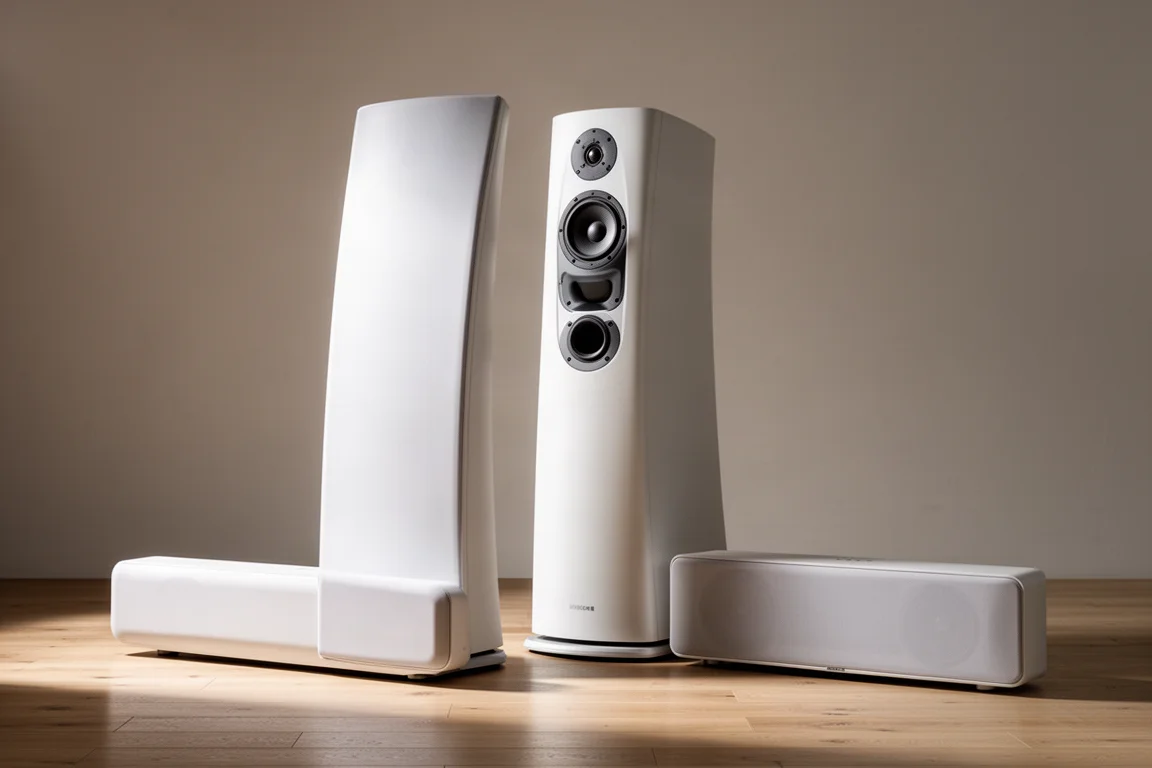
Aperion Novus Tower and Center Review: Punchy Home Theater Sound With Real Refinement
A close look at the Aperion Novus tower and center speakers, from their layered paint finish and punchy bass to the 4-ohm load and what the price actually buys.
Home Audio
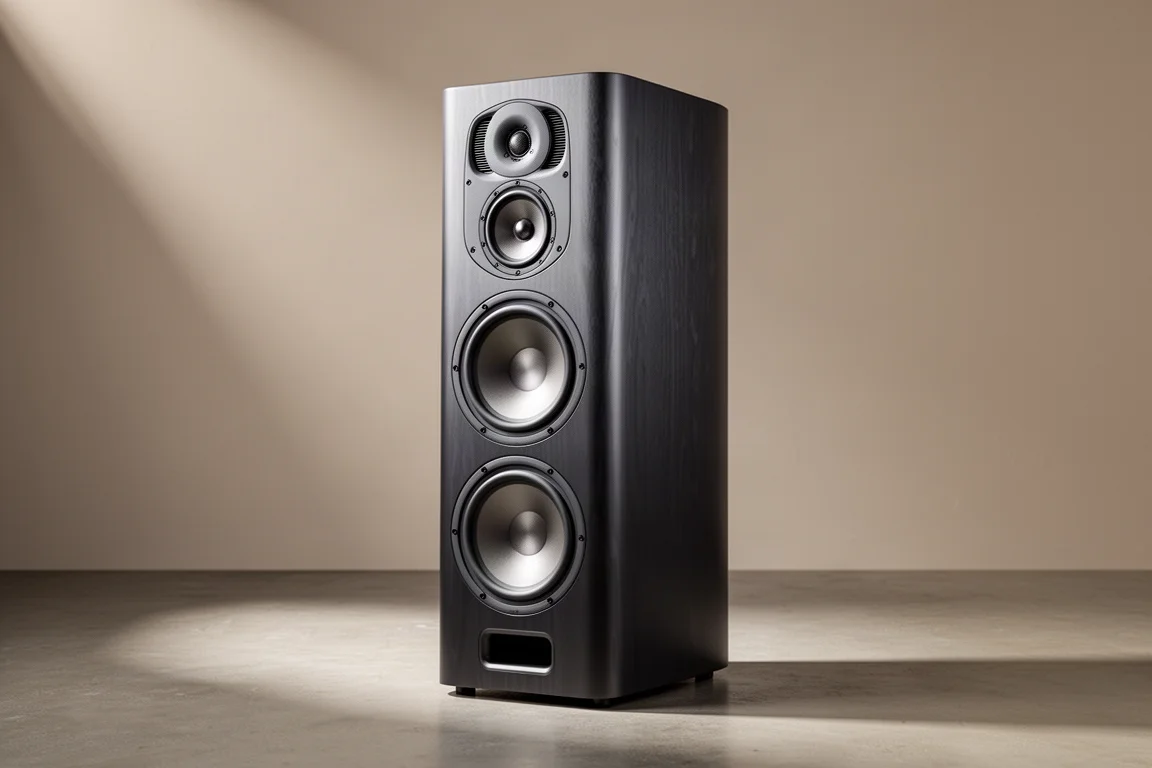
Arendal 1610 Tower Review: Flagship Dynamics in a Room-Friendly Tower
A compact floorstanding tower with three 8-inch aluminium woofers, a 5-inch carbon midrange, and the kind of bass heft usually reserved for much larger speakers.
Home Audio
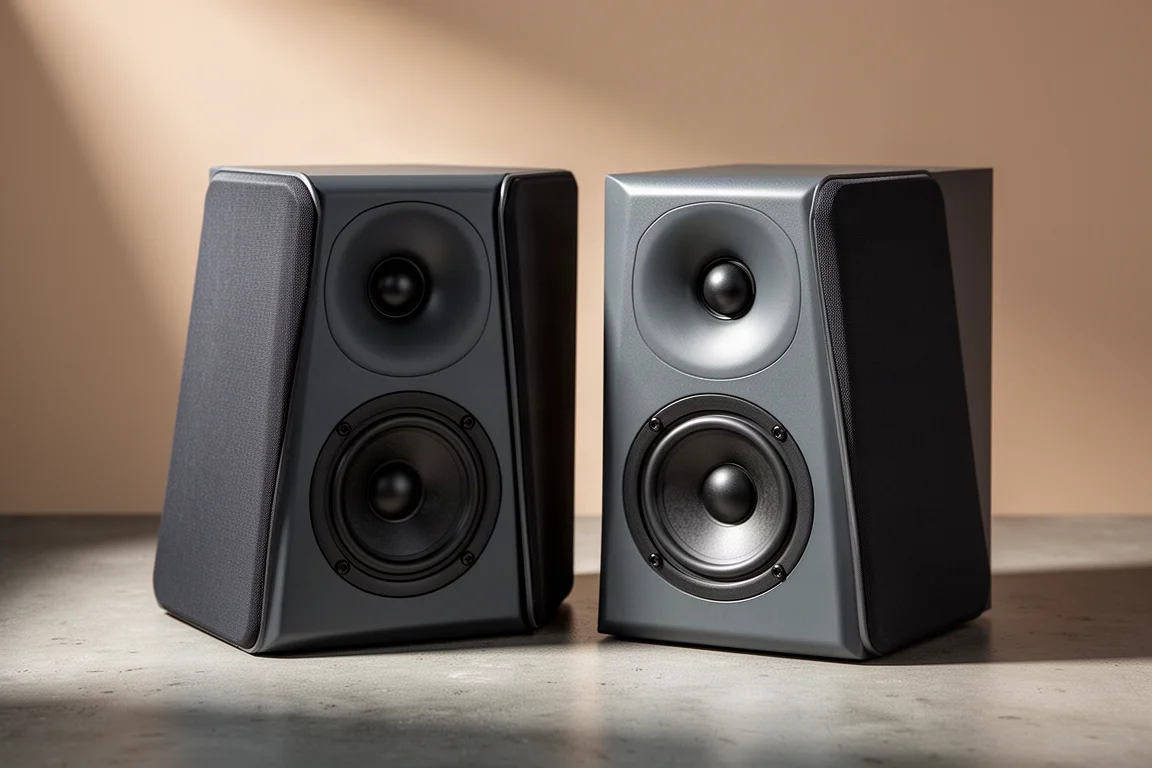
Arendal 1723 S THX Review: A Reference Speaker Built Like a Tank
A practical look at the Arendal 1723 S THX, a sealed, THX-certified speaker with exceptional build quality, a very flat top end, and a midrange that responds beautifully to EQ.