Home Audio
Arendal Sound 1723 Monitor S Review: Big, Neutral and Built for Music and Film
A close look at the Arendal Sound 1723 Monitor S, a large two-way bookshelf speaker with selectable port tuning, 4-ohm nominal impedance and a remarkably neutral presentation.
Introduction
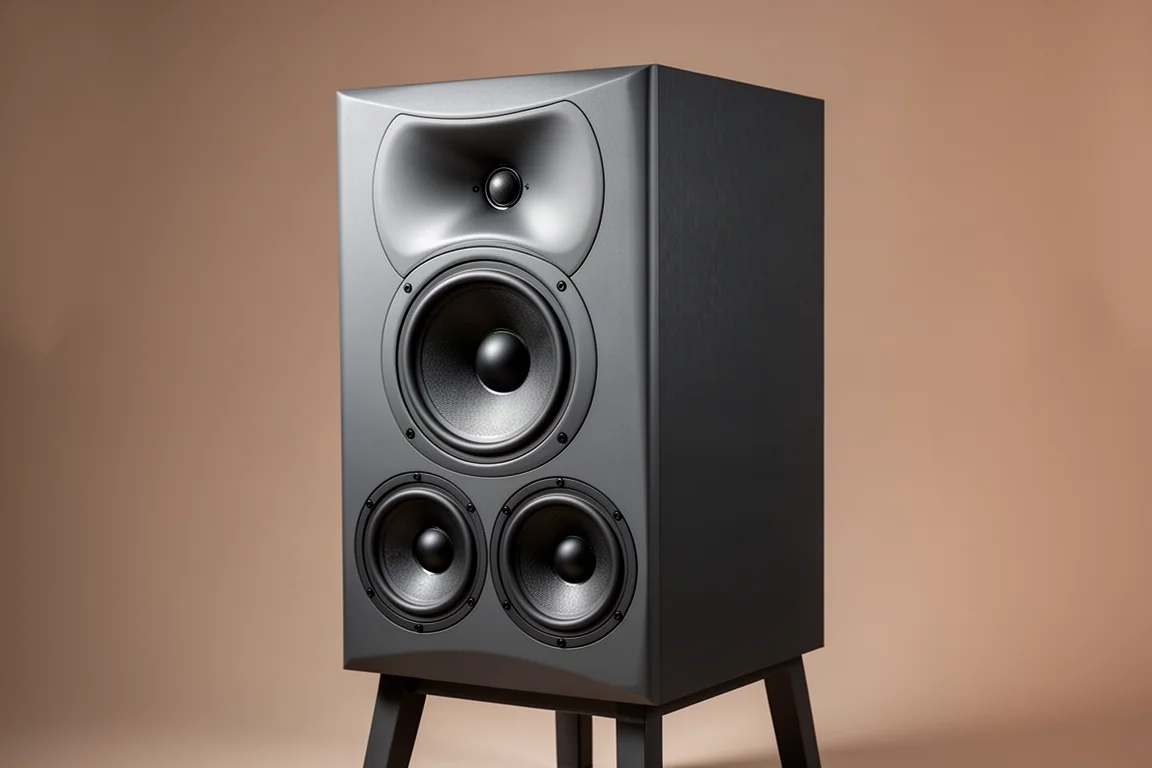
The Arendal Sound 1723 Monitor S is a bookshelf speaker in name only. It stands 22.5 inches tall, measures 9.6 inches wide and 12.6 inches deep, and weighs 41 pounds per cabinet, so a pair on stands takes up roughly the same footprint as a compact floorstanding speaker.
It comes from the 1723 THX series and is the ported monitor in that range. The design is a two-way with two 6.5-inch woofers and HDF construction, crossed over at 1,500 Hz, with a 28 mm tweeter set into a wide waveguide across the top of the baffle. Sensitivity is quoted at 88.7 dB, which makes it fairly easy to drive, and nominal impedance is 4 ohms. A larger model with two 8-inch woofers also exists in the same line.
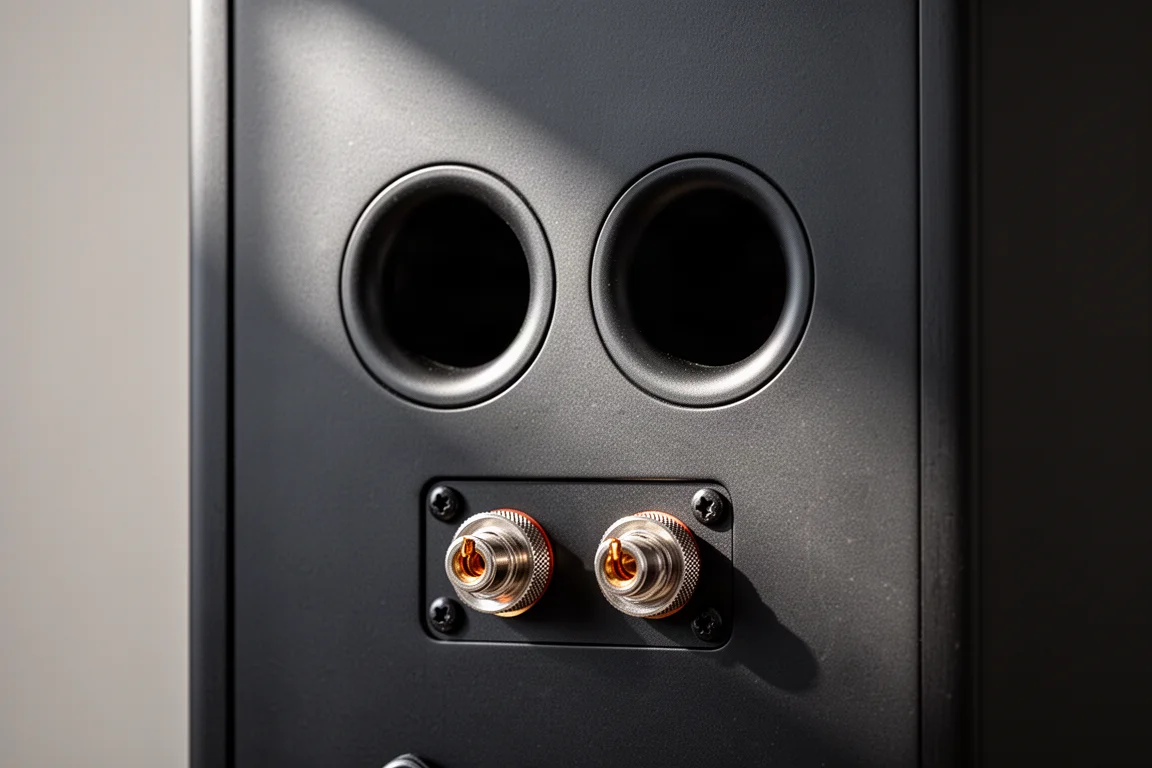
The feature that shapes how this speaker lives in a room is its low-frequency tuning. The cabinet can be run sealed, with one port open, or with both ports open, and each configuration changes the low-frequency rolloff: 66 Hz sealed, 59 Hz with a single vent open, and 46 Hz with both vents open. The two-port configuration is the most extended of the three and the one that makes the strongest case for the design.
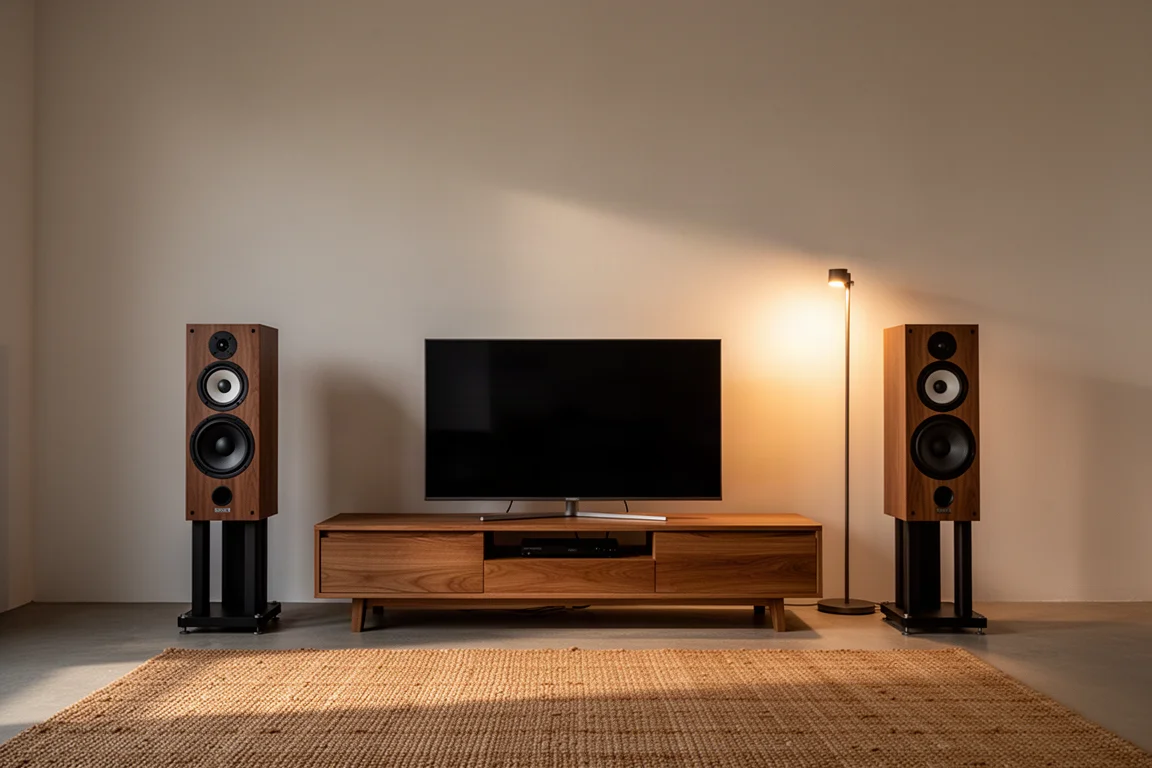
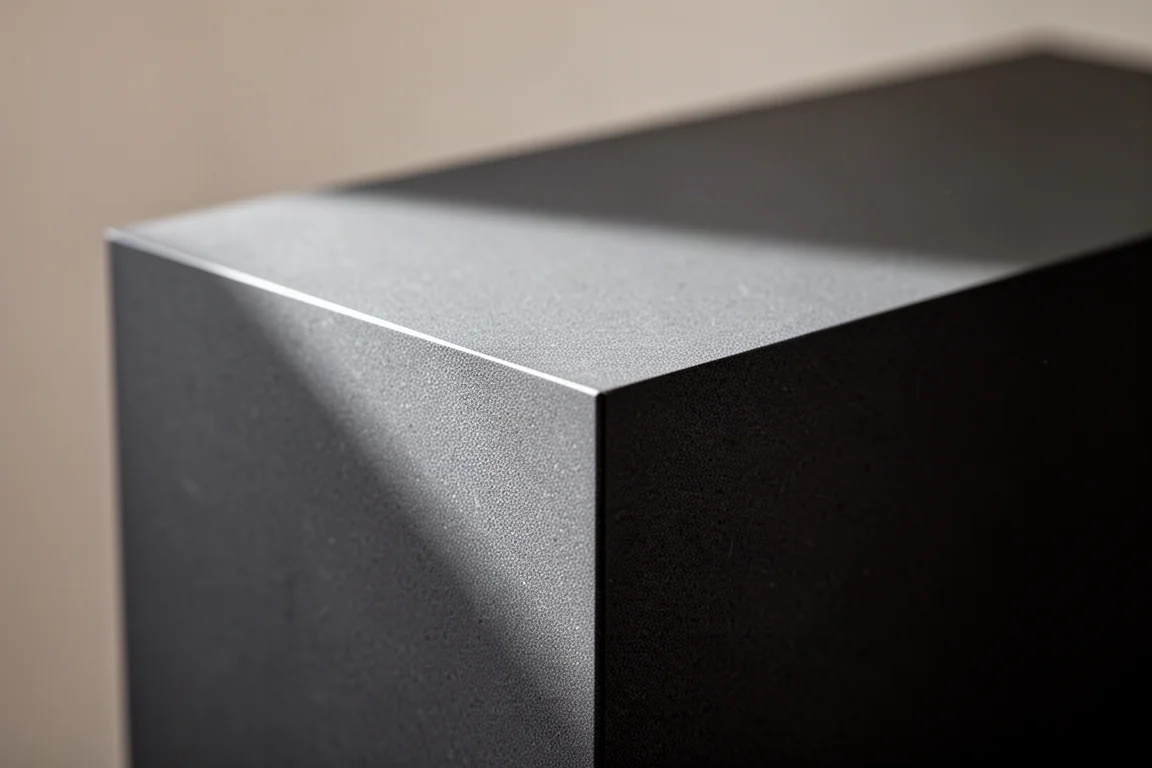
At $2,049 per pair, the 1723 Monitor S sits well above typical bookshelf pricing, and the finish is a matte paint applied impeccably. It is large, heavy and deliberately serious hardware, and everything that follows depends on whether that scale suits the room it is going into.
Who This Speaker Is For
This is a speaker for listeners who want a neutral presentation rather than a flattering one. Nothing in the sound is warmed up or softened, and recordings arrive with their own character intact, which suits people who listen across a wide range of genres and want to hear what the mix is actually doing.
It also makes sense in a mixed music and film system. Used as front left and right channels, a pair delivered a scale that is unusual for a bookshelf cabinet, so anyone building a home theatre setup around large front speakers should keep it on the shortlist.
Finally, it rewards buyers who value efficiency. At 88.7 dB sensitivity it does not need an oversized amplifier to sound full and dynamic, though the 4-ohm nominal impedance means the amplifier should be comfortable driving a lower impedance load.
Main Strengths
The strengths here are unusually easy to separate: bass, midrange, treble, imaging and efficiency all perform at a level that would be notable even in a much more expensive speaker.
Bass, Dynamics and Low-Frequency Tuning
Bass is where this speaker makes its strongest first impression. Extension is good for a cabinet of this size, and the character is tactile rather than soft: notes arrive with a quick slap at the leading edge. On a rock track built around a heavy kick pattern, the punch at the start of each hit is clearly defined, and on a plucked upright bass line the notes stay separate and readable instead of blurring together. With the subwoofer switched off entirely, low bass content buried in a dense metal mix was still audible from the speakers alone.
Dynamics are a big part of the story as well. The speaker plays large and stays composed while doing it, and it produced that sense of scale even when driven by a home theatre receiver rather than a dedicated stereo amplifier. Nothing about the presentation felt thin or strained, which is the usual compromise with smaller bookshelf designs. The bass also stays quick rather than ponderous, so rhythmic material keeps its drive.
Midrange, Treble and Imaging
The midrange is the reason this speaker is easy to describe and hard to fault. Vocals sit in a stable centre image with real depth behind them, and instruments occupy distinct spaces rather than smearing into each other. On a densely arranged rock recording, the opening guitar and the drum hits were easy to follow individually. Tonality is neutral in the strict sense: there is no obvious warmth and no added coolness, just the character of the recording.
The treble follows the same philosophy. Cymbals have air and decay rather than a hard leading edge, and on live acoustic recordings the size of the room around the performance comes through clearly. Bright, aggressively mixed cymbals still sound bright and aggressive, which is the correct result for a speaker that is not smoothing the source. Imaging stayed precise even in a less than ideal room layout, with furniture sitting close to one of the speakers, which suggests the waveguide is doing real work.
Home Theatre Performance
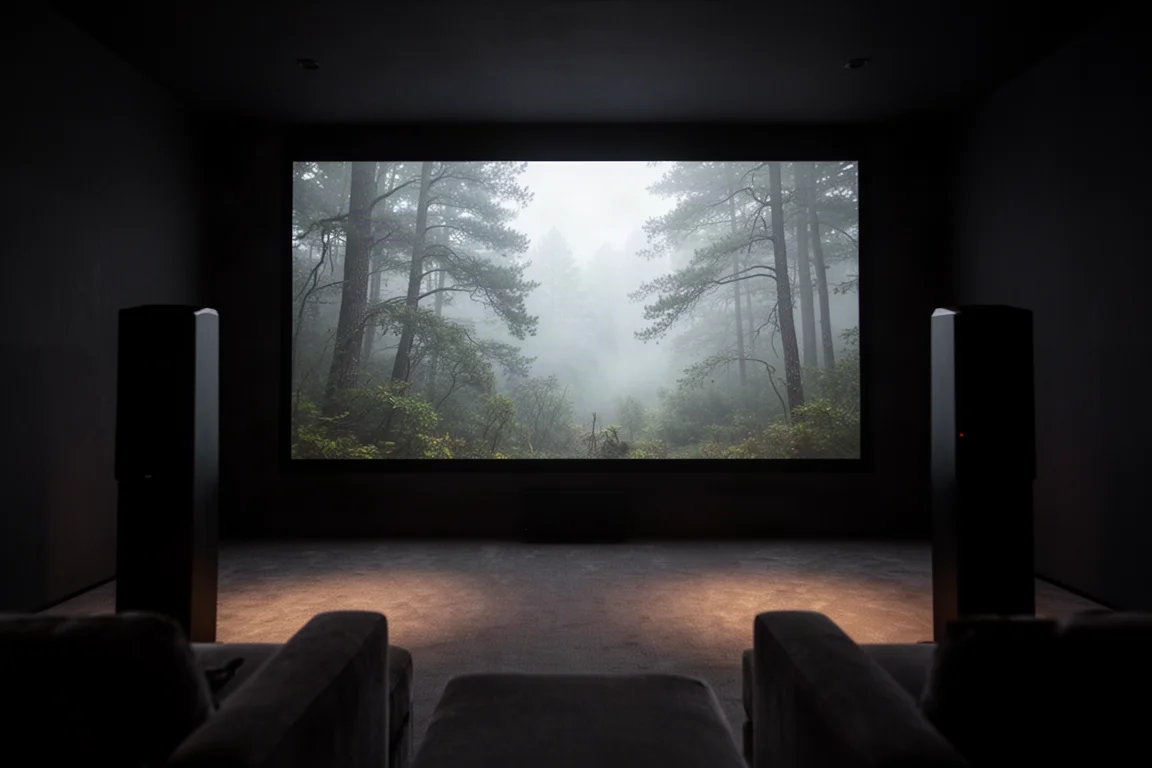
As front left and right channels in a home theatre system, the 1723 Monitor S is exceptional. Run full range with no crossover applied, a pair in a large room produced enough low-frequency output to fill out the bottom end on its own, and the sense of space around effects was far beyond what the cabinet size suggests. Dialogue stayed clean and intelligible, and low-frequency energy was strong enough to be felt through a sofa during a dense action scene. Quieter atmospheric material was just as convincing: wind, birdsong and distant movement in a forest setting all arrived with clear placement.
One practical note from that setup. The centre channel used alongside these speakers came from a different brand, and the tonal match was close enough that the mismatch was never distracting. For most material a centre channel was not even necessary, because the pair produced a solid phantom centre image on its own. The exception is material with heavily recessed dialogue and a very wide dynamic range, where a dedicated centre channel still earns its place.
Things to Consider Before Buying
Size and weight are the first practical hurdles. At 41 pounds per cabinet and more than 22 inches tall, these are not speakers you tuck onto a shelf, and on stands they occupy floorstanding territory. Placing them on a console is possible, but some isolation from the surface is worth planning for.
The 4-ohm nominal impedance is the second consideration. The speaker is efficient, so raw power is not the issue, but the amplifier should be stable into a lower impedance load to get the best from it.
Price is the third. At $2,049 per pair this is a premium purchase, and while the build quality and finish would not look out of place on considerably more expensive speakers, it is still a significant outlay that is best matched to a room where the speakers can be positioned properly.
Buying Advice
Buy the 1723 Monitor S if you want one pair of speakers that handles music and film without compromise, and if you have the space to let a large cabinet breathe. It is the most neutral speaker of the group it is usually compared against, including the PMC Prodigy 1, the Buchardt P300 and the Buchardt S400 Mk I, and it plays louder and larger than any of them while staying composed. Its bass is also quicker than the PMC Prodigy 1, and the Buchardt P300 remains the more affordable alternative at around €1,450 per pair.
Where the 1723 Monitor S justifies its price is in versatility. It delivers the output and low-frequency authority of a floorstanding speaker from a cabinet that can be placed on a stand or a console, it is efficient enough to work well with modest amplification, and it does not add colour to anything you play through it. If your priority is accuracy and scale rather than a warm, forgiving sound, this is the stronger choice.
Conclusion
The Arendal Sound 1723 Monitor S is a rare combination: a genuinely large bookshelf speaker that stays neutral, stays composed and still delivers the bass weight and dynamics of a much bigger design. Build quality, finish, imaging and tonal accuracy are all at a level that leaves very little to criticise, and the selectable port tuning lets you adapt the low-frequency rolloff to the room instead of the other way around.
The trade-offs are real but straightforward. It is big, it is heavy, it asks for an amplifier that is happy with a 4-ohm load, and it costs $2,049 per pair. For a listener who wants an uncoloured, high-output speaker that works as well with a film soundtrack as it does with a favourite album, that is a fair exchange.
Product link
View more details for Arendal Sound 1723 Monitor S
This product is mentioned in the review. Check the specifications, options, and compatibility before buying.
View more details for Arendal Sound 1723 Monitor SFurther reading
Related Reviews
Home Audio
Aperion Novus Tower and Center Review: Punchy Home Theater Sound With Real Refinement
A close look at the Aperion Novus tower and center speakers, from their layered paint finish and punchy bass to the 4-ohm load and what the price actually buys.
Home Audio
Arendal 1610 Tower Review: Flagship Dynamics in a Room-Friendly Tower
A compact floorstanding tower with three 8-inch aluminium woofers, a 5-inch carbon midrange, and the kind of bass heft usually reserved for much larger speakers.
Home Audio
Arendal 1723 S THX Review: A Reference Speaker Built Like a Tank
A practical look at the Arendal 1723 S THX, a sealed, THX-certified speaker with exceptional build quality, a very flat top end, and a midrange that responds beautifully to EQ.