Bookshelf Speakers
Arendal 1961 Bookshelf Speaker Review: Serious Output From a Very Small Cabinet
A compact two-way sealed bookshelf speaker with strong measured output, low distortion, and a clear need for a subwoofer.
Introduction
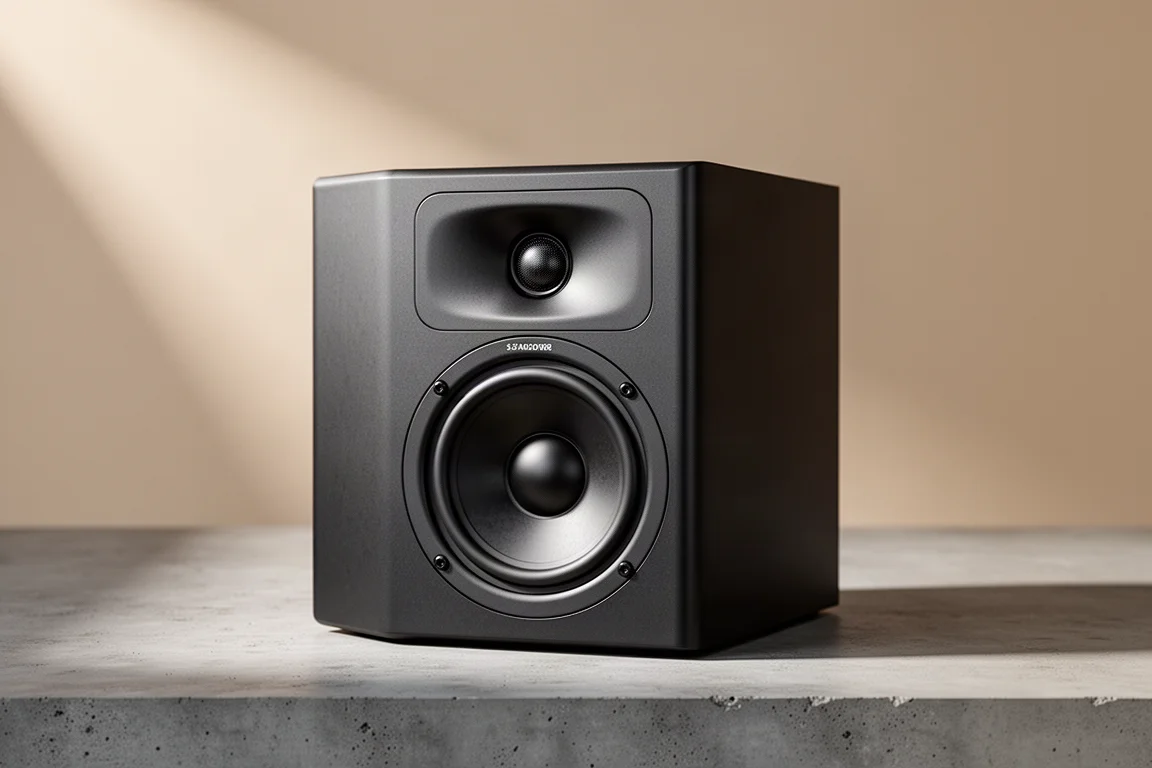
The Arendal 1961 Bookshelf Speaker is the smallest model in the brand’s 1961 line, and its size is the first thing that registers. It is a two-way sealed design with a 28 mm tweeter set into a waveguide and a 5.5 inch midwoofer, crossed over at around 1,500 Hz. It costs $799 per pair, and that price includes free shipping in the US.
Small cabinets normally mean limited output. This one is the exception. Measured performance shows a linear response, low distortion, and compression that stays remarkably low for a cabinet this compact, which makes it a credible option for a small room or a space-conscious home theater.
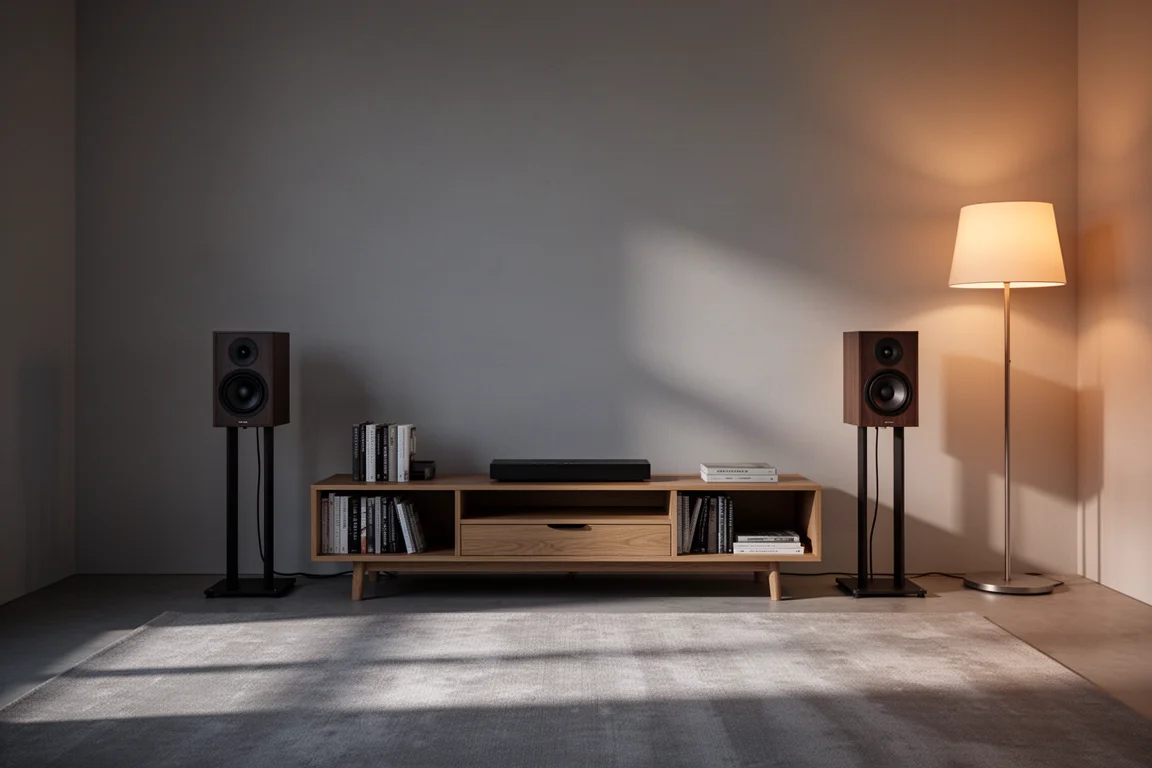
That combination of a tiny footprint and genuine output capability is the core of the case for this speaker. It also ships with a wall-mountable plate, so it can be positioned in ways most bookshelf designs cannot. The sections below walk through the design, the measured behaviour, and the practical points worth weighing before buying.
Who This Speaker Is For
This is a speaker for listeners who do not have room for a large cabinet. If your space is a small living room, a bedroom, a study, or an apartment where a floorstander would dominate the room, the 1961 Bookshelf keeps the visual footprint minimal without giving up dynamic capability.
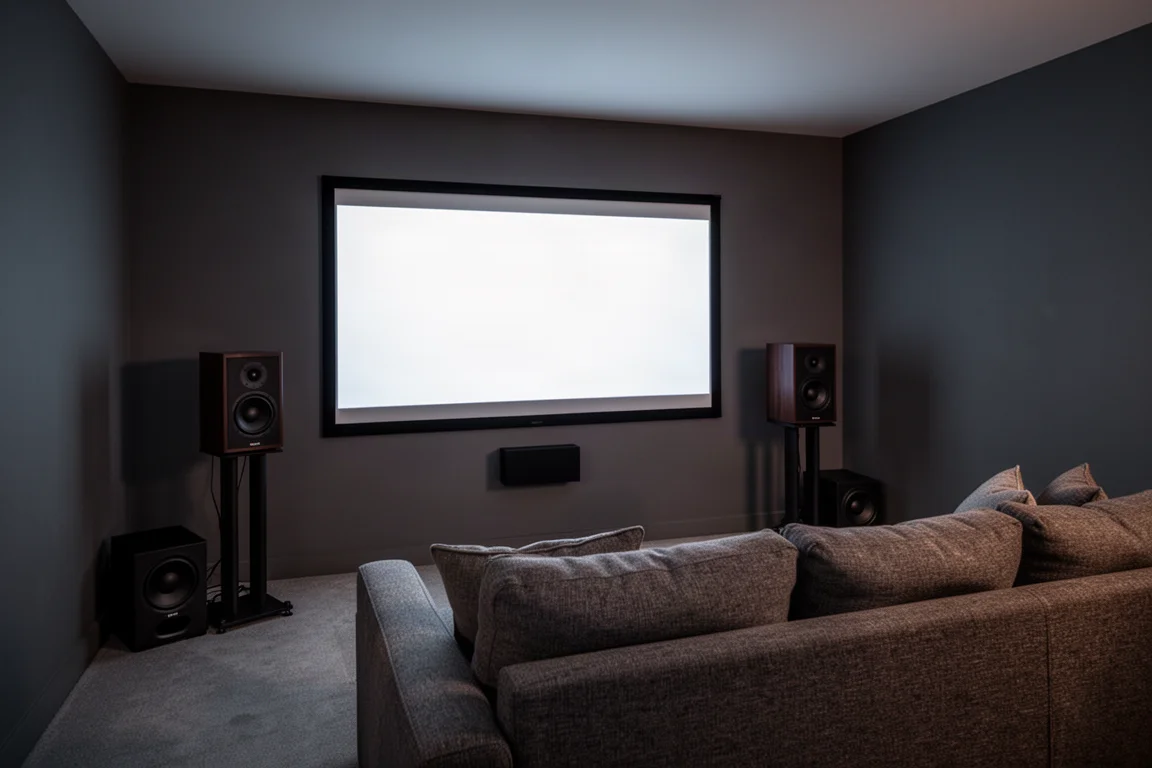
It also suits home theater use in more than one role. Used as a front left and right pair with a capable subwoofer, it delivers the output and linearity that film soundtracks demand from the main channels. Used as rear surrounds, its compact size and consistent off-axis behaviour make it easy to place behind or beside the listening position without crowding the room.
The wall-mountable plate widens the appeal further, since it allows the speaker to be fixed directly to a wall when floor space or stand space is at a premium. Buyers considering that route should read the placement notes later in this review, because wall mounting changes the response in a predictable way.
Design and Key Specifications
The driver complement is deliberately simple: a 28 mm tweeter loaded by a waveguide, and a 5.5 inch midwoofer, both housed in a sealed enclosure. The crossover sits at approximately 1,500 Hz, a point that appears to have been chosen to let the waveguide take over while the midwoofer is still behaving well within its comfortable range.
The speaker is rated at 4 ohms nominal, with a minimum impedance of about 3 ohms in the 200 Hz to 500 Hz region. Average sensitivity measures roughly 84 dB, which is modest, though the cabinet’s output capability partly offsets that in practice.
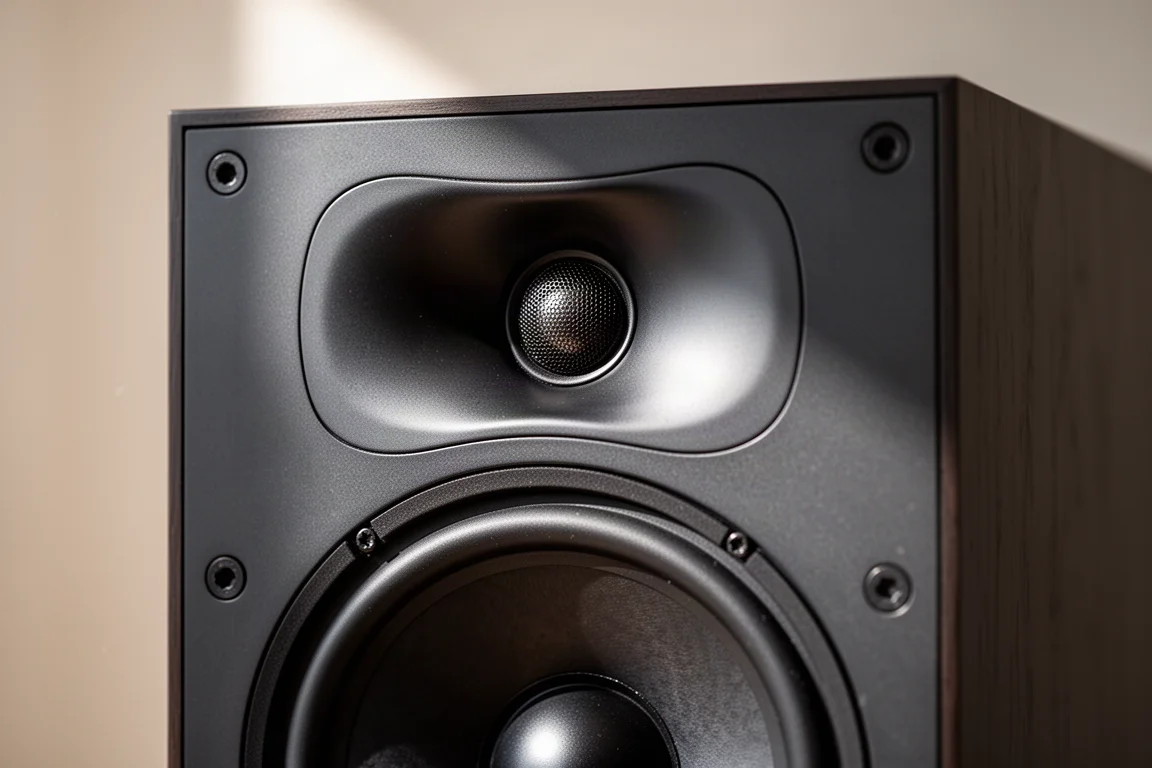
The waveguide and the crossover choice are the two design decisions that shape everything else. Together they support a constant directivity approach, which is why the off-axis behaviour holds up as well as it does in the measurements discussed next.
Main Strengths: Linearity and Off-Axis Consistency
On-axis response is largely linear until the waveguide region takes over in the high treble. There are some dips in that upper area on axis, but they become less pronounced the further off axis you move. In a real room, the reflected energy arriving from the sides is more even than the direct sound in that region, which helps fill in the gap rather than exaggerate it.
The horizontal radiation pattern is a constant directivity design. It trends toward roughly plus or minus 40 degrees in the high frequencies, widening to about plus or minus 70 degrees at around 1.3 kHz before narrowing further down. The vertical response is also well controlled, and it stays broadly symmetrical above and below the speaker. That symmetry is a meaningful result, since it means listeners seated slightly high or low relative to the tweeter are not punished for it.
Taken together, these traits are why the speaker holds up across multiple seats in a room rather than only at one sweet spot. Directivity consistency of this kind is usually the difference between a speaker that sounds good in a single chair and one that sounds coherent across a sofa.
Distortion and Compression Behaviour
Distortion stays low across the operating range. At 86 dB, the 3 percent distortion threshold is not reached until roughly 60 Hz. Pushed harder to 96 dB, that threshold is reached at around 100 Hz, and above that point distortion settles at about 1 percent across most of the speaker’s response. For a cabinet this small, that is a strong result.
Compression is arguably the more impressive figure. From 76 dB up to 102 dB, compression remains at about half a decibel for everything above roughly 70 Hz. That level of dynamic stability is uncommon even in noticeably larger speakers, and it is the main reason this design can be used confidently as a main channel in a home theater system.
In practical terms, the speaker does not audibly run out of composure at normal listening levels. The limits it does have sit at the very bottom of its range, which is a placement and system question rather than a flaw in the midrange or treble performance.
Things to Consider Before Buying
The low-frequency rolloff arrives early. This speaker does not produce meaningful output below roughly 60 to 70 Hz, so a subwoofer is not optional for anyone who wants full-range sound. Its bass quality is good, but the extension is simply not there.
Sensitivity is around 84 dB on average, which means the speaker needs a reasonable amount of amplifier power to reach high levels. The compensation is that it does reach those levels without compressing, so the requirement is about gain rather than headroom limits.
There are dips in the on-axis treble where the waveguide takes over, including a feature around 8 kHz. In an estimated in-room response, the presence region between roughly 1.5 kHz and 2 kHz may sit 2 to 3 dB lower than the rest. Whether that registers as a problem depends heavily on the room and on how the speakers are toed in, and the off-axis energy helps soften it.
Finally, wall mounting introduces a pronounced dip that shifts in frequency as you move around the speaker. This is a general consequence of placing any speaker close to a wall, not something unique to this model, but it is worth knowing before choosing the included wall plate over a stand. The 3 ohm minimum impedance also means partnering equipment should be comfortable driving a low-impedance load.
Buying Advice: Subwoofer and Placement
Plan for a subwoofer from the start. The natural approach is to run the 1961 Bookshelf as front left and right speakers and cross the subwoofer over as high as 100 Hz, which keeps the compact cabinet within the range where it is strongest and hands the low bass to a driver built for it. The same pairing works well in a surround setup, where these speakers can serve as the rear channels.
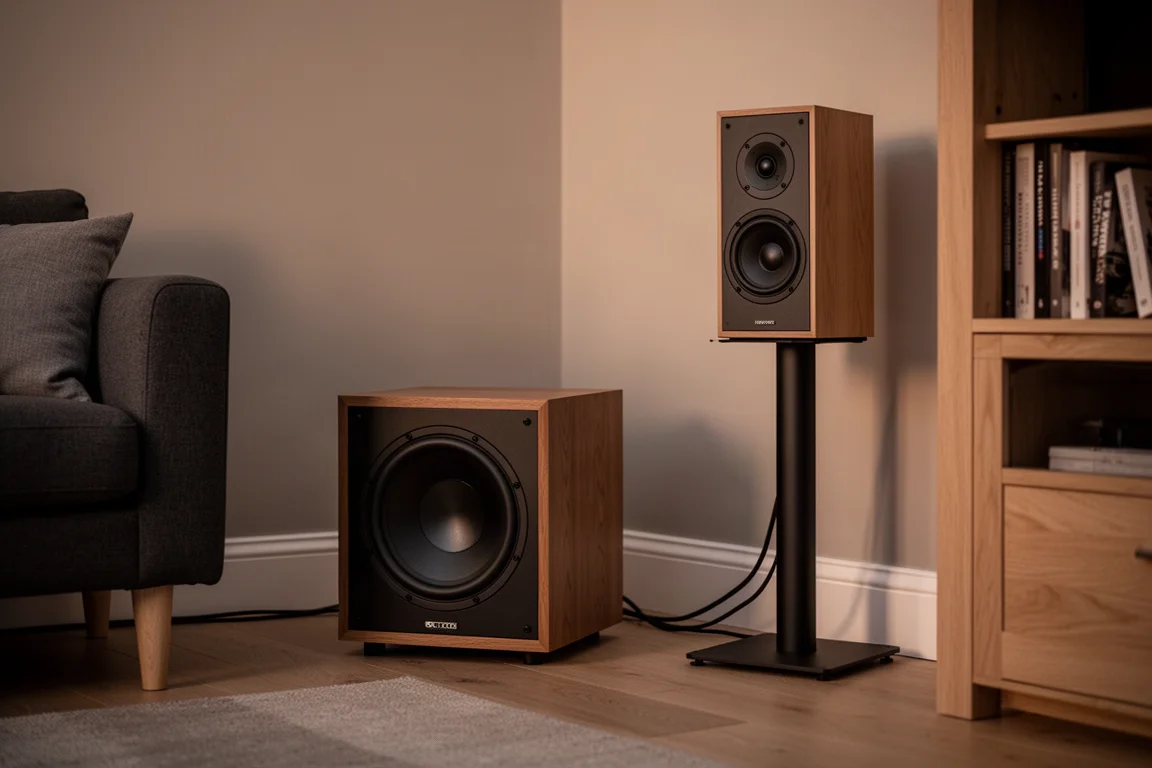
Placement rewards a little experimentation. Adjusting toe-in and toe-out changes how much of the off-axis energy reaches the listening position, and small changes can shift how prominent the upper treble dips feel. Give the speakers a reasonable amount of space and angle them toward the main seat, then fine-tune from there.
If wall mounting is the only practical option, go in with realistic expectations. The response dip will vary depending on where you sit, so the mount is best treated as a compromise for difficult rooms rather than a free upgrade over a stand. Where a stand is possible, it remains the more predictable choice.
Conclusion
The Arendal 1961 Bookshelf Speaker earns its place on the strength of what it does with very little cabinet volume. Output, linearity, off-axis consistency, and compression behaviour are all strong for the size, and the sealed two-way design keeps the sound coherent across a room rather than locking it to one seat.
The trade-offs are clear and manageable. Sensitivity is modest, low-frequency extension is limited, and a subwoofer is genuinely required. Buyers who accept those conditions and pair the speaker with a capable subwoofer and a sensible amplifier get a compact, wall-mountable design that performs well above its footprint. For anyone building a small-room or space-limited home theater system, it is a straightforward and well-reasoned choice.
Product link
View more details for Arendal 1961 Bookshelf Speaker
This product is mentioned in the review. Check the specifications, options, and compatibility before buying.
View more details for Arendal 1961 Bookshelf SpeakerFurther reading
Related Reviews
Bookshelf Speakers
Acoustic Energy A100 Mark II Review: A Compact Standmount With an Expansive Soundstage
The Acoustic Energy A100 Mark II brings clarity, natural tonality and a wide soundstage to an entry-level standmount, with a few setup details worth knowing first.
Bookshelf Speakers
Acoustic Energy AE-100 Mark II Review: Compact Bookshelf Speakers With Standout Imaging
A compact British two-way bookshelf speaker with deep, layered imaging, fast bass, and a slight treble lift to weigh against a crowded $500 field.
Bookshelf Speakers
Acoustic Energy AE100 MK2 Review: Measured Performance and Four Alternatives
A close look at the Acoustic Energy AE100 MK2 bookshelf speaker, what its measured performance reveals, and four alternatives with different trade-offs.