Bookshelf Speakers
Arendal 1961 Bookshelf Speaker and 1961 Subwoofer 1S Review: Compact, Neutral, and Surprisingly Capable
A close look at the Arendal 1961 bookshelf speaker and its matching 1961 Subwoofer 1S, covering sound character, power requirements, setup notes, and who should buy the pair.
Introduction
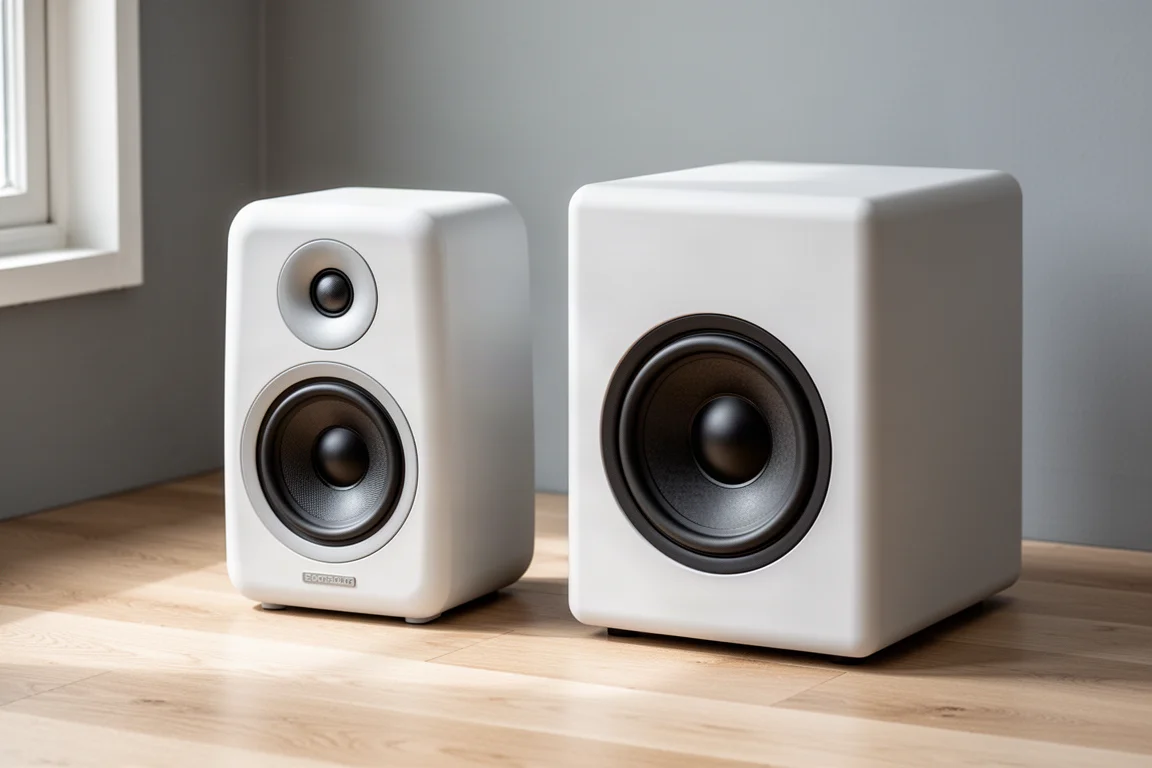
Compact stand-mount speakers that hold their own with both music and film are common enough, but a compact speaker and a matching subwoofer designed to work as one system is a rarer proposition. The Arendal 1961 Bookshelf Speaker and the 1961 Subwoofer 1S are exactly that pairing. The speaker is a sealed two-way design that asks $799 per pair, the subwoofer sits under $900, and together they bring a two-channel or home theater buy-in to just under $1,700.
This is a system with clear priorities: a small cabinet, a neutral character, and a subwoofer that blends rather than booms. It also has clear demands, most notably an amplifier with real current behind it.
Design and Build Quality
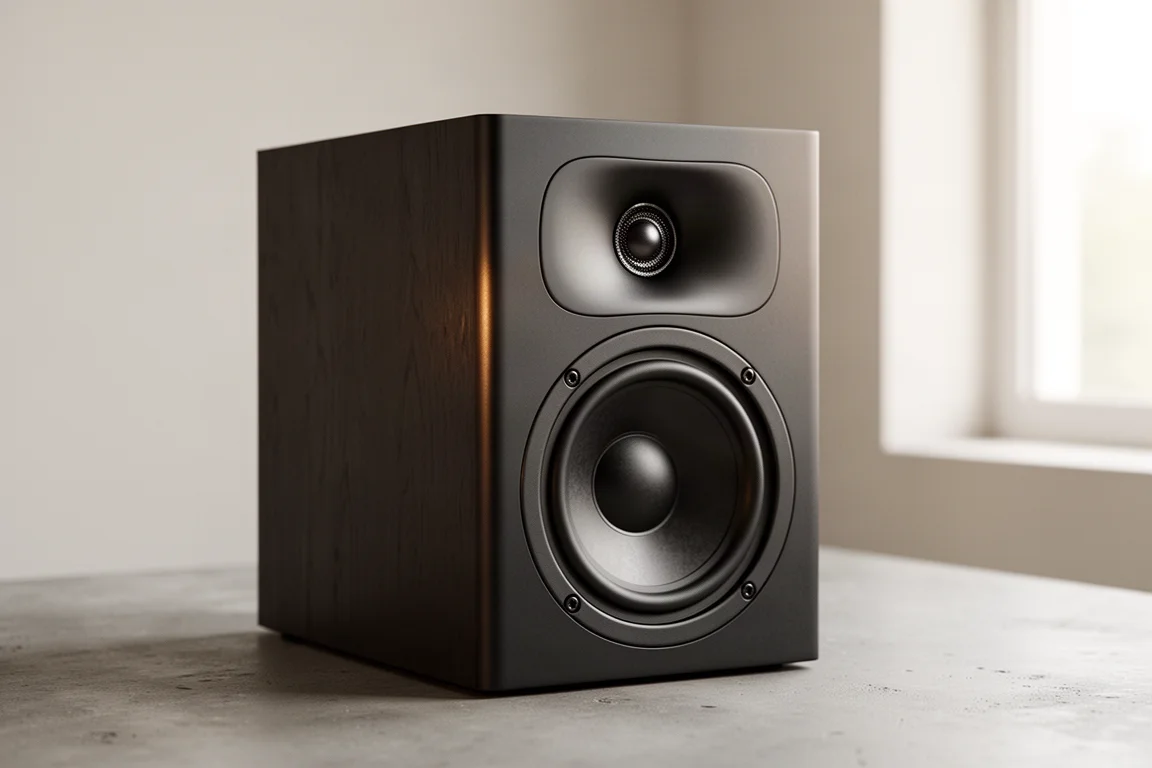
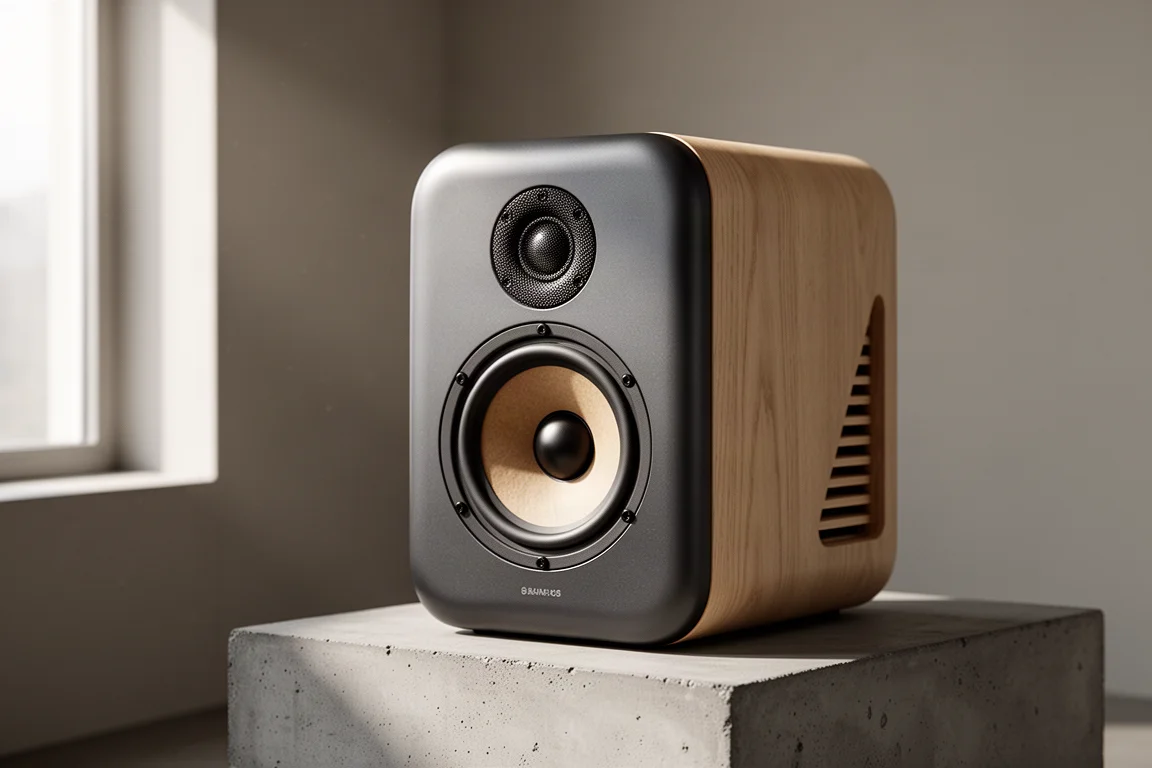
The 1961 is one of the smaller stand-mount designs you can buy, built around a 1-inch soft dome tweeter and a 5.5-inch woofer in a sealed cabinet. Arendal lists a frequency response of 75 Hz to 20 kHz, which is honest about what the speaker does and does not do on its own. Build quality is the first thing that stands out: fit and finish are better than some considerably more expensive speakers, and the cabinet feels solid in a way that inspires confidence.
Finishes are limited to matte black or white, and both suit the design. Magnetic grilles are included, though the white version looks good enough to leave uncovered.
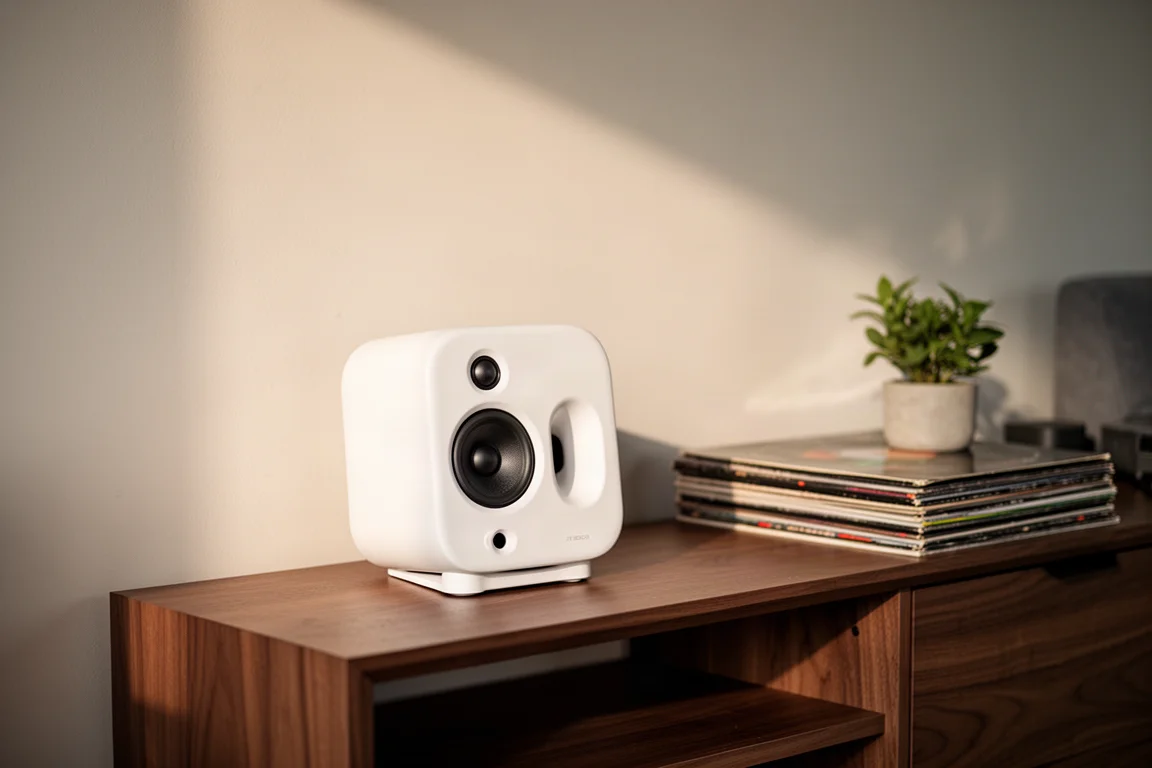
The sealed cabinet and small footprint make placement straightforward, whether on a desk, a shelf, or a dedicated stand. That flexibility matters later, because these speakers are easy to work into rooms where a larger floorstander would dominate.
Sound Quality: Midrange, Treble, and Imaging
In-room measurements tell a consistent story. Bass rolls off quickly around 80 Hz, matching the published specification and confirming that the 1961 has no meaningful low-end output on its own. From roughly 100 Hz upward, however, the response is remarkably linear for a speaker this size, with only a slight roll-off in the upper registers. The result is detail and intelligibility rather than brightness.
The midrange is essentially characterless. There is no coloration from the driver or the cabinet, and vocals come across as open and unboxed rather than confined. The soft dome tweeter walks the line between detailed and bright, delivering sparkle without turning brittle or ringy, and the large waveguide helps the highs spread evenly across a wide listening area. The transition from woofer to tweeter is seamless.
Imaging is the standout quality. The speakers disappear into a stage that is both wide and precisely focused, and center imaging is strong enough that a dedicated center channel is not missed for dialogue. Dynamically the system impresses, but not unconditionally: below roughly 75 to 80 dB it sounds less alive, and it only becomes genuinely captivating when turned up.
Home Theater and Multi-Channel Potential
Although Arendal is often associated with home theater, these speakers are just as comfortable with music. Dialogue clarity is a real strength, and the small cabinet and flexible mounting options make the 1961 a practical choice for mains, surrounds, and height channels alike. Building a 5.1 or 7.1 system around them is a realistic plan rather than a compromise.
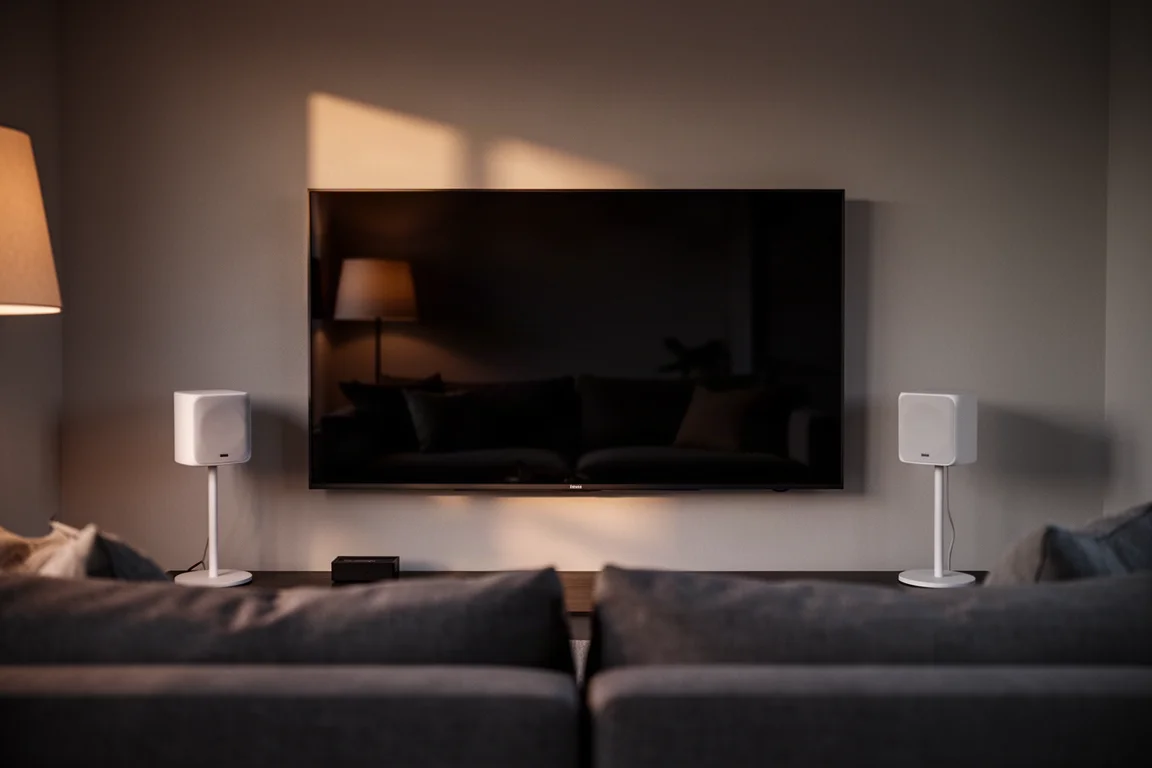
For rooms where in-ceiling speakers handle surround and height duties, the 1961 pair integrates cleanly, and the tonal match between the front channels and the rest of the system stays coherent.
The Matching Subwoofer: Arendal 1961 Subwoofer 1S
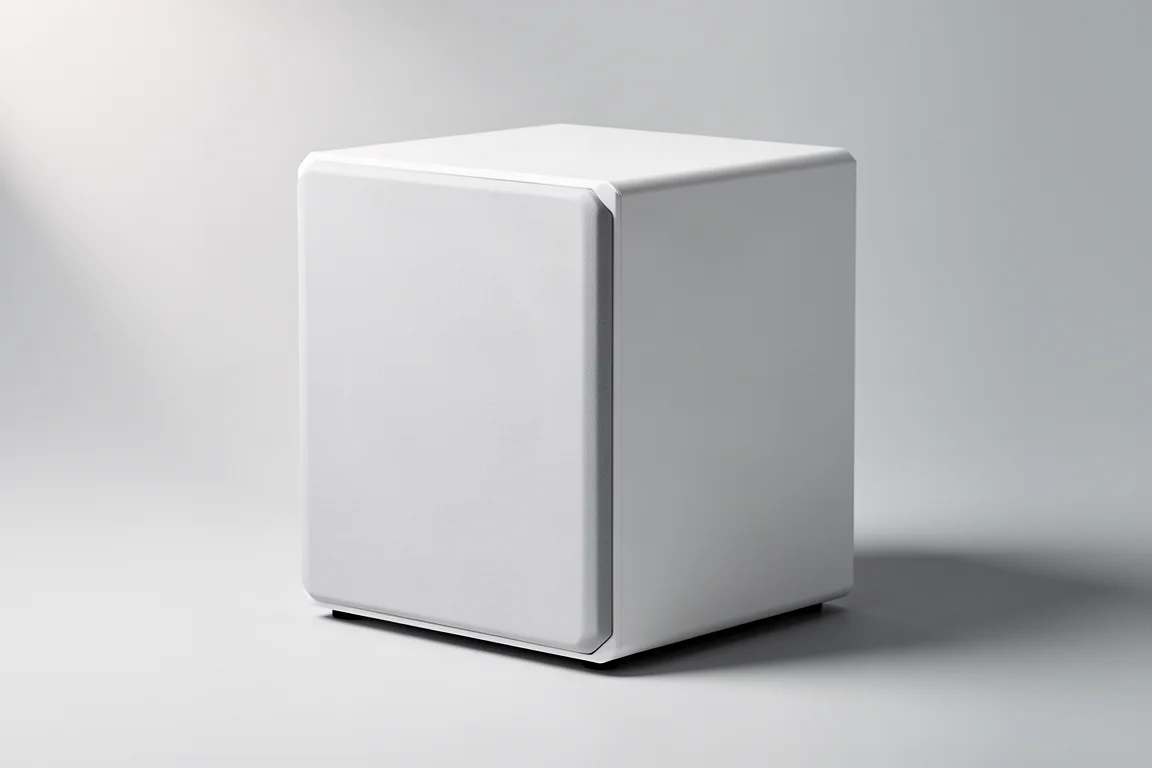
The 1961 Subwoofer 1S is a visual match for the speakers and uses a 12-inch woofer with enough amplification for firm control. Arendal claims it reaches down to 19 Hz in its EQ1 setting, and in-room testing confirmed that figure. Its response is smooth, and it favors agility over boom, so it blends into a system rather than announcing itself.
Setup is where the subwoofer asks for more patience. Adjustability is extensive for a subwoofer costing less than $900, but the menus and their options are cumbersome and can feel overwhelming, which makes this an advanced subwoofer rather than a beginner-friendly one. It also wants a direct connection to the subwoofer output of an AVR or integrated amplifier. Through a wireless subwoofer kit, output became inconsistent, audible noise appeared even in standby, and the sub lost the control it otherwise demonstrates.
A crossover point around 100 Hz worked better than the customary 80 Hz, and the handoff between subwoofer and speakers is seamless once configured properly. Buyers who want simpler app-based control at a similar price may prefer a different subwoofer.
Amplification and Power Requirements
With a 4-ohm impedance and a sensitivity of 84 dB, the 1961 is not an efficient speaker. An amplifier or receiver rated down to 4 ohms and capable of at least 50 watts per channel is the sensible baseline, and lower-powered designs will run out of headroom before the speakers do.
Higher-output receivers and integrated amplifiers drove the system comfortably. A stereo rating of 50 watts per channel is not automatically enough, because the speakers come alive with volume, and headroom is what keeps them sounding composed. Buyers should treat amplification as part of the total budget rather than an afterthought.
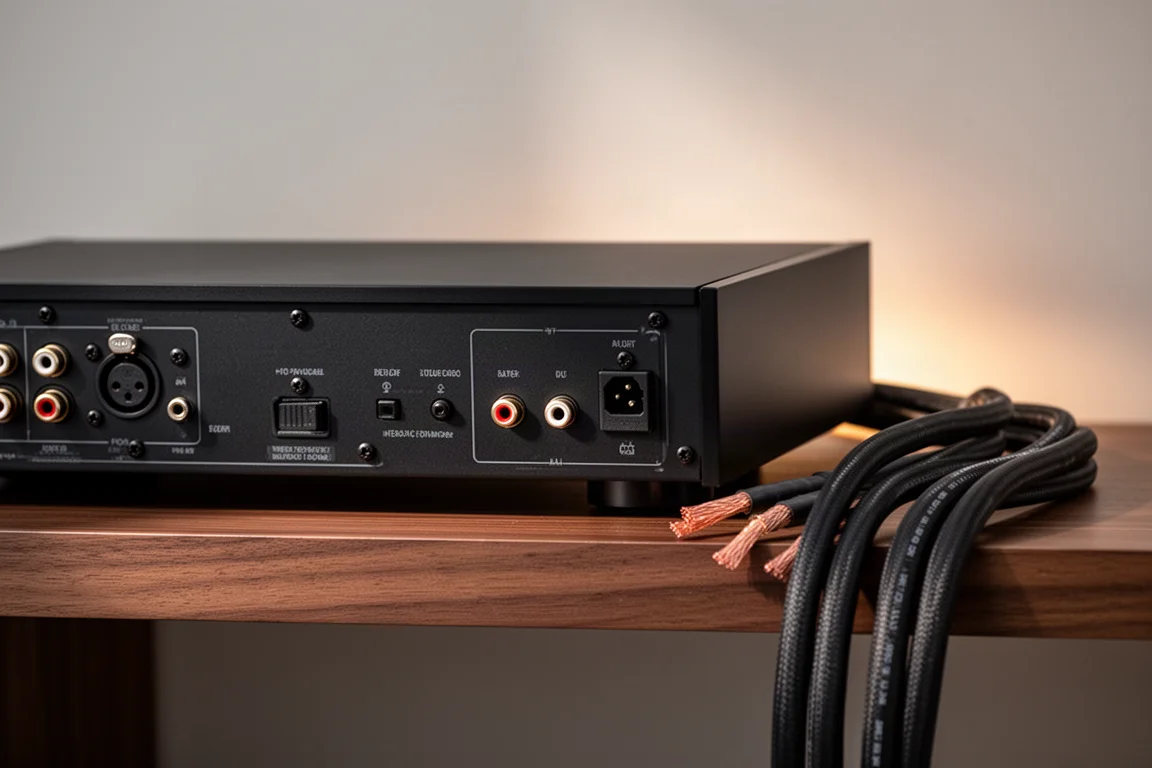
The practical takeaway is simple: these speakers reward a capable amplifier. If the existing receiver is modest, the upgrade cost belongs in the planning, not in the surprise column.
Who Should Buy This System
This system suits listeners who value a neutral, detailed, and highly focused stand-mount speaker for both music and film, especially in smaller rooms, apartments, or spaces where a large cabinet will not fit. It also suits anyone planning a multi-channel build around compact speakers, since the 1961 works well as a main, surround, or height channel.
It is a less obvious fit for listeners who want deep bass without adding a subwoofer, for those who mostly listen at low volumes, or for anyone whose amplifier or receiver is rated only around 50 watts per channel with limited headroom. In those cases, a fuller-range stand-mount with greater sensitivity may be the easier choice.
Buying Advice and System Value
The numbers are straightforward: $799 per pair for the bookshelf speaker, under $900 for the subwoofer, and just under $1,700 for the two together. Amplification is the variable that can push a budget, and it is worth planning for from the start.
From 100 Hz upward, the 1961 holds its own against stand-mount speakers costing upwards of two thousand dollars, and its build quality is a genuine advantage at its price. The trade-off is bass: on their own, these speakers need a subwoofer, and there are rivals at similar prices that deliver more low-end output without one.
If the goal is accuracy to the source, a holographic soundstage, and a system that can grow into a home theater, this pairing makes a strong case. If the goal is full-range sound from two boxes and nothing else, the case is weaker.
Conclusion
The Arendal 1961 Bookshelf Speaker is a compact, well-built, unusually neutral monitor with standout imaging and a treble presentation that avoids harshness. It is also honest about its limits: no real bass on its own, and a need for an amplifier with genuine 4-ohm capability and headroom.
The 1961 Subwoofer 1S completes the picture with deep, agile, well-controlled low frequencies that reach 19 Hz in its EQ1 setting. Its adjustability is a strength for experienced users and a hurdle for newcomers, and it prefers a wired connection. As a package, the system lands just under $1,700 before amplification, and for the right room and the right listener, it is an easy recommendation.
Further reading
Related Reviews
Bookshelf Speakers
Acoustic Energy A100 Mark II Review: A Compact Standmount With an Expansive Soundstage
The Acoustic Energy A100 Mark II brings clarity, natural tonality and a wide soundstage to an entry-level standmount, with a few setup details worth knowing first.
Bookshelf Speakers
Acoustic Energy AE-100 Mark II Review: Compact Bookshelf Speakers With Standout Imaging
A compact British two-way bookshelf speaker with deep, layered imaging, fast bass, and a slight treble lift to weigh against a crowded $500 field.
Bookshelf Speakers
Acoustic Energy AE100 MK2 Review: Measured Performance and Four Alternatives
A close look at the Acoustic Energy AE100 MK2 bookshelf speaker, what its measured performance reveals, and four alternatives with different trade-offs.