Bookshelf Speakers
Arendal 1610 Bookshelf Speaker Review: Extra-Large Sound From a Stand-Mounted Cabinet
A detailed look at the Arendal 1610 Bookshelf Speaker, an extra-large stand-mounted design with an HDF cabinet, a refined tweeter, and a transparent character that scales with quality amplification.
Introduction
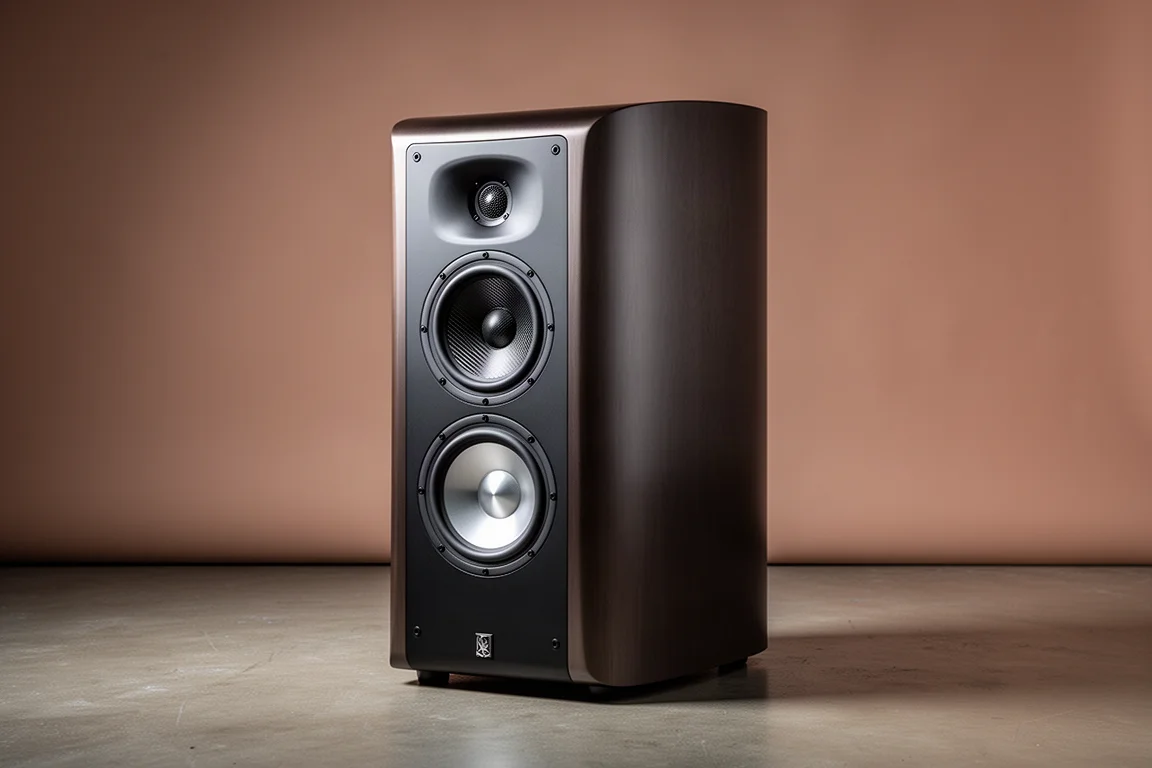
The Arendal 1610 Bookshelf Speaker belongs to Arendal’s newest loudspeaker series and sits among the more compact models in that range. The name undersells it. This is an extra-large bookshelf design, and its cabinet occupies a category that usually belongs to high-end monitors costing several times as much. For listeners who want the physical presence and low-frequency authority of a floorstanding speaker but prefer the placement flexibility of a stand-mounted cabinet, the 1610 Bookshelf is a genuine contender.
It is priced at $3,600 and sold direct to customers rather than through dealers. Arendal backs that approach with a 60-day in-home trial, so the speaker can be evaluated in the room where it will actually be used rather than in a showroom.
Who This Speaker Is For
This speaker suits listeners with a medium to large room, a reasonably capable amplifier, and a preference for sound that stays neutral without becoming thin or clinical. It rewards anyone who enjoys swapping electronics and hearing what those changes do, because it behaves like an open canvas: warm amplification makes it rich and relaxed, while leaner, more analytical gear makes it brighter and more overtly detailed.
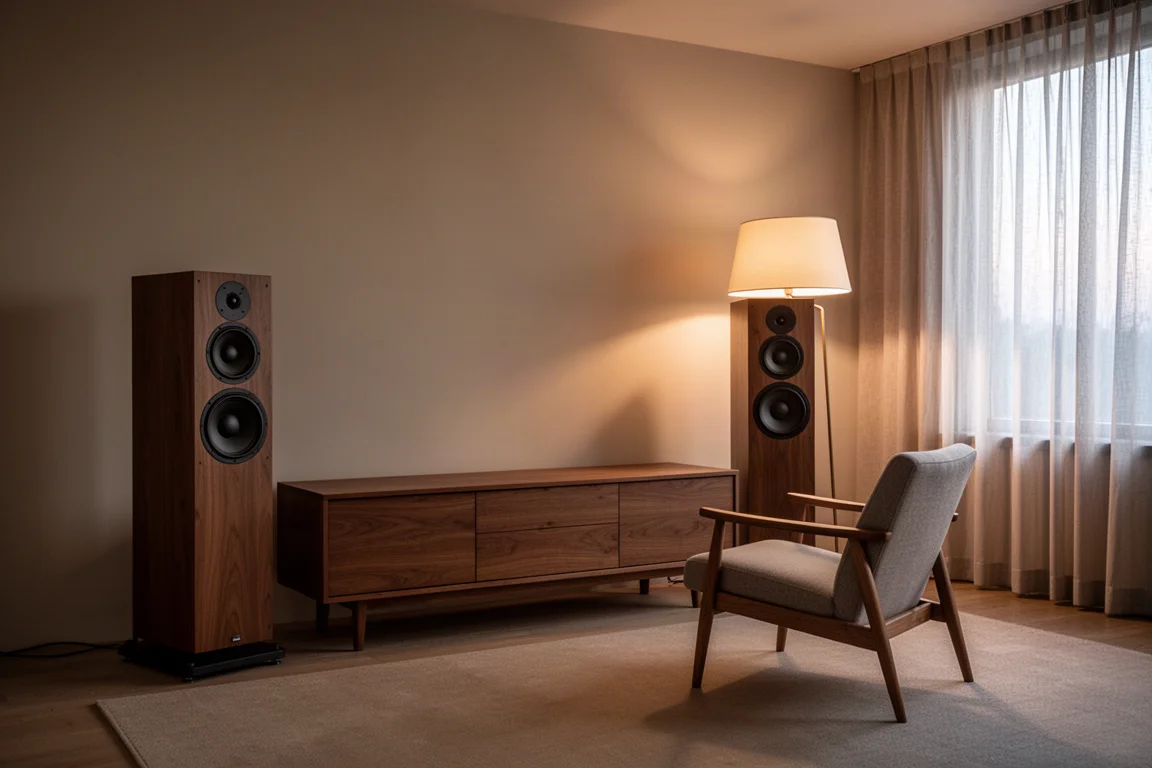
Buyers who want a compact speaker for a small desk setup or a low-powered receiver should look elsewhere. The 1610 Bookshelf is physically large for a stand-mounted design, it likes room to breathe, and it responds poorly to being underdriven. Listeners who want maximum bass extension from a single cabinet without adding subwoofers may also prefer a tower.
Cabinet, Drivers, and Build Quality
Arendal uses HDF rather than MDF for the cabinet, a more expensive material that is less common at this price. Wall thickness is substantial across the range, and the front baffle measures close to two inches thick. It is not a single slab: thinner HDF layers are glued together to form the baffle, which exists to create the gentle curve across the front.
That curve is the time alignment for the drivers. It physically offsets the tweeter and midrange so they remain phase coherent at a specific listening distance. Arendal designs the 1610 series around roughly four metres, although this bookshelf model is noticeably less fussy about distance than the 1528 series. Around two metres works very well, and the difference between two and four metres is small.
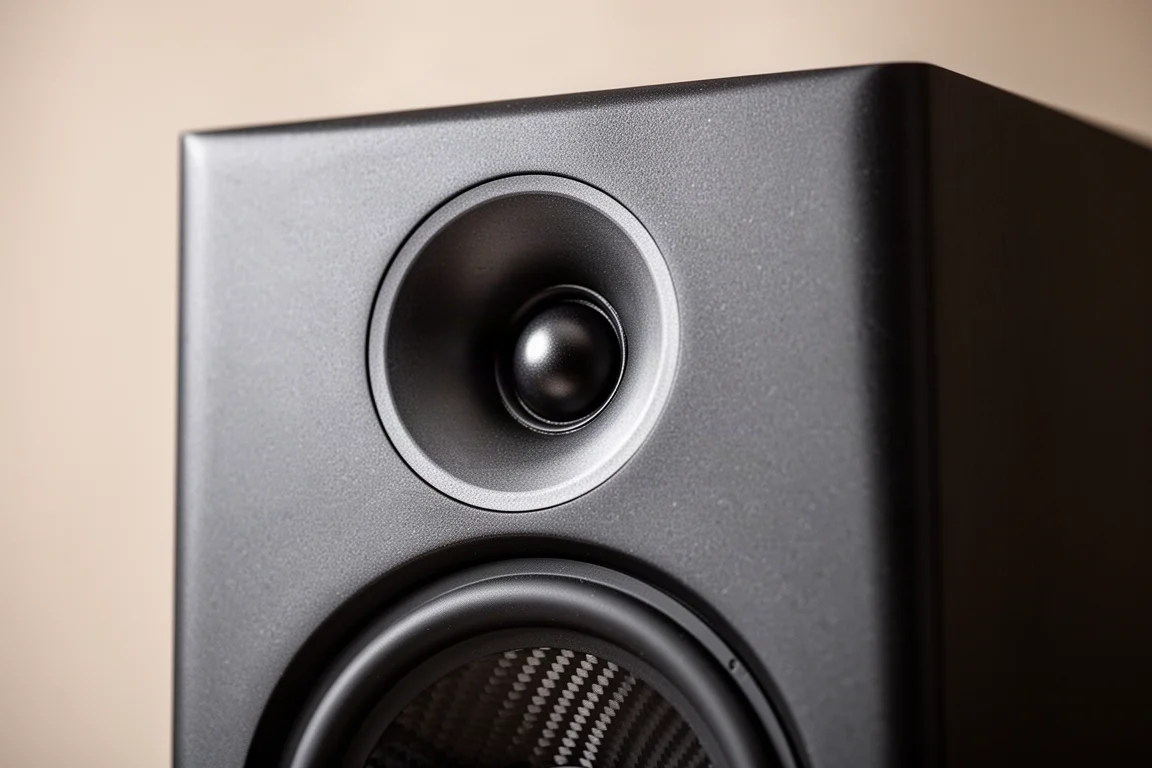
The driver complement includes an aluminium magnesium tweeter loaded into a waveguide, a carbon midrange driver, and an eight-inch aluminium woofer. Magnet and motor structures are substantial throughout, and the tweeter sits as close as possible to the midrange, which helps the two behave almost like a coincident driver in terms of phase coherence. The grille attaches magnetically and snaps on cleanly.
The crossover uses air coil inductors exclusively, with high-quality parts in the midrange and tweeter circuits. Binding posts are solid copper with a rhodium plating for longevity, and there are no ferrous magnet materials anywhere in the signal path, including nuts and washers, a step intended to avoid smearing the signal.
Sound Character and Transparency
Tonality is neutral, but neutrality here does not mean a bleached, lifeless presentation. The tweeter is refined rather than bright or fatiguing, with genuine sparkle, and it is difficult to distinguish from the lithium magnesium tweeter used higher up the range when listening to this model specifically. The midrange has density that sits in the right place: not thick, not thin, with convincing attack and decay.
What makes the speaker unusual is how transparent it is to the rest of the system. Paired with warm, tube-like amplification, it becomes rich and luscious, with the treble rolled off gently enough that brightness never becomes an issue. Paired with cleaner, more powerful solid-state gear, it opens up into something sparkly, lively, and highly detailed without tipping into fatigue. That flexibility is the defining trait.
Bass is where the cabinet size pays off. There is real impact, dynamics, and warmth, delivered accurately rather than as a bloated effect. It is not quite the equal of the 1610 tower or the 1528 bookshelf in sheer low-frequency heft, and that is the main trade-off of the smaller cabinet. Adding subwoofers closes the gap substantially.
Soundstage, Imaging, and Dynamics
The soundstage is the headline. It is wide, deep, and holographic, and it is larger and deeper than what several well-regarded compact monitors deliver, including the 1528 bookshelf. Instruments are placed with pinpoint accuracy and clear separation inside that large space, so the presentation stays focused even when the stage feels enormous.
Dynamics scale with the quality of the amplification behind them. With serious high-current power, the speaker produces midrange dynamics and bottom-end weight that feel closer to a tower than a stand-mounted design. Add a tube preamplifier in front of a high-current amplifier and the stage becomes even more three-dimensional, with layered depth that is genuinely striking.
How It Fits in the Arendal Range
Within Arendal’s own lineup, the choice comes down to priorities. The 1610 tower brings greater overall dynamics, more midrange punch, and a bottom-ported tuning that disperses bass more generously into the room, and it will play louder in a large space. The 1528 bookshelf offers more low-frequency heft and a different tweeter material. The 1610 Bookshelf counters with the largest and deepest soundstage of the group and a tonal balance many listeners will find the most enjoyable of the three.
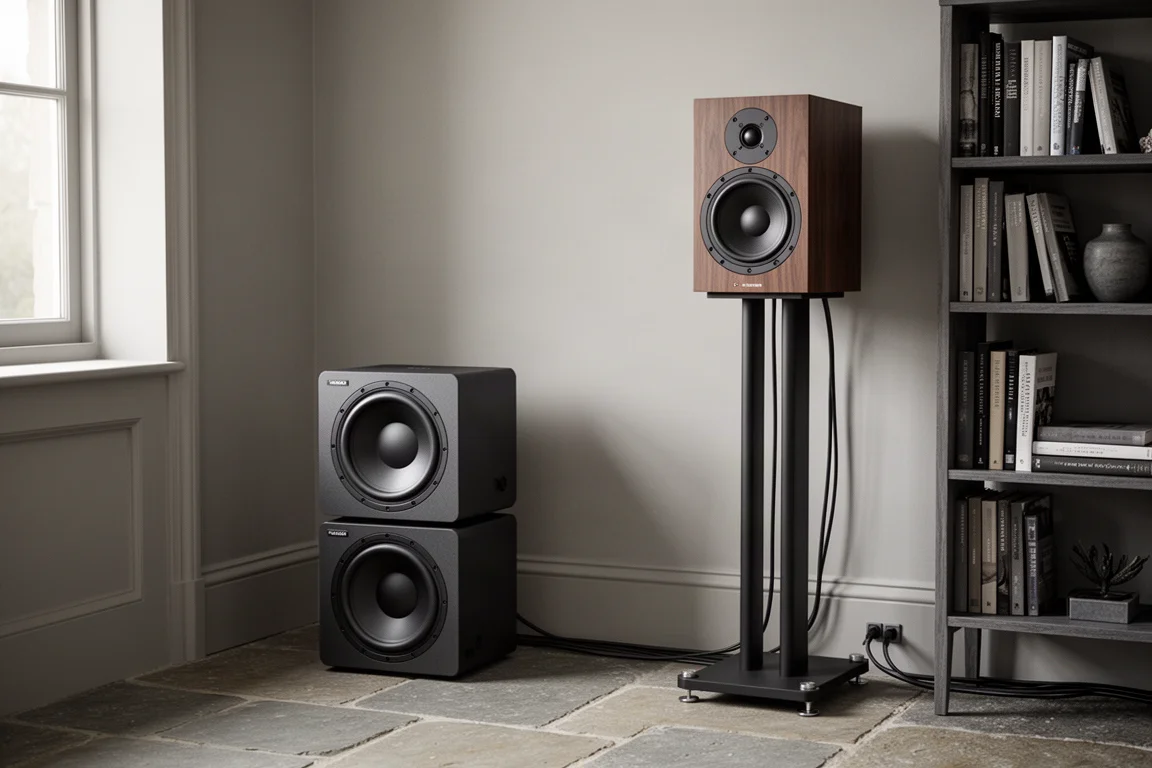
Adding subwoofers is a popular route. Two sealed Arendal 1723-1S subwoofers integrate well and extend the low end, and stacking them can help mitigate the ceiling-related room mode that creates dips in bass response in rooms with eight to ten foot ceilings. Stacked placement is measurable and effective, though the better position still depends on the room. Once two subwoofers are in the system, the total cost lands close to the 1610 tower, with roughly a $400 difference.
Things to Consider Before Buying
Power is the single most important consideration. These are not especially difficult loads, but they respond strongly to good amplification. Underpowered, they produce sloppy bass and a less coherent overall sound, and turning the volume up does not fix that. Budget monoblock amplifiers in the $400 range are a sensible minimum starting point, and running two of them as monoblocks is preferable to a single stereo unit.
Placement matters as well. The cabinet is large and heavy for a bookshelf model, so sturdy stands with adequate spacing from the front wall will get the best result. Listeners who want deep bass from one cabinet without extra boxes, or who have a very large room and want maximum output, should weigh the tower option carefully before committing.
Buying Advice and System Matching
At $3,600, the 1610 Bookshelf delivers a level of cabinet construction, driver quality, and crossover parts that is normally associated with far more expensive speakers. The direct-to-consumer model is what makes that possible, and the 60-day in-home trial removes most of the risk from the decision.
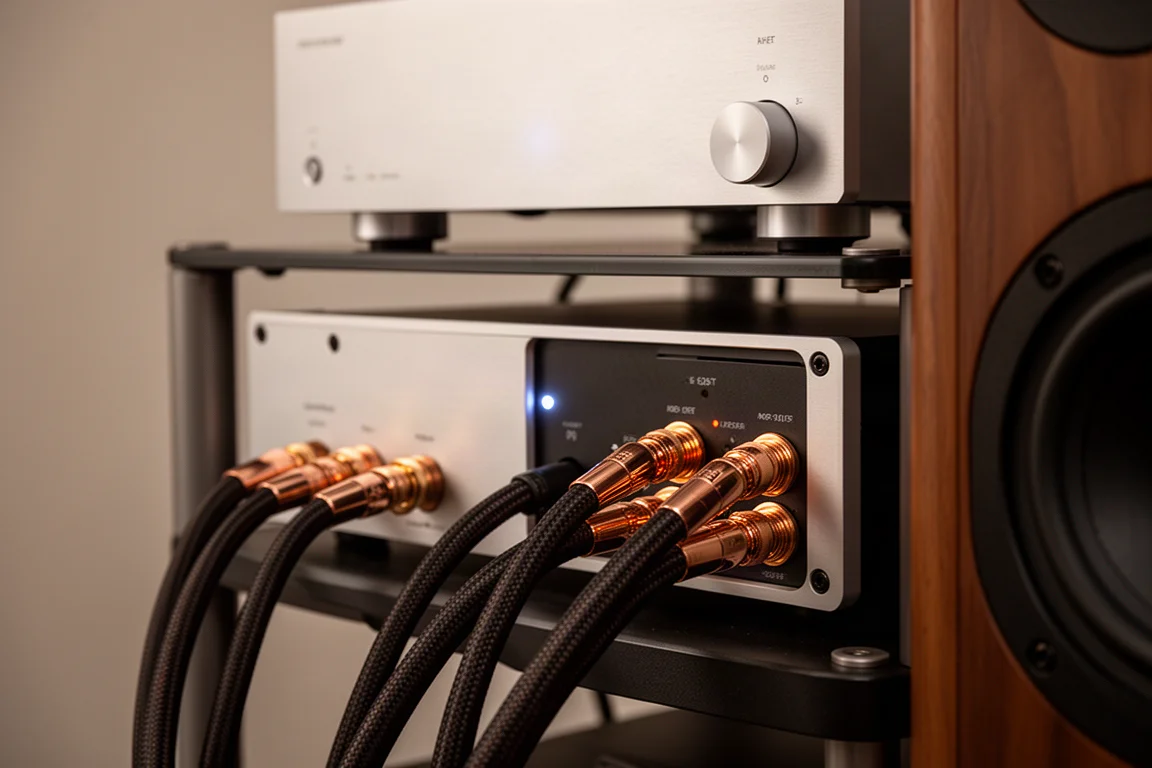
System matching is where the speaker earns its keep. Give it the best amplification your budget allows, ideally a high-current amplifier paired with a tube preamplifier, and it will reward the investment with a bigger, more layered soundstage. If you have the space and want the last word in dynamics and bass dispersion, the 1610 tower remains the stronger choice. If you want the widest stage, the most flexible tonal character, and the easiest setup success, this is the model to pick.
Conclusion
The Arendal 1610 Bookshelf Speaker is an extra-large stand-mounted design that behaves like something considerably more expensive. Its HDF cabinet, thick curved baffle, refined tweeter, and carefully specified crossover give it a neutral, transparent character that shifts convincingly with the electronics behind it. The soundstage is enormous, imaging is precise, and the bass has weight and quality that most bookshelf speakers cannot approach.
It asks for good amplification and a room that can accommodate its size, and it gives up some low-frequency heft compared with Arendal’s tower models. Accept those conditions, and it stands as one of the most compelling value propositions in high-end audio at its price.
Product link
View more details for Arendal 1610 Bookshelf Speaker
This product is mentioned in the review. Check the specifications, options, and compatibility before buying.
View more details for Arendal 1610 Bookshelf SpeakerFurther reading
Related Reviews
Bookshelf Speakers
Acoustic Energy A100 Mark II Review: A Compact Standmount With an Expansive Soundstage
The Acoustic Energy A100 Mark II brings clarity, natural tonality and a wide soundstage to an entry-level standmount, with a few setup details worth knowing first.
Bookshelf Speakers
Acoustic Energy AE-100 Mark II Review: Compact Bookshelf Speakers With Standout Imaging
A compact British two-way bookshelf speaker with deep, layered imaging, fast bass, and a slight treble lift to weigh against a crowded $500 field.
Bookshelf Speakers
Acoustic Energy AE100 MK2 Review: Measured Performance and Four Alternatives
A close look at the Acoustic Energy AE100 MK2 bookshelf speaker, what its measured performance reveals, and four alternatives with different trade-offs.