Hi-Fi Speakers
Arendal 1528 Bookshelf vs Monitor Audio Gold 100 6G: Two Premium Standmount Speakers Compared
A neutral, flexible standmount against a bright, detail-first one. How sensitivity, listening level and amplifier matching decide the better buy.
Introduction
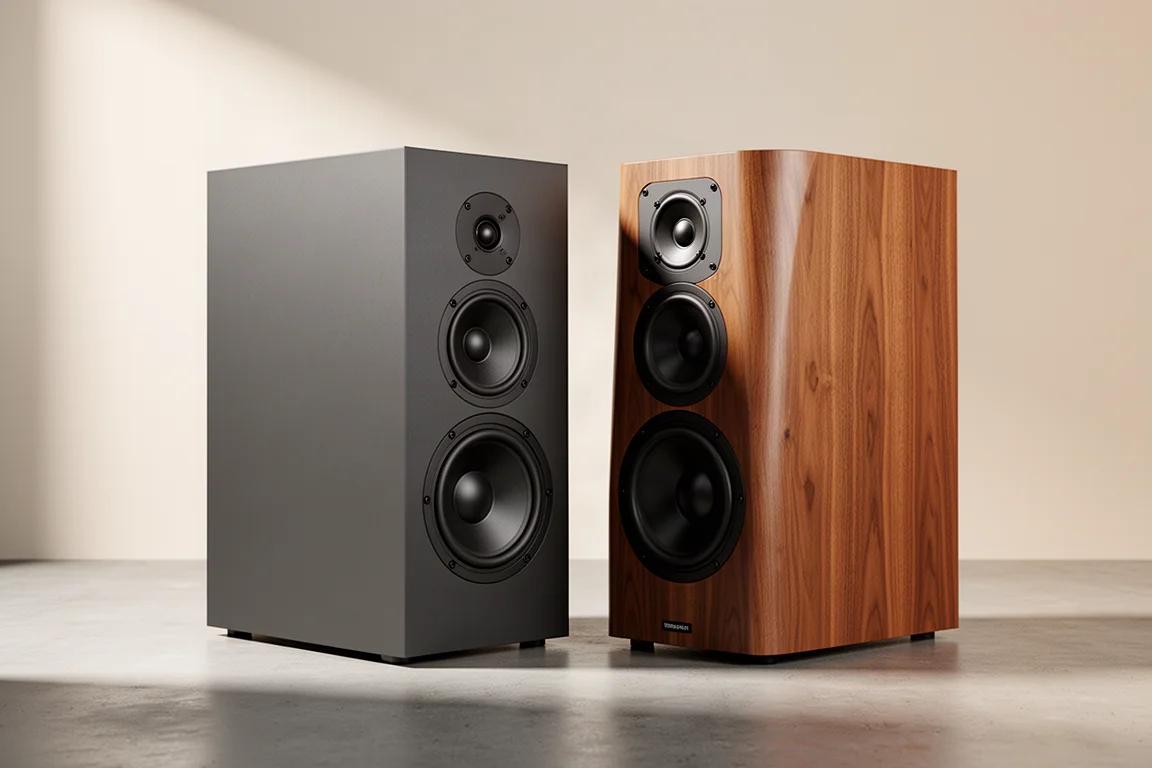
Two premium standmount speakers, both sitting under $5,000 in Canada, with regional pricing that varies. Both are designed for the sweet spot between a compact bookshelf model and a full tower. That middle ground matters: a tower delivers scale and deep bass but usually asks for a larger room, while a small bookshelf speaker gives up dynamics. A large-format standmount keeps most of the staging and imaging advantages while adding real weight to the sound.
The Arendal 1528 Bookshelf and the Monitor Audio Gold 100 6G occupy that space from opposite directions. One leans neutral and even-tempered, the other leans bright, detailed and airy. Neither is better in the abstract. The right answer depends on your room, your listening habits and the amplifier you already own.
What These Two Speakers Have in Common
Both are three-way designs: a tweeter for the high frequencies, a dedicated midrange driver and a separate bass driver. At this price point, driver engineering is strong across the board, and the differences between the two are matters of character rather than competence.
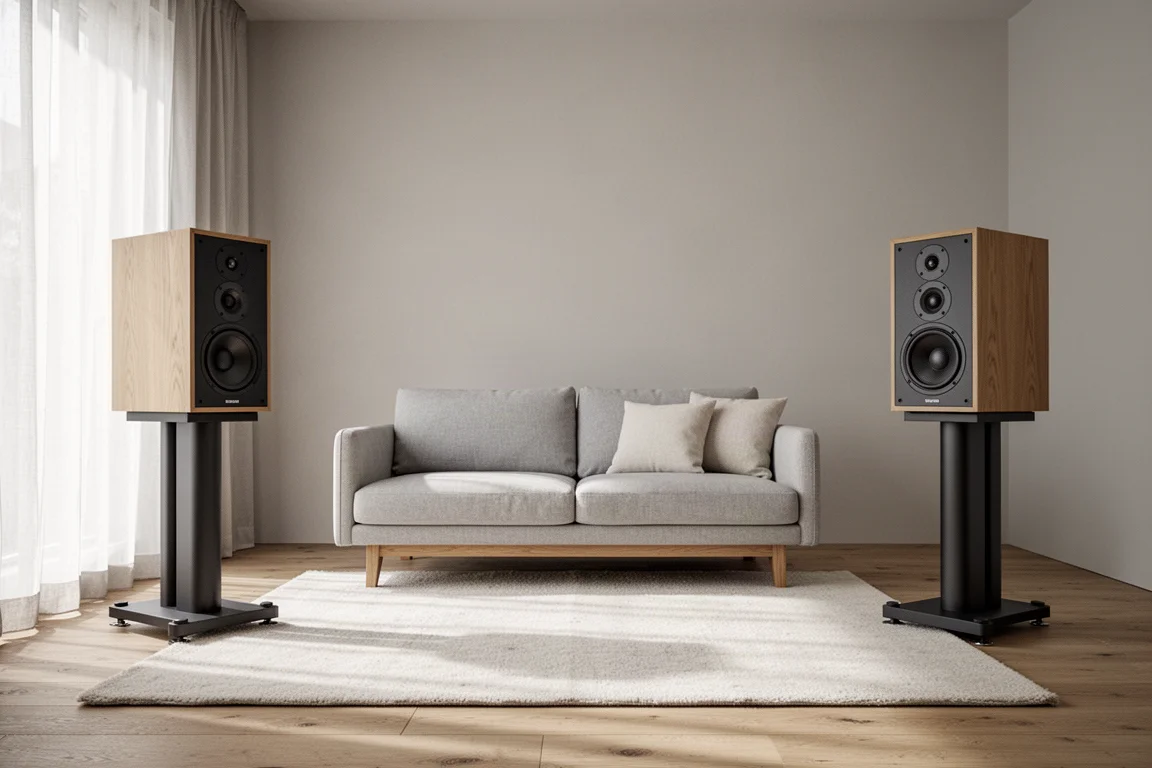
Both speakers handle vocals and acoustic instruments convincingly, and both separate instruments cleanly within a mix. Neither asks for exotic amplification: a solid amplifier delivering around 200 watts into 4 ohms drives either without strain.
Where they diverge is sensitivity, tonal balance and behaviour at different listening levels. Those three factors decide which speaker belongs in your room, and they are easier to judge by ear than a spec sheet suggests.
Arendal 1528 Bookshelf: The Neutral All-Rounder
The 1528 Bookshelf is the most neutral and balanced of the two. It avoids both the bright, detail-forward character of the Gold 100 6G and a thick, warm midrange, landing squarely in the middle. Bass is solid for a standmount and a touch fuller than the Monitor Audio’s.
Sensitivity is where it gives ground. The 1528 Bookshelf is the less sensitive of the two, so it needs more power behind it to reach optimal loud levels. Give it a capable amplifier and it rewards you at every volume: decent at low levels, strong in the midrange, and composed when pushed loud.
The trade-off is aesthetic. The cabinet finish is plain and industrial compared with the Monitor Audio’s wood veneer, and the finish options are limited.
Monitor Audio Gold 100 6G: Airy Detail and a Wide Soundstage
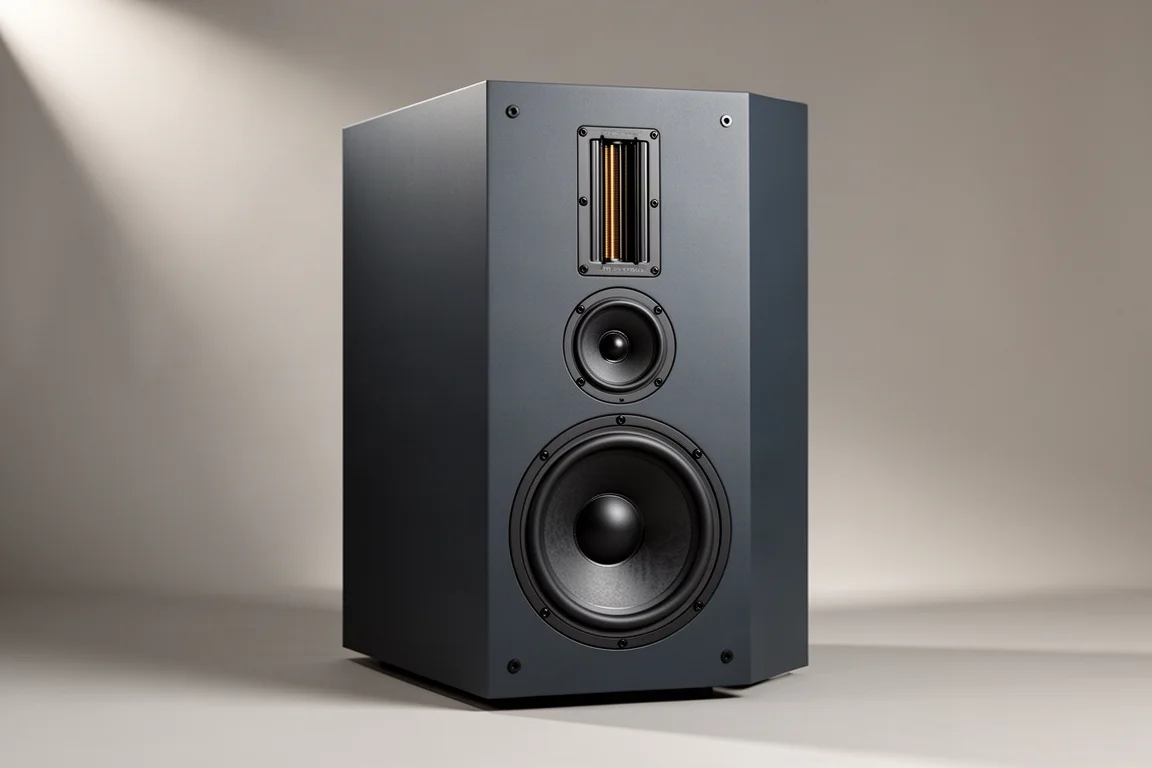
The Gold 100 6G is the brighter, more revealing speaker. It delivers the greatest detail, the most air and space, and the widest and deepest soundstage of the two. The engineering behind that character is deliberate. High frequencies come from a pleated diaphragm AMT-style tweeter, and the 3-inch midrange driver sits very close to it, which helps the two drivers behave more like a single coherent source. Below them sits an 8-inch bass driver.
Monitor Audio designs its drivers in-house, and the details show: subtle hexagonal shaping on the cones helps control cone breakup, and an inverted surround helps lower distortion.
At low volume, this is the more rewarding speaker. Detail, spaciousness and bass texture all survive when you listen quietly. Crank it up and the same forwardness can become tiring over long sessions.
Low-Volume and High-Volume Listening
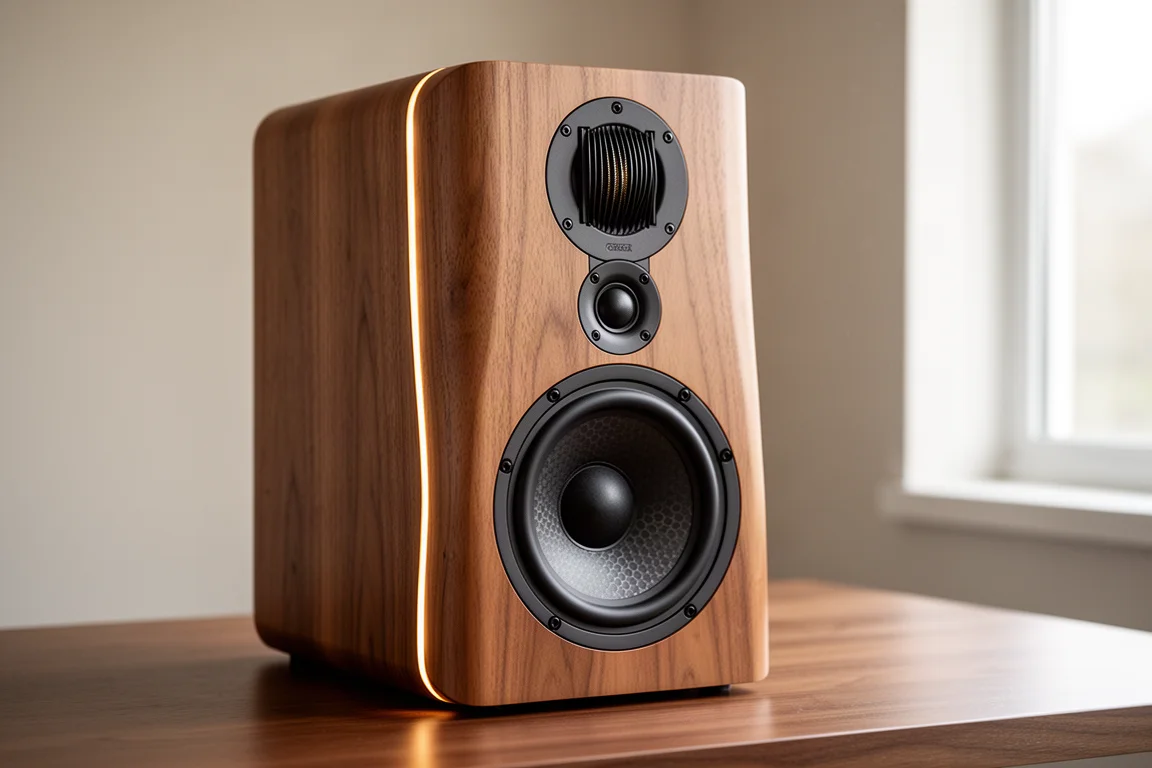
Late-evening listening is where the two speakers separate most clearly. The Gold 100 6G holds its detail, its sense of space and the texture of its bass even at low levels, which makes it the better choice for quiet, attentive sessions.
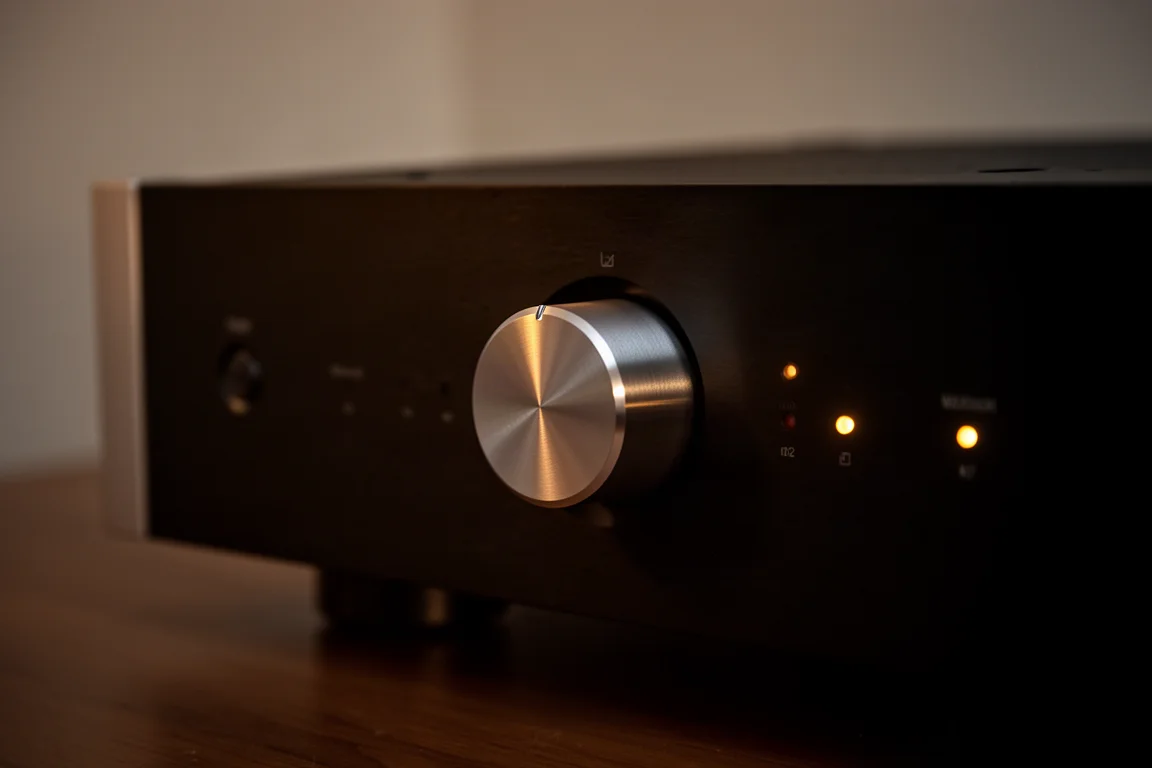
The Arendal is decent at low volume but does not match that level of insight. Push both speakers loud and the picture reverses. The 1528 Bookshelf stays composed and even, while the Gold 100 6G’s detail-forward presentation can start to feel bothersome to the ear. If you regularly listen at high levels, the more neutral speaker is the safer long-term companion.
Sensitivity, Impedance, and Amplifier Matching
The Arendal 1528 Bookshelf is the harder speaker to drive, so it benefits most from an amplifier with genuine current delivery. The Gold 100 6G is easier to drive, though it still appreciates quality power.
Amplifier choice also shapes tone. A warmer, richer-sounding amplifier can relax the Gold 100 6G slightly while keeping its airy presentation intact. Paired with the right electronics, each speaker can be tuned toward the balance you prefer, which is why an audition with your own amplifier matters more than any single specification.
Room Size, Placement, and Bass
In a small to medium room, both speakers produce genuinely good bass. The Arendal has a little more of it than the Monitor Audio, which suits listeners who want a fuller foundation without moving to a tower.
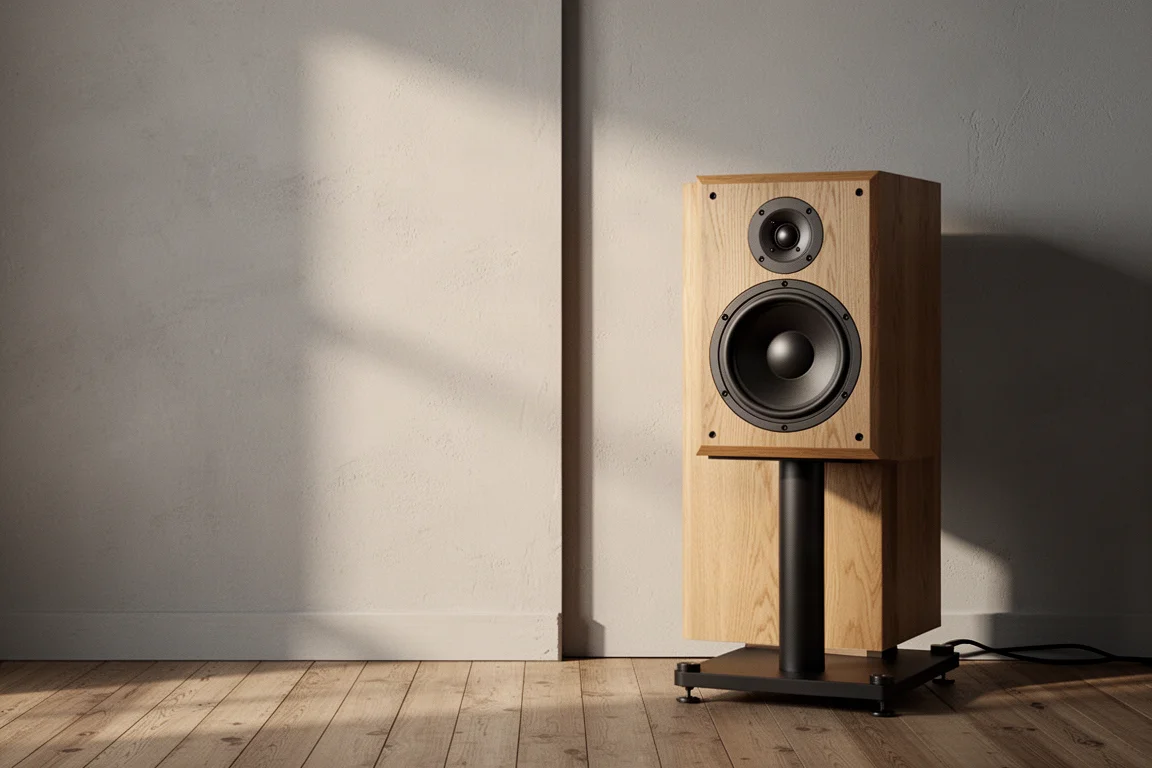
Placement changes the equation. Bass output rises when a speaker sits close to a wall, and a speaker with generous low-frequency output can overwhelm a small room in that position. Leave some breathing room behind the cabinet, or plan for a little bass management, and the balance stays intact.
Design and Finishes
This is the simplest part of the decision. The Monitor Audio Gold 100 6G is the better-looking speaker, with a wood veneer that stands out in a living space. The Arendal 1528 Bookshelf takes a plainer, more industrial approach and offers fewer finish choices. If the speakers will live in a shared room, that difference carries real weight.
Buying Advice: Choosing Between the Two
Choose the Arendal 1528 Bookshelf if you want one speaker that sounds balanced and even at any volume, and if you already own an amplifier with plenty of power. It is the middle-ground option, and it stays consistent whether you listen quietly or loud.
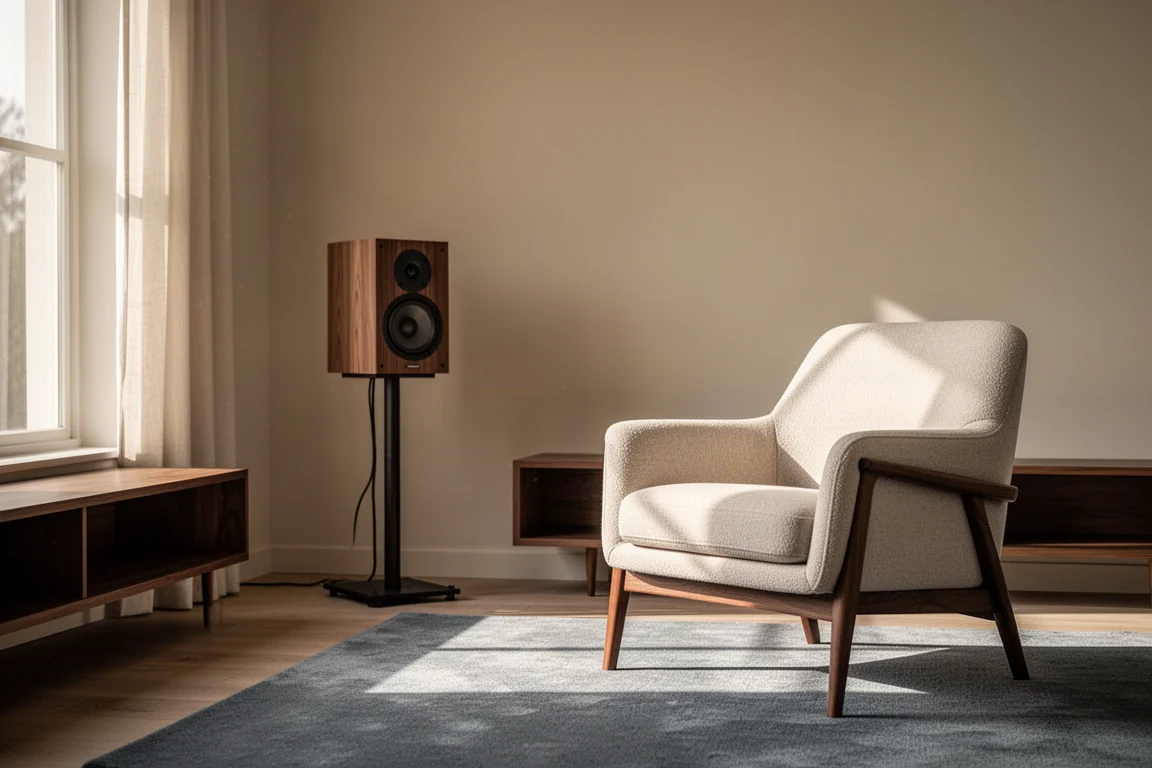
Choose the Monitor Audio Gold 100 6G if most of your listening happens at moderate or low levels, and if detail, air and a wide soundstage matter more to you than a warm tonal balance. It also rewards buyers who care about how a speaker looks in the room.
Either way, budget for proper amplification. Both speakers sit under $5,000 in Canada, with regional pricing that varies, and both will sound their best with electronics that can drive them cleanly.
Conclusion
Two premium standmounts, two clearly different personalities. The Arendal 1528 Bookshelf is the neutral, flexible choice that works at any volume. The Monitor Audio Gold 100 6G is the detail-first choice that shines when the volume is low and the room lets its staging breathe. Match the character to your room, your listening levels and your amplifier, and either one will serve you well.
Further reading
Related Reviews
Hi-Fi Speakers
1723 THX Tower vs 1528 Bookshelf: Which Speaker Fits Your Room?
Two speakers at roughly the same price, built very differently. How the 1723 THX tower and the 1528 bookshelf compare on construction, bass, power needs, and sound.
Hi-Fi Speakers
Acoustic Energy AE 300 Review: Deep Bass From a Compact Standmount
A two-way standmount with real wood veneer, surprising low-end weight, and a warm, easygoing character. Here is what to know before buying.
Hi-Fi Speakers
Acoustic Energy AE1 40th Anniversary Review: A Modern Take on a British Classic
A compact standmount that revives a 1980s favorite with all-new parts, a warm mid-centric balance, and a price of £1,499 per pair.