Bookshelf Speakers
Arendal 1528 Bookshelf Review: Floorstanding Scale in a Standmount
A large three-way standmount with deep in-room bass, an overbuilt cabinet, and a natural, forgiving sound that asks for serious amplifier power.
Introduction
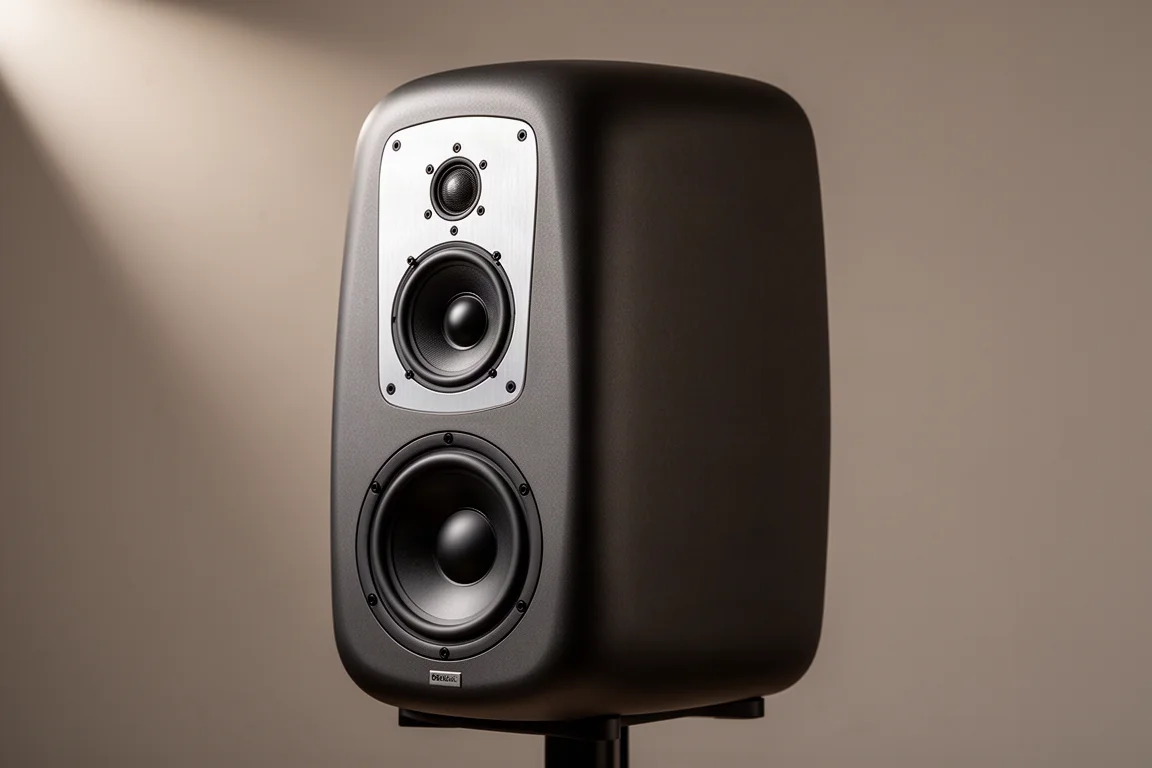
The Arendal 1528 Bookshelf takes the driver technology, cabinet philosophy, and curved front baffle of the much larger 1528 Tower and condenses them into a speaker that fits a normal room. That last point matters more than it first appears. The tower’s tall curved baffle asks for a listening distance of roughly 2.5 to 4 metres, which rules it out for plenty of spaces. The bookshelf needs only about 1.5 metres to deliver the same time alignment benefit.
At $4,500 per pair, this is a premium purchase with premium expectations attached. What follows is a practical look at what the speaker does well, where it asks something of the buyer, and who should seriously consider it.
Who the Arendal 1528 Bookshelf Is For
This speaker suits listeners who want the weight and scale of a floorstanding model but cannot accommodate one. It works best at a seated distance of 1.5 metres or more, in a small to medium sized room, where its deep bass tuning and smooth in-room rolloff let it operate as a full range speaker without a subwoofer.
It also favours listeners who prefer a natural, slightly warm presentation over a bright, hyper-detailed one, and who spend most of their listening time at moderate to loud levels.
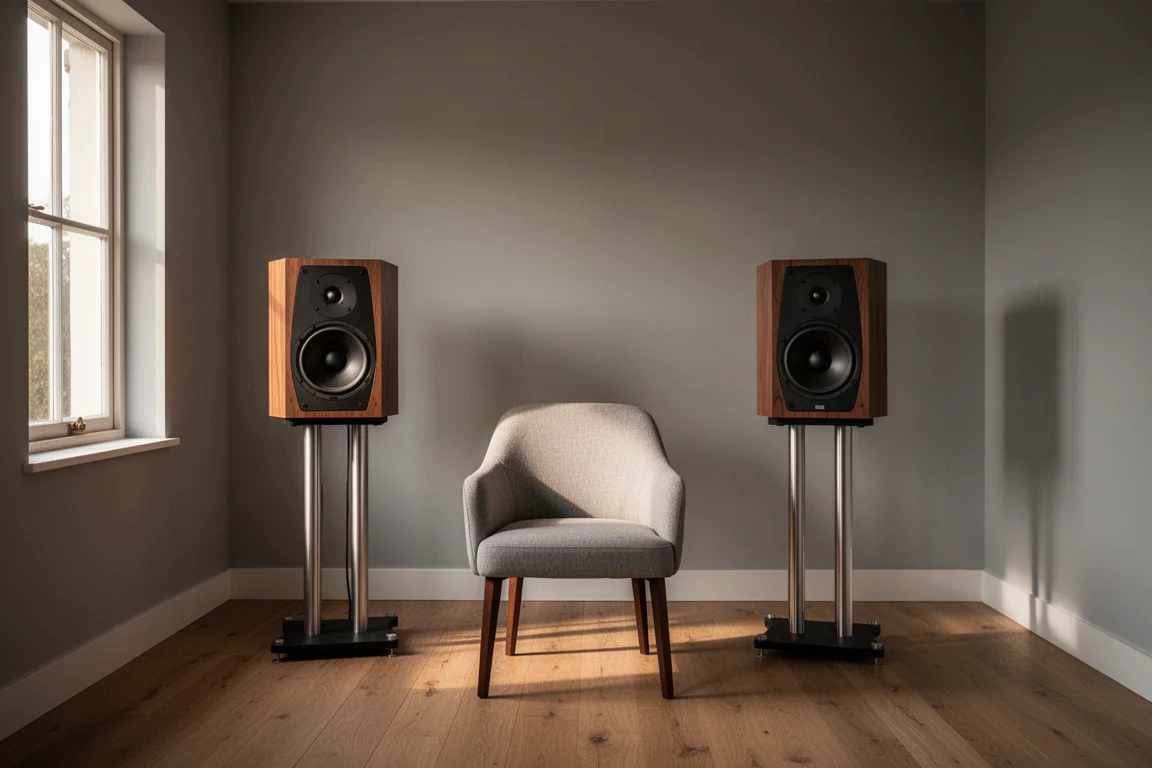
What the speaker will not do is disappear onto a shelf. It is large and heavy for its class, close in bulk to the tower it sits beneath in the range, and it needs stands that can carry that mass. Anyone shopping for a discreet compact monitor should look elsewhere.
Main Strengths
Cabinet and Build Quality
The cabinet is the clearest sign that this is not a conventional standmount. Arendal uses high density fibreboard rather than the more common medium density board, and the wall panels are around 2 inches thick, which is thicker than both the 1723 THX series and the high end cabinets that typically run 1 to 1.5 inches. The result is a cabinet that produced no resonance worth noting on impedance and waterfall measurements.
The details follow the same logic. The fascia holding the tweeter and the mid-range driver is a single piece of machined aluminium, which adds rigidity and keeps the two drivers close together for a coherent acoustic centre. The crossover uses polypropylene capacitors, air core inductors, and wire wound resistors, with ferrous metals kept out of the signal path. The terminals are rhodium plated pure copper, with jumpers for high frequency and low frequency adjustment. Even the port has small cutouts fitted with damping material to reduce port noise, a part most manufacturers leave bare.
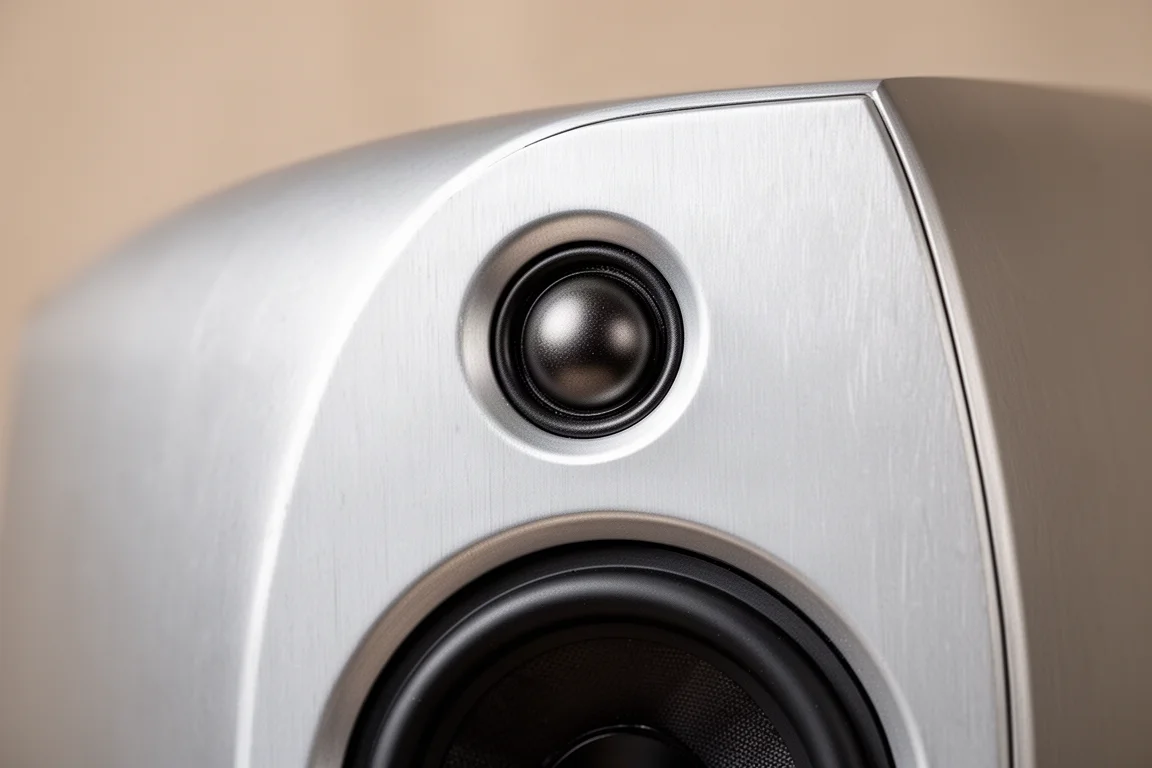
Taken together, the build is overbuilt in the way that matters for long term ownership: rigid, resonance free, and finished with parts usually reserved for considerably more expensive speakers.
Bass Performance
The obvious question is what happens when four bass drivers become one. The answer is less dramatic than the driver count suggests. Bass extension and bass quantity stay close to the tower’s, and in a small to medium room the bookshelf produced deep, weighty low end without any help from a subwoofer.
Bass torture tracks confirmed what the tuning implies: extension down into the 20 Hz region in room, strong dynamics, and a physical sense of authority. Even mellow vocal material carried audible low frequency texture. The character is full and extended rather than lean and quick, prioritising heft over the cleanest, fastest bass available. It is not slow or sloppy either, just weighted toward weight and extension.
Mid-range and Treble Balance
The mid-range driver is a 5 inch carbon graphene unit, paired with a lithium magnesium tweeter that remains unusual in the market. The presentation is linear and neutral across the range, but not clinical. A slightly warm lower mid-range gives the sound an inviting quality that makes long listening sessions easy.
Detail retrieval is high without any brightness. Rather than lifting the treble to simulate resolution, the speaker keeps high frequencies linear and avoids the drop-off that makes many designs sound dull off axis. The practical benefit is an accurate speaker that stays forgiving of imperfect recordings, a rarer combination than it should be.
Imaging, Soundstage, and Off-Axis Performance
Two design elements do most of the work here. Permanent acoustic lenses sit in front of the mid-range driver and the tweeter, and the tweeter adds an elliptical waveguide. Together they keep the off-axis response consistent, which widens the sweet spot and means reflected sound reaching the listener stays close in character to the direct sound.
The result is precise imaging and a soundstage that reads as realistic rather than inflated. Recordings made in a large acoustic space sound large, and recordings made in a small one stay intimate. Detail is easy to follow, including quiet elements such as a singer’s breath between phrases.
Things to Consider Before Buying
Sensitivity and Amplifier Power
Sensitivity is the main trade-off against the tower. Measured output came in around 86 dB, with Arendal rating the speaker conservatively at 84 dB, against 89.5 dB for the tower. In practice this means the bookshelf needs more amplifier power to reach the same level, and it dips below 4 ohms.
A sensible target is at least 100 watts into a 4 ohm load. A 50 watt amplifier into 8 ohms and 100 watts into 4 ohms will work, but more power buys headroom and the freedom to play loudly without strain. In a large room, a high power amplifier becomes close to mandatory.
Speaker Stands and Listening Height
The speaker’s size makes stand matching more involved than usual. Prototype stands were just under 23 inches tall, placing the tweeter roughly 41.5 inches from the floor, but pricing and release timing for those stands have not been confirmed. Third party stands are the practical route in the meantime.
Height matters for critical listening. The vertical off-axis response is good, but the ideal is to have your ears sit somewhere between the tweeter and the bass driver.
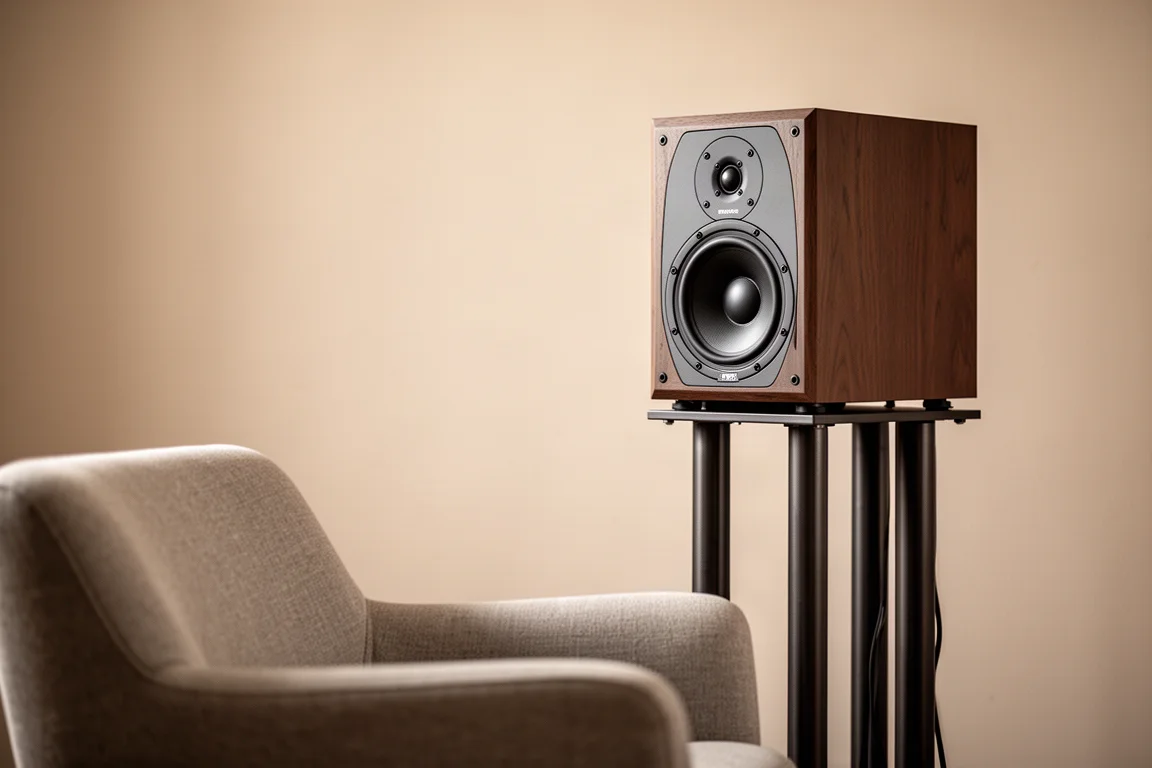
Get that alignment right and the speaker is easy to place. Get it wrong and the tonal balance suffers more than horizontal positioning alone would suggest.
Low-Volume Listening
At low levels the bass still provides a warm foundation, but the dynamics and heft that define the speaker at higher volumes are reduced, and the treble sounds a touch subdued. This is partly a matter of how human hearing behaves at low levels, where sensitivity to both frequency extremes falls away.
Anyone who listens almost exclusively at quiet levels may be better served by a speaker with a more v-shaped balance. The 1528 Bookshelf is at its best from around 70 to 80 dB and above.
Price
At $4,500 per pair, this is a significant outlay, and there are respected standmounts in the same price band as well as strong performers well below it. The case for the Arendal rests on physical size, material quality, and engineering depth rather than on being the cheapest route to good sound.
The 60-day in-home trial softens the decision considerably. It allows the speaker to be evaluated in the room where it will actually live, which matters more with a large standmount than with almost any other category.
Buying Advice
Amplification deserves the most thought. A clean, powerful solid state design with plenty of current delivery is the safest match, and monoblock designs with fast, detailed bass character suit the speaker particularly well if that presentation appeals. An all-in-one streaming amplifier is a workable and more minimalist option, though the high frequencies are less refined than what dedicated separates deliver.
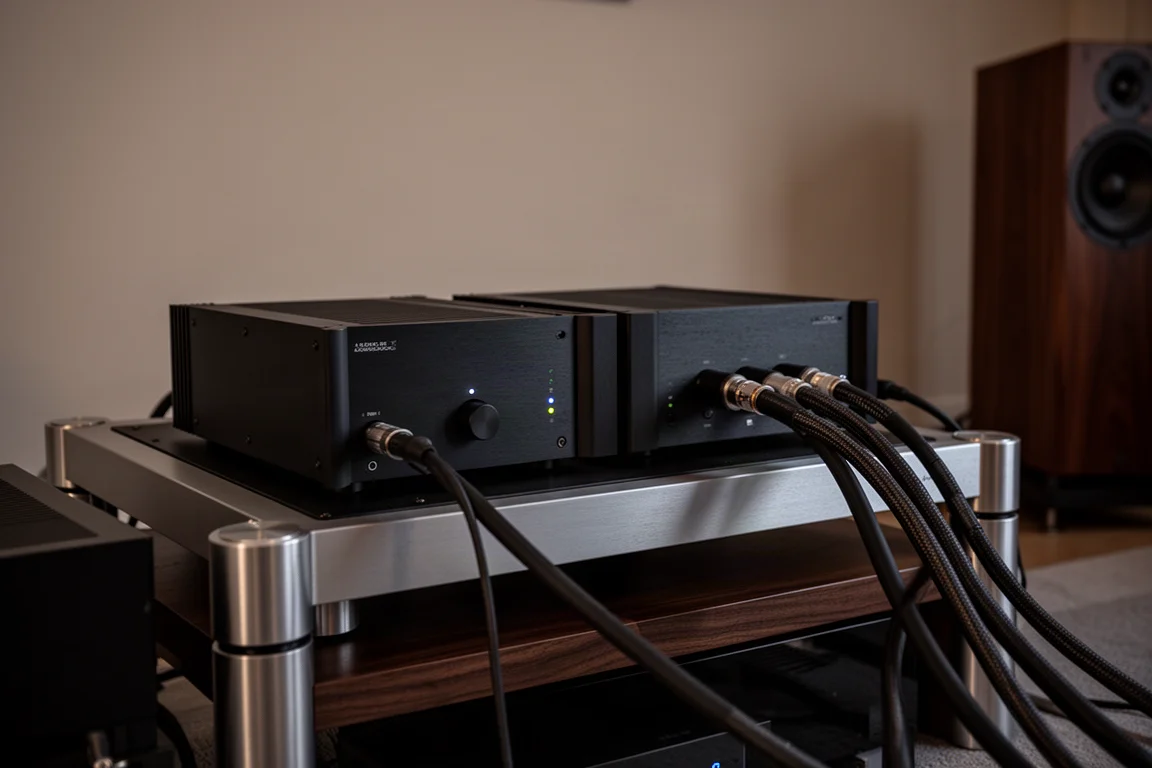
Room size should drive the decision more than any specification. In a small to medium room the bookshelf delivers bass that removes the immediate need for a subwoofer and needs no special treatment to sound balanced. In a large room it will still fill the space, but only with an amplifier that can supply serious power.
If the budget allows and the room suits, the speaker is a straightforward recommendation for anyone who wants floorstanding scale from a standmount. If the room is large or the amplifier is modest, a tower design may be the better fit.
Conclusion
The Arendal 1528 Bookshelf is a large, heavy, deliberately overbuilt standmount that trades a little sensitivity for bass capability and build quality normally found further up the market. Its curved baffle and acoustic lenses deliver a wide sweet spot, precise imaging, and a natural, forgiving tonal balance. Its demands are clear: stands that can carry it, an amplifier with real power, and a listening position about 1.5 metres back or more. Meet those conditions and it earns its price.
Product link
View more details for Arendal 1528 Bookshelf
This product is mentioned in the review. Check the specifications, options, and compatibility before buying.
View more details for Arendal 1528 BookshelfFurther reading
Related Reviews
Bookshelf Speakers
Acoustic Energy A100 Mark II Review: A Compact Standmount With an Expansive Soundstage
The Acoustic Energy A100 Mark II brings clarity, natural tonality and a wide soundstage to an entry-level standmount, with a few setup details worth knowing first.
Bookshelf Speakers
Acoustic Energy AE-100 Mark II Review: Compact Bookshelf Speakers With Standout Imaging
A compact British two-way bookshelf speaker with deep, layered imaging, fast bass, and a slight treble lift to weigh against a crowded $500 field.
Bookshelf Speakers
Acoustic Energy AE100 MK2 Review: Measured Performance and Four Alternatives
A close look at the Acoustic Energy AE100 MK2 bookshelf speaker, what its measured performance reveals, and four alternatives with different trade-offs.