Sleeping Bags
Are Premium Sleeping Bags Worth It? Three Bags That Make the Case
Three premium down sleeping bags compared, and what differential cuts, anatomical shaping, and responsibly sourced down actually buy you on the trail.
Introduction
A sleeping bag in the $100 to $150 range can work just fine in the backcountry, and there is nothing wrong with a budget bag. The more useful question is what the extra money actually buys once you move into the premium category.
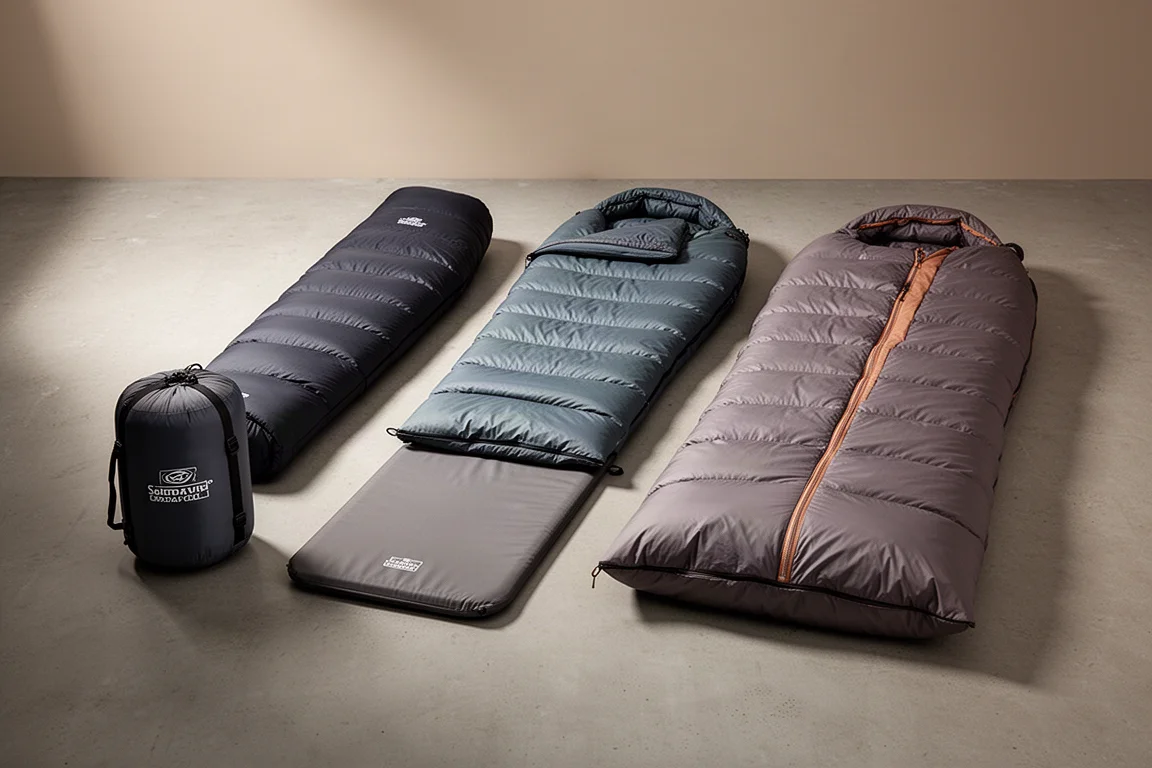
The answer comes down to design. Premium bags are shaped around the human body, insulated in ways that keep loft where you need it, and built from fabrics and down that are chosen rather than simply sourced. The three bags below each sit in that premium tier, and each one approaches the problem from a different angle.
What Separates a Premium Bag From a Budget One
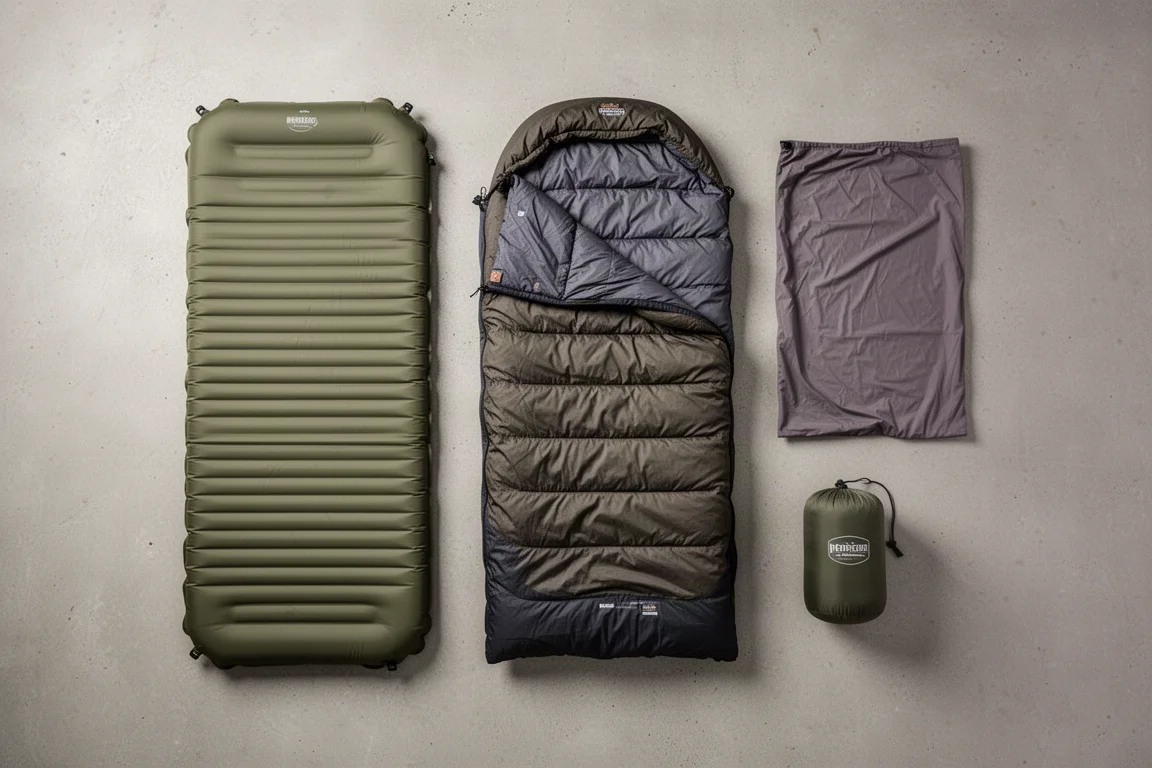
Choosing a sleeping pad for backpacking tends to get treated as a serious decision. You look for the right insulation value, the right level of comfort, and the right match for the conditions you expect. A sleeping bag deserves the same scrutiny, because it is the other half of the same system.
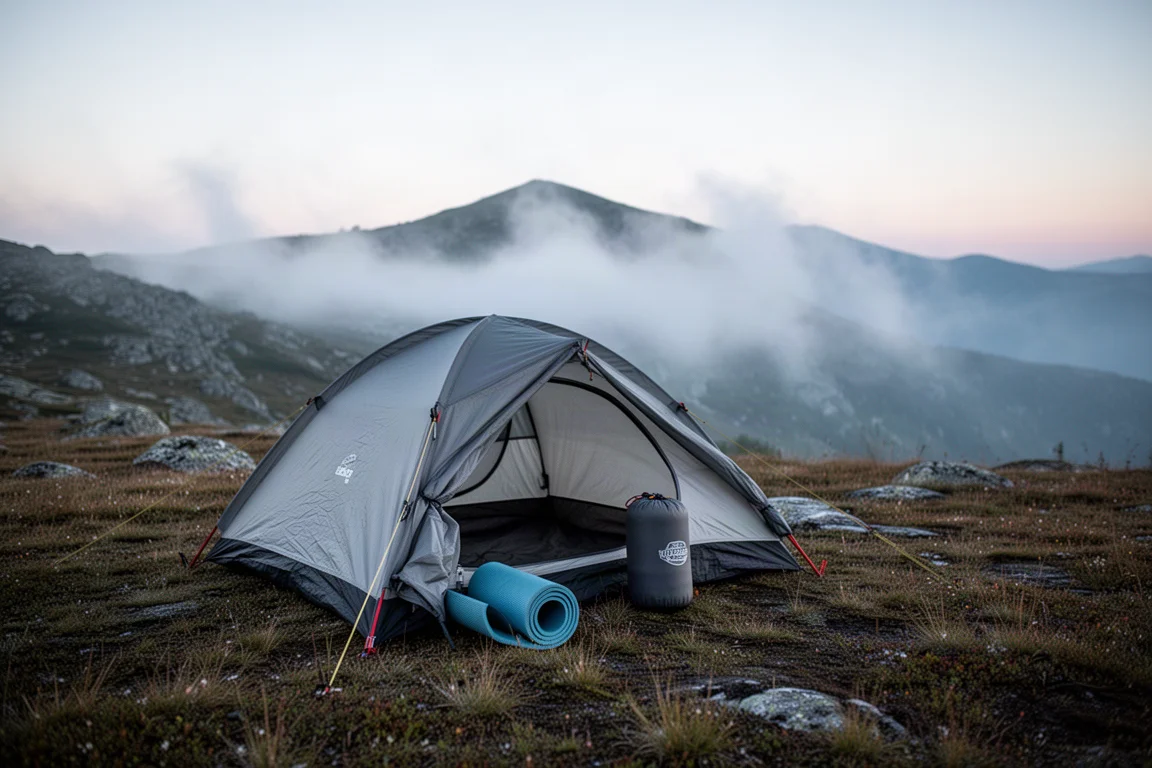
The details that define a premium bag are mostly invisible from the outside. Anatomical shaping follows how a body is actually built and how it lies. A differential cut keeps the inner shell from pressing against the outer wall, so the down between the two layers cannot be flattened. Responsibly sourced down and lighter, more breathable fabrics round out the package, and together they add up to better performance, less bulk, and a more comfortable night out.
There is a supply chain dimension too. Anyone can buy white label sleeping bags in bulk and list them for sale without ever designing a piece of gear. Those products do get bags into people’s hands, but they skip the development work and the sourcing standards that brand name companies invest in.
Western Mountaineering Ultralite: Minimalist Craftsmanship
The Western Mountaineering Ultralite is a 20 degree down bag and the most expensive option here at nearly $600. It is also the most traditional in shape: a straightforward mummy design without extra zippers or expanded widths.
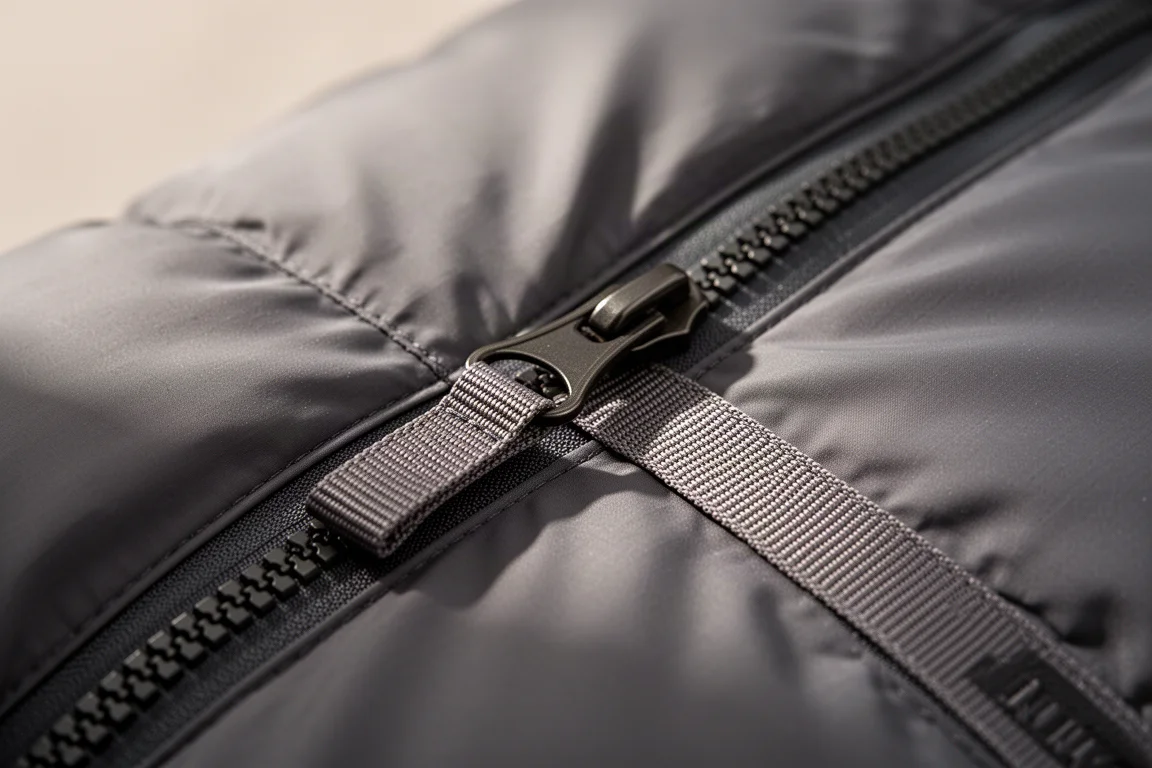
Construction is a large part of the argument. The bag is made in the United States, and each one passes through every stage of assembly by a single person. The design itself is anatomically focused, and the zipper has never once caught on the fabric thanks to a strip of ribbon running along both sides of the track.
The differential cut matters most on cold nights. Because the inner shell cannot expand far enough to press against the outer wall, pushing your feet into the footbox or your arms against the side does not compress the down or shrink the baffle. On bags without that cut, the same movement creates cold spots where the insulation has been flattened.
Big Agnes Lost Ranger: A Three-in-One Sleep System
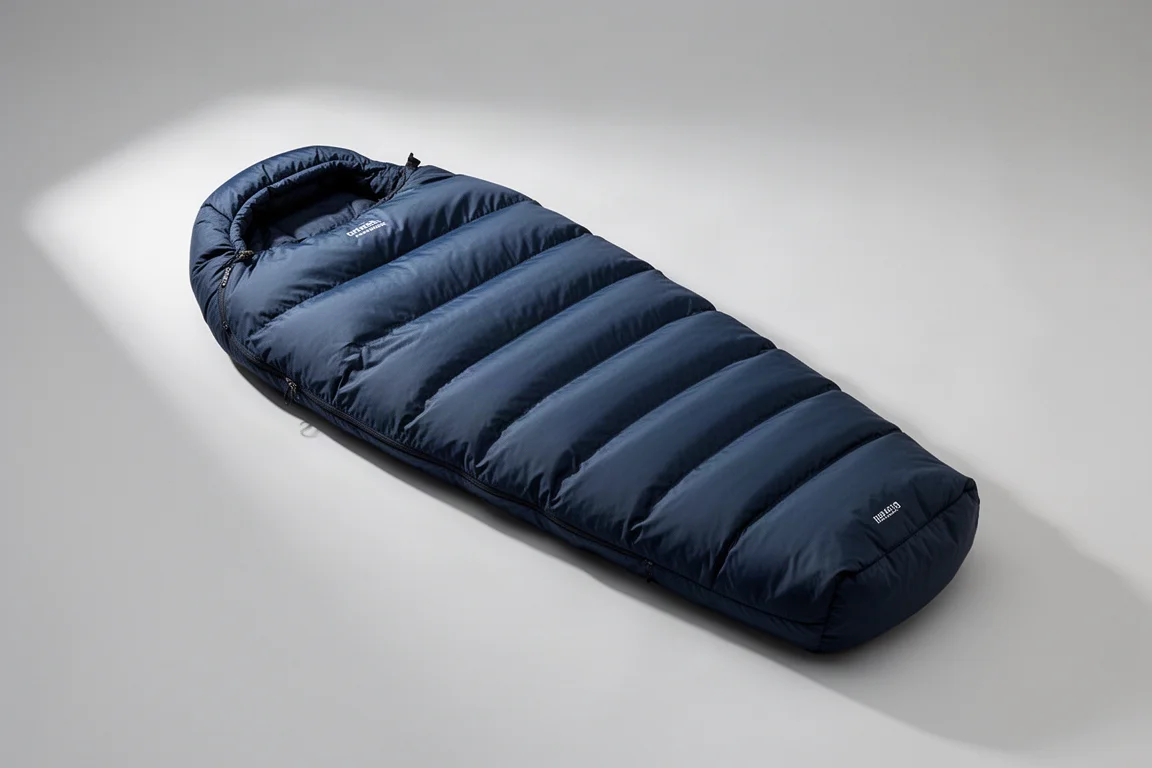
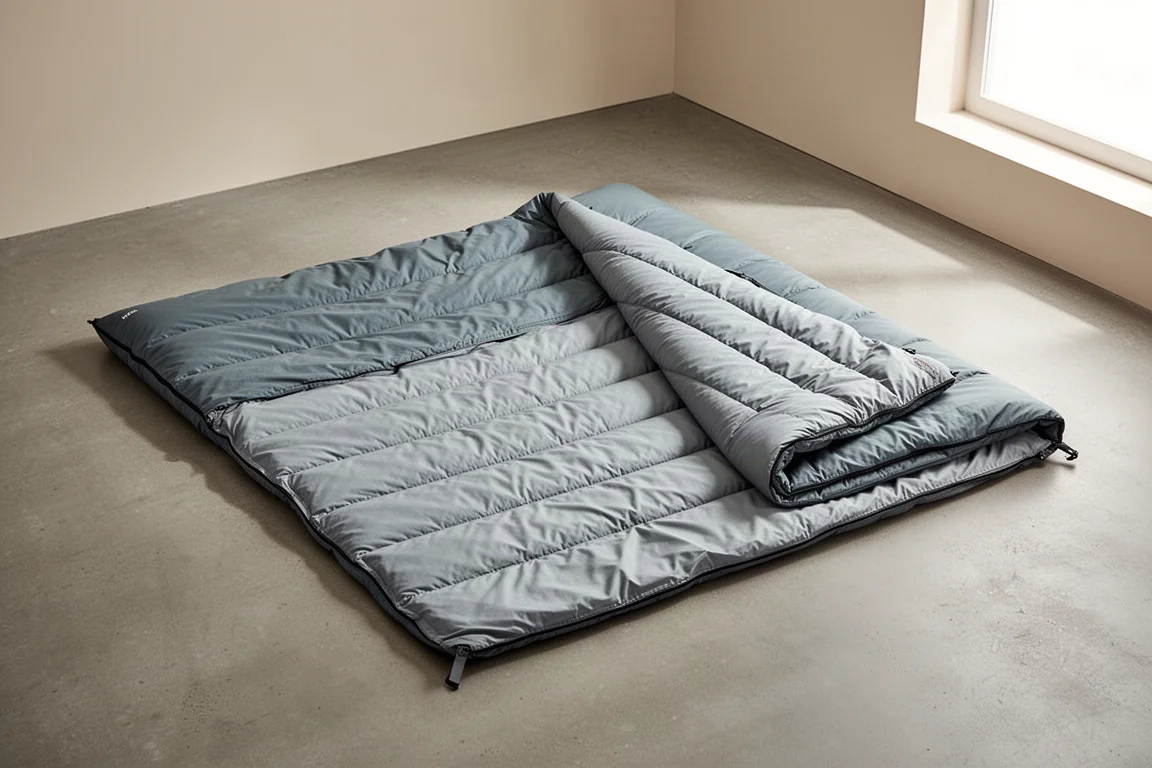
The Big Agnes Lost Ranger takes a different approach. It is a three-in-one system rather than a single bag: an outer quilt is attached to a sewn-in pad sleeve, and a full-length zipper runs down the left side. Inside sits a completely separate liner bag.
That structure gives you options. The outer quilt works on its own, the liner works on its own, and the two together bring the system down to a 20 degree rating. The shape is designed to fit different body types and specifically for side sleeping, which is where the extra engineering pays off.
Sea to Summit Ascent Down: Adaptable Comfort
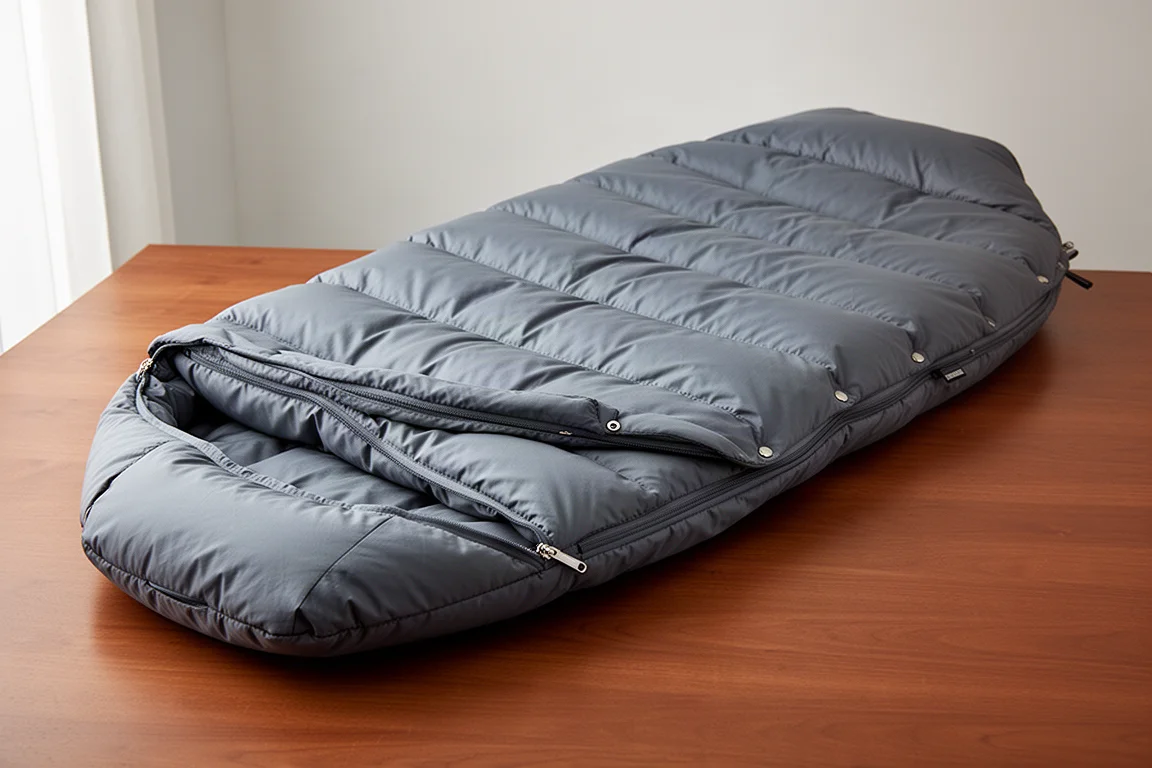
The Sea to Summit Ascent Down focuses on adaptability. A full-length zipper on the left side makes entry and exit easy, and a half zipper on the opposite side lets you open the bag out into a quilt when you want more room to move around.
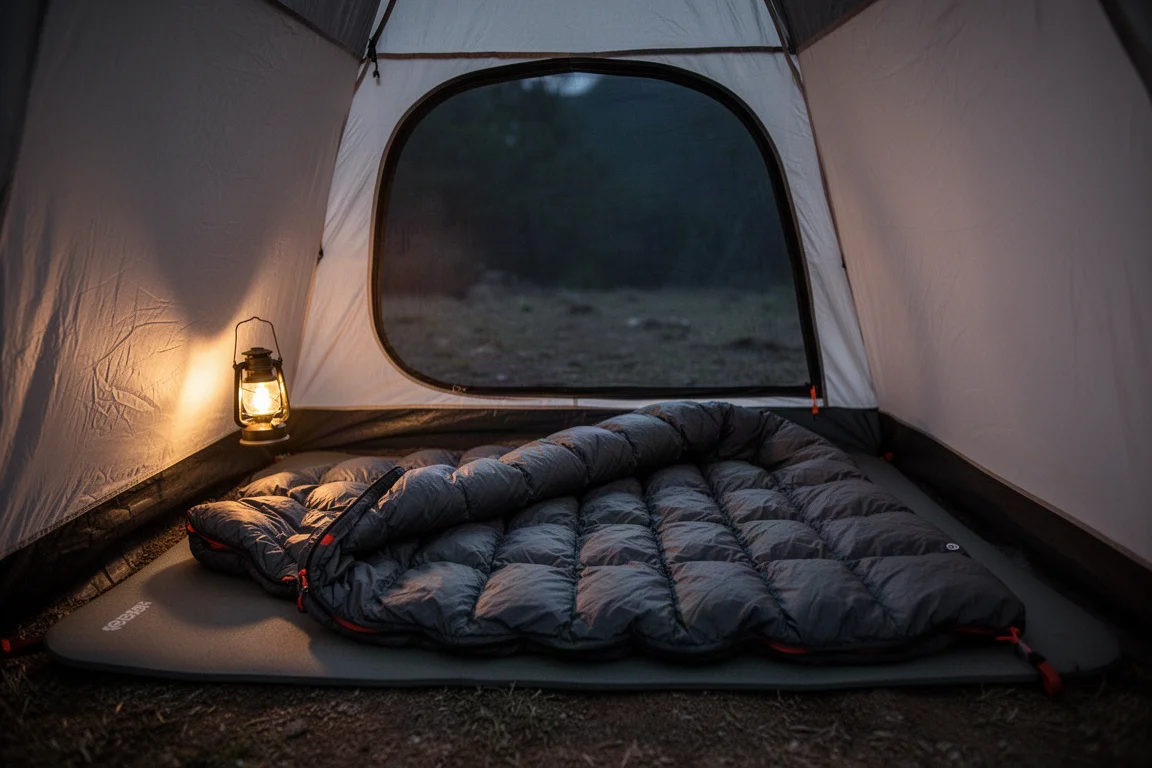
That second zipper is a small detail with an outsized effect. Tent orientation changes from site to site, and the direction you need to get in and out of your bag depends on how you have pitched the tent and which way your head is lying. Being able to work from either side removes a recurring annoyance.
Buying Advice: Matching a Premium Bag to Your Sleep System
Start with how you sleep and where you sleep. A side sleeper has different needs from someone who lies still on their back, and a bag rated to 20 degrees is a different proposition in a humid coastal range than in a dry alpine one.
It is fair to hesitate before spending $450 or $500 on a sleeping bag, and it is worth doing the homework first. Compare the construction details, the sourcing standards, and the shape against how you actually use a bag. A premium bag is not a shortcut to a good night of sleep, but it is a piece of gear that tends to last longer and deliver a better experience across the seasons you own it.
Conclusion
Budget bags are not the enemy here. They are simply built to a different brief, and the premium tier exists for people who want the design work, the sourcing standards, and the performance that come with it. The Western Mountaineering Ultralite is the purist’s choice, the Big Agnes Lost Ranger suits side sleepers who want a modular system, and the Sea to Summit Ascent Down is the most adaptable of the three.
Further reading
Related Reviews
Sleeping Bags
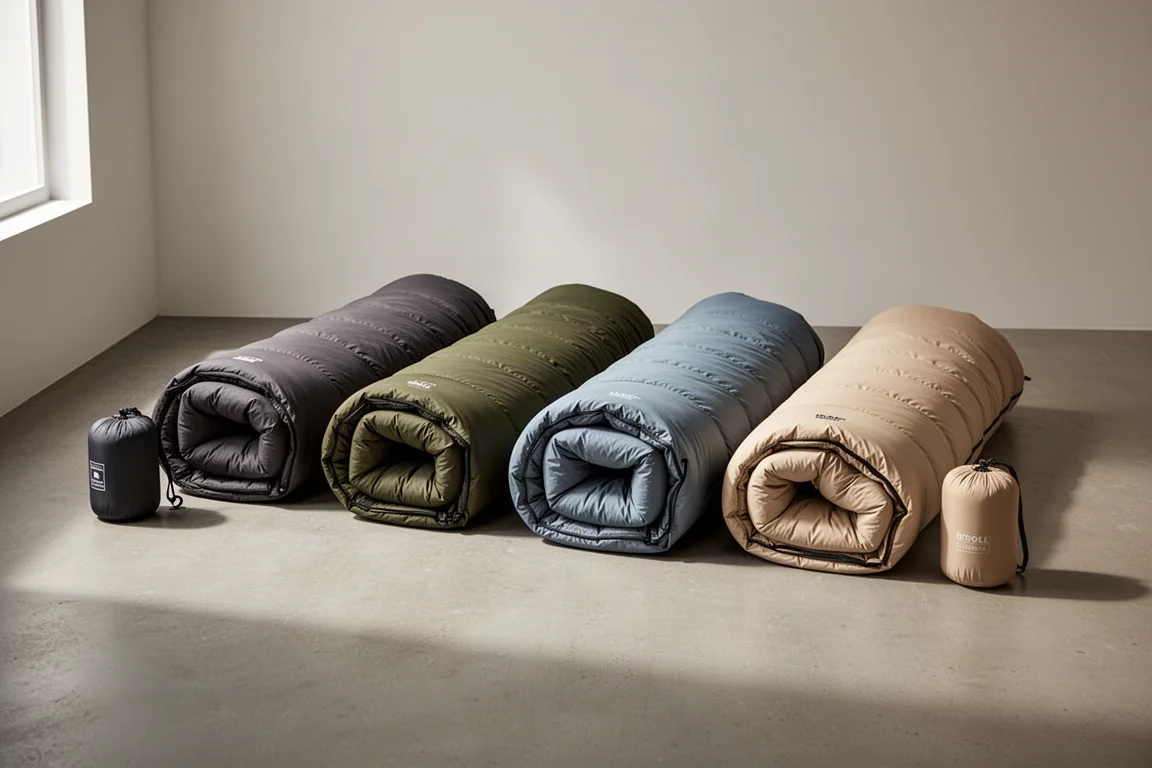
Best Down Sleeping Bags Under $300: Four Backpacking Options Worth a Look
Four down sleeping bags that stay under $300, compared on fill power, baffle design, hood comfort, and packed size.
Sleeping Bags
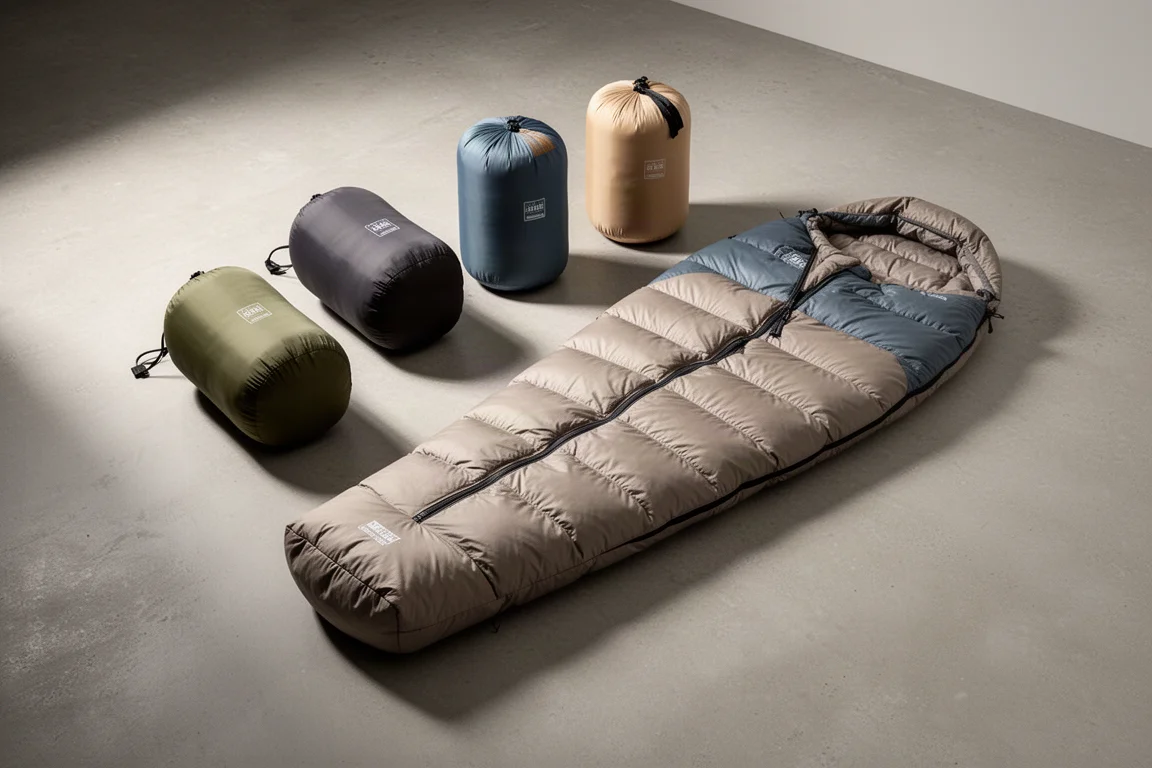
Best Sleeping Bags and Sleep Systems: Five Premium Down Picks Compared
Five premium down sleeping bags and sleep systems compared on warmth, weight, construction, and value.
Sleeping Bags
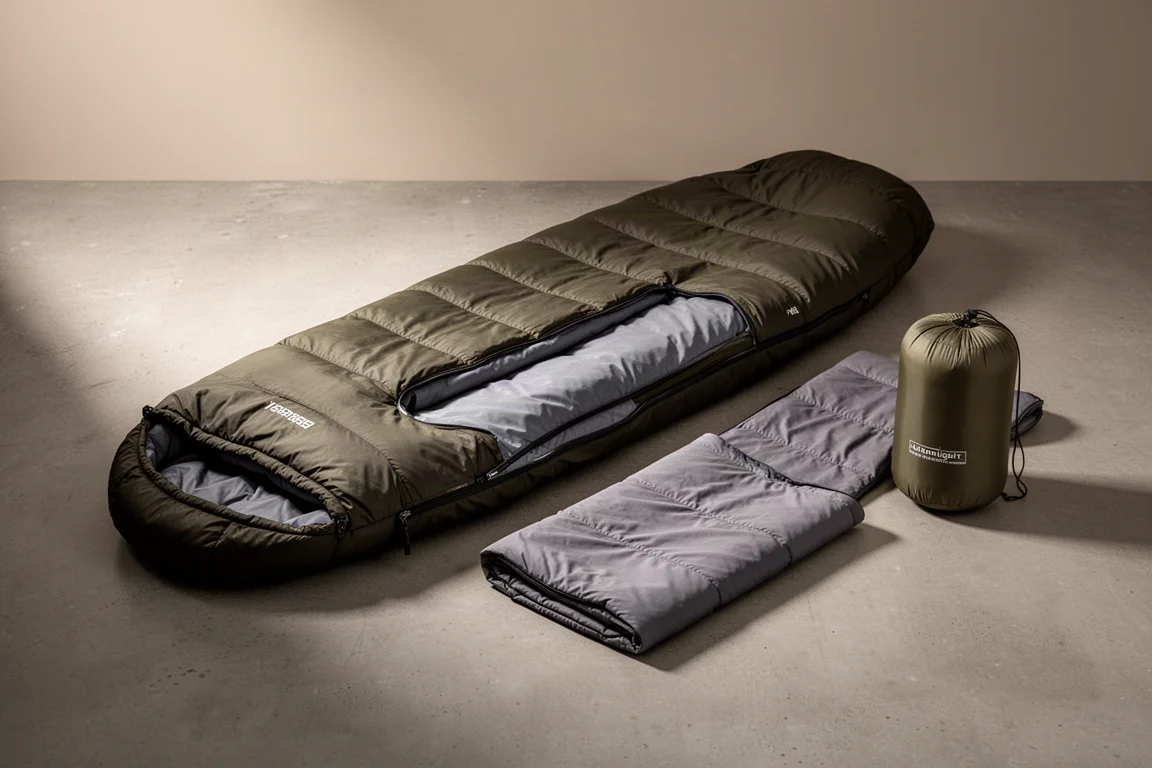
Big Agnes Lost Ranger UL 3-in-1 Sleeping Bag System Review: One Bag, Three Setups
A practical look at the Big Agnes Lost Ranger UL 3-in-1 Sleeping Bag System, covering how the three configurations work, where it shines, and the details worth weighing before buying.